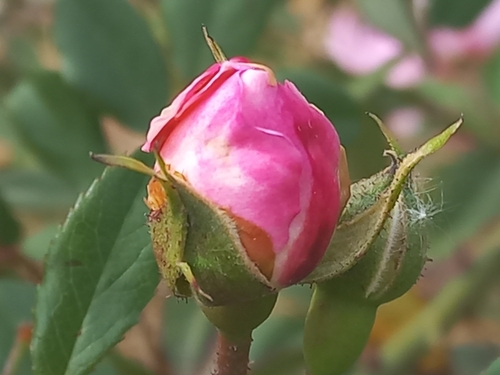
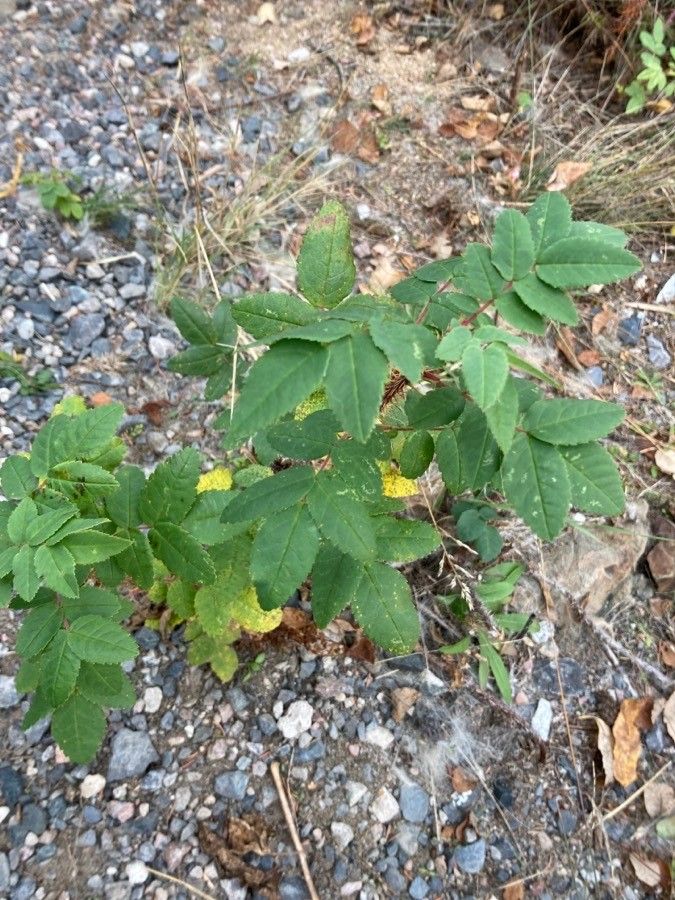
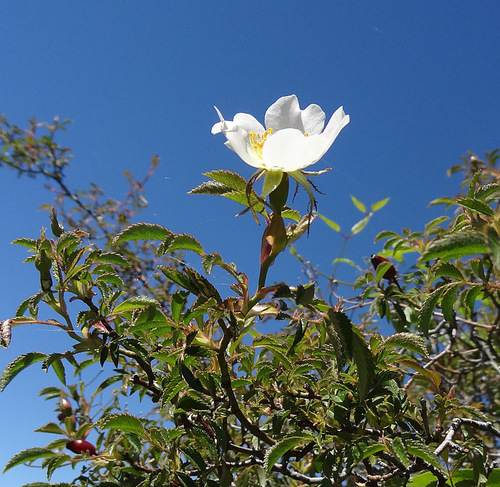
Rosa sericea, commonly known as the silky rose or the Cherokee rose, is a deciduous shrub belonging to the Rosaceae family. Native to China, it has also been introduced to other regions in Asia and North America. This plant can reach up to 3 meters in height and features arching branches covered in thorns.
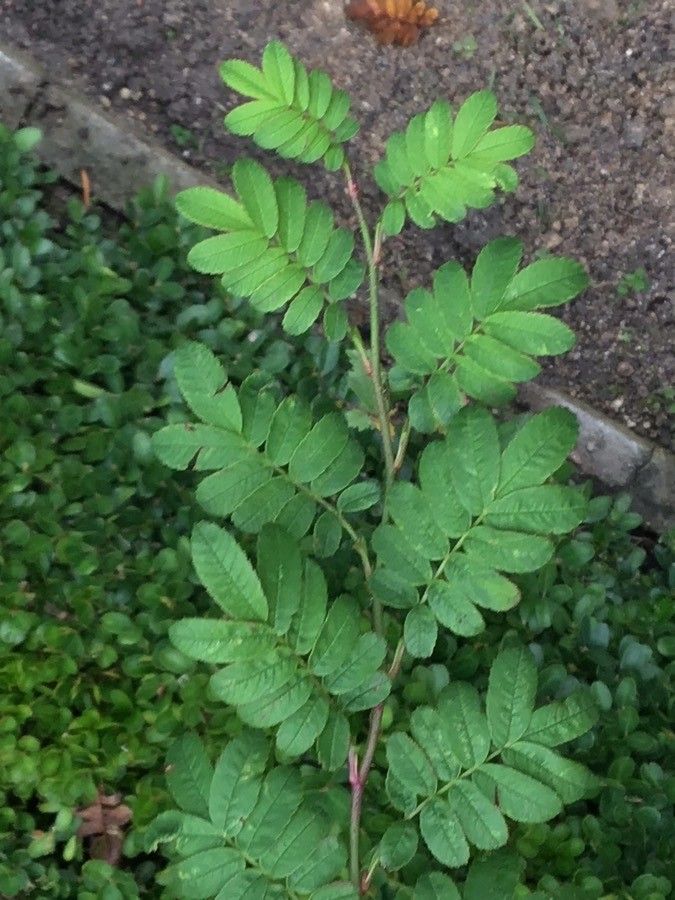
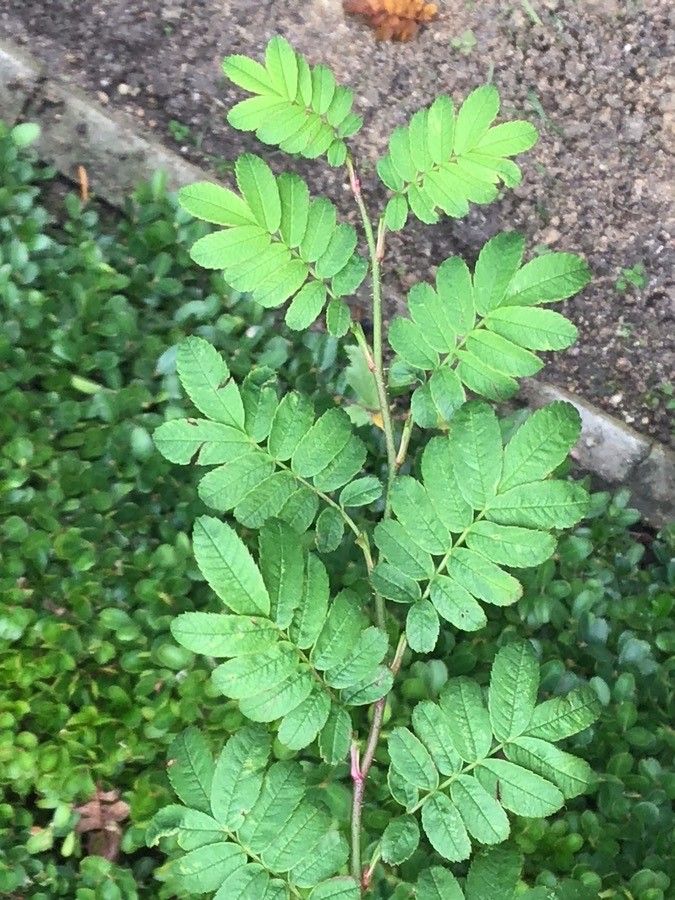
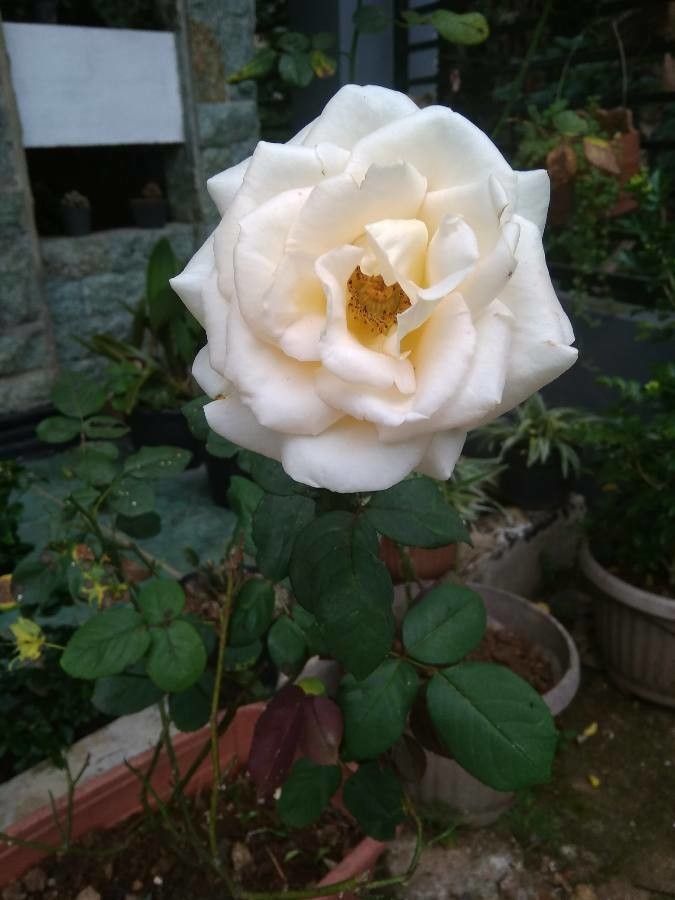
The leaves of Rosa sericea are pinnate, consisting of 5 to 7 dark green leaflets. The flowers bloom from late spring to early summer, typically showcasing pink or white petals, and emit a sweet fragrance that attracts bees, butterflies, and other pollinators.
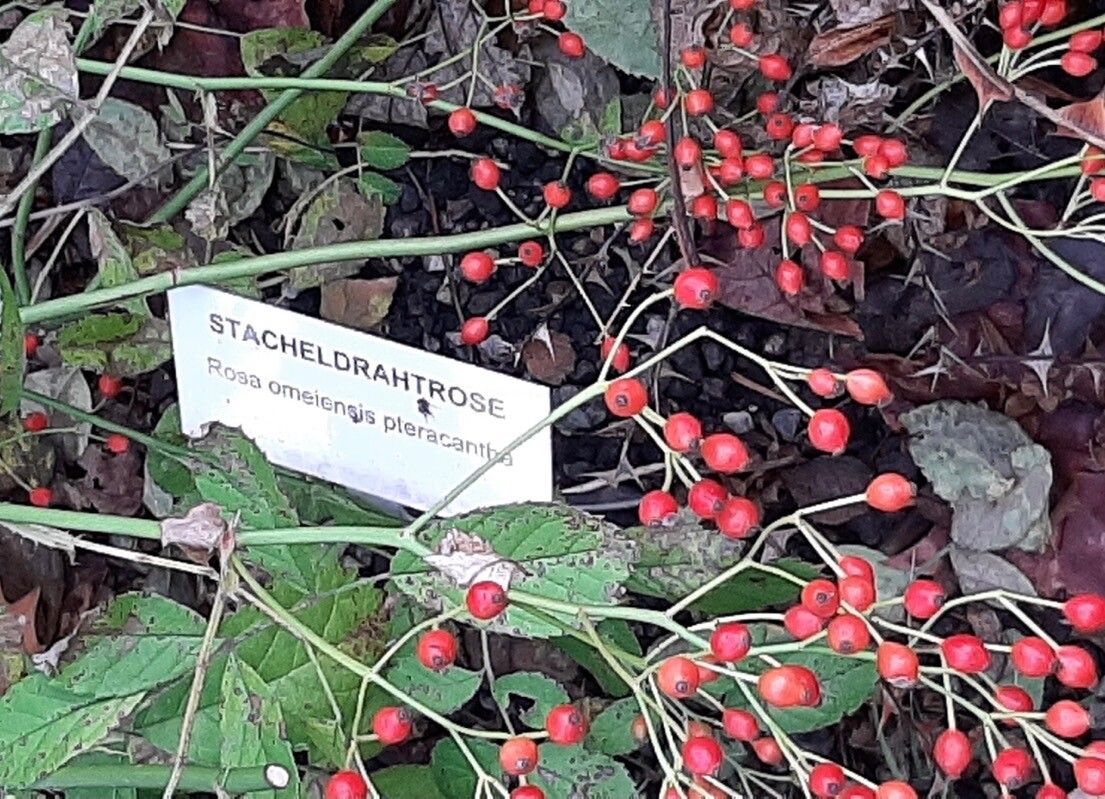
The fruit of Rosa sericea is an oval-shaped hip that turns red when ripe and contains numerous small seeds, which can be used for propagation.
Rosa sericea thrives in full sun exposure but can also tolerate partial shade. It prefers well-drained soil but is adaptable to poor soil conditions as long as it is not waterlogged.
In traditional Chinese medicine, Rosa sericea has been used for its medicinal properties, such as treating diarrhea, dysentery, fever, and sore throat, among other conditions.
Overall, Rosa sericea is an attractive plant that enhances the beauty of any garden while offering medicinal benefits as well.
Silky rose has weak resistance to disease and is highly prone to various leaf spots. It is also susceptible to a range of insect pests, and when infections are severe most of its leaves will drop. Caring for this plant is considered difficult: it needs regular watering, fertilization before flowering, and pruning after flowering and in winter. Preventive spraying may be required, or treatments may be necessary if the plant develops a disease. Silky rose suits people who can devote some time and energy to plant care, but keeping it healthy and vigorous may demand more cultivation experience and effort.
How to keep Rosa Sericea.
Light
Silky rose is native to open habitats, like sunny meadows and forest edges, which offer abundant light. It performs best in Full Sun but can also tolerate Partial Sun, adapting well to a range of sunlight conditions.
Water
The silky rose thrives best in moderate humidity and occasional rainfall, preferring soil that is evenly moist. While it can tolerate some drought, it's important to water it every 1-2 weeks, letting the soil dry out slightly between waterings. Often grown outdoors, the silky rose benefits from mulching, which helps retain moisture and promote blooming.
Temperature
Silky rose is highly adaptable to a range of climatic conditions, from scorching summers to cold winters. That said, it still has a preferred temperature range for healthy growth. If temperatures climb too high, the plant can experience heat and humidity stress that may kill it. In places where temperatures near the lower limit of its cold tolerance, it's necessary to provide insulation to protect the plant.
Fertilizer
Timing is important when fertilizing Silky rose. Apply fertilizer in early spring and continue once a month until early summer. Fertilizer helps produce attractive blooms and supplies energy during both dormant and active growth periods.
Pruning
The Silky Rose flourishes with vigorous growth but needs regular pruning to avoid disease and pests, especially in poor conditions. After the flowers have bloomed, trim away the faded blooms and thin out overgrown branches. If you are cultivating vines, maintain them at lengths of 2-3 meters. For bush varieties, cut back the plant to one-third of its height, ensuring you leave 4-6 strong branches.
Botanical profile.
- Plant Type
- Shrub
- Life Cycle
- Perennial, Annual
- Genus
- Rosa
- Family
- Rosaceae
- Hardiness Zone
- 5-9
- Mature Height
- 2.44 m
- Mature Spread
- 2.44 m
- Leaf Color
- Green, Dark Green
- Leaf Type
- Deciduous
- Flower Color
- White
- Flower Size
- 4.06 cm to 5.08 cm
- Bloom Time
- Mid spring, Late spring
- Planting Time
- Spring, Summer
- Harvest Time
- Late summer, Early fall, Mid fall
- Native Area
- Nepal, India, Myanmar, Bhutan, China
Other names.
Reader questions.
What are the sunlight requirements for Silky rose (Rosa sericea)?
The Silky rose (Rosa sericea) has specific sunlight requirements to thrive. It needs full sun, which is above 6 hours of sunlight daily, or partial sun, which involves about 3-6 hours of sunlight. It's important to observe the movement of sunlight through your garden carefully. Choosing the right spots that provide a perfect balance of light and shade ensures the plants remain happy and healthy.