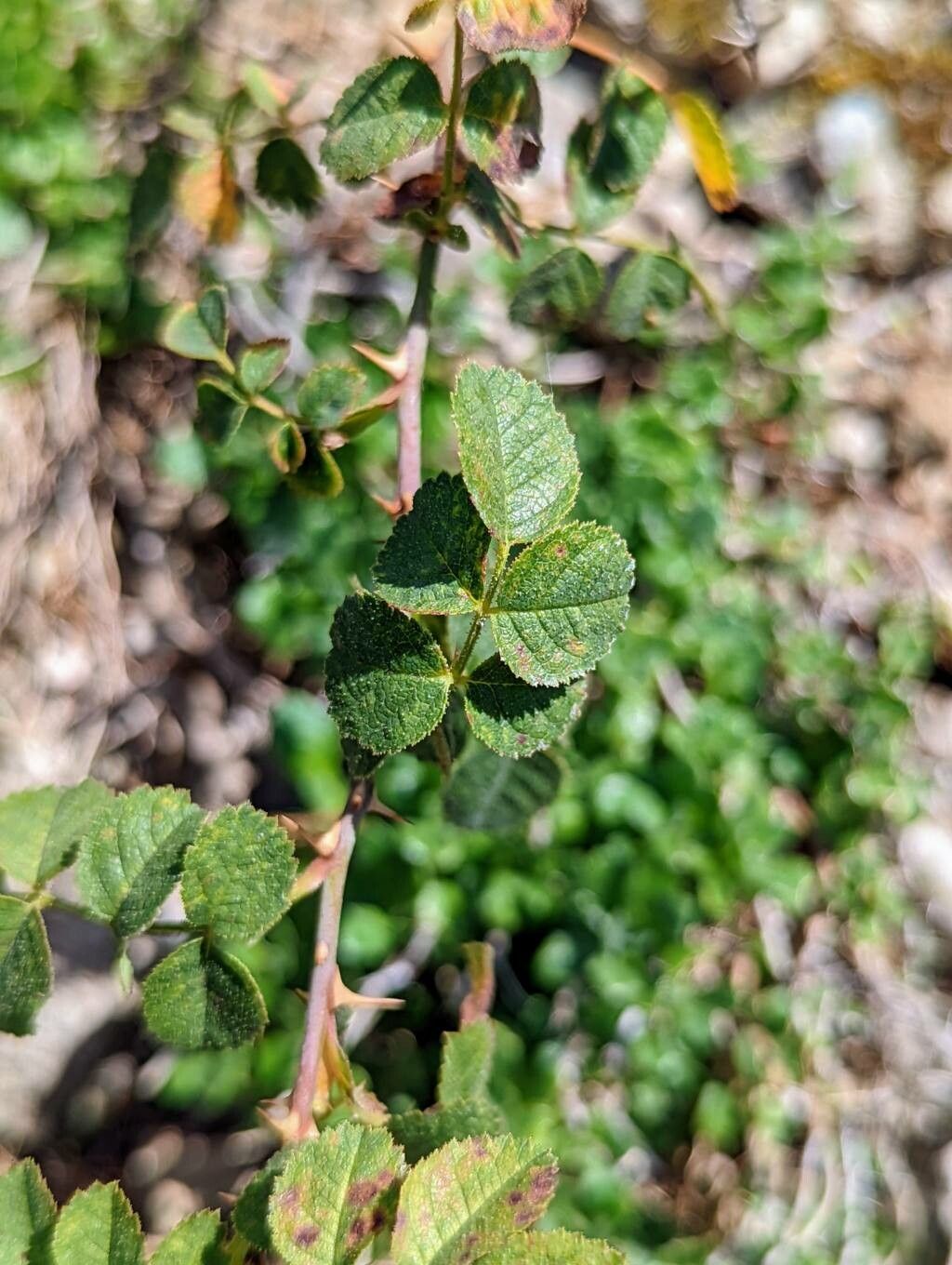
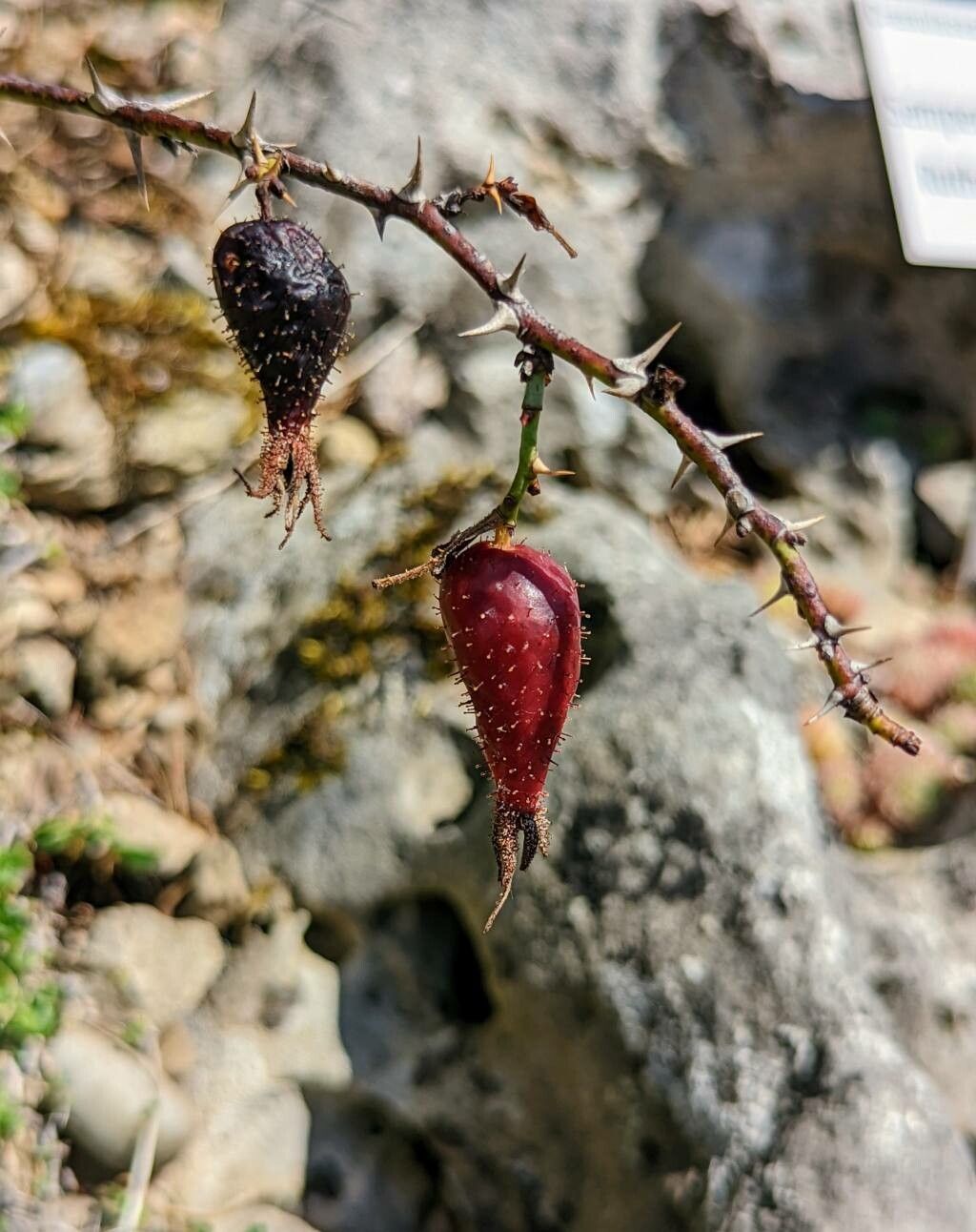
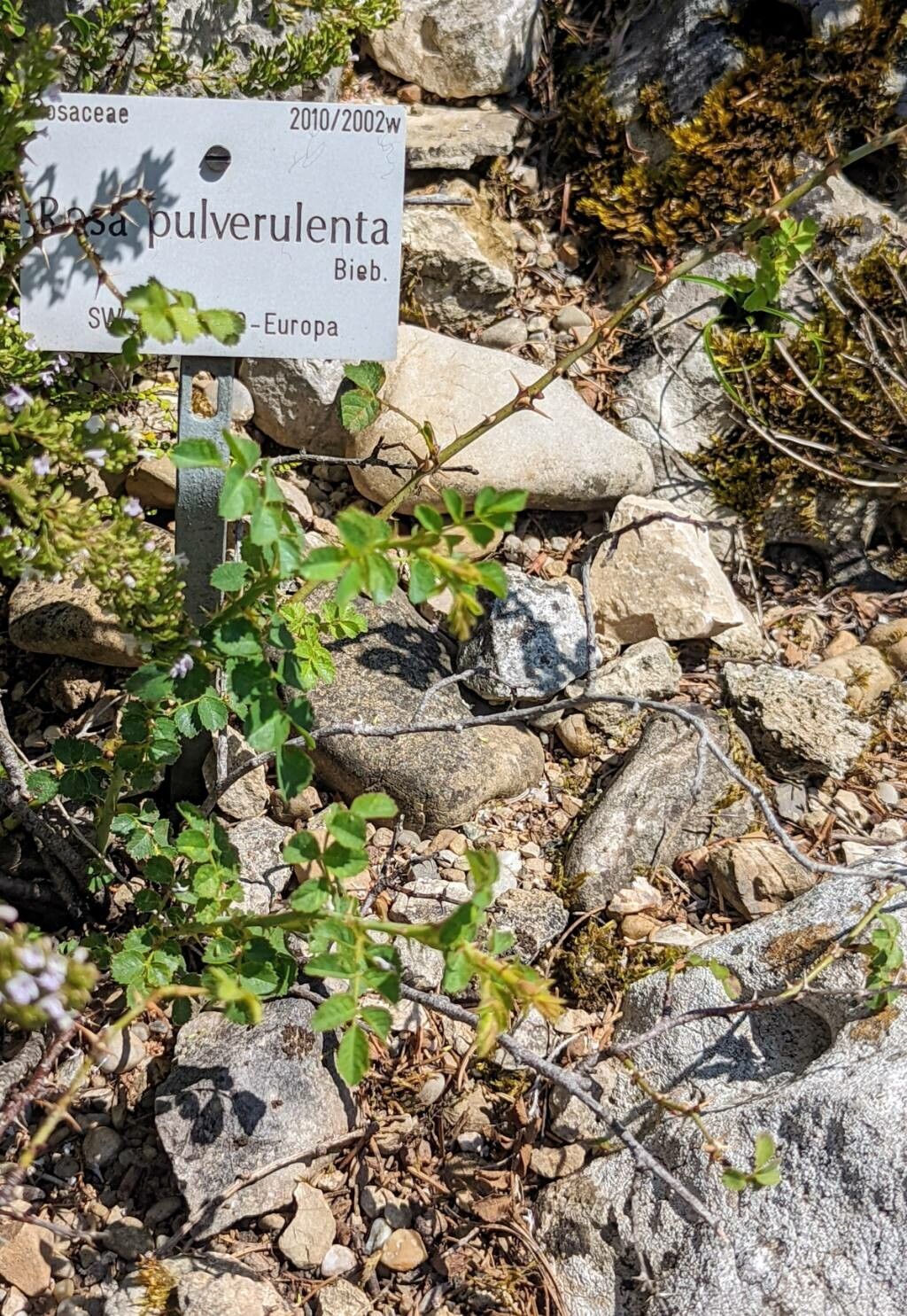
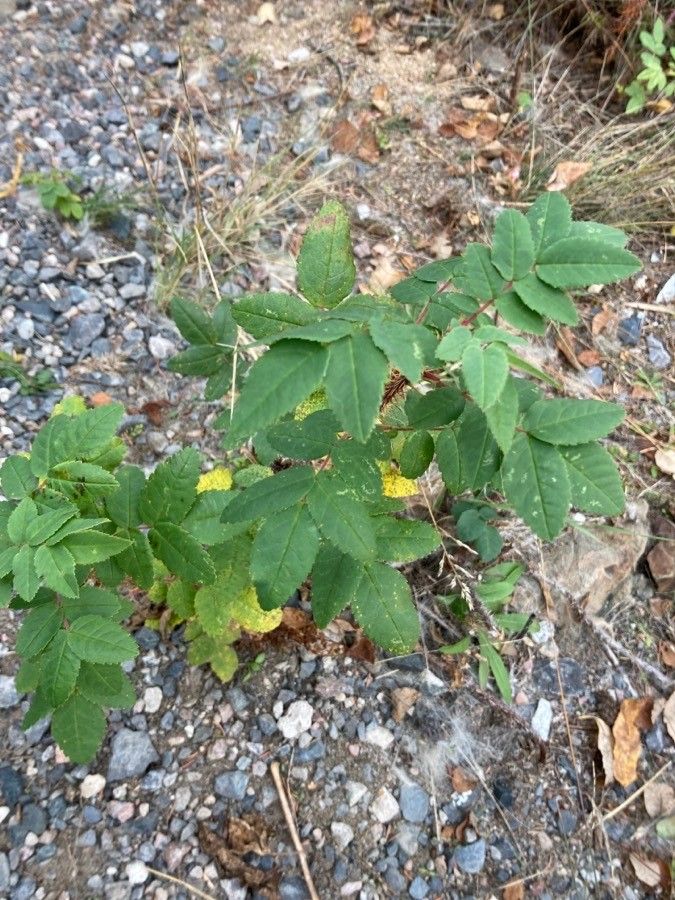
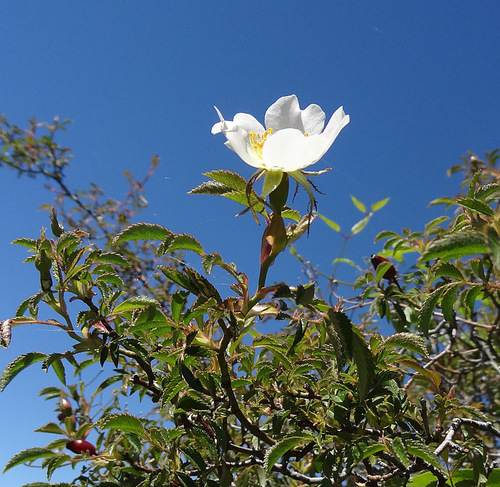
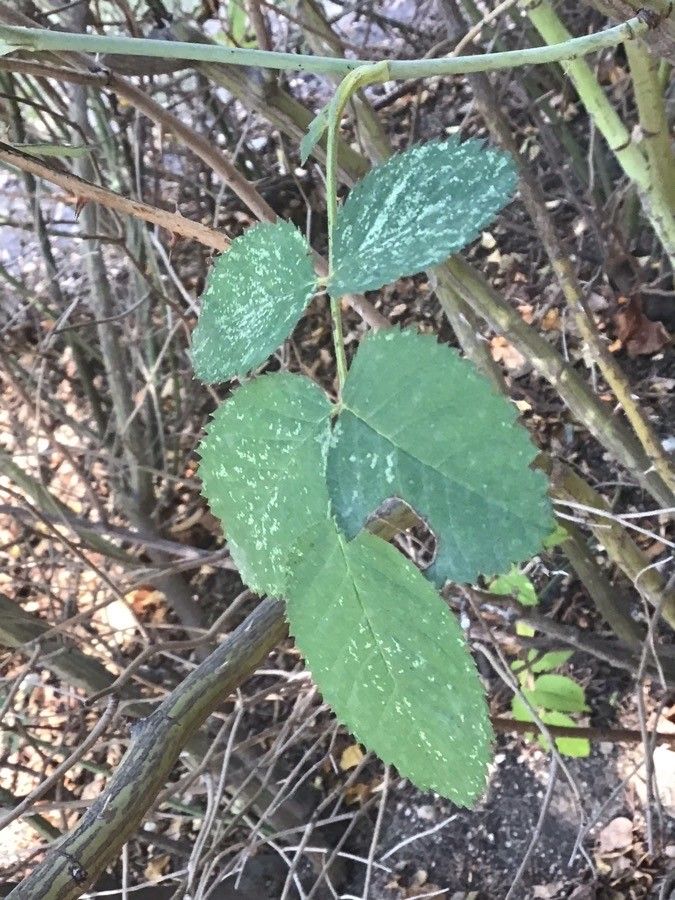
Rosa pulverulenta, the Cretan rose, is a species of flowering plant in the family Rosaceae. It is native to the Mediterranean, the Caucasus, and western Asia, and it has been introduced to Argentina. An aromatic, compact shrub, its stems are densely covered in larger stiff prickles, smaller needle-like prickles, and bristles of glandular origin.
Rosa pulverulenta has weak disease resistance and is highly prone to all types of leaf spot. It is also susceptible to various insect pests, and when infestations are severe most leaves will drop. Its care is considered difficult: it needs regular watering, feeding before it blooms, and pruning after flowering and during winter. Preventive spraying might be required, or active treatment if the plant becomes diseased. Rosa pulverulenta suits people who can invest some time and effort in plant care, but keeping it healthy and vigorous may demand greater horticultural experience and more energy.
How to keep Rosa Pulverulenta.
Light
Rosa pulverulenta is native to open habitats, such as sunlit meadows and forest edges, where light is abundant. It performs best in full sun but can also tolerate partial sun, adapting well to different sunlight levels.
Water
Rosa pulverulenta thrives in environments with consistent moisture and moderate humidity but can also adapt to tolerate moderate drought conditions. To keep the soil evenly moist without causing waterlogging, water the plant twice a week. While it is typically grown outdoors, applying mulch can help retain moisture, particularly during the active growing season when the plant's water needs increase.
Temperature
Rosa pulverulenta is highly adaptable to a range of climatic conditions, from very hot summers to cold winters. However, it does have an ideal temperature range for growth. If temperatures rise too much, the plant becomes susceptible to heat and humidity stress, which can kill it. In areas where temperatures approach the lower limit of its cold tolerance, providing insulation to protect the plant is important.
Fertilizer
Timing is important for fertilizing Rosa pulverulenta. Apply fertilizer in early spring and continue on a monthly schedule until early summer. Fertilizer encourages attractive blooms and supplies energy during both dormant and active growth periods.
Pruning
Rosa pulverulenta benefits from regular pruning, which involves removing dead branches, thinning out crowded areas, and trimming long canes to encourage denser growth. It is best to prune in early spring to shape the plant and improve its blooming. Regular pruning enhances the plant's vitality and reduces the risk of disease.
Botanical profile.
- Plant Type
- Shrub
- Life Cycle
- Perennial
- Genus
- Rosa
- Family
- Rosaceae
- Hardiness Zone
- 5-9
- Mature Height
- 49 cm to 91 cm
- Mature Spread
- 0.91 m to 1.52 m
- Leaf Color
- Green, Dark Green
- Leaf Type
- Deciduous
- Flower Color
- Pink, White
- Flower Size
- 4.06 cm to 6.35 cm
- Bloom Time
- Late spring, Early summer
- Planting Time
- Spring, Summer, Autumn
- Harvest Time
- Late summer, Early fall, Mid fall
- Native Area
- Tunisia, Turkey, Montenegro, Bulgaria, Armenia, Greece, Croatia, Morocco, Lebanon, Serbia, Italy, Spain, Albania, Iran, Azerbaijan, Algeria, France
Reader questions.
What are the sunlight requirements for Rosa pulverulenta?
Rosa pulverulenta requires specific sunlight conditions to thrive. It needs full sun, which is defined as more than 6 hours of sunlight daily, to flourish. However, it can also tolerate partial sun, meaning about 3-6 hours of sunlight. It's important to observe how sunlight moves through your garden throughout the day. Selecting spots that provide the right balance of light and shade is crucial for the happiness and health of your Rosa pulverulenta plants.