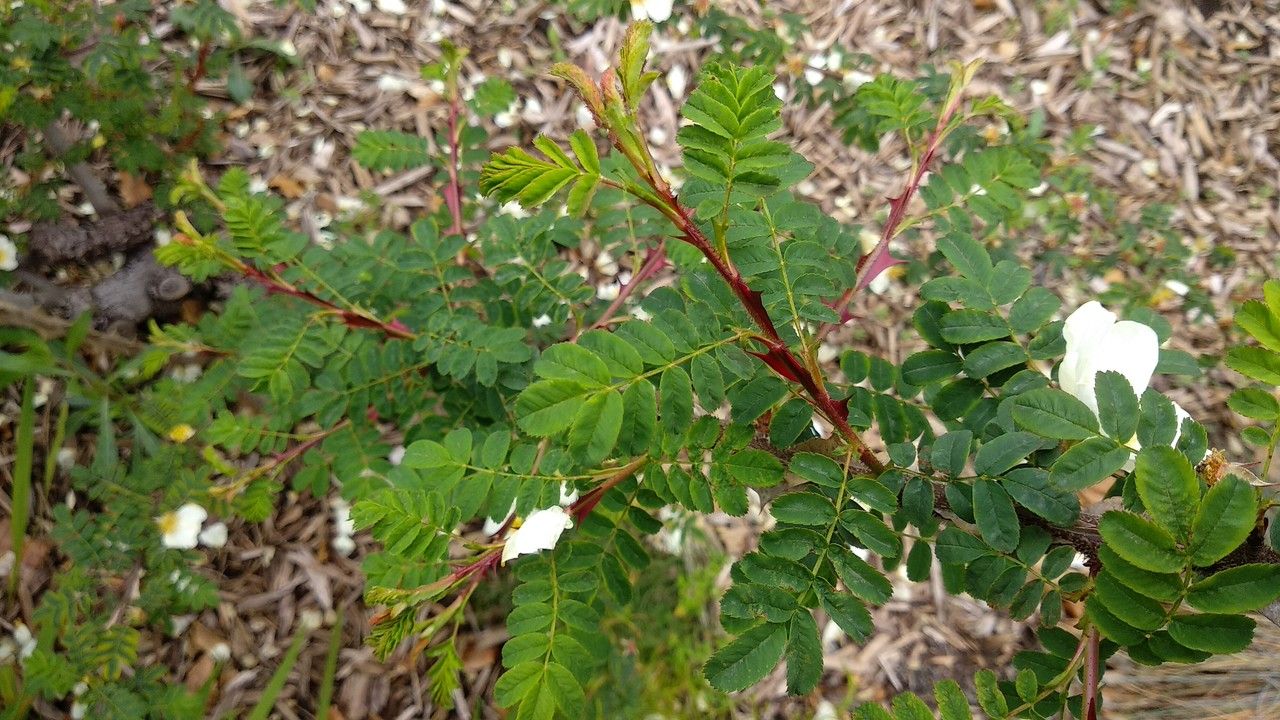
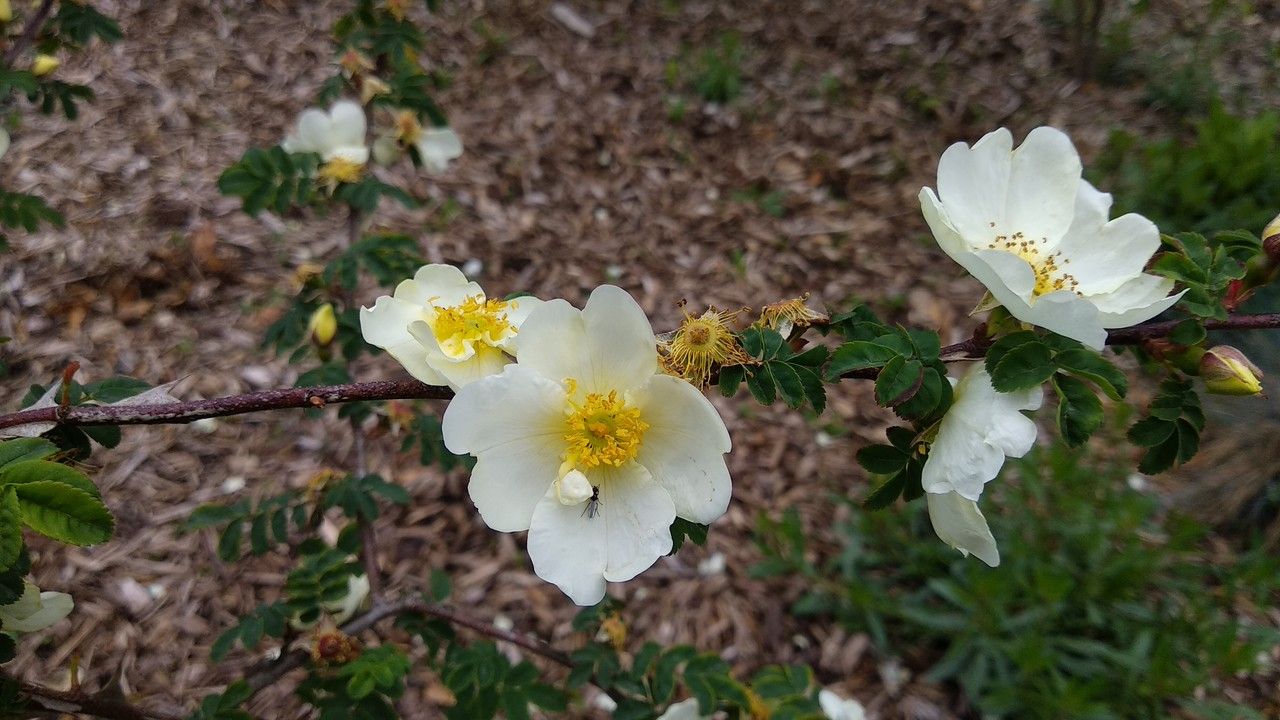
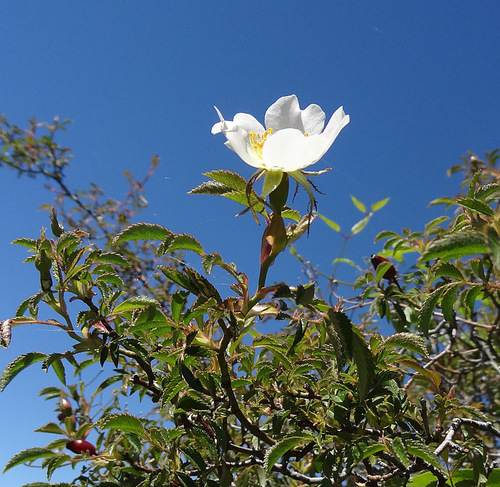
Rosa omeiensis is a species of Rosa native to central and southwestern China in the provinces of Gansu, Guizhou, Hubei, Ningxia, Qinghai, Shaanxi, Sichuan, Xizang, and Yunnan; it grows in mountains at altitudes of 700 to 4,400 m. It is a shrub which grows 4 m tall, and is often very spiny. The leaves are deciduous, 3–6 cm long, with 5–13 leaflets with a serrated margin. The flowers are 2.5–3.5 cm diameter, white, with (unusually for a rose) only four petals. The hips are red to orange-yellow, 8–15 mm diameter, with persistent sepals, and often bristly. There are four formae:
Rosa omeiensis f. omeiensis. Rosa omeiensis f. glandulosa T.T.Yü & T.C.Ku. Rosa omeiensis f. paucijuga T.T.Yü & T.C.Ku. Rosa omeiensis f. pteracantha Rehder & E.H.Wilson.It is sometimes treated as a subspecies of the closely related species Rosa sericea.
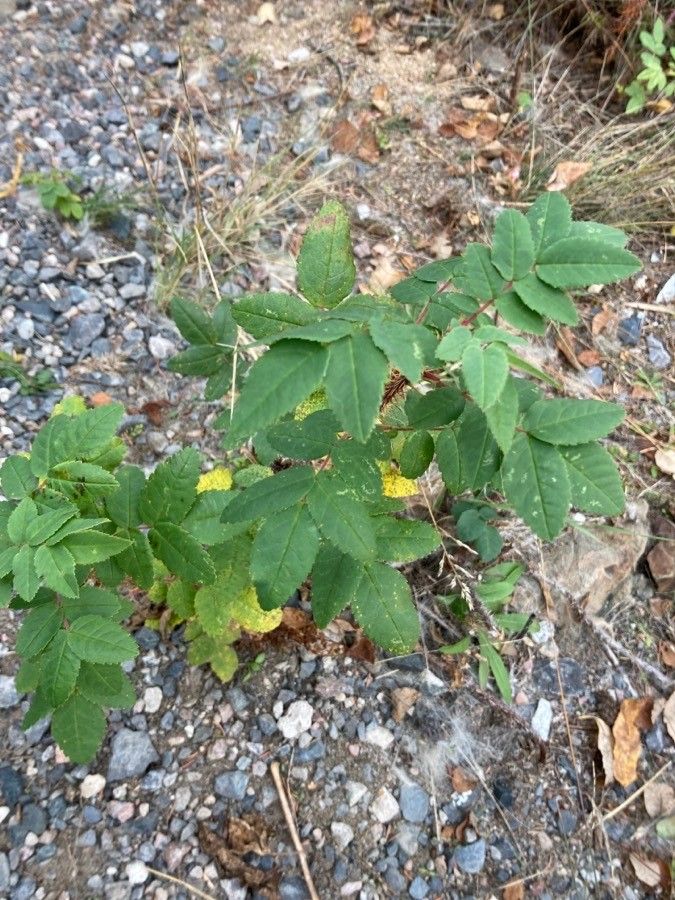
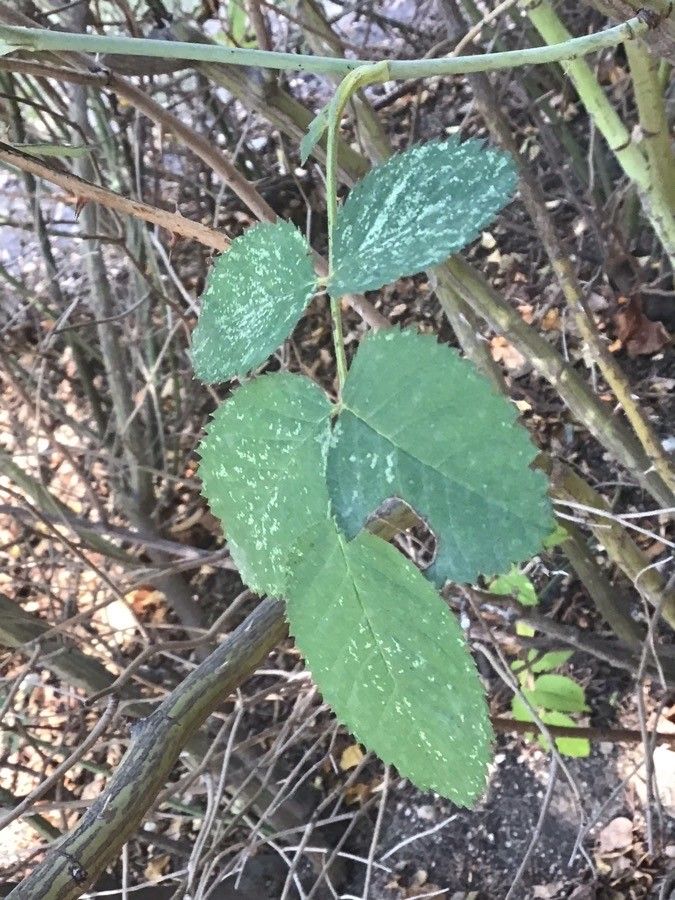
Rosa omeiensis has low disease resistance and is highly prone to various leaf spot diseases. It is also susceptible to a range of insect pests, and in cases of severe infection most leaves may drop. Its care is regarded as challenging: it needs regular watering, fertilization before flowering, and pruning after flowering and in winter. Preventive spraying might be required, or active treatment if a disease develops. Rosa omeiensis is appropriate for people who can devote some time and energy to plant care, though keeping it healthy and vigorous may demand additional cultivation experience and effort.
How to keep Rosa Omeiensis.
Light
Rosa omeiensis is native to open habitats, such as sunny meadows and forest margins, which provide abundant light. It flourishes in Full Sun but will also tolerate Partial Sun, adapting well to a variety of sunlight conditions.
Water
Rosa omeiensis thrives in moist, well-drained soil, so it's important to avoid water-logging. Water the plant when the soil surface feels slightly dry, and increase the watering frequency during periods of drought. In winter, reduce how often you water. For potted Rosa omeiensis, make sure any excess water can drain away, and try to avoid getting water on the leaves. Water the plant more frequently from budding through the flowering stage, then decrease the frequency after the flowering period ends.
Temperature
Rosa omeiensis is highly adaptable to a variety of climates, from hot summers to cold winters. Still, it has an optimal temperature range for growth. If temperatures become too high, the plant can suffer from heat and humidity stress, which may cause it to die. In areas where temperatures approach the lower limit of its cold tolerance, it is necessary to provide insulation to protect the plant.
Fertilizer
Timing is essential when fertilizing Rosa omeiensis. Apply fertilizer in early spring and continue monthly until early summer. Fertilizer encourages attractive blooms and supplies energy during both dormant and active growth periods.
Pruning
Rosa omeiensis grows vigorously but requires regular pruning to stay healthy and free from diseases and pests. After the flowers have bloomed, be sure to remove any faded blossoms and thin out overlapping branches. For vine varieties, keep the main branches at a length of 2–3 meters. For bush varieties, prune them to one-third of their height and keep 4 to 6 of the thicker branches.
Botanical profile.
- Plant Type
- Shrub
- Life Cycle
- Perennial
- Genus
- Rosa
- Family
- Rosaceae
- Hardiness Zone
- 5-8
- Mature Height
- 2.44 m
- Mature Spread
- 2.13 m
- Leaf Color
- Green
- Leaf Type
- Semi-evergreen
- Flower Color
- White
- Flower Size
- 3.05 cm to 5.08 cm
- Bloom Time
- Mid spring, Late spring
- Planting Time
- Spring, Summer, Autumn
- Harvest Time
- Late summer, Early fall, Mid fall
- Native Area
- China