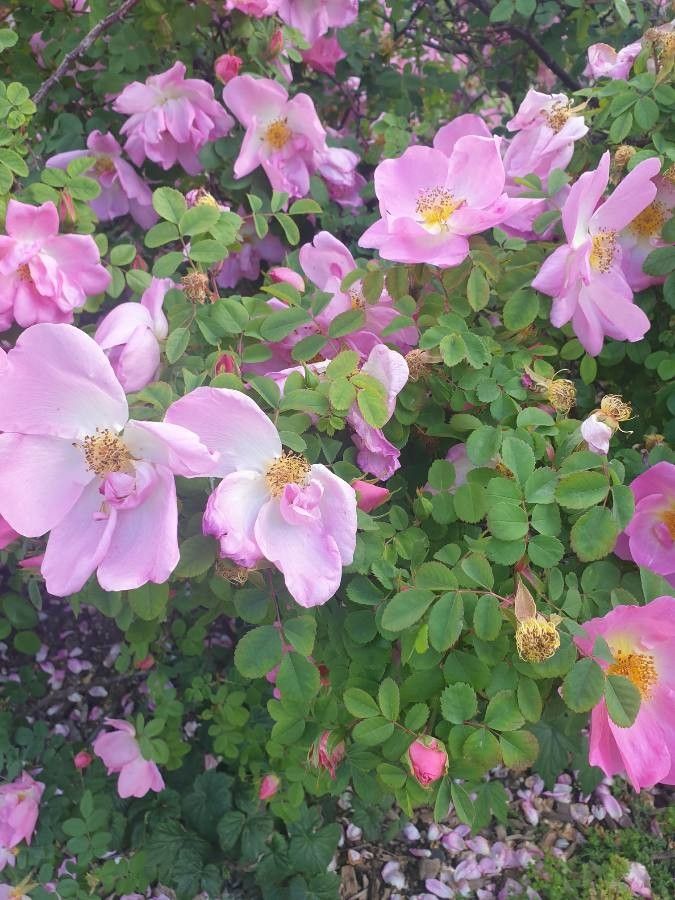
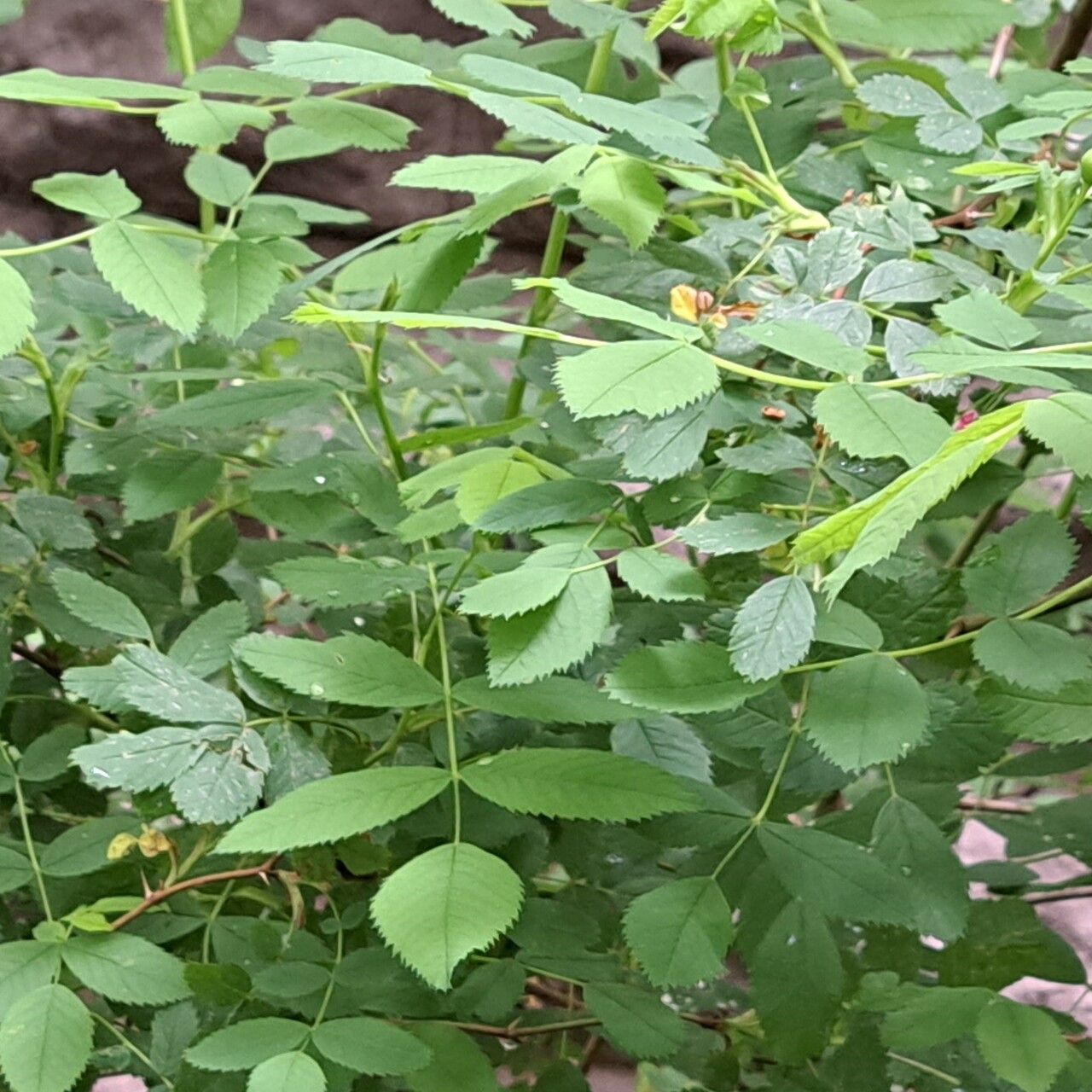
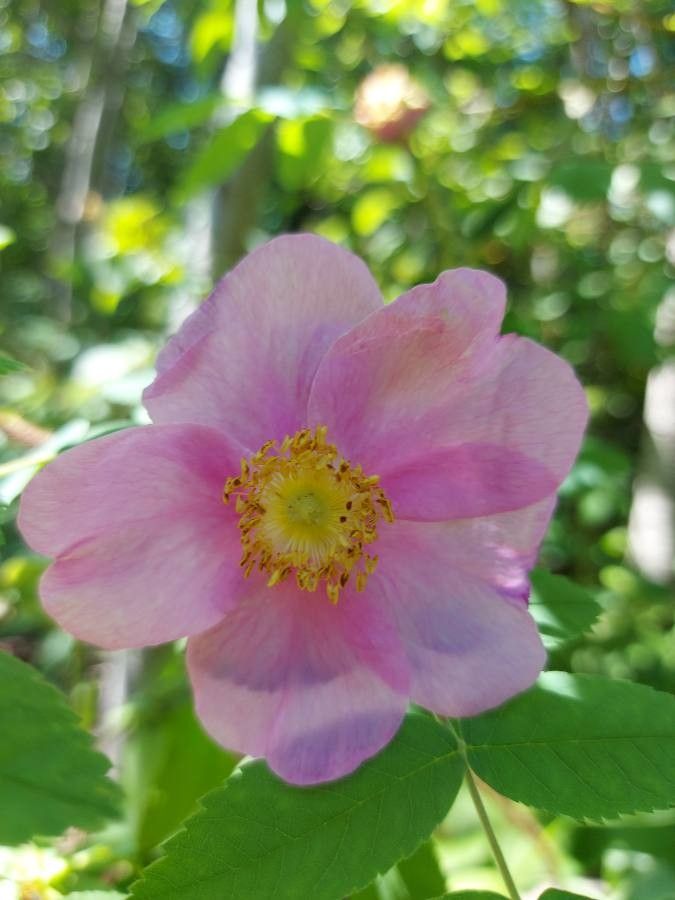
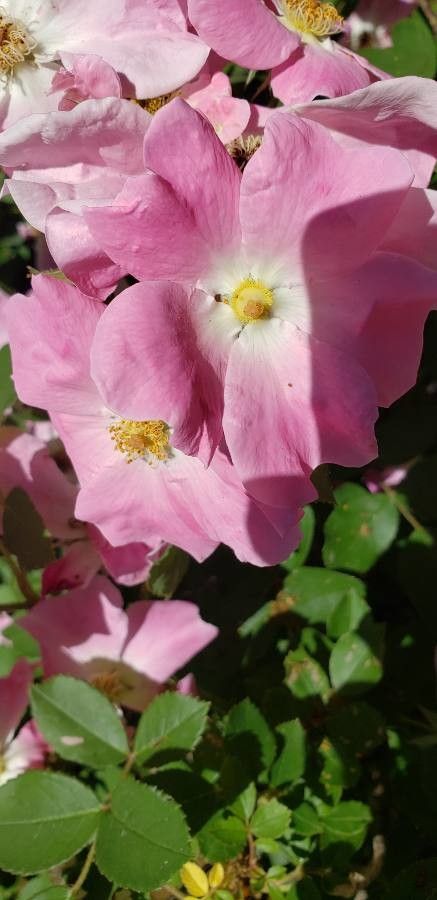
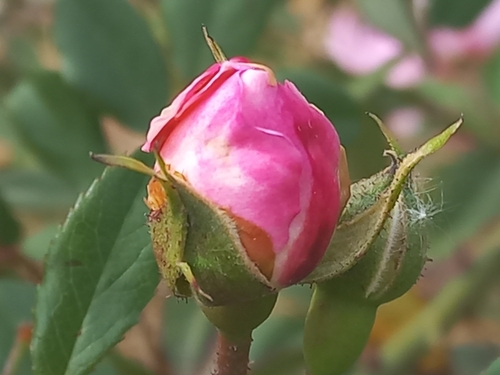
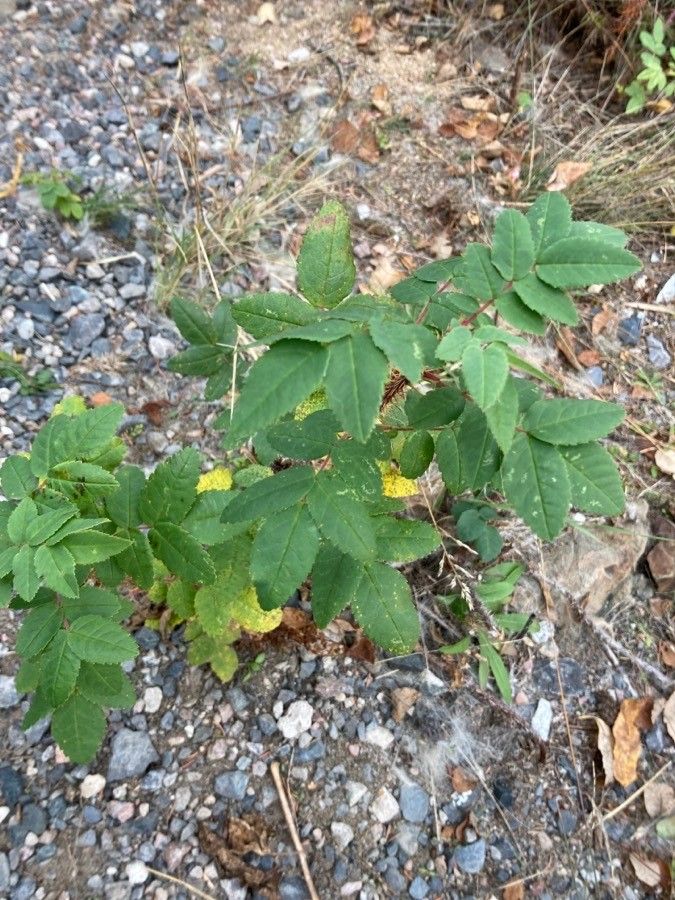
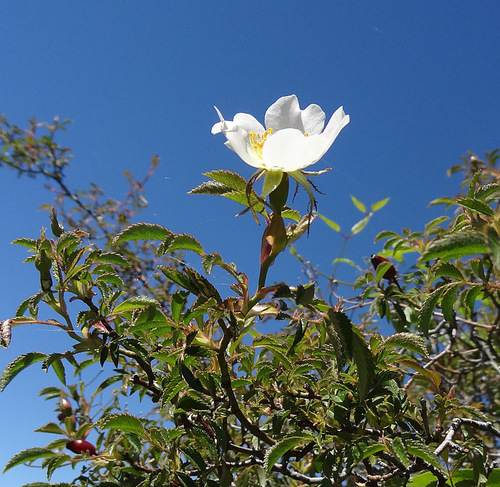
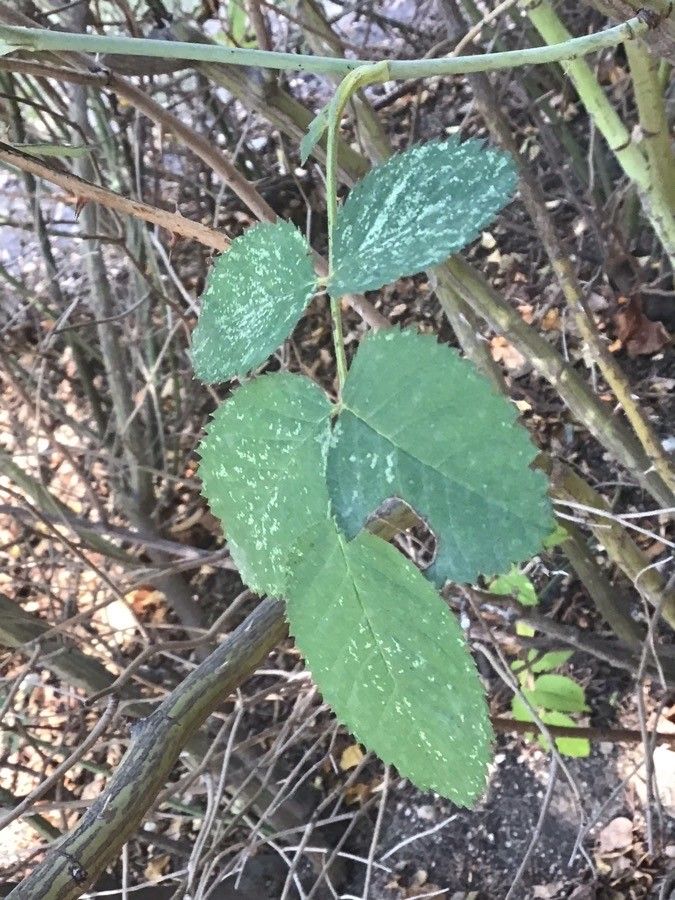
Rosa nutkana, commonly known as the Nootka rose, is a deciduous shrub native to western North America. It typically reaches heights of 1-3 meters and features arching branches adorned with thorns. The leaves are dark green and serrated, while the flowers are pink or white with a sweet fragrance. The Nootka rose blooms in late spring or early summer, producing small red hips in the fall that can be used to make jams or teas.
This plant is frequently found along streams, in wetlands, and at forest edges but can also be cultivated as an ornamental shrub in gardens due to its attractive flowers and foliage. Moreover, it serves as an important food source for wildlife such as birds, deer, elk, and bears, which feed on its leaves and fruits during different seasons. This makes the Nootka rose a vital component of many ecosystems across North America.
Nootka rose has low disease resistance and is highly prone to various leaf spots. It is also susceptible to different insect pests, and in severe infestations most of its leaves can drop. Its care level is considered difficult, since it needs regular watering, feeding before flowering, and pruning after flowering and in winter. Preventive spraying may be required, or treatment if the plant becomes diseased. Nootka rose suits people who can devote time and effort to plant care, but keeping it healthy and vigorous may demand additional growing experience and energy.
How to keep Rosa Nutkana.
Light
Nootka rose requires a substantial amount of sunlight each day and does best in well-lit areas. It can also tolerate locations with lower levels of sunlight. Too much or too little light can impact the plant's healthy growth and flowering. These preferences mirror the Nootka rose's original growing environment.
Water
Originally from moist regions, the Nootka rose flourishes with moderate hydration and prefers consistent moisture without becoming waterlogged. Watering every 1-2 weeks meets its needs effectively. Typically grown outdoors, the Nootka rose benefits from rainfall patterns that support its growth during critical developmental phases.
Temperature
The nootka rose needs a temperate climate, with temperatures between 41 and 95 ℉ (5 and 35 ℃) for best growth. It does well in moderate temperatures and can tolerate occasional frosts. Providing shade and extra water on hot summer days is recommended.
Fertilizer
Fertilize your Nootka rose in early spring to encourage healthy growth. Regular feeding boosts the plant's overall health, producing vigorous growth, increased resilience to harsh conditions, and enhanced resistance to diseases and pests. Follow a set fertilization schedule for your Nootka rose to maintain vibrant, deeply colored foliage and a lush appearance.
Pruning
The Nootka rose produces fragrant pink flowers and benefits greatly from pruning in early spring. To maintain its health and enhance blooming, start by removing dead branches to improve air circulation. Next, thin out older stems to encourage new growth, and prune any crowded shoots to achieve a pleasing shape. Proper pruning not only enhances the blooming of the Nootka rose but also boosts its overall health and vitality, ensuring an attractive appearance.
Pot & Repot
When repotting Nootka rose, choose a pot 1-2 inches (2.5–5.1 cm) larger with ample drainage. Use a well-draining potting mix. Repot in spring or fall, ensuring that the root ball sits slightly lower than the rim of the flower pot. Water thoroughly after repotting and place it in a warm spot with indirect sunlight.
Botanical profile.
- Plant Type
- Shrub
- Life Cycle
- Perennial
- Genus
- Rosa
- Family
- Rosaceae
- Hardiness Zone
- 5-9
- Mature Height
- 0.91 m to 1.83 m
- Mature Spread
- 1.22 m to 1.83 m
- Leaf Color
- Green
- Leaf Type
- Deciduous
- Flower Color
- Pink
- Flower Size
- 5.08 cm to 7.62 cm
- Bloom Time
- Late spring, Early summer, Mid summer
- Planting Time
- Spring, Autumn
- Harvest Time
- Mid summer
Other names.
Reader questions.
How should I water my Nootka rose plant in the best way?
To ensure excellent root development, consider using a garden hose placed at the base of your plant instead of directly spraying the leaves. If your plant is exposed to direct sunlight outdoors, the leaves will need extra watering. You can also use bubblers or soaker hoses to moisten the roots. When adding or removing plants, use soaker hoses that cover the entire garden or bed to encourage deep root growth. Remember to drain excess water and wait for the soil to dry before watering again. Watering at ground level helps prevent diseases. On a sunny day, you can spray the entire bush. Whether your Nootka rose is potted or in the ground, remember that deep watering is more beneficial than light sprinkling.
Why should I put plant food on my Nootka rose?
Regardless of the type of Nootka rose you have, regular fertilization can greatly improve its overall health. Supplying the proper nutrients leads to stronger growth, making your Nootka rose more resilient in challenging conditions and better equipped to combat diseases and pests. The foliage of your Nootka rose is particularly attractive, so it is important to prioritize its preservation. By following a consistent fertilization schedule tailored to your Nootka rose's needs, you can encourage the development of vibrant, lush leaves with deep colors.
How many hours of sunlight does the Nootka rose need each day to grow well?
In order for Nootka rose to grow properly, it needs at least 3-6 hours of sunlight daily. This is actually the minimum amount it requires. Most plants that can tolerate some shade can also do well in full sunlight. However, since they need less light for photosynthesis, they are more adaptable than plants that specifically need full sunlight or partial shade.
What temperature is best for Nootka rose?
The Nootka rose thrives best in temperatures between 65~80℉(18~27℃). During its primary growing phase, it can tolerate temperatures as high as 95℉(35℃) and as low as 15℉(-10℃). This species is also capable of surviving freezing winters, as it is tolerant of low temperatures. For optimal growth, the recommended temperature range is: Perfect: 65~80℉(18~27℃), Highest: 85~95℉(30~35℃), and Lowest: -5~15℉(-20~-10℃) or below.
What should I do if I give the Nootka rose too much or too little water?
If a Nootka rose is overwatered, it may develop yellow leaves that drop off and wilt. The plant will also appear dull and unhealthy, with mushy stems. When these signs appear, it's best to adjust your watering schedule if you can. Wilting can also indicate under watering, which is characterized by crispy and dry leaves. If the soil is dry and simply watering is not enough, give the plant a thorough watering. Sufficient water will help the Nootka rose recover, but it may still have dry and yellow leaves for a few days due to root damage. Once it returns to normal, the yellowing of the leaves will stop. When growing the Nootka rose indoors, always check the moisture levels in the pot and avoid overwatering. Look for signs of black spots, which indicate overwatering. If you notice these spots, let the soil dry out by refraining from watering for a few days. Overwatering can lead to root rot, so if you see discolored and slimy roots, consider transferring the plant to a different pot. It is important to prevent root rot by not allowing the soil to become overly soggy. When planting a Nootka rose outdoors, dig a little deeper and assess the soil moisture. If it is too dry, it may indicate underwatering. Ensure the plant receives adequate watering to aid in its recovery.
When should I fertilize my Nootka rose for the best results?
To keep your Nootka rose healthy and strong, it's important to fertilize it at the right times. The first fertilization should occur in late winter or early spring. This will provide the rose with the necessary nutrients for healthy growth once the weather warms up. If you live in a warm climate, it's also beneficial to give your Nootka rose an additional fertilizer feeding in early fall. This will not only give the rose extra nutrients for the next growing season, but it will also help it withstand the winter cold without any damage to its foliage. Fertilizing earlier will ensure that new branches have enough time to develop and be able to withstand the cold.
What kind of sunlight does Nootka rose require?
The Nootka rose thrives in full or partial sun, particularly in the morning. However, in the summer, it requires shielding from intense afternoon sunlight. Excessive hot afternoon sun can scorch the leaves, harming the plant's well-being and overall look.
Do I need to change the temperature for Nootka rose as it grows?
According to research, Nootka rose tends to have stunted growth when exposed to long periods of higher temperatures. This is particularly noticeable during the growth of axillary buds and main shoots. To promote healthy growth after germination or transplanting, it is best to maintain consistent and cooler temperatures, around 65℉ (18℃).
How often do I need to water my Nootka rose?
The Nootka rose prefers deep and infrequent watering. If planted in pots, it's important to soak them with one gallon of water each time because the water storage in pots is limited and the soil dries out faster. In colder regions, watering is required every 3 to 5 days. It's best to water early in the morning when the soil is dry, whether the plant is indoors or outdoors. To determine if watering is needed, check the moisture of the soil inside. If the top 2-3 inches of soil is dry, it's time to give the plant a full watering. During hot days, it may be necessary to check the moisture daily to prevent the soil in the pot from drying out quickly. For garden plants, irrigation of the soil is also necessary. In hot climates, watering once a week is recommended. Only water when about 2 to 3 inches of soil become too dry, both indoors and outdoors. Take into consideration the amount of rainfall and avoid adding water if the plant has received sufficient rain to prevent root rot. If there is abundant rainfall, additional watering may not be necessary. The Nootka rose typically grows during spring and fall. When planted outdoors, adding mulch that is about 3 to 4 inches deep can help conserve water. Sandy soil requires more frequent watering as it tends to drain faster, while clay soil requires less frequent watering to prevent root rot. It can be helpful to mark the watering dates on a calendar and pay attention to any drooping leaves, as this could indicate that watering is needed a day earlier.
When is it not a good idea to use fertilizer on my Nootka rose?
To ensure optimal growth and health of your Nootka rose, avoid fertilizing it during certain periods throughout the year. Firstly, during the early and mid-winter months, when the plant is dormant, it does not require any feeding. Similarly, it is advisable to refrain from fertilizing the rose during late spring and summer, as these months tend to be hotter and drier. These conditions can have a detrimental effect on the rose's response to fertilization. To prevent any potential issues, it is best to follow a fertilization schedule that involves feeding only in early spring and early fall.
Does sunlight harm Nootka rose? How can I shield Nootka rose from the sun and heat?
To prevent Nootka rose plants from being damaged by direct sunlight, it is recommended to gradually move potted plants from a shaded area to a brighter spot. However, even plants accustomed to the sun can be harmed by extreme heat. To protect Nootka rose plants during a heatwave, it is crucial to keep the soil consistently moist. Additionally, moving container plants to areas with afternoon shade or using a shade cloth can provide further protection during extreme weather events.
How can I make sure the Nootka rose doesn't get too cold in the winter?
The Nootka rose is a hardy plant that can handle freezing temperatures when planted directly in the ground, as long as the temperature doesn't drop below 15℉ (-10℃) during winter. However, if you choose to plant it in pots or containers, it's important to protect the roots from the cold. You can do this by wrapping the container in a blanket or bringing it indoors, where it will be fully shielded from the winter weather.