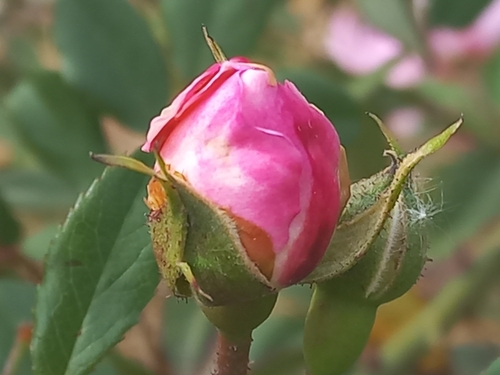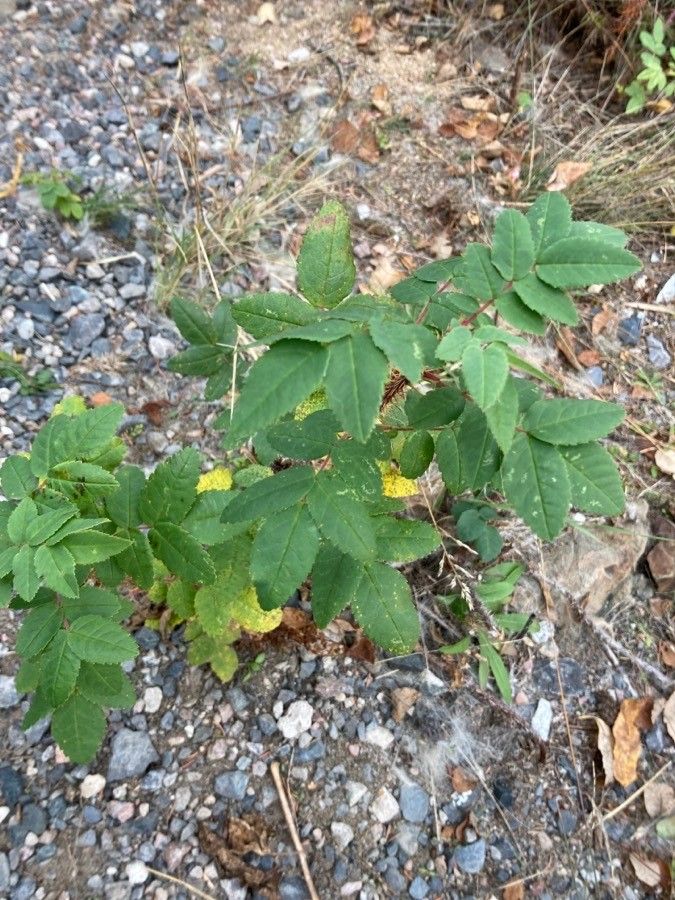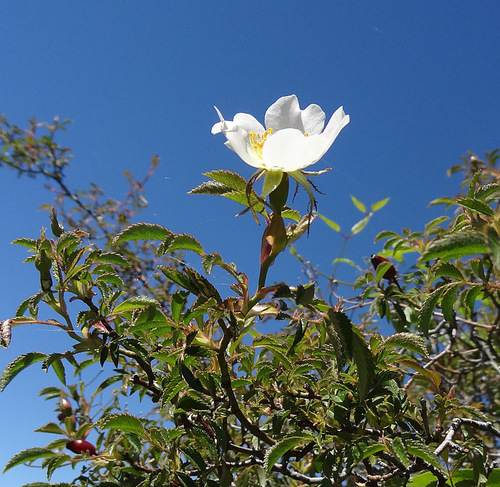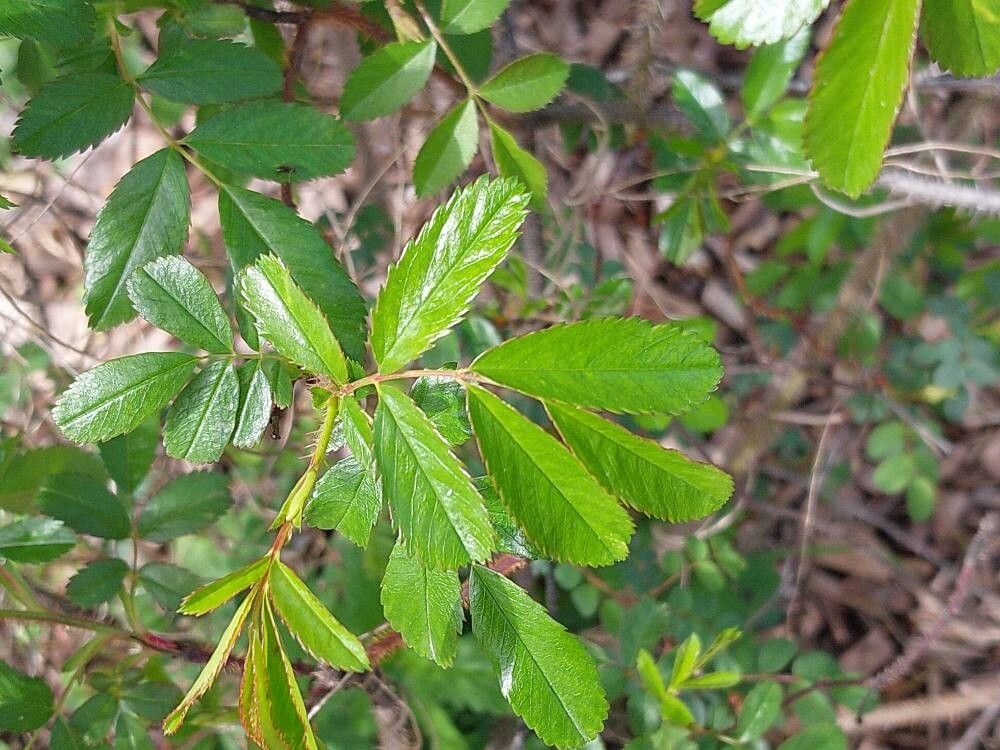
Rosa nitida, also known as shining rose due to its glossy leaves, is a perennial shrub in the rose family Rosaceae native to northeastern North America.
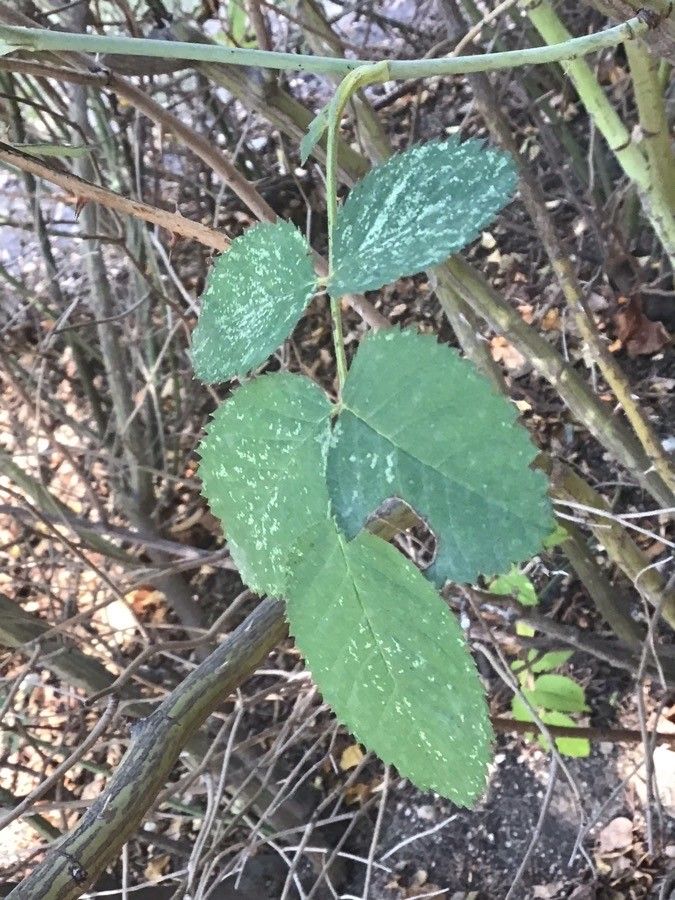
Shining rose shows weak resistance to disease and is highly prone to various leaf spot problems. It is also liable to attack by different insect pests, and if an infestation is severe, most of its leaves can fall off. The plant is considered difficult to care for, since it needs regular watering, feeding before flowering, and pruning after flowering and in winter. Preventive spraying may be needed, or active treatment might be required if the plant develops a disease. Shining rose is suited to people who can spare some time and energy for its care, but keeping it healthy and vigorous may demand more growing experience and effort.
How to keep Rosa Nitida.
Light
Shining rose comes from open habitats, like sunny meadows and forest edges, where plenty of light is available. It prefers Full Sun but can also tolerate Partial Sun, adapting well to different sunlight levels.
Water
The shining rose flourishes in well-drained soil and needs to be watered every one to two weeks, similar to the moderate rainfall conditions of its native region. As a deciduous outdoor plant, it enters a dormant phase during the colder months, which means it requires less water during that time.
Temperature
Shining rose shows strong adaptability to a wide range of climate conditions, from blistering summers to cold winters. However, it has a preferred temperature range for optimal growth. If temperatures rise too high, the plant is vulnerable to heat and humidity stress, which can cause it to die. In locations where temperatures near the lower limit of its cold tolerance, installing insulation is important to protect the plant.
Fertilizer
The timing of fertilizing Shining rose is important. Apply fertilizer in early spring and continue doing so once a month until early summer. Fertilizer encourages attractive blooms and provides energy during both dormant and active growth periods.
Pruning
To help a Shining Rose thrive, it's important to prune it early in the spring. This practice improves air circulation and helps shape the plant. Start by removing any dead wood, and then thin out the branches. Pruning before new growth appears encourages quicker recovery and leads to more abundant blooms. Additionally, regular maintenance lowers the risk of disease. Be sure to follow horticultural guidelines for the correct pruning techniques.
Botanical profile.
- Plant Type
- Shrub
- Life Cycle
- Perennial
- Genus
- Rosa
- Family
- Rosaceae
- Hardiness Zone
- 2-7
- Mature Height
- 61 cm to 91 cm
- Mature Spread
- 61 cm to 91 cm
- Leaf Color
- Yellow, Red, Purple, Green
- Leaf Type
- Deciduous
- Flower Color
- Pink
- Flower Size
- 4.06 cm to 5.08 cm
- Bloom Time
- Late spring, Early summer
- Planting Time
- Spring, Summer, Autumn
- Harvest Time
- Late summer, Early fall, Mid fall