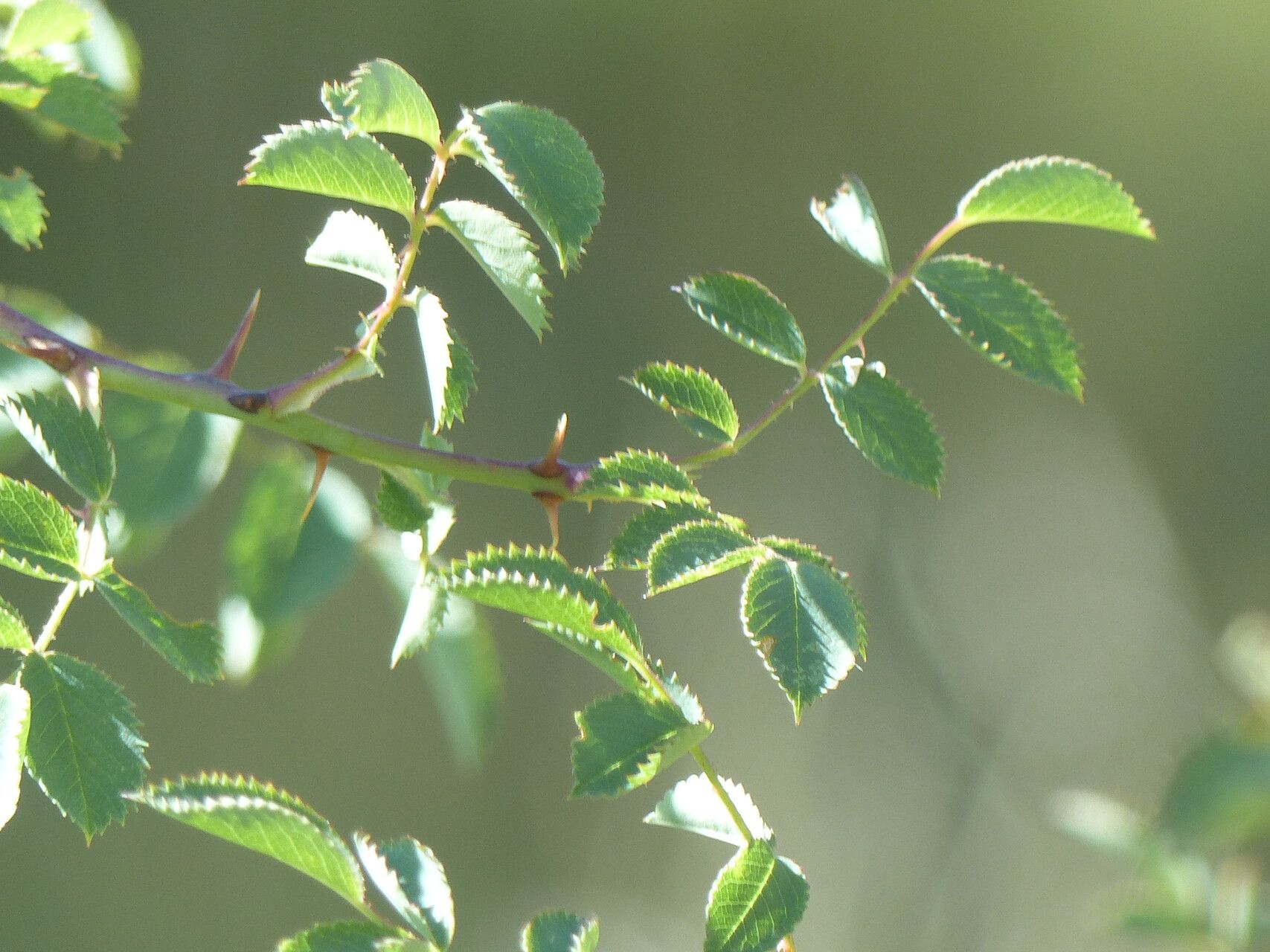
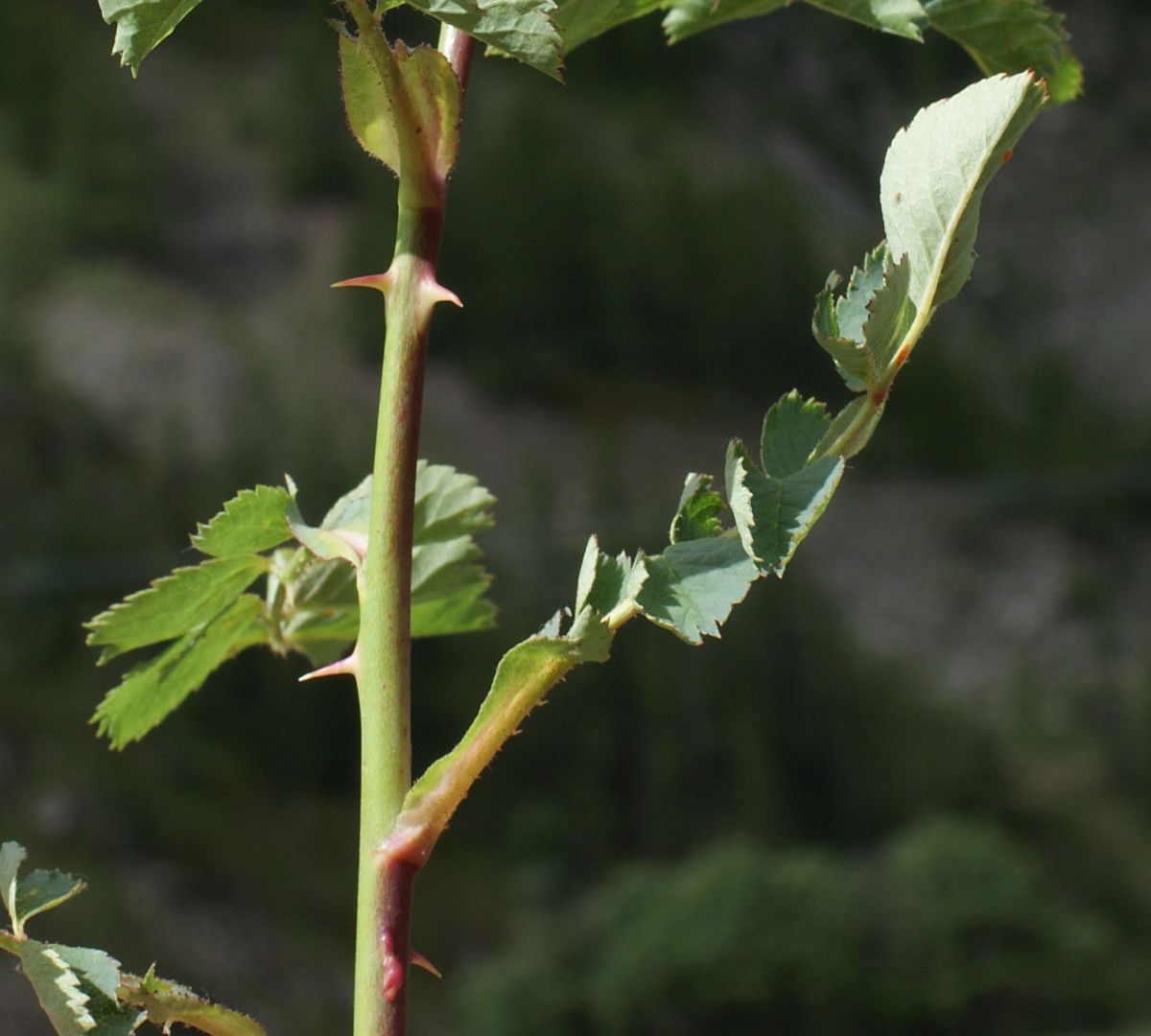
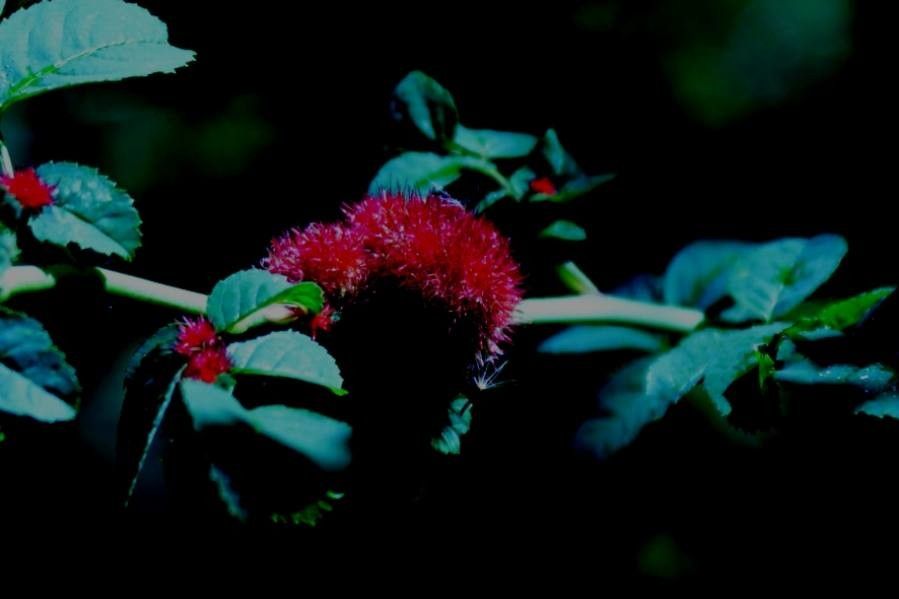
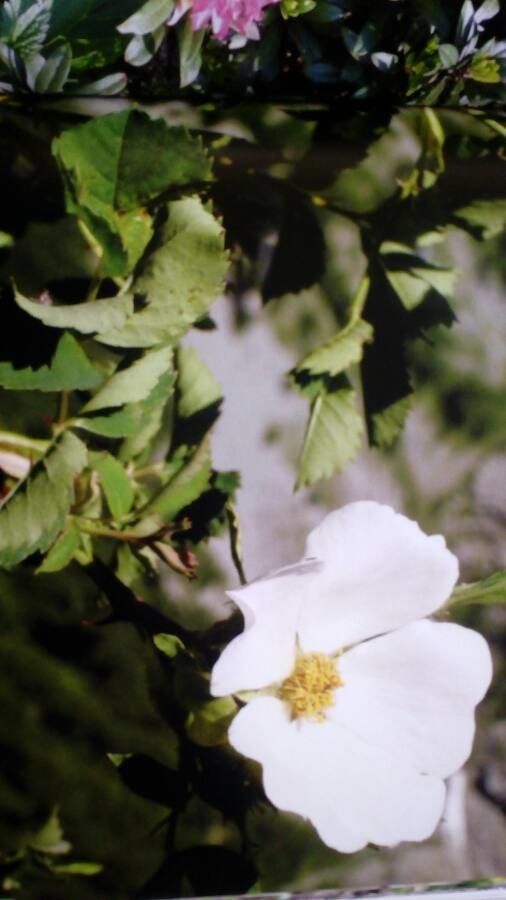
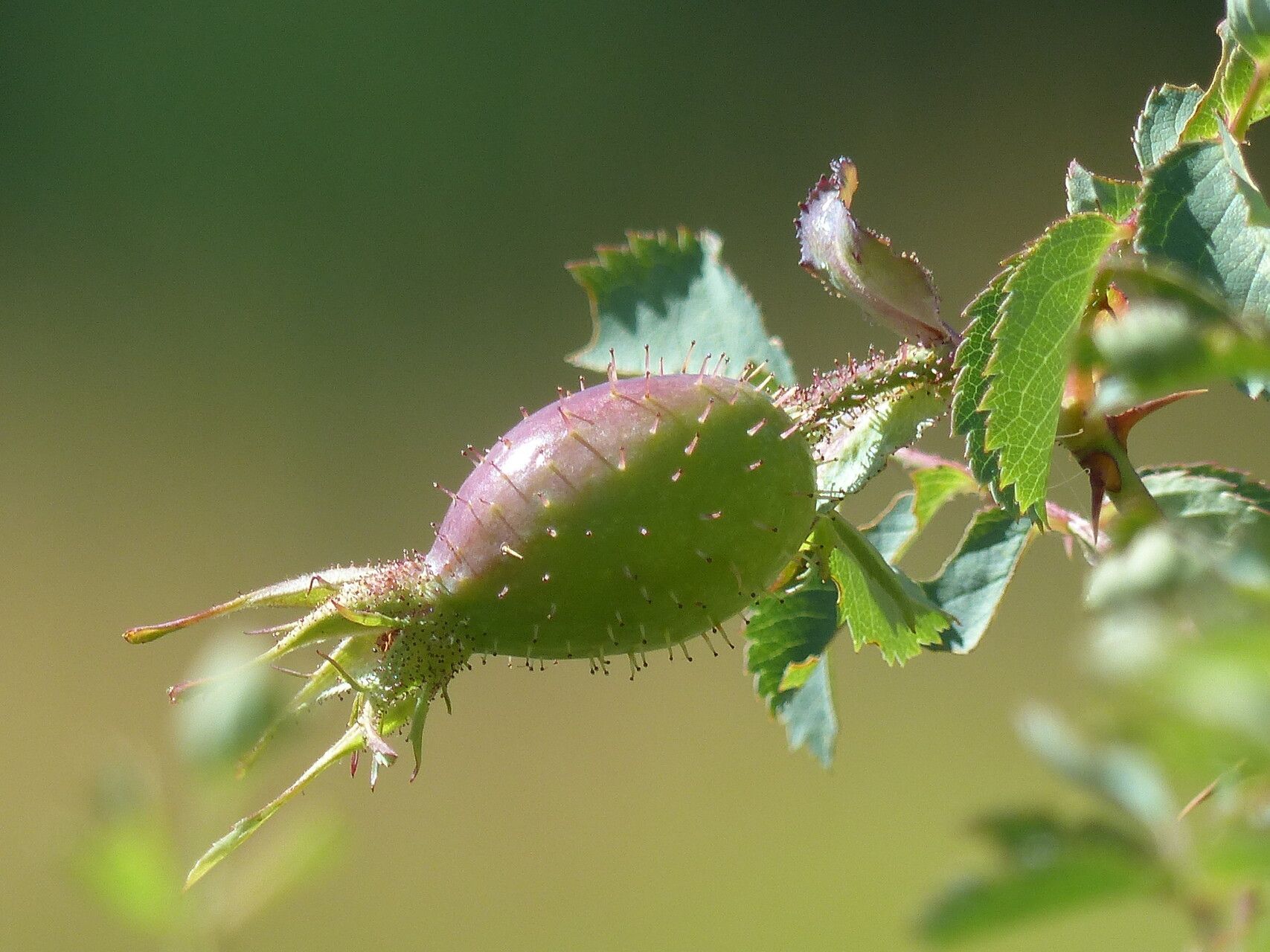
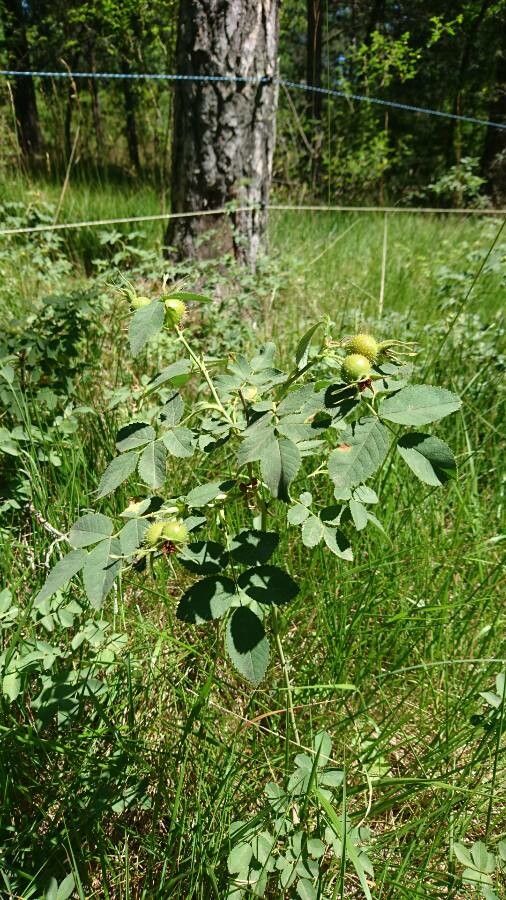
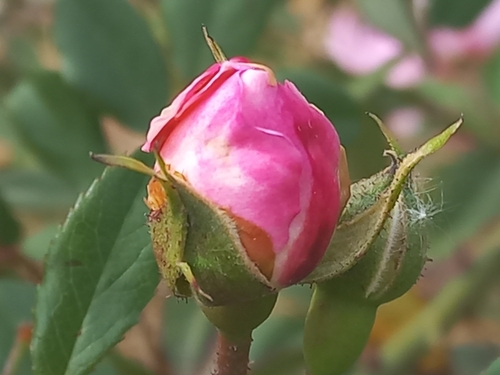
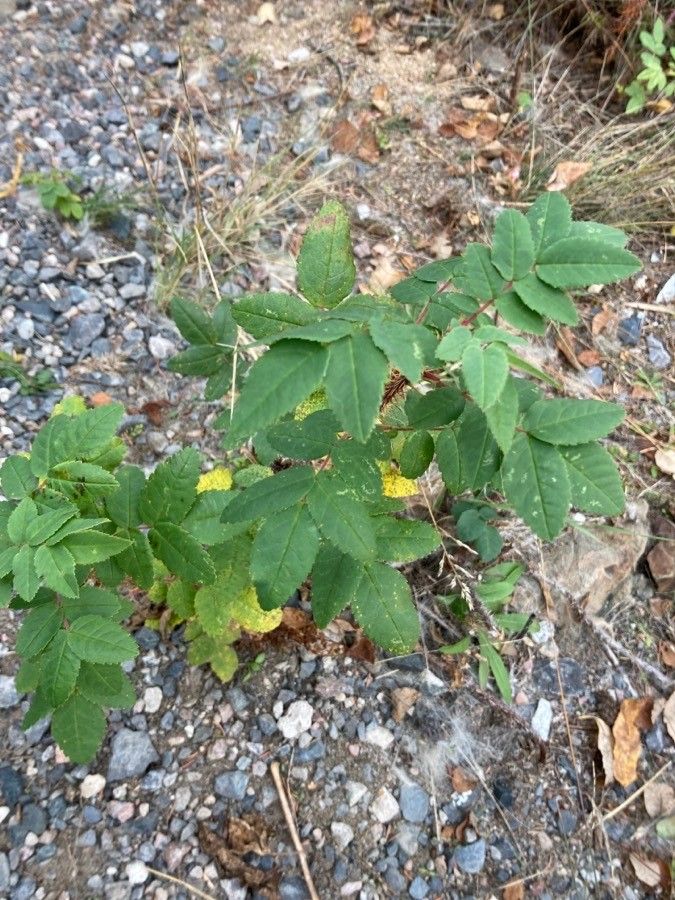
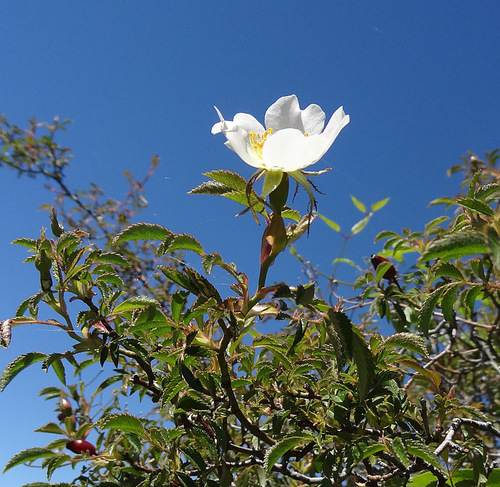
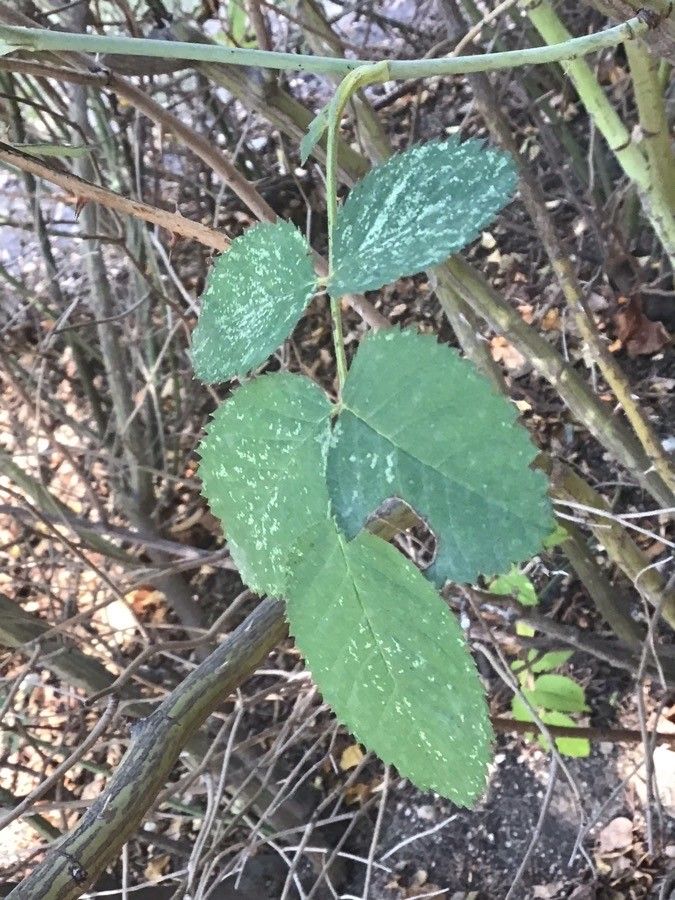
Hairy dog-rose has low resistance to disease and is highly prone to various leaf spots. It is also susceptible to different insect pests, and when infection is severe most of its leaves can fall off. Its care level is regarded as difficult, since it needs regular watering, fertilization before blooming, and pruning after flowering and in winter. Preventive spraying may be required, or treatment might be necessary if the plant develops a disease. Hairy dog-rose is appropriate for people who can dedicate some time and effort to plant care, but keeping it healthy and vigorous may demand more growing experience and energy.
How to keep Rosa Montana.
Light
Hairy dog-rose, as a plant, does best when exposed to plenty of light throughout the day. It can tolerate partial shade to a certain extent. Coming from habitats that provide abundant light, it relies on those conditions to grow optimally. Insufficient light may result in stunted growth, while too much light can potentially cause leaf scorching.
Water
Mountain roses thrive best in moist, well-drained soil and should be protected from water-logging to prevent root rot. Water the plant when the soil feels slightly dry, increasing the frequency during drought conditions. In winter, when the plant is dormant, reduce the amount of watering. Ensure that any excess water drains properly from pots, and try to avoid splashing water on the leaves to minimize the risk of disease.
Temperature
Hairy dog-rose is native to temperate environments and does best within a range of 41 to 95 °F (5 to 35 ℃). It favors cooler climates and can tolerate frost, but too much heat can be harmful. In hot weather, it may need shading.
Fertilizer
The timing for fertilizing Hairy dog-rose is important. Apply fertilizer in early spring and continue once a month until early summer. Fertilizer promotes attractive blooms and supplies energy during both dormant and active growth phases.
Pruning
Mountain roses are known for their vigorous growth, but they require timely pruning to prevent diseases and pests, especially in humid conditions. After blooming, it's important to trim the faded flowers and thin out any overcrowded branches. For vine varieties, maintain a length of 2-3 meters. For bush varieties, prune about one-third of the plant's height, leaving 4-6 strong branches to maintain an attractive shape.
Botanical profile.
- Plant Type
- Shrub
- Life Cycle
- Perennial
- Genus
- Rosa
- Family
- Rosaceae
- Hardiness Zone
- 5-9
- Mature Height
- 0.91 m to 4.88 m
- Mature Spread
- 1.83 m
- Leaf Color
- Green, Dark Green
- Leaf Type
- Deciduous
- Flower Color
- White, Pink
- Flower Size
- 4.06 cm to 6.35 cm
- Bloom Time
- Mid spring, Late spring
- Planting Time
- Spring, Summer, Autumn
- Harvest Time
- Late summer, Early fall, Mid fall
- Native Area
- India, Sweden, Austria, Slovakia, Montenegro, Pakistan, Slovenia, Morocco, Croatia, Belarus, Russia, Germany, Estonia, Romania, Latvia, Belgium, Moldova, Portugal, Netherlands, France, Tajikistan, Czech Republic, Bulgaria, Armenia, Poland, Greece, Ukraine, Serbia, Lithuania, Norway, Kyrgyzstan, Kazakhstan, Italy, Spain, Switzerland, Finland, Albania, Azerbaijan, United Kingdom, Hungary, Algeria, Turkmenistan
Other names.