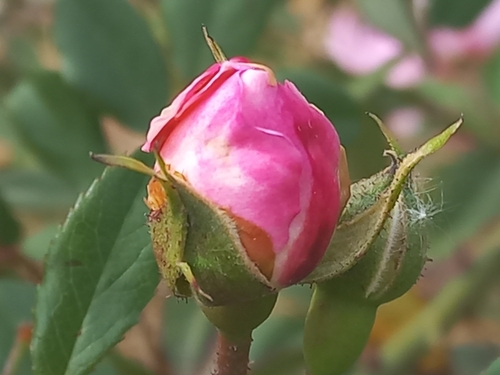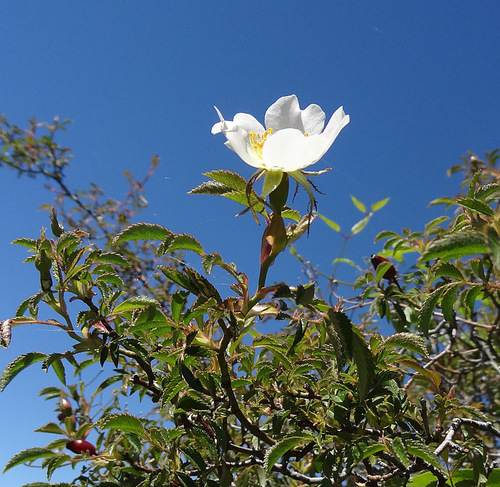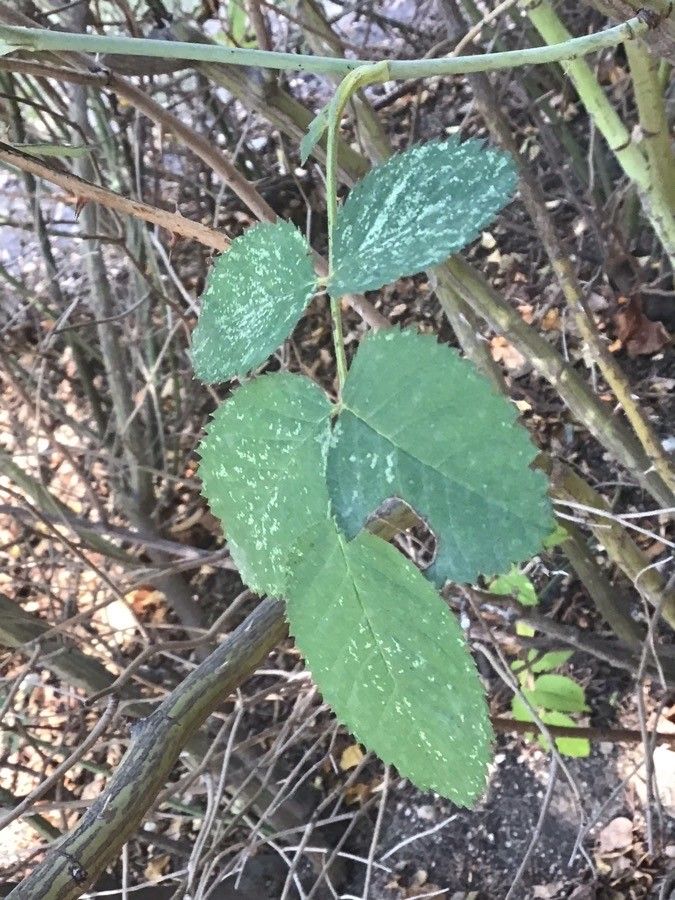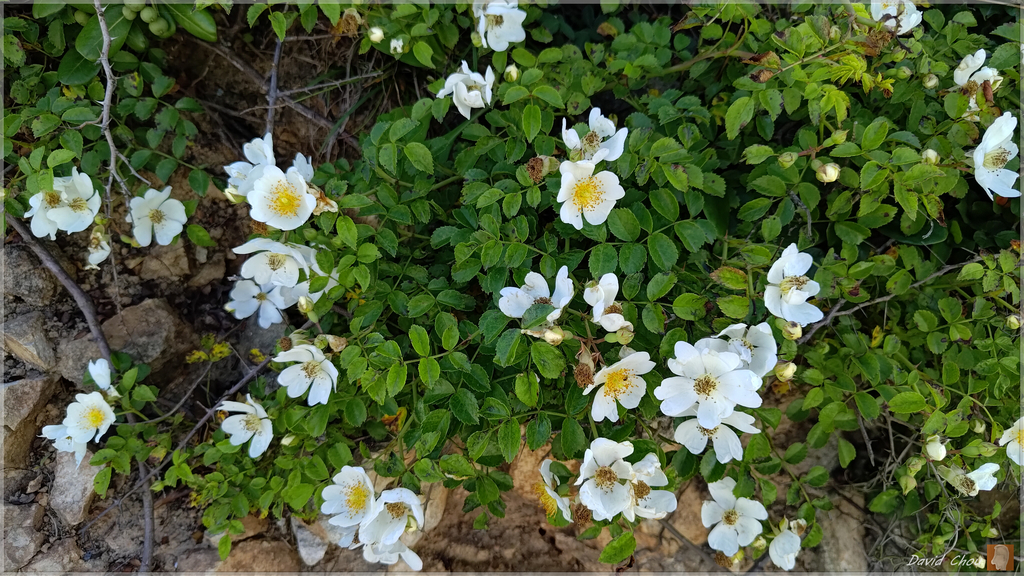
Rosa luciae, commonly known as the Cherokee rose or Lady Banks' rose, is a species of flowering plant in the Rosaceae family. Native to China, it made its way to Europe in the 18th century. This plant is a deciduous or semi-evergreen shrub that can grow up to 20 feet tall and wide. It features long, arching canes that are thornless and adorned with small green leaves. In early spring, the Cherokee rose produces clusters of small, sweetly fragrant white or pink flowers. These blooms are followed by small red hips that ripen in late summer and fall. This plant is popular for its ornamental value, hardiness, and ability to thrive in various soil types. While it prefers full sun exposure for optimal growth, it can also tolerate partial shade. Historically, the Cherokee rose has been used medicinally by various cultures, including for treating respiratory ailments such as coughs and bronchitis. Overall, Rosa luciae is an attractive shrub with beautiful blooms that bring color to any garden landscape, while also offering medicinal benefits.
The Memorial rose has weak resistance to disease and is highly prone to various leaf spot problems. It is also vulnerable to a range of insect pests, and in severe cases of infection it may drop most of its leaves. Its care requirements are considered difficult: it needs regular watering, fertilization before blooming, and pruning after flowering and during winter. Preventive spraying might be required, or active treatment if the plant develops a disease. The Memorial rose suits people who can devote some time and energy to plant care, but keeping it healthy and vigorous may call for more growing experience and effort.
How to keep Rosa Luciae.
Light
The memorial rose (Memorial Rose) needs ample exposure to the sun’s rays to thrive. In its native habitat it receives full sun, which fosters healthy growth. Insufficient sunlight can restrict its development, while too much exposure may result in sun scorch.
Water
The Memorial rose flourishes in humid conditions and shows moderate drought tolerance, needing to be watered every 1-2 weeks. Seasonal rainfall can influence this schedule, particularly for outdoor cultivation. This underscores the importance of maintaining a balance between moisture and drainage for these deciduous plants.
Temperature
Memorial rose is a temperate plant native to areas with temperatures ranging from 41 to 95 °F (5 to 35 ℃). It grows best within that temperature range. Depending on your local climate, you may need to make seasonal adjustments.
Fertilizer
Timing is important when fertilizing a Memorial rose. Apply fertilizer in early spring and continue monthly through early summer. Fertilizer encourages lovely blooms and supplies energy during both dormant and active growth phases.
Pruning
The Memorial rose is known for its vigorous growth, with trailing stems and fragrant white flowers. To encourage new growth, improve air circulation, and increase the potential for blooms, prune the rose in early spring. Be sure to use clean, sharp tools when pruning to maintain the plant's health and appearance.
Botanical profile.
- Plant Type
- Vine, Shrub
- Life Cycle
- Perennial
- Genus
- Rosa
- Family
- Rosaceae
- Hardiness Zone
- 5-9
- Mature Height
- 3.05 m to 4.88 m
- Mature Spread
- 1.83 m to 4.57 m
- Leaf Color
- Dark Green, Forest Green
- Leaf Type
- Semi-evergreen
- Flower Color
- White, Pink, Purple, Red
- Flower Size
- 5.08 cm
- Bloom Time
- Late spring, Summer
- Planting Time
- Spring, Summer
- Harvest Time
- Late summer, Fall
- Native Area
- Philippines, Japan, South Korea, China
Other names.
Reader questions.
What is the best way to water my Memorial rose?
To ensure great root development, consider placing a garden hose at the base of your plants. Avoid spraying the leaves directly, especially if they are exposed to direct sunlight outdoors, as they will need more watering. Using bubblers or soaker hoses can help moisten the roots and covering the entire garden or bed can promote deep root growth when adding or removing plants. After watering, make sure to drain any excess water and allow the soil to dry before watering again. It's best to water at ground level to prevent diseases. On a sunny day, it may be beneficial to spray the entire bush with water. Whether your rose is potted or in-ground, keep in mind that deep watering is preferred over light sprinkling for Memorial roses.
Why should I put fertilizer on my Memorial rose?
Fertilizing a Memorial rose is crucial for several reasons. Firstly, it enhances the production of beautiful blooms. Secondly, fertilizing in early spring ensures excellent flowers during that season. Additionally, fertilizer provides the rose with ample energy, which it stores in the ground during dormant growth phases. By providing extra nutrients during fall planting or late spring, the rose can accumulate more energy to utilize when it resumes active growth.
How many hours of sunlight should Memorial roses get each day to grow well?
To ensure the healthy growth of the Memorial rose, it is important to provide it with at least 3-6 hours of sunlight every day. This is actually the minimum requirement for the rose to thrive. Most plants that are able to tolerate partial sunlight can also do well in full sunlight. However, these plants are more adaptable because they need less light for photosynthesis compared to plants that specifically need either full sunlight or partial shade.
What temperature is best for growing Memorial roses?
The best temperature range for Memorial rose to thrive is 65~80℉(18~27℃). During the primary growing phase, the highest tolerable temperature is 95℉(35℃), while the lowest tolerable temperature is 15℉(-10℃). This species is able to tolerate low temperatures and survive freezing winters. Here are the perfect, highest, and lowest temperature ranges: - Perfect: 65~80℉(18~27℃) - Highest: 85~95℉(30~35℃) - Lowest: -5~15℉(-20~-10℃) or below
What should I do if I give too much or too little water to the Memorial rose?
If a Memorial rose is overwatered, its leaves can become yellow, drop off, and wilt. The plant may also look dull and unhealthy, with mushy stems. If you start noticing these signs, it's best to adjust your watering schedule. Wilting can also be a sign of under watering, which will cause the leaves to turn crispy and dry. In this case, check the soil and if it's dry, give the plant a thorough watering. However, even with enough water, the Memorial rose may still have dry, yellow leaves due to a damaged root system. Once it recovers, the yellowing of leaves will stop. If you have a Memorial rose indoors, always check the moisture levels to avoid overwatering and look for signs of black spots. If present, let the soil dry out for a few days before watering again. Overwatering can lead to root rot, so if you notice discolored and slimy roots, consider transferring the plant to a different pot and prevent the soil from becoming too soggy. When planting a Memorial rose outdoors, make sure to check the soil's moisture by digging a little deeper with your fingers. If it's too dry, it means you're underwatering, and the plant requires adequate watering to recover.
When should I fertilize my Memorial rose for best results?
Timing is important for fertilizing Memorial roses. If you use fertilizer too early, while the roses are still dormant, it won't be effective and will be washed away by rainwater, causing waste and pollution. The first application of fertilizer should be in early spring, and then continue to fertilize once a month until early summer.
What kind of sunlight does the Memorial rose need?
Memorial roses thrive in areas with full or partial sunlight. They prefer direct morning light for optimal performance, but during the summer, they should be shielded from intense afternoon sun. Too much hot afternoon sun can scorch the leaves, which can harm the plant's overall look and wellbeing, particularly in temperate environments.
Do I need to change the temperature for Memorial rose at different times it is growing?
According to research, Memorial rose may suffer from stunted growth when exposed to prolonged high temperatures, particularly during the development of axillary buds and main shoots. To promote healthy growth after germination or transplanting, it is recommended to maintain consistent and cooler temperatures at around 65℉ (18℃).
How frequently should I give water to my Memorial rose?
The Memorial rose prefers deep and infrequent watering, especially in pots where water storage is limited. In cold regions, water the plant every 3 to 5 days, preferably in the morning when the soil is dry. Check the top 2-3 inches of soil for dryness before giving the plant a full watering. During hot days, monitor the moisture daily as the heat can quickly dry out the pot soil. If you have a garden, irrigation is necessary as well, with once a week watering recommended in hot climates. Take into account rainfall and avoid overwatering to prevent root rot. When outdoors, adding mulch 3 to 4 inches deep helps conserve water. Sandy soil requires more frequent watering, while clay soil needs less to prevent root rot. Keep track of watering dates on a calendar and be aware of drooping leaves, which may indicate the need for watering.
When is it a bad idea to add fertilizer to my Memorial rose?
To maximize blooming, it is important to be cautious when fertilizing Memorial rose. Avoid using fertilizers with excessive nitrogen as this can result in an abundance of leaves but not many blooms. Look for a fertilizer that has a lower nitrogen content compared to other nutrients. It is also important to avoid fertilizing the rose after early autumn, as excessive growth just before winter can be detrimental. Additionally, refrain from fertilizing the rose during hot and dry periods as dry soil does not effectively deliver the fertilizer, and it can also stimulate growth that requires more water which may not be available. It is best to apply fertilizers earlier in the season when temperatures are cooler. Lastly, be mindful that Memorial rose can absorb fertilizer that has been applied to nearby plants or lawns, so take care to not unintentionally give the tree or shrub an excessive amount of fertilizer.
Can the sun harm Memorial rose? How can I shield Memorial rose from damage caused by the sun and heat?
Indoor memorial roses are vulnerable to direct sunlight when they are placed outside. To avoid sunburns caused by overexposure, it is best to gradually move the pots from a shady spot to a brighter area. Nevertheless, even roses that are used to the summer sun can be harmed by intense heat. During a heatwave, it is crucial to ensure that the soil remains consistently moist so that the plants can handle the excessive heat levels. To protect sensitive memorial roses during extreme weather events, you can move potted plants to areas with afternoon shade or use a shade cloth to provide some protection.
How can I make sure the Memorial rose doesn't get too cold in winter?
The memorial rose is capable of surviving freezing temperatures when planted in the ground, as long as the area does not drop below 15℉ (-10℃) during winter. However, if the rose is planted in pots or containers, their roots should be shielded from the cold weather. This can be done by wrapping the container with a blanket or by bringing it inside, providing complete protection from the elements.