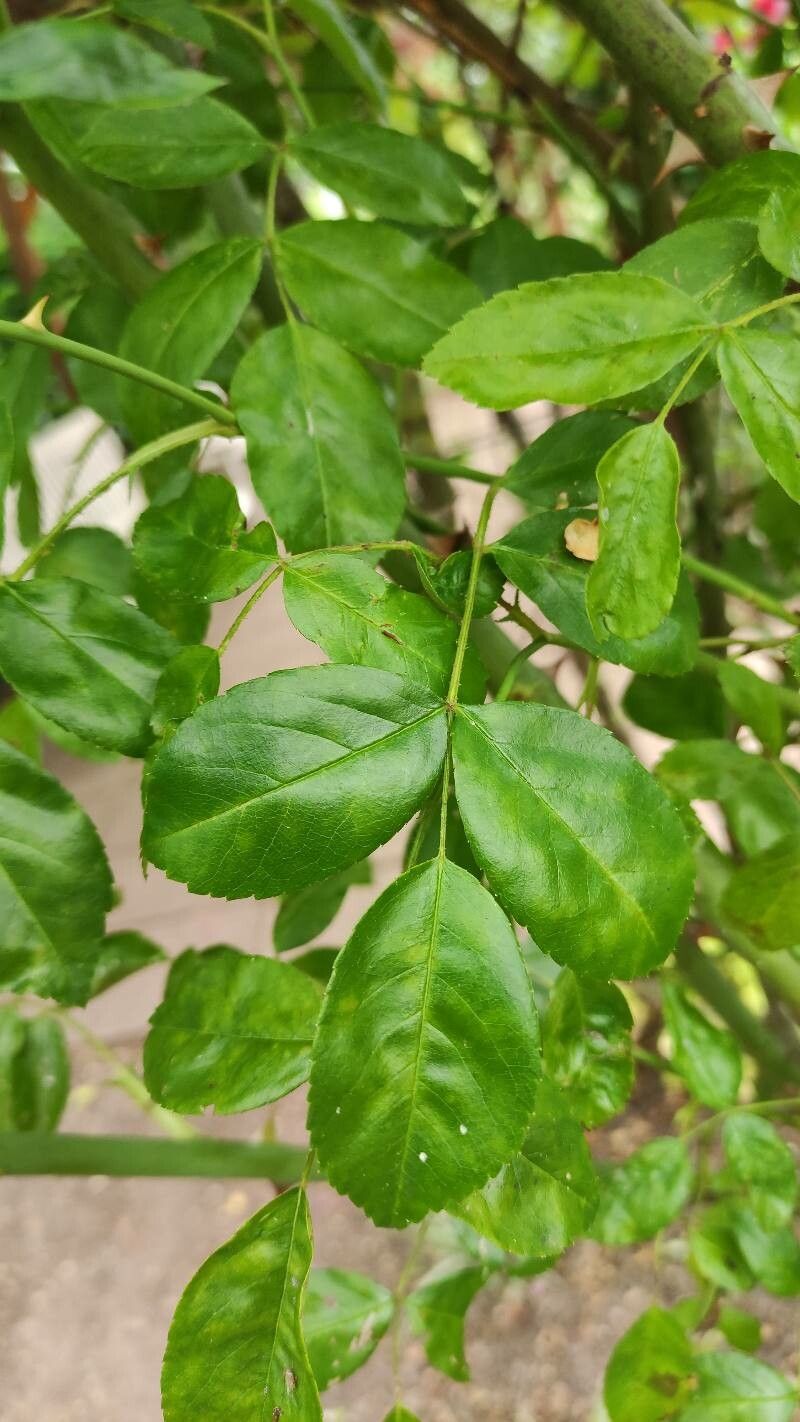
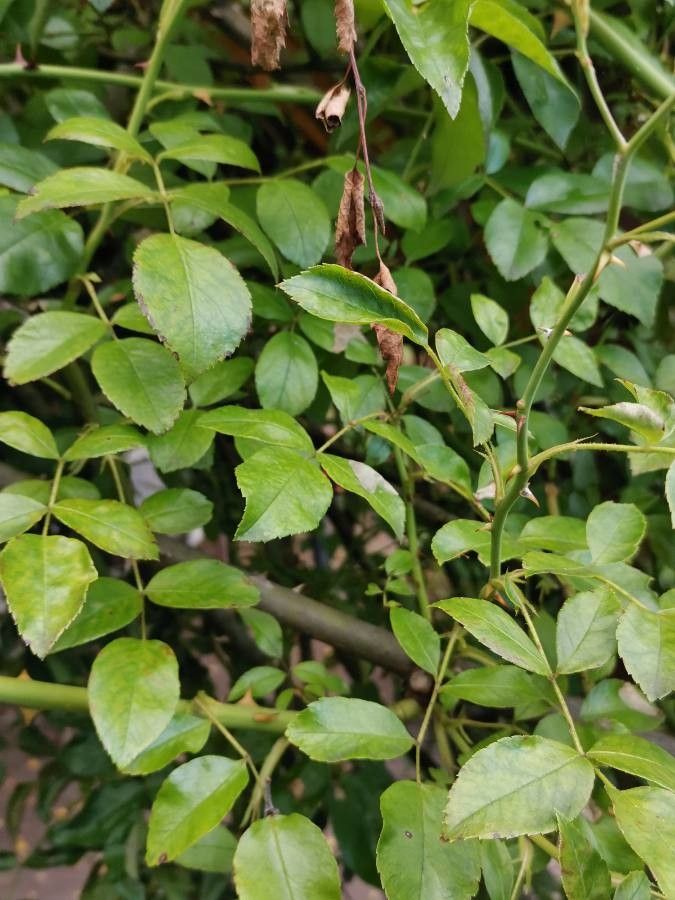
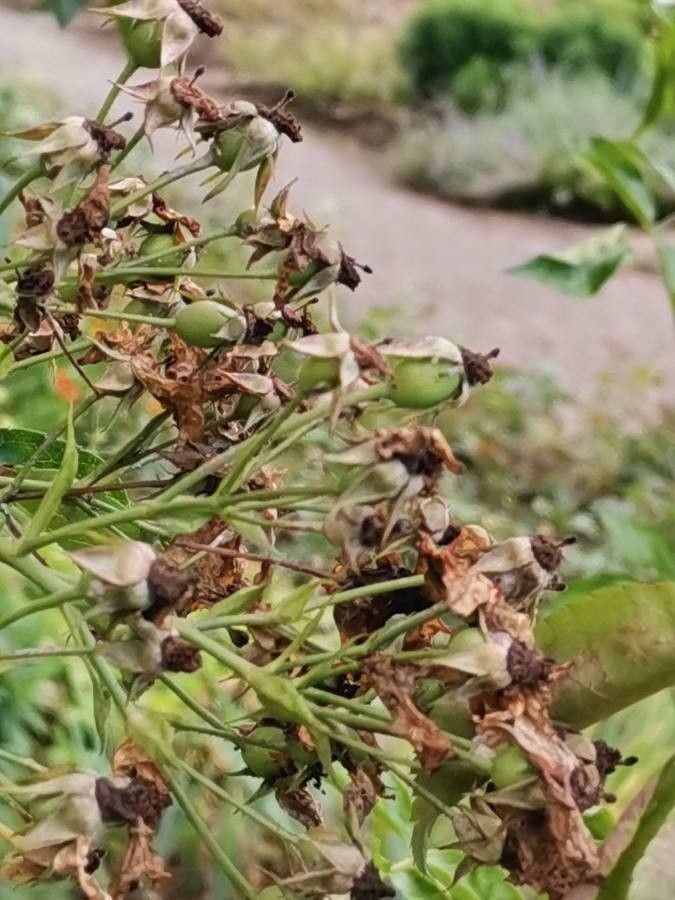
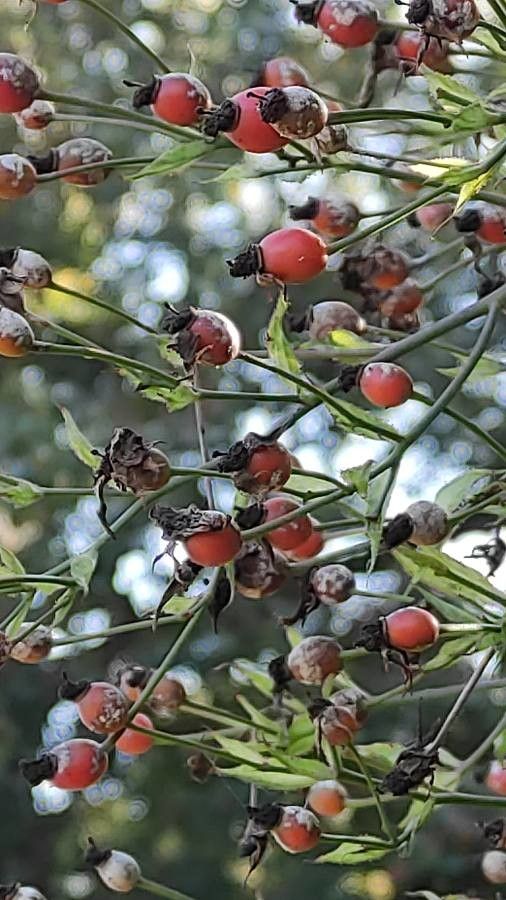
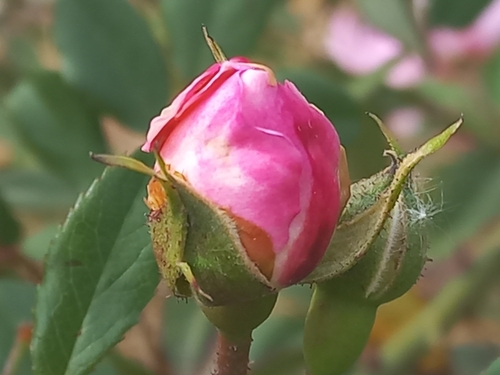
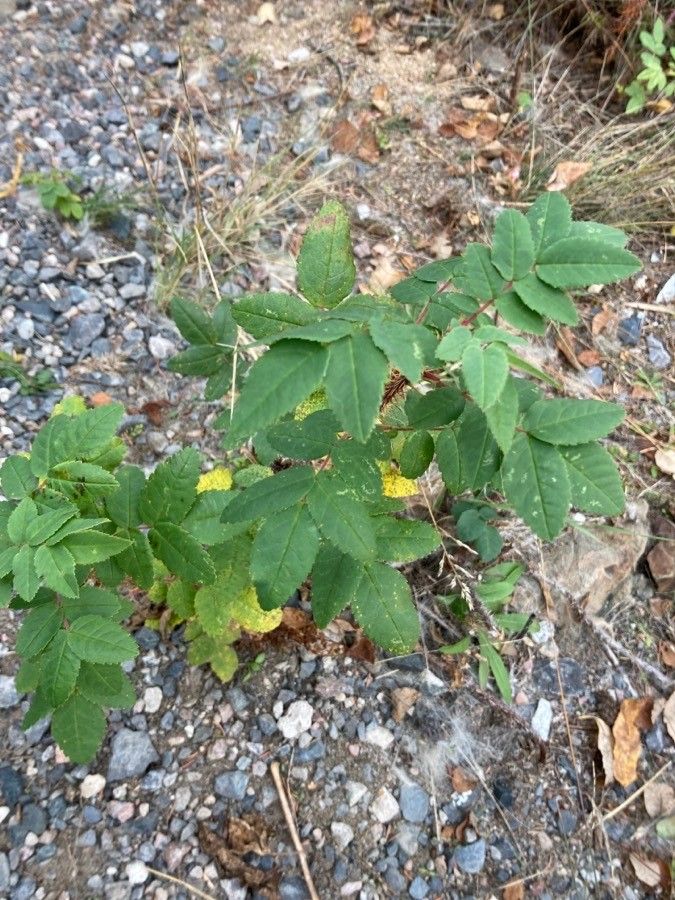
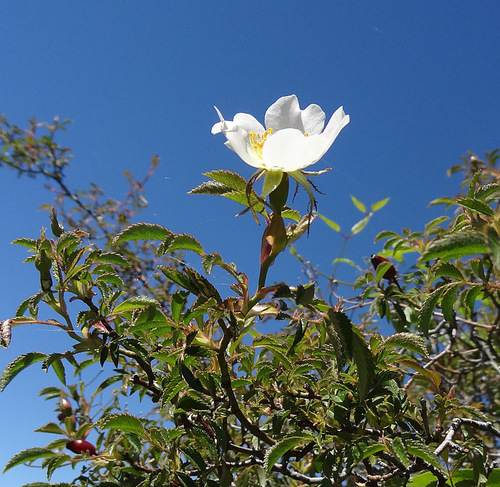
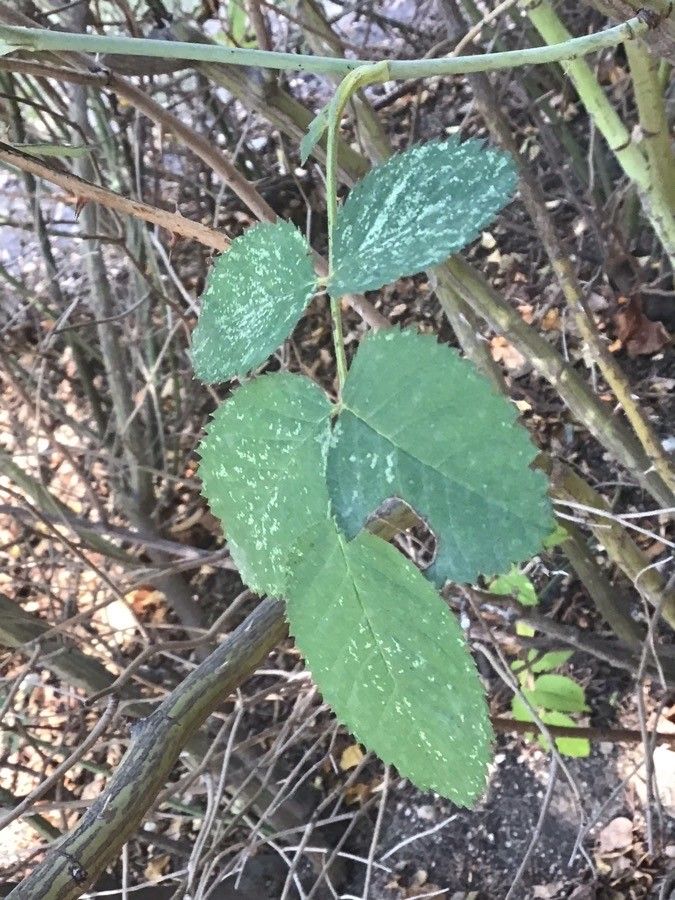
Rosa longicuspis has weak resistance to disease and is highly prone to various leaf spot diseases. It is also susceptible to a range of insect pests, and when infections are severe, most of its leaves can drop. Its care is considered difficult: it needs consistent watering, fertilization before blooming, and pruning after flowering and in winter. Preventive spraying might be required, or active treatment if the plant becomes diseased. Rosa longicuspis is appropriate for people who can invest some time and effort in plant care, but keeping it healthy and vigorous may demand additional growing experience and effort.
How to keep Rosa Longicuspis.
Light
Rosa longicuspis comes from open habitats, such as sunny meadows and forest edges, that provide plenty of light. It performs best in Full Sun but can also endure Partial Sun, showing good adaptability to different light conditions.
Temperature
Rosa longicuspis is highly adaptable to different climate conditions, from searing summers to freezing winters. It still has an optimal temperature range for growth. When temperatures become too high, the plant is vulnerable to heat and humidity stress, which can cause it to die. In areas where temperatures near the lower edge of its cold tolerance, insulating the plant is necessary to protect it.
Fertilizer
To encourage healthy growth, fertilize your Rosa longicuspis in early spring. Regular feeding improves overall vigor, leading to strong growth, greater tolerance of harsh conditions, and enhanced resistance to pests and diseases. Keep to a consistent fertilization schedule for your Rosa longicuspis to preserve deep-colored, vibrant foliage and a lush appearance.
Botanical profile.
- Plant Type
- Shrub, Vine
- Life Cycle
- Perennial
- Genus
- Rosa
- Family
- Rosaceae
- Hardiness Zone
- 7-10
- Mature Height
- 3.05 m to 6.1 m
- Mature Spread
- 2.13 m to 3.96 m
- Leaf Color
- Dark Green, Forest Green
- Leaf Type
- Deciduous
- Flower Color
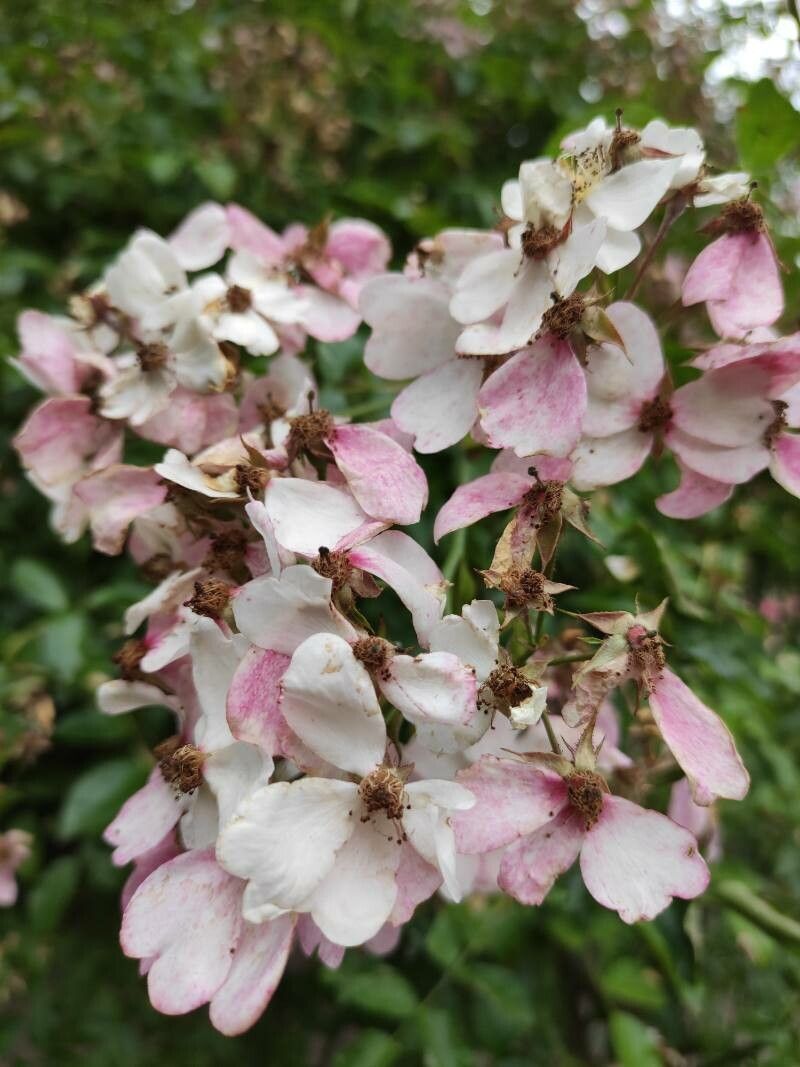
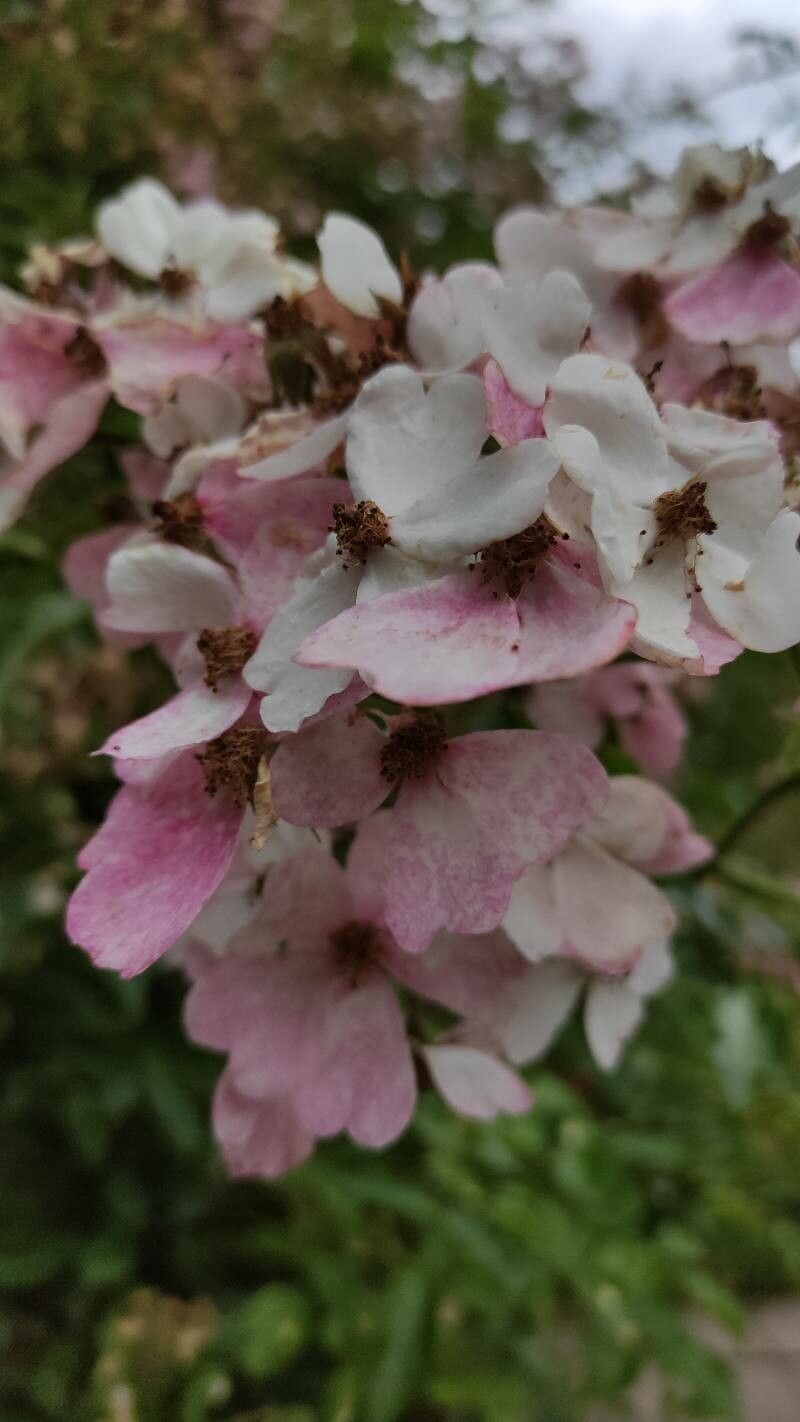
- White
- Flower Size
- 4.06 cm to 6.35 cm
- Bloom Time
- Early summer, Mid summer
- Planting Time
- Spring, Summer, Autumn
- Harvest Time
- Late summer, Early fall, Mid fall
- Native Area
- India, Vietnam, Myanmar, Thailand, China