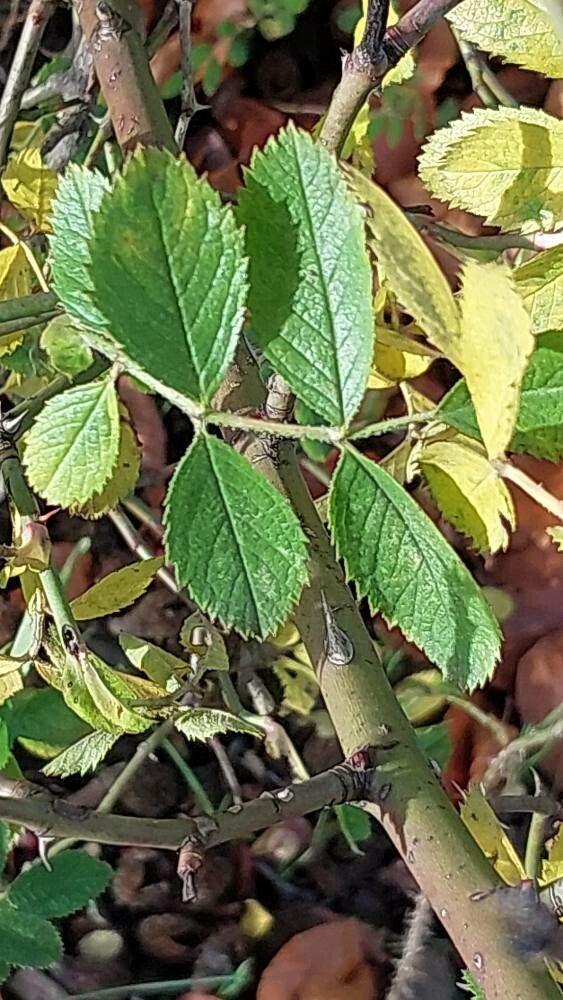
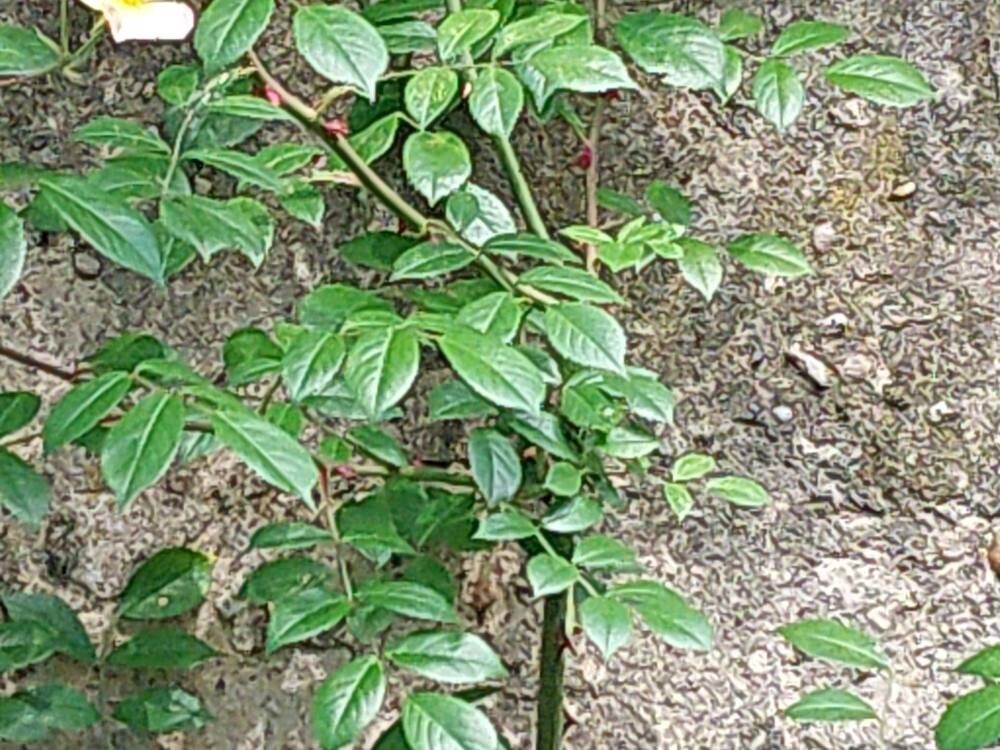
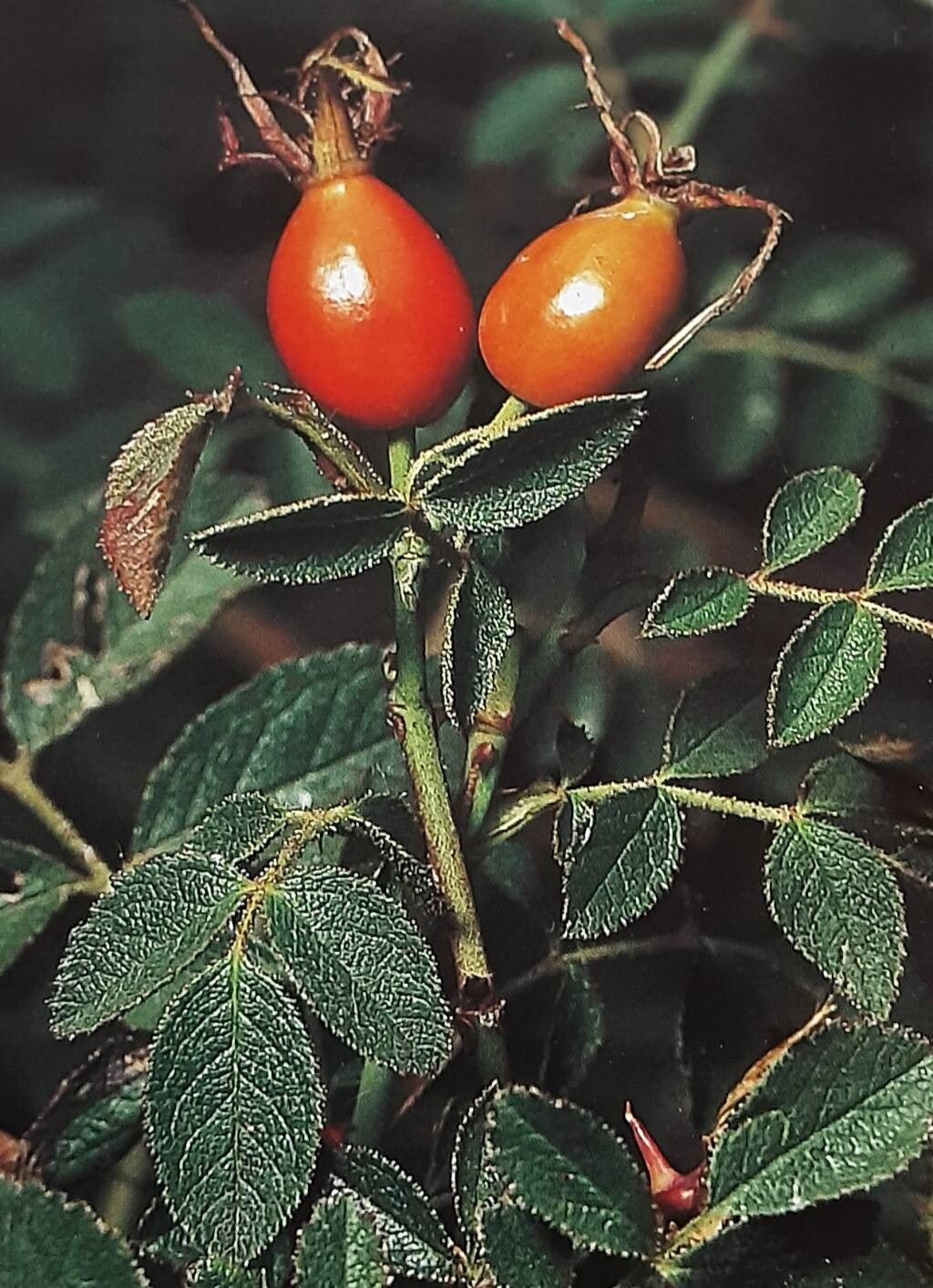
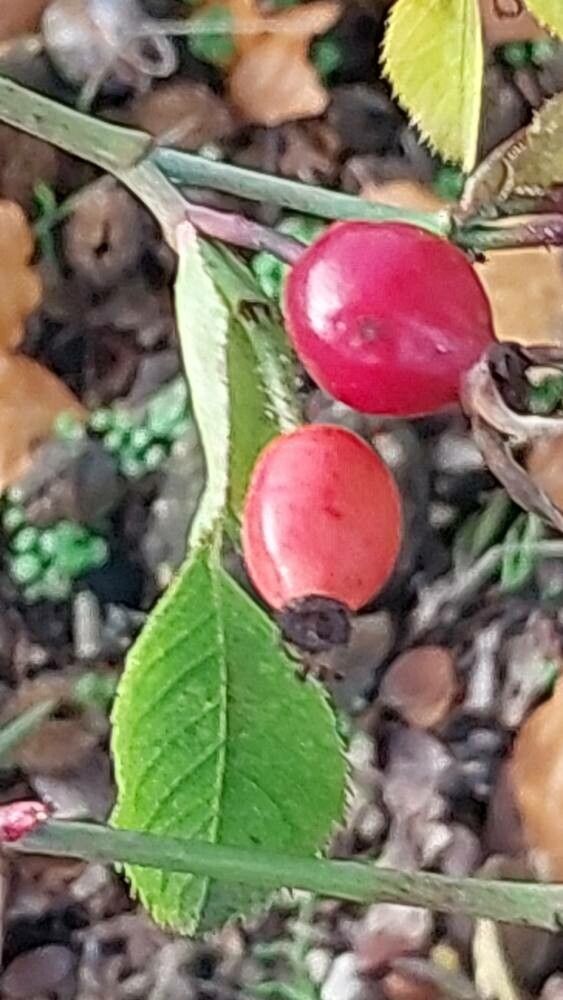
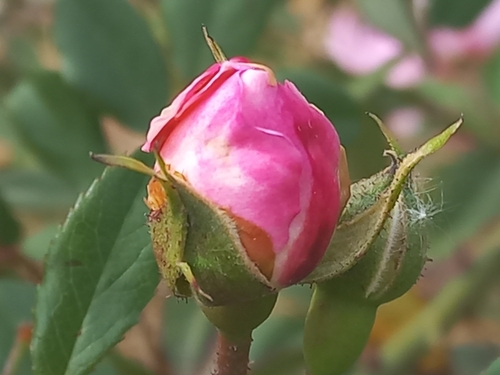
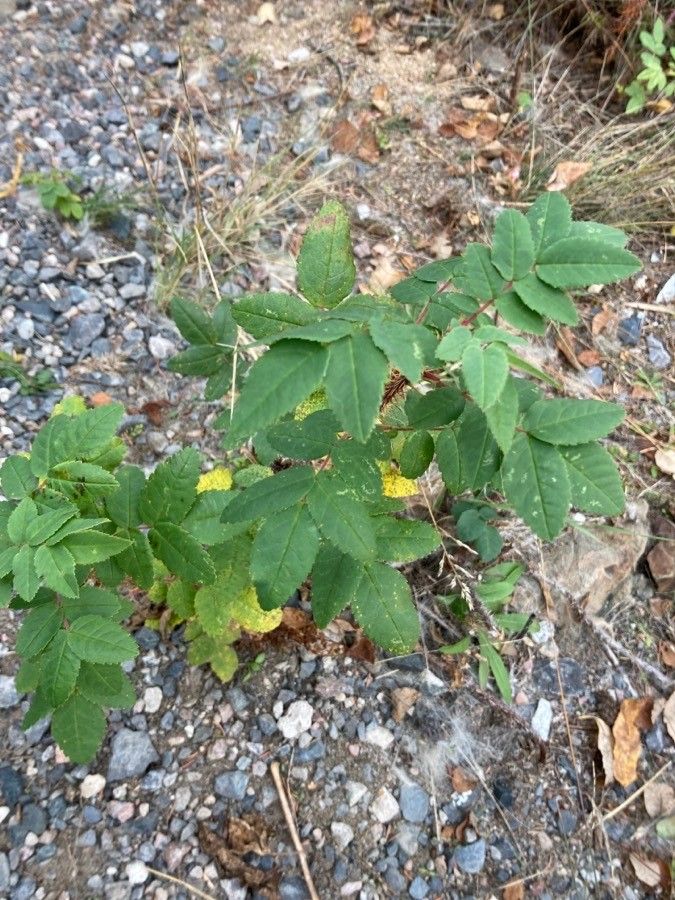
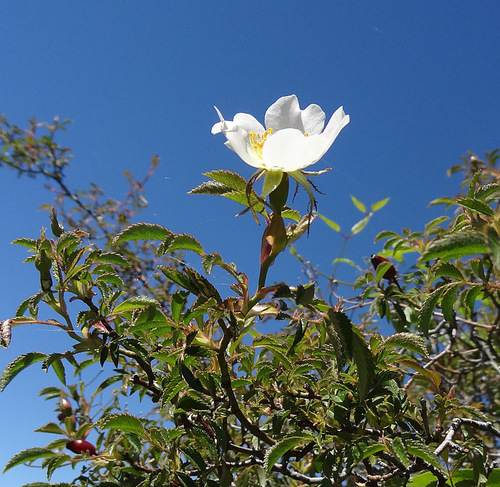
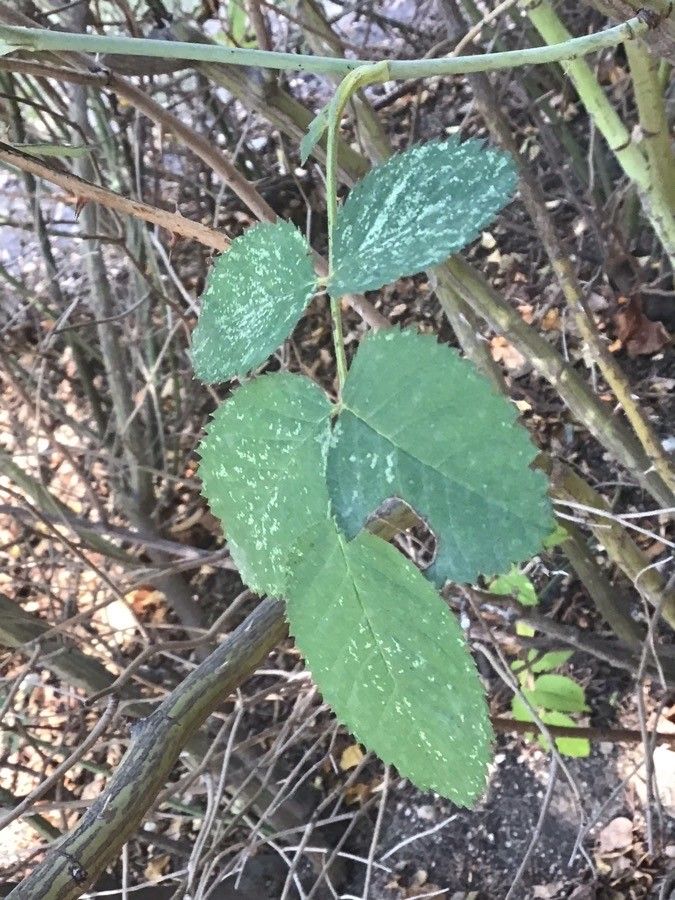
Scentless rose has weak disease resistance and is highly prone to various leaf spot diseases. It is also subject to attack by a range of insect pests, and when infections are severe it can lose most of its leaves. This plant is considered difficult to care for, as it needs regular watering, fertilizing before flowering, and pruning after flowering and in winter. Preventive spraying may be required, or treatment may be necessary if the plant becomes diseased. Scentless rose is appropriate for people who can dedicate some time and energy to plant care, but keeping it healthy and flourishing may demand additional growing experience and effort.
How to keep Rosa Inodora.
Light
Scentless rose comes from open habitats, like sunny meadows and the edges of forests, which offer plenty of light. It does best in Full Sun but will also tolerate Partial Sun, adjusting well to different sunlight levels.
Water
Originating from arid regions, the scentless rose is highly drought-tolerant and requires watering only every 2-3 weeks. This resilience makes the scentless rose ideal for outdoor cultivation and xeriscaping, as it thrives in dry conditions while maintaining its beauty.
Temperature
The scentless rose tolerates a wide range of climate conditions, from blistering summers to frosty winters. However, it does have an ideal temperature range for growth. When temperatures become too high, the plant is susceptible to heat and humidity stress, which can cause it to die. In areas where temperatures approach the lower limit of its cold tolerance, it is important to provide insulation to protect the plant.
Fertilizer
Timing is important when fertilizing Scentless rose. Fertilize in early spring and continue monthly until early summer. Fertilizer encourages lovely blooms and supplies energy during both dormant and active growth phases.
Pruning
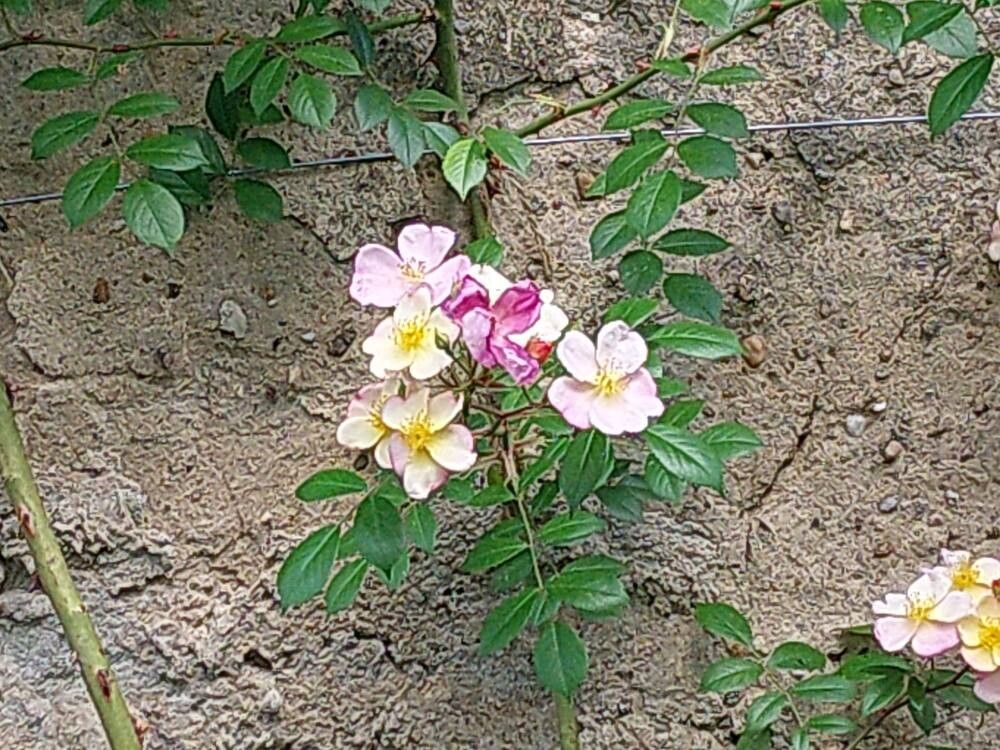
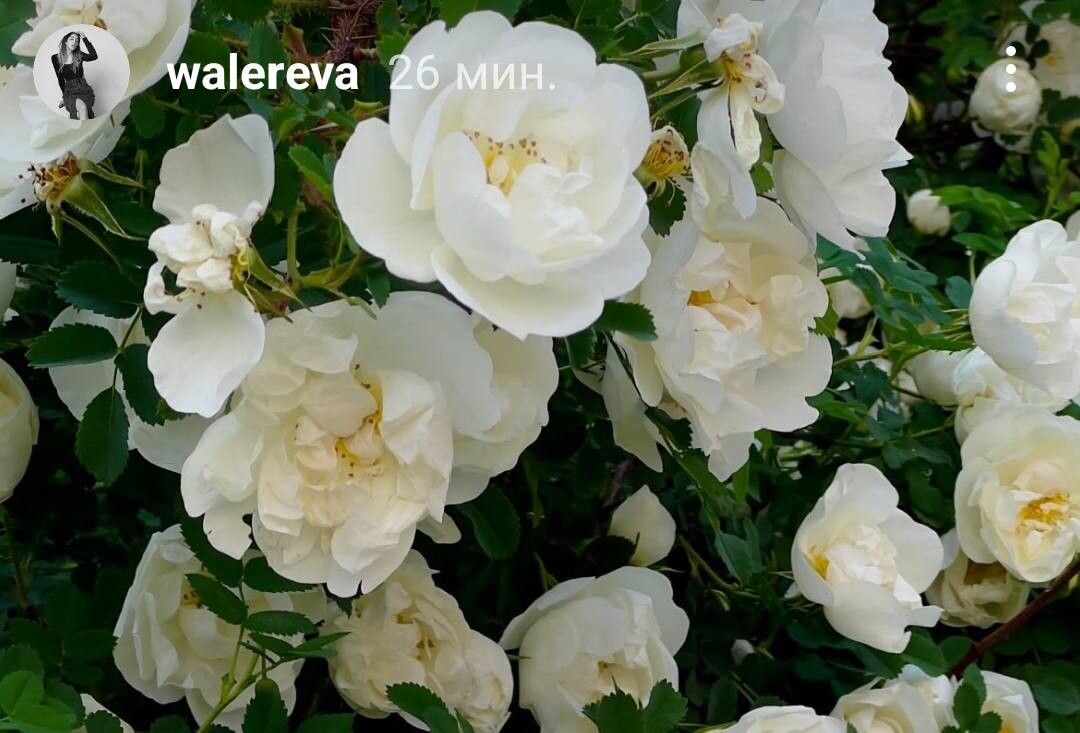
The scentless rose boasts ivory-pink blooms and thrives with pruning in early spring. To ensure optimal health, remove any dead or diseased wood and shape the plant to enhance airflow and light exposure. Cut above outward-facing buds to encourage growth. Regular maintenance not only boosts flowering but also helps prevent fungal infections, keeping the scentless rose healthy and attractive.
Botanical profile.
- Plant Type
- Shrub
- Life Cycle
- Perennial
- Genus
- Rosa
- Family
- Rosaceae
- Hardiness Zone
- 4-9
- Mature Height
- 0.91 m to 2.13 m
- Mature Spread
- 0.91 m to 1.52 m
- Leaf Color
- Green, Dark Green
- Leaf Type
- Deciduous
- Flower Color
- Pink, White
- Flower Size
- 4.06 cm to 6.35 cm
- Bloom Time
- Early summer, Mid summer
- Planting Time
- Spring, Summer, Autumn
- Harvest Time
- Late summer, Early fall, Mid fall
- Native Area
- Sweden, Austria, Czech Republic, Slovakia, Poland, Croatia, Slovenia, Belarus, Ukraine, Norway, Hungary, Germany, Italy, Spain, Switzerland, Netherlands, Romania, Belgium, Moldova, France
Reader questions.
What are the sunlight requirements for Scentless rose?
Scentless rose thrives under conditions that mimic its natural habitat, which include open environments with ample sunlight. It requires full sun, defined as above 6 hours of sunlight daily, but can also tolerate partial sun, meaning about 3-6 hours of sunlight. It's essential to observe how sunlight moves through your garden to place your plants in spots that offer the right balance of light and shade, ensuring they grow healthy and happy.
What is the Scentless Rose?
The Scentless Rose, known botanically as Rosa inodora, is a unique variety within the rose family. Unlike its fragrant counterparts, this rose is characterized by its lack of scent. Although it doesn't have the signature rose aroma, it still holds its own charm with its beautiful bloom.
How can artificial lighting be used for indoor Scentless rose plants?
When natural sunlight is insufficient, especially during winter or in less sunny spaces, artificial lighting becomes crucial for the optimal growth of indoor Scentless rose plants. LED lights are recommended due to their ability to be customized to the specific light wavelengths needed by plants. For full sun plants, 30-50W/sq ft is necessary, while partial sun plants require 20-30W/sq ft, and full shade plants need 10-20W/sq ft of artificial light. The light source should be placed 12-36 inches above the plant to mimic the sun's natural elevation, and the lighting should last for 8-12 hours a day, simulating natural daylight hours.
What are the symptoms of light deficiency in Scentless rose?
When a Scentless rose is not exposed to optimal lighting, it may exhibit several symptoms indicating a light deficiency. These include smaller new leaves compared to mature ones, leggy or sparse growth, faster leaf drop, slower or halted growth, lighter-colored new leaves, chlorosis, sunscald, leaf curling, wilting, and leaf scorching. These symptoms reflect the plant's struggle to adapt to suboptimal light conditions, affecting its growth, color, and overall health.
What are the solutions for light deficiency in Scentless rose?
To address light deficiency in Scentless rose, start by gradually moving the plant to a sunnier location each week until it receives at least 6 hours of direct sunlight daily, utilizing a south-facing window for indoor plants. Consider using artificial light for additional illumination, keeping it on for at least 8 hours a day. For outdoor plants, ensure a gradual transition to sunnier spots to prevent sunburn. Pruning obstructing trees or moving smaller plants during their dormant periods to sunnier locations can also help improve sunlight access. It's crucial to remember that parts of the plant affected by insufficient sunlight may not recover completely, but new growth should be healthy after adjusting the light exposure.