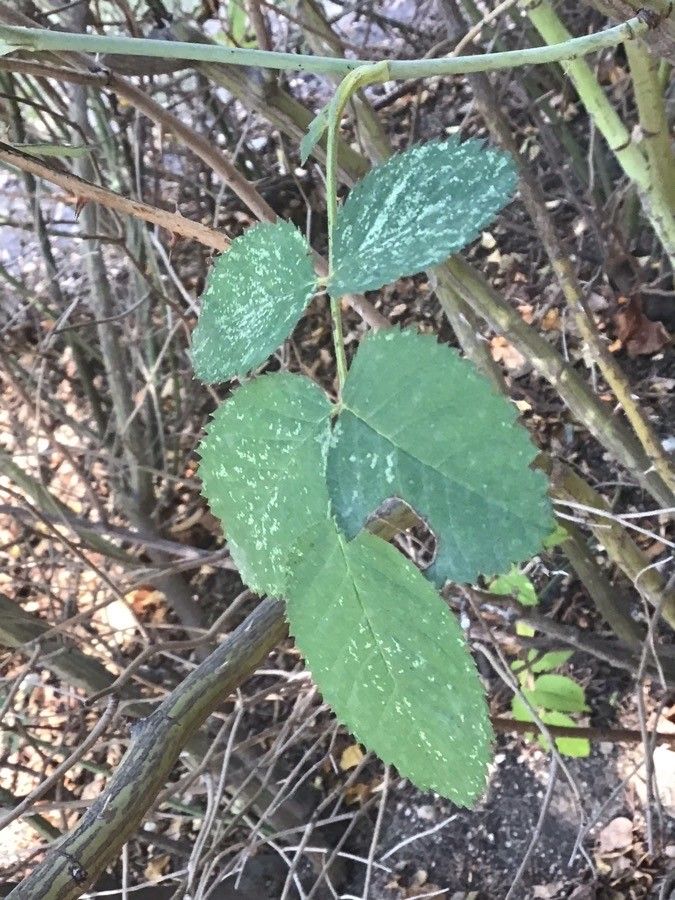
White prairie rose has poor disease resistance and is highly prone to various leaf spot diseases. It is also susceptible to a range of insect pests, and severe infections can cause most of its leaves to drop. Its care is considered difficult: it needs regular watering, fertilizer before flowering, and pruning after flowering and again in winter. Preventive spraying might be required, or active treatment if the plant becomes diseased. This rose is suitable for people who can devote some time and energy to its care, but keeping it healthy and vigorous may demand additional growing experience and effort.
How to keep Rosa Foliolosa.
Light
White prairie rose comes from open habitats, such as sunny meadows and forest edges, where light is abundant. It does best in Full Sun but can also tolerate Partial Sun, adapting well to various sunlight levels.
Water
The white prairie rose thrives in moist, well-drained soil. It's important to water it when the soil surface feels slightly dry. Be careful not to overwater, as this can lead to water-logging and diseases from leaf splashing. During a drought, water the plant every two to three days. In winter, reduce the frequency of watering. If your white prairie rose is in a pot, it might need to be watered twice a day during high temperatures, but make sure any excess water can drain away.
Temperature
The white prairie rose is highly adaptable to a range of climates, coping with both hot summers and cold winters. Nonetheless, it has an ideal temperature range for healthy growth. If temperatures climb too high, the plant becomes vulnerable to heat and humidity stress, which can cause it to die. In areas where temperatures approach the lower limit of its cold tolerance, providing insulation to protect the plant is important.
Fertilizer
Fertilize your White prairie rose in early spring to promote healthy growth. Regular feeding improves overall health, producing vigorous growth, stronger tolerance of harsh conditions, and better resistance to diseases and pests. Maintain a consistent fertilization schedule for your White prairie rose to ensure vibrant, deeply colored foliage and a lush appearance.
Pruning
The white prairie rose benefits greatly from early spring pruning. This process involves removing dead wood, crossing branches, and thinning out weak stems. By doing so, you improve airflow, encourage flowering, and increase the plant's vigor. Using clean, sharp tools helps minimize damage to the plant. Additionally, regular pruning helps deter pests and diseases, ensuring the plant remains healthy.
Botanical profile.
- Plant Type
- Shrub
- Life Cycle
- Perennial
- Genus
- Rosa
- Family
- Rosaceae
- Hardiness Zone
- 5-9
- Mature Height
- 30 cm to 61 cm
- Mature Spread
- 30 cm to 61 cm
- Leaf Color
- Green, Dark Green
- Leaf Type
- Deciduous
- Flower Color
- Pink
- Flower Size
- 3.05 cm to 5.08 cm
- Bloom Time
- Mid spring, Late spring, Early summer
- Planting Time
- Spring, Summer
- Harvest Time
- Late summer, Early fall, Mid fall
Other names.
Reader questions.
What are the sunlight requirements for a White Prairie Rose?
The White Prairie Rose (Rosa foliolosa) thrives in conditions of full sun, which means it requires more than 6 hours of sunlight daily. It can also grow in partial sun, requiring about 3-6 hours of sunlight. It's important to watch the movement of sunlight through your garden to find spots that offer the right mix of light and shade, ensuring your plants remain happy and healthy.
What is the White Prairie Rose?
The White Prairie Rose, known botanically as Rosa foliolosa, is a species of rose without further details provided on its characteristics or attributes in the provided data. The information lacks descriptions regarding its essentials and symptoms, if any, associated with the plant.