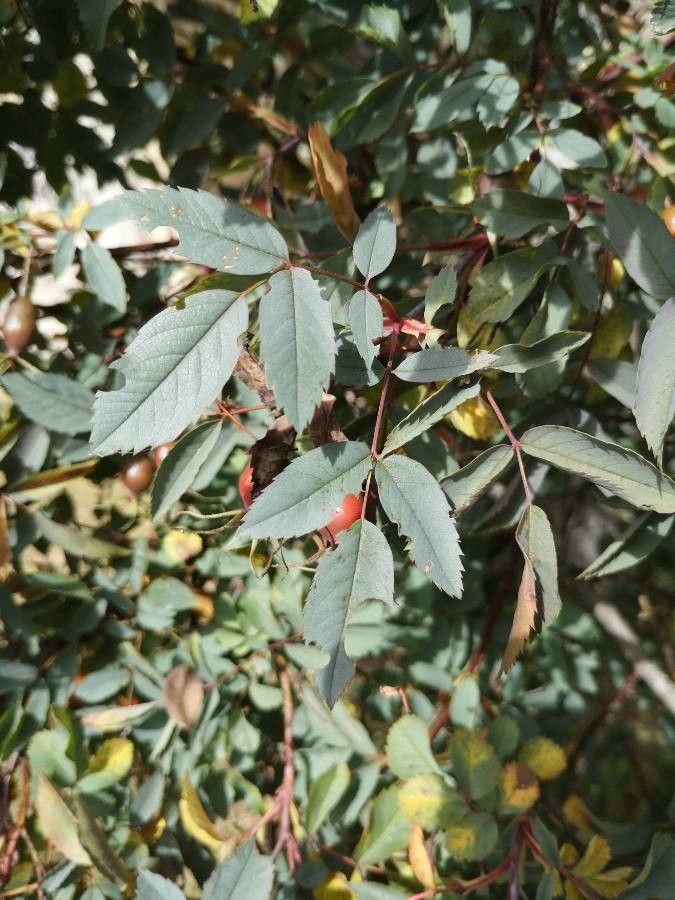
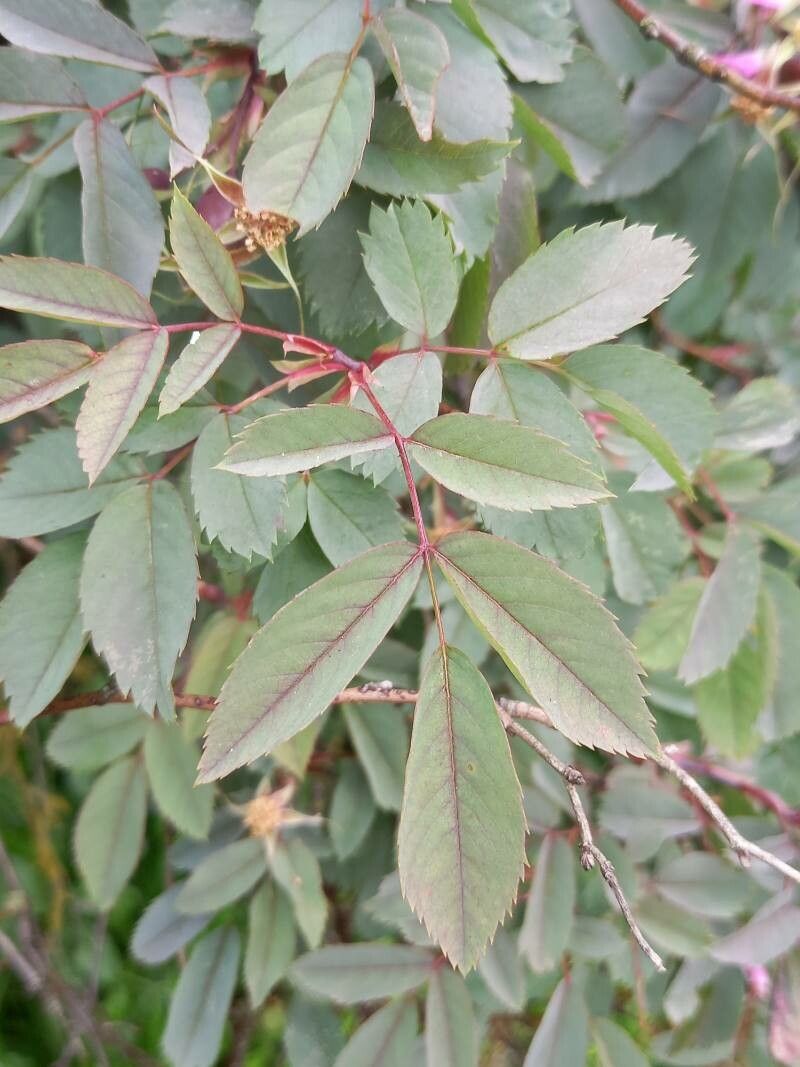
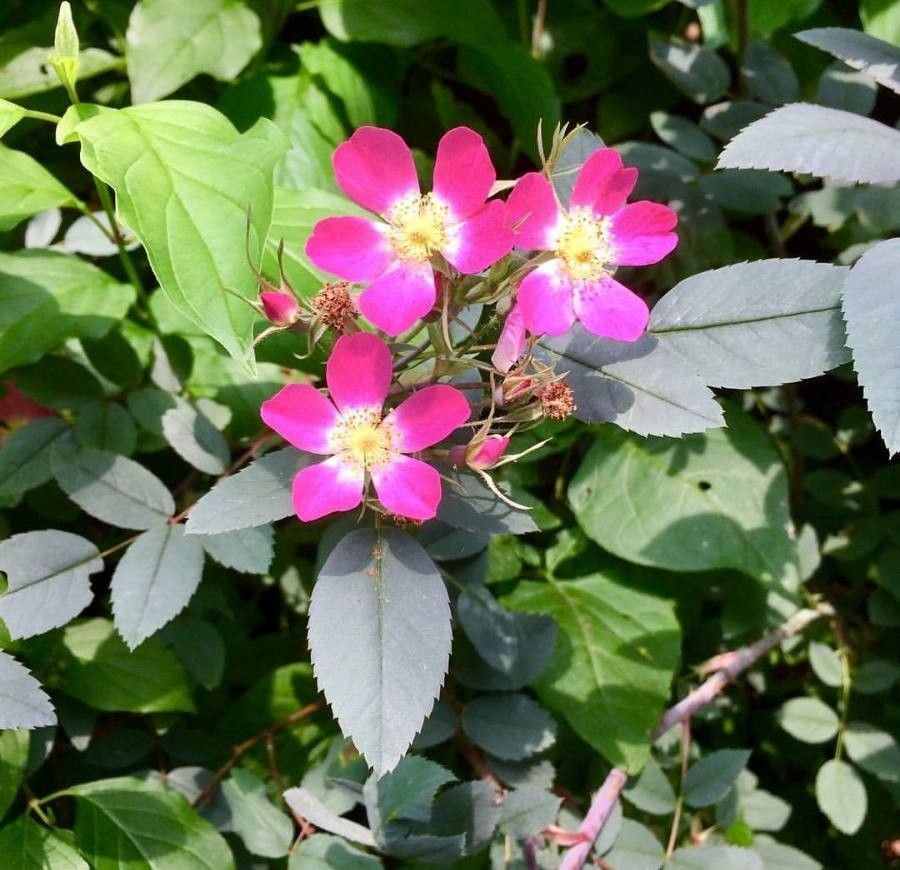
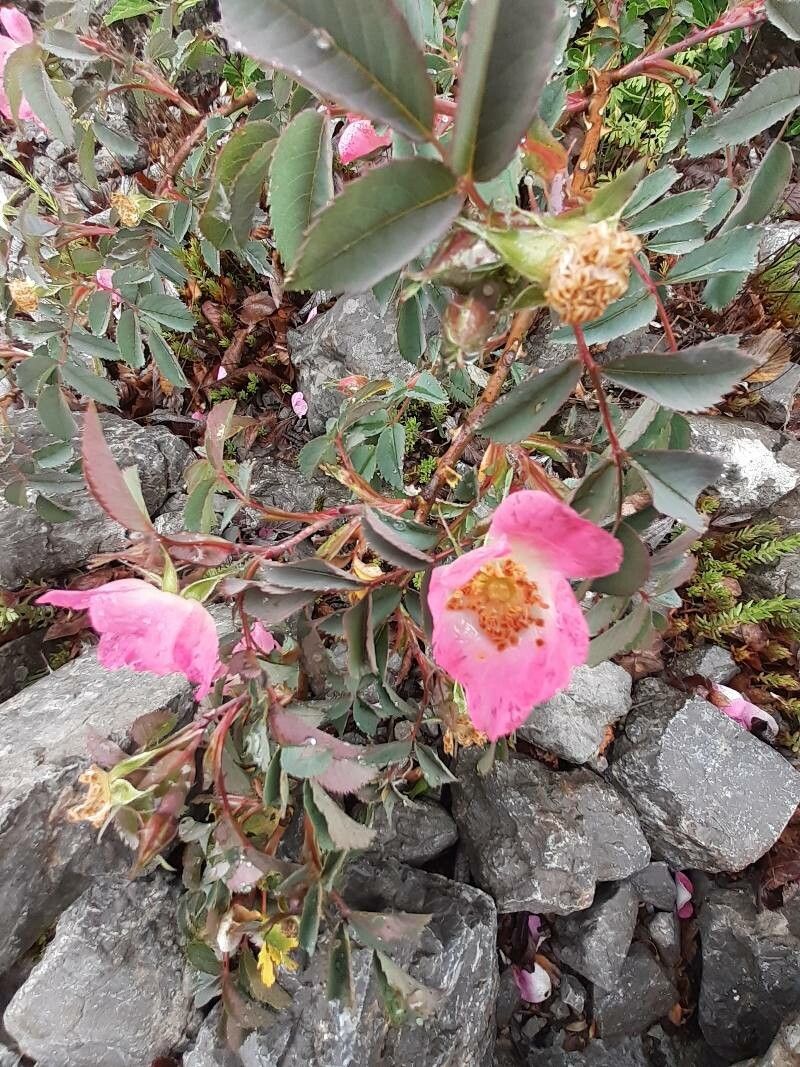
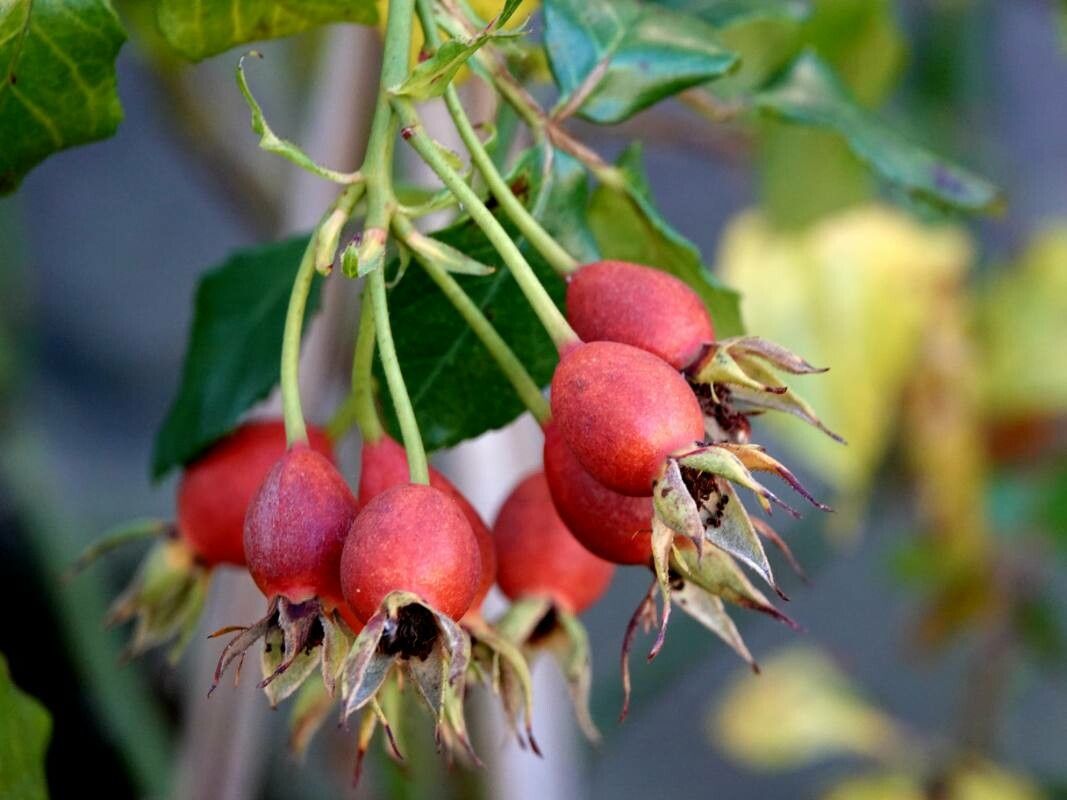
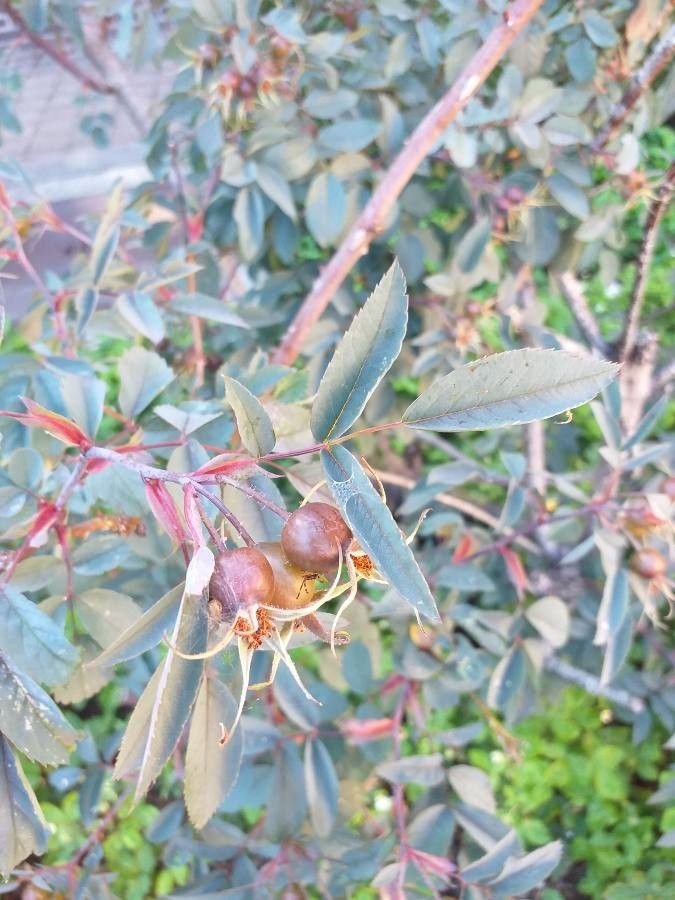
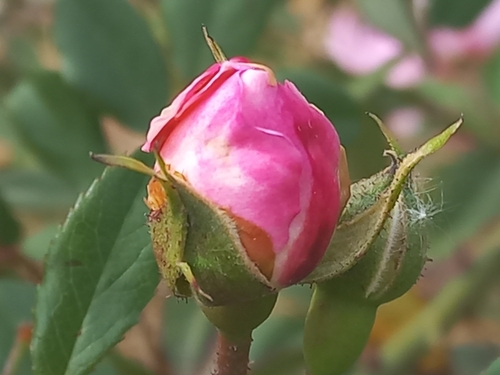
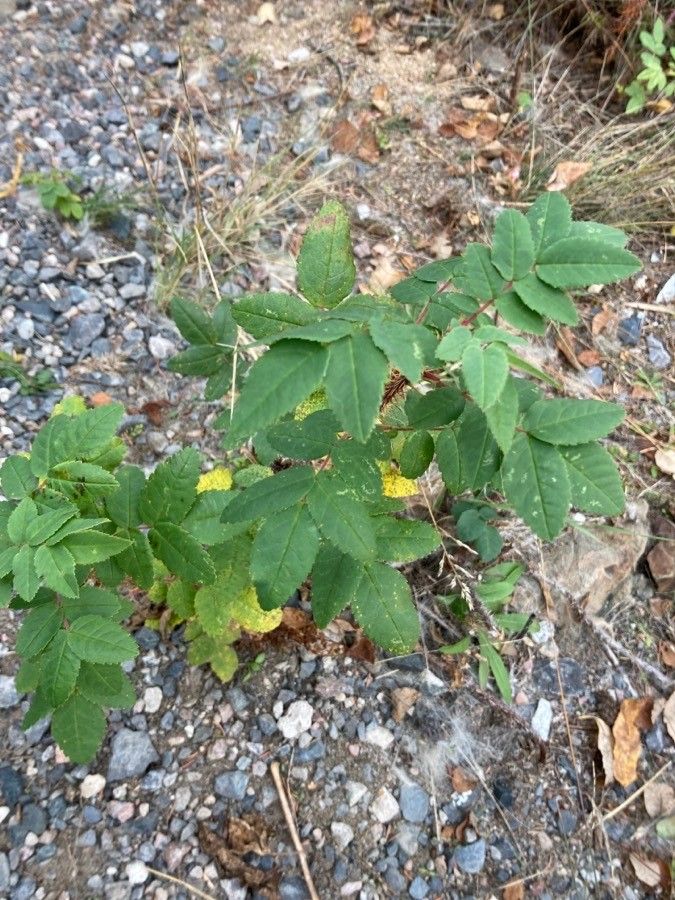
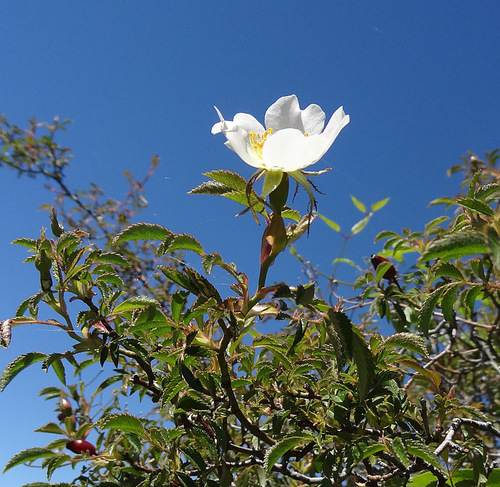
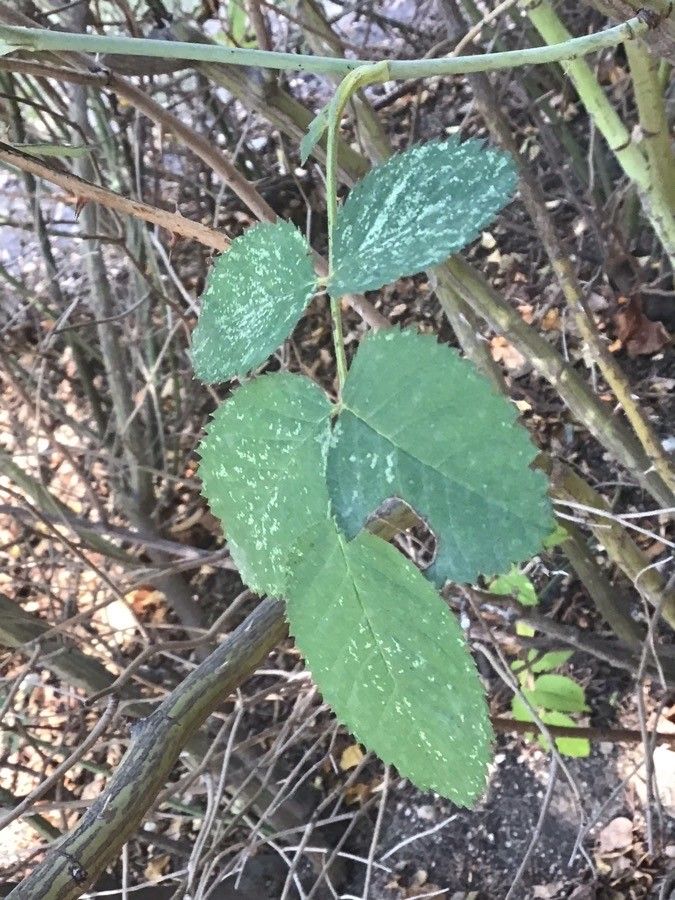
Rosa ferruginea, commonly known as the Rusty-leaved Rose, is a species of flowering plant in the Rosaceae family. This deciduous shrub can grow up to 2 meters tall and has thorny stems. The leaves are pinnately compound with 5-7 leaflets, featuring a rusty-brown color on the underside, which gives the plant its common name. The flowers are pink or white, each with five petals, and bloom from late spring to early summer. The fruit of Rosa ferruginea is an edible red or orange hip that ripens from late summer to early autumn.
Native to Asia, this plant can be found growing wild in forests, thickets, and rocky slopes at elevations up to 3,000 meters above sea level. It has been used for medicinal purposes for centuries by various cultures around the world.
Rosa ferruginea requires full sun exposure but can also tolerate partial shade. It thrives in various soil types, including well-drained clay soil. While it is drought-tolerant once established, it benefits from regular watering during dry spells.
Overall, Rosa ferruginea makes an excellent addition to any garden due to its attractive foliage coloration throughout most of the year, its beautiful flowers during the blooming season, and its edible fruit. This plant offers both aesthetic appeal and practical uses, such as medicinal applications or as a food source, making it a highly versatile choice for any gardener looking for something unique yet useful.
Botanical profile.
Other names.