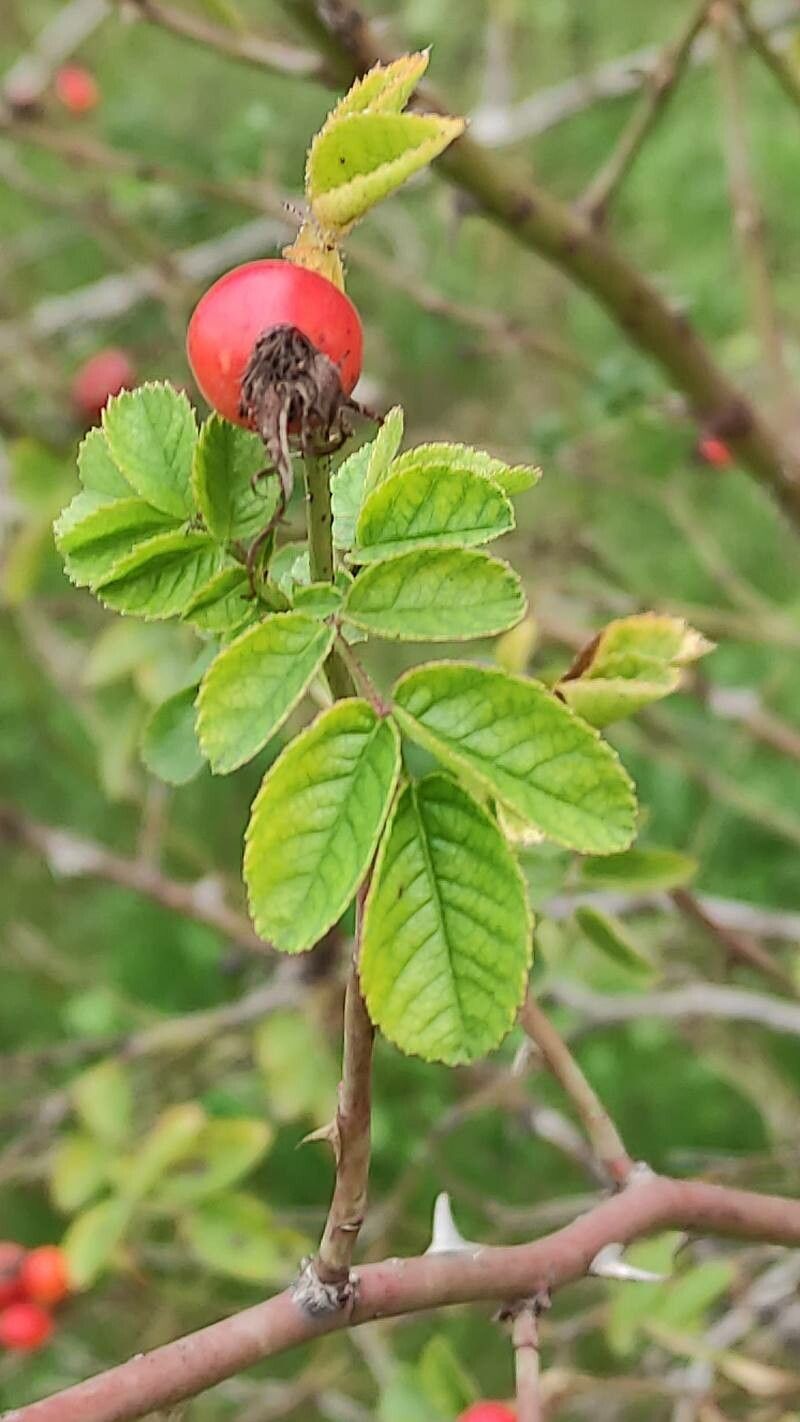
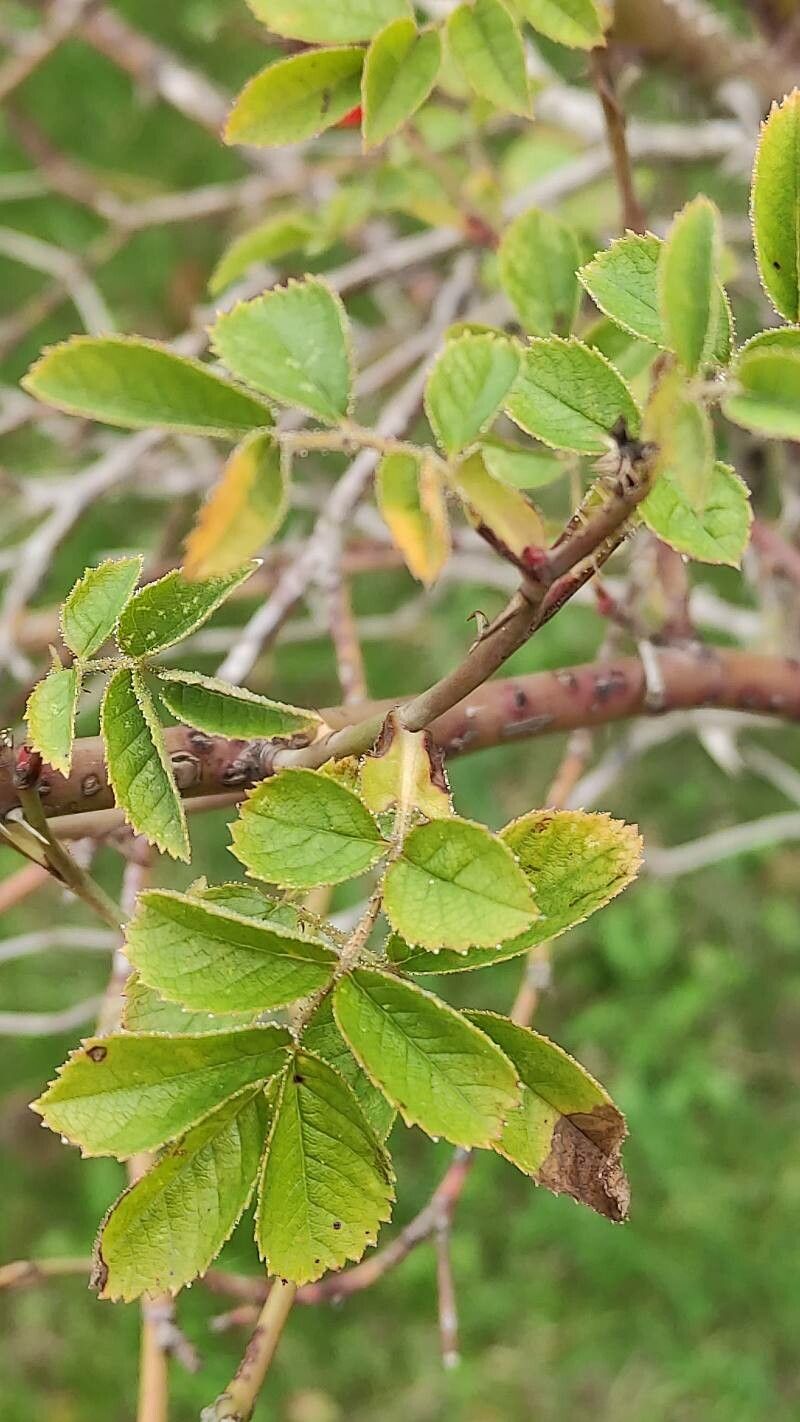
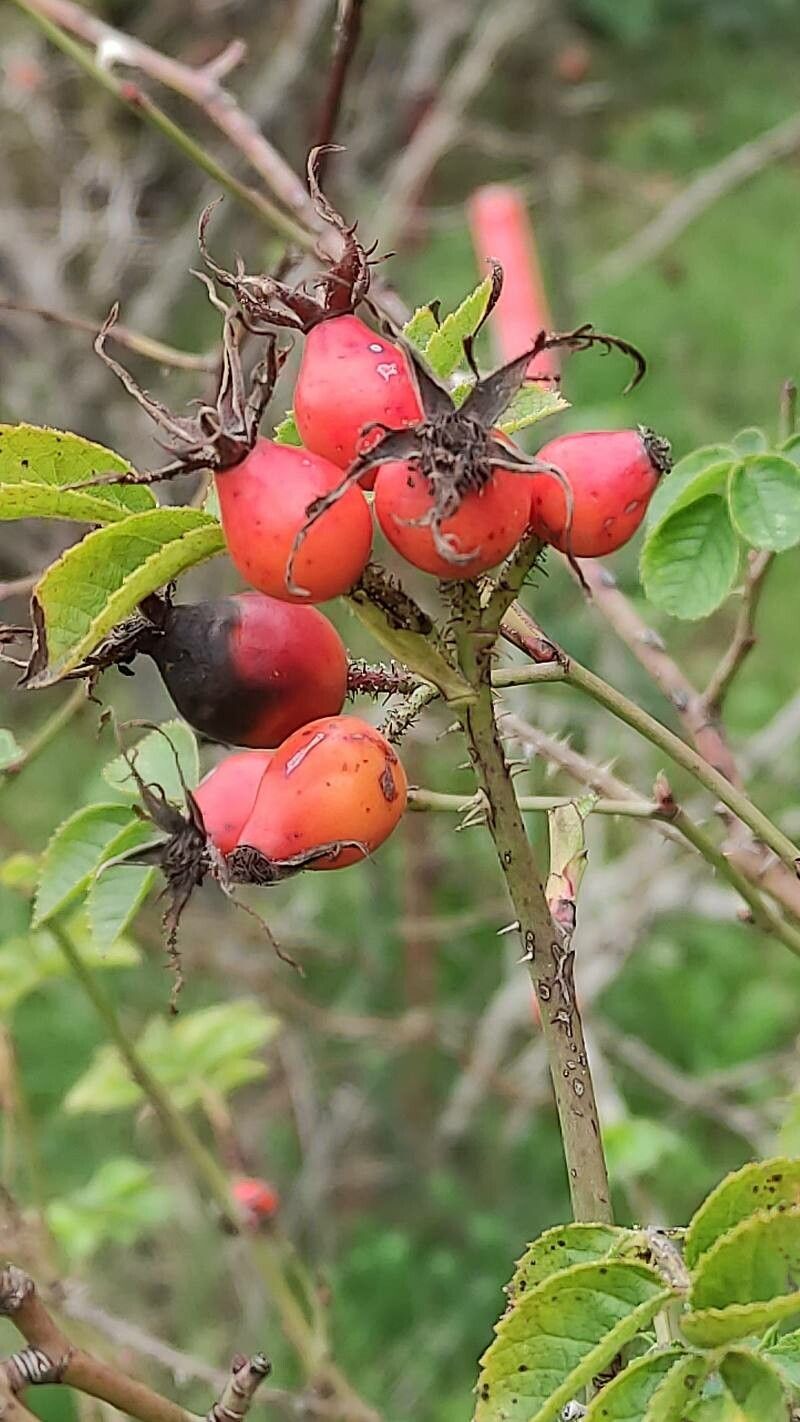
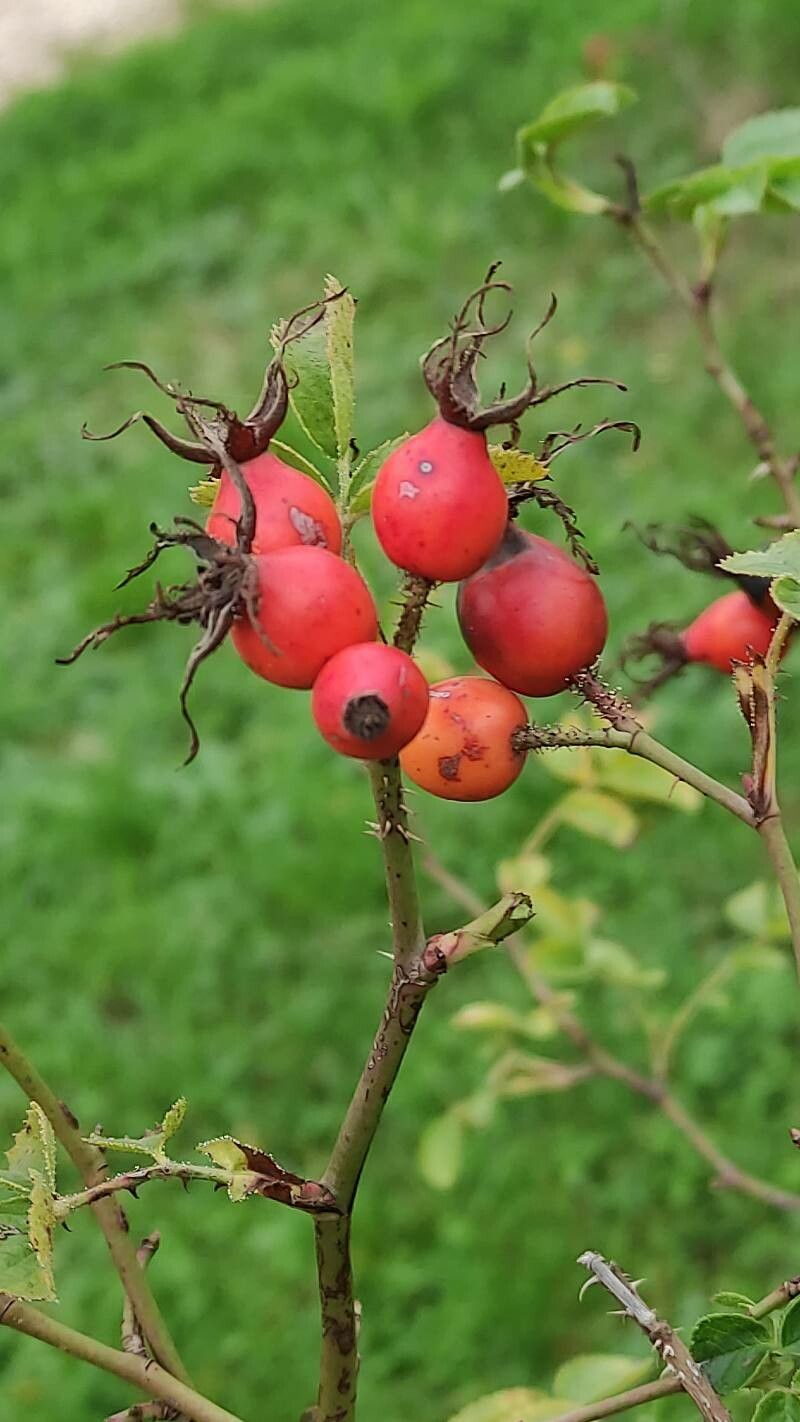
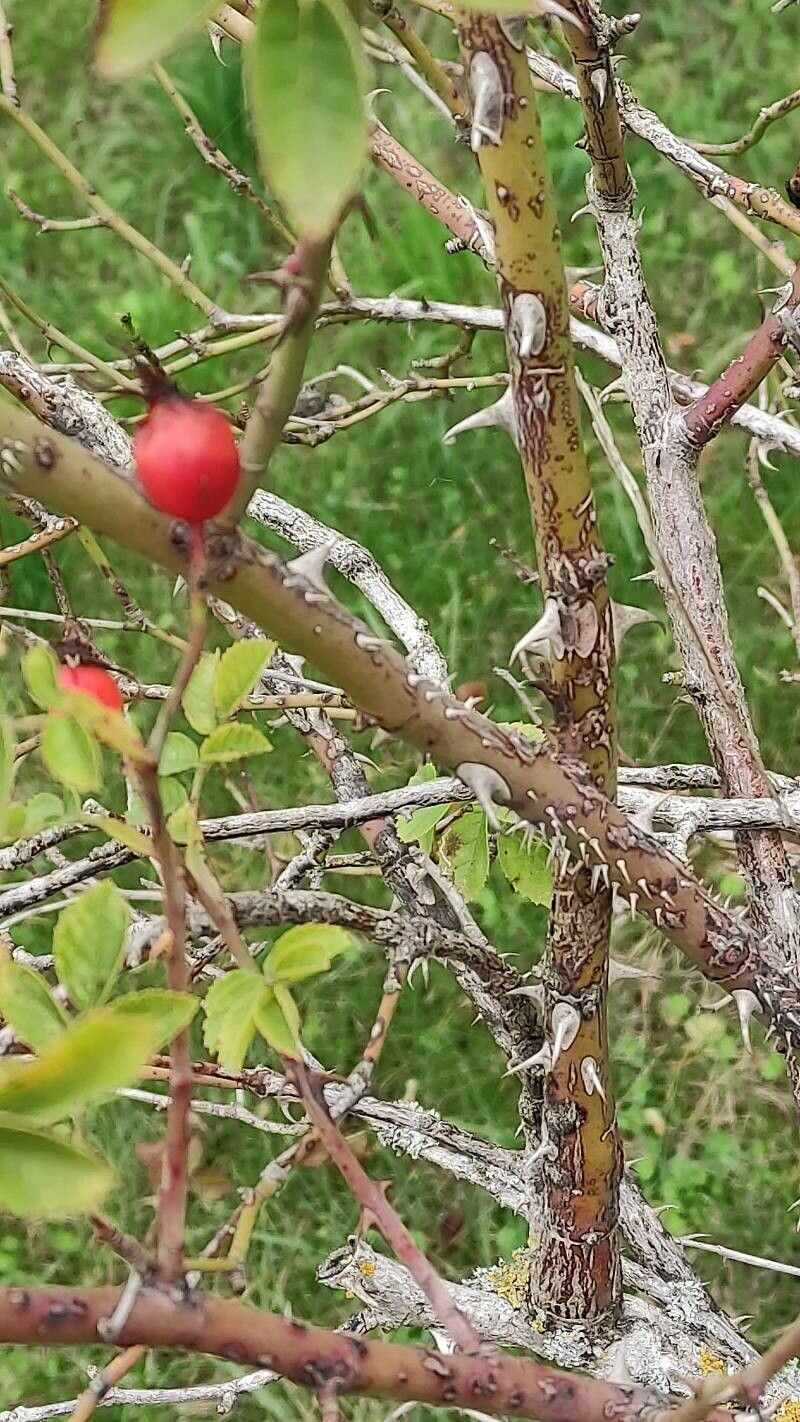
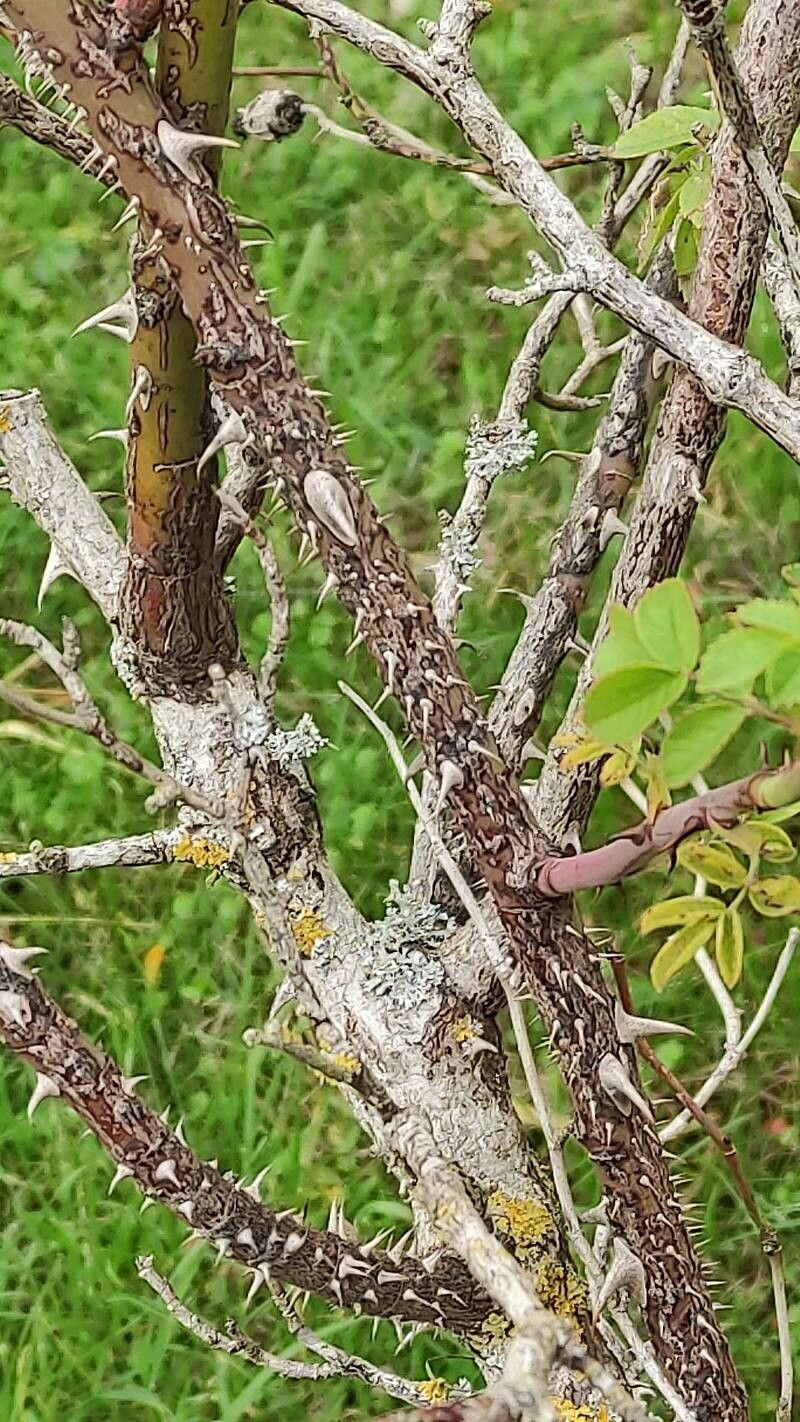
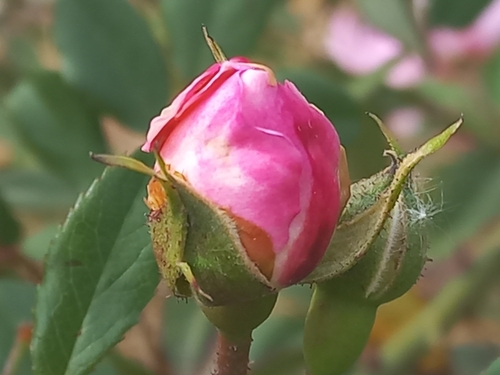
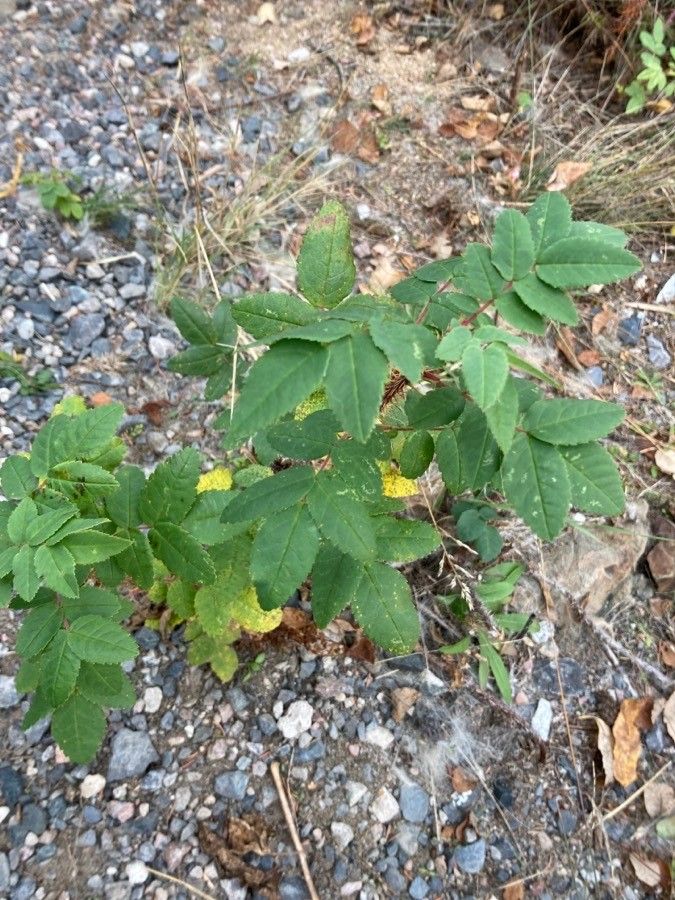
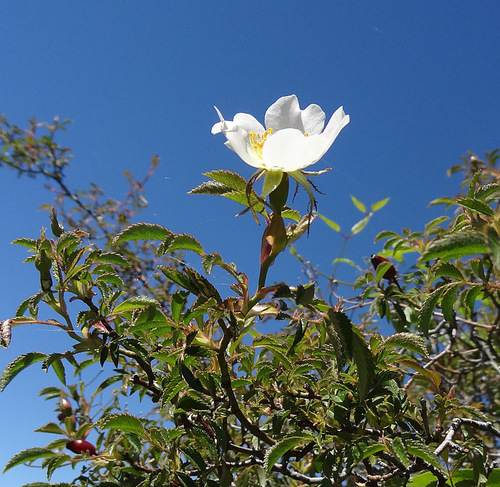
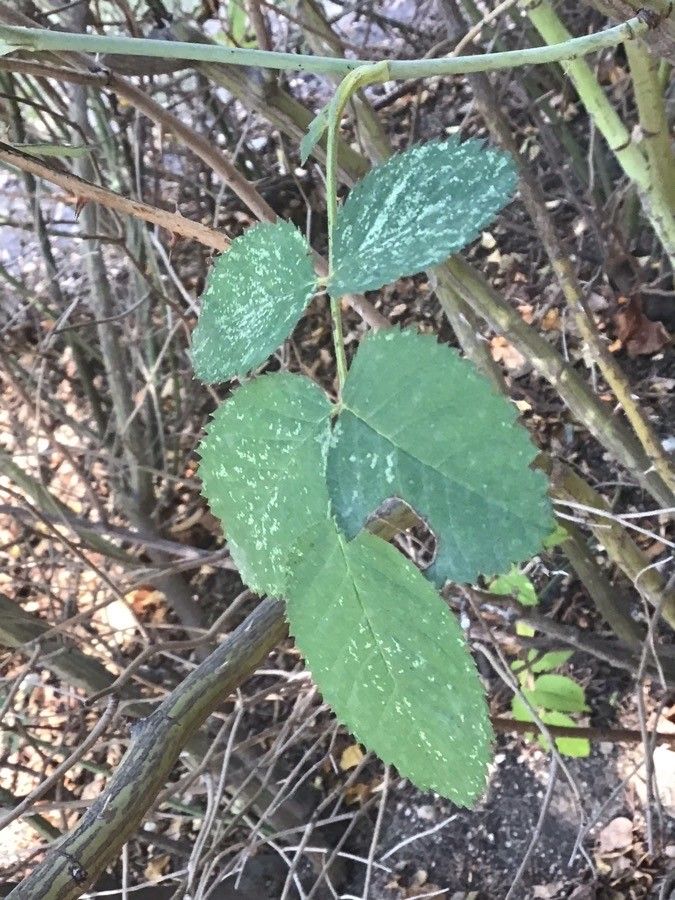
Sweet briar has low resistance to disease and is highly prone to various leaf spot problems. It is also susceptible to a range of insect pests, and when infestations are severe most of its leaves can drop. Its care is considered demanding: it needs regular watering, feeding before it flowers, and pruning after flowering and again in winter. Preventive spraying might be required, or active treatment if the plant becomes diseased. Sweet briar is suitable for those who can dedicate some time and effort to plant care, but keeping it healthy and vigorous may call for greater growing experience and effort.
How to keep Rosa Caryophyllacea.
Light
The sweet briar strongly favors locations that receive abundant sunlight throughout the day, though it can also tolerate areas of light shade. This condition, originating from its native wild habitat, allows healthy growth. Excessive shade or prolonged overcast conditions can, however, inhibit its development.
Temperature
Sweet briar is native to temperate areas and tolerates temperatures from 5 to 35 ℃ (41 to 95 ℉). In the summer months it prefers cooler conditions around 20 to 25 ℃ (68 to 77 ℉) and needs regular watering. In winter it can withstand temperatures as low as -15 ℃ (5 ℉) but may benefit from being covered during severe cold snaps.
Fertilizer
Fertilize your Sweet briar in early spring to encourage healthy growth. Regular feeding improves the plant’s overall health, leading to vigorous growth, better tolerance of harsh conditions, and increased resistance to diseases and pests. Keep a consistent fertilization schedule for your Sweet briar to maintain foliage that is vibrant, deeply colored, and lush in appearance.
Pot & Repot
When repotting Sweet briar, select a pot 1-2 inches (2.5–5.1 cm) larger with ample drainage. Use a well-draining potting mix. Repot in spring or fall, making sure the root ball is slightly lower than the rim of the flower pot. Water thoroughly after repotting and place in a warm spot with indirect sunlight.
Botanical profile.
- Plant Type
- Shrub
- Life Cycle
- Perennial
- Genus
- Rosa
- Family
- Rosaceae
- Hardiness Zone
- 5-9
- Mature Height
- 1.83 m to 3.05 m
- Mature Spread
- 7.92 m
- Leaf Color
- Green
- Leaf Type
- Deciduous
- Flower Color
- Pink, White
- Flower Size
- 5.08 cm
- Bloom Time
- Late spring, Early summer, Mid summer
- Planting Time
- Spring, Autumn
- Harvest Time
- Mid summer
- Native Area
- Sweden, Austria, Czech Republic, Slovakia, Montenegro, Bulgaria, Poland, Croatia, Slovenia, Belarus, Ukraine, Serbia, Russia, Lithuania, Norway, Germany, Italy, Spain, Switzerland, Denmark, Netherlands, Estonia, France, Ireland, United Kingdom, Romania, Latvia, Belgium, Moldova, Portugal