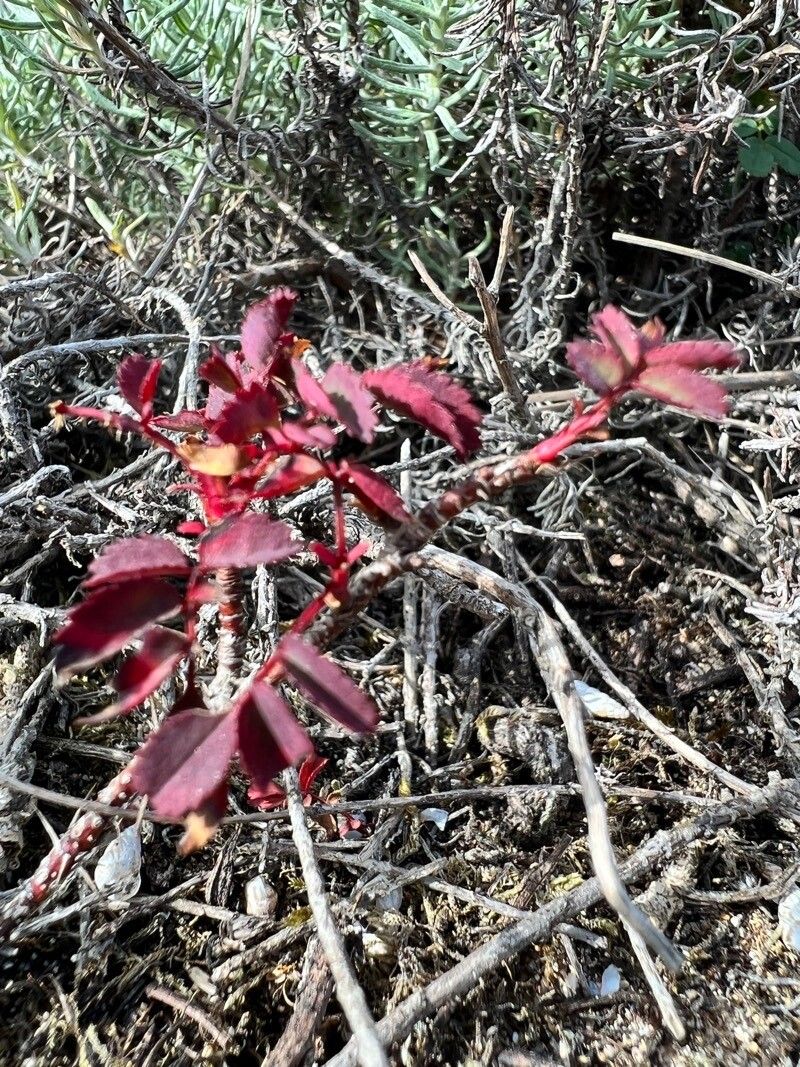
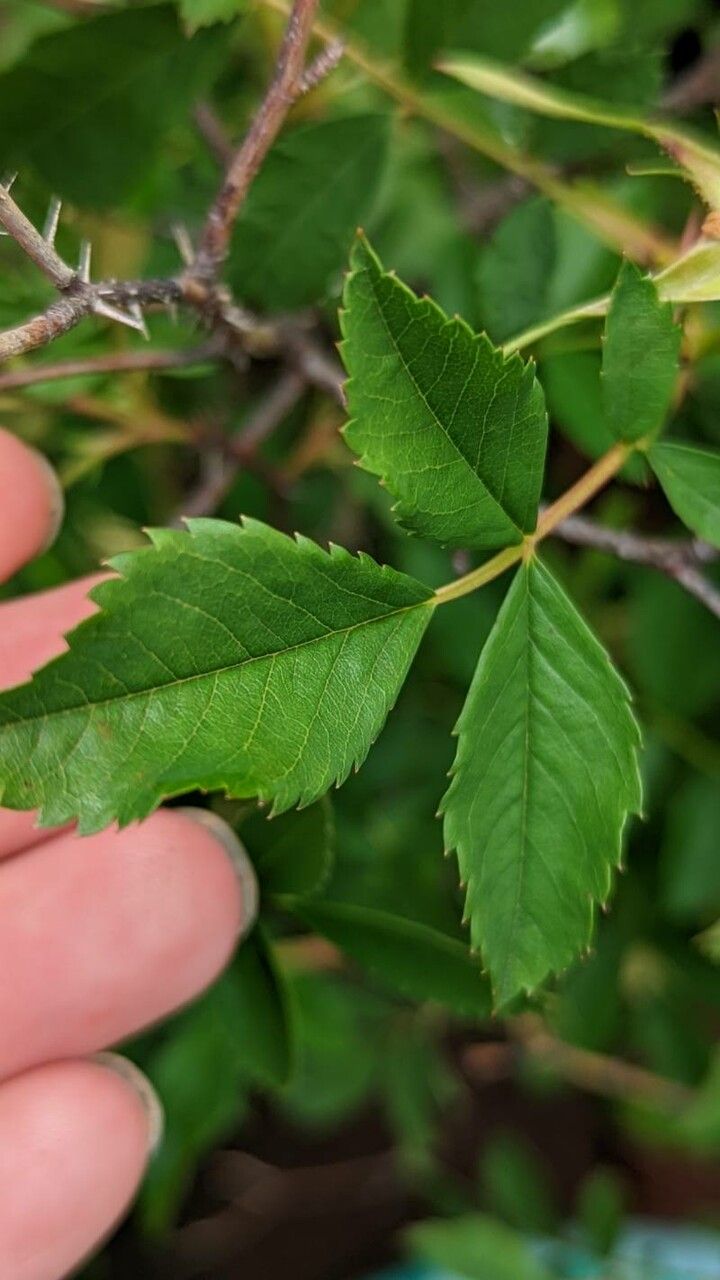
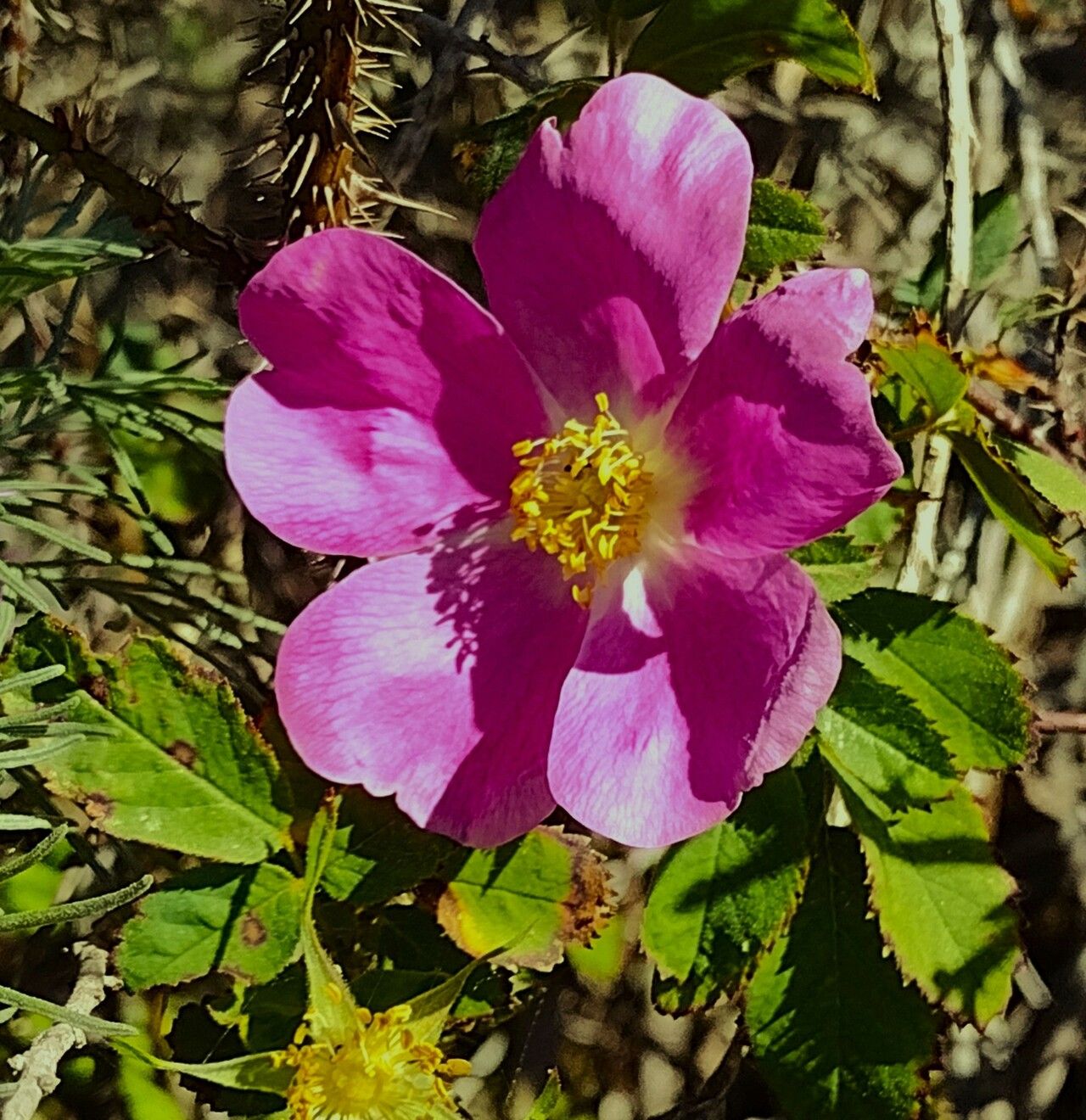
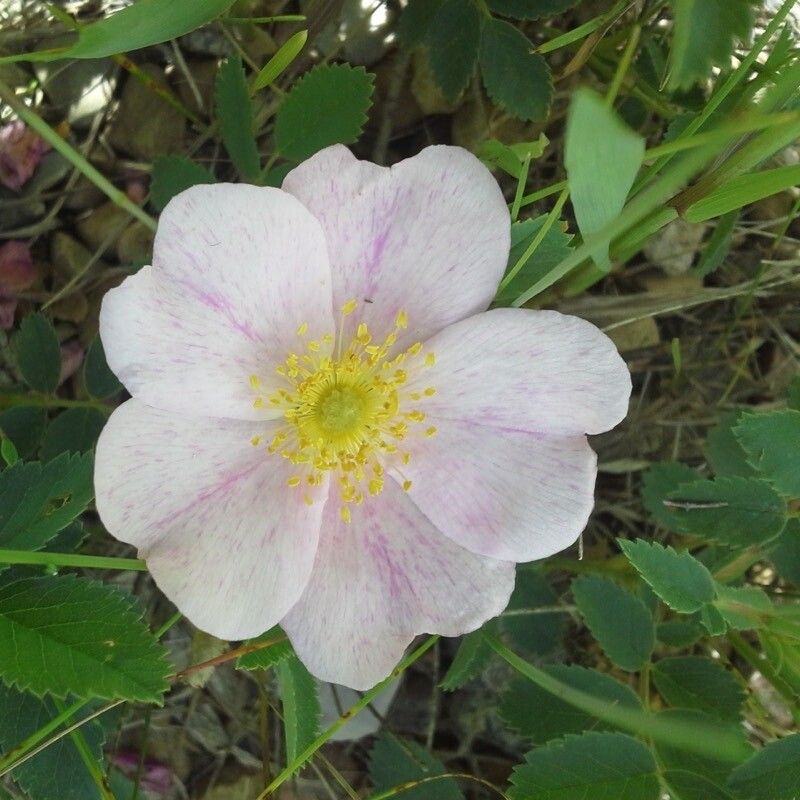
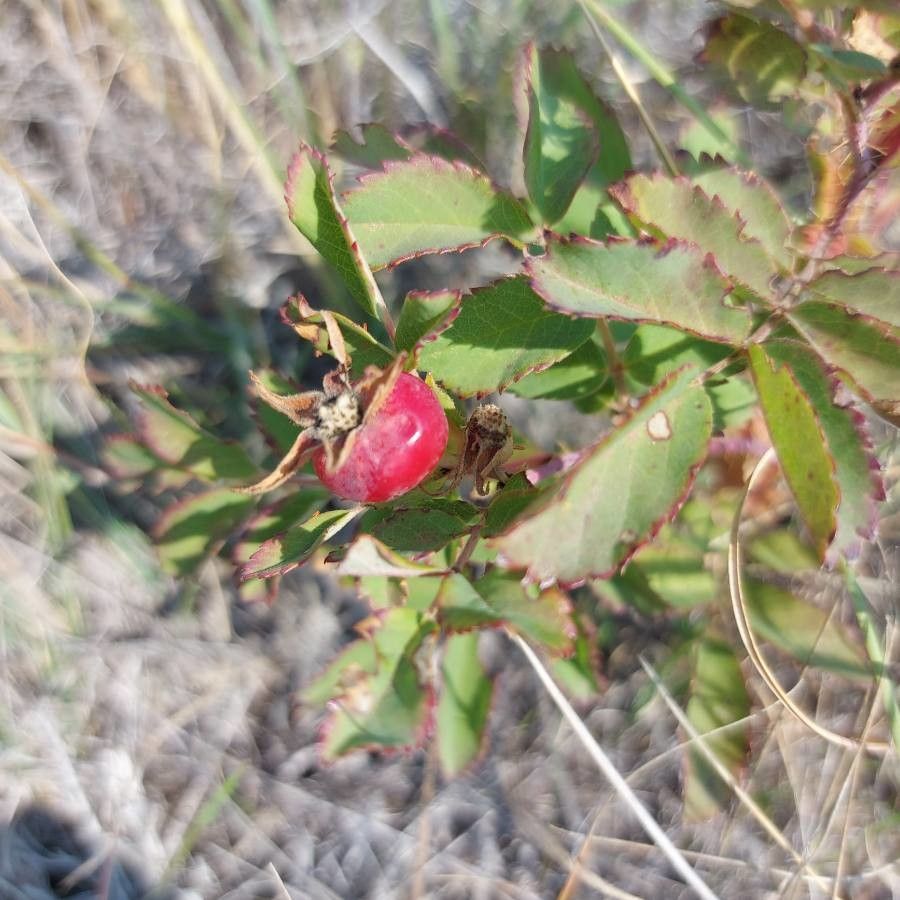
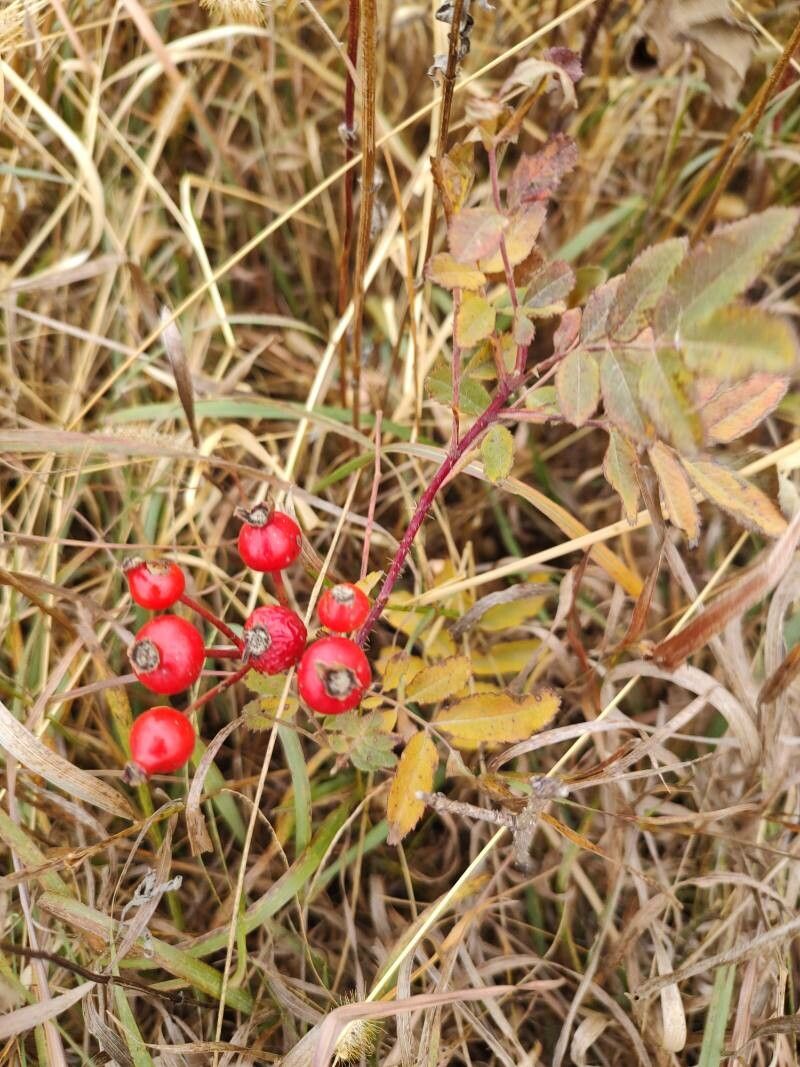
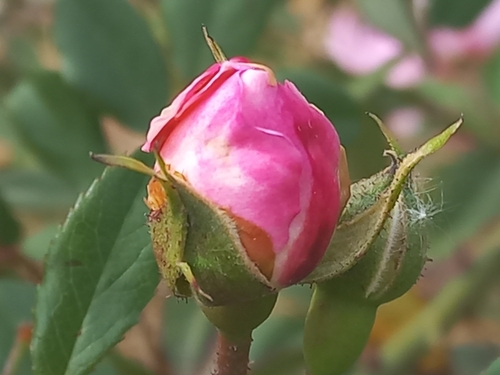
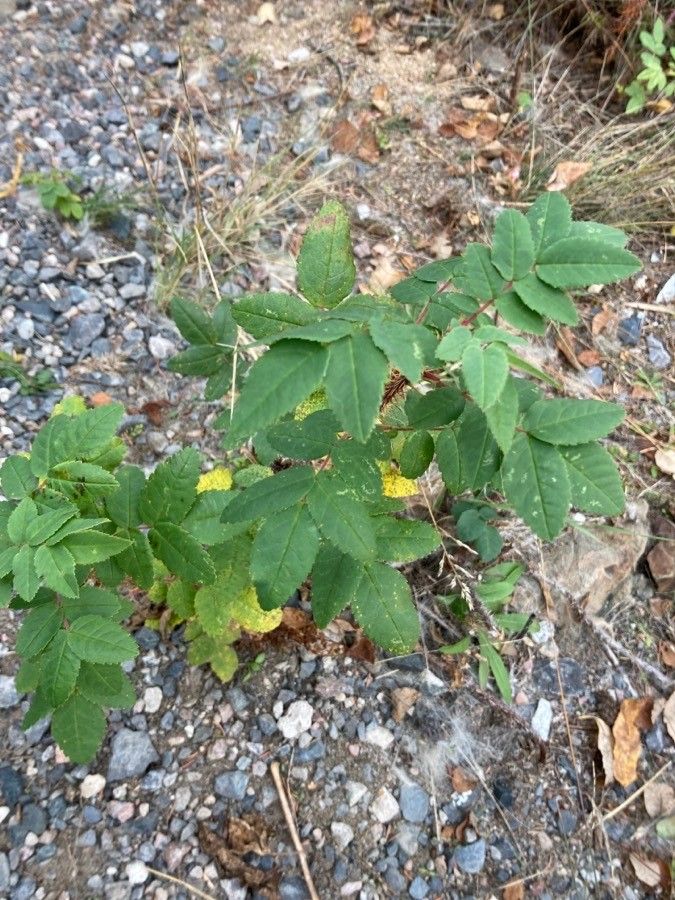
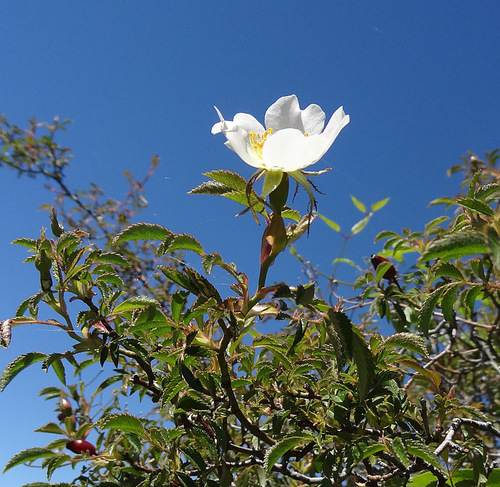
Rosa arkansana, the prairie rose or wild prairie rose, is a species of rose native to a large area of central North America, between the Appalachian and Rocky Mountains from Alberta, Manitoba, and Saskatchewan south to New Mexico, Texas and Indiana. There are two varieties:
Rosa arkansana var. arkansana Rosa arkansana var. suffulta (Greene) CockerellThe name Rosa arkansana comes from the Arkansas River in Colorado. The species' wide distribution and consequent genetic drift has led to an extensive synonymy. It is a perennial subshrub and its native habitats include prairies, roadsides, and ditches. The plant attracts butterflies and birds.The name prairie rose is also sometimes applied to Rosa blanda, also known as the meadow rose or smooth rose, which is also widely spread, but somewhat further to the north.
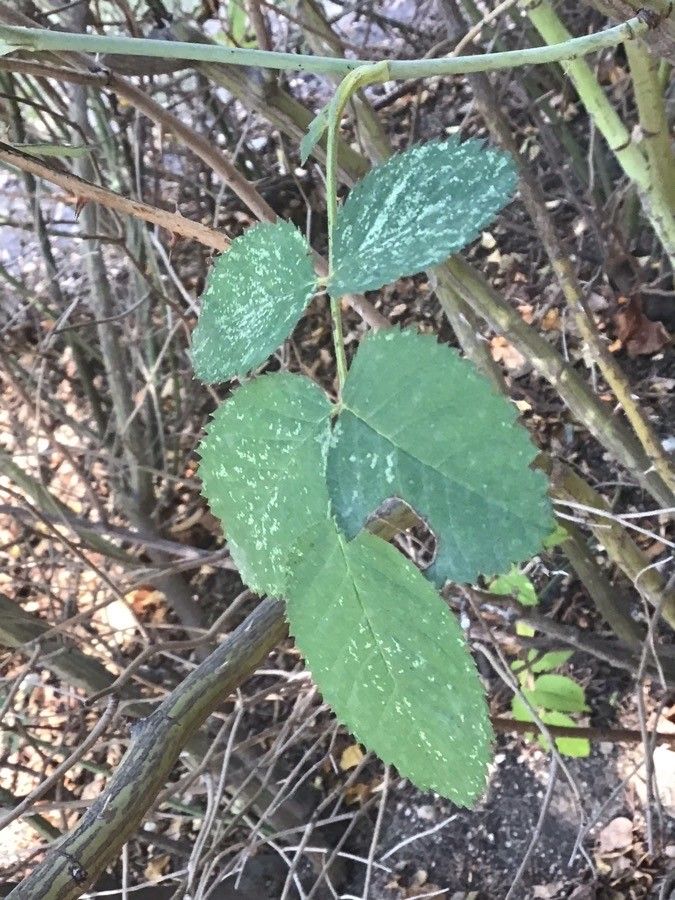
Prairie rose has weak disease resistance and is highly prone to various leaf spot diseases. It is also susceptible to different insect pests, and when infections are severe most leaves can drop. The plant is rated as difficult to care for because it needs consistent watering, feeding before flowering, and pruning after flowering and again in winter. Preventive spraying might be required, and treatment will be necessary if the plant becomes diseased. Prairie rose is appropriate for people who can invest some time and effort in plant care, though maintaining its health and vigor may demand greater growing experience and energy.
How to keep Rosa Arkansana.
Light
One major element behind the prairie rose's vigorous growth is receiving plentiful light throughout every stage of development. Native to open habitats, this plant flourishes where sunlight is abundant but can also tolerate situations with only moderate light. Both excessive and insufficient light can influence its health.
Water
The prairie rose flourishes in the moderate water conditions found in North American prairies, preferring environments with dry to average humidity. Water it every 1-2 weeks, allowing the soil to dry out slightly between waterings. Resilient in various climates, the prairie rose needs less water during its dormant phase in colder seasons.
Temperature
Prairie rose originates from temperate areas and grows well in temperatures ranging from 41 to 95 °F (5 to 35 °C). During severe winters, some frost protection is recommended. By contrast, moderate shading is advised for extremely hot summers.
Fertilizer
Timing is essential for fertilizing Prairie rose. Apply fertilizer in early spring and continue monthly until early summer. Fertilizer promotes lovely blooms and supplies energy during both dormant and active growth phases.
Pruning
The prairie rose is known for its vibrant blooms and robust growth. To keep it healthy, it is important to prune it effectively. This involves removing dead stems, thinning out overcrowded areas, and cutting it back in early spring to promote flowering and reduce the risk of disease. Regular pruning not only improves the shape and health of the plant but also follows established horticultural practices.
Pot & Repot
To promote healthy growth and prevent root rot when planting prairie roses in pots, make sure the pots have excellent drainage.
Botanical profile.
- Plant Type
- Shrub
- Life Cycle
- Perennial
- Genus
- Rosa
- Family
- Rosaceae
- Hardiness Zone
- 4-9
- Mature Height
- 0.61 m to 1.52 m
- Mature Spread
- 0.61 m to 1.22 m
- Leaf Color
- Green, Blue
- Leaf Type
- Deciduous
- Flower Color
- Pink, White
- Flower Size
- 3.30 cm to 4.06 cm
- Bloom Time
- Mid spring, Late spring, Early summer
- Planting Time
- Spring, Autumn
- Harvest Time
- Mid summer, Late summer, Early fall
Other names.
Reader questions.
How should I water my Prairie rose in the best way?
To ensure excellent root development, place a garden hose at the base of the plant. Avoid spraying the leaves directly and keep in mind that outdoor plants in direct sunlight may require more water for their leaves. You can also use bubblers or soaker hoses to moisten the roots. When adding or removing plants, use soaker hoses that cover the entire garden or bed to encourage deep root growth. After watering, drain any excess water and allow the soil to dry before watering again. When watering, aim for ground level to prevent diseases. On a sunny day, consider spraying the entire bush with water. Whether in a pot or in the ground, remember that Prairie rose prefers deep watering rather than light sprinkling.
What are the sunlight requirements for Prairie Rose?
Prairie Rose (Rosa arkansana) thrives best in locations that receive full sun, which is defined as more than 6 hours of sunlight daily. It can also grow in partial sun, receiving about 3-6 hours of sunlight. Observing the movement of sunlight through your garden and choosing spots that offer a balance of light and shade can ensure the ideal conditions for your plants. This careful consideration will help in promoting the health and happiness of your Prairie Rose.
What is the native climate of the Prairie rose?
The Prairie rose, native to temperate regions, thrives comfortably in temperatures ranging from 41 to 95 °F (5 to 35 °C). Its strong cold resistance allows it to withstand harsh winters, though in extreme cold below -30°C, some frost protection measures, such as wrapping the trunk and branches with non-woven fabric or cloth, are advisable. Moreover, during sweltering summers, providing moderate shading can help protect the plant.
What do I do if I give too much or too little water to the Prairie rose plant?
If you overwater a Prairie rose, its leaves may turn yellow, drop off, and wilt. The plant may also look unhealthy with mushy stems. When these signs appear, it's best to adjust your watering schedule. Wilting can also be a sign of underwatering. In this case, the leaves will become crispy and dry instead. If the soil is dry and simply watering is not enough, give the plant a thorough watering. This will help the Prairie rose recover, but it may still have dry and yellow leaves for a few days due to damage to the root system. Once it returns to normal, the yellowing of leaves will stop. Indoors, always check the moisture levels in the pot for your Prairie rose. Avoid overwatering and look out for signs of black spots. If present, allow the soil to dry in the pot by refraining from watering it for a few days. Overwatering can cause root rot, so if you see discolored and slimy roots, consider transferring the plant to a different pot. To prevent root rot, avoid making the soil too soggy. When planting outdoors, make sure to dig a little deeper. If the soil feels too dry when you check with your fingers, it may be underwatering. Provide adequate watering to help the plant recover.
Why is light important for Prairie Rose, and how can artificial lighting be utilized?
Light plays a crucial role in the healthy growth of Prairie Rose, as it originates from open habitats where sunlight is abundant. This plant requires a good amount of light through all its growth stages but can tolerate moderate light conditions. When natural sunlight is insufficient, especially during winter or in less sunny places, artificial lighting becomes vital. Optimal growth can be supported by using the right type and amount of artificial light. For instance, LED lights can be adjusted to provide specific wavelengths needed by plants. For full sun plants like the Prairie Rose, 30-50W/sq ft of artificial light is recommended, ensuring the light source is placed 12-36 inches above the plant and kept on for 8-12 hours per day to mimic natural sunlight conditions.
How should I protect my Prairie rose in winter?
To protect your Prairie rose during winter, especially if temperatures are expected to drop below -30°C, it's important to wrap the plant's trunk and branches with protective materials. Before the first freeze of autumn, water the plant abundantly to ensure the soil is moist and enters a frozen state. This helps prevent drought and water scarcity for the plant during winter and early spring. Generally, the Prairie rose has strong cold resistance, so additional frost protection measures are not necessary unless extreme cold is expected.
How frequently should I water my Prairie rose?
The Prairie rose prefers deep watering less often. This is especially important if they are planted in pots because the soil dries out faster. In colder regions, you should water them every 3 to 5 days. Water early in the morning when the soil is dry, whether they are indoors or outdoors. Check the soil inside to determine if it needs watering - if the top 2-3 inches are dry, it's time to water. On hot days, check the moisture daily as the soil in the pot can dry out quickly. If you have a garden, irrigation is necessary. In hot climates, water once a week when about 2 to 3 inches of soil become too dry. Be mindful of rainfall and avoid adding extra water to prevent root rot. Prairie rose plants typically grow in spring and fall, so adding mulch 3 to 4 inches deep helps conserve water when they are outdoors. Sandy soil drains faster, so water more frequently. Clay soil requires less frequent watering - you can let the plant dry out for 2-3 days without causing root rot. Keep track of watering dates on a calendar and pay attention to drooping leaves, which may indicate that watering is overdue.
What are the symptoms of light deficiency in Prairie Rose, and how does excessive sunlight affect it?
Prairie Rose may show several symptoms if it doesn't receive enough light or is exposed to too much sunlight. Light deficiency can lead to smaller new leaves, leggy or sparse growth, faster leaf drop, slower or halted growth, and lighter-colored or irregular new leaves. Excessive sunlight can cause chlorosis, where leaves lose their green color and turn yellow, sunscald with pale, bleached areas on leaves or stems, leaf curling as a defense mechanism against water loss, wilting from increased transpiration, and leaf scorching with brown, dry patches on leaves. These conditions highlight the plant's need for an optimal amount of sunlight to maintain its health and vitality.
What should I do if my Prairie rose is exposed to low temperatures?
The Prairie rose thrives best above 5°C and should be kept above -25°C during winter. In case of exposure to temperatures below -30°C, there may not be noticeable changes during the winter, but come spring, the branches may become brittle, dry, and fail to produce new shoots. If this occurs, it is recommended to prune away any dead branches that have failed to produce new leaves to encourage healthy growth.
How much water does my Prairie rose need?
The Prairie rose has specific watering needs. If it is in a pot, water it deeply until you see water dripping out of the bottom. Then, wait for the soil to dry before watering again. You can use a water calculator or a moisture meter to keep track. During the flowering period, provide plenty of water but let it evaporate to prevent root rot. If the Prairie rose is planted outdoors and gets enough rainfall, you may not need to water it. For young or newly planted roses, make sure they receive 1-2 inches of rain per week. As they grow, they can rely on rainfall alone. Only water them fully during hot weather or if there is no rain for a few weeks. Water them in the cooler part of the day to avoid heat damage. Additional watering will be necessary during dry spells.
What are effective solutions for managing light exposure for Prairie Rose?
To ensure your Prairie Rose receives adequate light, gradually introducing the plant to sunnier spots can help, aiming for at least 6 hours of direct sunlight daily for outdoor plants. Using south-facing windows and keeping curtains open will benefit indoor plants, along with considering artificial light sources like desk lamps or professional grow lights for at least 8 hours a day. For outdoor gardens, moving plants to the best sunlight spot gradually is key to preventing sunburn. If sunlight is obstructed, such as by trees, pruning may be necessary. For smaller plants that can be moved, transplanting during the dormant period to a location with ample sunlight might be the best approach. Although parts of the plant that have been negatively affected by poor light conditions might not recover, new growth should be healthy once proper light exposure is achieved.
What are the signs of high temperature stress in Prairie rose and how can it be mitigated?
Signs of high temperature stress in the Prairie rose include leaves becoming lighter in color, tips becoming dry and withered, and increased susceptibility to sunburn when temperatures exceed 38°C. To mitigate these issues, trim away sunburned and dried-up parts of the plant. Moving the plant to a location with shade during the midday and afternoon sun, or using a shade cloth, can provide protection. It's also beneficial to water the plant in the morning and evening to keep the soil moist and help cope with the heat.