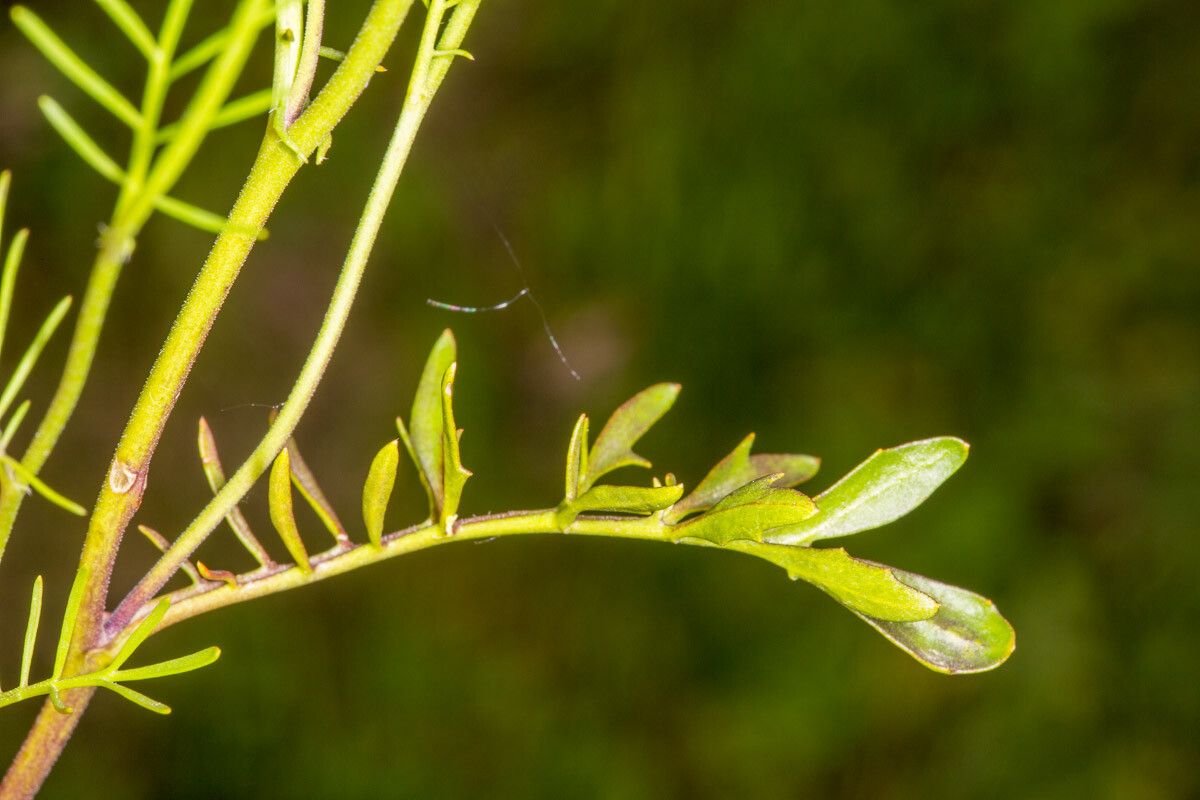
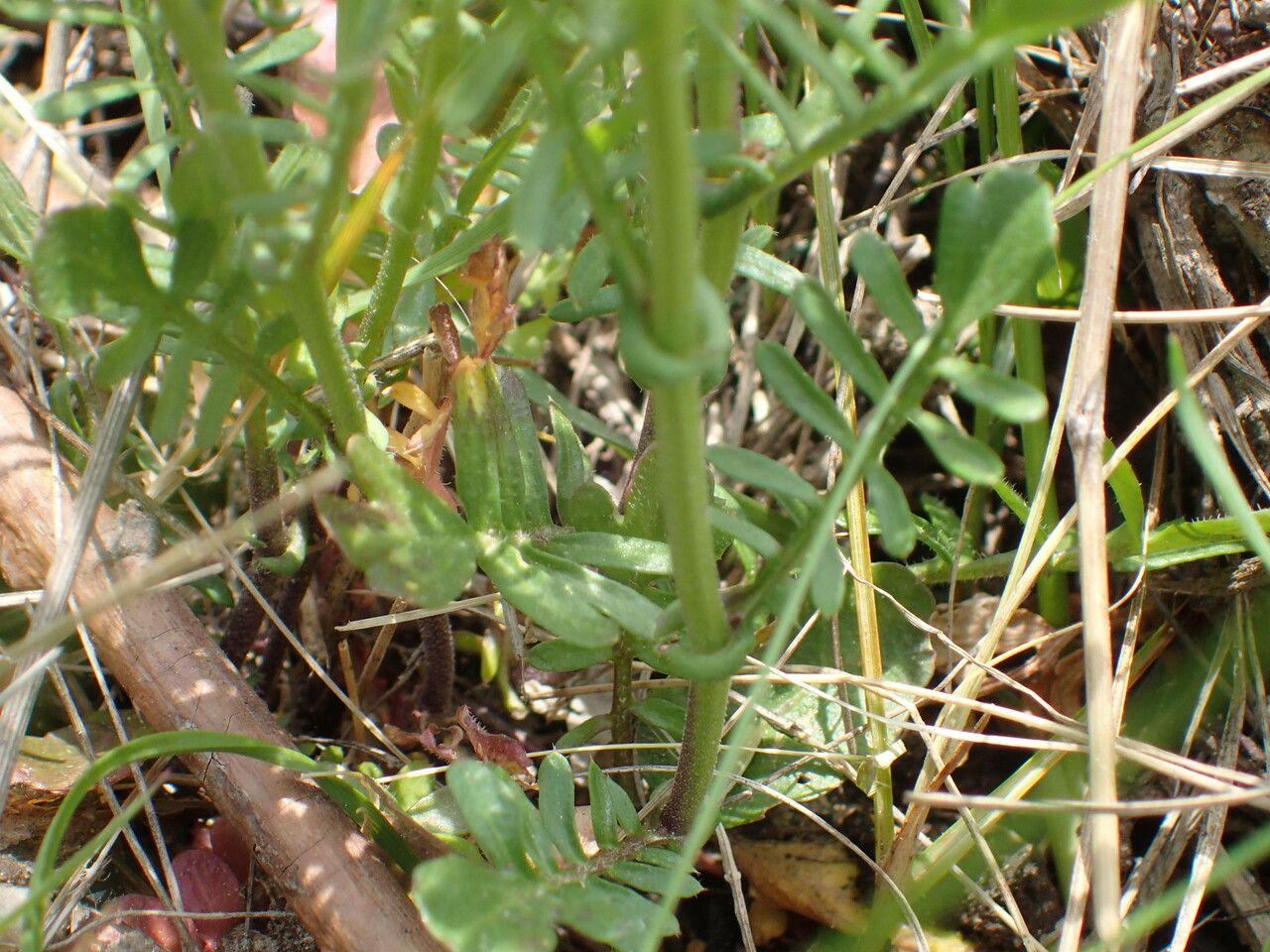
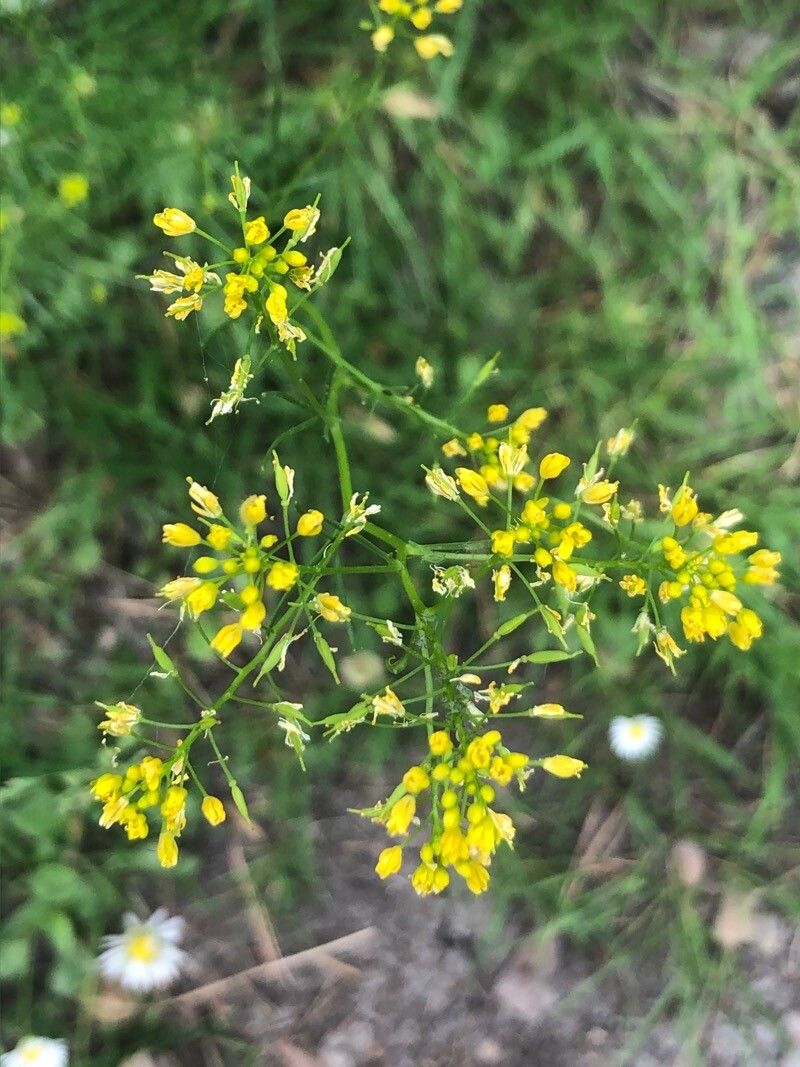
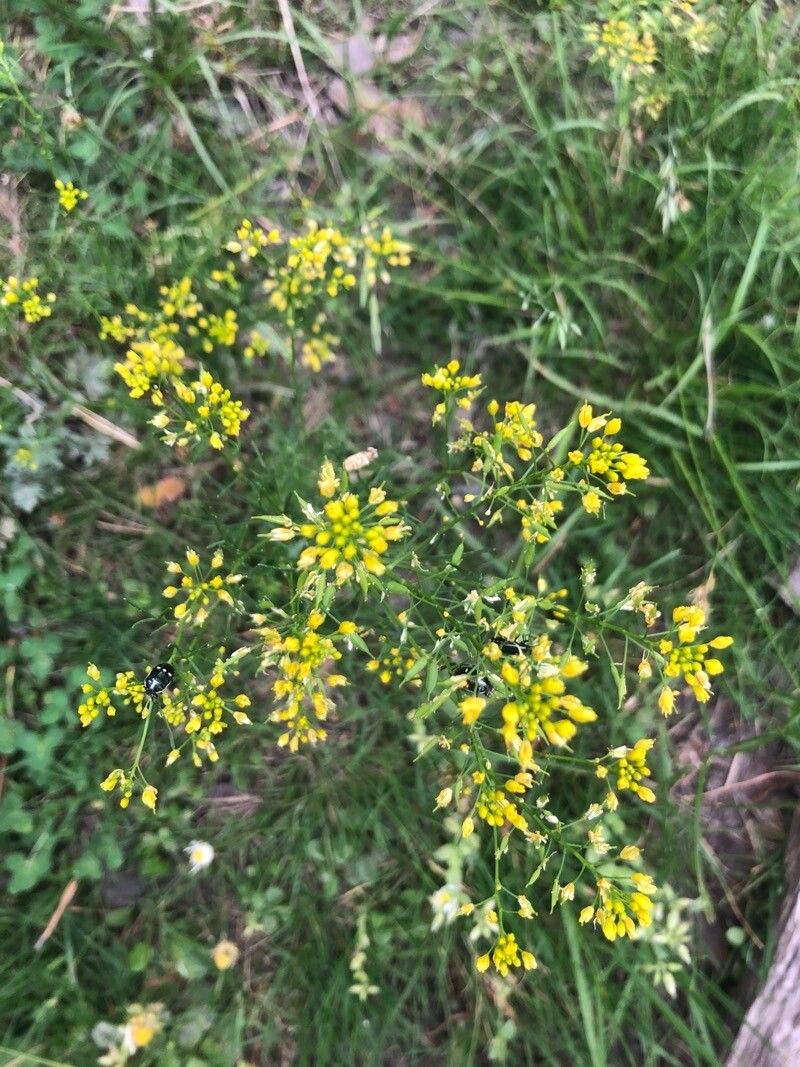
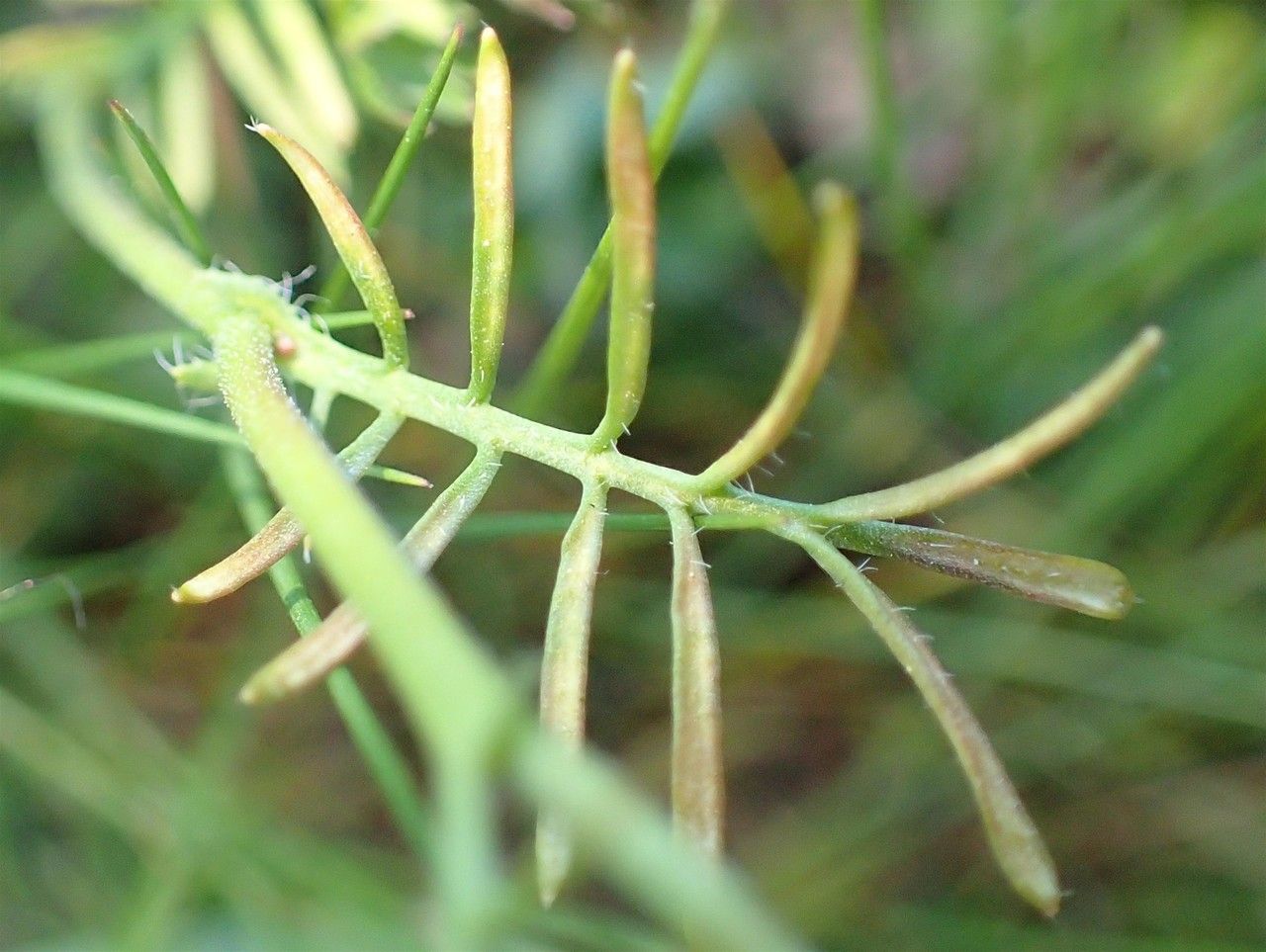
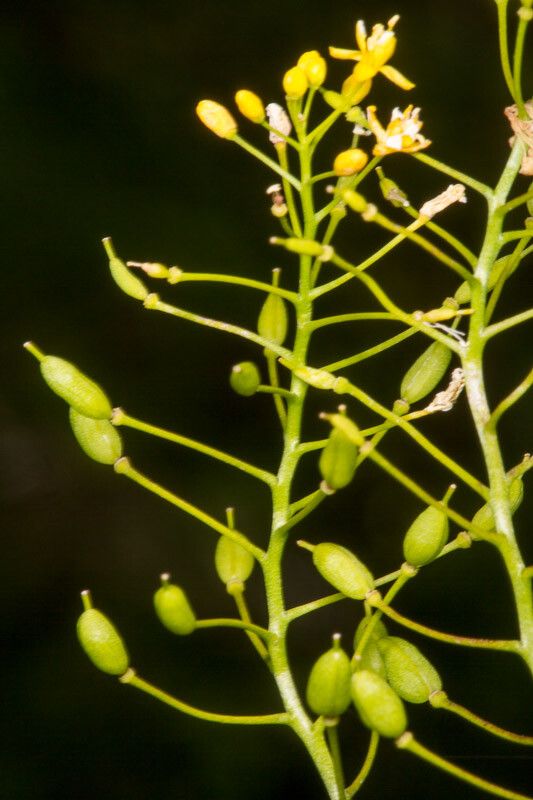
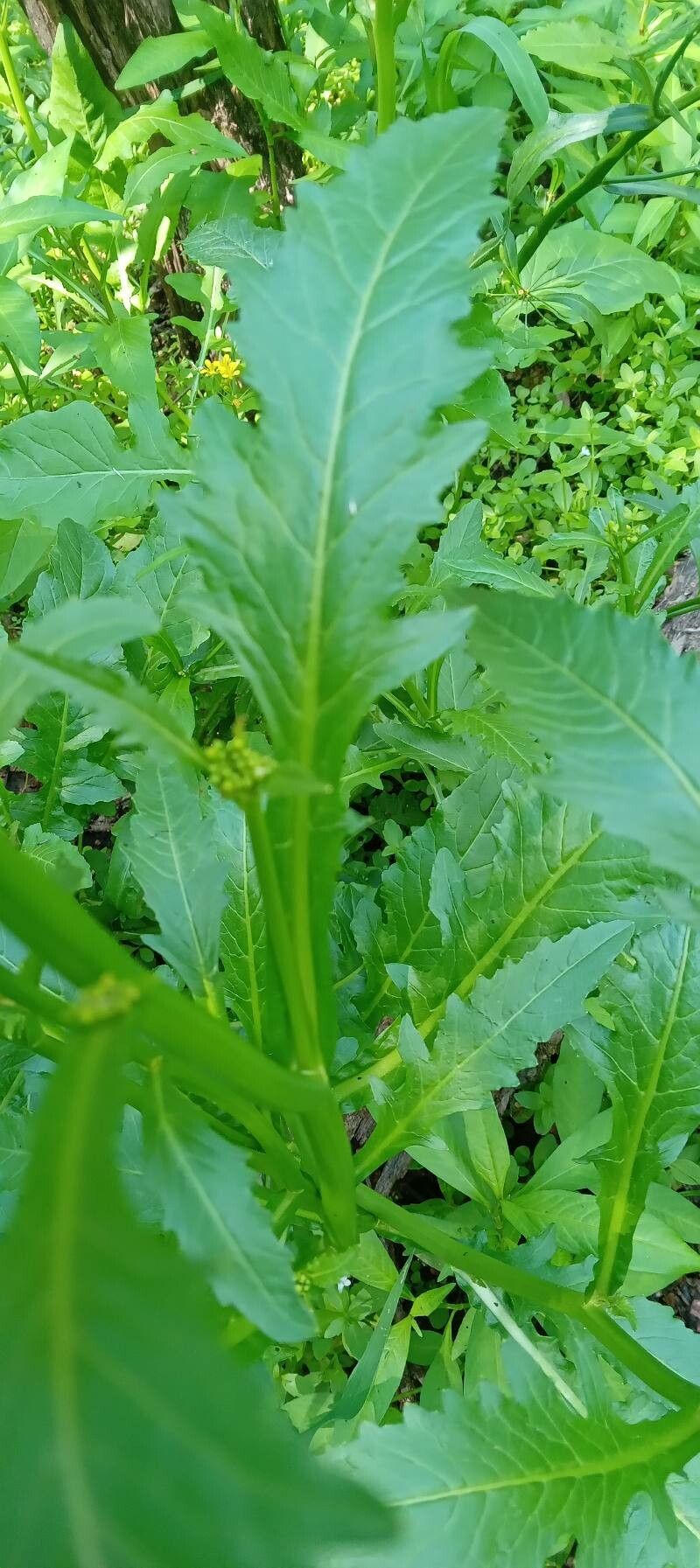
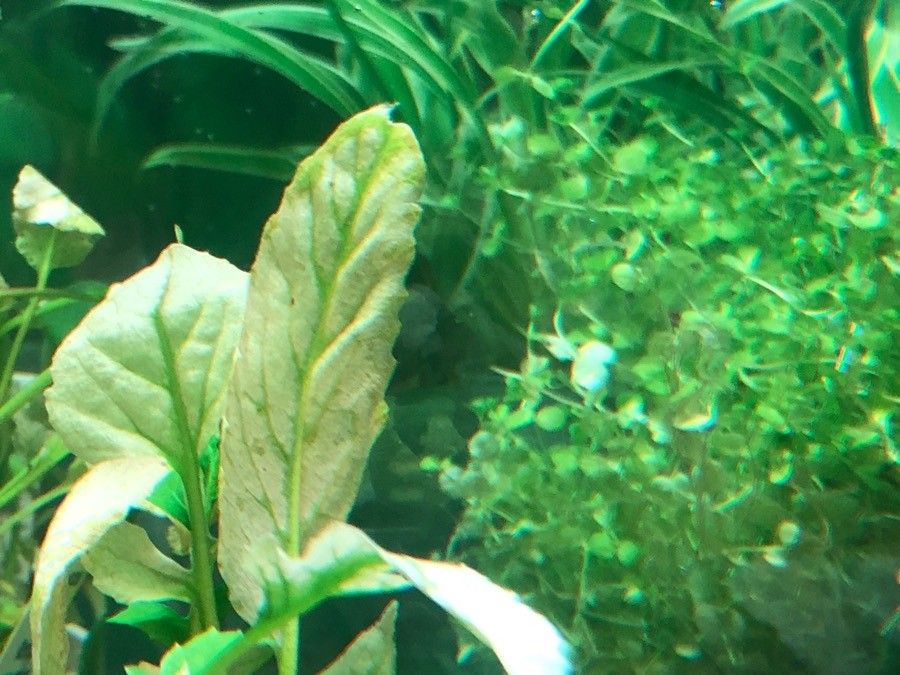
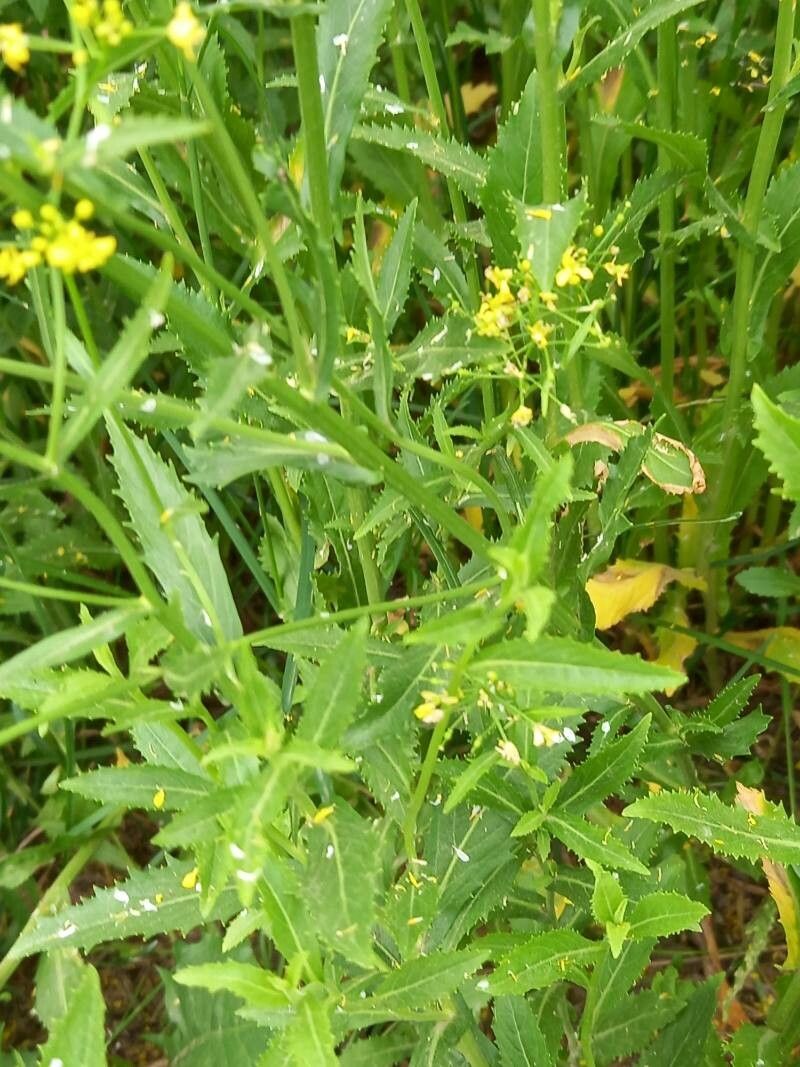
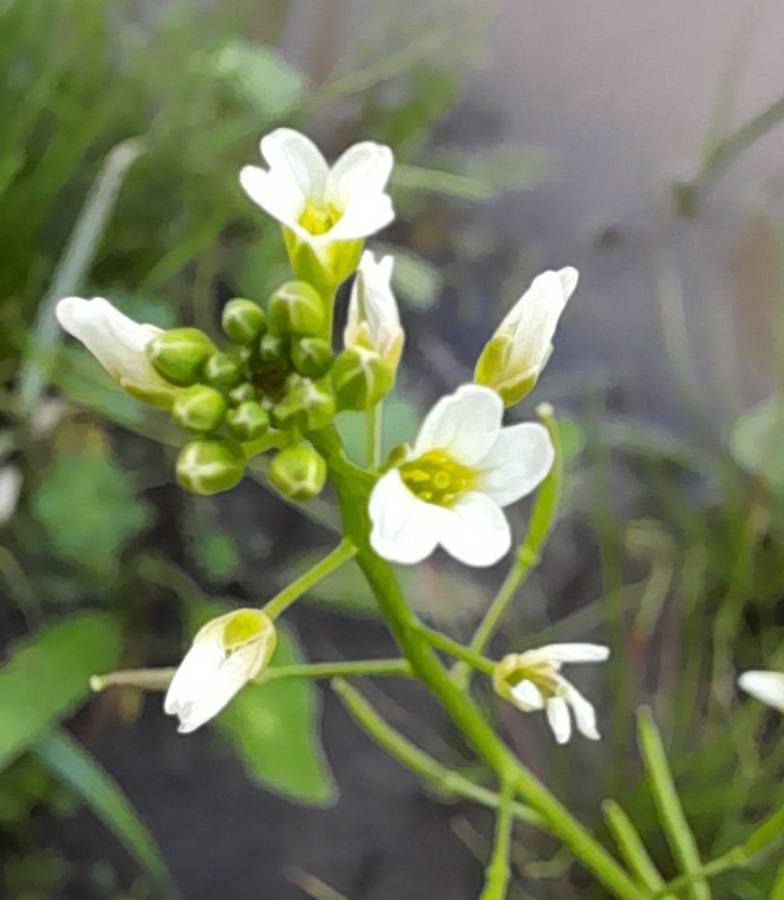
Creeping Yellowcress has strong disease resistance and is typically not prone to illnesses. Still, it can be affected by pests and diseases that exist in its environment. These problems are generally minor. Regarding care, the plant needs moderate maintenance. It should be pruned regularly to preserve a tidy appearance and encourage healthy growth. Fertilizing can also aid in promoting blooms. Creeping Yellowcress is appropriate for anyone with outdoor areas like a garden or patio and does not require extensive experience in plant care. It may need greater attention when cultivated indoors.
How to keep Rorippa Pyrenaica.
Light
Creeping Yellowcress is a sun-loving, perennial herbaceous plant native to open habitats and commonly found in meadows and grasslands. It prefers full sun but can also tolerate partial sun.
Fertilizer
One fertilizer application in spring is typically adequate for Creeping Yellowcress, although repeated feedings can optimize growth. Apply fertilizer about every month to a month and a half. Fertilizing improves the leaves' appearance and function, helping maintain even color and a healthy texture. It also encourages root development and nutrient uptake, supporting the plant's long-term health.
Botanical profile.
- Plant Type
- Herb
- Life Cycle
- Perennial
- Genus
- Rorippa
- Family
- Brassicaceae
- Hardiness Zone
- 5-9
- Mature Height
- 10 cm to 40 cm
- Mature Spread
- 15 cm to 30 cm
- Leaf Color
- Green, Dark Green
- Leaf Type
- Deciduous
- Flower Color
- Yellow
- Flower Size
- 0.25 cm to 0.51 cm
- Bloom Time
- Late spring, Early summer, Mid summer
- Planting Time
- Spring, Summer
- Harvest Time
- Mid summer, Late summer, Early fall
- Native Area
- Russia, Germany, Italy, Spain, Switzerland, Slovakia, Romania, Bulgaria, Albania, Greece, Croatia, Slovenia, France
Other names.