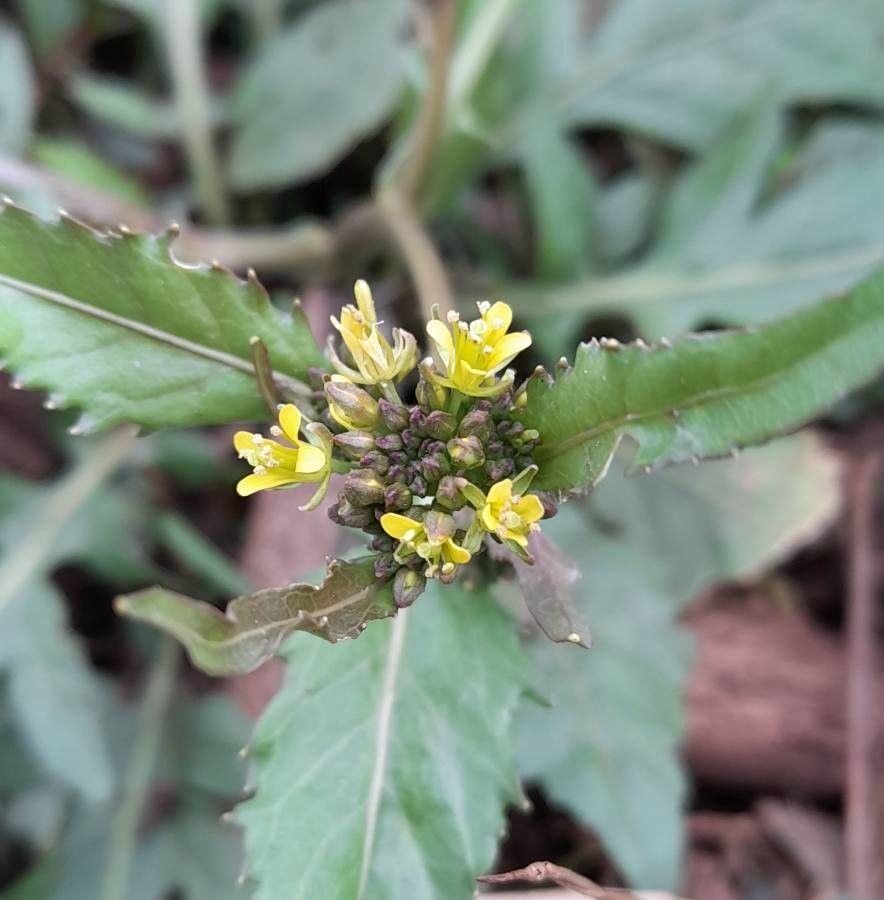
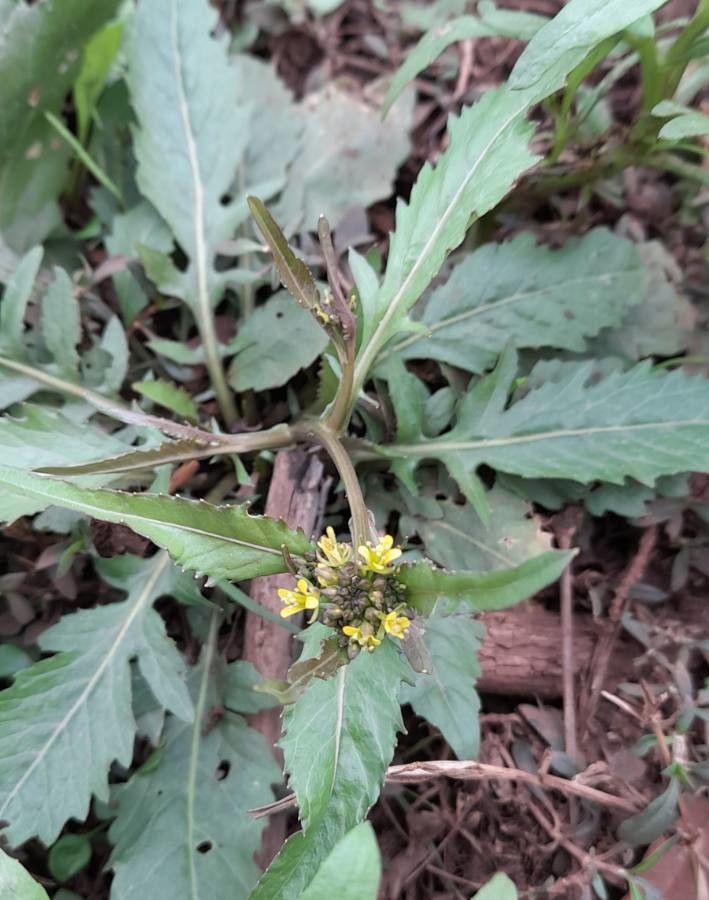
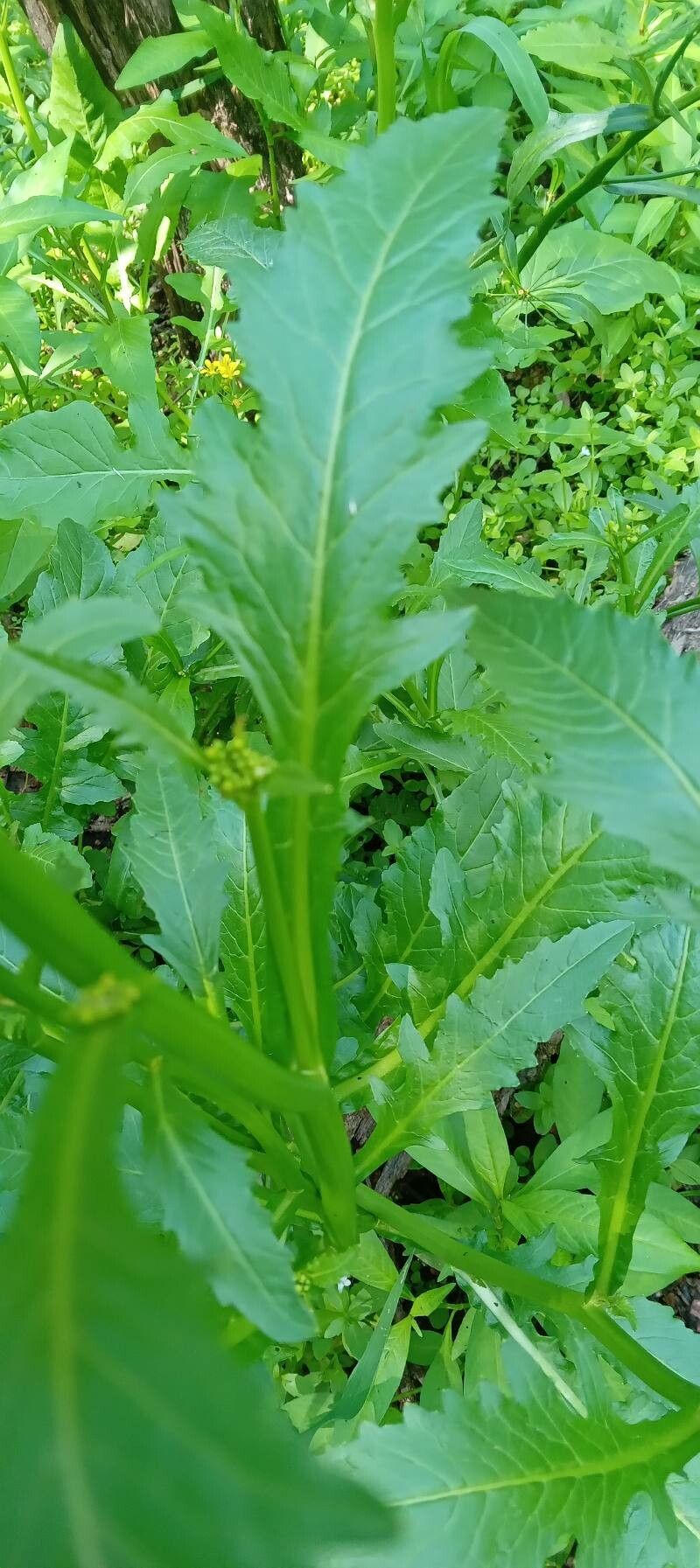
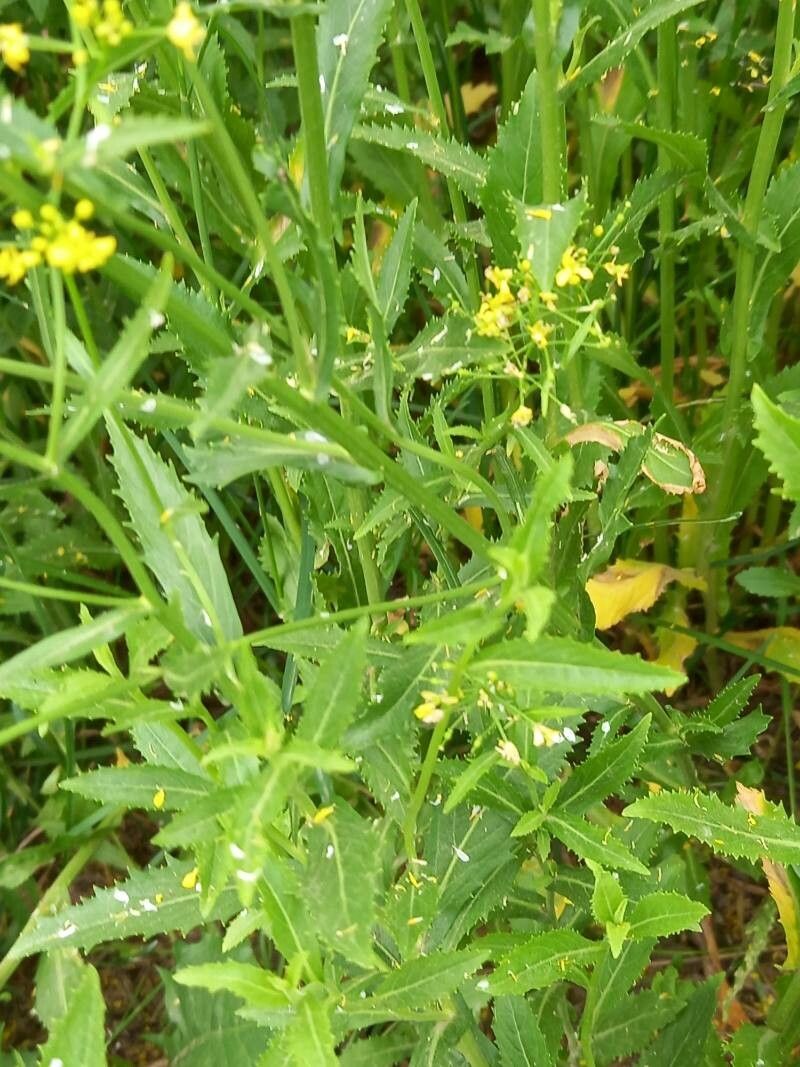
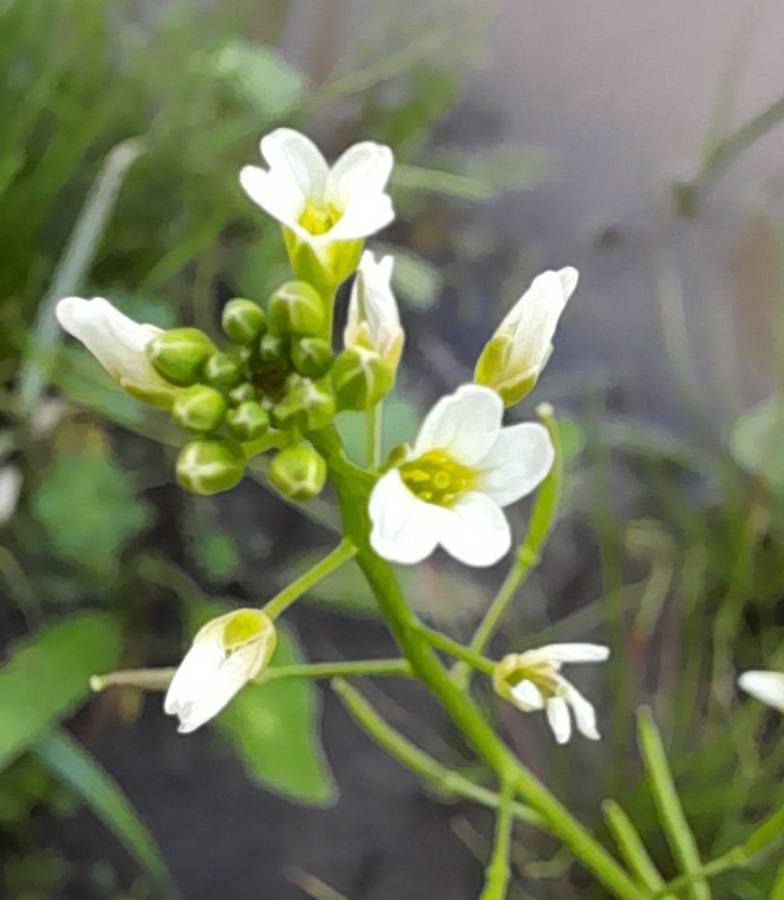
Diverse-leaf yellow cress is fairly disease-resistant and generally not prone to illnesses. However, it can be affected by pests and diseases present in its environment. Those infections are typically not severe. In terms of care, the plant requires moderate maintenance. Regular pruning is needed to preserve its appearance and promote healthy growth. Fertilizing can also aid in encouraging flowering. Diverse-leaf yellow cress is suitable for anyone with outdoor space, such as a garden or patio, and does not demand extensive care experience. It may need more attention when grown indoors.
How to keep Rorippa Dubia.
Light
Diverse-leaf yellow cress comes from bright, open environments and thrives in full sun. It tolerates partial sun but favors direct sunlight for optimal growth. This plant, which can be annual or biennial, is known for its sun-loving nature.
Water
Diverse-leaf yellow cress thrives best in moist environments with consistent moisture and stable humidity. While it can tolerate drought to some extent, it benefits from being watered twice a week. When grown outdoors, natural rainfall supports its hydration and promotes healthy growth.
Temperature
Diverse-leaf yellow cress can tolerate a wide range of temperatures, although its distribution may be restricted by different combinations of moisture and heat. It performs best in warm summer climates with enough rainfall or watering. Extended periods of cloudy, rainy weather or prolonged high heat can increase the chance of Diverse-leaf yellow cress dying. In winter, appropriate protection from cold can enhance the plant's survival rate.
Fertilizer
Diverse-leaf yellow cress benefits from regular, light applications of fertilizer to encourage healthy leaf growth. You should fertilize Diverse-leaf yellow cress about once a month during the summer. Nitrogen is vital for foliage, and adding nitrogen-rich sources helps Diverse-leaf yellow cress thrive.
Pruning
Diverse-leaf yellow cress benefits from regular pruning, which should be done from early to late spring. Focus on removing dead or damaged stems to stimulate fresh growth and prevent disease. Thinning out the plant promotes better air circulation, which boosts its vitality. Pruning not only helps maintain the plant's appearance but also encourages more abundant flowering. For detailed techniques, consult horticultural guides.
Botanical profile.
- Plant Type
- Herb
- Life Cycle
- Annual, Biennial, Perennial
- Genus
- Rorippa
- Family
- Brassicaceae
- Hardiness Zone
- 6-9
- Mature Height
- 10 cm to 30 cm
- Mature Spread
- 15 cm to 30 cm
- Leaf Color
- Green
- Leaf Type
- Semi-evergreen
- Flower Color
- Yellow
- Flower Size
- 0.25 cm to 0.76 cm
- Bloom Time
- Mid spring, Late spring, Early summer
- Planting Time
- Spring, Autumn
- Harvest Time
- Summer
- Native Area
- Nepal, India, Malaysia, Indonesia, Vietnam, Myanmar, Japan, Philippines, Bhutan, Bangladesh, Laos, Thailand, China
Other names.
Reader questions.
What are the sunlight requirements for Diverse-leaf yellow cress (Rorippa dubia)?
The Diverse-leaf yellow cress, or Rorippa dubia, thrives under specific sunlight conditions. For plants categorized under 'Full sun', they require above 6 hours of direct sunlight each day. On the other hand, those under 'Partial sun' need about 3 to 6 hours of sunlight daily. It's crucial to observe how sunlight moves through your garden to select the ideal spots that offer the right balance of light and shade. This ensures your plants grow healthy and happy.