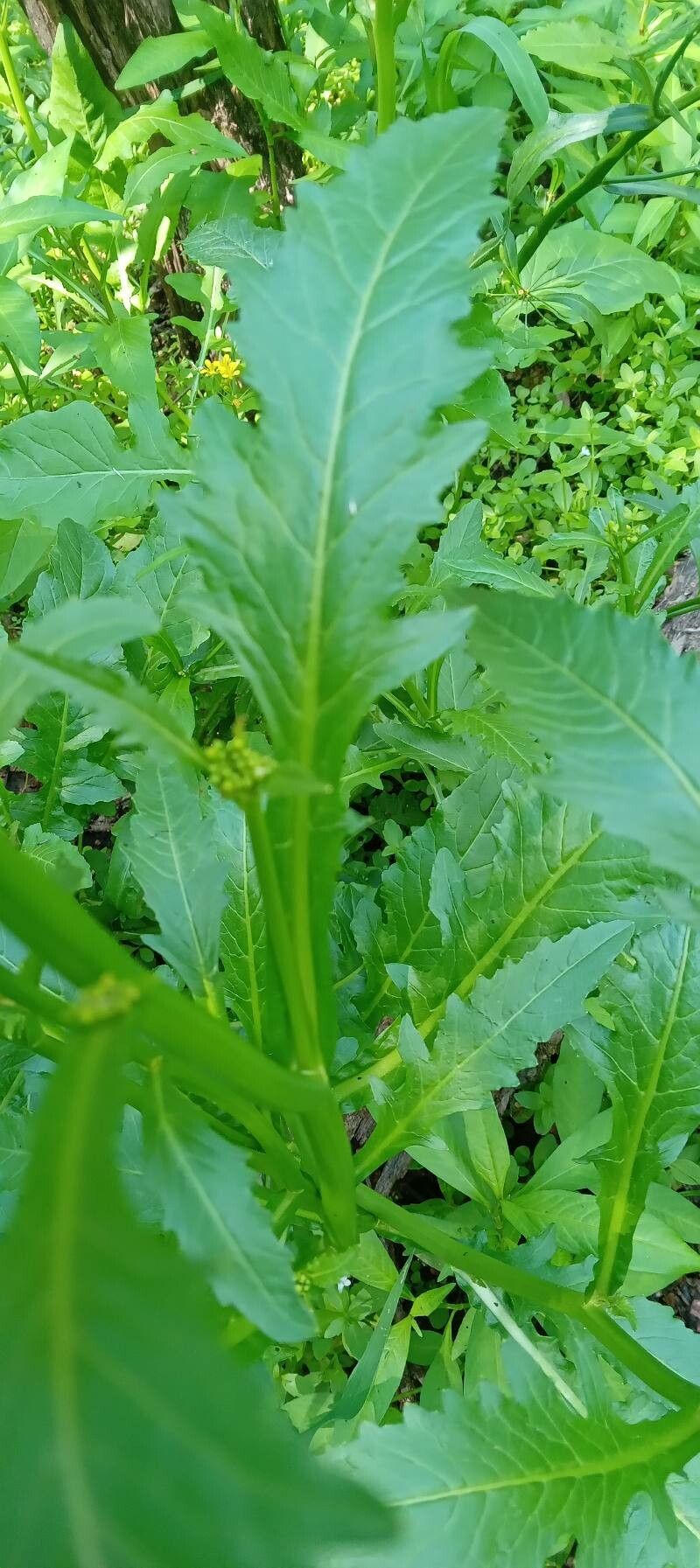
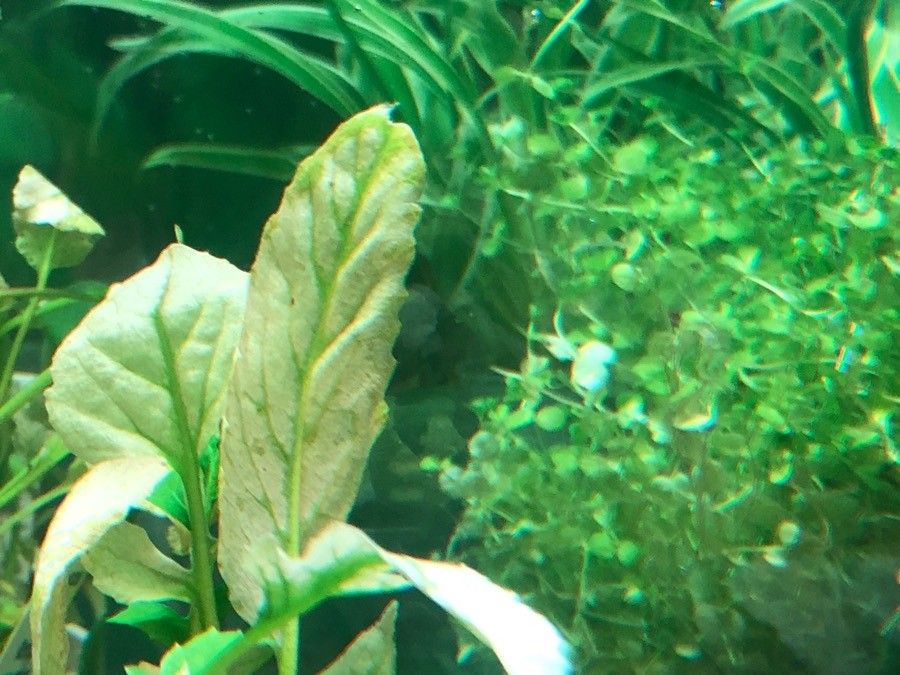
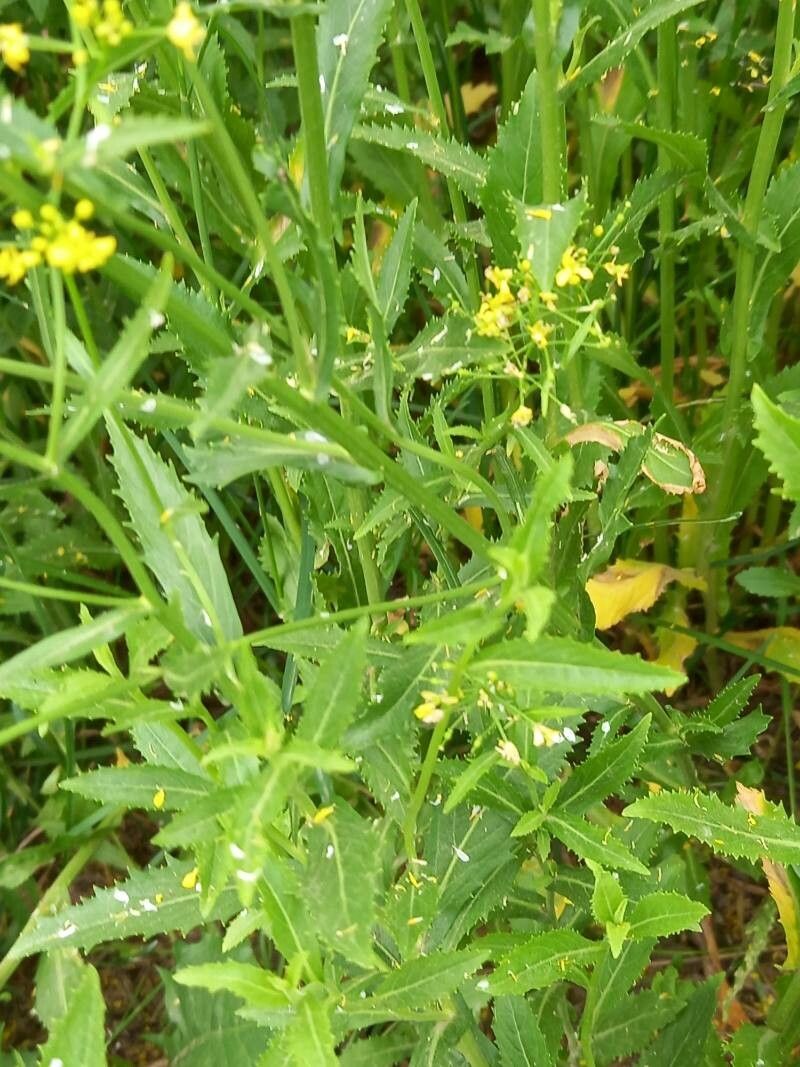
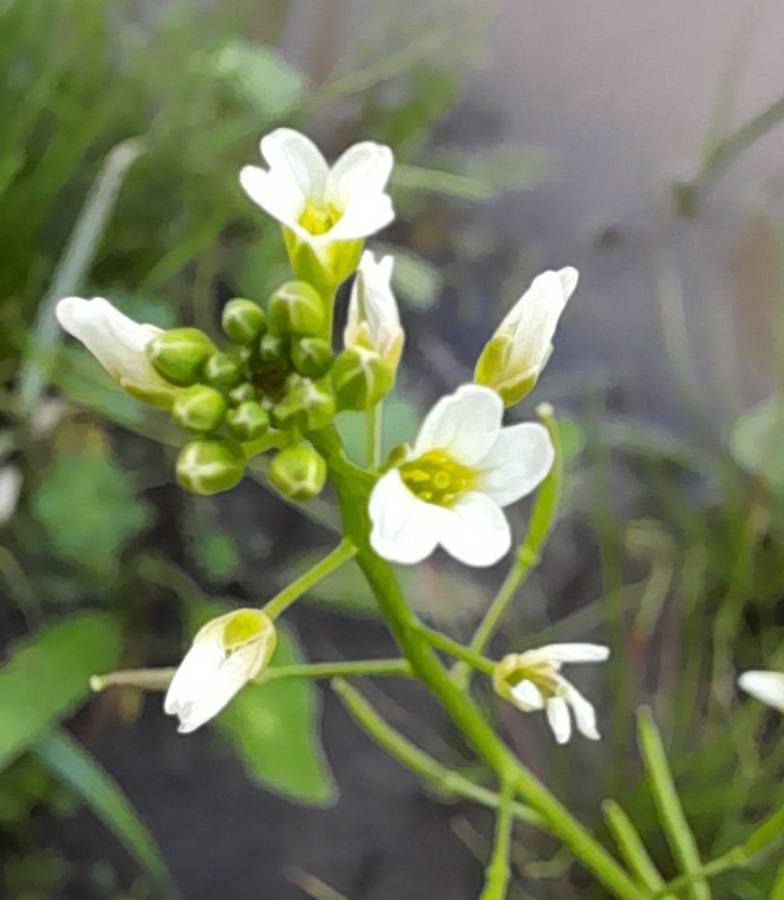
Rorippa curvisiliqua is a species of flowering plant in the family Brassicaceae known by the common name curvepod yellowcress.It is native to western North America from Alaska to California to Wyoming. It is also native to the northwest part of Mexico. It can be found in various types of moist and wet habitat, including lakeshores and riverbanks, meadows, roadsides, and mudflats.
Curve-pod yellowcress has strong disease resistance and is generally not prone to illnesses. However, it can be vulnerable to pests and diseases that exist in its surroundings. These infections are typically mild. Regarding care, this plant requires moderate maintenance. It should be pruned regularly to preserve an attractive appearance and healthy growth. Fertilization can also encourage flowering. Curve-pod yellowcress is appropriate for anyone with an outdoor area, such as a garden or patio, and does not demand extensive care experience. It may need more attention when grown indoors.
How to keep Rorippa Curvisiliqua.
Fertilizer
Curve-pod yellowcress does well with regular, light feedings of fertilizer to encourage healthy leaf growth. You should fertilize Curve-pod yellowcress about once a month during the summer. Nitrogen is vital for the foliage, and adding nitrogen-rich sources helps Curve-pod yellowcress thrive.
Pruning
The curve-pod yellowcress is known for its unique yellow flowers and curved seed pods. To maintain its health and appearance, prune the plant from early to late spring. Begin by removing any dead stems and thinning out crowded areas to improve air circulation. Be sure to use clean, sharp tools for pruning, as this promotes a strong structure and encourages vibrant new growth.
Botanical profile.
- Plant Type
- Herb
- Life Cycle
- Annual
- Genus
- Rorippa
- Family
- Brassicaceae
- Hardiness Zone
- 1
- Mature Height
- 10 cm to 52 cm
- Native Area
- Mexico