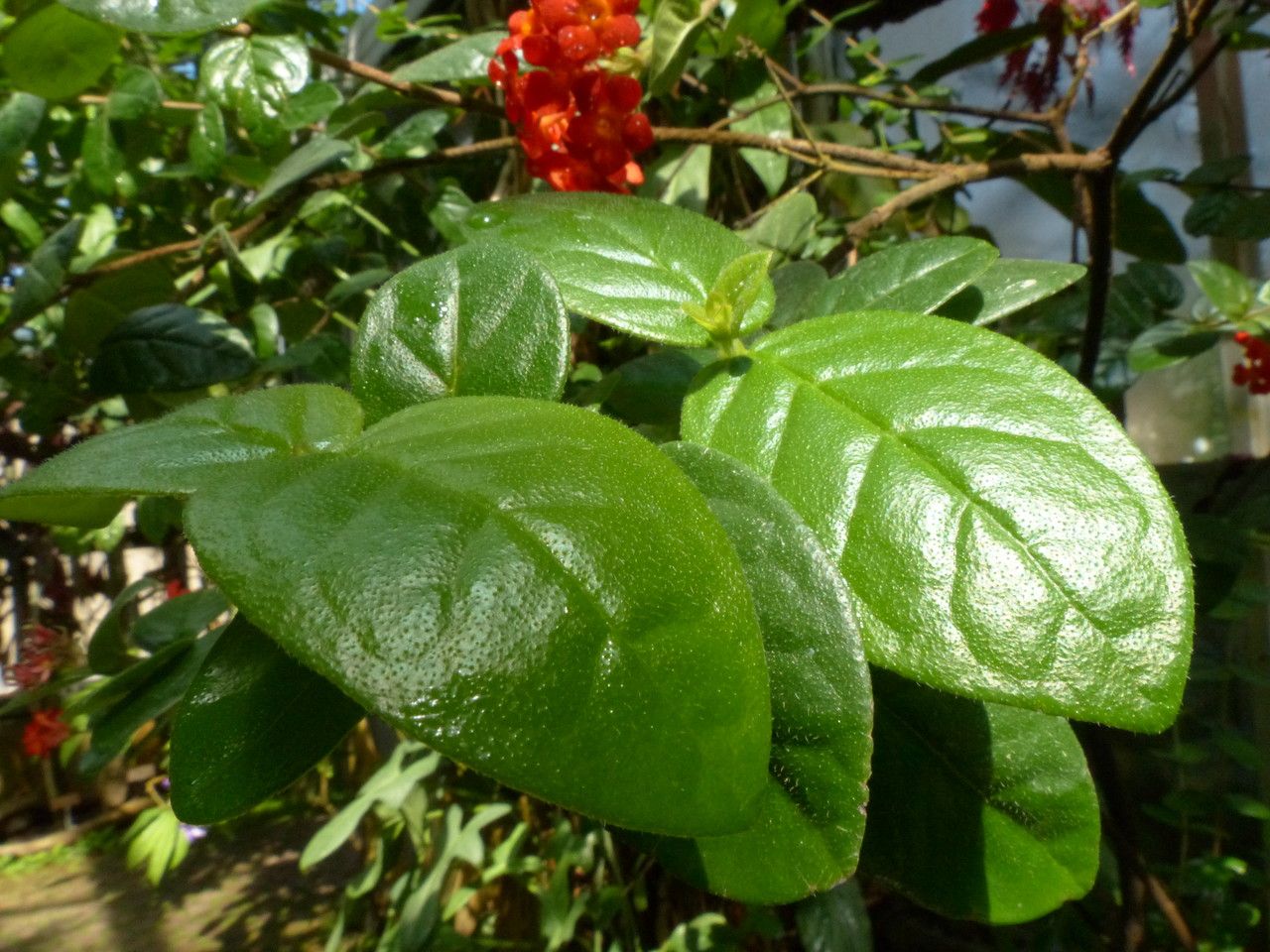
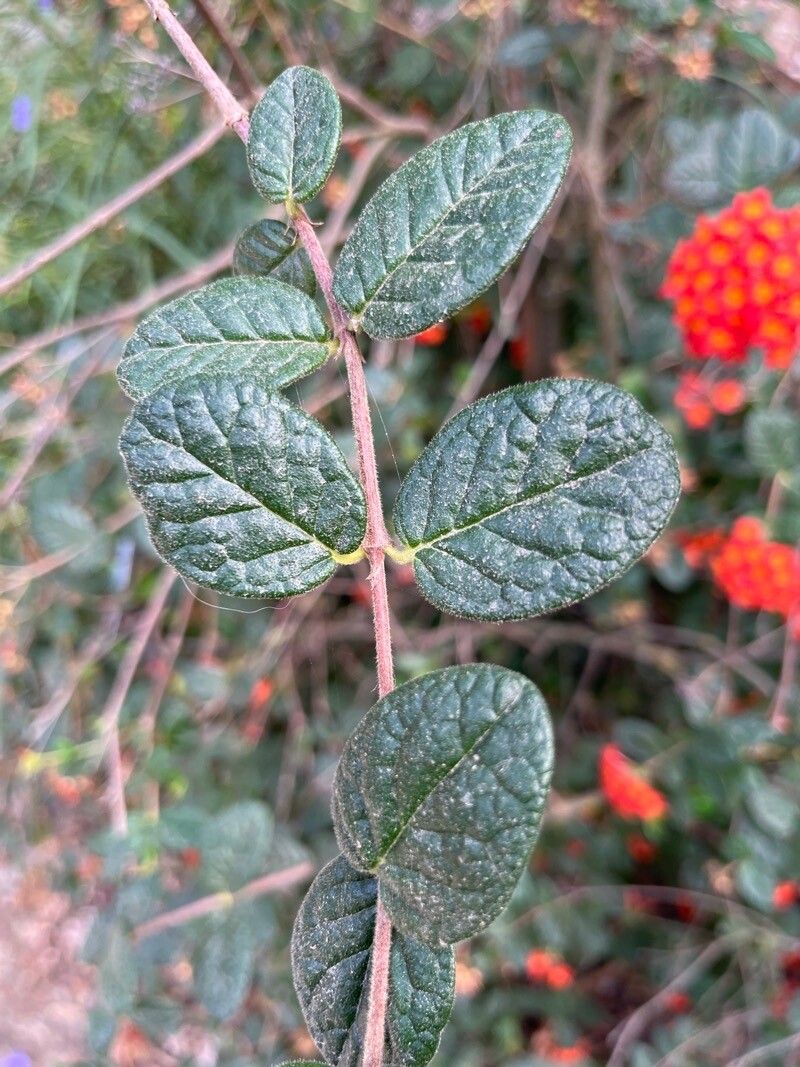
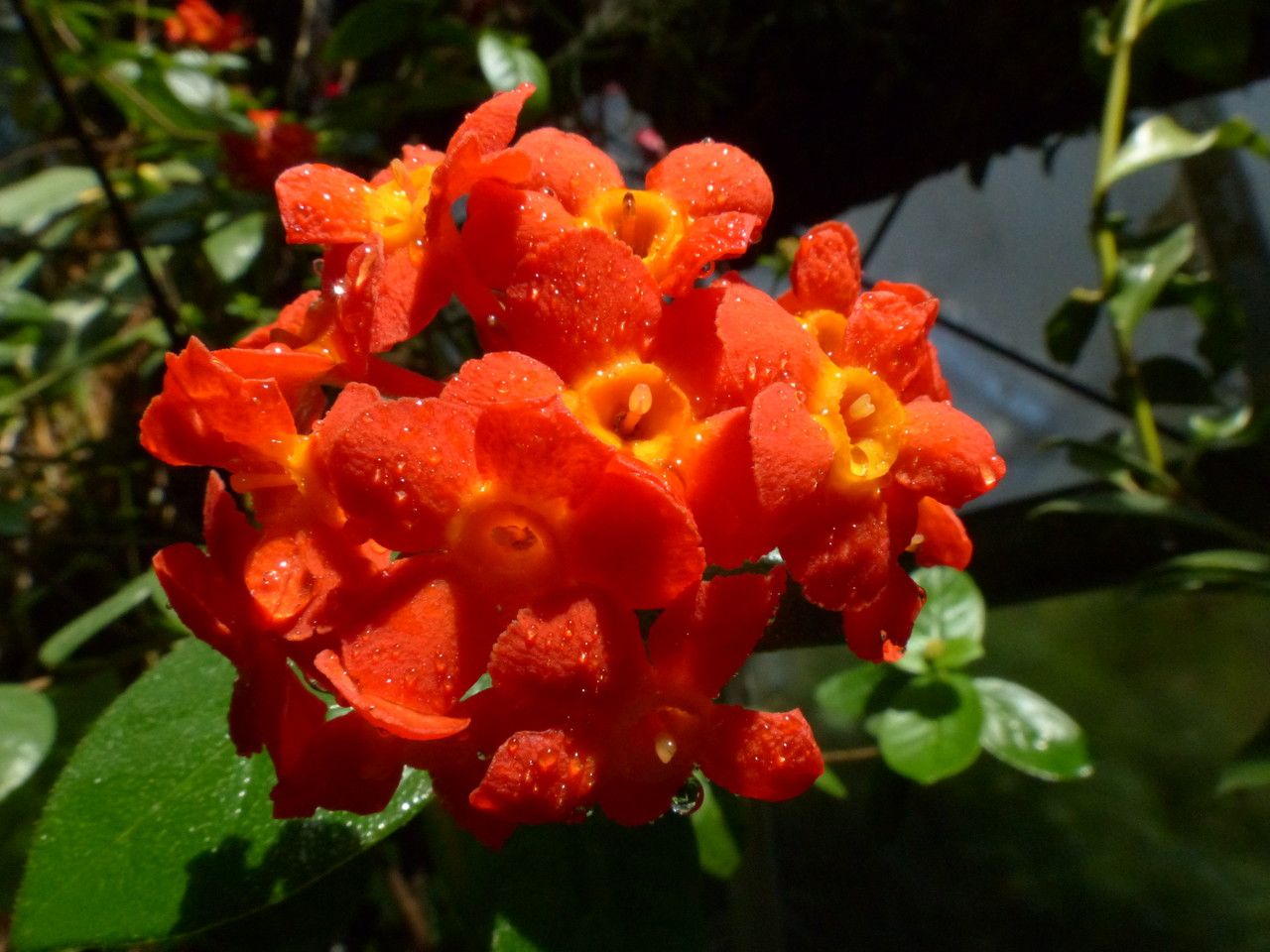
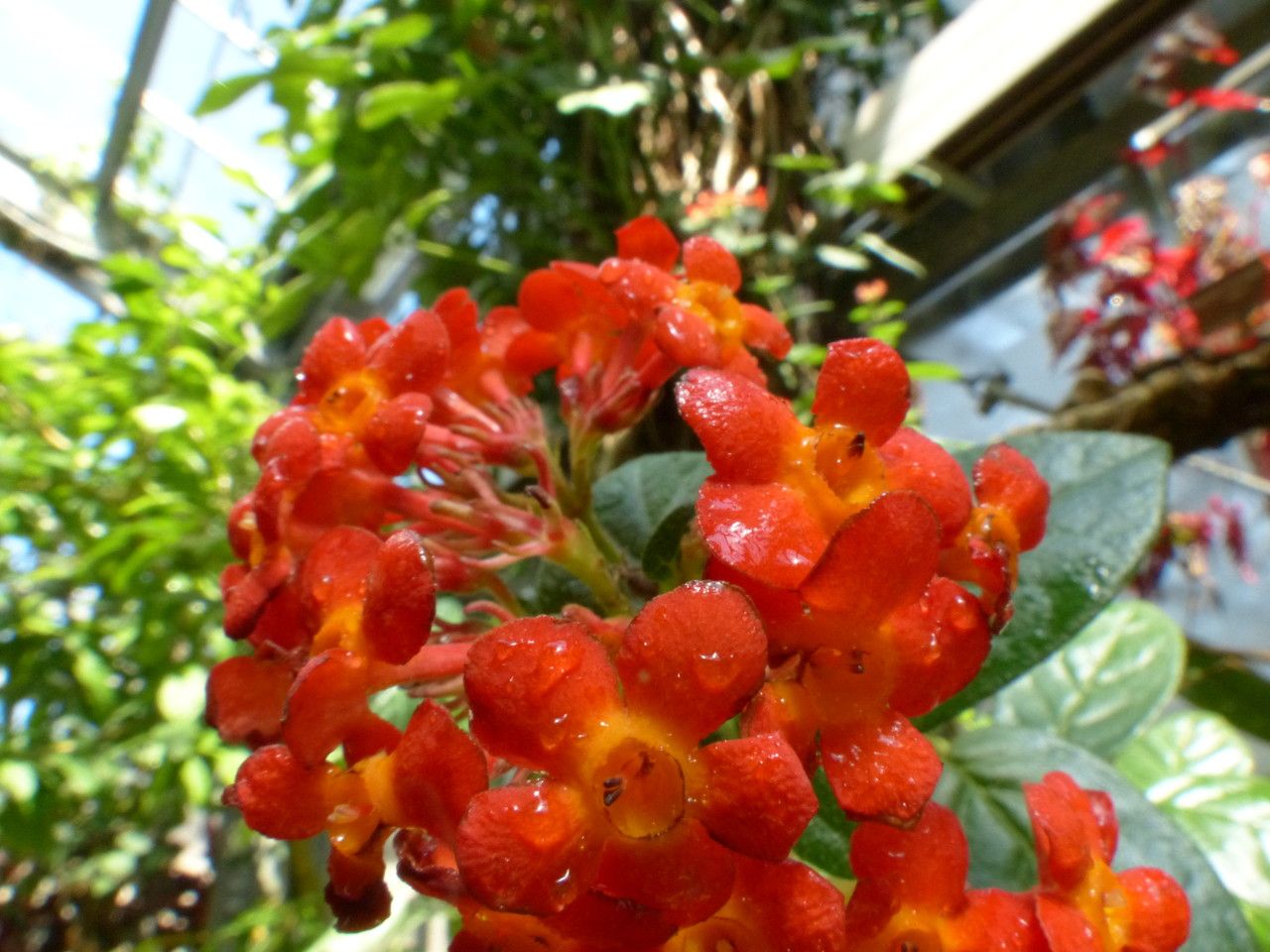
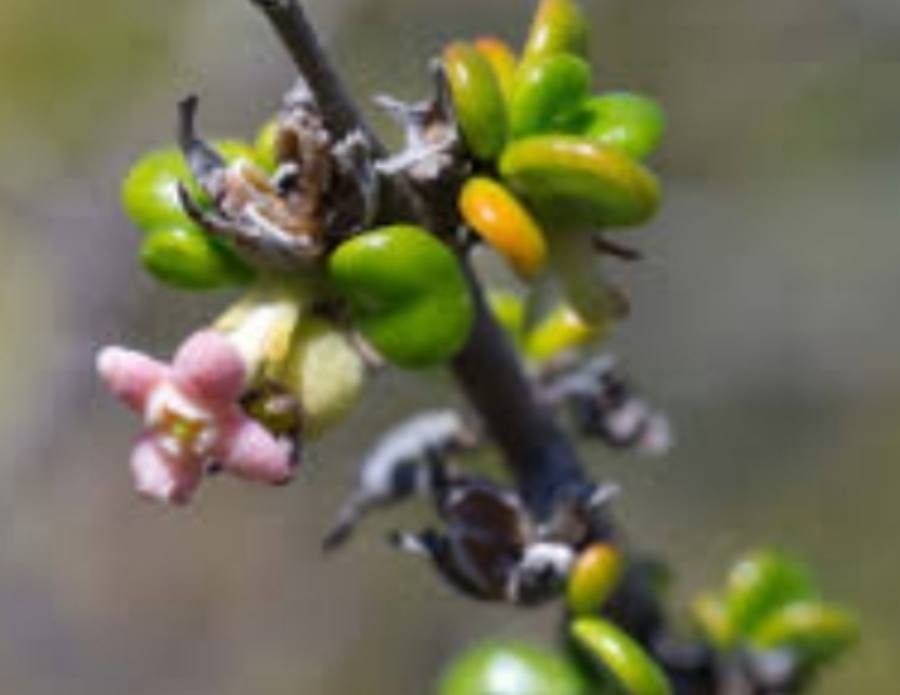
Rondeletia odorata is a species of flowering plant in the coffee family. It is native to Cuba and Panama. It is cultivated elsewhere. Common names include rondeletia, Cleveland Sunrise, and Panama-rose.This plant is a shrub or small tree growing up to 2 meters tall. The rough, leathery leaves are oppositely arranged and measure up to 5 centimeters long. The inflorescence is a cluster of several five-lobed flowers in shades of bright red with yellow throats.There are three subspecies, Rondeletia odorata subsp. bullata, R. o. subsp. grandifolia, and R. o. subsp. odorata.
Panama-rose is resistant to disease and is generally not susceptible to illnesses. Regarding care, this plant is fairly low-maintenance. When grown outdoors, it needs little watering, and larger specimens usually do not require pruning. Smaller plants, however, should be pruned after they have finished blooming. Panama-roset is appropriate for anyone with an outdoor area, such as a garden or deck, and does not demand much care experience.
How to keep Rondeletia Odorata.
Light
Panama-rose does best in full sun, which promotes vigorous growth, though it tolerates lower light levels. In its native range it receives plenty of sunlight. Excessive sun can burn the foliage, while too little light can slow its growth.
Water
The Panama rose thrives in humid, moisture-rich environments, favoring slightly moist soil that isn't waterlogged. To maintain the right balance of hydration and drainage, water the plant every 1-2 weeks. This plant is best suited for warm climates and benefits from natural rainfall, which reduces the need for manual watering during its peak growth period.
Temperature
Panama-rose originates from climates with temperatures between 68 and 105.8 °F (20 and 41 °C). It prefers those warmer conditions. To promote optimal growth, it is recommended to maintain these temperatures, especially during seasonal changes.
Fertilizer
The best time to fertilize a Panama-rose is in early spring, when it comes out of dormancy. This encourages overall growth and flower development. Fertilization improves the foliage, stems, and branches, while encouraging large, vibrant, and long-lasting blooms. It helps transport nutrients from the roots to the flowers and boosts the plant’s health and resistance to disease.
Pruning
To keep your Panama rose thriving, it's best to prune it in late spring after it has finished blooming. Start by removing any weak stems to promote healthier growth. Additionally, thin out crowded branches to improve light exposure and air circulation. Regular pruning not only enhances blooming but also helps maintain an attractive and vigorous shape throughout the year.
Pot & Repot
The Panama-rose is a bushy, evergreen shrub that thrives when repotted every 2-3 years during the spring, using a larger container each time. To ensure its recovery and encourage optimal blooming, keep the soil consistently moist and place the plant in bright, indirect light. With proper care, the Panama-rose will reward you with its fragrant flowers.
Botanical profile.
- Plant Type
- Shrub
- Life Cycle
- Perennial
- Genus
- Rondeletia
- Family
- Rubiaceae
- Hardiness Zone
- 10-13
- Mature Height
- 2.13 m
- Mature Spread
- 0.91 m to 1.52 m
- Leaf Color
- Green
- Leaf Type
- Evergreen
- Flower Color
- Red, Orange, Yellow
- Flower Size
- 1.02 cm
- Bloom Time
- Late spring, Summer, Fall
- Planting Time
- Spring, Summer, Autumn
- Harvest Time
- Fall, Early winter, Mid winter
Other names.
Reader questions.
What are the sunlight requirements for Panama-rose?
Panama-rose thrives when exposed to full sun, requiring above 6 hours of sunlight daily for healthy growth. It can also adapt to partial sun, needing about 3-6 hours of sunlight. While its native habitat exposes it to abundant sunlight, care should be taken to avoid overexposure, which may cause leaf scorch, and underexposure, which can retard growth. Observing how sunlight moves through your garden will help in choosing spots that provide the right balance of light and shade, ensuring the plant's happiness.
What is the ideal temperature range for Panama-rose?
Panama-rose, or Rondeletia odorata, thrives in climates with temperatures ranging from 68 to 105.8 °F (20 to 41 °C), favoring the warmer environments within this range. To ensure maximum growth, it's important to maintain these preferred conditions, particularly during seasonal changes. As a heat-loving plant, Panama-rose can be negatively affected by cold temperatures. During autumn, it's advisable to move outdoor plants indoors, placing them near a bright window but away from heaters to keep the temperature above 20°C. Care should be taken to avoid exposing the plant to temperatures nearing 5°C, as they can be harmful.
How can artificial lighting be used for Panama-rose indoor plants?
For indoor Panama-rose plants, especially when natural sunlight is insufficient like in winter, artificial lighting is a critical alternative to promote optimal growth. LED lights are preferred due to their ability to provide specific wavelengths needed by the plants. Full sun plants require 30-50W/sq ft, partial sun plants need 20-30W/sq ft, and full shade plants 10-20W/sq ft of artificial light. The light source should be placed 12-36 inches above the plant, mimicking natural sunlight and ensuring the plant receives 8-12 hours of light per day.
How does low temperature affect Panama-rose and what are the remedies?
Panama-rose prefers warm temperatures and is not tolerant of low temperatures, thriving best when it's above 20°C and needing protection when winter temperatures drop below 5°C. Exposure to temperatures below 1°C can cause the leaves to lighten in color, and following frost, the leaves may turn brown or black, showing symptoms like wilting and drooping. To remedy this, frost-damaged parts should be trimmed off and the plant should be immediately moved indoors to a warmer environment. Placing the plant near a south-facing window ensures it receives sufficient sunlight while avoiding placement near heaters or air conditioning vents to prevent excessive drying.
What are the symptoms of light deficiency in Panama-rose?
When Panama-rose receives insufficient light, especially indoors during winter, several symptoms become noticeable: new leaves may grow smaller, the plant might exhibit leggy or sparse growth, and it might undergo faster leaf drop. There could also be a halt in new growth, lighter-colored new leaves, and conditions like chlorosis, where leaves lose their green color. Sunscald, leaf curling, wilting, and leaf scorching are additional symptoms indicating either light deficiency or overexposure.
What should be done if a Panama-rose experiences high temperature?
During the summer, it's crucial to keep the Panama-rose below 41°C to prevent heat stress. If temperatures exceed 45°C, the leaves may lighten and the plant becomes more prone to sunburn. In such cases, trim away the sunburned and dried-up parts and move the plant to a shaded area, particularly away from the harsh midday and afternoon sun. To support the plant under high temperatures, ensure the soil remains moist by watering in the morning and evening.
What are possible solutions for Panama-rose suffering from insufficient sunlight?
To combat insufficient sunlight for Panama-rose, gradually move the plants to a sunnier location to receive at least 6 hours of direct sunlight daily. Indoor plants can benefit from being placed near a south-facing window or using artificial light, like a desk lamp or professional grow lights, for at least 8 hours daily. For outdoor plants, avoid sudden changes in light intensity to prevent sunburn. Removing obstructions or transplanting to a brighter location can also help. While parts of the plant affected by low light may not recover, new growth should be healthy following these adjustments.