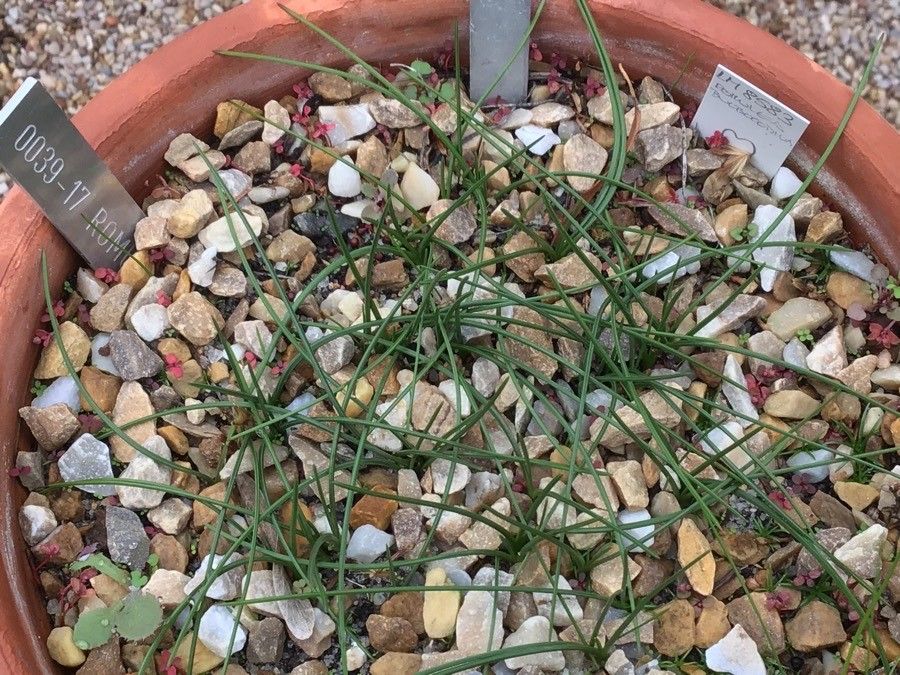
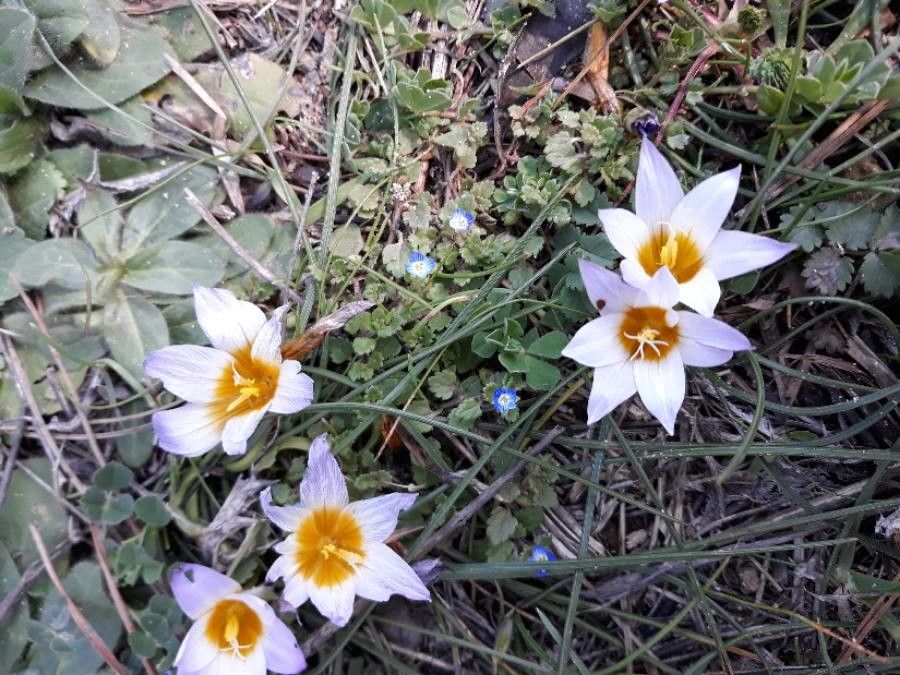
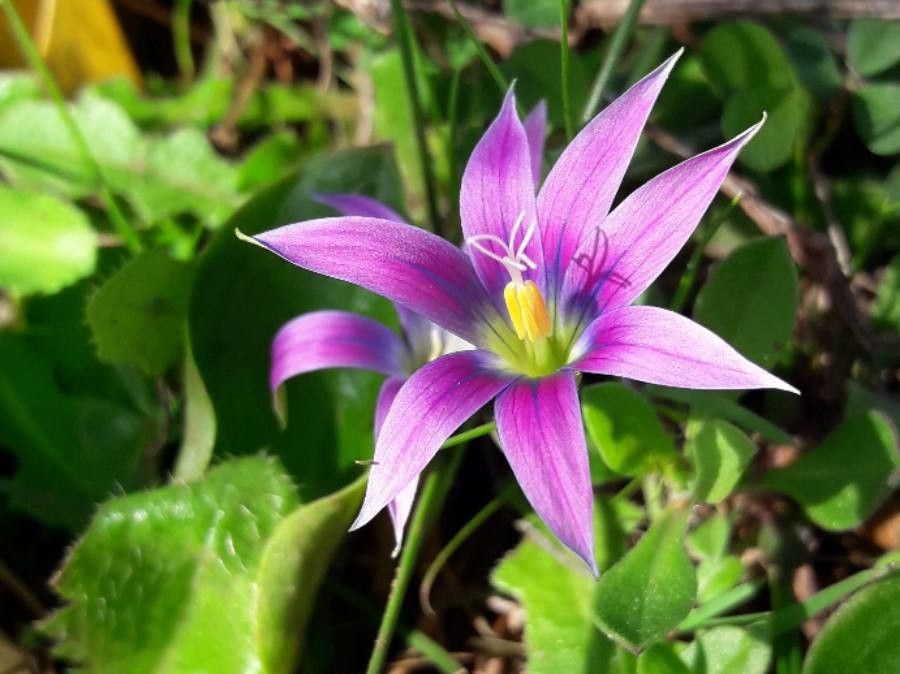
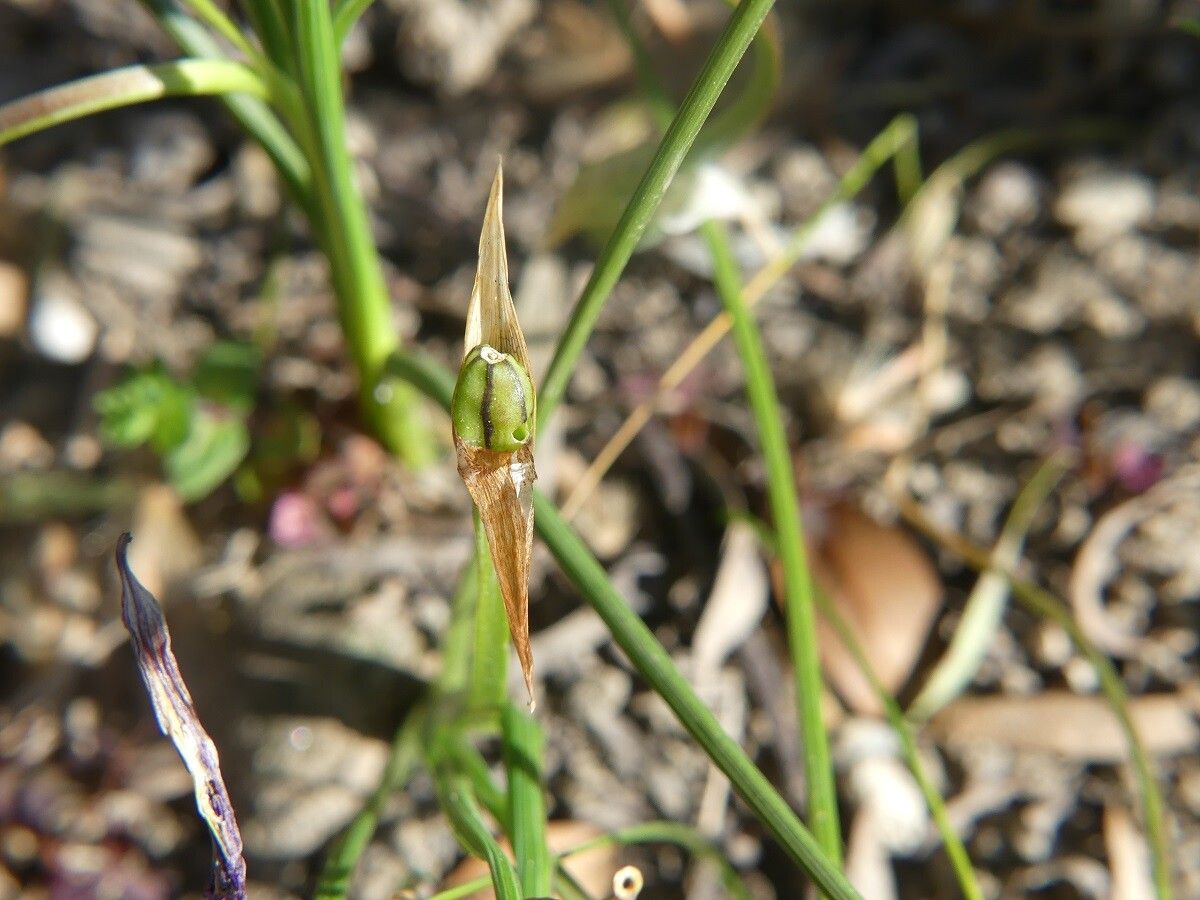
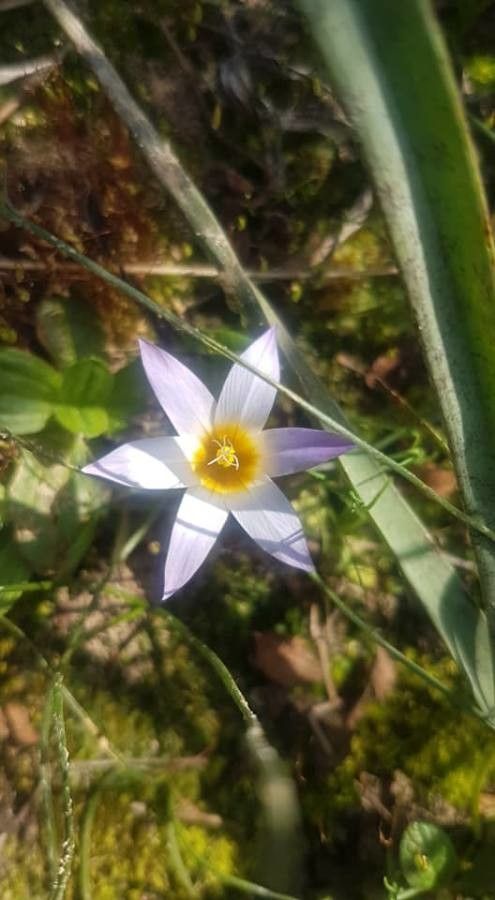
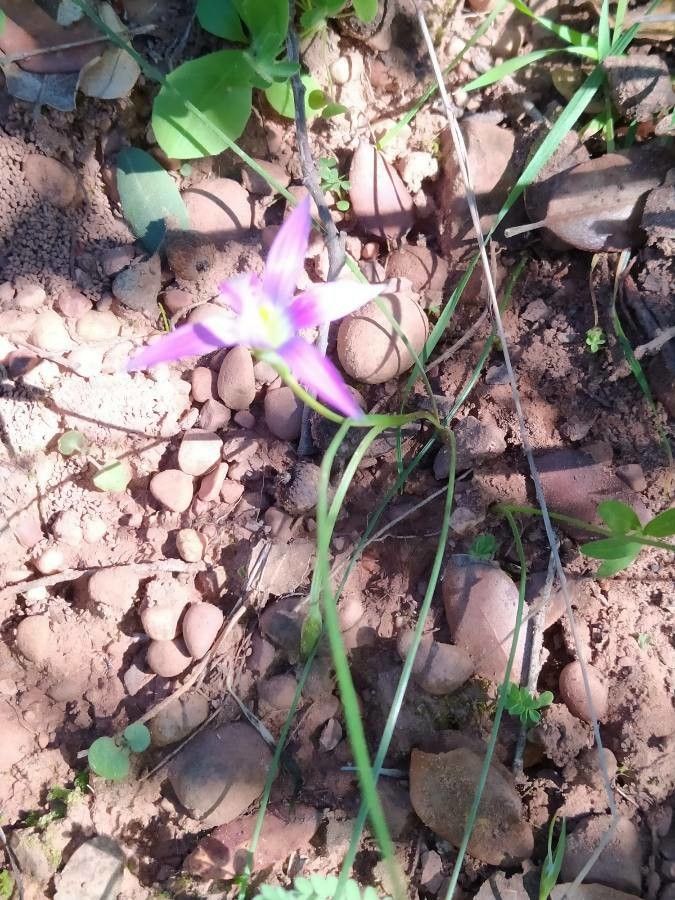
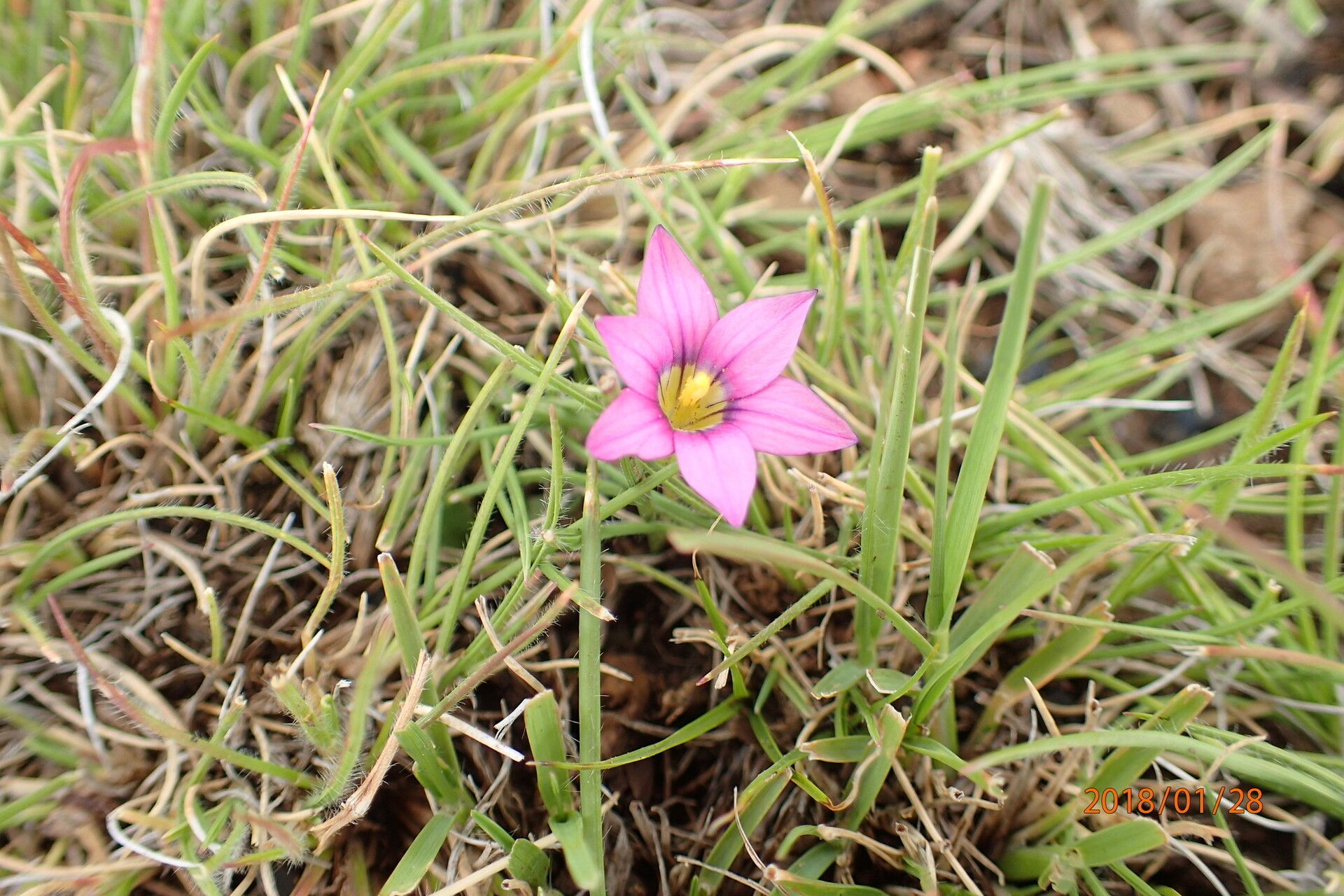
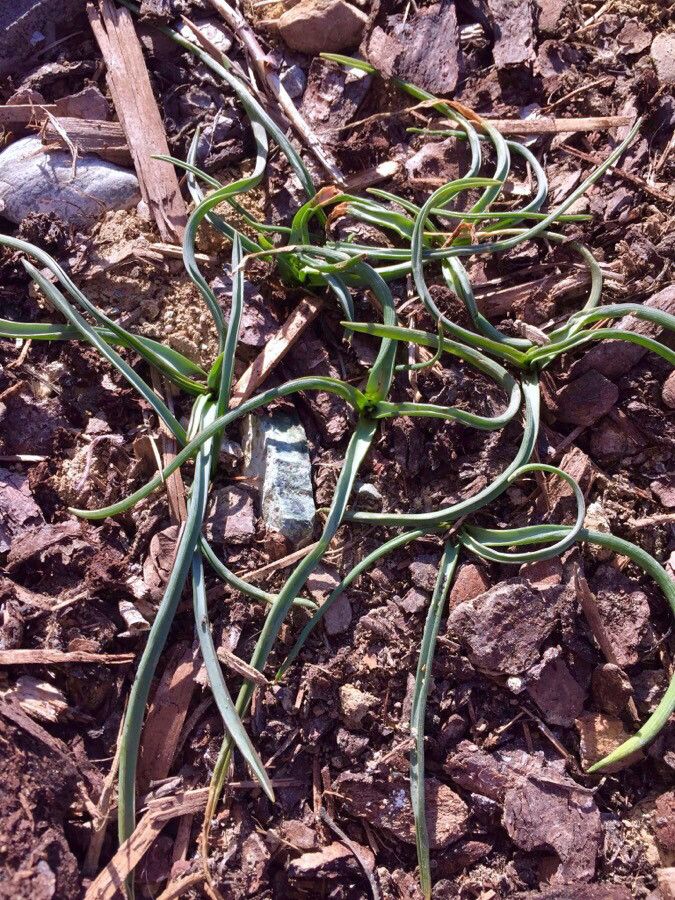
Romulea bulbocodium is one of the best-known species from the genus Romulea. The plant, a member of the family Iridaceae, is native to the Mediterranean region (southern Europe, northern Africa, the Middle East) and Sudan. It has many varieties and is occasionally used as ornamental plant. The species has a small rootstock - a corm which can be found in sandy and rocky soils. It produces long and slender leaves. The plant looks much like the popular Crocus. It is in convergent evolution with it. The blooms are small and with six tepals. Most varieties have purple or violet blooms, but white or yellow also occur. The ovary is 3-locular and the seeds are brown, pellet-like, circular grains.
Crocus-leaved romulea is fairly disease-resistant and typically does not suffer from illnesses. Still, it can be affected by pests and diseases that occur in its environment. Such infections are normally mild. Regarding care, the plant needs a moderate level of maintenance. Regular pruning is necessary to keep an attractive appearance and encourage healthy growth. Applying fertilizer can also support increased flowering. Crocus-leaved romulea is well suited for anyone who has an outdoor area, like a garden or patio, and does not demand extensive gardening experience. When cultivated indoors, it may need extra attention.
How to keep Romulea Bulbocodium.
Light
Crocus-leaved romulea does best in sites with ample sunlight. It comes from a setting where light is plentiful, so it does poorly in shaded areas. Excessive light or insufficient light can cause stunted growth or wilting, respectively.
Water
The crocus-leaved romulea thrives in Mediterranean-like climates, where it adapts well to seasonal rainfall and dry spells. Once established, it becomes drought-tolerant and requires watering twice a week during its growing season. This plant flourishes in well-draining soil, making it ideal for rock gardens or borders, which helps prevent bulb rot during wet seasons.
Temperature
Crocus-leaved romulea is indigenous to habitats with temperatures between 50 and 95 °F (10 to 35 ℃). The plant favors temperature stability, so during extreme seasonal variations measures to reproduce these conditions should be considered.
Fertilizer
For Crocus-leaved romulea, the primary time to apply fertilizer is in early spring as the flowers begin to form. Using the right fertilizer promotes better blooms and helps Crocus-leaved romulea produce attractive flowers. Fertilizing in early spring ensures strong flowering during the season and supplies energy for dormant growth phases.
Pruning
Prune crocus-leaved romulea from early to late spring by removing dead foliage and spent flowers. This promotes healthy growth and vibrant blooms. Be sure to use clean, sharp tools to prevent the spread of disease. Regular maintenance not only enhances the plant's vigor but also encourages prolific flowering, keeping the crocus-leaved romulea both robust and visually appealing.
Botanical profile.
- Plant Type
- Herb
- Life Cycle
- Perennial
- Genus
- Romulea
- Family
- Iridaceae
- Hardiness Zone
- 6-9
- Mature Height
- 20 cm
- Mature Spread
- 10 cm
- Leaf Color
- Dark Green
- Leaf Type
- Deciduous
- Flower Color
- Purple, Lavender
- Flower Size
- 2.03 cm to 3.05 cm
- Bloom Time
- Early spring, Mid spring
- Planting Time
- Spring
- Harvest Time
- Late spring, Early summer
Other names.
Reader questions.
How should I water my Crocus-leaved romulea?
To properly care for the Crocus-leaved romulea, it is recommended to use filtered water that is at room temperature. Tap water should be avoided because it may contain harmful particles. The reason for using room temperature water is because this plant is accustomed to warmer climates, and cold water can be a shock to its system. It is also advised to avoid overhead watering, as it can cause issues with the foliage. Instead, water the plant by applying filtered room temperature water directly to the soil until it is fully soaked. This will help to moisten the roots and facilitate the collection of necessary nutrients.
Why do I have to add nutrients to my Crocus-leaved romulea?
To make sure your Crocus-leaved romulea looks great and functions well, proper fertilization is essential. Fertilization has a significant impact on the leaves of this plant, ensuring they maintain consistent color and a healthy texture. Additionally, fertilization aids in the growth of new roots and the maintenance of existing ones below the soil's surface. This not only keeps your plant healthy presently but also enhances its future ability to absorb nutrients from the soil.
What are the sunlight requirements for Crocus-leaved romulea?
Crocus-leaved romulea requires above 6 hours of sunlight daily to thrive. It's essential to watch how sunlight moves through your garden and choose spots that ensure a balance of light and shade, providing the perfect environment for your plants. Originating from habitats with abundant daylight, this plant does not do well in shaded environments. Insufficient light can cause stunt growth or wilting. For those growing the plant indoors, when natural light is not enough, especially during winter or in less sunny spaces, artificial lighting can be a great solution. LED lights are popular for indoor plants as they can provide specific wavelengths needed for optimal growth. The amount of artificial light needed varies by plant type: full sun plants require 30-50W per square foot, partial sun plants need 20-30W per square foot, and full shade plants need 10-20W per square foot.
What is the native temperature range for Crocus-leaved romulea?
Crocus-leaved romulea, scientifically known as Romulea bulbocodium, is native to environments where temperatures fluctuate between 50 to 95 °F (10 to 35 °C). It thrives best within this temperature range, indicating a preference for temperature stability. To ensure the plant's well-being, it's important to adjust environmental conditions to replicate these native temperatures during extreme seasonal variations.
What should I do if I give too much or too little water to my Crocus-leaved romulea?
Overwatering is a common issue that can harm your Crocus-leaved romulea. Too much water can cause wilting, yellowing, and even diseases like root rot, mold, and mildew that can kill your plant. Underwatering is less common but can still occur. Signs of underwatering include brittle, brown leaves. It's important to notice signs of overwatering early, as some diseases may be irreversible if left untreated. If you see signs of overwatering, reduce watering and check the soil's drainage. If it drains poorly, replace it with a loose, well-draining mix. If your plant lacks water, increase watering until the signs improve.
When should I fertilize my Crocus-leaved romulea for the best results?
If you grow Crocus-leaved romulea outdoors, it will start growing new leaves in early spring. This is a signal to start fertilizing for the year. Usually, one application of fertilizer in spring is enough for the plant to do well. However, if you want to promote maximum growth, you can fertilize multiple times throughout spring and early summer. In this case, you can fertilize every month to month and a half.
What are the symptoms of inadequate sunlight for Crocus-leaved romulea?
When Crocus-leaved romulea is placed in rooms with inadequate lighting, it may not show light deficiency symptoms immediately. However, some signs include smaller newly grown leaves compared to older ones, a leggy or sparse growth appearance due to longer spaces between leaves or stems, faster leaf drop to conserve resources, slower or no new growth indicating survival mode, lighter-colored new leaves due to lack of chlorophyll, chlorosis where leaves lose their green color and turn yellow, sunscald resulting in damaged plant tissue from intense light exposure, leaf curling as a defense mechanism against excess sunlight, wilting from increased water loss, and leaf scorching characterized by brown, dry edges on leaves.
Does Crocus-leaved romulea require special frost protection measures?
Crocus-leaved romulea has a strong resistance to cold and usually does not require special frost protection measures during winter. However, if temperatures are expected to plummet below -25°C, providing cold protection becomes crucial. This can be accomplished by covering the plant with materials such as soil or straw. Additionally, watering the plant abundantly before the first freeze in autumn is recommended to keep the soil moist. This practice helps prevent drought and water scarcity for the plant during the cold winter and early spring months.
How often should I water my Crocus-leaved romulea plant?
If your Crocus-leaved romulea is in a pot, the most precise way to determine if it needs water is to check the soil moisture by plunging your finger into it. If the top two to three inches of soil are dry, it's time to water. If you are growing your Crocus-leaved romulea outdoors in the ground, you can use a similar method to test the soil. When the top few inches of soil have dried out, it's time to add water. Typically, during spring and early fall, you would water this plant about once a week. However, during extremely hot weather, you may need to water it twice or more per week. It's worth mentioning that mature and well-established Crocus-leaved romulea plants have a remarkable ability to withstand drought.
When is it not a good idea to fertilize my Crocus-leaved romulea?
During the late fall and winter, your Crocus-leaved romulea will go into a dormant phase and stop growing. Therefore, it is important not to fertilize it during this time. In the spring and summer, if you do choose to fertilize, you should start reducing the amount of fertilizer as summer approaches because the growth rate of the Crocus-leaved romulea will also slow down. Overall, it is not recommended to fertilize your Crocus-leaved romulea during very hot weather or when the soil is extremely dry. Fertilizing in these conditions can cause stress and premature death of the plant.
How can I address sunlight-related issues for my Crocus-leaved romulea?
To ensure your Crocus-leaved romulea receives optimal sunlight, gradually move it to a sunnier location each week until it gets at least 6 hours of direct sunlight daily. For indoor plants that are large or not easily movable, consider using artificial lighting. Keep a desk or ceiling lamp on for at least 8 hours daily, or invest in professional plant grow lights. For outdoor plants, avoid sudden changes in light intensity to prevent sunburn. Minimize obstructions by observing the environment and pruning trees if necessary. If transplanting smaller plants, do so during their dormant period, usually late winter or early spring, to a location with ample sunlight and good drainage. It's crucial to note that parts of the plant affected by insufficient sunlight may not recover, but new growth after increasing light exposure will be healthy.
How does Crocus-leaved romulea react to low temperatures?
Crocus-leaved romulea is known for its cold tolerance, thriving best when temperatures are above 10°C. Even though it can endure winter temperatures above -15°C without issue, exposure to temperatures below -25°C might not show immediate adverse effects during winter but could lead to reduced sprouting or even no sprouting in the spring. To mitigate this, it is advised to remove any parts of the plant that have failed to sprout in the spring.