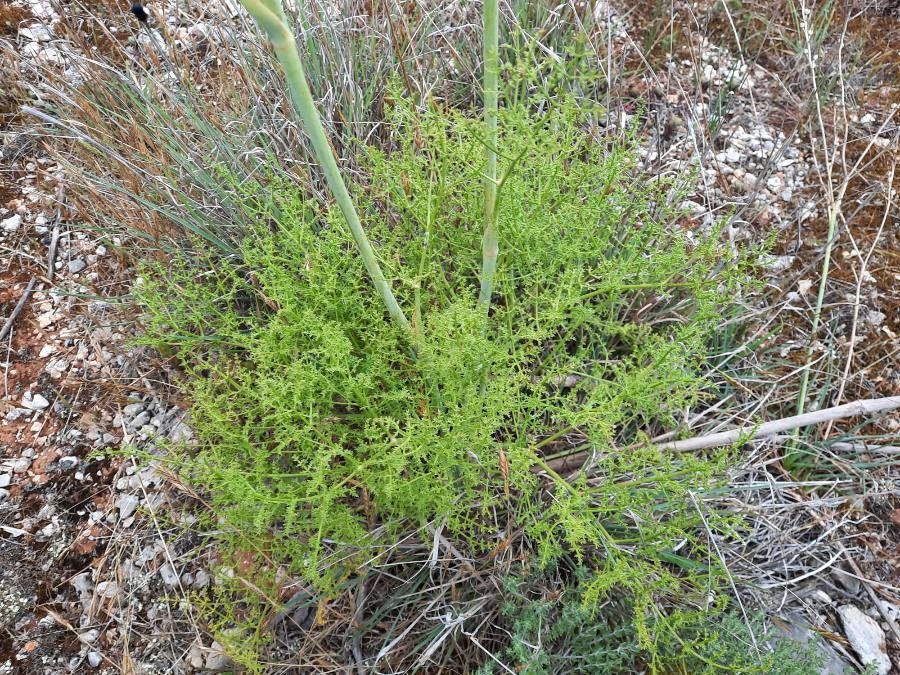
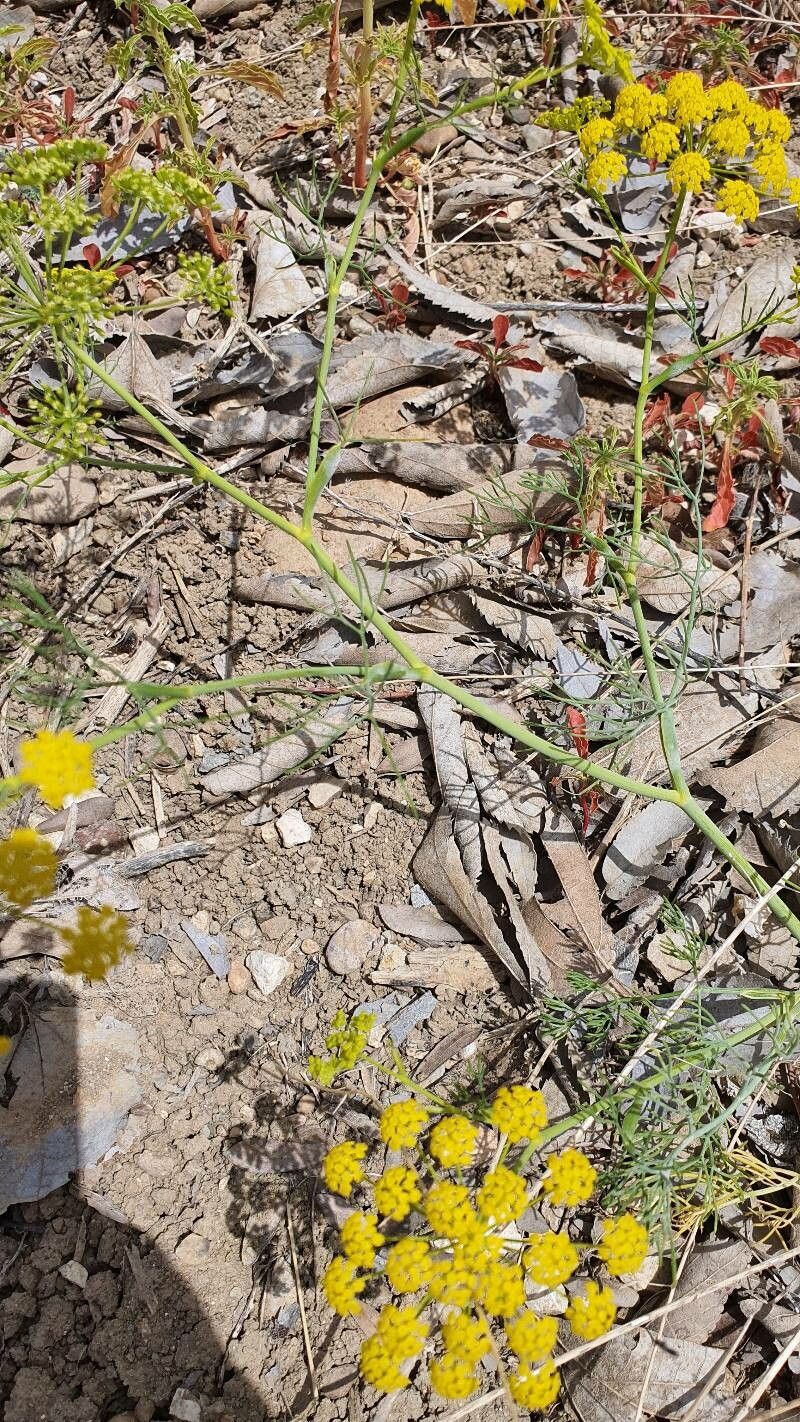
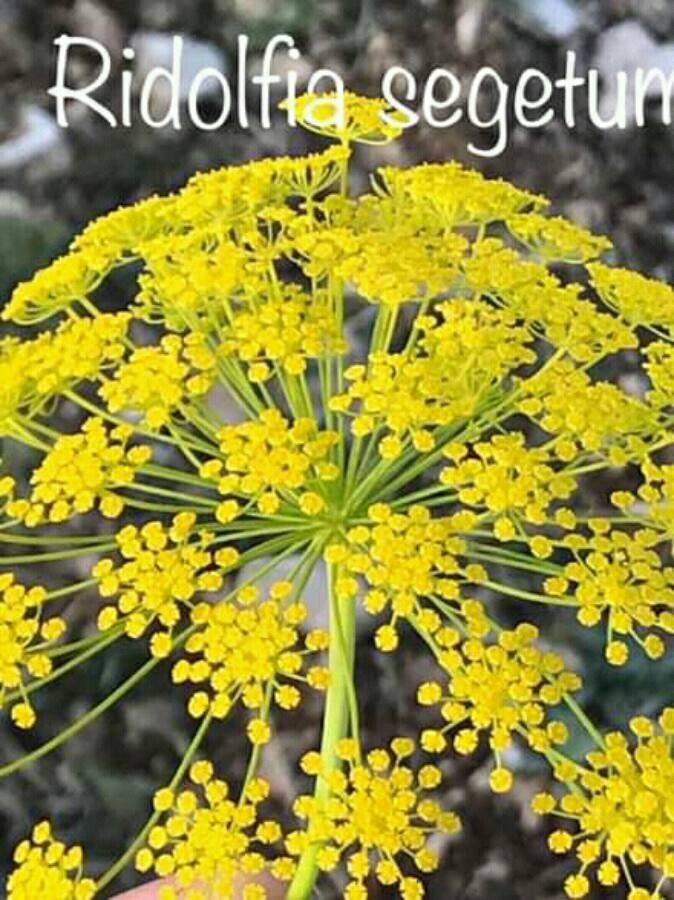
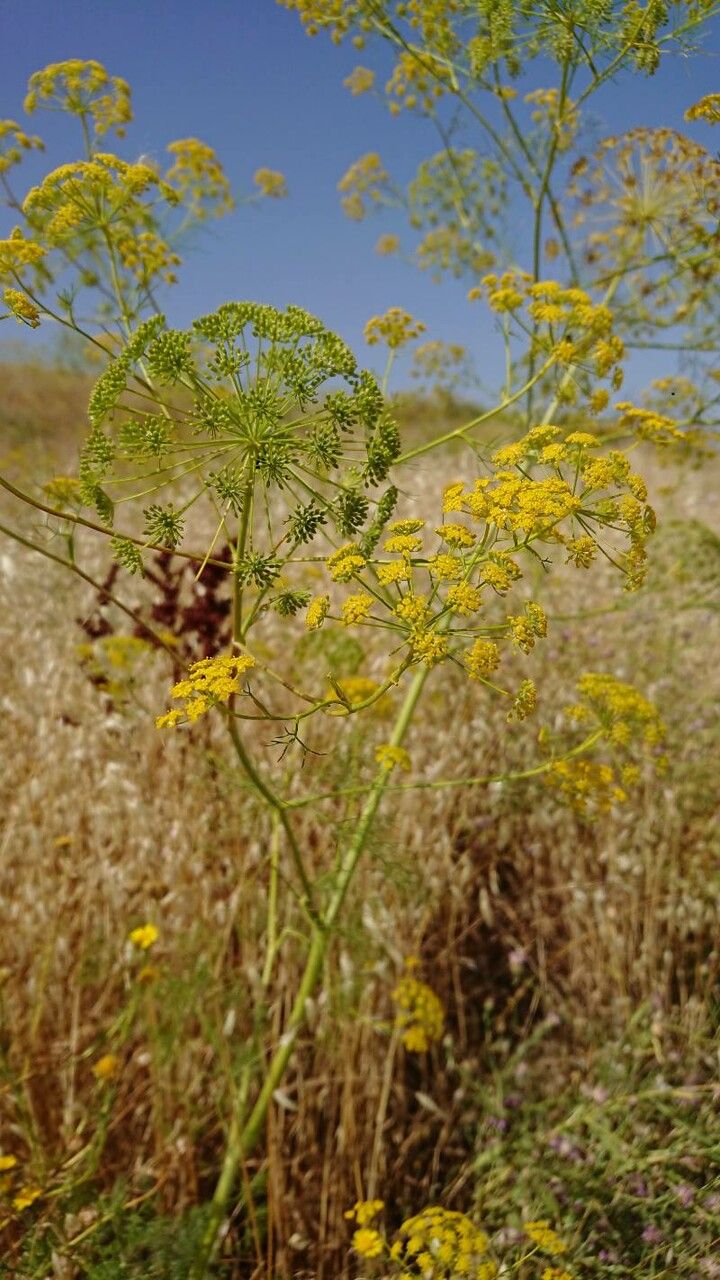
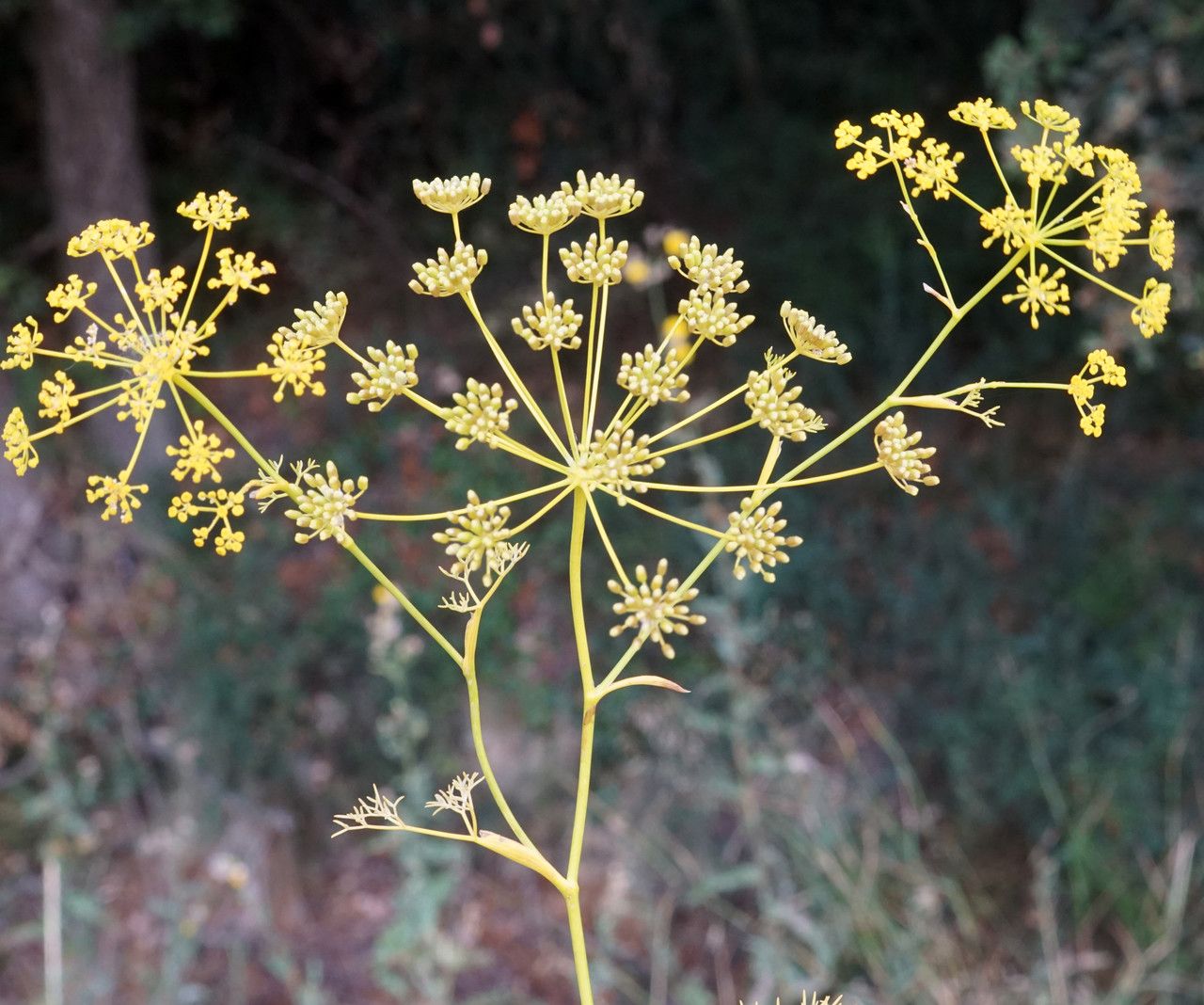
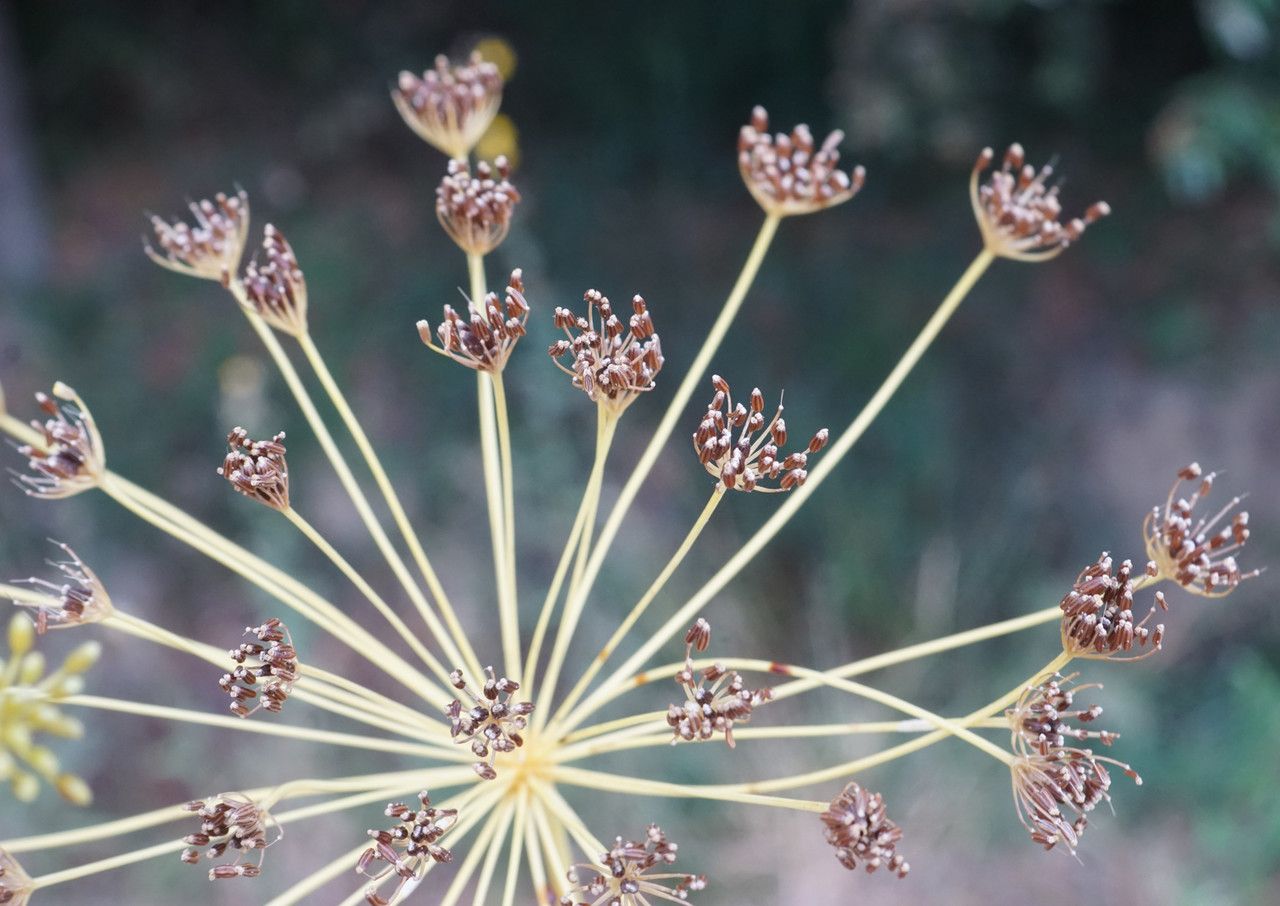
Ridolfia segetum, called false fennel, corn parsley, or false caraway, is an annual weed of the Mediterranean region. Its height 40 to 100 centimetres (16 to 39 in). The stem is erect, striate, and branched. The glabrous leaves are finely divided several times with filiform leaflets, the upper leaves frequently reduced, and the base of the petiole enlarged. The flowers are yellow, arranged in small umbels with almost uniform rays (10-60). The seeds and leaves contain an essential oil, and the plant has a strong odor. It is used as a herb in the pickle industry. The plant can be eaten in its raw form, or cooked. Ridolfia segetum is also used for medicinal purposes. It is used in the Mediterranean as a medicine for regulating women’s menstrual periods, and to increase milk flow in nursing mothers. Additional medicinal uses are to prevent constipation, coughing, gas, respiratory tract infections, and lice.
False fennel has strong disease resistance and is generally not prone to illnesses. However, it can be vulnerable to pests and diseases present in its environment. Such infections are typically mild. Regarding care, this plant needs moderate maintenance. It should be pruned regularly to preserve a neat appearance and encourage healthy growth. Applying fertilizer can also help stimulate flowering. False fennel is appropriate for anyone with outdoor space, like a garden or patio, and does not demand extensive gardening experience. It may need more attention if grown indoors.
How to keep Ridolfia Segetum.
Light
False fennel comes from sunny, open habitats and does best in full sun. It can tolerate some shade but favors direct sunlight for optimal growth. This plant, which can be annual or biennial, is known for its sun-loving habit.
Water
False fennel is well-adapted to the Mediterranean climate, thriving with moderate moisture and occasional short droughts. For optimal growth, watering twice a week is ideal to maintain soil moisture without causing over-saturation. During wet periods, false fennel relies more on rainfall and requires less supplemental watering.
Temperature
False fennel can tolerate a wide range of temperature conditions, although its distribution may still be constrained by various combinations of moisture and heat. It does best in warm summer climates with sufficient rainfall or regular watering. Extended periods of cloudy, rainy weather, as well as prolonged episodes of high heat, can raise the risk of False fennel dying. In winter, shielding the plant from cold can enhance its chances of survival.
Fertilizer
False fennel benefits from frequent, weak doses of fertilizer to encourage healthy leaf growth. You should fertilize False fennel about once a month during the summer. Nitrogen is essential for foliage, and adding nitrogen-rich sources helps False fennel thrive.
Pruning
False fennel benefits from pruning in early to late spring, which helps remove dead stems and encourages new growth. Regular trimming also maintains the plant's shape, prevents it from becoming leggy, and improves airflow. Be sure to use clean, sharp tools when pruning to prevent disease and to promote the plant’s health and the overall appearance of your garden.
Botanical profile.
- Plant Type
- Herb
- Life Cycle
- Annual
- Genus
- Ridolfia
- Family
- Apiaceae
- Hardiness Zone
- 7-10
- Mature Height
- 91 cm
- Mature Spread
- 30 cm
- Leaf Color
- Green
- Leaf Type
- Deciduous
- Flower Size
- 0.20 cm to 0.25 cm
- Bloom Time
- Early summer, Mid summer
- Planting Time
- Spring, Summer, Autumn
- Harvest Time
- Late summer, Early fall
Other names.