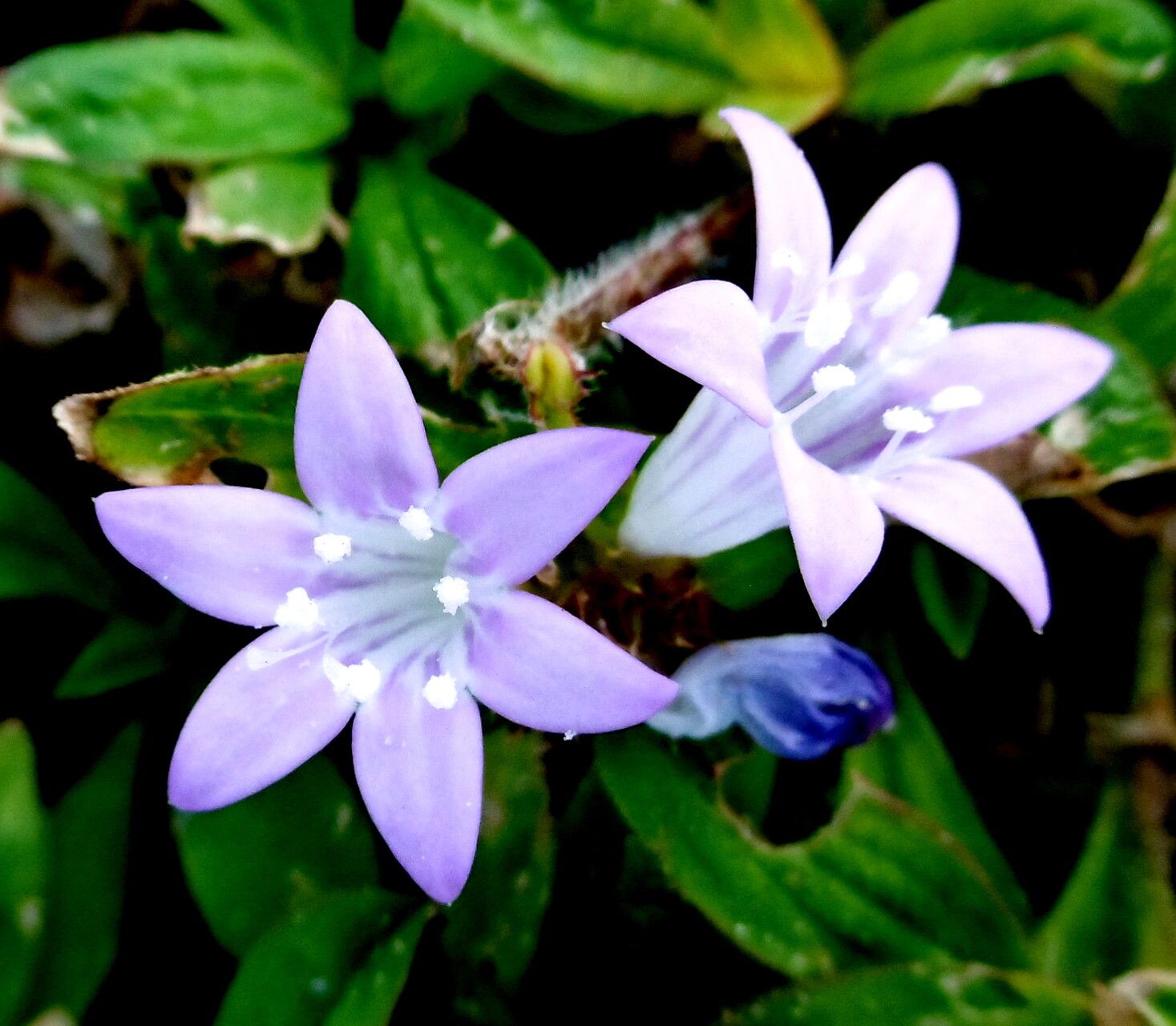
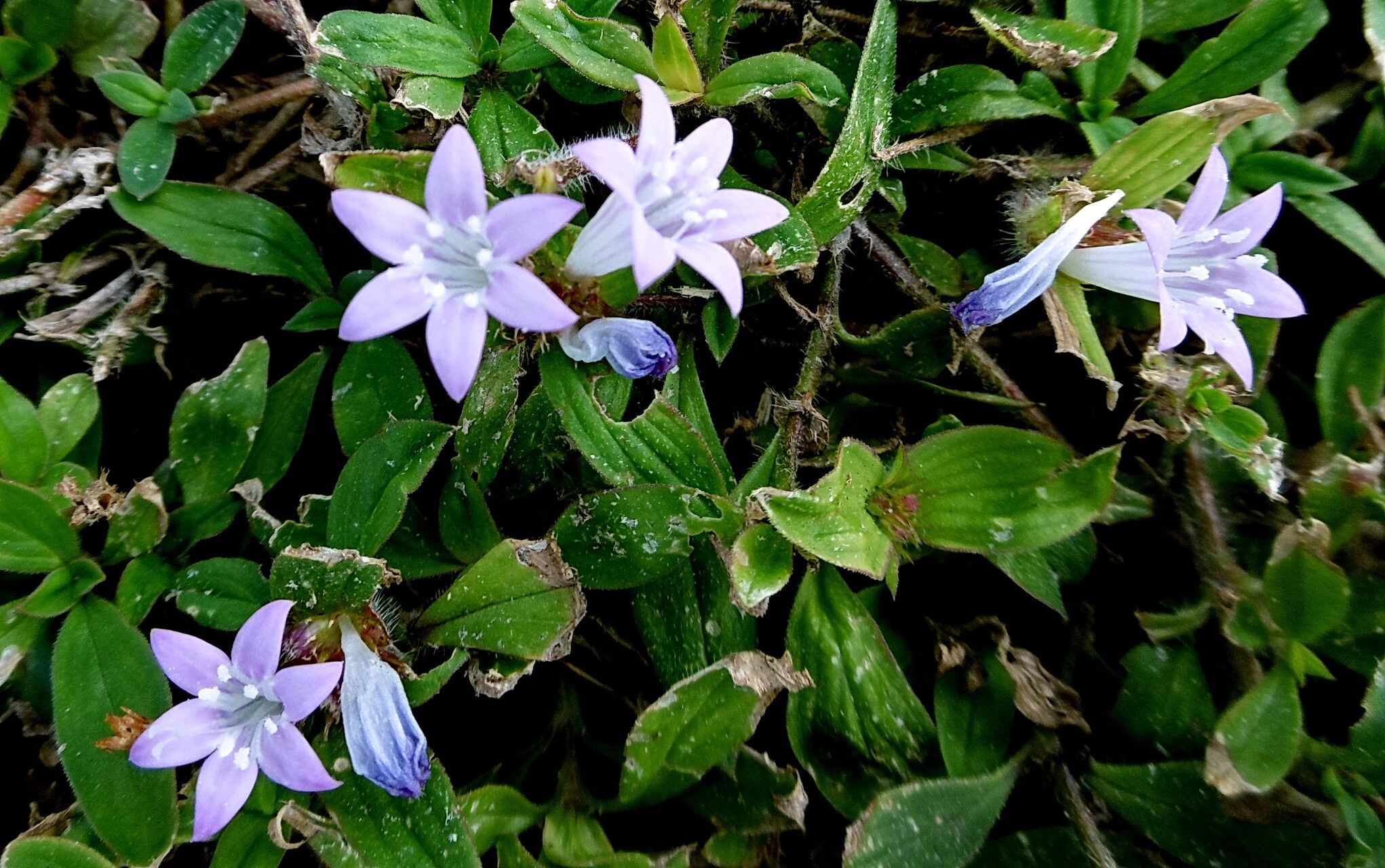
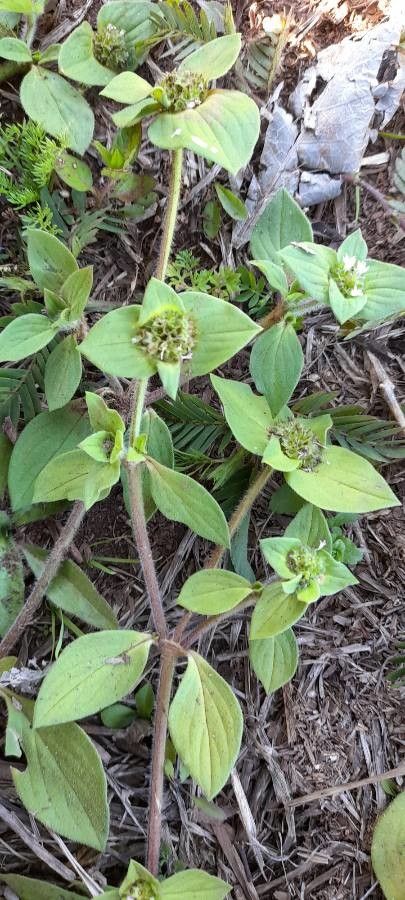
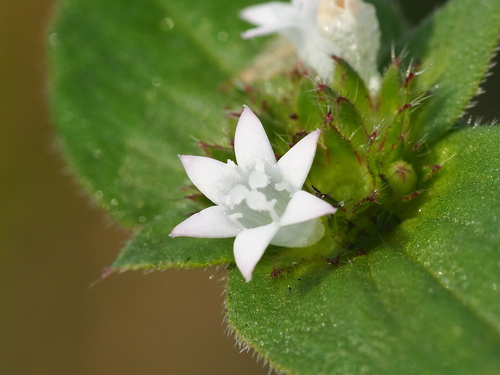
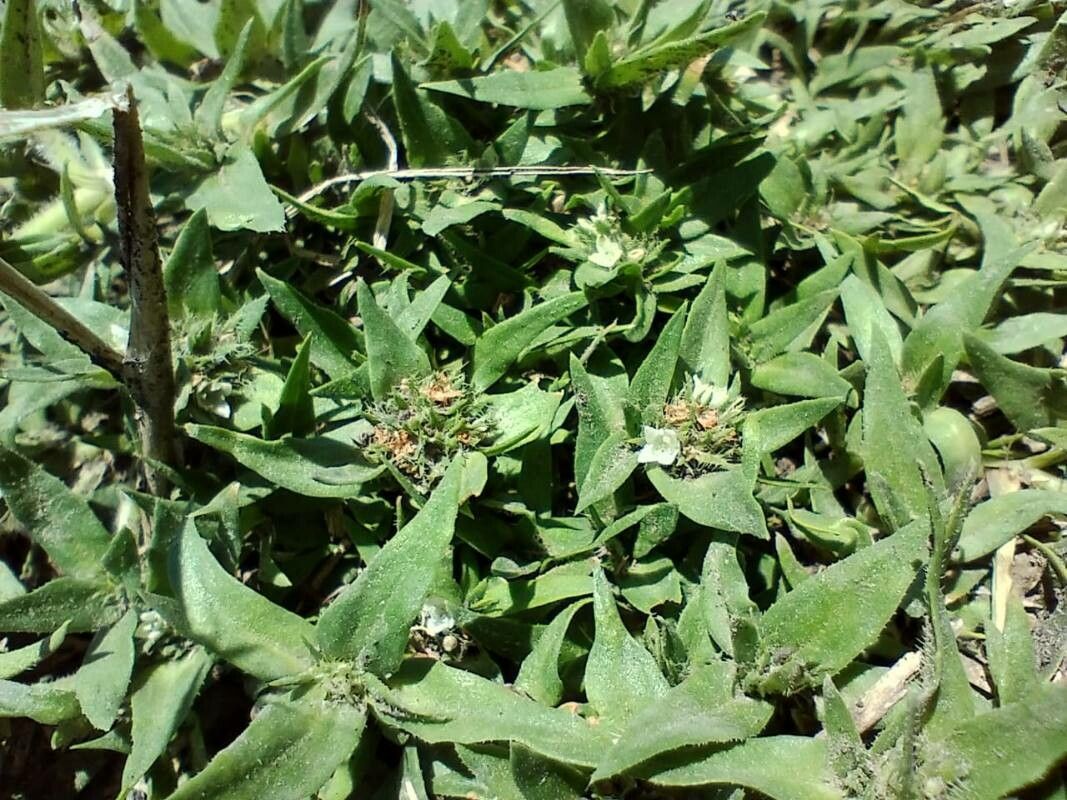
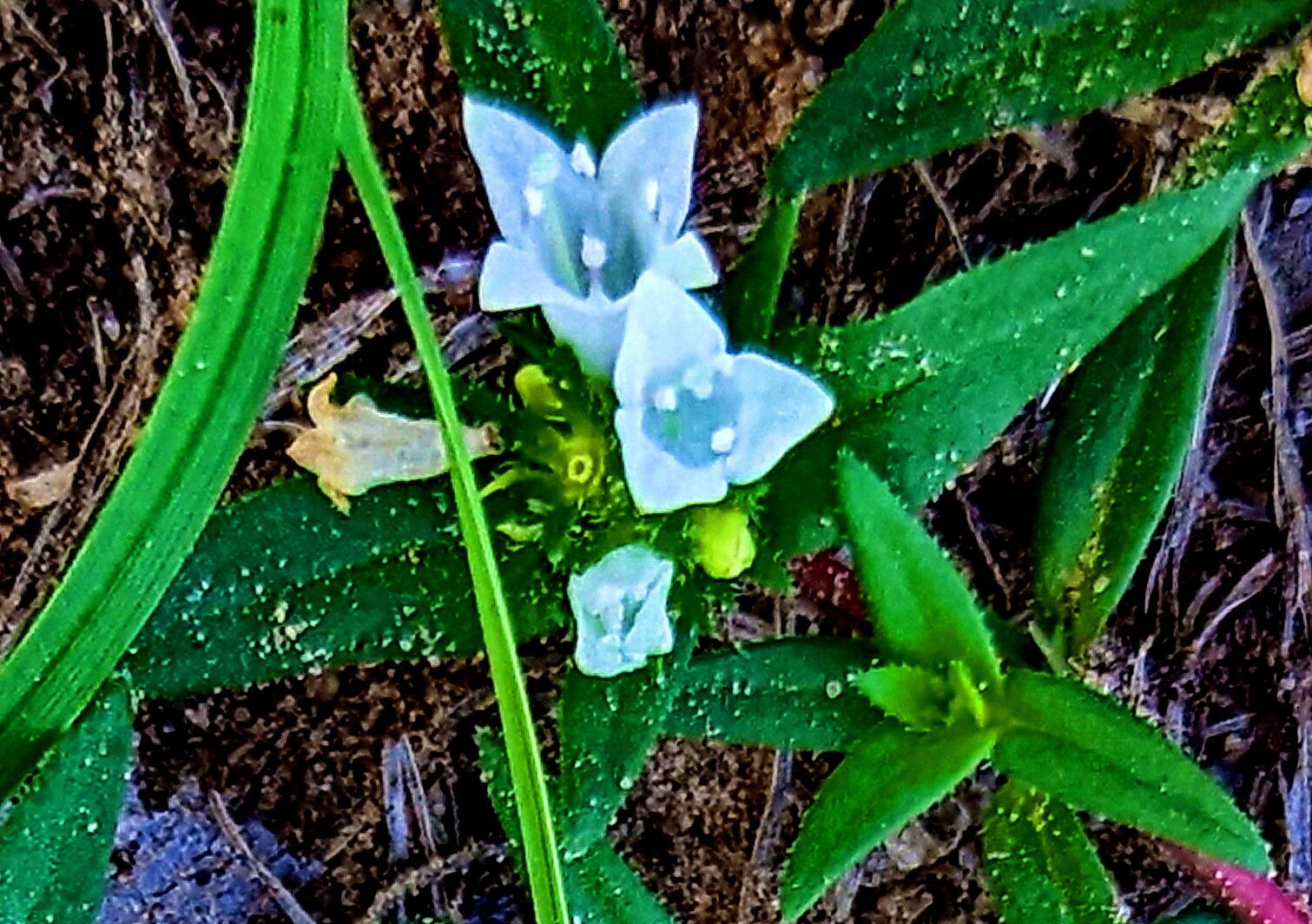
Richardia grandiflora, the largeflower Mexican clover, largeflower pusley, or Florida snow, is a species of flowering plant native to Brazil, Bolivia, Paraguay, Uruguay, and northeastern Argentina. It is in the Rubiaceae family. Used as a ground cover, it has proliferated in Florida where it has sometimes been perceived as a weed.
Largeflower mexican clover is generally resistant to disease and not highly prone to illness. Nevertheless, it can be affected by pests and diseases present in its surroundings. Such infections are usually mild. In terms of care, the plant needs moderate maintenance. It requires regular pruning to maintain a neat appearance and support healthy growth. Fertilizing can also help encourage flowering. Largeflower mexican clover is suitable for anyone with an outdoor space, like a garden or patio, and does not demand extensive plant-care experience. It may require more attention when grown indoors.
How to keep Richardia Grandiflora.
Light
Largeflower Mexican clover does best in full, unobstructed sunlight but can also do well in partly shaded locations. Originating from habitats that favor abundant light, insufficient illumination slows its growth, while excessive exposure can cause scorching or wilting.
Water
The largeflower Mexican clover thrives best in well-drained soils that retain moisture. Ideally, it should be watered regularly, about once a week. Although it has moderate drought tolerance, providing consistent hydration is crucial to maintaining its evergreen foliage, especially in suitable climate zones.
Temperature
The largeflower mexican clover plant naturally grows in habitats where temperatures range from 20 to 38 ℃ (68 to 100.4 ℉). It prefers warm conditions but can tolerate occasional winter dips to 10 ℃ (50 ℉). In summer, it may require frequent watering to withstand high temperatures.
Fertilizer
Largeflower mexican clover will need the most fertilizer during its active growth phase, primarily in spring, summer, and early fall. Fertilizing is necessary to supply essential nutrients the soil may lack, supporting healthy root and stem growth and encouraging attractive foliage, which is a key characteristic of this plant.
Pruning
To encourage healthy growth and an attractive shape, it's important to lightly prune largeflower Mexican clover from early to late spring. Start by removing any dead or damaged stems, and then trim long branches just above the leaf nodes to promote blooming. Be sure to use clean and sharp tools to minimize the risk of infection and enhance air circulation.
Botanical profile.
- Plant Type
- Herb
- Life Cycle
- Perennial, Annual
- Genus
- Richardia
- Family
- Rubiaceae
- Hardiness Zone
- 9-11
- Mature Height
- 10 cm
- Mature Spread
- 30 cm to 91 cm
- Leaf Color
- Green
- Leaf Type
- Evergreen
- Flower Color
- White
- Flower Size
- 1.27 cm to 2.03 cm
- Bloom Time
- Late spring, Summer
- Planting Time
- Spring
- Harvest Time
- Summer, Early fall
- Native Area
- Bolivia
Other names.
Reader questions.
What are the sun requirements for the Largeflower Mexican Clover?
The Largeflower Mexican Clover needs full sun exposure, characterized by over 6 hours of sunlight daily, or partial sun, with about 3-6 hours of sunlight. It's crucial to observe how sunlight moves through your garden, ensuring spots you choose for your plants provide a good balance of light and shade, which is vital for their wellbeing. This species thrives under direct sunlight but also performs well under partially shaded conditions, which is important considering its preference for ample light environments. Insufficient light can lead to slower growth, while too much exposure may cause scorching or wilting.
What are the ideal growing conditions for Largeflower Mexican Clover?
Largeflower Mexican Clover, or Richardia grandiflora, thrives in warm environments, ideally with temperatures ranging between 20°C (68°F) and 38°C (100.4°F). It can tolerate temperatures as low as 10°C (50°F) during winter but needs to be kept above 0°C to avoid damage. During summer, frequent watering is necessary to cope with high temperatures. It's recommended to move outdoor plants indoors before winter, placing them near a bright window but away from direct heat sources to maintain conducive growth temperatures above 20°C.
How do artificial lights support the growth of indoor plants like the Largeflower Mexican Clover?
Indoor plants, including the Largeflower Mexican Clover, require adequate lighting for optimal growth, especially when natural sunlight is insufficient, such as in winter or less sunny spaces. Artificial lights, such as LED lights, can be customized to provide specific wavelengths needed by plants, promoting faster and healthier growth. For full sun plants, 30-50W/sq ft of artificial light is needed, partial sun plants require 20-30W/sq ft, and full shade plants need 10-20W/sq ft. The light source should be placed 12-36 inches above the plant to mimic natural sunlight, and most plants need 8-12 hours of light per day.
How should I care for Largeflower Mexican Clover in low temperatures?
In low temperatures, Largeflower Mexican Clover requires special care to ensure survival. It is not tolerant of cold environments and thrives best at temperatures above 20°C. During the winter, it's crucial to keep the plant above 0°C to prevent damage. Exposure to temperatures below -5°C can cause the leaves to lighten in color, and frost damage can turn them brown or black, leading to wilting and drooping. If frost damage occurs, trim off the frost-damaged parts and move the plant to a warm indoor environment immediately. Placing it near a south-facing window ensures ample sunlight, but avoid placing it near heaters or air conditioning vents to prevent air dryness.
What are the main symptoms of light deficiency in Largeflower Mexican Clover?
When the Largeflower Mexican Clover does not receive sufficient light, it may exhibit several symptoms indicative of light deficiency. These include smaller new leaves, leggy or sparse growth, faster leaf drop, slower or no new growth, and lighter-colored new leaves. Chlorosis, or the loss of the plant's green color turning leaves yellow, can occur due to excessive sunlight, negatively affecting photosynthesis. Sunscald, leaf curling, wilting, and leaf scorching are additional signs that the plant is not receiving the appropriate amount of light, with each symptom having specific impacts on plant health.
What steps should be taken if Largeflower Mexican Clover experiences high temperatures?
During periods of high temperatures, especially above 38°C (100.4°F), Largeflower Mexican Clover's leaves may lighten and the plant can suffer from sunburn. To care for it under these conditions, trim away the sunburned and dry parts of the plant. Relocate the plant to an area with shade from the harsh midday and afternoon sun to prevent further damage. Additionally, ensure the soil remains moist by watering the plant in the early morning and evening. Avoiding extreme heat exposure and maintaining proper hydration will help the plant recover and continue to grow healthily.
How can I address light deficiency symptoms in Largeflower Mexican Clover?
To remedy light deficiency in Largeflower Mexican Clover, gradually move plants to sunnier locations, ensuring they receive at least 6 hours of direct sunlight daily, especially through a south-facing window for indoor plants. For those not easily movable or if natural light is insufficient, consider using artificial lighting, keeping them on for at least 8 hours daily. Outdoors, avoid sudden changes in light intensity to prevent sunburn. If obstructions block sunlight, prune trees or branches around, and for small, manageable plants, consider transplanting them during their dormant period to a location with more sunlight and good drainage. Note that parts of the plant already affected by insufficient light may not recover, but new growth will be healthy after adjusting light exposure.