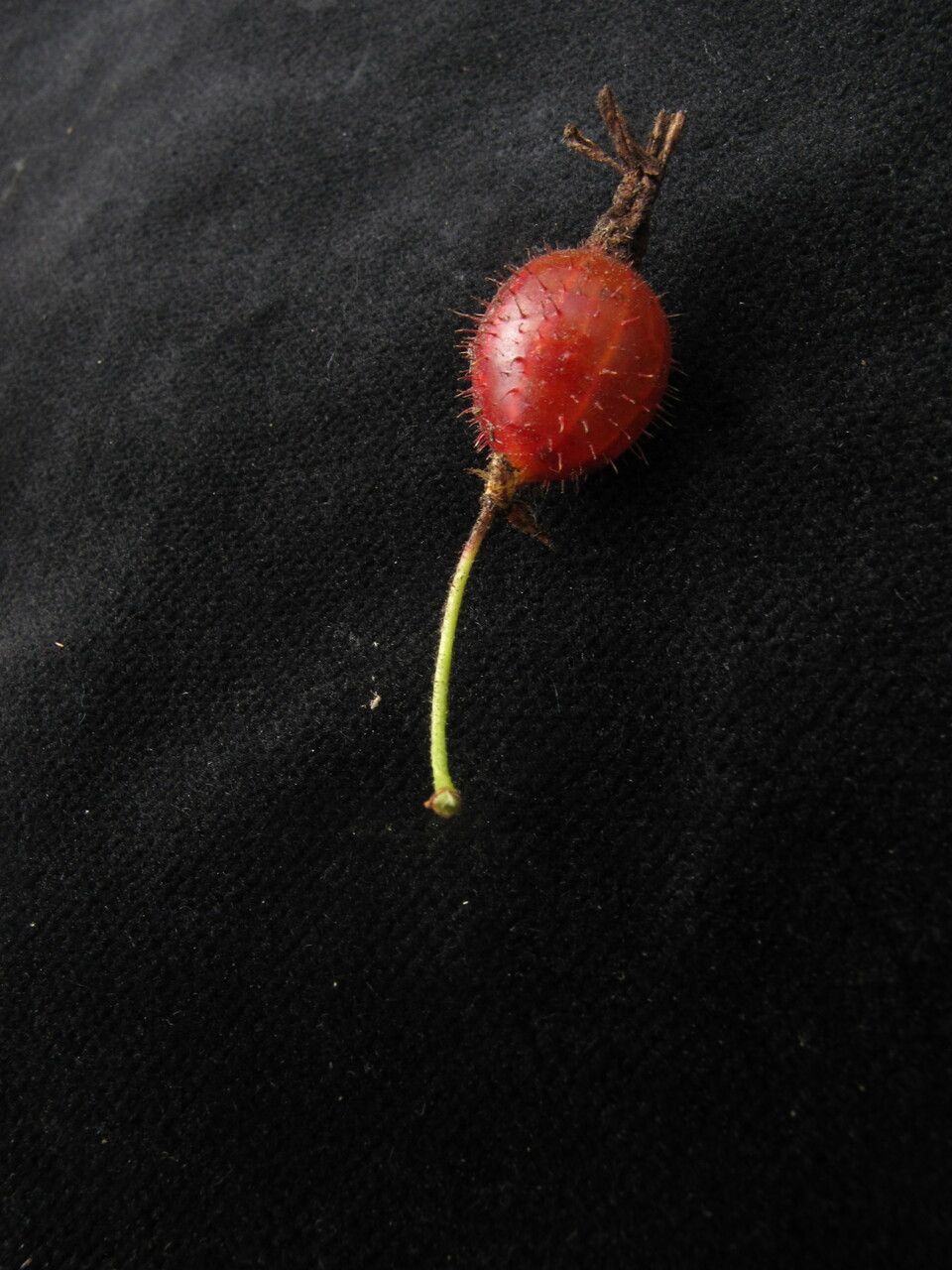
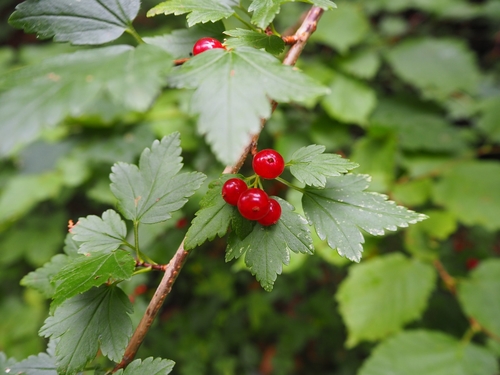
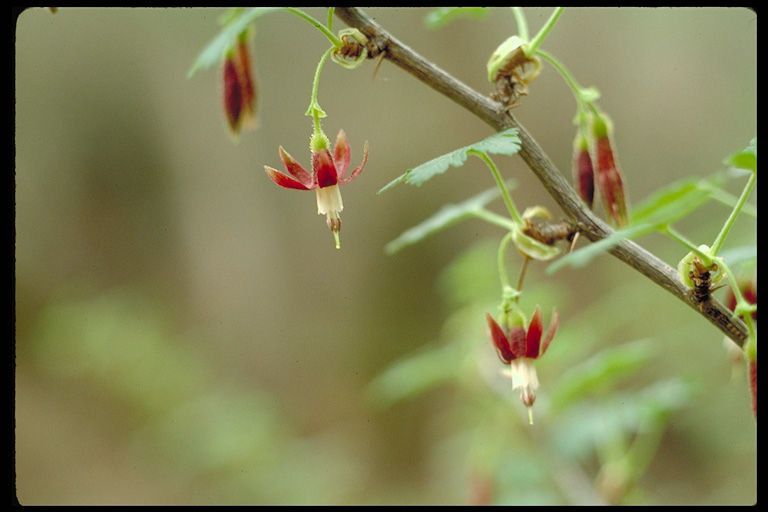
Ribes wolfii, commonly known as Wolf's currant, is a rare and endangered plant species in the Grossulariaceae family. Native to the Pacific Northwest region of North America, this plant typically thrives in moist, shady environments such as forests, stream banks, and wetlands.
Wolf's currant is a shrub that can grow up to 2 meters in height. Its deciduous leaves are alternately arranged and feature three lobes with serrated edges. The flowers are small, greenish-yellow, and have five petals arranged in a bell shape.
The fruit of Ribes wolfii is an edible berry that matures from green to either red or black, depending on its stage of maturity. It offers a sweet-tart flavor similar to other currants, with a unique spicy undertone.
Due to habitat loss resulting from human activities such as logging and agriculture, the populations of Ribes wolfii have significantly declined, leading to its current endangered status. Various organizations are undertaking conservation efforts to protect this species from extinction. These efforts focus on preserving its natural habitat through reforestation programs and other necessary measures to ensure its survival.
In conclusion, Ribes wolfii, or Wolf's currant, is an important plant species native to North America known for its uniquely flavored berries. However, it faces the threat of extinction primarily due to human activities like logging. Thus, it requires dedicated conservation efforts to ensure its survival.
How to keep Ribes Wolfii.
Water
To ensure healthy growth, Wolf's currant requires more frequent watering during mid-spring, late spring, and early summer, especially as the fruit begins to grow. It's important to adjust your watering schedule according to the weather and the moisture level of the soil. A good rule of thumb is to water the plants whenever the soil surface feels dry during the spring to mid-summer period.
Fertilizer
In the spring, apply fully decomposed organic fertilizer as a base for wolf's currant. Fertilize again in early and mid-summer, prioritizing nitrogen and potassium initially, followed by phosphorus and potassium. Be cautious when using slow-release fertilizers, as too much nitrogen can cause excessive branch growth, which can negatively impact fruit production.
Pruning
Wolf's currant is a robust shrub that produces clusters of edible berries. To promote growth and enhance fruit production, prune it in early spring. Start by removing dead branches, thinning out crowded areas, and cutting back old stems. Always use clean, sharp tools to prevent damage and maintain the plant's health.
Botanical profile.
- Life Cycle
- Perennial
- Genus
- Ribes
- Family
- Grossulariaceae
Other names.
Reader questions.
What are the sunlight requirements for Wolf's currant (Ribes wolfii)?
Wolf's currant (Ribes wolfii) has specific sunlight requirements to thrive. For full sun exposure, it requires more than 6 hours of sunlight daily. For partial sun, about 3-6 hours of sunlight per day is adequate. It's important to observe how sunlight moves through your garden throughout the day. Selecting the right spots that offer a perfect balance of light and shade is essential for the happiness and health of your Wolf's currant plants.