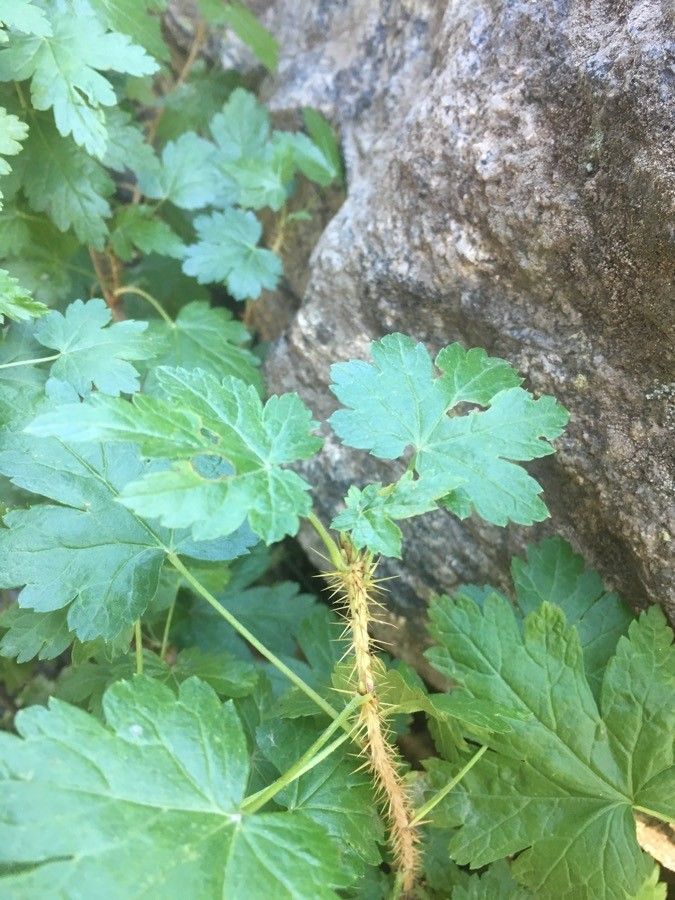
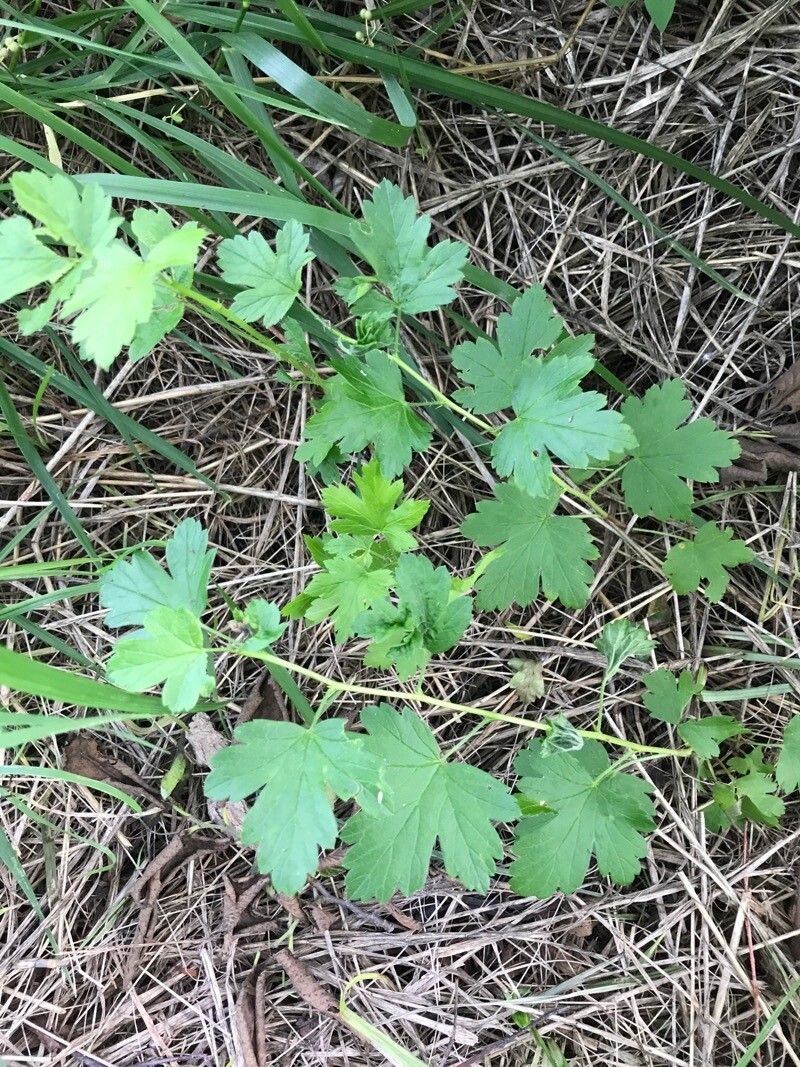
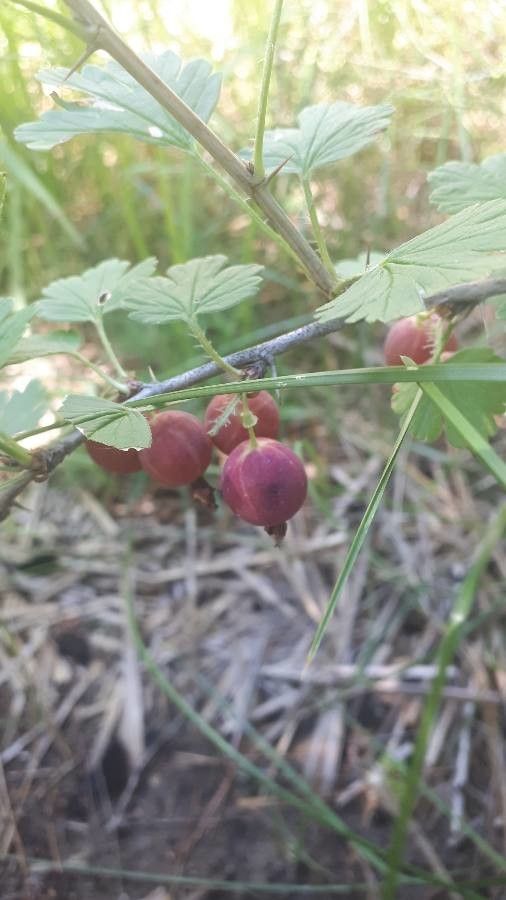
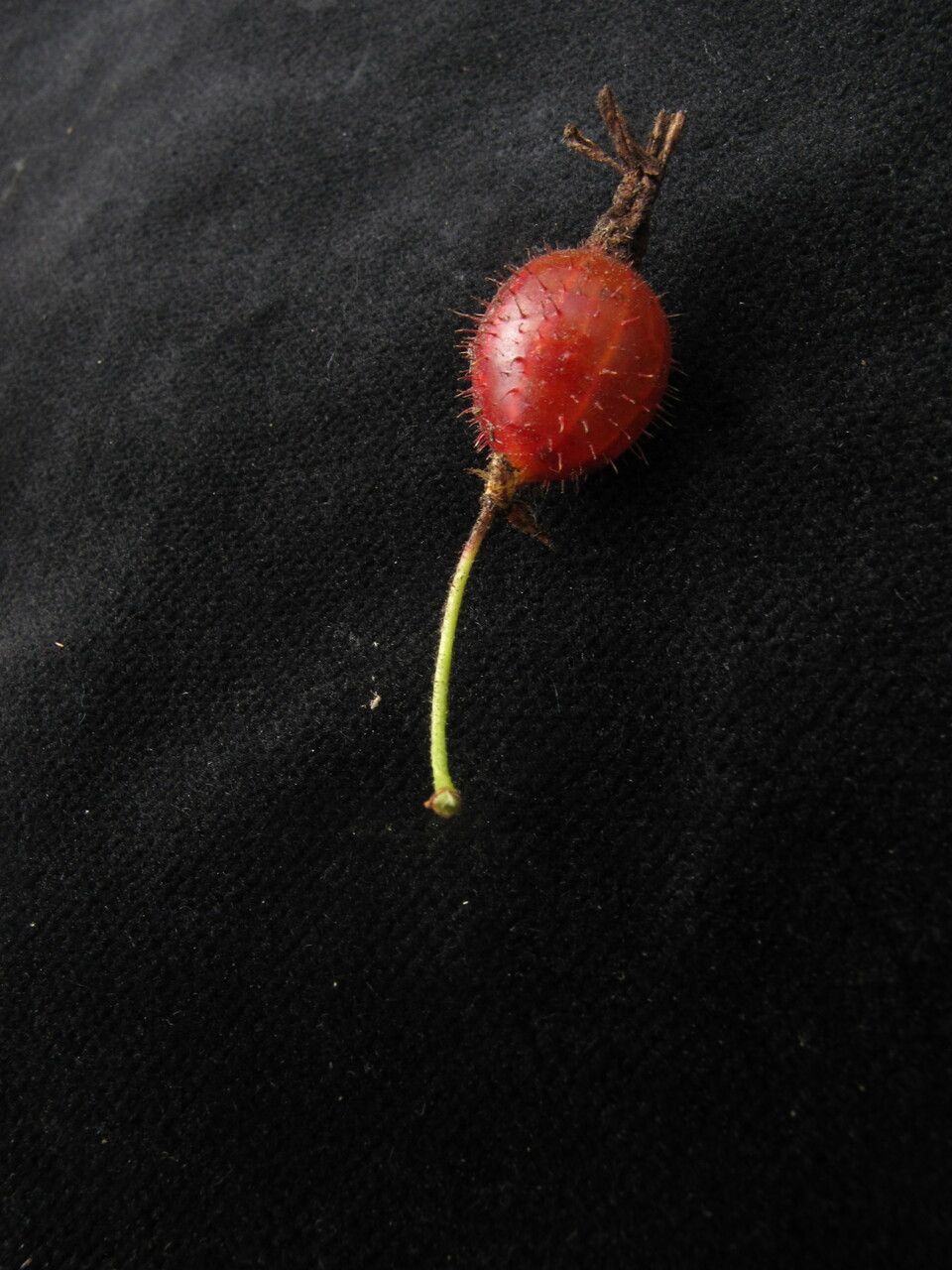
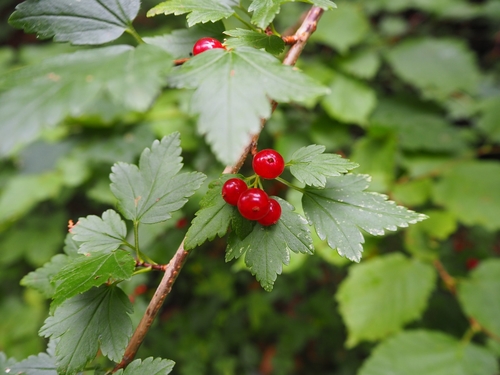
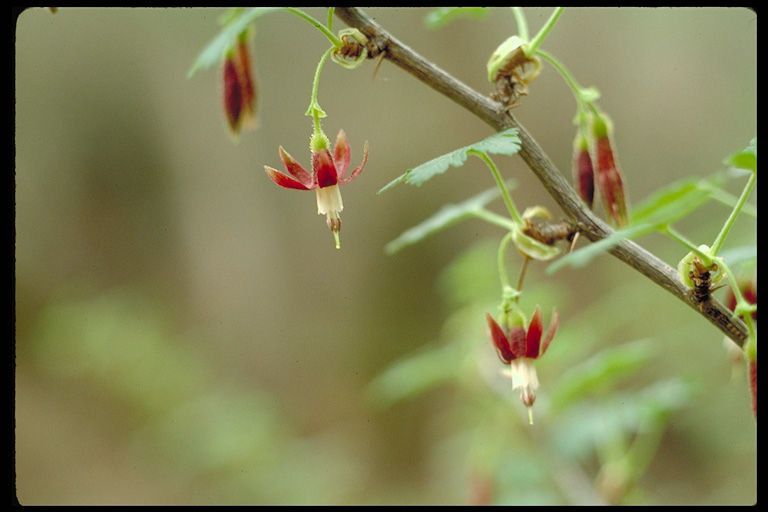
Ribes inerme is a species of currant known by the common names whitestem gooseberry and white stemmed gooseberry. It is native to western North America from British Columbia to California and westward to the Rocky Mountains. It grows in mountain forests, woodlands, and meadows. The less common Ribes inerme var. klamathense, known as Klamath gooseberry, is confined to the states of California and Oregon.
White-stem gooseberry is well resistant to disease and is generally not susceptible to illnesses. Regarding care, the plant is fairly low-maintenance. When grown outdoors it needs minimal watering, and larger plants typically do not require pruning. Smaller plants, however, should be pruned after they have finished blooming. White-stem gooseberryt is appropriate for anyone with an outdoor area, such as a garden or deck, and does not demand much gardening experience.
How to keep Ribes Inerme.
Light
The white-stem gooseberry mostly performs best in conditions with plenty of light, reflecting its native environments that receive strong sunlight for much of the day. It can, however, tolerate reduced light, though this may result in slower growth. Both excessive light and insufficient light can stress the plant and negatively affect its health.
Water
The white-stem gooseberry is drought-tolerant and does well with alternating dry and wet periods. Water the plant every 2-3 weeks, making sure to let the soil dry out between waterings. During its active growth phase, increase the watering frequency to support its development, keeping in mind that it prefers to be cultivated outdoors.
Temperature
White-stem gooseberry grows best in temperatures between 41 and 95 °F (5 to 35 °C) and is native to temperate environments. In winter, ensure it stays above the freezing point to lower the risk of frostbite. In summer, avoid exposing it to extreme heat.
Fertilizer
The White-stem gooseberry needs adequate nutrients to produce fruit optimally. Fertilize in early spring to support new growth and bloom development. Regular feeding keeps the plant healthy, yields more delicious fruit, and prevents nutrient-deficiency problems like yellowing leaves and poor fruit production.
Pruning
The white-stem gooseberry features thorny stems and produces tart fruits. For best results, prune the plant in early spring. Remove any dead wood and thin out crowded branches to improve air circulation. Regular pruning not only increases fruit yield but also enhances plant health and lowers the risk of disease. Be sure to use clean, sharp tools to ensure precise cuts and minimize stress on the plant.
Botanical profile.
- Plant Type
- Shrub
- Life Cycle
- Perennial
- Genus
- Ribes
- Family
- Grossulariaceae
- Hardiness Zone
- 5-9
- Mature Height
- 3.05 m
- Mature Spread
- 30 cm to 61 cm
- Leaf Color
- Green, Dark Green
- Leaf Type
- Deciduous
- Flower Color
- Yellow, Green
- Flower Size
- 0.51 cm
- Bloom Time
- Early spring, Mid spring
- Planting Time
- Spring, Autumn
- Harvest Time
- Mid summer, Late summer
Other names.
Reader questions.
What are the sunlight requirements for the White-stem gooseberry?
The White-stem gooseberry requires full sun, which is more than 6 hours of sunlight daily, to thrive, but it can also tolerate partial sun, or about 3-6 hours of sunlight. It's crucial to observe how sunlight moves through your garden to find spots that provide a good balance of light and shade, ensuring your plant's health. This plant is adaptive but exhibits optimal growth when exposed to conditions resembling its natural habitat, which includes ample sunlight.
What is the optimal temperature range for White-stem Gooseberry?
The White-stem gooseberry thrives best in a temperature range of 41 to 95 °F (5 to 35 °C), native to temperate environments. It has strong cold resistance and does not typically require special frost protection measures during winter, except in exceptionally cold conditions where temperatures are expected to drop below -25°C. In such extreme cold, it's important to wrap the trunk and branches with materials like non-woven fabric or cloth. To prepare the plant for winter, water it abundantly before the first freeze of autumn to ensure the soil remains moist and enters a frozen state, which helps prevent drought and water scarcity during the winter and early spring months.
How can artificial lighting be used for White-stem gooseberry indoors?
For indoor White-stem gooseberry plants, where natural sunlight is insufficient, artificial lighting is a beneficial alternative to promote healthy growth, especially during winter or in less sunny spaces. LED lights are recommended due to their ability to provide specific wavelengths needed by plants. Full sun plants generally require 30-50W per square foot of artificial light, partial sun plants need 20-30W, and full shade plants need 10-20W. The light should be placed 12-36 inches above the plant and kept on for about 8-12 hours daily to mimic natural daylight conditions.
What should I do if the White-stem gooseberry experiences temperatures below -25°C?
If the White-stem gooseberry is subjected to temperatures below -25°C, it may not show immediate changes during winter, but you might notice the branches becoming brittle and dry in spring, with no new shoots emerging. To mitigate this, it's advised to prune away any dead branches that have failed to produce new leaves as a part of spring care. Additionally, ensuring the plant is wrapped during extreme cold can help prevent this damage.
What are the symptoms of improper lighting on White-stem gooseberry?
When White-stem gooseberry does not receive adequate light, it may exhibit several symptoms indicative of stress. These include smaller new leaves, leggy or sparse growth, faster leaf drop, slower or halted growth, lighter-colored new leaves, and chlorosis or yellowing of leaves due to insufficient chlorophyll. Excessive sunlight can lead to sunscald, leaf curling, wilting, and leaf scorching, damaging the plant's health. Monitoring and adjusting the plant’s lighting conditions can mitigate these issues.
How does White-stem gooseberry react to high temperatures, and how can I protect it?
During summer, it is crucial to ensure the White-stem gooseberry remains below 35°C to avoid heat stress. Exposure to temperatures above 38°C can result in the leaves becoming lighter in color, tips drying and withering, and an increased risk of sunburn. To protect the plant, trim away any sunburned or dried parts, and relocate it to a shaded area away from the midday and afternoon sun. Utilizing a shade cloth can provide necessary shade, and watering the plant in the morning and evening will help keep the soil moist, further reducing heat stress.
What are some solutions to lighting issues for White-stem gooseberry?
To address lighting issues for White-stem gooseberry, indoor plants can gradually be moved to sunnier locations until they receive at least 6 hours of direct sunlight daily, using south-facing windows for maximum exposure. Artificial lighting, such as desk or ceiling lamps, or professional grow lights, can supplement natural light for at least 8 hours daily. Outdoors, gradually acclimate plants to brighter areas to prevent sunburn. If the plant's environment physically blocks sunlight, consider pruning or transplanting to sunnier locations to ensure adequate sunlight and healthy growth. Note that while parts of the plant damaged by insufficient light may not recover, new growth will likely be healthy with improved lighting.
What are the botanic name and characteristics of White-stem gooseberry?
The White-stem gooseberry is botanically named Ribes inerme. It is known for its robust cold resistance and preference for temperate climates. Optimal growth occurs within a temperature range of 41 to 95 °F (5 to 35 °C), and the plant can withstand winter temperatures above freezing without special protection. Special measures are only required when temperatures fall below -25°C, involving the wrapping of the plant's trunk and branches to prevent damage. In summer, it’s important to protect it from extreme heat by providing shade and sufficient moisture.