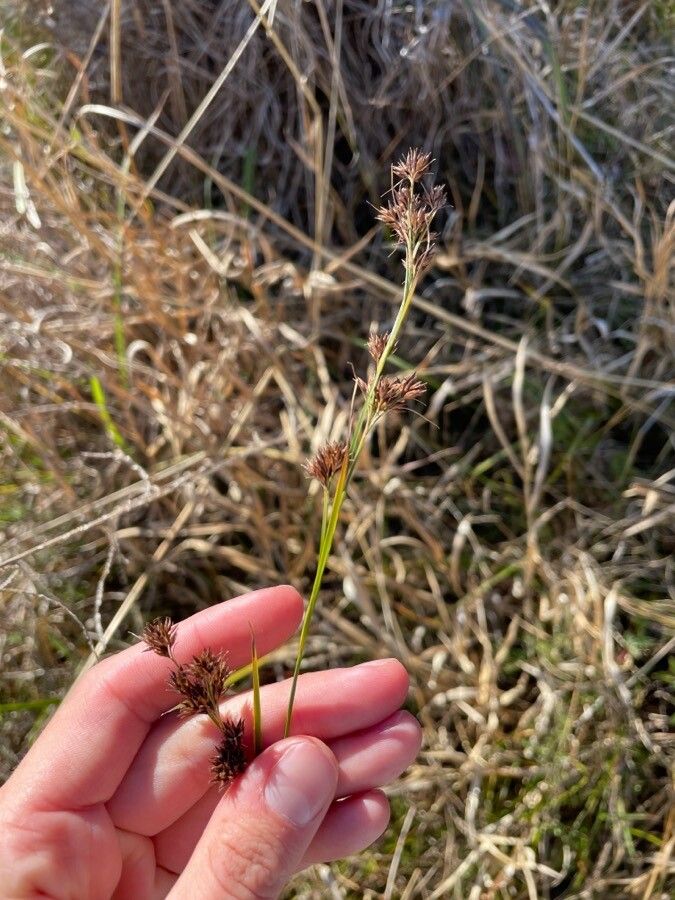
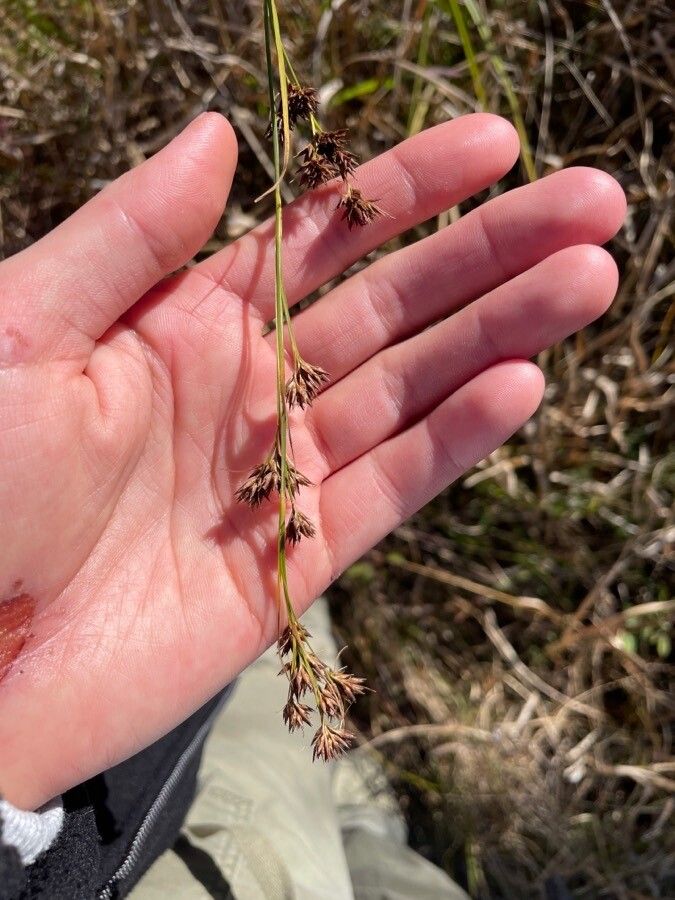
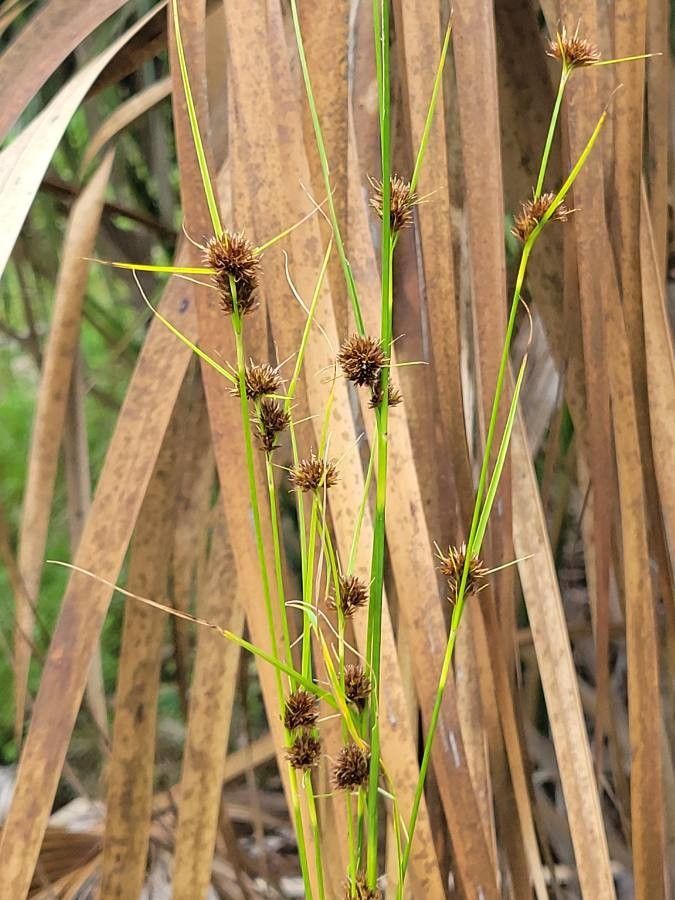
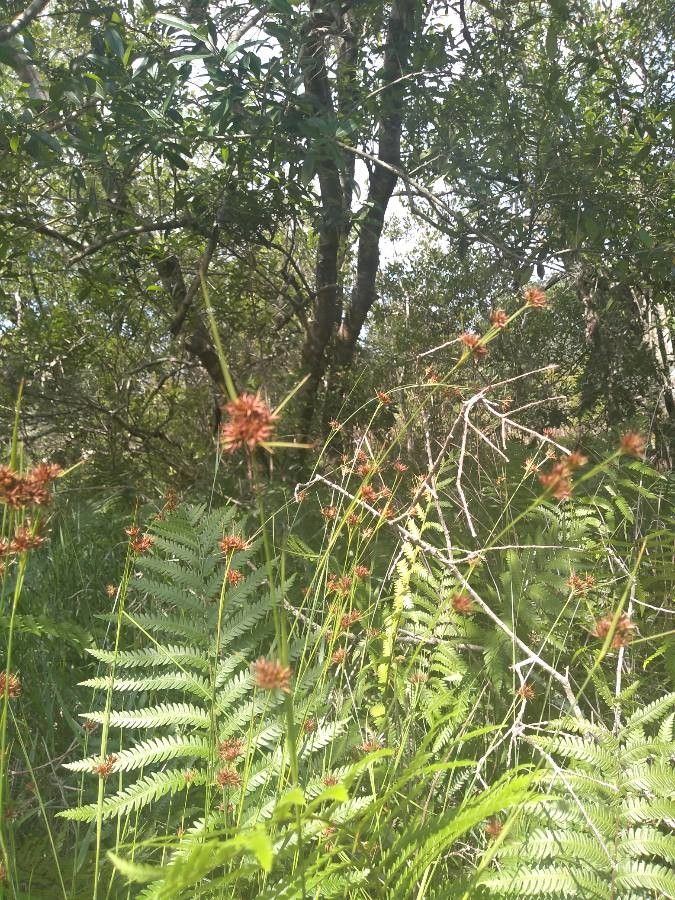
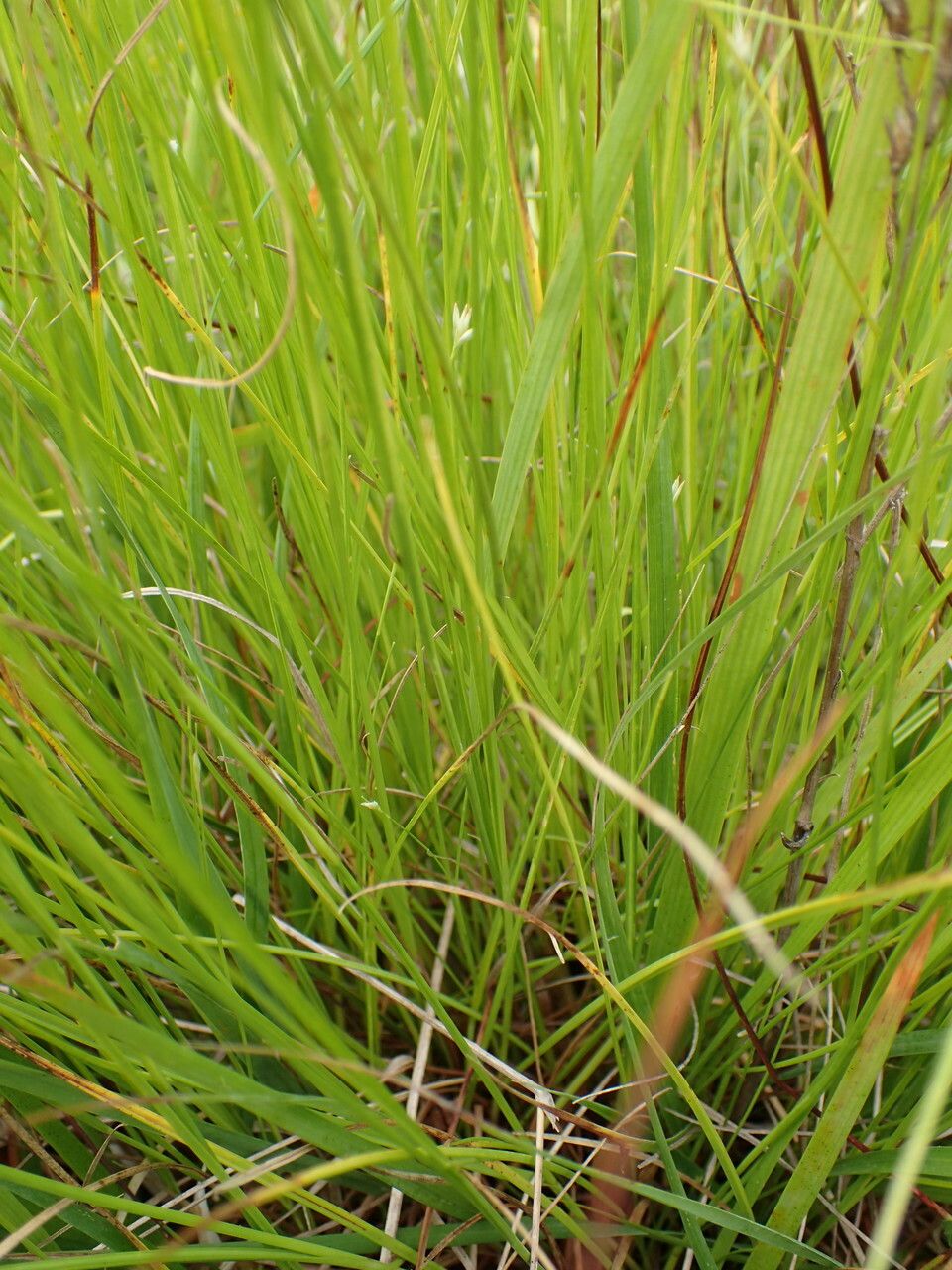
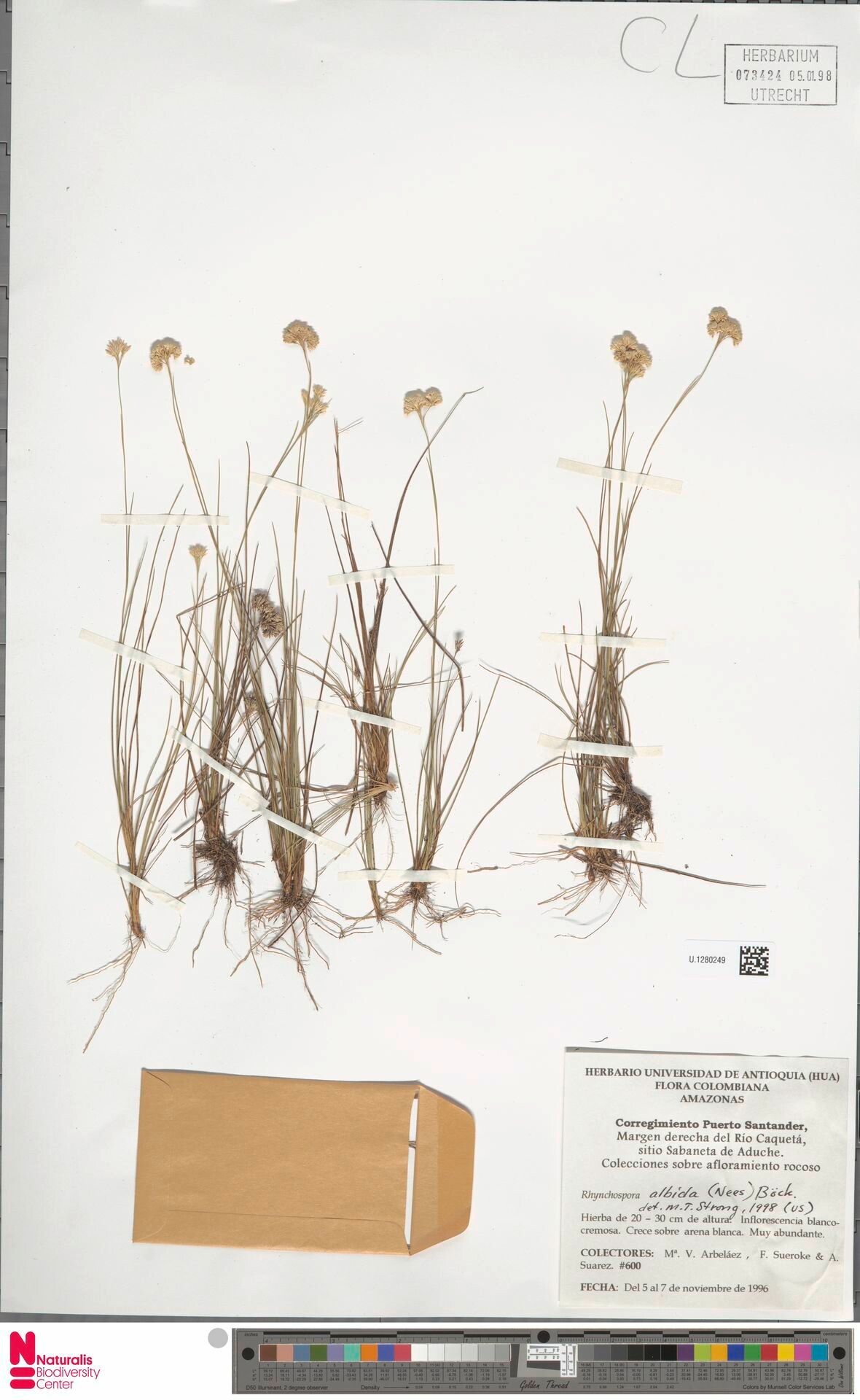
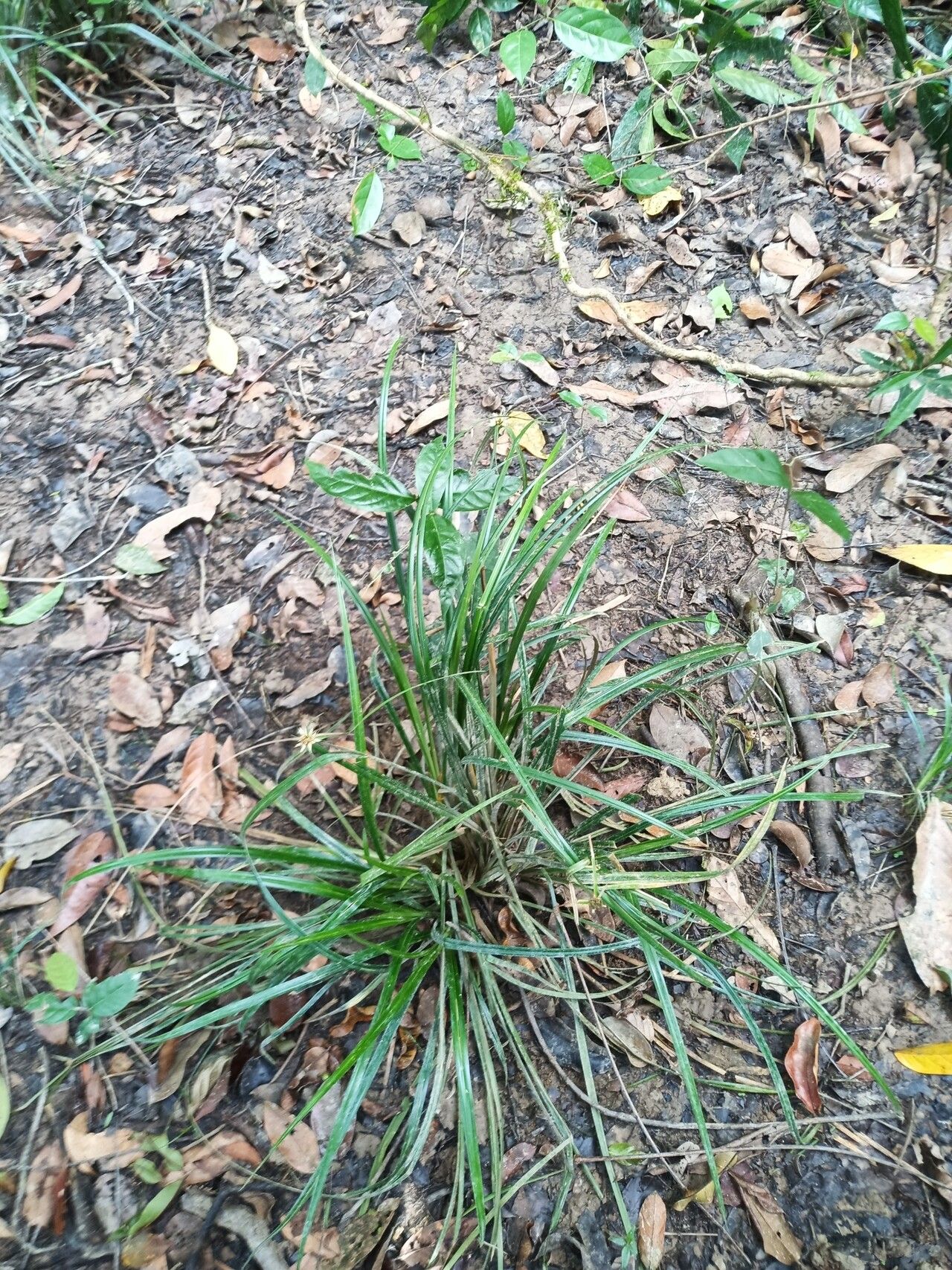
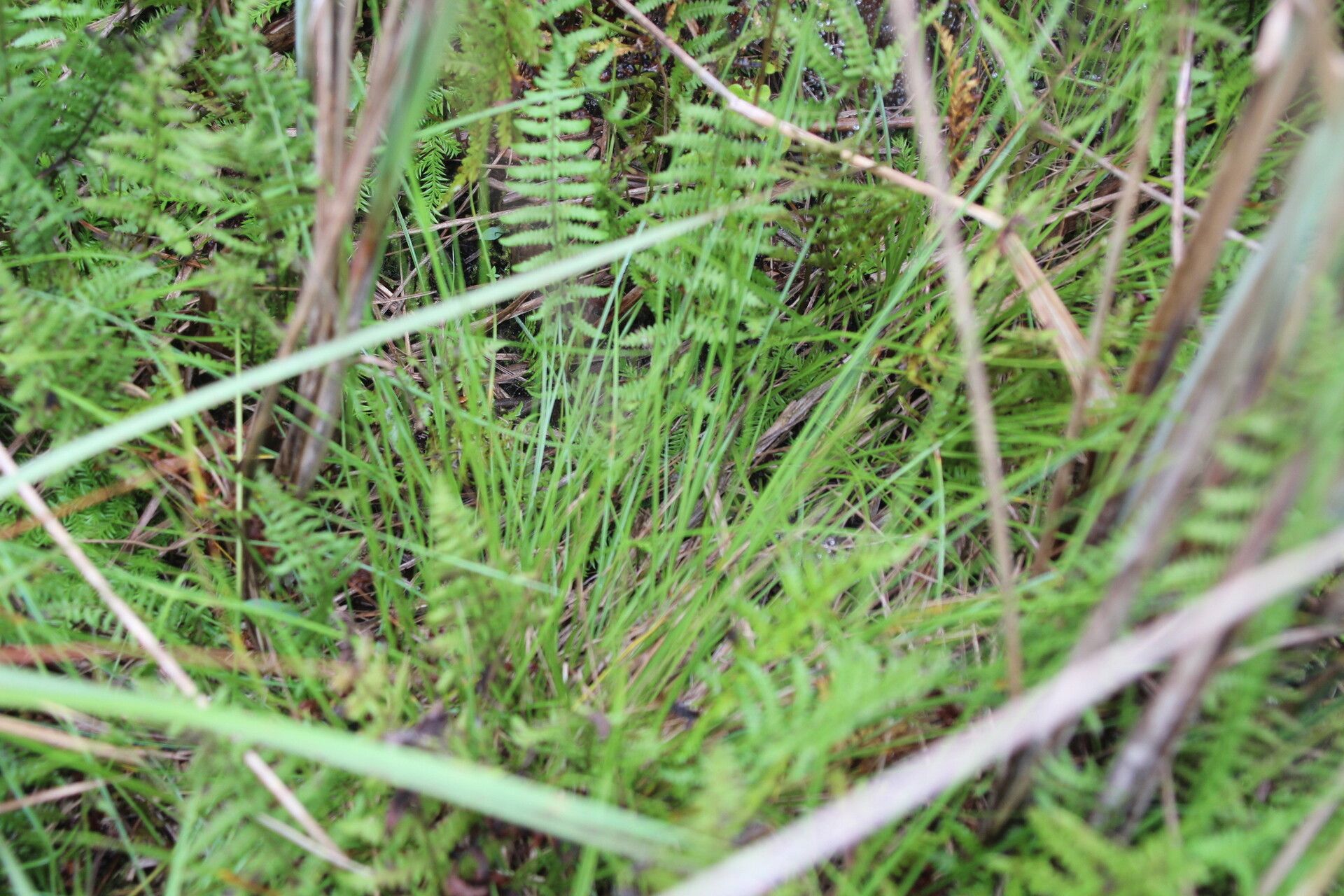
Rhynchospora fascicularis, commonly known as clustered beaksedge, is a perennial herbaceous plant that belongs to the family Cyperaceae. Native to North America, it thrives in wetlands such as marshes, swamps, and bogs. This plant features a slender stem that can grow up to 1 meter in height, adorned with long, narrow leaves. The inflorescence consists of clusters of spikelets at the end of each stem, containing small flowers with bracts at their base. Rhynchospora fascicularis plays a crucial role in wetland ecosystems by providing habitat for various species, including birds and insects. Additionally, it helps prevent soil erosion by stabilizing the soil with its roots. The plant has been utilized for medicinal purposes by Native Americans, who used it to treat ailments such as fever, diarrhea, and dysentery. Overall, Rhynchospora fascicularis is an essential component of wetland ecosystems, offering both ecological benefits and medicinal properties. Its value underscores the importance of conservation efforts aimed at preserving this species.
Fascicled beaksedge has good disease resistance and is usually not susceptible to disease. Regarding care, this plant is fairly low-maintenance. Planted outdoors, it needs little watering, and larger specimens typically do not require pruning. Smaller specimens, however, should be pruned after they have finished blooming. Fascicled beaksedge is appropriate for anyone with an outdoor area, such as a garden or deck, and does not demand much care experience.
How to keep Rhynchospora Fascicularis.
Fertilizer
Fascicled beaksedge benefits from extra nutrients to encourage healthy new growth. In spring, adding compost around the base of the plant will effectively supply the nutrition it needs. Fertilizing helps support vigorous growth and improves the plant’s resistance to diseases and pests.
Pruning
Fascicled beaksedge thrives in moist habitats and is characterized by its clustered spikelets. To promote healthy growth, prune the plant in early spring using sterilized tools to remove any dead stems. This practice encourages denser foliage, helps maintain the plant's shape, and improves airflow, which reduces the risk of fungal infections.
Botanical profile.
- Plant Type
- Grass
- Life Cycle
- Perennial
- Genus
- Rhynchospora
- Family
- Cyperaceae
- Hardiness Zone
- 7-10
Other names.