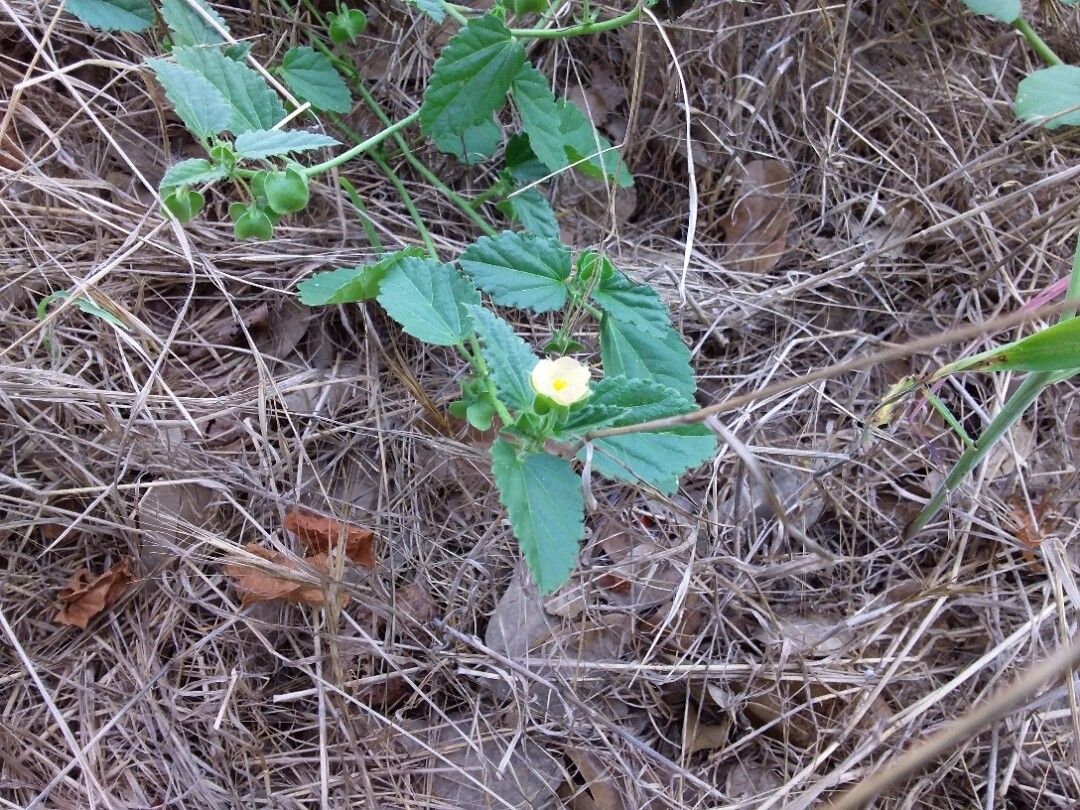
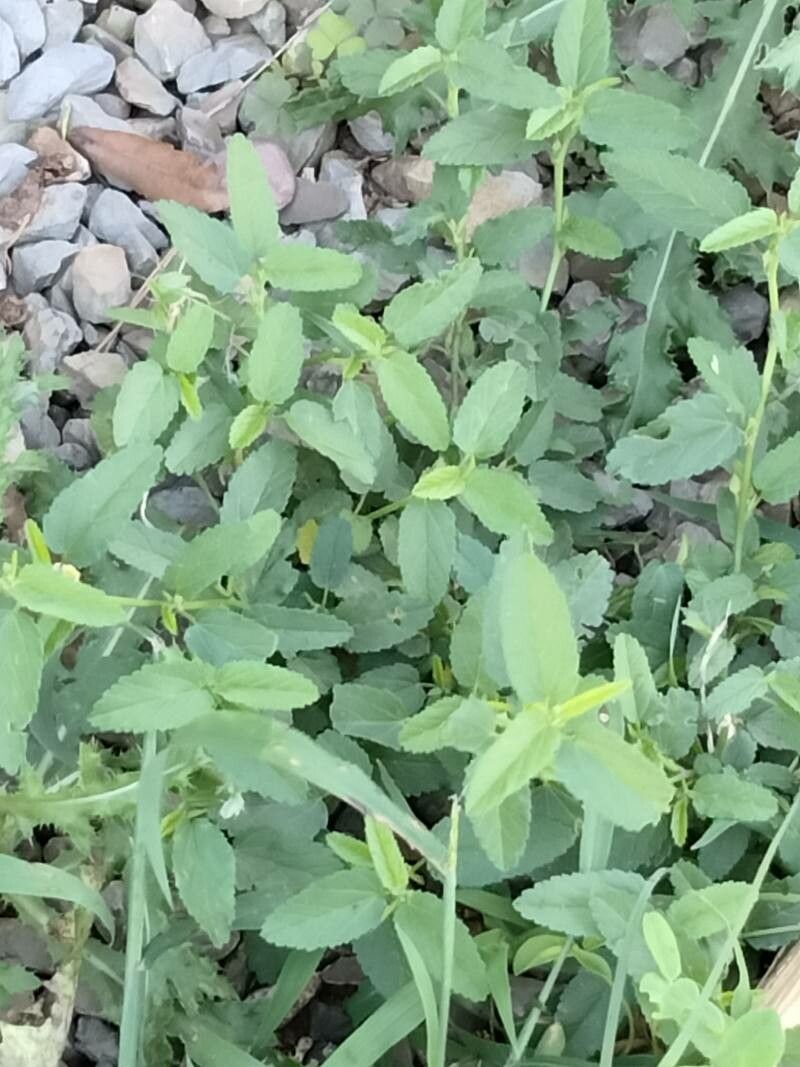
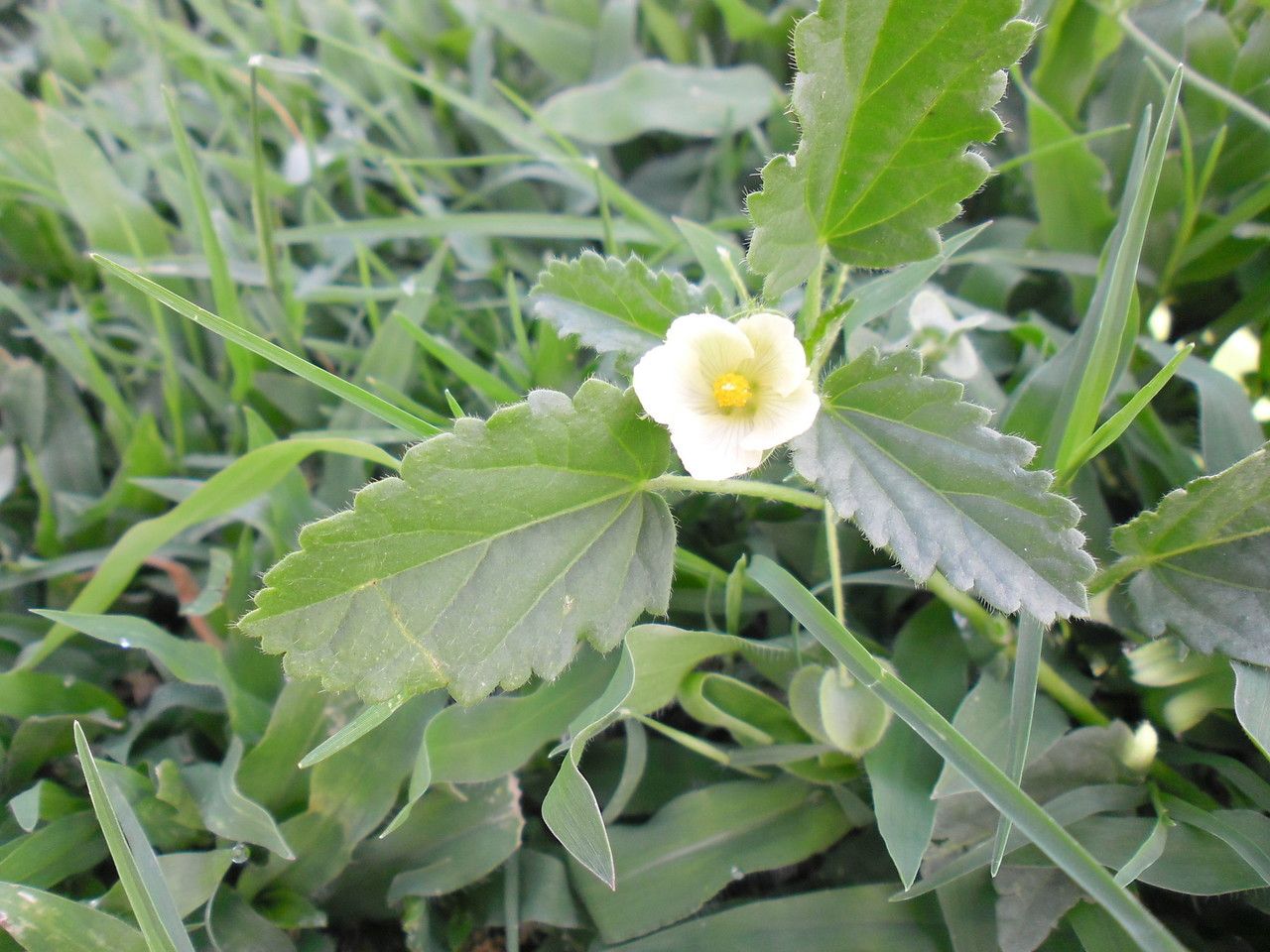
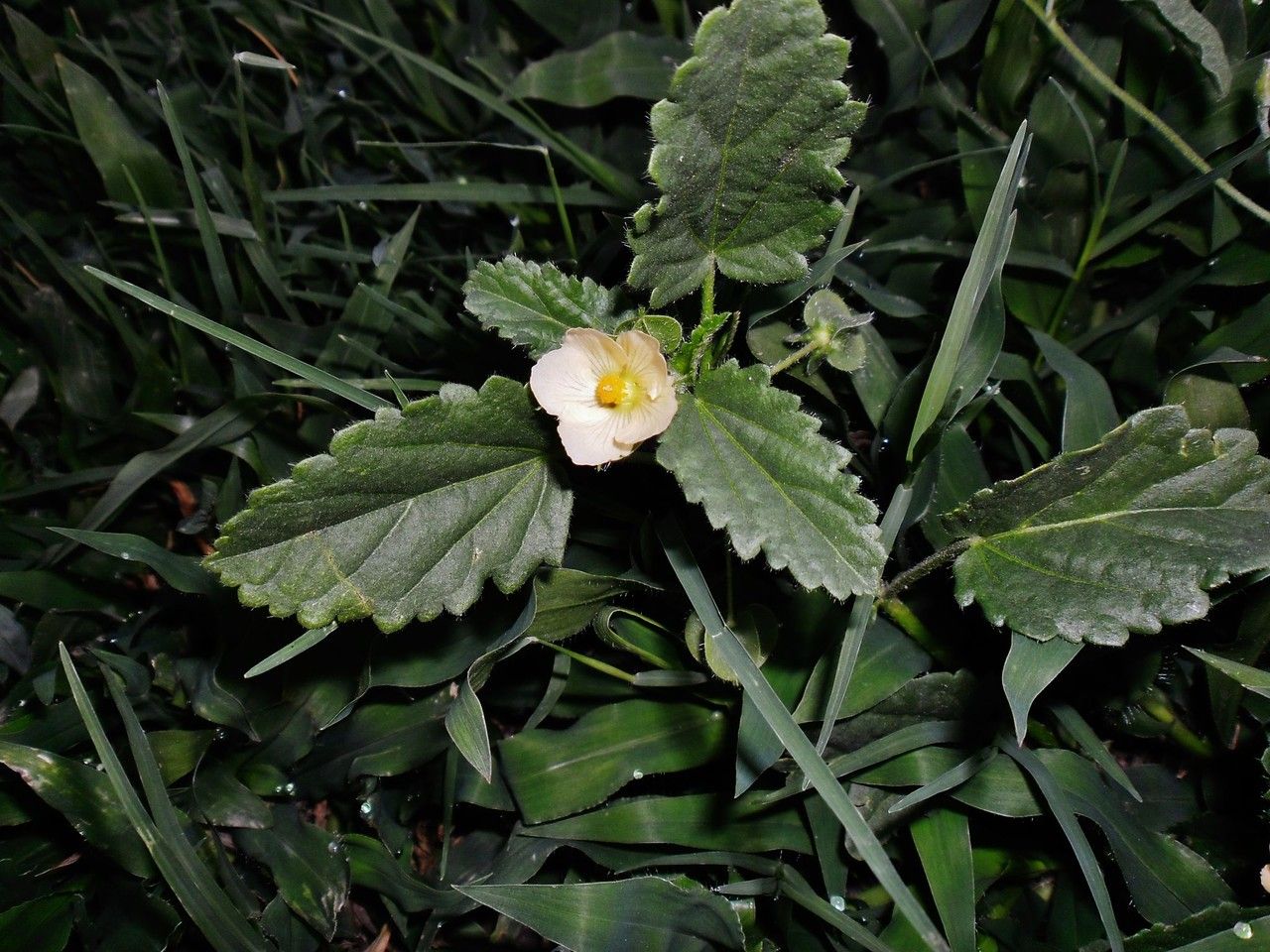
Rhynchosida physocalyx is a flowering plant species belonging to the family Gesneriaceae. It is native to the tropical rainforests of South America, particularly in Brazil, Colombia, Ecuador, and Peru. The plant typically grows as an epiphyte or lithophyte on rocks or trees and can reach up to 30 cm in height.
The leaves of Rhynchosida physocalyx are dark green and glossy with slightly serrated edges. The flowers are tubular, bright orange-red, and grow on long stalks that emerge from the base of the plant.
This species is highly valued by horticulturists for its attractive flowers, which bloom year-round under suitable conditions. It thrives in high humidity, moderate temperatures, and bright but indirect light.
Indigenous communities have traditionally used Rhynchosida physocalyx for its medicinal properties, particularly as an anti-inflammatory agent to treat skin conditions such as eczema and psoriasis.
Overall, Rhynchosida physocalyx is an attractive ornamental plant that can add color to any indoor garden while also offering potential health benefits when used medicinally.
Buffpetal is fairly disease-resistant and generally not prone to illnesses. However, it can still be affected by pests and diseases present in its environment. Such infections are usually mild. For care, the plant needs moderate upkeep. Regular pruning is required to maintain a neat appearance and support healthy growth. Applying fertilizer can also encourage flowering. Buffpetal is suitable for anyone with an outdoor area, like a garden or patio, and does not demand extensive care experience. It may require additional attention when grown indoors.
How to keep Rhynchosida Physocalyx.
Light
Buffpetal is a perennial herbaceous plant that favors sunny conditions and comes from open habitats, commonly found in meadows and grasslands. It prefers full sun but can also tolerate partial sun.
Water
Originating from semi-arid regions, buffpetal is highly drought-tolerant and thrives with minimal moisture. It benefits from deep watering once a week and requires well-draining soil to prevent root rot, mimicking the dry conditions of its native xeric landscapes.
Temperature
Buffpetal comes from tropical areas where the climate is generally warm and humid. As a result, it is adapted to high temperatures and humidity. It is sensitive to sudden temperature changes and prefers a steady temperature environment, so avoiding indoor temperature fluctuations is important. It normally cannot tolerate cold and needs warmer conditions to grow. If the ambient temperature falls too low, the plant may stop growing or even die.
Fertilizer
Proper fertilization is essential for Buffpetal's health and appearance. Fertilize Buffpetal in summer, applying fertilizer once a month throughout the season. The nutrients fuel growth and maintain the plant's components. Fertilization improves Buffpetal's flower display, ensuring the best blooms.
Pruning
Buffpetal benefits greatly from strategic pruning, which helps improve its shape and overall health. The best time to prune is from early to late spring. During this period, remove any dead branches to improve air circulation and prevent disease. Additionally, gentle shaping encourages more abundant blooming. Consistent pruning also promotes new growth, resulting in a vigorous and appealing plant.
Botanical profile.
- Plant Type
- Herb, Shrub
- Life Cycle
- Perennial
- Genus
- Rhynchosida
- Family
- Malvaceae
- Hardiness Zone
- 9-11
- Mature Height
- 40 cm
- Mature Spread
- 30 cm
- Leaf Color
- Green
- Leaf Type
- Deciduous
- Flower Color
- Yellow
- Flower Size
- 1.02 cm to 1.52 cm
- Bloom Time
- Late spring, Summer, Fall
- Planting Time
- Spring
- Harvest Time
- Mid summer, Late summer, Fall, Early winter
- Native Area
- Brazil, Mexico, Bolivia
Other names.
Reader questions.
What are the sunlight requirements for Buffpetal?
Buffpetal, or Rhynchosida physocalyx, is a perennial herbaceous plant that thrives in full sun conditions, requiring more than 6 hours of sunlight daily. It can also tolerate partial sun, which means about 3-6 hours of sunlight per day. For the health and happiness of your plants, it's important to observe how sunlight moves through your garden over time and select planting locations that provide an ideal balance of light and shade.
How can artificial lighting be used for Buffpetal?
When natural sunlight is not enough for Buffpetal, especially indoors, artificial lighting provides a viable alternative for optimal growth. Indoor plants thrive under LED lights, which can be tailored to emit specific light wavelengths needed by plants. The recommended artificial light intensity varies: 30-50W/sq ft for full sun plants, 20-30W/sq ft for partial sun plants, and 10-20W/sq ft for full shade plants. The artificial light source should be placed 12-36 inches above the plant and kept on for 8-12 hours daily to mimic natural sunlight conditions.
What are the symptoms of insufficient light for Buffpetal?
Buffpetal shows several symptoms when it does not receive enough light, including small leaves, leggy or sparse growth, faster leaf drop, slower or no new growth, and lighter-colored new leaves. Additionally, too much light can cause chlorosis, sunscald, leaf curling, wilting, and leaf scorching. These symptoms are indicators that the plant is struggling with its light environment, either needing more light or being overexposed to it.
How can I ensure Buffpetal gets enough sunlight?
To ensure Buffpetal receives enough sunlight, gradually move it to sunnier locations, aiming for at least 6 hours of direct sunlight daily for outdoor plants. For indoor plants or those difficult to move, consider using artificial lighting, such as desk lamps or professional grow lights, for at least 8 hours daily. If plants are already outdoor but in shaded areas, consider reducing obstructions by pruning trees or transplanting the plants to sunnier spots. It's crucial to make these changes gradually to prevent sunburn and ensure the healthy growth of new foliage.