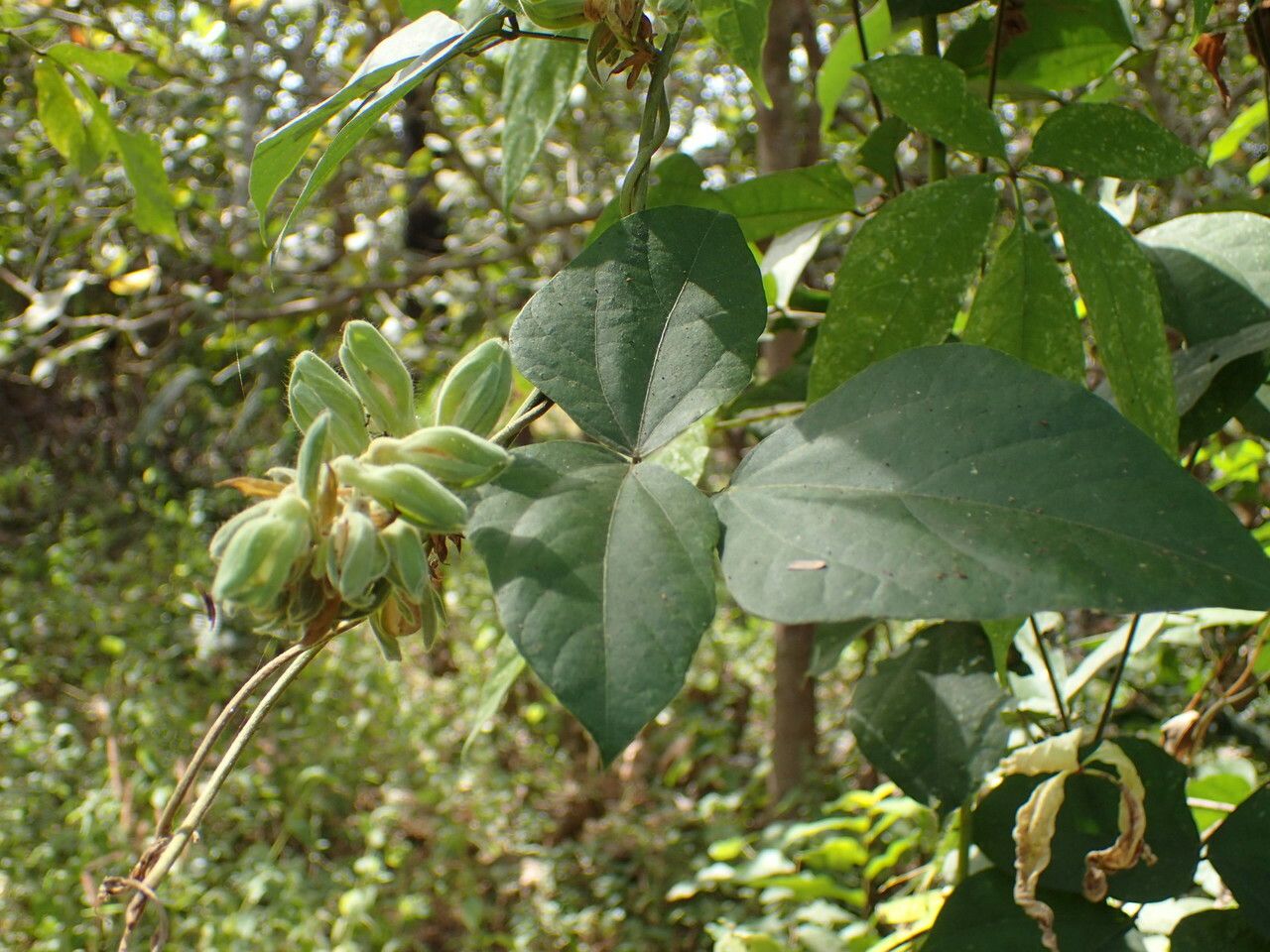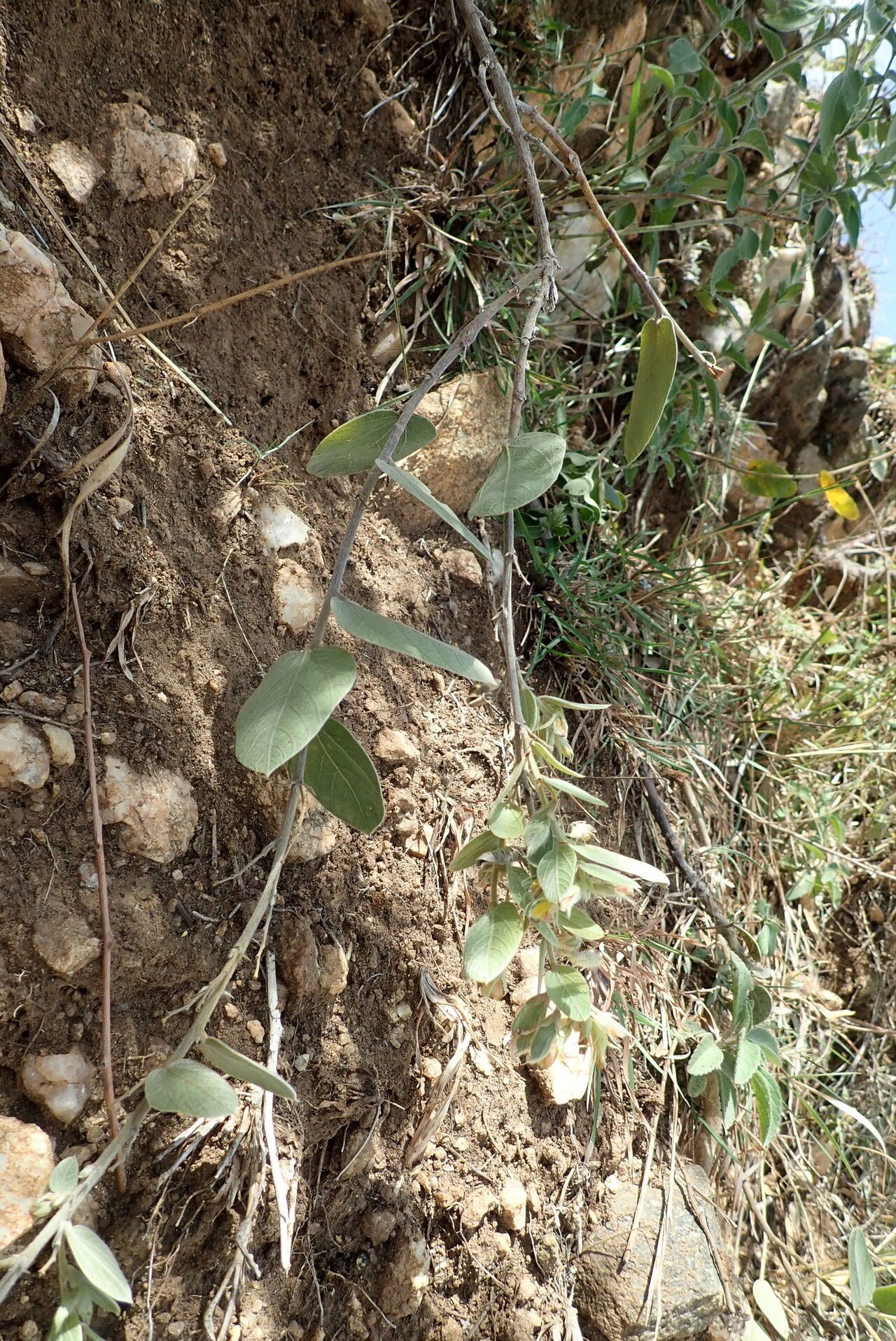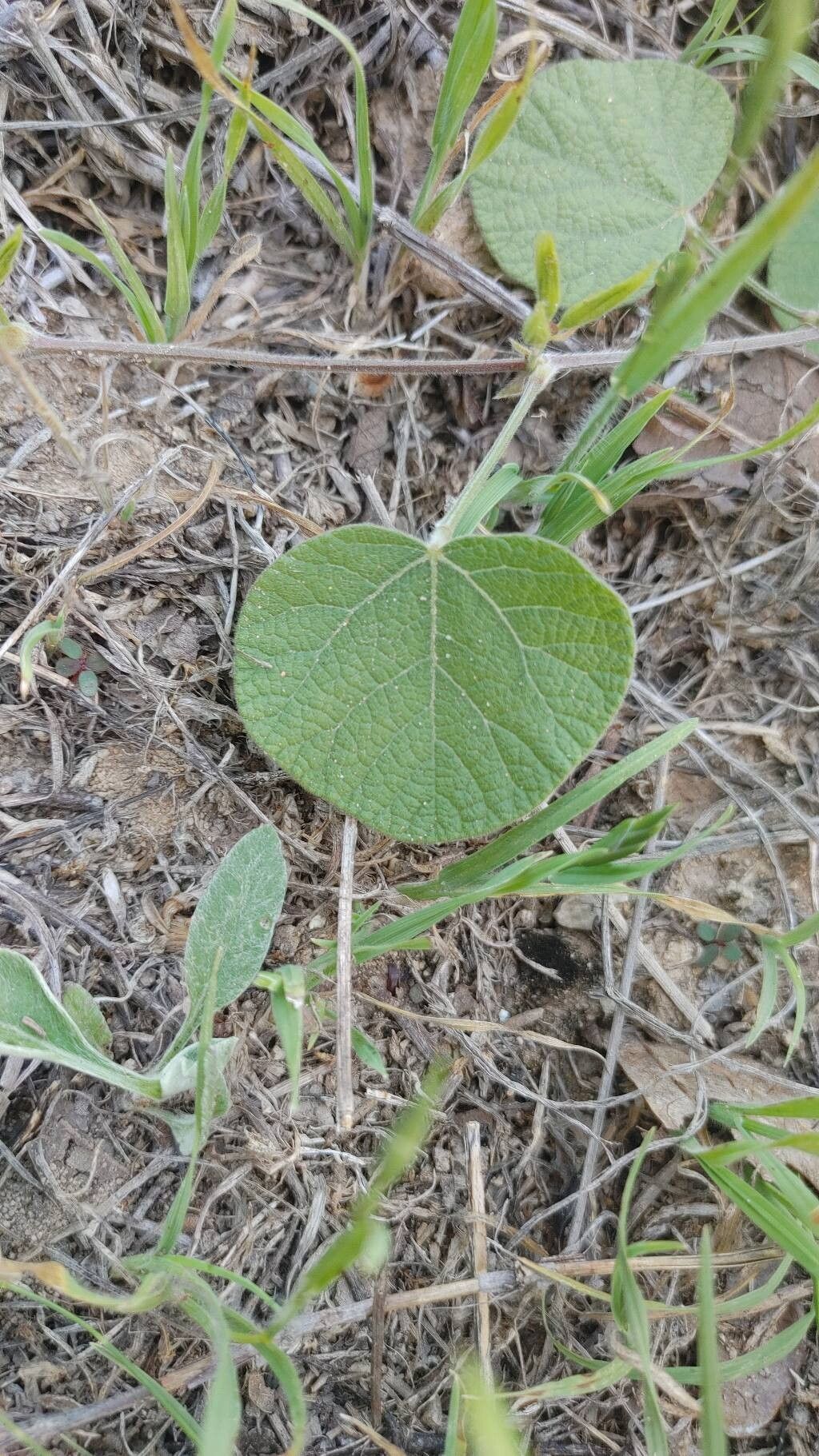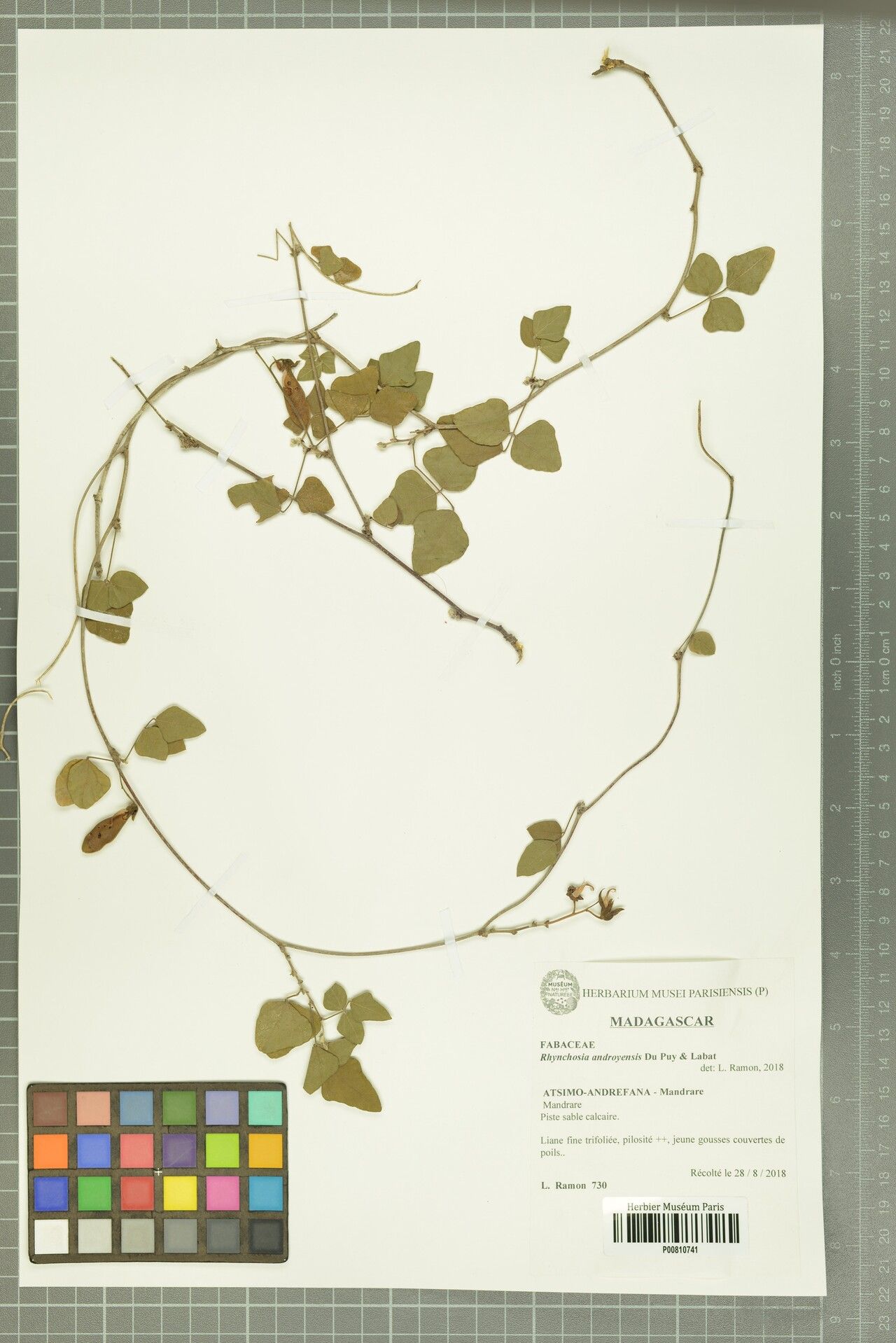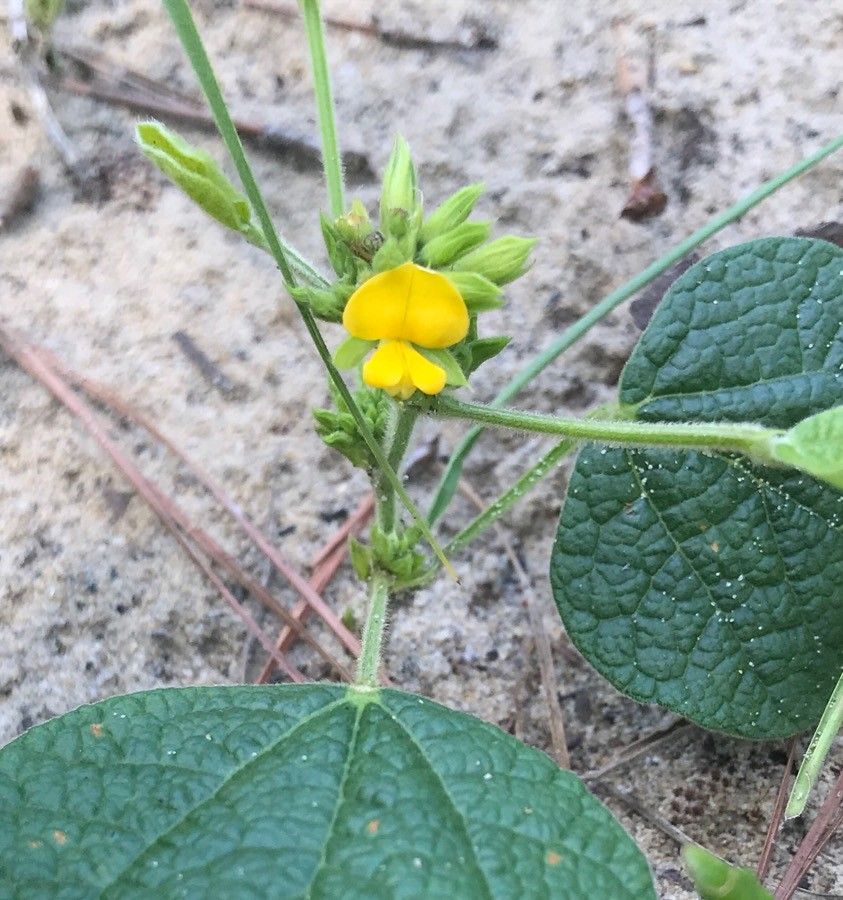
Rhynchosia reniformis, commonly known as dollarweed or dollarweed snoutbean, is an herbaceous perennial vine endemic to the southeastern United States.
Dollarleaf has good resistance to disease and is generally not prone to illnesses. However, it can be susceptible to pests and diseases that occur in its surroundings; these issues are usually not severe. In terms of care, the plant needs a medium level of maintenance. It should be pruned regularly to maintain a tidy appearance and healthy growth. Fertilization can also help encourage flowering. Dollarleaf is suitable for anyone with outdoor space, such as a garden or patio, and does not require extensive care experience. It may need more attention when grown indoors.
How to keep Rhynchosia Reniformis.
Light
Dollarleaf is a perennial herb that flourishes in sunny environments and is native to open ecosystems, frequently seen thriving in meadows and grasslands. Its favored sunlight conditions are full exposure, however, it can still thrive under partial sun exposure.
Temperature
Dollarleaf is known for its strong adaptiveness to heat, capable of withstanding elevated temperatures and significant temperature fluctuations. In hot conditions, it's crucial to monitor its water needs and supply suitable shade to avert sun scorch. Conversely, Dollarleaf shows a comparatively lesser ability to endure cold climates. Though it can cope with a certain amount of cold, extremely low-temperature surroundings may result in frost harm.
Fertilizer
Applying fertilizer once in the spring is typically enough for Dollarleaf, though you can boost growth by fertilizing more frequently. Apply it every month to six weeks. Fertilization improves the look and functionality of the leaves, encouraging steady color and a healthy texture. It also promotes the development of roots and the absorption of nutrients, contributing to the overall wellbeing of the plant in the long run.
Pruning
Dollarleaf features heart-shaped leaves and benefits from early spring pruning to enhance its shape and growth. Remove any dead or damaged stems, and trim overgrown areas to improve air circulation and prevent disease. Always use sharp, clean tools to avoid causing any damage to the plant.
Botanical profile.
- Plant Type
- Vine, Herb
- Life Cycle
- Perennial
- Genus
- Rhynchosia
- Family
- Fabaceae
- Hardiness Zone
- 8-11
- Mature Height
- 30 cm to 61 cm
- Mature Spread
- 30 cm to 49 cm
- Leaf Color
- Green, Dark Green
- Leaf Type
- Deciduous
- Flower Color
- Yellow
- Flower Size
- 1.02 cm to 1.52 cm
- Bloom Time
- Late spring, Summer
- Planting Time
- Spring, Summer, Autumn
- Harvest Time
- Mid summer, Late summer, Early fall, Mid fall