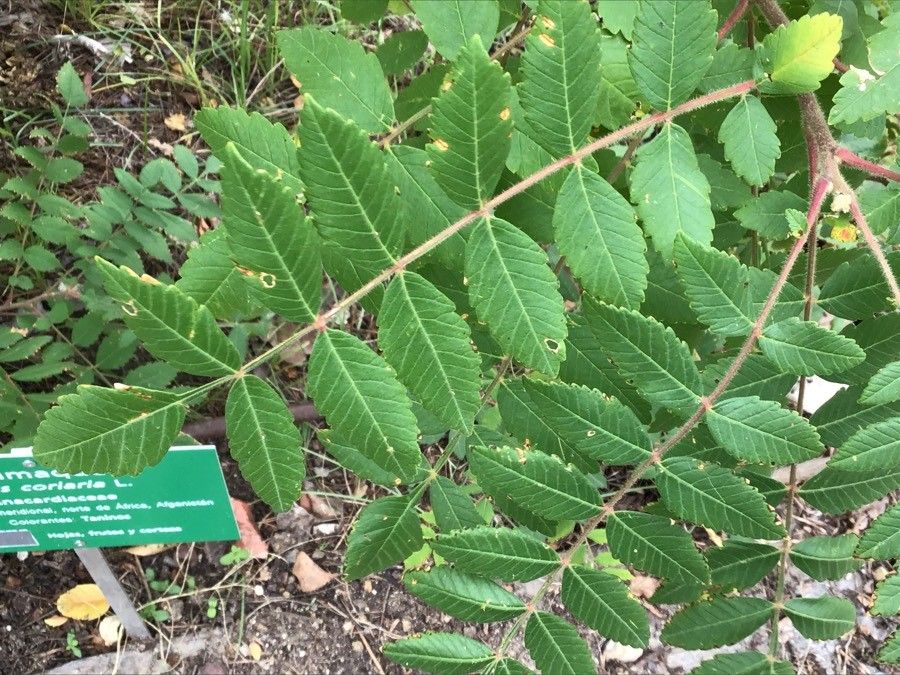
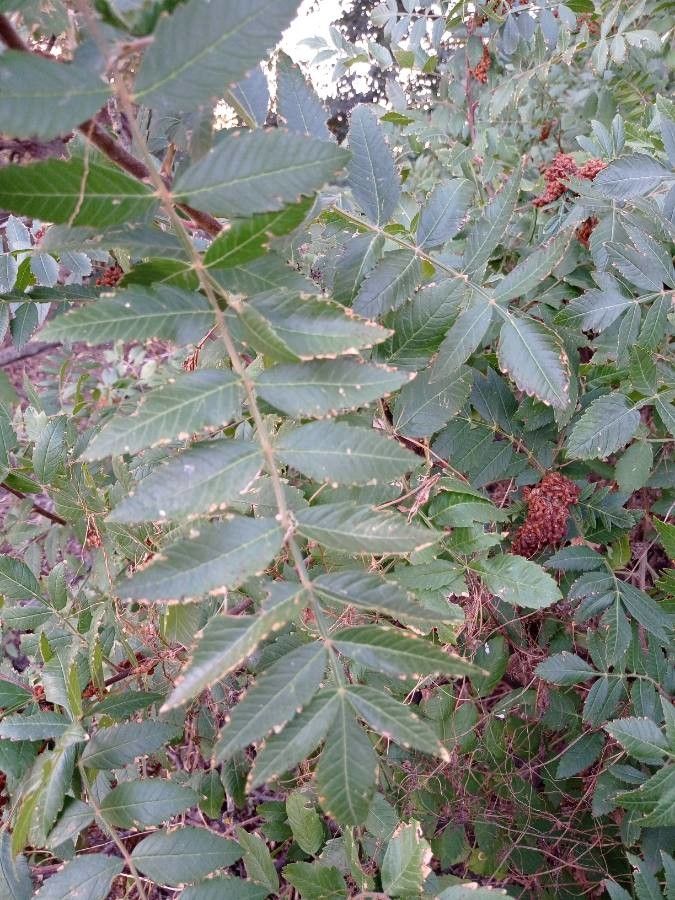
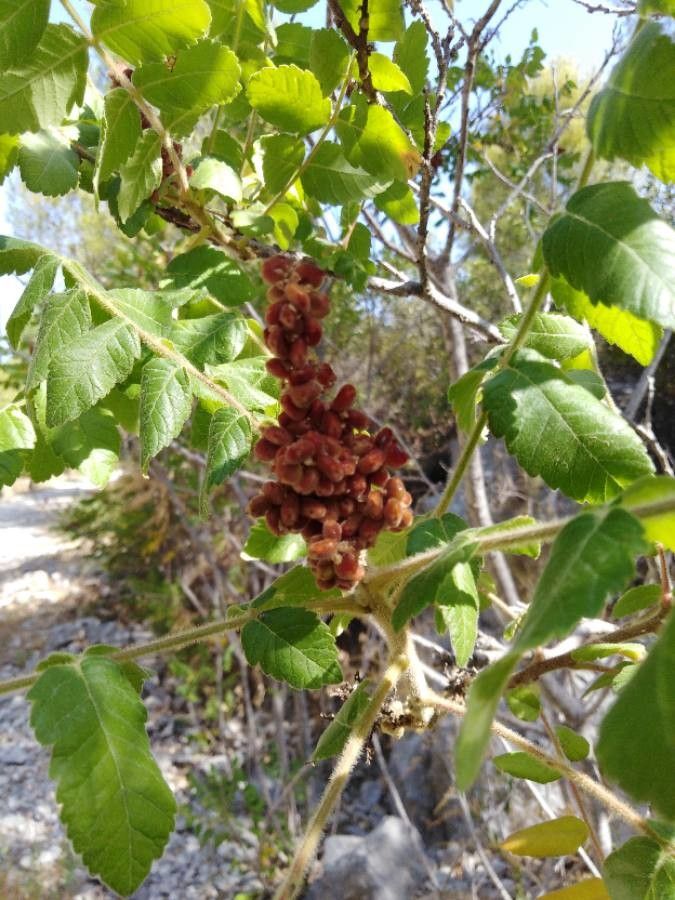
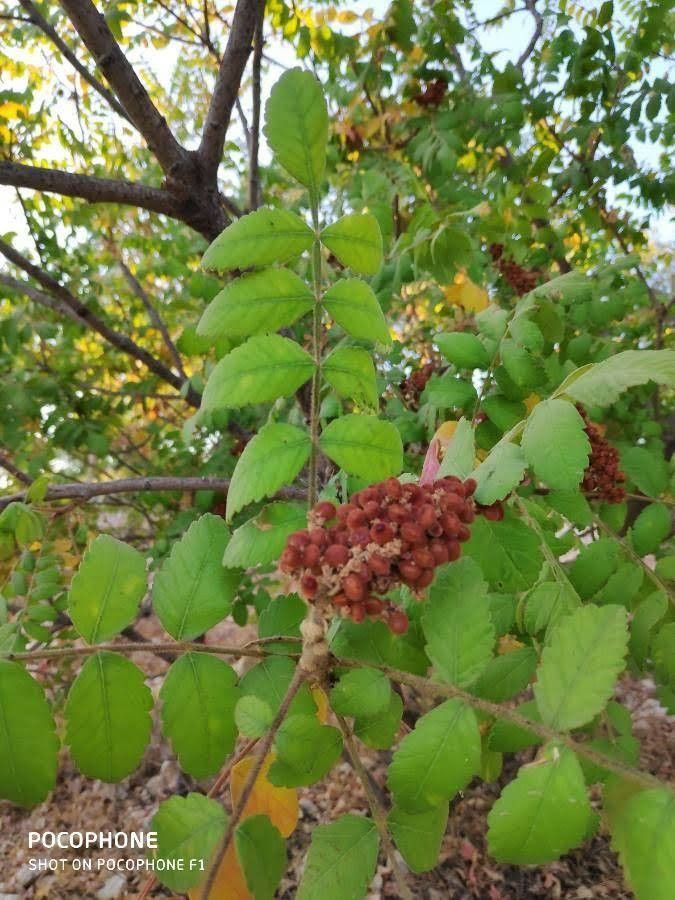
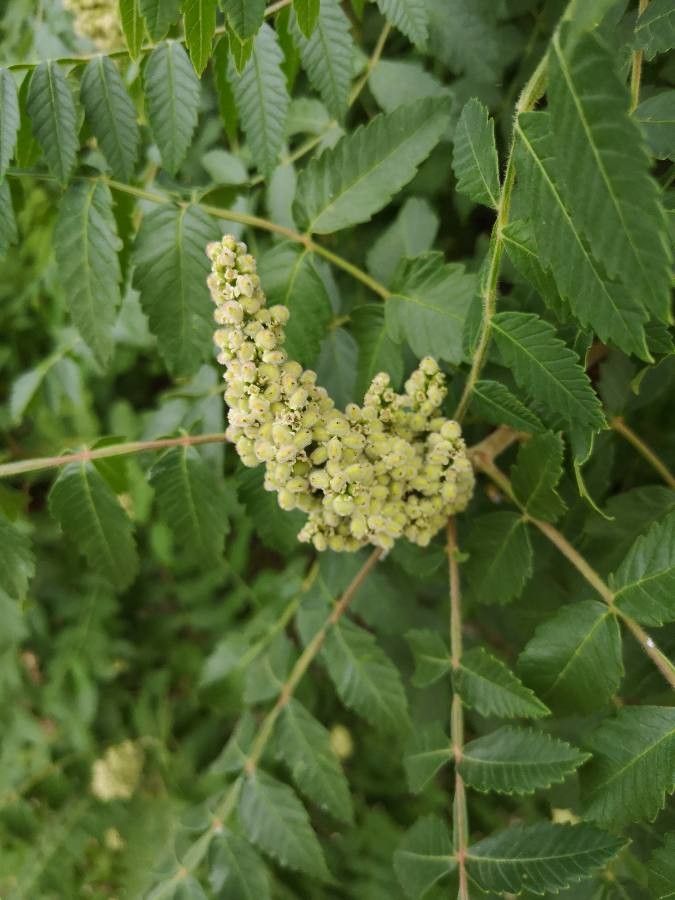
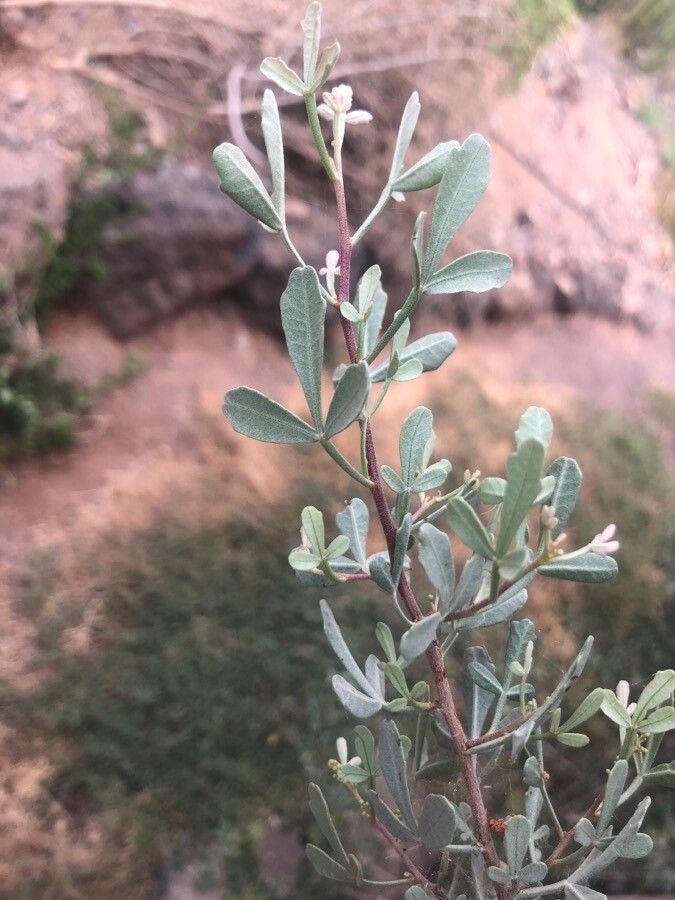
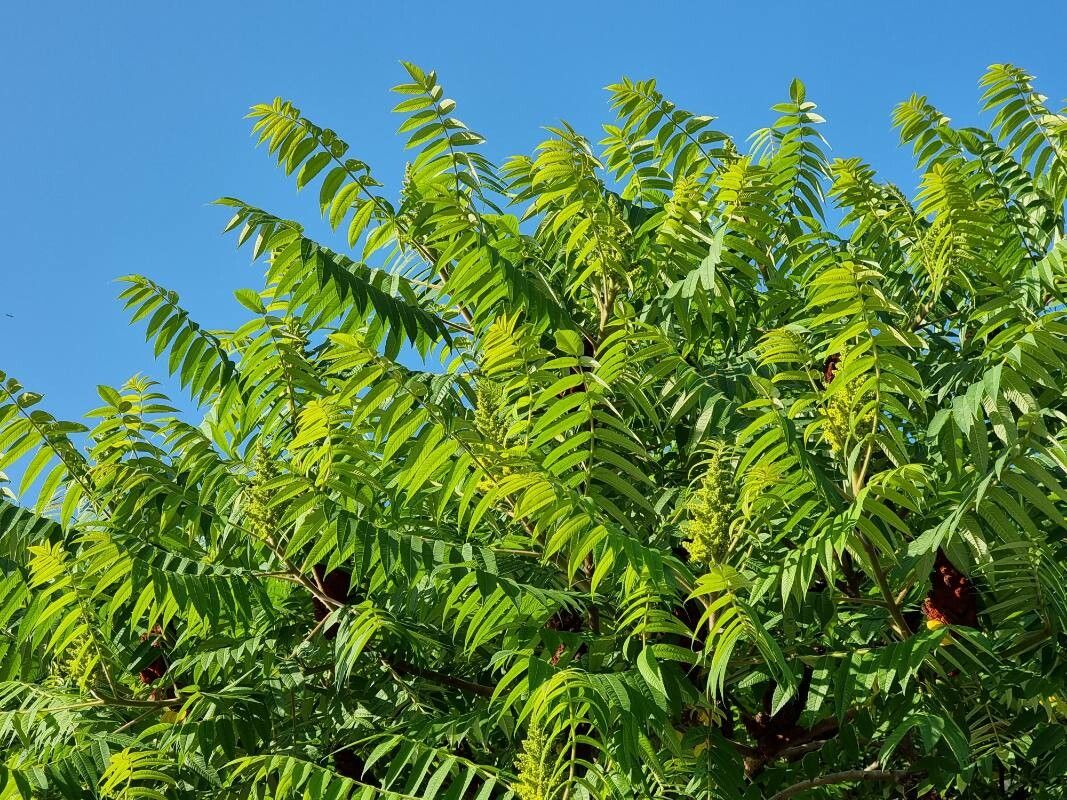
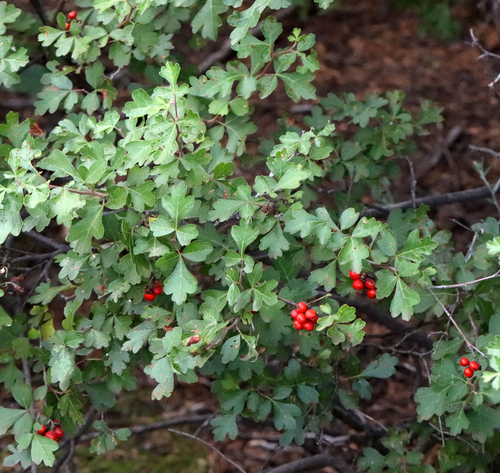
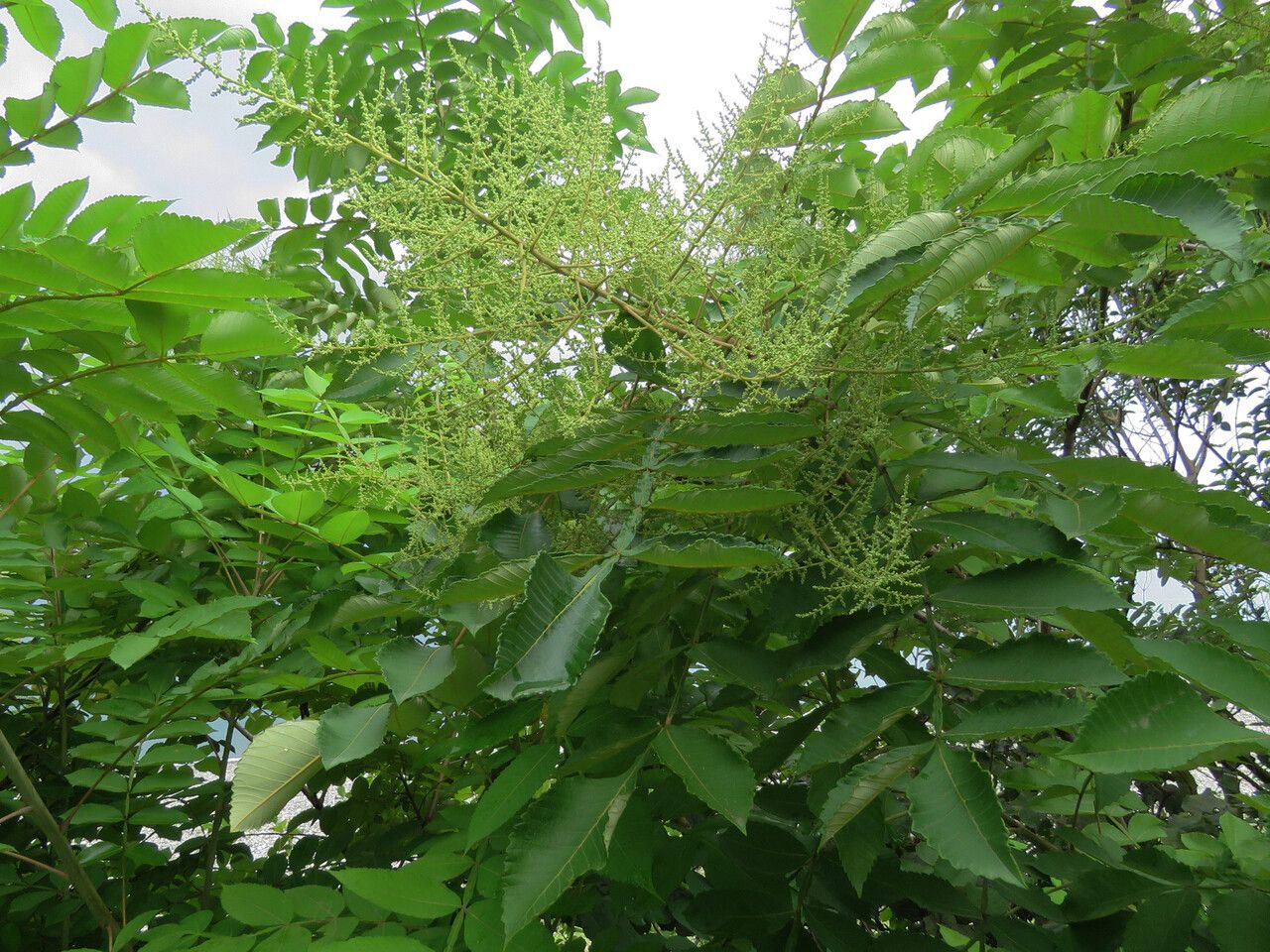
Rhus coriaria, commonly called Sicilian sumac, tanner's sumach, or elm-leaved sumach, is a deciduous shrub to small tree in the cashew family Anacardiaceae. It is native to southern Europe and western Asia. The dried fruits are used as a spice, particularly in combination with other spices in the mixture called za'atar.
Sicilian sumac shows strong resistance to disease and is generally not susceptible to illnesses. In terms of care, this plant is fairly low-maintenance. When grown outdoors it needs minimal watering, and larger specimens typically do not require pruning. Smaller plants, however, should be pruned after they have finished blooming. Sicilian sumac is suitable for anyone with outdoor space, such as a garden or a deck, and does not demand much gardening experience.
How to keep Rhus Coriaria.
Light
Sicilian sumac naturally thrives in broad areas exposed to direct, unshaded sunlight. Its development and well-being rely on this sun exposure, as shown by the sunlit fields of its origin. However, although it can tolerate less bright conditions, too little or too much sunlight may reduce its vigor.
Water
Sicilian sumac is well-suited to Mediterranean climates, as it flourishes with very little water and demonstrates high drought tolerance. It only needs to be watered once every three weeks. During dry spells, its deep root system helps it tap into moisture from deeper soil layers.
Humidity
This plant will thrive in moderate humidity, which is probably the level in your home. However, misting it a few times a week can be very beneficial. Make sure the room has good ventilation.
Temperature
Sicilian sumac originates from temperate regions and grows optimally when temperatures range from 59 to 100.4 °F (15 to 38 ℃). During colder months, it is recommended to keep ambient temperatures close to that range.
Fertilizer
Timing is important when fertilizing Sicilian sumac. Fertilize in early spring and continue once a month until early summer. Fertilizer promotes lovely blooms and supplies energy during both dormant and active growth phases.
Pruning
Sicilian sumac has aromatic leaves and red fruit, and it benefits greatly from strategic pruning in early spring. To improve its health and appearance, remove any dead branches and thin out overcrowded areas to enhance air circulation. Be sure to use sharp, sterilized tools to prevent disease, which will promote robust growth and enhance the landscape's overall appeal.
Botanical profile.
- Plant Type
- Shrub
- Life Cycle
- Perennial
- Genus
- Rhus
- Family
- Anacardiaceae
- Hardiness Zone
- 8-11
- Mature Height
- 10.06 m
- Mature Spread
- 3.05 m to 4.88 m
- Leaf Color
- Green, Blue
- Leaf Type
- Deciduous
- Flower Color
- Yellow
- Flower Size
- 5.08 cm to 30.48 cm
- Bloom Time
- Early summer, Mid summer
- Planting Time
- Spring, Summer, Autumn
- Harvest Time
- Late summer, Early fall, Mid fall
- Native Area
- Turkey, Montenegro, Croatia, Uzbekistan, Russia, Iraq, France, Tajikistan, Bulgaria, Cyprus, Armenia, Greece, Lebanon, Afghanistan, Syria, Italy, Iran, Albania, Azerbaijan, Algeria, Turkmenistan
Other names.
Reader questions.
How should I water my Sicilian sumac plant in the best way?
To ensure excellent root development in your plants, it's best to place a garden hose at the base. Avoid spraying the leaves directly, especially if they are outdoors and exposed to direct sunlight, as they may need more watering. You can use bubblers or soaker hoses to moisten the roots, either individually for each plant or for the entire garden or bed. When adding or removing plants, make sure to water deeply to help the roots grow deeply too. After watering, drain any excess water and wait for the soil to dry before watering again. Watering at ground level is recommended to prevent diseases. On sunny days, you can spray the entire bush with water. Whether your Sicilian sumac is in a pot or in the ground, remember that it prefers deep watering rather than light sprinkling.
What are the sunlight requirements for Sicilian sumac?
Sicilian sumac requires full sun, defined as more than 6 hours of sunlight daily, to thrive optimally. It originates from sun-drenched regions, attesting to its need for expansive, unobstructed beams of sunlight for growth and health. While it can endure less radiant conditions to some extent, Sicilian sumac's vitality may be compromised by either insufficient or excessive sunlight. It's important to observe the movement of sunlight through your garden to choose spots that offer a perfect balance of light and shade, ensuring the plants' happiness.
What is the ideal temperature range for Sicilian sumac?
Sicilian sumac thrives best in temperate climates, with an ideal temperature range between 59 to 100.4 °F (15 to 38 °C). During colder seasons, it's recommended to maintain ambient temperatures around this range to ensure the plant's health.
What do I do if I give/get the Sicilian sumac too much/ too little water?
An overwatered Sicilian sumac may display yellowing leaves that eventually drop off and wilt. The plant may also appear dull and unhealthy, showing signs of mushy stems. If you observe these symptoms, it's best to adjust your watering schedule whenever possible. Wilting can also indicate under watering, which is characterized by crispy and dry leaves. In such cases, check the soil for dryness. If watering alone is not sufficient, give the plant a thorough watering in a timely manner. This will help the Sicilian sumac recover, although it may still exhibit yellow and dry leaves for a few days due to the damage to its root system. Once the plant returns to normal, the yellowing of leaves will cease. It's important to regularly check the moisture levels of the pot when your Sicilian sumac is indoors. Avoid overwatering and be on the lookout for black spots, as these can signal a need for the soil to dry out for a few days without watering. Overwatering can lead to root rot, in which case it may be necessary to transfer the plant to a different pot, especially if you observe discolored and slimy roots. Always take preventative measures to avoid root rot, and ensure that the soil does not become excessively soggy. When planting your Sicilian sumac outdoors, dig a little deeper and use your fingers to check the soil's moisture. If it feels too dry, it could be a sign of under watering. Adequate watering is crucial to help the plant recover.
What solutions are available for Sicilian sumac experiencing light deficiencies or excessive sunlight?
To address light deficiencies or excess in Sicilian sumac, indoor plants may be gradually moved to sunnier locations until they receive at least 6 hours of direct sunlight daily, using a south-facing window for maximum exposure. Artificial light can provide additional light if moving the plant isn’t feasible. For outdoor plants, it’s crucial to gradually adapt them to the best sunlight spot to prevent sunburn. Pruning obstructive branches and considering transplantation during dormant periods can also help. Note that damaged parts may not recover, but new growth will be healthy with adequate light adjustments.
How does Sicilian sumac respond to cold temperatures, and what protective measures should be taken?
Sicilian sumac has a moderate tolerance to cold temperatures and can generally withstand conditions above -5°C without any additional measures. However, if temperatures are expected to fall below -5°C, temporary protective measures such as wrapping the plant in plastic film, fabric, or other materials are necessary. These protections should be removed once temperatures rise again to prevent any potential damage to the plant.
How frequently should I water my Sicilian sumac?
The Sicilian sumac prefers deep watering with longer intervals. If planted in pots, it is important to water them thoroughly with a gallon of water each time, as the limited water storage in pots causes the soil to dry out faster. In cold regions, watering should be done every 3 to 5 days, ideally in the morning when the soil is dry. You can check if watering is needed by feeling the top 2-3 inches of soil - if it's dry, give the plant a full watering. During hot days, check the moisture daily as the heat can quickly dry out the soil in the pot. For gardens, irrigation is necessary, especially in hot climates, where watering once a week is recommended. Only water when the soil becomes too dry, about 2 to 3 inches deep. Be mindful of rainwater to prevent root rot - if there is enough rainfall, additional watering may not be necessary. Sicilian sumac grows during spring and fall, so adding mulch about 3 to 4 inches deep when the plants are outdoors can help conserve water. Sandy soil requires more frequent watering, while clay soil can go longer, around 2-3 days, without water to avoid root rot. Keeping track of watering dates and observing drooping leaves can help determine if watering needs adjustment.
What are the common symptoms of insufficient or excessive sunlight in Sicilian sumac?
Common symptoms of light deficiency in Sicilian sumac include small leaves, leggy or sparse growth, faster leaf drop, slower or no new growth, and lighter-colored or yellowing leaves due to chlorosis. Excessive sunlight can cause symptoms like sunscald, leaf curling as a defense mechanism to reduce water loss, wilting due to increased transpiration, and leaf scorching characterized by brown, dry, and crispy leaf edges. These symptoms highlight the plant’s struggle with adapting to its light environment.
What are the symptoms of Sicilian sumac exposed to low temperatures?
When exposed to temperatures below -10°C, Sicilian sumac's leaves may start to droop and, in severe cases, wilt and eventually fall off. The plant has a moderate tolerance to low temperatures and is best kept above 15°C to avoid these symptoms.
How much water does my Sicilian sumac plant need?
To properly water the Sicilian sumac, give it a gallon of water on a regular schedule. For potted plants, water deeply until water drips from the bottom of the pot, and wait for the soil to dry before watering again. Use a water calculator or moisture meter to track the amount given in a week. During the flowering period, provide plenty of water but allow the moisture to evaporate to prevent root rot. If the Sicilian sumac is planted outdoors with sufficient rainfall, it may not need extra watering. When it's young or newly planted, ensure it receives 1-2 inches of rain per week. As it grows, it can rely on rainfall alone. Only water it fully during hotter weather or if there is no rain for 2-3 weeks, preferably during cooler parts of the day to avoid heat damage. Additional watering will be necessary during extended dry periods.
How can artificial lighting benefit indoor Sicilian sumac plants?
Artificial lighting serves as a vital solution for indoor Sicilian sumac plants when natural sunlight is insufficient, especially during winter or in less sunny spaces. It can promote faster, healthier growth by providing adequate light. Opting for the right type of artificial light, such as LED lights, allows customization to supply specific light wavelengths needed by the plant. Correctly determining the artificial light’s distance (12-36 inches above the plant) and duration (mimicking natural daylight hours, generally 8-12 hours per day) can significantly benefit the plant's growth and health.
What steps should be taken if Sicilian sumac is damaged by frost?
If Sicilian sumac is damaged by frost, the frost-damaged parts of the plant should be trimmed off. To prevent further damage from low temperatures, wrapping the plant with materials such as non-woven fabric or craft cloth and constructing a wind barrier to protect it from the cold wind are effective solutions.