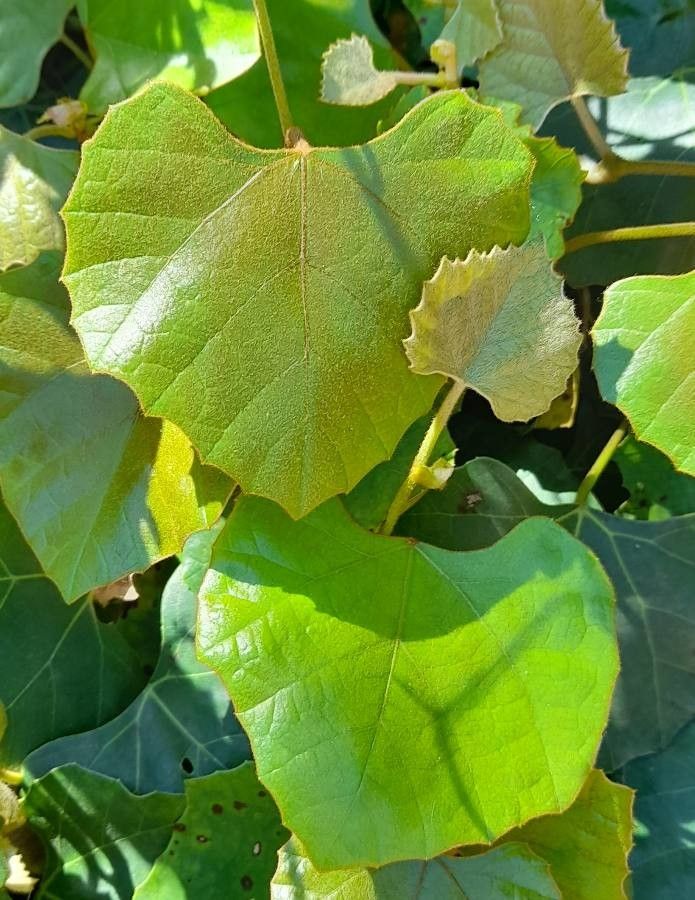
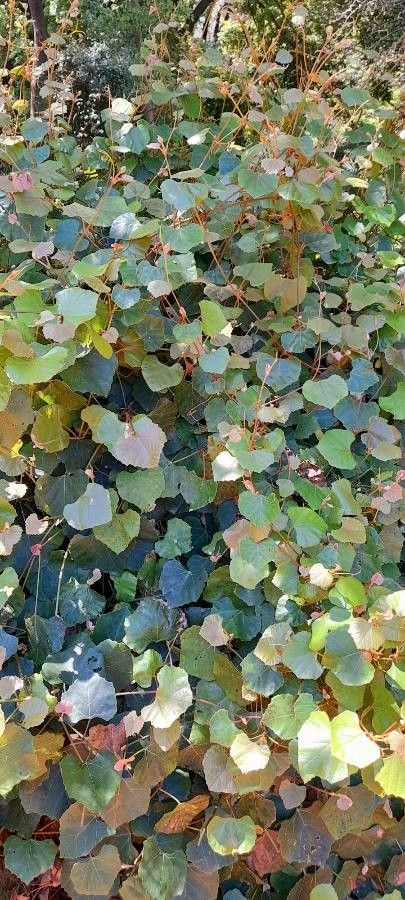
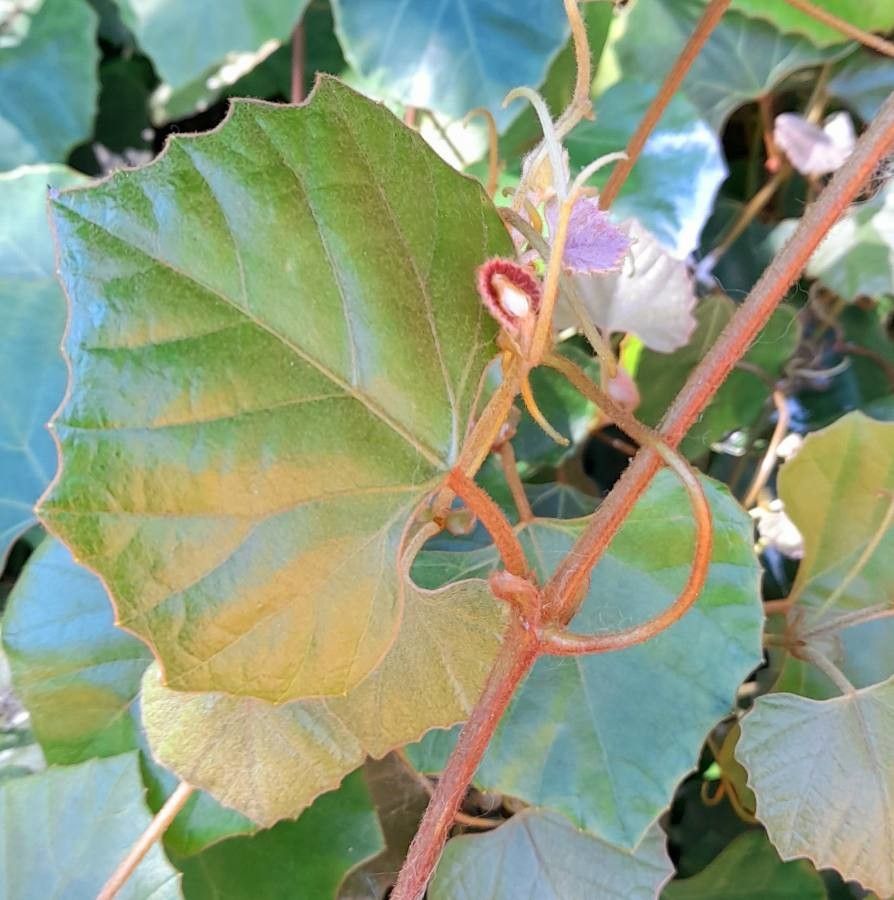
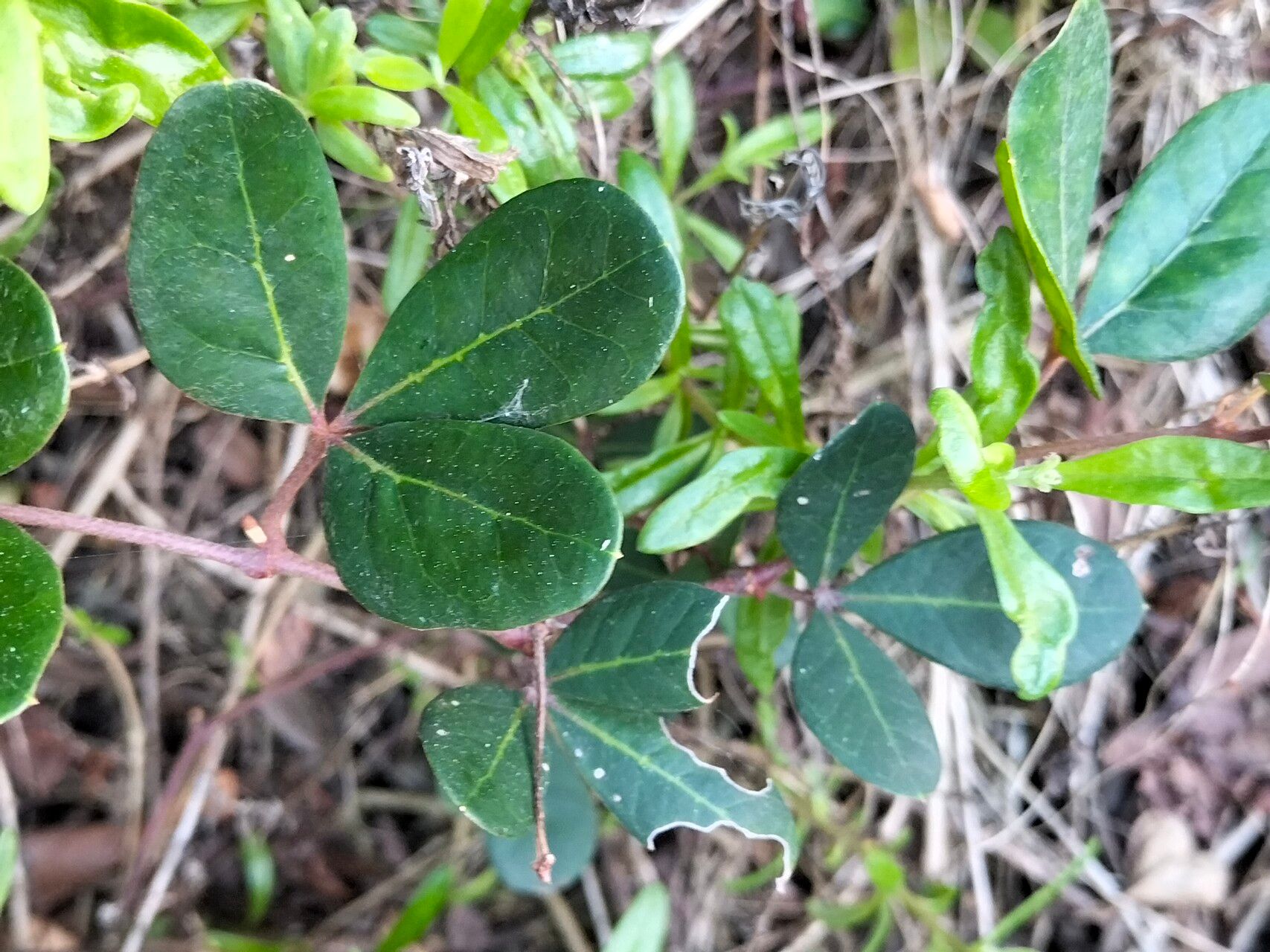
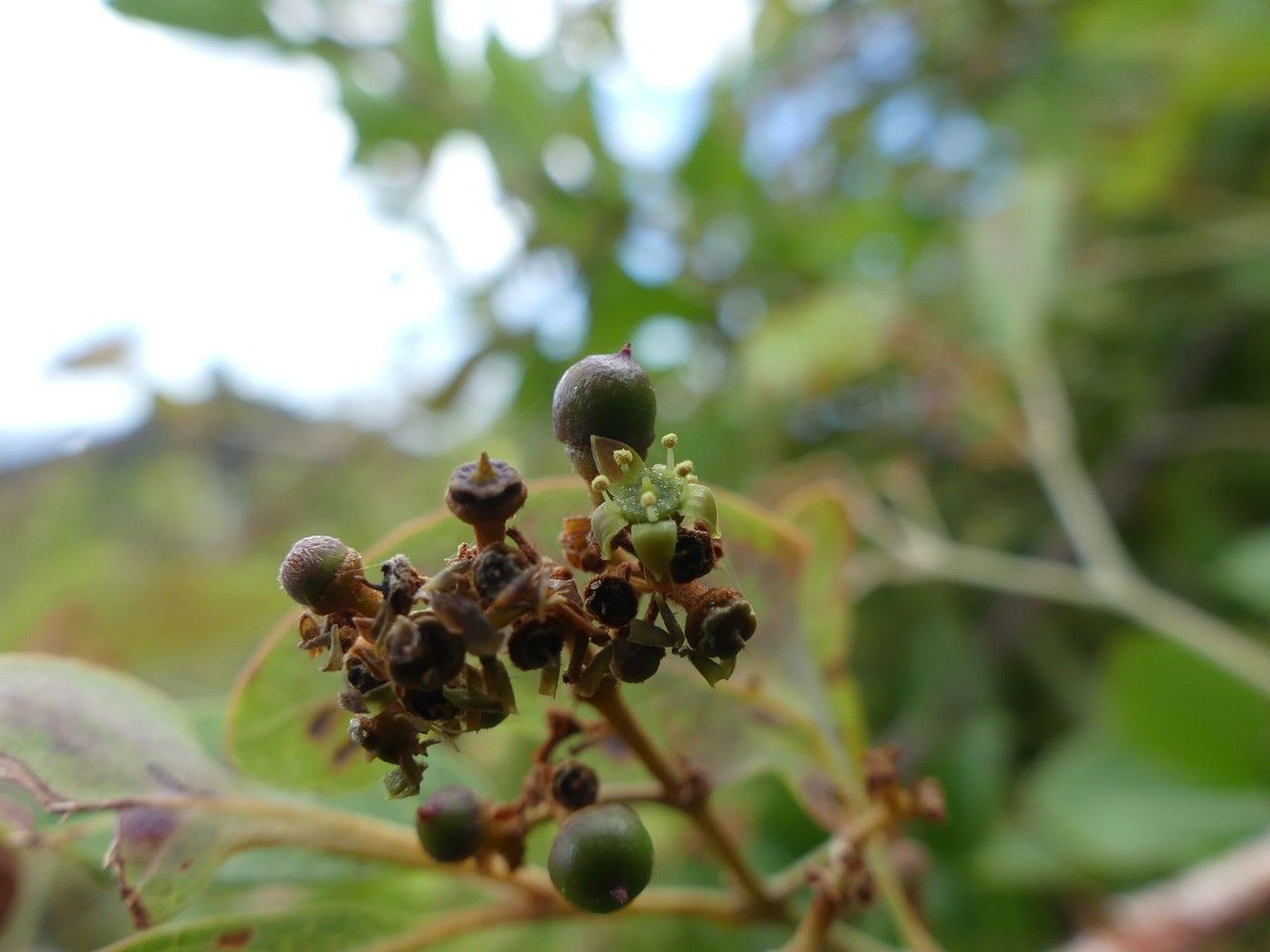
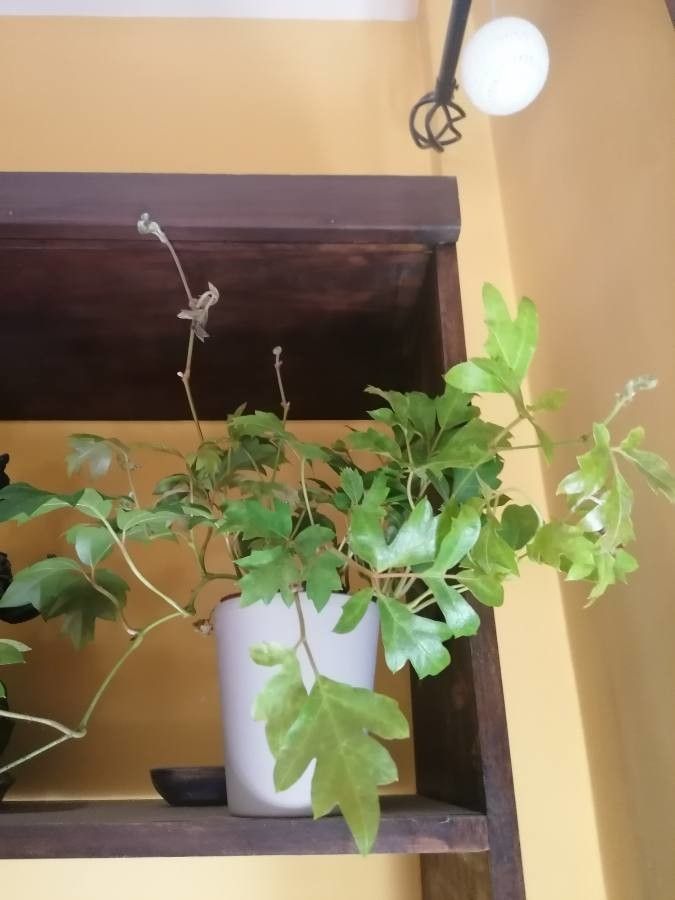
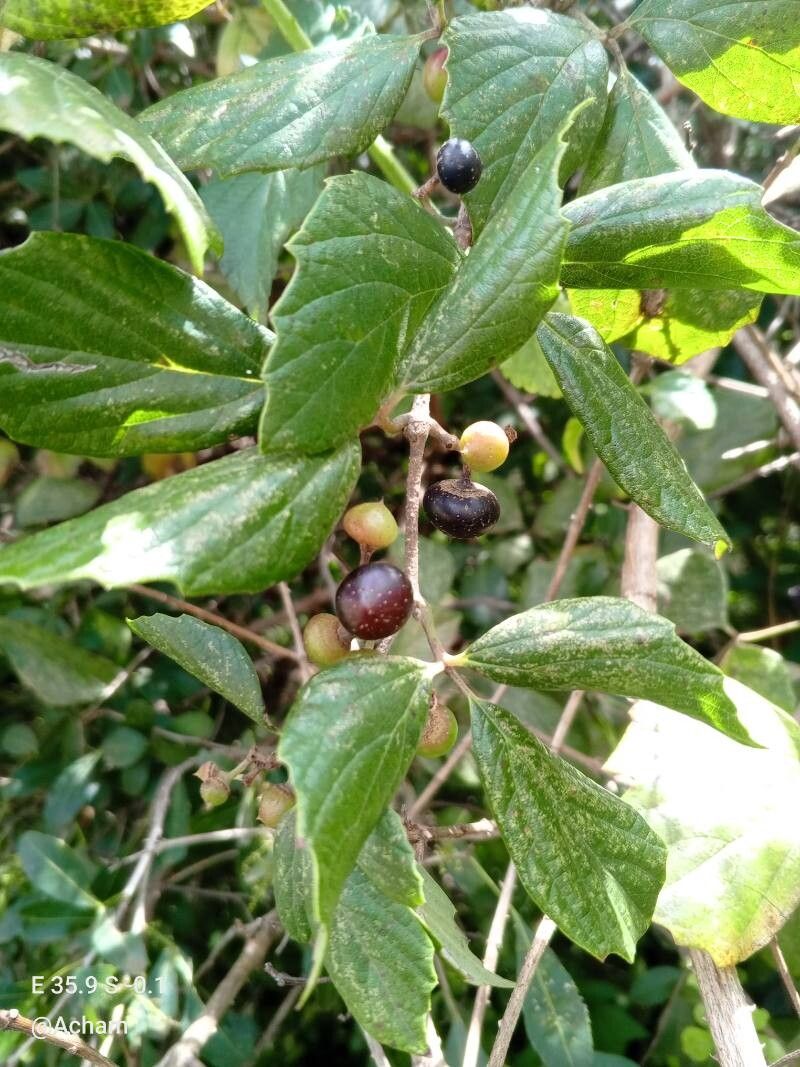
Rhoicissus tomentosa (or the Cape grape) is a vigorous, evergreen vine that is indigenous to the afro-montane forests of southern Africa. It is increasingly popular as an ornamental creeper in gardens, and it has a wide range of uses in traditional medicine.
Forest grape is resistant to many diseases and is generally not prone to them. In terms of care, this plant is relatively low-maintenance. When planted outdoors, it needs minimal watering, and larger plants generally do not require pruning. However, smaller plants should be pruned after they have bloomed. Forest grape is suitable for anyone with an outdoor space, such as a garden or deck, and does not require much experience in plant care.
How to keep Rhoicissus Tomentosa.
Light
Forest grape originates from habitats such as forest understories or rocky areas, where it grows under natural shade. It prefers partial sun but can tolerate full sun or full shade, reflecting its versatile and hardy nature.
Water
Adapted to intermittent hydration, the forest grape only needs watering every 1-2 weeks, thanks to its efficient water storage. It exhibits strong drought tolerance and thrives indoors with well-draining soil, which optimizes water retention and prevents root rot.
Temperature
Forest grape adapts well to heat, tolerating higher temperatures and considerable temperature fluctuations. In hot weather, it is important to manage watering and give suitable shade to avoid sunburn. However, forest grape is less tolerant of cold; while it can cope with some chill, very low temperatures can cause frost damage.
Fertilizer
Timing is important when fertilizing Forest grape. Apply fertilizer in early spring and repeat monthly through early summer. Fertilizer supports the development of attractive blooms and supplies energy during both dormant and active growth stages.
Pruning
The forest grape is a climbing evergreen plant with woody stems. To promote growth, prune it in early spring by removing dead wood and thinning out dense areas to improve air circulation. Regular trimming helps maintain its shape and size, leading to healthier foliage and better fruit production. Be sure to clean your tools before use to prevent the spread of disease.
Botanical profile.
- Plant Type
- Vine
- Life Cycle
- Perennial
- Genus
- Rhoicissus
- Family
- Vitaceae
- Hardiness Zone
- 9-11
- Mature Height
- 4.88 m
- Mature Spread
- 91 cm
- Leaf Color
- Dark Green, Forest Green
- Leaf Type
- Evergreen
- Flower Size
- 0.25 cm to 0.51 cm
- Bloom Time
- Early summer, Mid summer
- Planting Time
- Spring, Summer, Autumn
- Harvest Time
- Late summer, Early fall, Mid fall
- Native Area
- Malawi, Mozambique, South Africa, Eswatini, Zimbabwe
Other names.