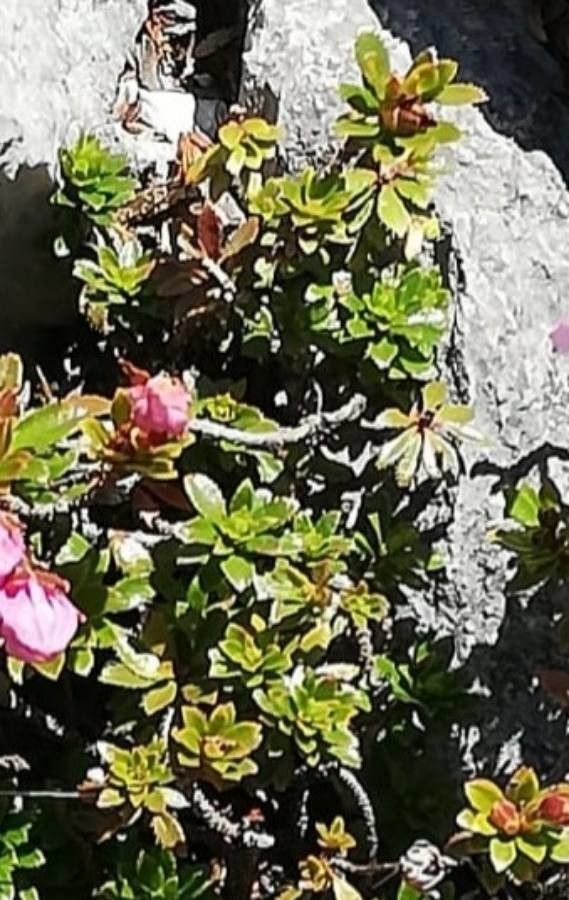
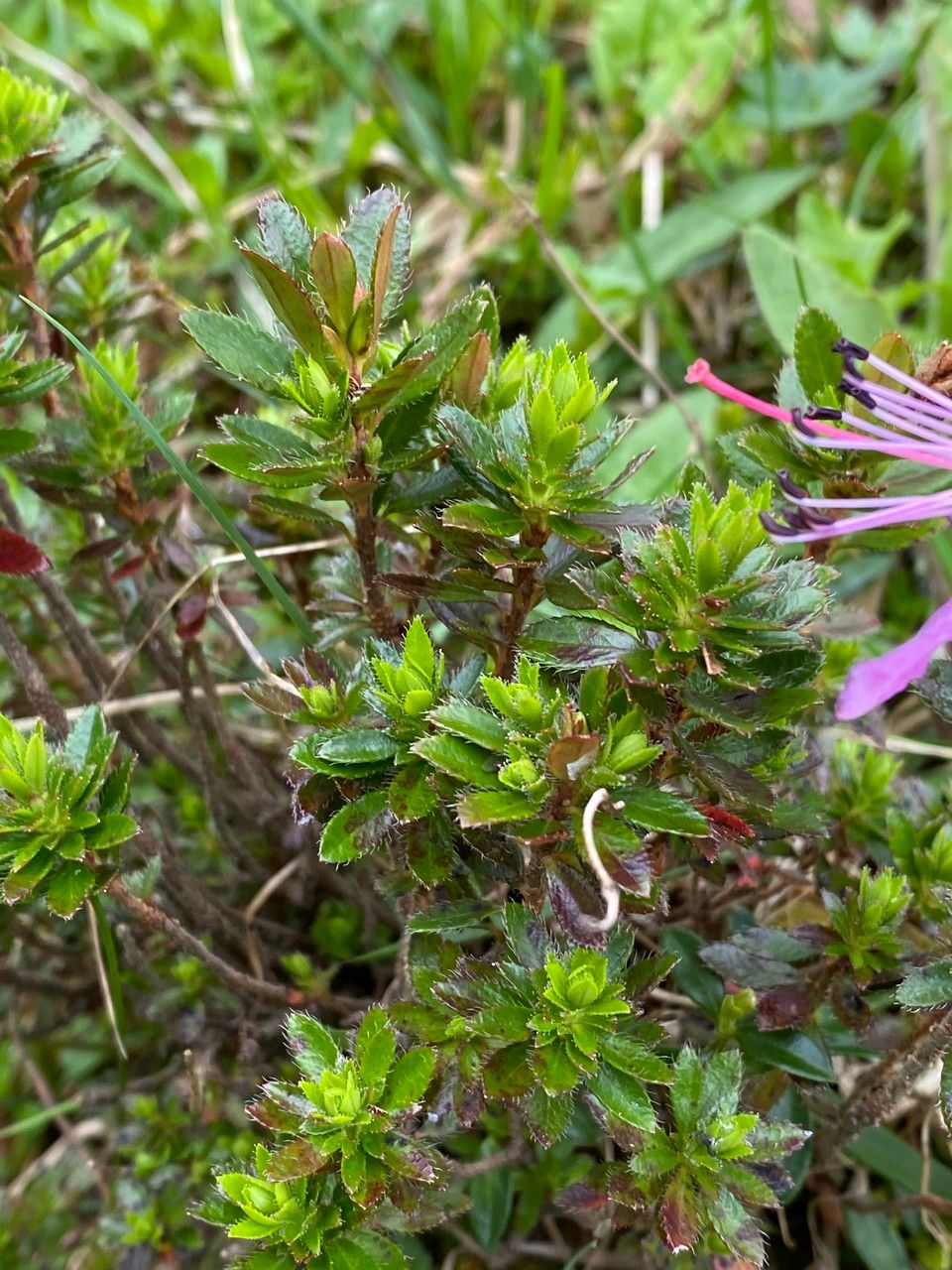
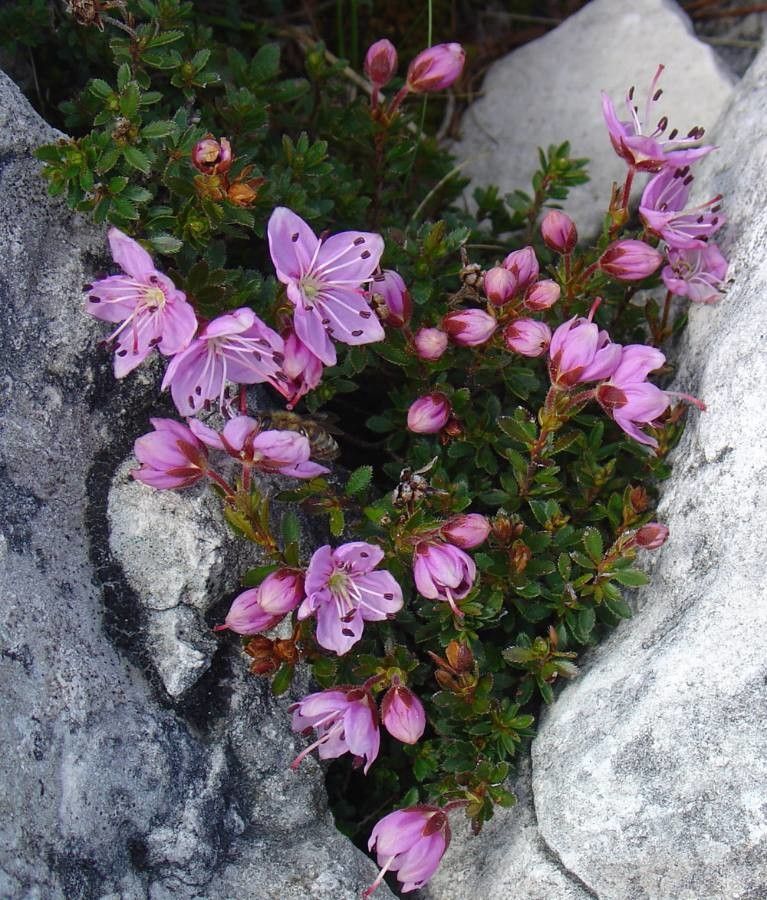
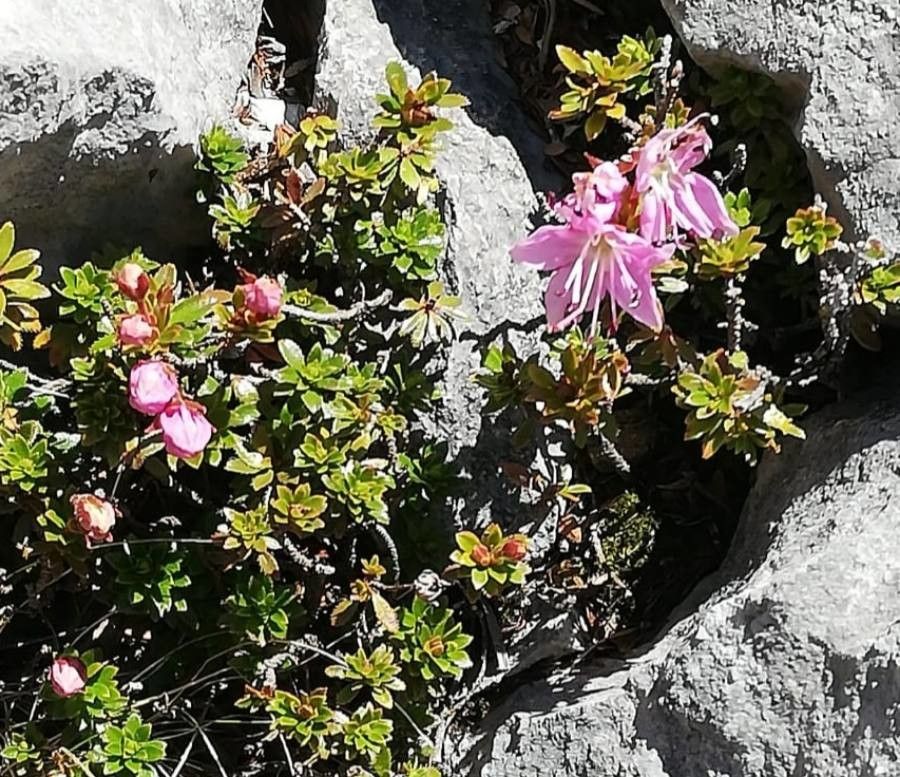
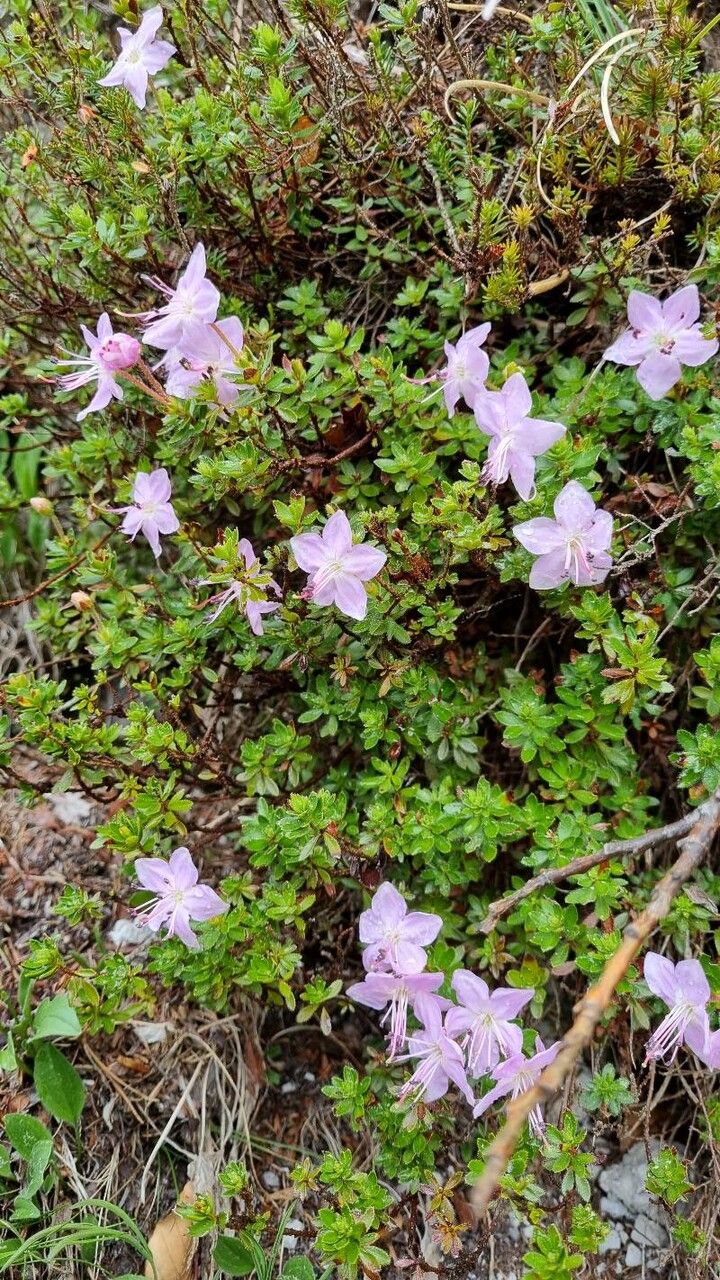
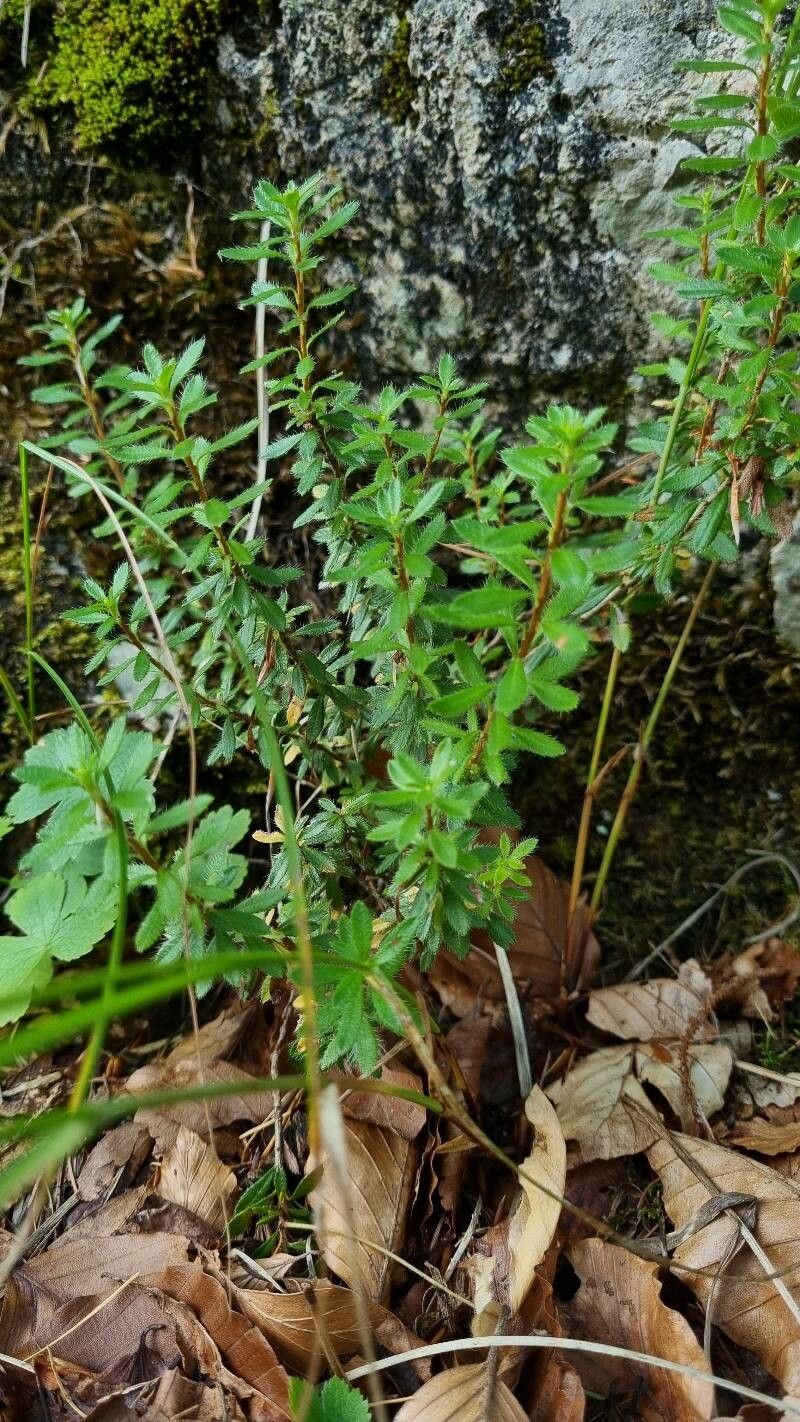
Ground cistus is highly resistant to disease and is generally unlikely to suffer from illnesses. Regarding care, this plant is fairly low-maintenance. When grown outdoors it needs only minimal watering, and larger specimens usually do not require pruning. Smaller plants, however, should be pruned after they finish blooming. Ground cistus is appropriate for anyone with an outdoor area, such as a garden or deck, and does not demand much gardening experience.
How to keep Rhodothamnus Chamaecistus.
Light
Ground cistus originates from habitats like forest understories or rocky sites, where it grows in natural shade. It prefers partial sun but can tolerate both full sun and full shade, showing its hardy and adaptable nature.
Water
Ground cistus flourishes in rocky, well-drained environments typically found in alpine regions. It prefers moderate moisture levels and should be watered once a week. Ideally suited for rock gardens, ground cistus benefits from natural rainfall, and its efficient drainage helps prevent root rot.
Fertilizer
Proper timing matters when fertilizing Ground cistus. Apply fertilizer in early spring and continue on a monthly schedule until early summer. The fertilizer promotes attractive blooms and supplies energy during both dormant and active growth phases.
Pruning
Ground cistus is a low-growing evergreen shrub that produces pink, bell-shaped flowers. To promote healthy growth, prune the shrub from early to late winter by removing any dead or crowded branches. Regular pruning helps prevent legginess and encourages an abundance of blooms. Always use clean, sharp tools to minimize stress on the plant and reduce the risk of infection.
Botanical profile.
- Plant Type
- Shrub
- Life Cycle
- Perennial
- Genus
- Rhodothamnus
- Family
- Ericaceae
- Hardiness Zone
- 4-7
- Mature Height
- 10 cm to 20 cm
- Mature Spread
- 20 cm to 30 cm
- Leaf Color
- Dark Green
- Leaf Type
- Evergreen
- Flower Color
- Pink
- Flower Size
- 1.52 cm to 2.03 cm
- Bloom Time
- Mid spring, Late spring
- Planting Time
- Spring, Summer
- Harvest Time
- Early summer, Mid summer
- Native Area
- Germany, Austria, Italy, Croatia, Slovenia
Other names.