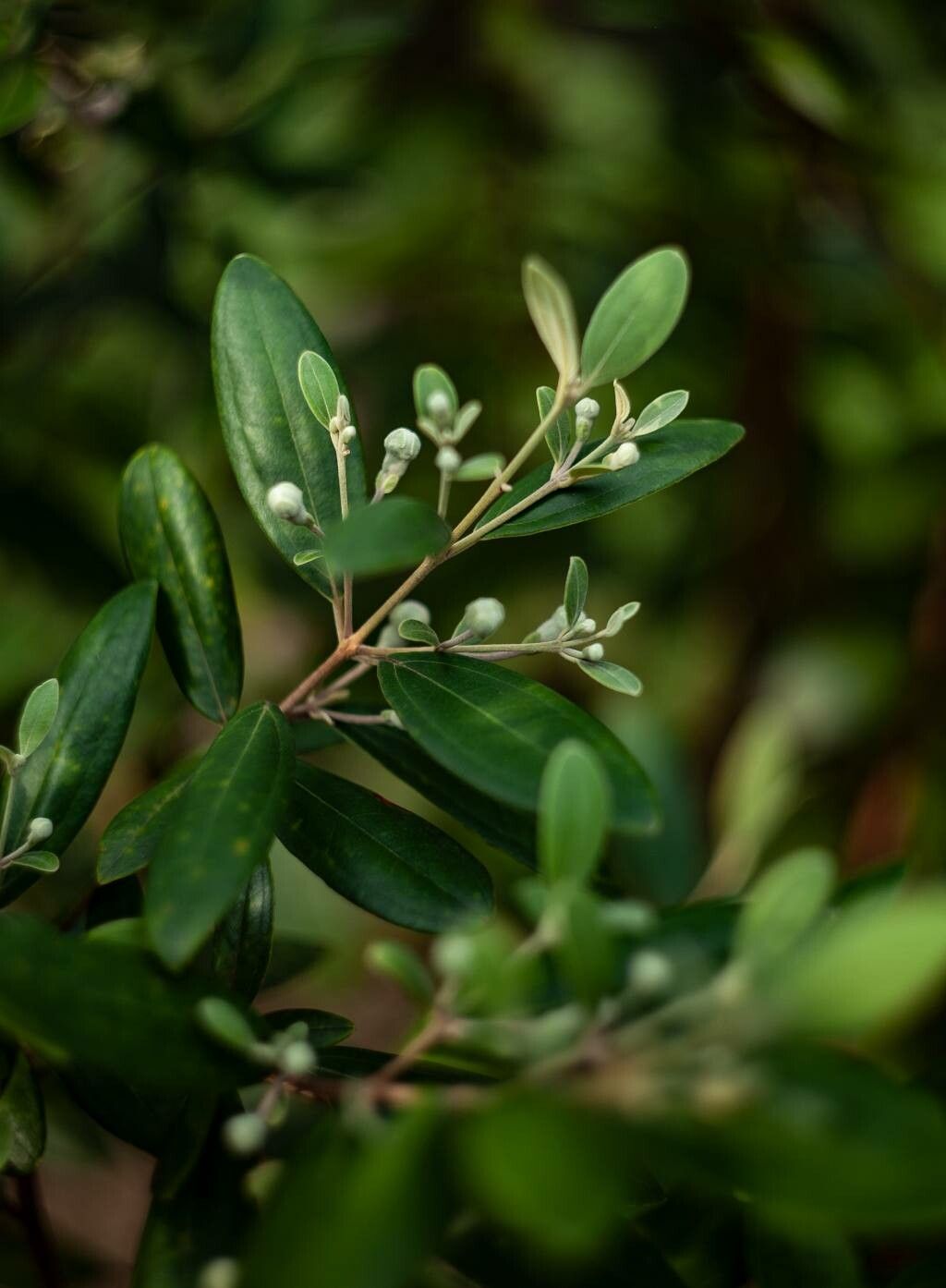
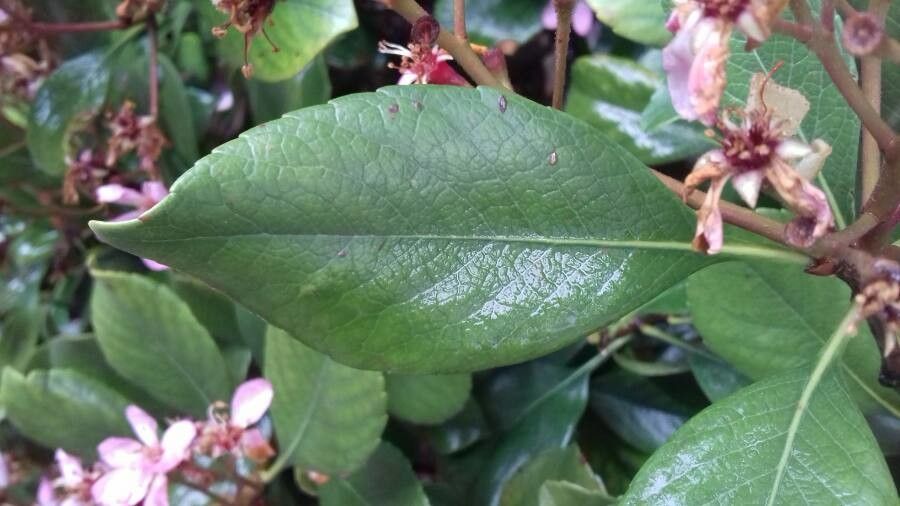
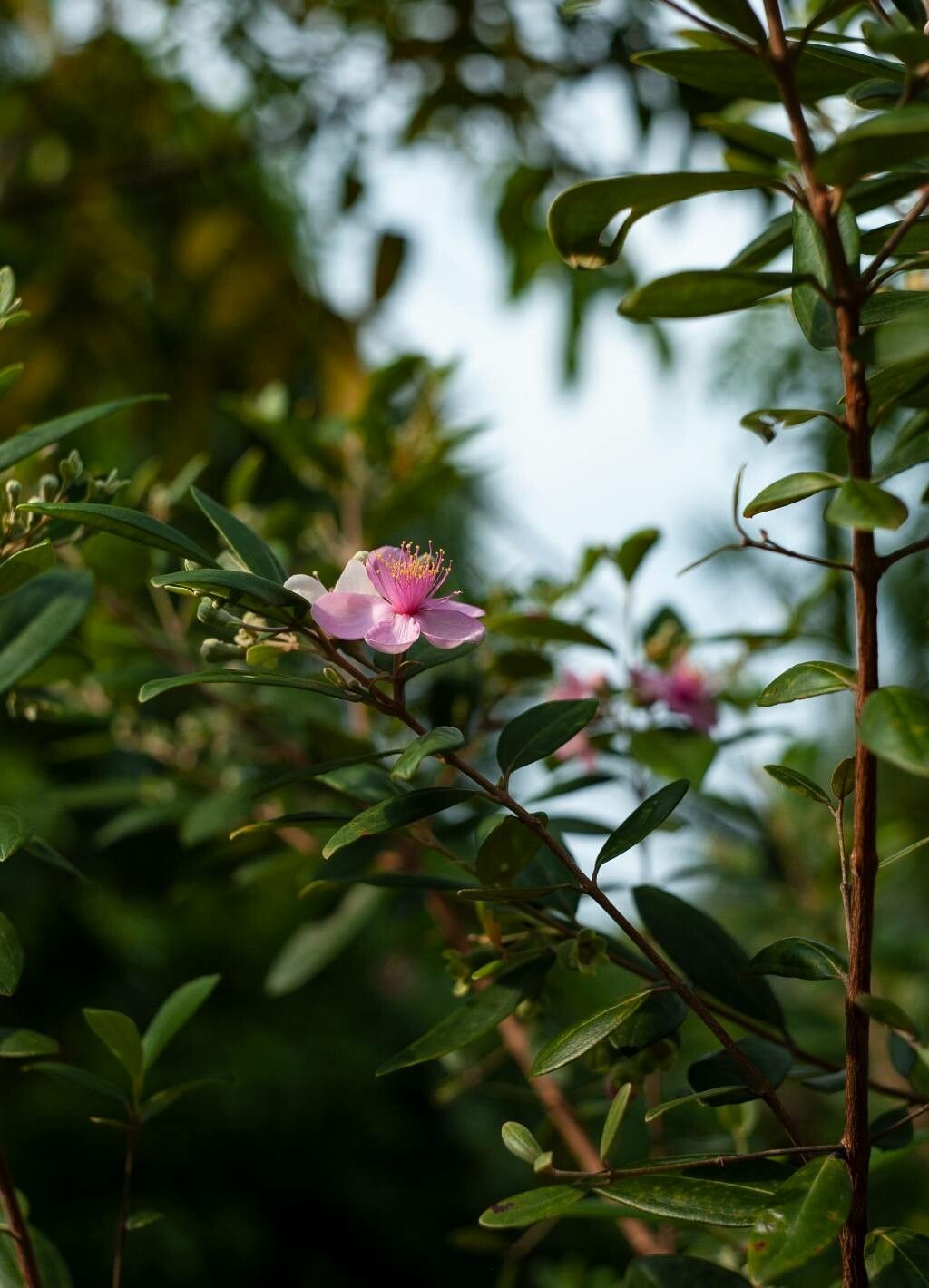
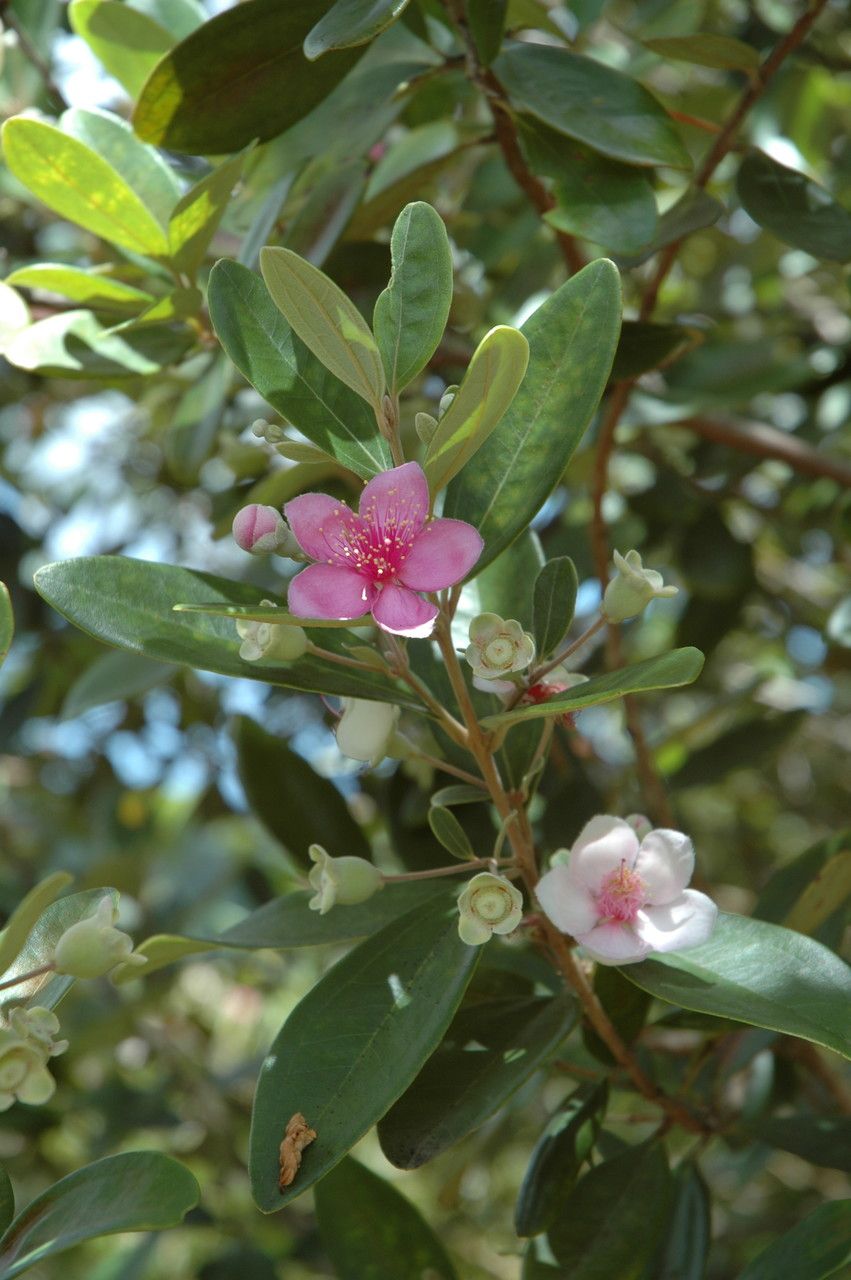
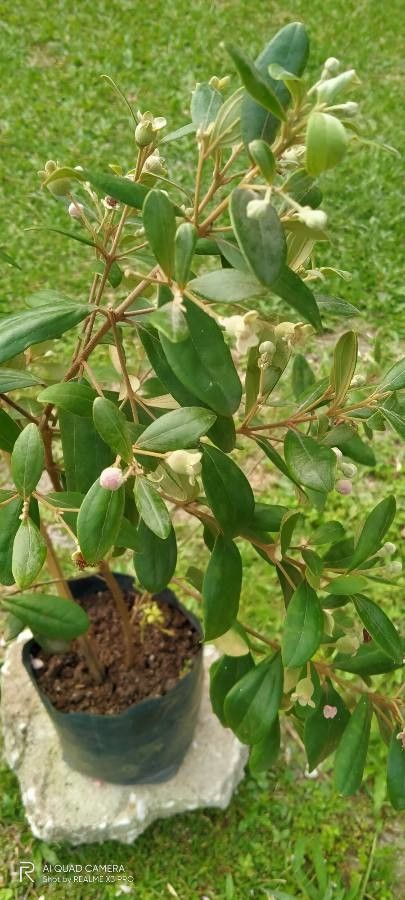
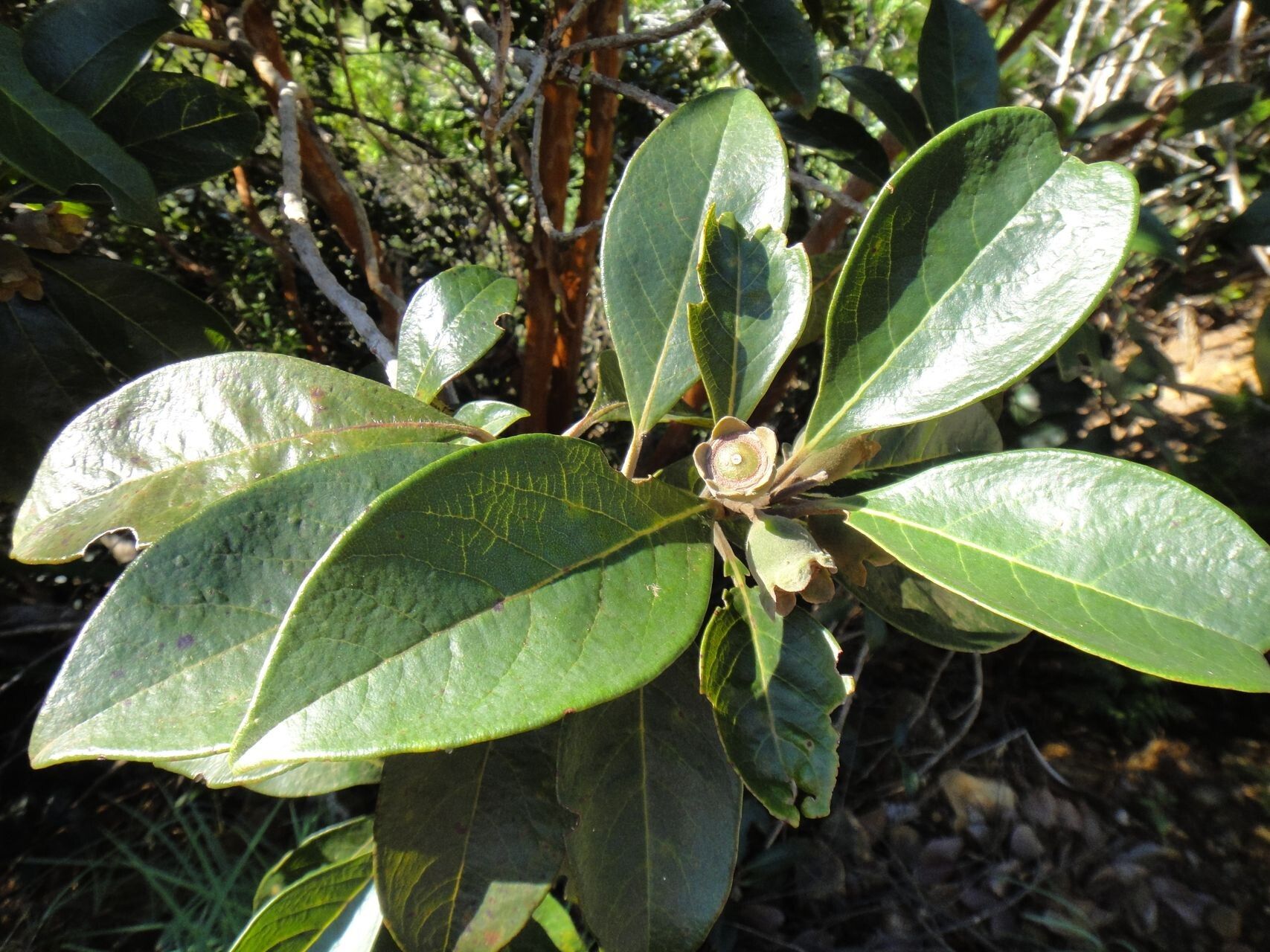
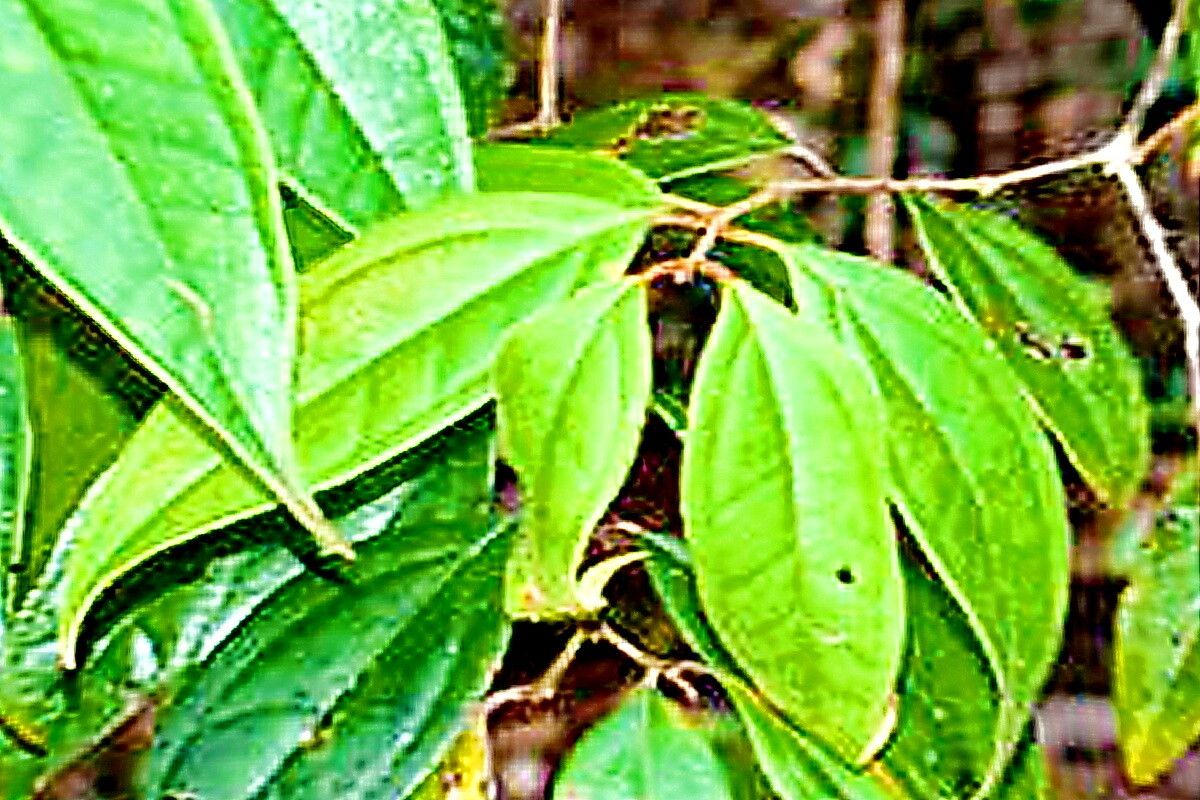
Rhodomyrtus tomentosa also known as rose myrtle, is a flowering plant in the family Myrtaceae, native to southern and southeastern Asia, from India, east to southern China, Hong Kong, Taiwan and the Philippines, and south to Malaysia and Sulawesi. It grows in coasts, natural forest, riparian zones, wetlands, moist and wet forests, bog margins, from sea level up to 2400 m elevation.
Rose myrtle is disease-resistant and typically not susceptible to illnesses. Regarding care, this plant is fairly low-maintenance. When grown outdoors, it needs only minimal watering, and larger plants generally do not require pruning. Smaller plants, however, should be pruned after they have bloomed. Rose myrtlet is suitable for anyone with an outdoor area, such as a garden or deck, and does not demand much experience in plant care.
How to keep Rhodomyrtus Tomentosa.
Light
Rose myrtle thrives with plentiful light, which supports full growth and bright flowers. It can tolerate brief periods of lower light, but prolonged reduced light can harm its flowering and overall health. Its native habitats have strong light penetration, enabling it to adapt to different amounts of sun exposure.
Water
Rose myrtle flourishes in moist and humid settings, akin to its natural habitat in tropical rainforests. While it can withstand moderate drought, it needs watering every 2-3 weeks to keep the soil slightly moist. This plant is well-suited for warm climates and benefits from mulching, which helps retain moisture, particularly during hot weather.
Temperature
Rose myrtle is native to areas where temperatures typically range from 59 to 100.4 °F (15 to 38 ℃). It does best in moderate warmth and may require adjustments during extreme hot or cold seasons.
Fertilizer
The Rose myrtle needs adequate nutrients to achieve optimal fruit production. Fertilize in early spring to promote new growth and flowering. Regular feeding keeps the plant healthy, produces more delicious fruit, and prevents nutrient-deficiency problems like yellow leaves and poor fruit production.
Pruning
Prune rose myrtle in late spring after it has finished blooming to improve air circulation and maintain its shape. The key techniques include removing dead wood, thinning the branches, and shaping the plant. These practices prevent overcrowding, promote flowering, and ensure abundant blooms for the next season, helping to foster a healthy and attractive plant.
Botanical profile.
- Plant Type
- Shrub
- Life Cycle
- Perennial
- Genus
- Rhodomyrtus
- Family
- Myrtaceae
- Hardiness Zone
- 8-11
- Mature Height
- 1.22 m to 1.83 m
- Mature Spread
- 0.91 m to 2.13 m
- Leaf Color
- Green, White
- Leaf Type
- Evergreen
- Flower Color
- Pink
- Flower Size
- 2.54 cm
- Bloom Time
- Summer
- Planting Time
- Spring, Summer, Autumn
- Harvest Time
- Late summer, Early fall, Mid fall
- Native Area
- Sri Lanka, India, Malaysia, Indonesia, Cambodia, Vietnam, Myanmar, Japan, Philippines, Singapore, Laos, Brunei, China
Other names.
Reader questions.
How should I water my Rose myrtle plant in the best way?
Your Rose myrtle is not particular about how you water it, so you can use any common watering tool like a watering can, hose, or even a cup. When watering, it's best to apply the water directly to the soil, ensuring all areas are moistened equally to provide water to all parts of the root system. Using filtered water is helpful as tap water may contain harmful particles. It's also a good idea to use water that is at or slightly above room temperature, as colder or hotter water can shock the Rose myrtle. However, this plant usually responds well to any kind of water you give it.
Why should I add fertilizer to my Rose myrtle plant?
Fertilizing a Rose myrtle is crucial for several reasons. Firstly, it will help the plant produce beautiful blooms. One of the best times to fertilize is in early spring to ensure abundant flowers. Additionally, fertilizer provides the plant with energy that it can store in the ground during dormant phases. By giving your Rose myrtle extra nutrients during fall planting or late spring, it will have more energy to utilize once active growth resumes.
What are the sunlight requirements for Rose myrtle?
Rose myrtle thrives best in full sunlight, requiring above 6 hours of sunlight daily for optimal growth. It can also grow under partial sun conditions, which means about 3-6 hours of sunlight. It's important to watch how sunlight moves through your garden to find the perfect balance of light and shade for your plants. This ensures they remain happy and healthy. Indoors, rose myrtle appreciates abundant light exposure to ensure comprehensive growth and vibrant blooms. It's capable of withstanding short durations of less intensive light, but prolonged periods of low light can negatively affect its flowering and vitality. In environments with insufficient natural sunlight, particularly in winter or less sunny spaces, artificial lighting can be a vital solution. LED lights are recommended because they can provide the specific wavelengths of light that plants need. The right amount of artificial light varies depending on whether the plant is in full sun, partial sun, or full shade.
What is the ideal climate for Rose myrtle?
Rose myrtle thrives in climates where temperatures generally range between 59 to 100.4 °F (15 to 38 °C), enjoying moderate warmth. It has some cold tolerance, generally not requiring additional protection when temperatures are above -5°C. However, in conditions below -5°C, temporary cold protection measures, including wrapping the plant with materials like plastic film or fabric, are necessary.
What do I need to do if I give my Rose myrtle plant too much water or too little water?
Outdoor plants, especially newly planted ones or seedlings, can suffer from lack of water. It is important to consistently water them for a few months while they are small or recently planted. Once the roots are established, Rose myrtle plants can rely on rain for most of their water needs. When Rose myrtle plants are planted in pots, overwatering is more common. If you accidentally overwater your Rose myrtle, take immediate action to address the issue. Stop watering the plant right away to minimize the impact of overwatering. Then, remove the Rose myrtle from its pot and examine its roots. If there is no root rot present, you can put the plant back in its container. However, if you find signs of root rot, trim away the affected roots and consider applying a fungicide to prevent further damage. Finally, repot the Rose myrtle in well-draining soil. On the other hand, if your Rose myrtle is underwatered, simply increase the frequency of watering. Underwatering can be easily fixed by providing sufficient water. If you notice drooping, drying, and falling leaves, they should return to fullness once the plant receives proper watering. Make sure to adjust your watering frequency promptly when you notice underwatering symptoms occurring.
When should I put fertilizer on my Rose myrtle?
When fertilizing Rose myrtle, timing is crucial. If you apply fertilizer too early while the Rose myrtle is still dormant, it will not be effective and may be washed away by rainwater, causing waste and pollution. The first application of fertilizer should be in early spring, and continue to fertilize once a month until early summer.
What are the common symptoms of incorrect light exposure in Rose myrtle?
Rose myrtle shows various symptoms when it doesn't get the right amount of sunlight. Symptoms of light deficiency include smaller new leaves, leggy or sparse growth, faster leaf drop, slower or no new growth, and lighter-colored new leaves. Overexposure to sunlight can lead to chlorosis, where leaves turn yellow due to a breakdown of chlorophyll, sunscald, which appears as pale or necrotic areas on the plant, leaf curling as a defense mechanism against too much sun, wilting from increased water loss, and leaf scorching, characterized by brown, crispy edges on leaves.
How does Rose myrtle react to low temperatures?
Rose myrtle has a moderate tolerance to low temperatures and prefers temperatures above 15°C. During winter, temperatures should be kept above -5°C. If temperatures fall below -10°C, the leaves may droop and, in severe cases, wilt and fall off. To mitigate frost damage, trim off the frost-damaged parts, wrap the plant with materials like non-woven fabric or cloth for protection, and construct a wind barrier.
How often do I need to water my Rose myrtle plant?
To ensure the proper growth of outdoor plants, they usually rely on rainfall. However, if your area lacks rain, you'll need to provide adequate watering. During the spring and fall, watering every 2 weeks should suffice, while in the summertime, more frequent watering will be necessary. In winter, when plants require less water due to slower growth, you can water them sparingly or not at all. Young or newly planted Rose myrtle plants will need more frequent watering to help them establish and become drought tolerant. When it comes to potted plants, there are two main approaches to determining watering frequency for Rose myrtle. The first is to follow a set watering schedule, such as once a week or every other week. However, this method may not always be effective as it doesn't account for the specific growing conditions of your Rose myrtle. Another option is to monitor the moisture of the soil. Wait until the top 2 to 4 inches of soil, which is approximately ⅓ to ½ depth of the pots, have completely dried out before watering again. This method allows you to adjust the watering frequency according to the season, as the plant's water needs are highest during the summer.
When is it not a good time to fertilize my Rose myrtle?
To help Rose myrtle bloom more effectively, avoid using fertilizers with excessive nitrogen as they can result in an abundance of leaves but limited flowering. Instead, opt for fertilizers that contain lower levels of nitrogen compared to other nutrients. Additionally, refrain from fertilizing during late autumn as it can cause excessive growth right before winter. Similarly, avoid fertilizing Rose myrtle during hot and dry periods as dry soil tends to be less effective in delivering fertilizer and can stimulate growth that requires more water, which may not be available. It is advisable to apply fertilizer earlier in the season when temperatures are cooler. Lastly, be mindful that Rose myrtle may absorb fertilizer applied to nearby plants or lawns, so take care to avoid inadvertently providing the plant with a double-dose of fertilizer.
How can I address Rose myrtle's lighting needs, especially if they are not being met?
To ensure Rose myrtle receives adequate sunlight, gradually move plants to a location with at least 6 hours of direct sunlight daily, ideally using a south-facing window to maximize sunlight exposure. If moving the plant isn't possible or if it's large, consider using artificial light, keeping a lamp on for at least 8 hours a day or investing in plant grow lights for sufficient light. For outdoor plants, it's crucial to move them gradually to avoid sunburn. Pruning nearby trees can help reduce obstructions and allow more sunlight to reach your plants. If necessary, transplant smaller plants during their dormant period to a spot with better light and drainage. It's essential to note that parts of the plant affected by insufficient light might not recover, but new growth after improving light exposure will be healthy.
What should I do if my Rose myrtle experiences high temperatures?
During summer, it's crucial to ensure that the temperature around Rose myrtle remains below 38°C to prevent stress from high heat. If temperatures exceed 43°C, the leaves might lighten in color, tips may dry and wither, leaves could curl, and the plant might suffer from sunburn. To care for a Rose myrtle in these conditions, trim away sunburned and dried parts, move the plant to a shaded area or use a shade cloth, and water in the morning and evening to maintain soil moisture.