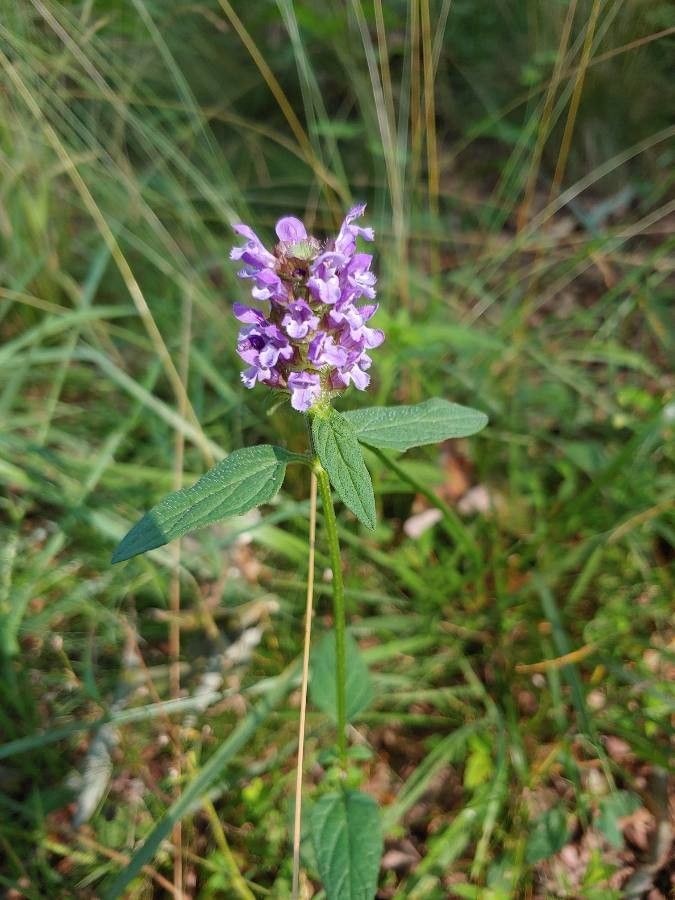
Rhododon, called sandmint, is a genus of flowering plant in the family Lamiaceae, first described as a genus in 1939. It contains only one known species, Rhododon ciliatus, the Texas sandmint endemic to the state of Texas in the United States.
Texas sandmint has strong resistance to disease and is generally unlikely to develop illnesses. However, it can be vulnerable to pests and diseases found in its environment. These problems are typically mild. Regarding care, this plant needs moderate maintenance. It should be pruned regularly to keep a tidy appearance and encourage healthy growth. Applying fertilizer can also help stimulate flowering. Texas sandmint is appropriate for anyone with outdoor space, such as a garden or patio, and does not demand extensive care experience. It may need extra attention when grown indoors.
How to keep Rhododon Ciliatus.
Light
Texas sandmint is native to places with filtered sunlight, such as forest understories or rocky sites that offer natural shade. It does best in partial sun but can also tolerate full-sun conditions.
Water
Texas sandmint is well-suited to semi-arid environments, as it thrives with moderate moisture and exhibits drought resistance. To maintain its vitality, it needs to be watered twice a week. This plant is commonly found in open fields and rocky soils, making it ideal for xeriscaping and water-efficient gardens. Its growth cycle aligns well with alternating periods of rain and dryness, making it a perfect choice for such landscapes.
Temperature
Texas sandmint can tolerate a wide range of temperatures, yet its distribution may still be constrained by different combinations of moisture and heat. It performs best in warm summer climates with sufficient rainfall or watering. Extended periods of cloudy, rainy weather or prolonged high temperatures can increase the risk of Texas sandmint dying. In winter, adequate protection from cold can enhance the plant’s survival rate.
Fertilizer
When most of the Texas sandmint's flowers have fully opened, resume fertilizing. At the height of bloom, apply fertilizer every three to four weeks, weather permitting. Then, once the plant begins producing fewer new blooms, stop fertilizing; there is no point in fertilizing when it can no longer produce additional flowers.
Pruning
Texas sandmint is a perennial plant from the mint family, known for its aromatic foliage. To keep it healthy and attractive, prune it in early spring. Trim back any overgrown stems by one-third to shape the plant and encourage new growth. Make sure to use clean tools to prevent the spread of disease. Regular pruning in the spring not only boosts the plant's vitality and health but also enhances its appearance, promoting bushier growth and more abundant flowering.
Botanical profile.
- Plant Type
- Herb
- Life Cycle
- Annual
- Genus
- Rhododon
- Family
- Lamiaceae
- Hardiness Zone
- 8-10
- Mature Height
- 30 cm to 61 cm
- Mature Spread
- 20 cm to 40 cm
- Leaf Color
- Green
- Leaf Type
- Semi-evergreen
- Flower Color
- Pink, Lavender
- Flower Size
- 1.02 cm to 2.03 cm
- Bloom Time
- Early summer, Mid summer
- Planting Time
- Spring, Summer, Autumn
- Harvest Time
- Late summer, Early fall