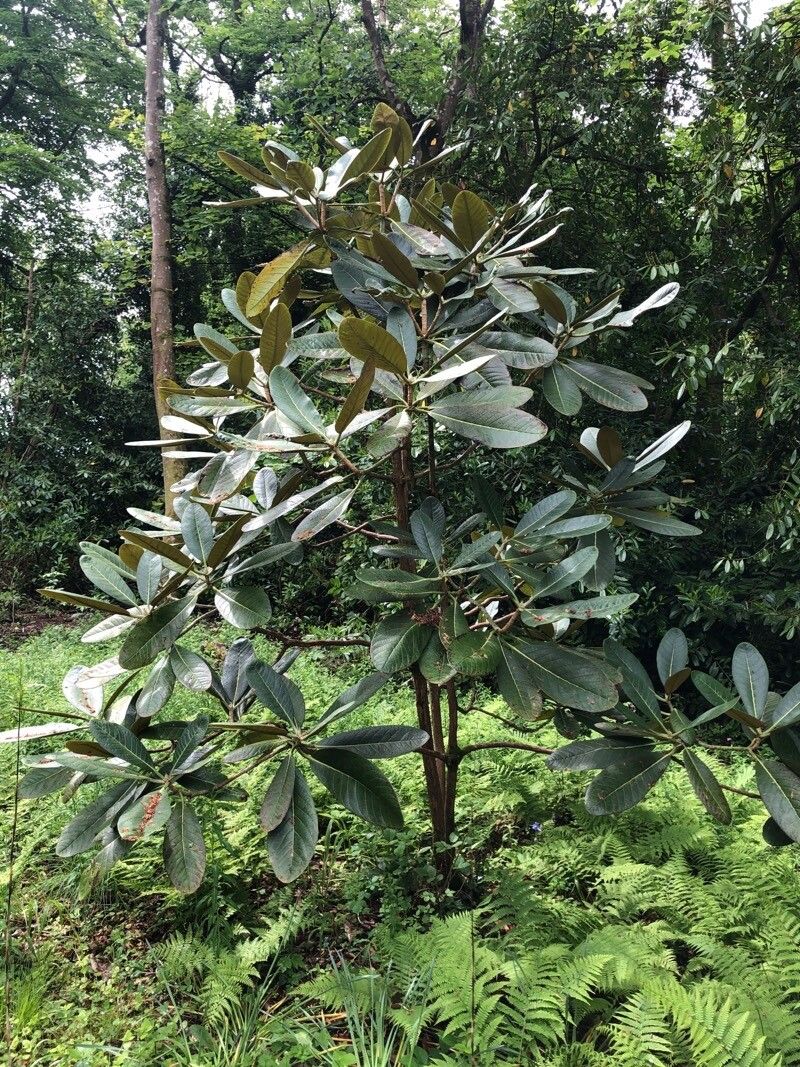
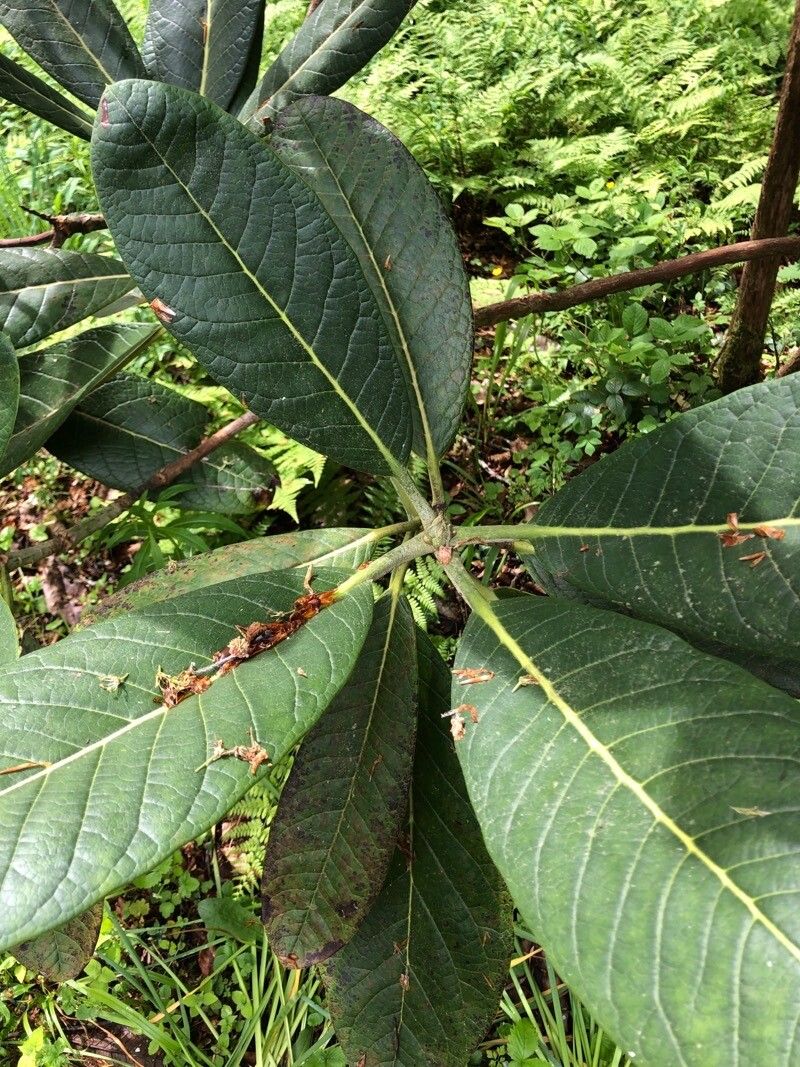
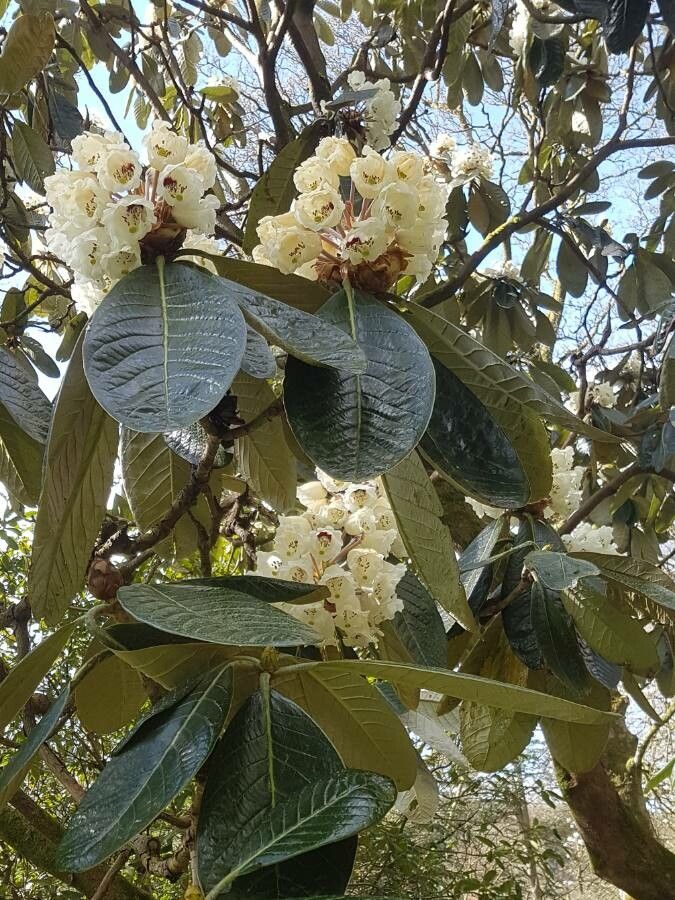
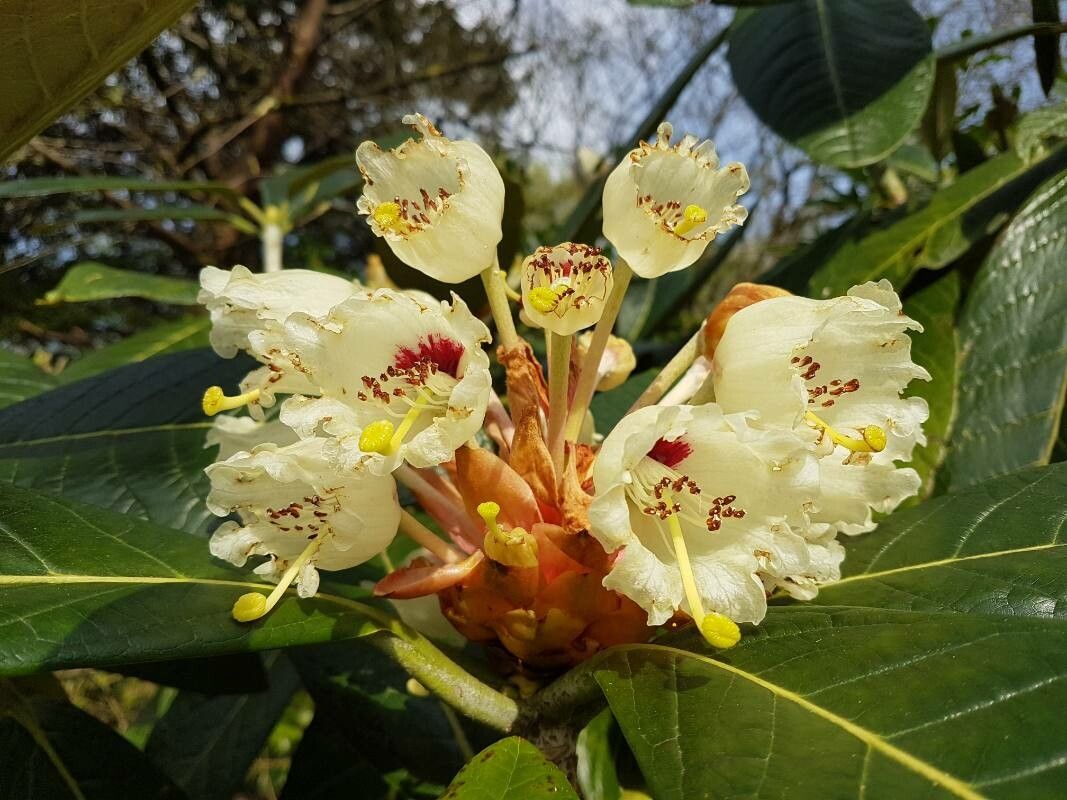
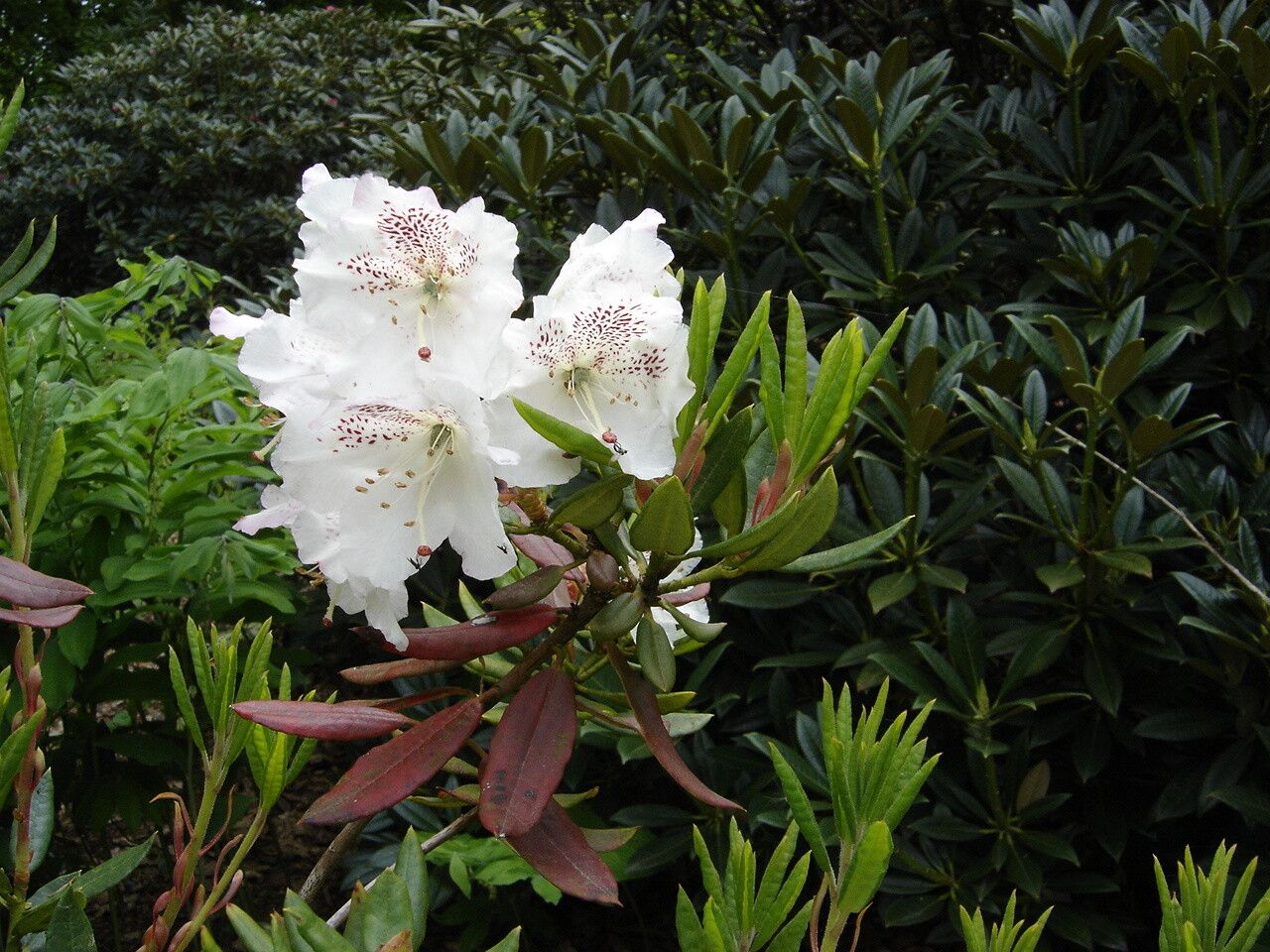
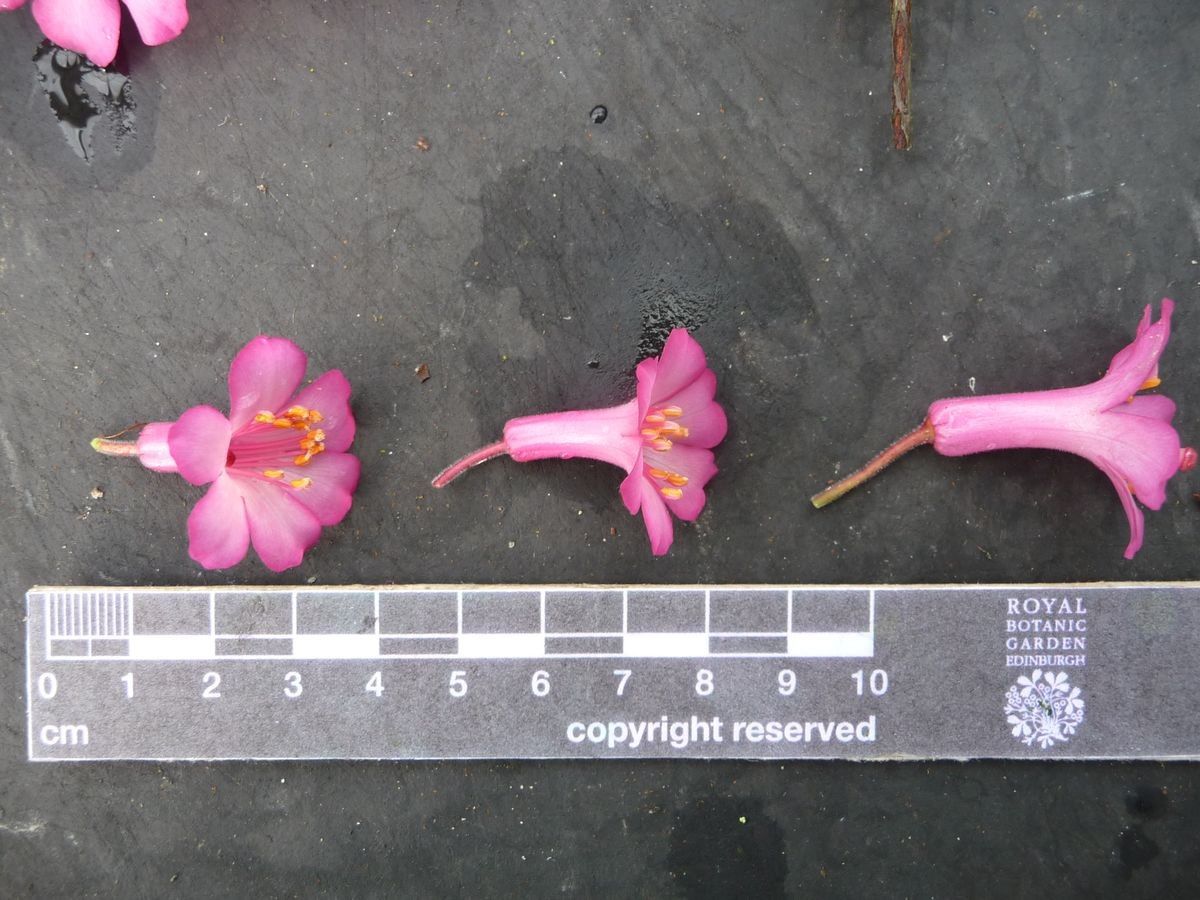
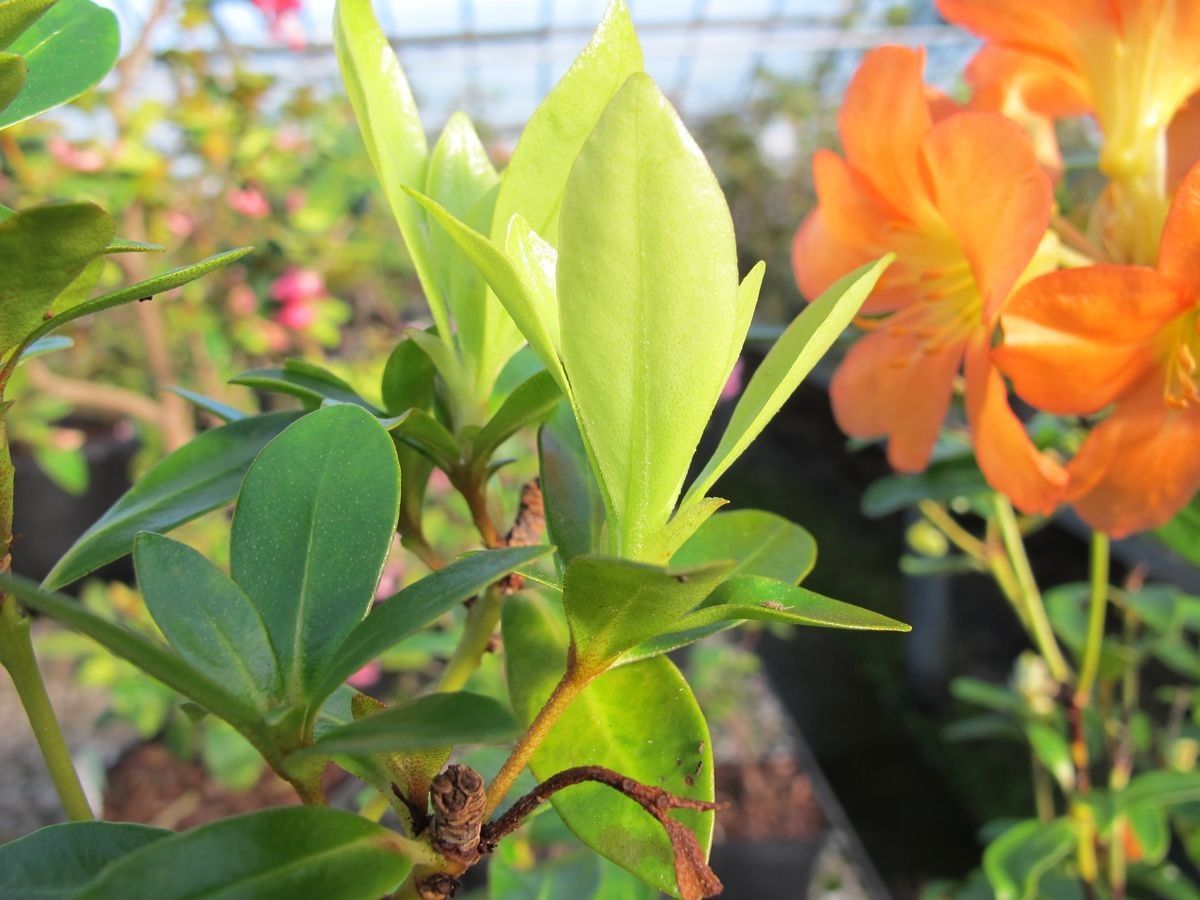
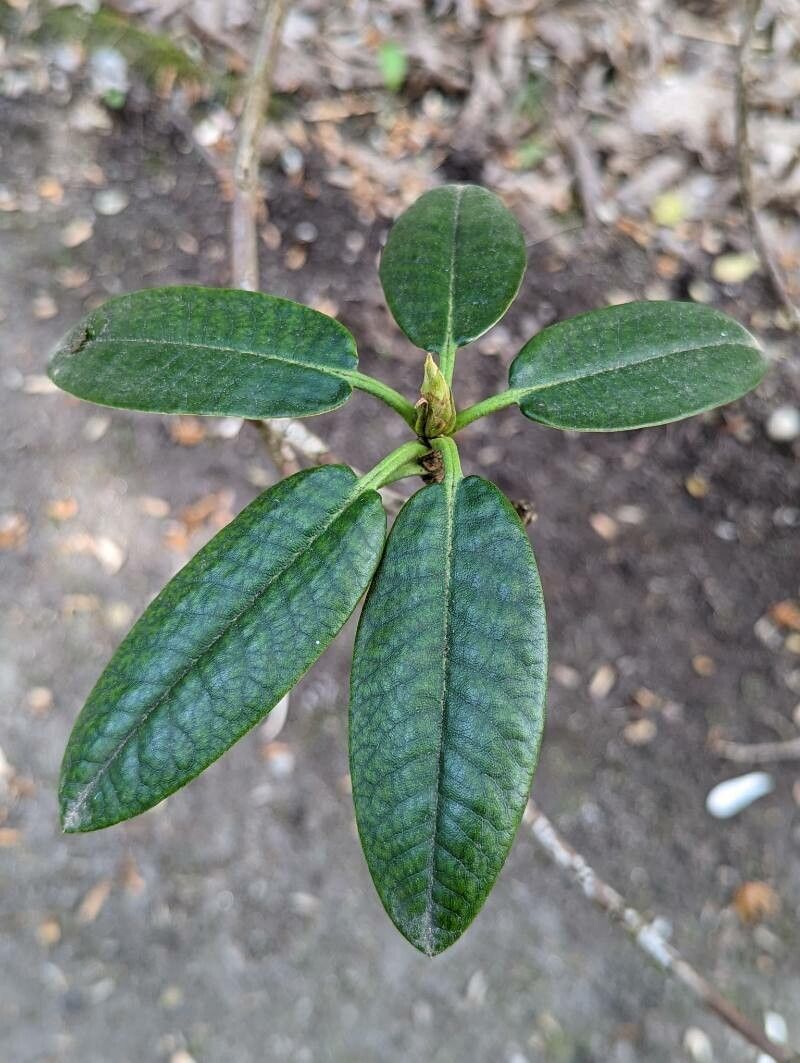
Rhododendron sinogrande (凸尖杜鹃) is a species of flowering plant in the family Ericaceae. It is commonly called the great Chinese rhododendron, and is native to alpine regions at 2,100–3,600 m (6,900–11,800 ft) in southeastern Xizang and western Yunnan in China and in northeastern Myanmar.
The Great Chinese rhododendron has good resistance to disease and is typically not susceptible to illnesses. In terms of care, the plant is fairly low-maintenance. Planted outdoors, it needs only minimal watering, and larger specimens generally do not require pruning. Smaller plants, however, should be pruned after they have finished blooming. The Great Chinese rhododendron is suitable for anyone with outdoor space, such as a garden or a deck, and does not demand a lot of care experience.
How to keep Rhododendron Sinogrande.
Light
Great Chinese rhododendron does best in moderate sunlight and can tolerate full sun. Its native habitat has a similar level of sun exposure. However, excessive sunlight can damage the plant, possibly causing leaf scorch, while insufficient light can prevent it from achieving optimal growth.
Water
The Great Chinese Rhododendron thrives in humid, high-altitude environments and prefers consistent moisture without becoming waterlogged. Water it every 1-2 weeks, allowing the soil to dry slightly between waterings. Being an evergreen plant, the Great Chinese Rhododendron retains its leaf hydration throughout the year and benefits from increased humidity during its growing season.
Temperature
Great Chinese rhododendron prefers temperatures ranging from 59 to 95 °F (15 to 35 ℃). Because it is native to a temperate climate, seasonal adjustments may be necessary.
Fertilizer
Timing is crucial when fertilizing Great chinese rhododendron. Fertilize in early spring and continue monthly until early summer. Fertilizer helps produce attractive blooms and supplies energy during both dormant and active growth phases.
Pruning
To promote healthy growth, prune the Great Chinese Rhododendron after it has finished flowering. Be sure to remove any old, dry, or diseased branches promptly. Additionally, trim excessively long or curved branches to improve the plant's shape.
Botanical profile.
- Plant Type
- Shrub
- Life Cycle
- Perennial
- Genus
- Rhododendron
- Family
- Ericaceae
- Hardiness Zone
- 8-10
- Mature Height
- 6.1 m to 10.67 m
- Mature Spread
- 10.06 m
- Leaf Color
- Green, Silver, Gray
- Leaf Type
- Evergreen
- Flower Color
- White
- Flower Size
- 5.08 cm to 6.35 cm
- Bloom Time
- Early spring, Mid spring
- Planting Time
- Spring, Summer
- Harvest Time
- Late summer, Early fall, Mid fall
- Native Area
- Myanmar, China
Other names.
Reader questions.
What are the sunlight requirements for Great Chinese Rhododendron?
The Great Chinese Rhododendron needs a medium intensity of sunlight for optimal growth but can withstand full sun exposure similar to its natural habitat. It thrives with about 3-6 hours of sunlight daily (partial sun) but can also prosper in conditions of more than 6 hours of sunlight (full sun). However, extreme exposure can cause leaf scorch, while insufficient sunlight may impede its growth. Observing the movement of sunlight through your garden and choosing locations that offer a balance of light and shade is crucial for the plant's well-being.
What temperature range is preferred by Great Chinese Rhododendron?
The Great Chinese Rhododendron prefers temperatures ranging from 59 to 95 °F (15 to 35 °C). This plant is native to temperate climates and may require adjustments during different seasons to thrive. While it has some degree of cold tolerance and generally does not require any additional measures when the temperature is above -5°C, protections are necessary if temperatures are expected to drop below this threshold. Temporary measures may include wrapping the plant with plastic film, fabric, or other materials for cold protection, which should be removed once the temperature rises again.
How does artificial lighting affect Great Chinese Rhododendron?
Indoor Great Chinese Rhododendron plants require adequate lighting to thrive, especially in conditions where natural sunlight is limited. Artificial lights, such as LED lights, are beneficial as they can be customized to provide specific wavelengths needed by the plants. For optimal growth, full sun plants need 30-50W/sq ft of artificial light, partial sun plants require 20-30W/sq ft, and full shade plants need 10-20W/sq ft. The artificial light source should be placed 12-36 inches above the plant, and the duration should mimic natural daylight hours, typically 8-12 hours per day, to promote healthier and faster growth.
How does Great Chinese Rhododendron react to low temperatures?
The Great Chinese Rhododendron has moderate tolerance to low temperatures and thrives best when kept above 15°C. During winter, it's important to ensure the temperature remains above -5°C. If the temperature falls below -10°C, the plant's leaves may droop. Though they can recover in mild cases, severe cold may cause the leaves to wilt and eventually fall off. To combat frost damage, trim off the affected parts. To prepare for cold spells, wrap the plant with non-woven fabric or cloth, and set up a wind barrier for additional protection.
What are the symptoms of inadequate or excessive sunlight in Great Chinese Rhododendron?
Inadequate sunlight can lead to smaller new leaves, leggy or sparse growth, faster leaf drop, slower or no new growth, and lighter-colored or pale new leaves, indicating a lack of chlorophyll and essential nutrients. Excessive sunlight may cause chlorosis (yellowing leaves), sunscald (damage to leaves or stems), leaf curling (a defense mechanism to reduce surface area exposed to sunlight), wilting (due to increased water loss), and leaf scorching (brown, dry, and crispy leaf edges). These symptoms highlight the importance of monitoring and adjusting the plant's exposure to sunlight.
What should be done if Great Chinese Rhododendron experiences high temperatures?
During summer, it's crucial to keep the Great Chinese Rhododendron below 35°C. Temperatures exceeding 41°C can cause the leaves to lighten in color, dry and wither at the tips, curl, and make the plant more susceptible to sunburn. If such symptoms occur, trim away the sunburned and dried-up parts immediately. To protect the plant, move it to a shaded location, especially from the midday and afternoon sun, or use a shade cloth. Ensuring the soil remains moist through watering in the morning and evening is also beneficial.
What solutions can help manage sunlight exposure for Great Chinese Rhododendron?
To optimize the growth of Great Chinese Rhododendron, gradually adapt the plant to changing light conditions by shifting it to sunnier spots each week until it receives the desired 3-6 hours of direct sunlight daily. For indoor or large plants not easily movable, using artificial light like desk lamps or plant grow lights for at least 8 hours daily can provide additional light. Outdoors, moving plants gradually to sunnier locations while avoiding sudden changes in light intensity can prevent sunburn. Reducing obstructions, such as pruning trees that block sunlight or transplanting smaller plants to sunnier locations with good drainage during their dormant period, can also significantly improve sunlight exposure for optimal health.