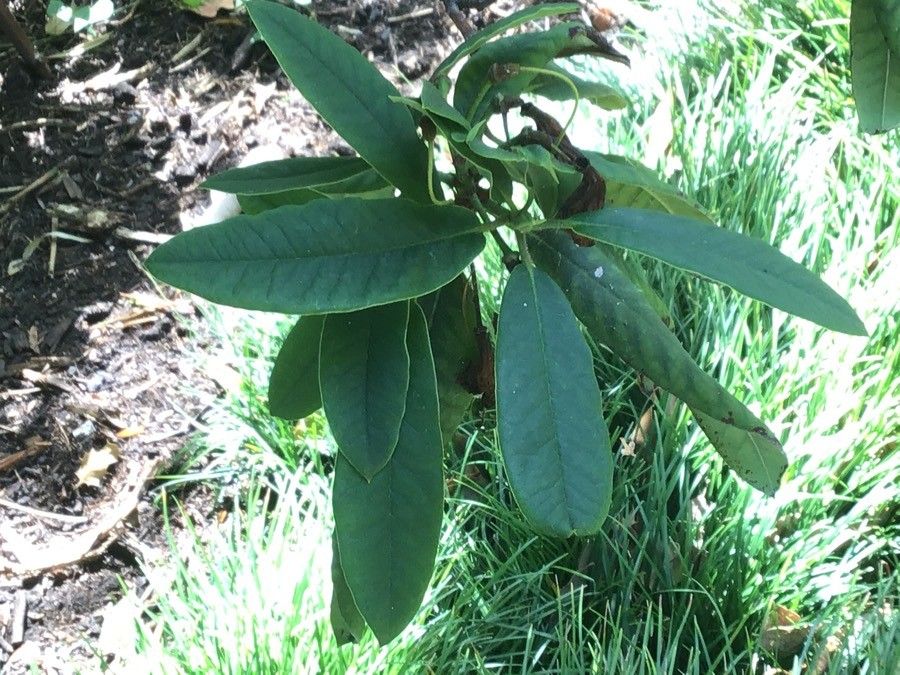
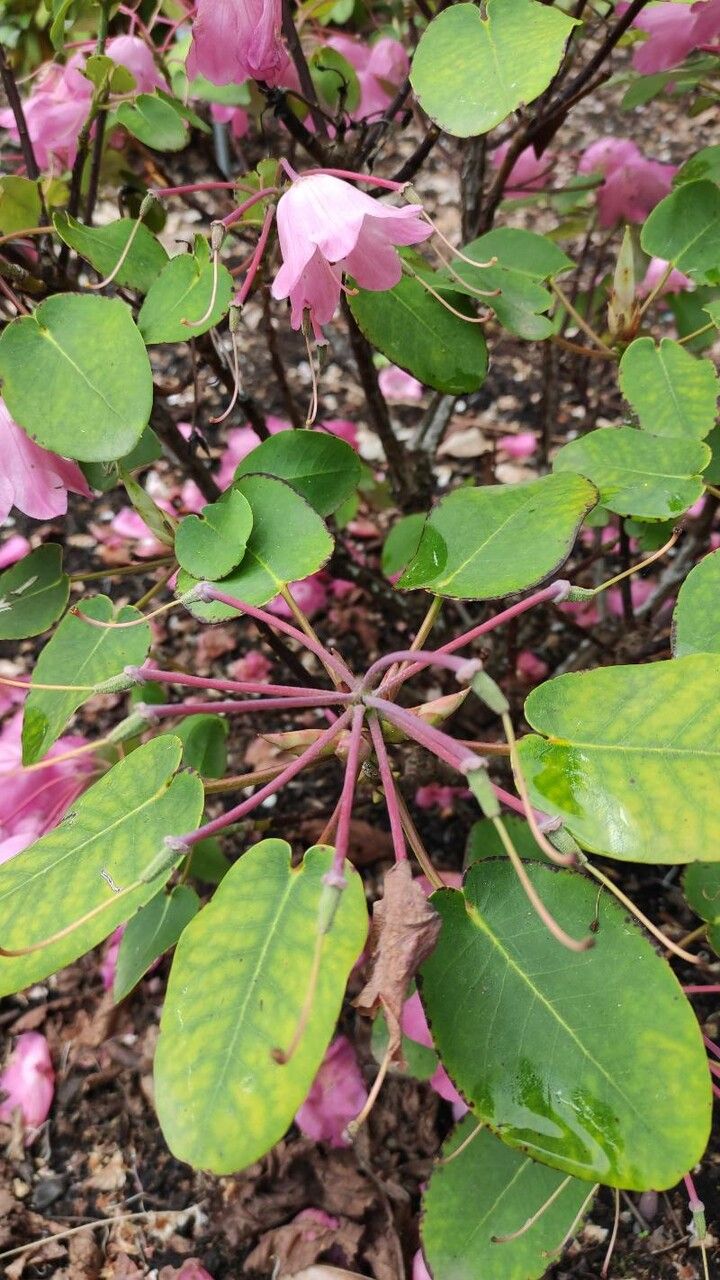
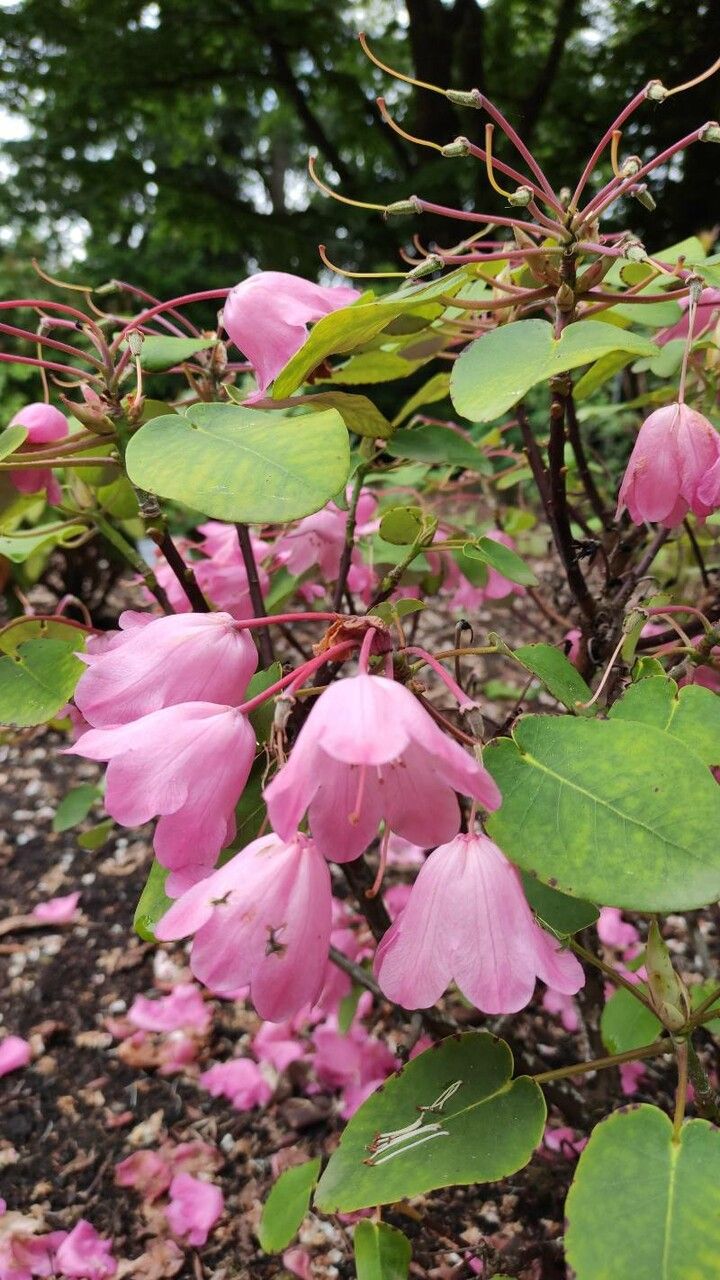
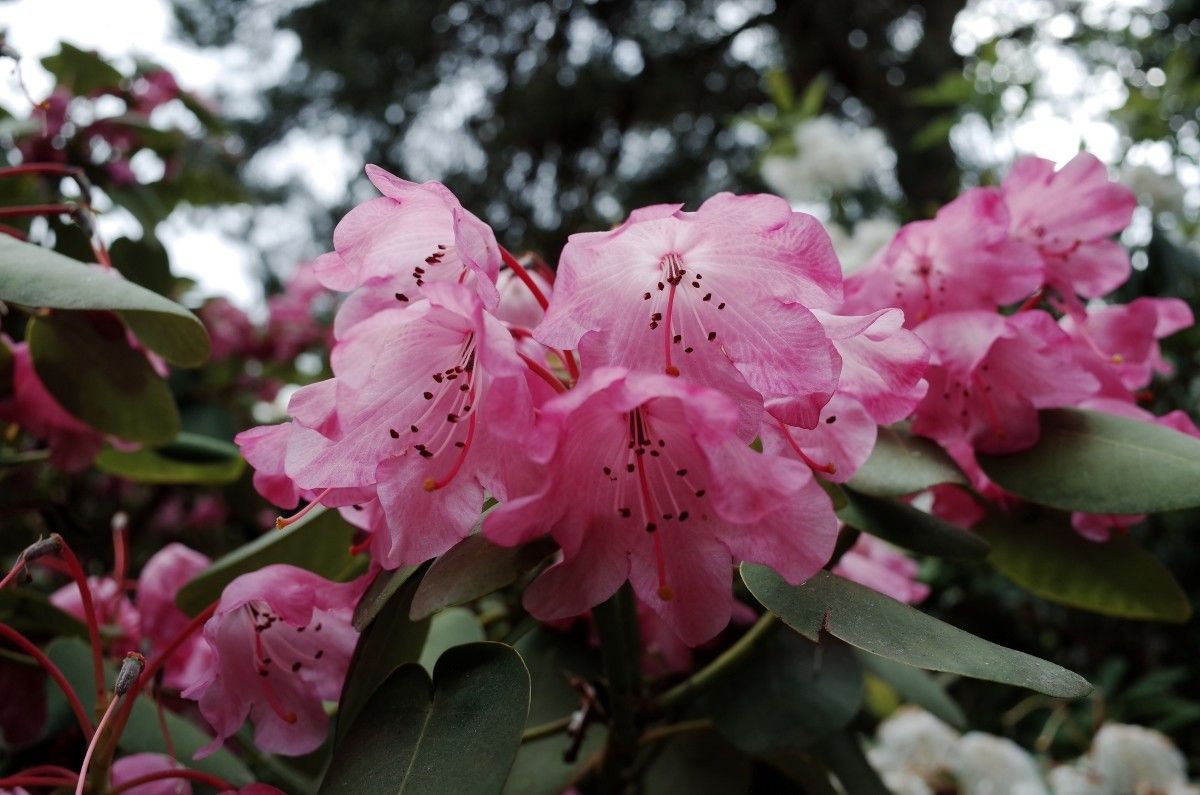
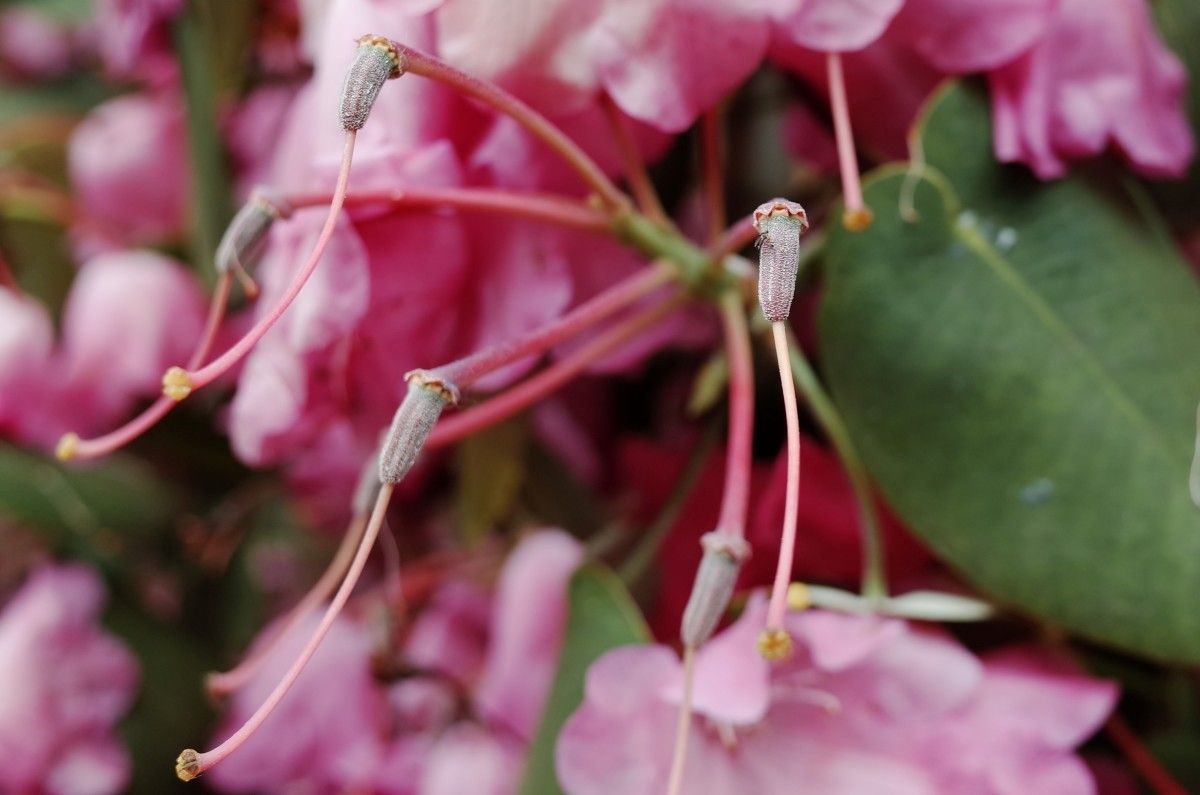
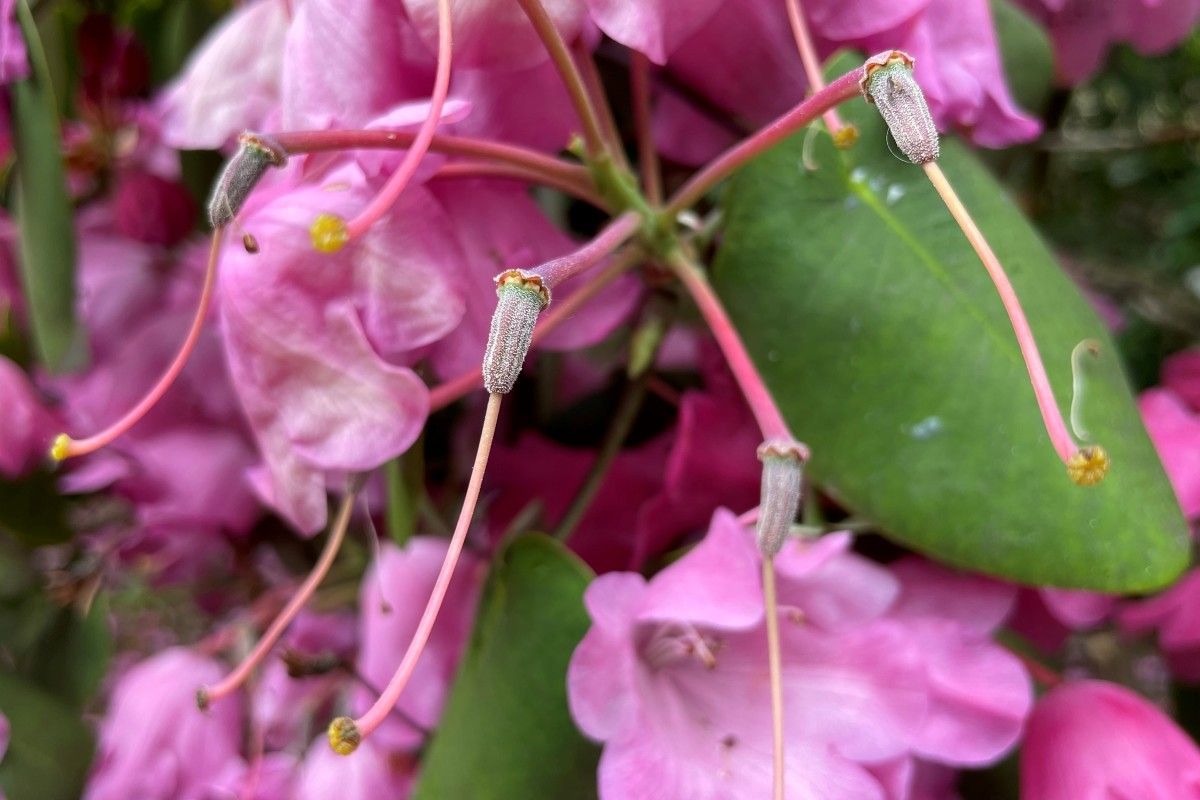
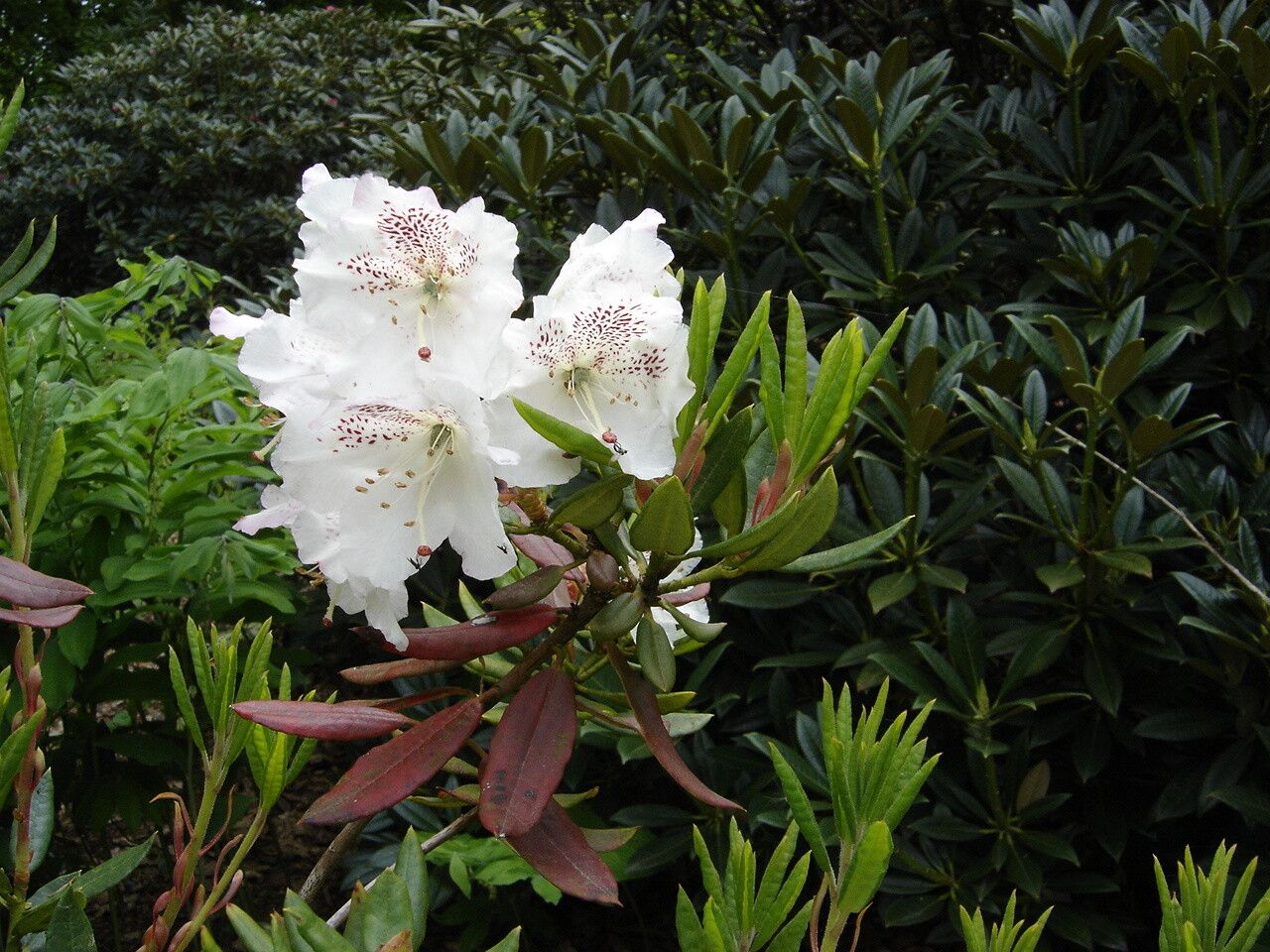
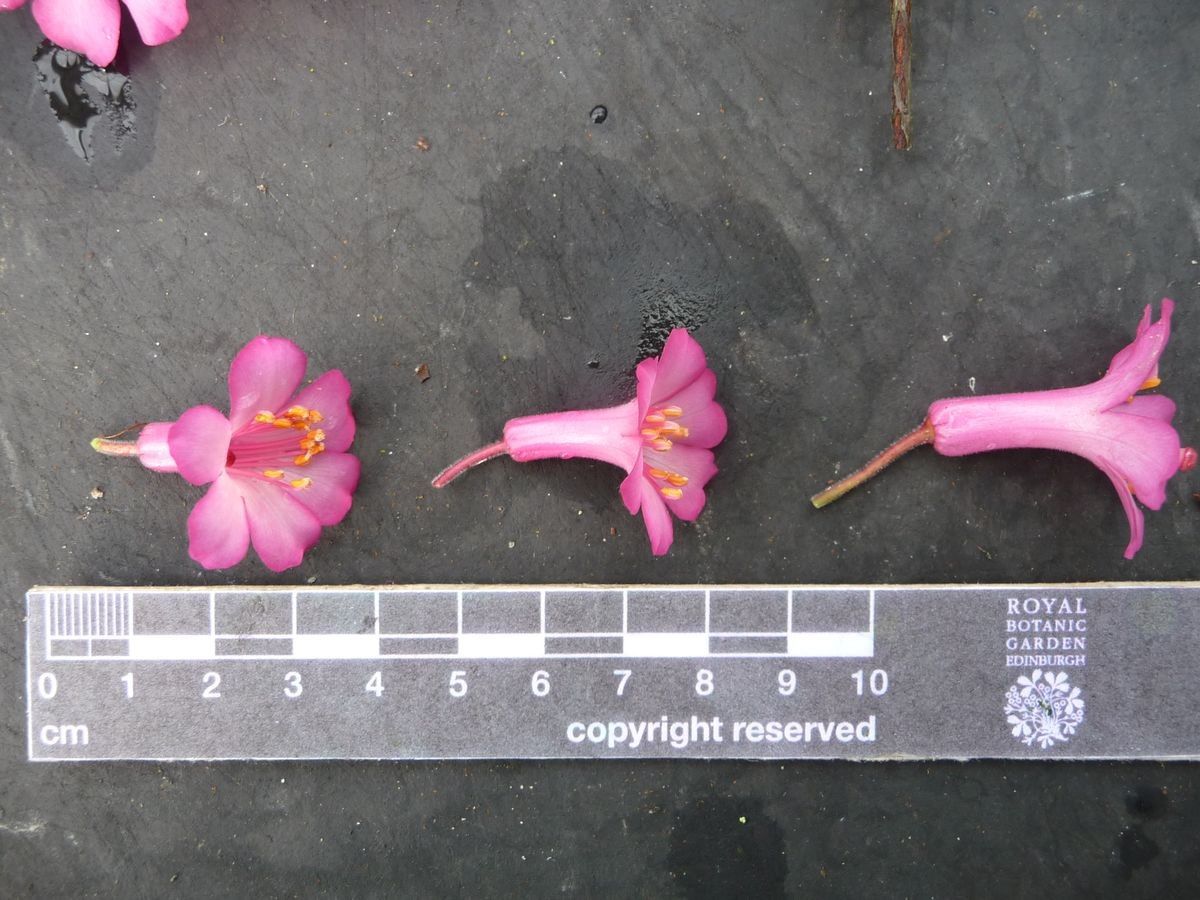
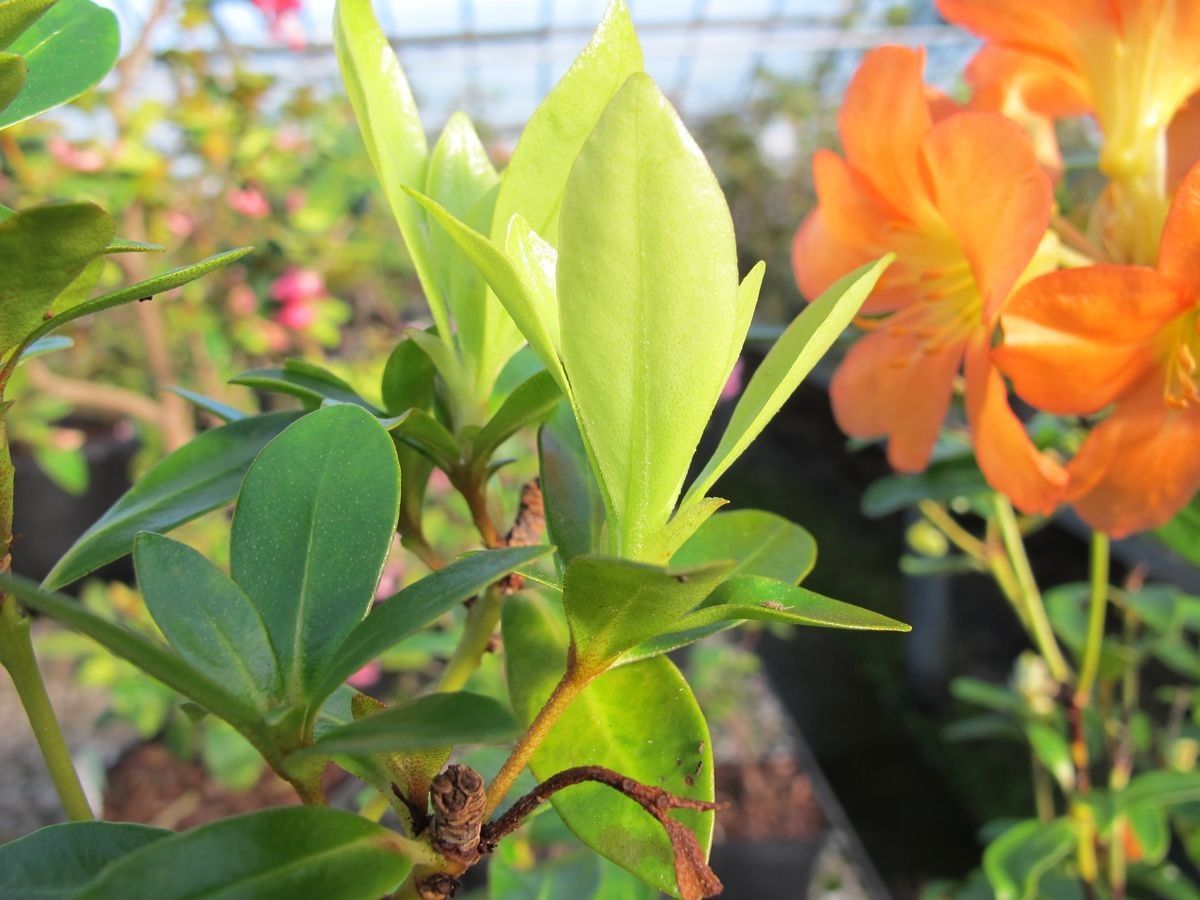
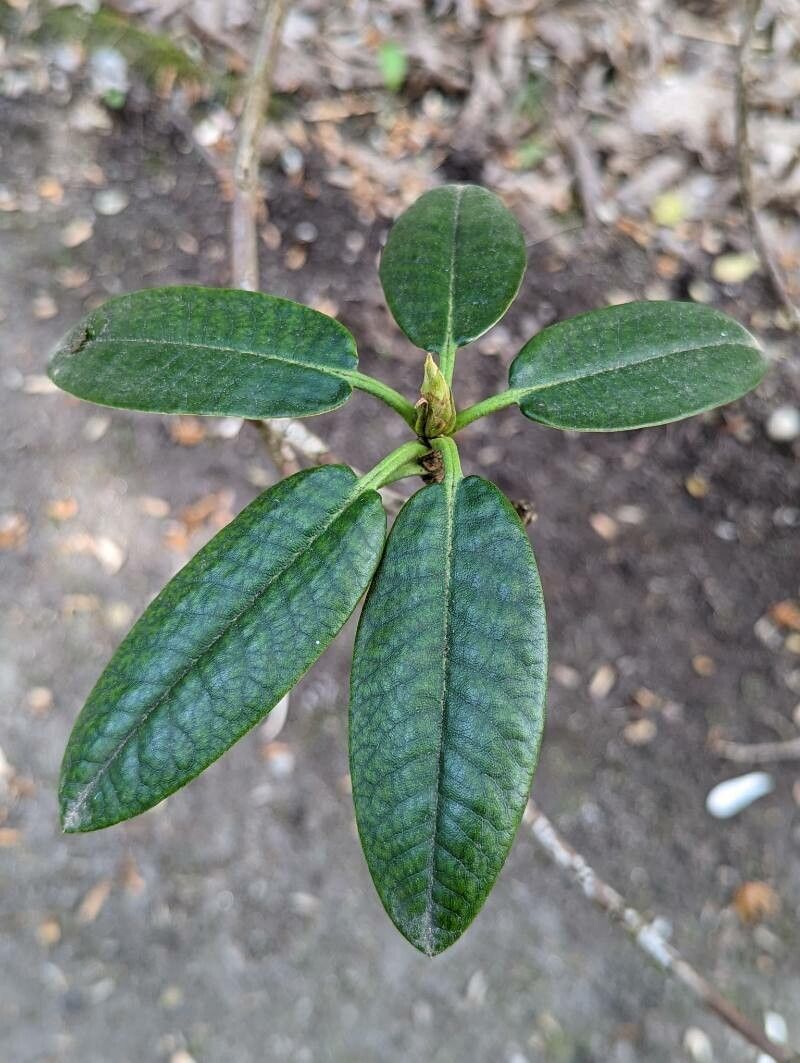
Rhododendron orbiculare, the round-leaved rhododendron (Chinese: 团叶杜鹃; pinyin: tuányè dùjuān), is a species of flowering plant in the heath family Ericaceae that is native to forests and slopes at an elevation of 1,400–3,500 m (4,600–11,500 ft) in northeastern Guangxi and southwestern Sichuan, China. It is a compact evergreen shrub growing to 3 m (9.8 ft) tall and broad, with matt-textured round leaves and trusses of deep pink flowers in spring.In cultivation in the UK Rhododendron orbiculare has gained the Royal Horticultural Society’s Award of Garden Merit. It is hardy down to −15 °C (5 °F) but like most rhododendrons it requires a sheltered spot in dappled shade, and an acid soil enriched with leaf mould.
Rhododendron orbiculare is fairly disease-resistant and typically does not suffer from illnesses. Care-wise, this plant is relatively low-maintenance. Planted outdoors, it needs minimal watering, and larger specimens generally do not require pruning. Smaller plants, however, should be pruned after they finish blooming. Rhododendron orbiculare is suitable for anyone with an outdoor area, such as a garden or deck, and does not demand a great deal of care experience.
How to keep Rhododendron Orbiculare.
Light
Rhododendron orbiculare occurs in habitats like forest understories or rocky areas that provide natural shade. It prefers partial sun but can adjust to full sun or full shade, showing its versatile and hardy character.
Water
To ensure the best care for your Rhododendron orbiculare, use rainwater or snowmelt instead of tap water. In the summer, water the plant thoroughly, but reduce watering in the winter. Adjust the frequency of watering based on seasonal temperature changes. Test the pH of the water, and if it is slightly alkaline, add a bit of white vinegar. Be sure to prevent waterlogging during rainy seasons.
Temperature
Rhododendron orbiculare shows strong adaptability to a wide range of climate conditions, from scorching summers to cold winters. However, it does have a preferred temperature range for growth. When temperatures rise too high, the plant is vulnerable to heat and humidity stress, which can cause it to die. In areas where temperatures near the lower limit of its cold tolerance, it is important to provide insulation to protect the plant.
Fertilizer
To encourage healthy growth, fertilize your Rhododendron orbiculare in early spring. Regular feeding improves overall health, producing vigorous growth, greater tolerance of difficult conditions, and enhanced resistance to diseases and pests. Keep a consistent fertilization routine for your Rhododendron orbiculare to preserve vibrant, deeply colored foliage and a lush appearance.
Pruning
Rhododendron orbiculare features rounded leaves and compact growth. To maintain its shape and encourage healthy blooming, lightly prune this plant in early spring. This will help remove dead branches and improve air circulation. Be sure to use clean, sharp tools to minimize damage, and avoid heavy pruning to reduce stress on the plant.
Botanical profile.
- Plant Type
- Shrub
- Life Cycle
- Perennial
- Genus
- Rhododendron
- Family
- Ericaceae
- Hardiness Zone
- 6-8
- Mature Height
- 1.52 m to 3.05 m
- Mature Spread
- 1.52 m to 2.44 m
- Leaf Color
- Dark Green, Forest Green
- Leaf Type
- Evergreen
- Flower Color
- Pink
- Flower Size
- 5.08 cm to 6.35 cm
- Bloom Time
- Mid spring, Late spring
- Planting Time
- Spring, Summer
- Harvest Time
- Late summer, Early fall, Mid fall