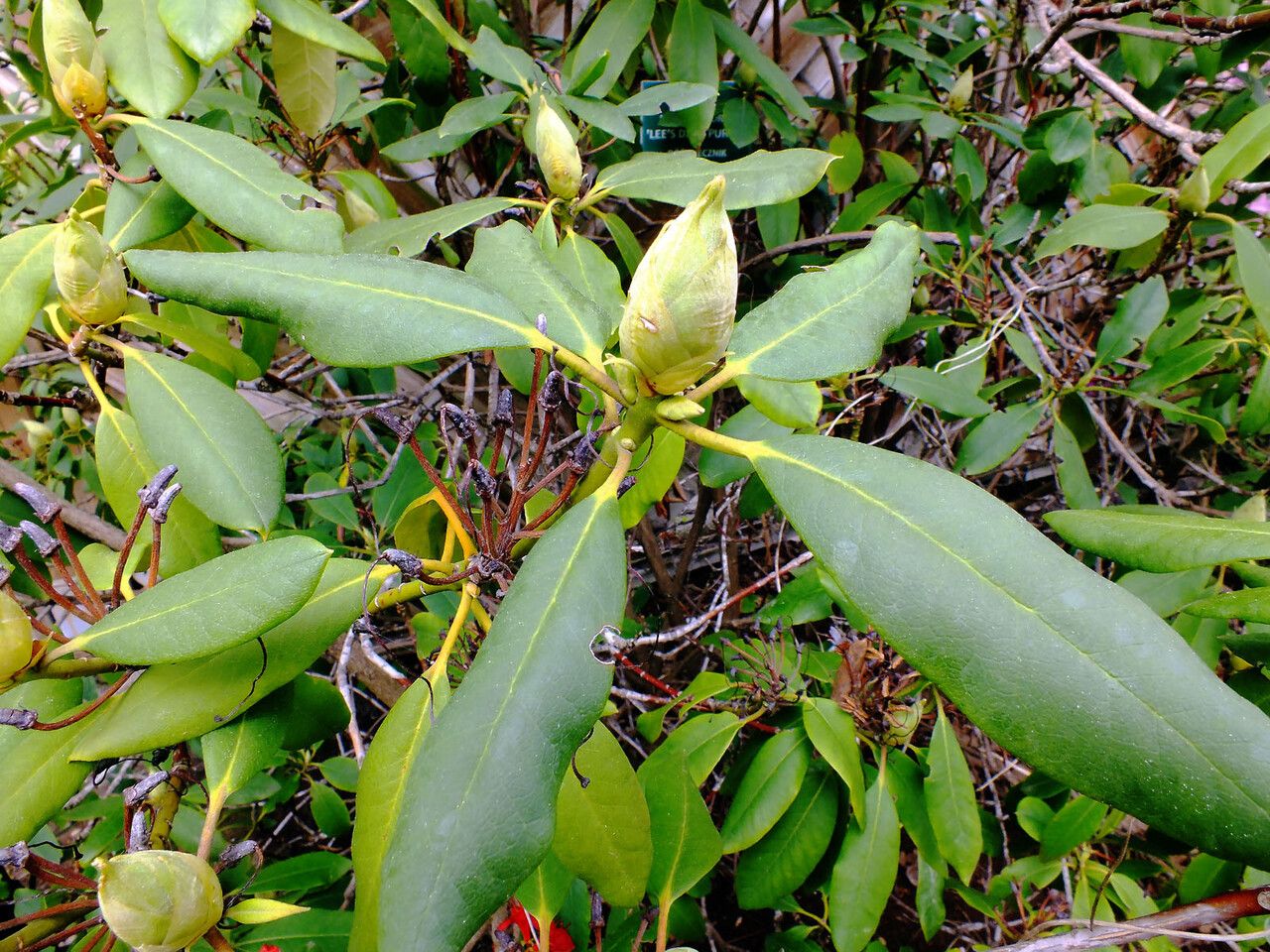
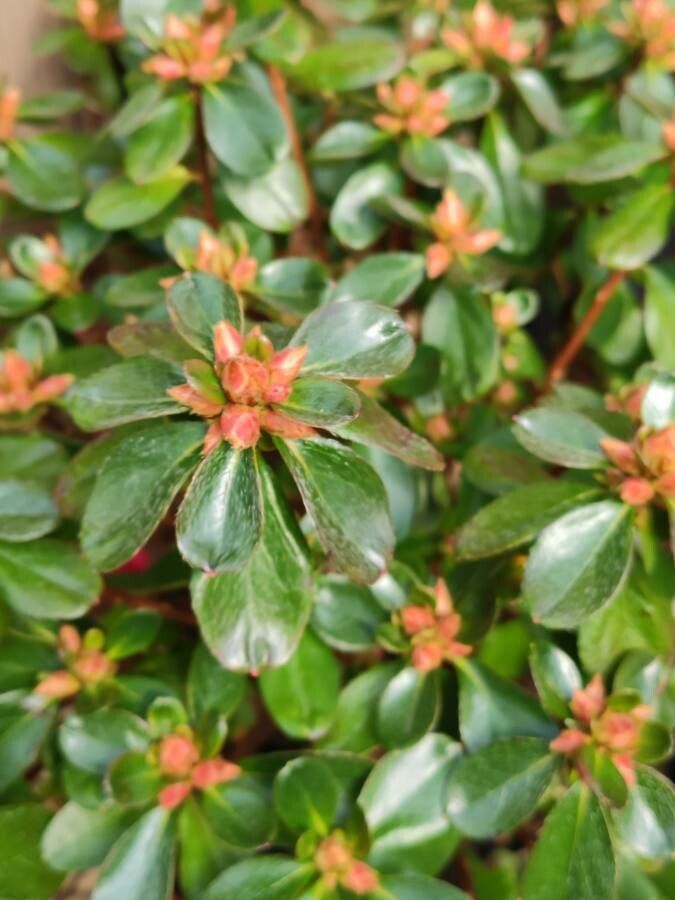
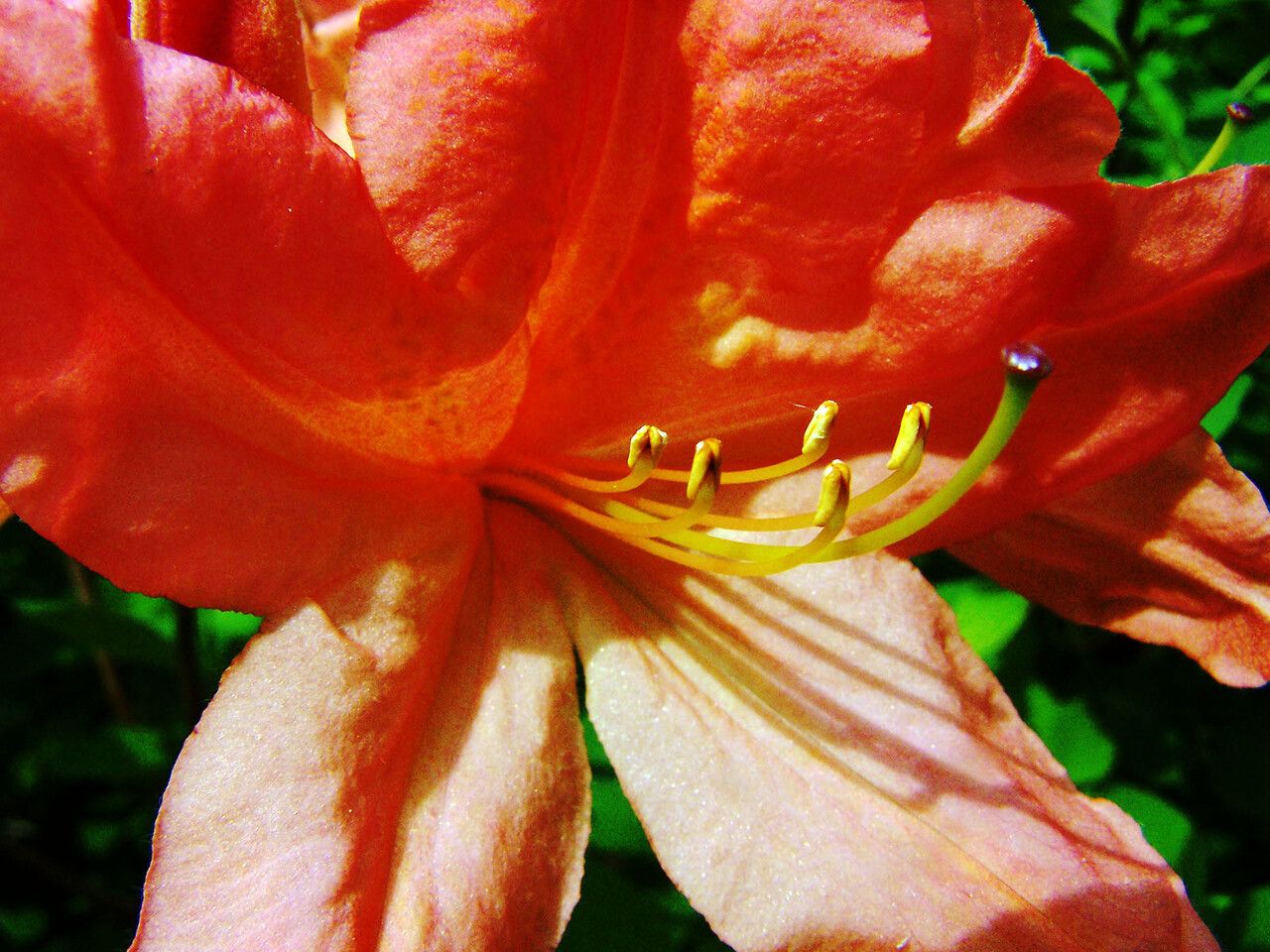
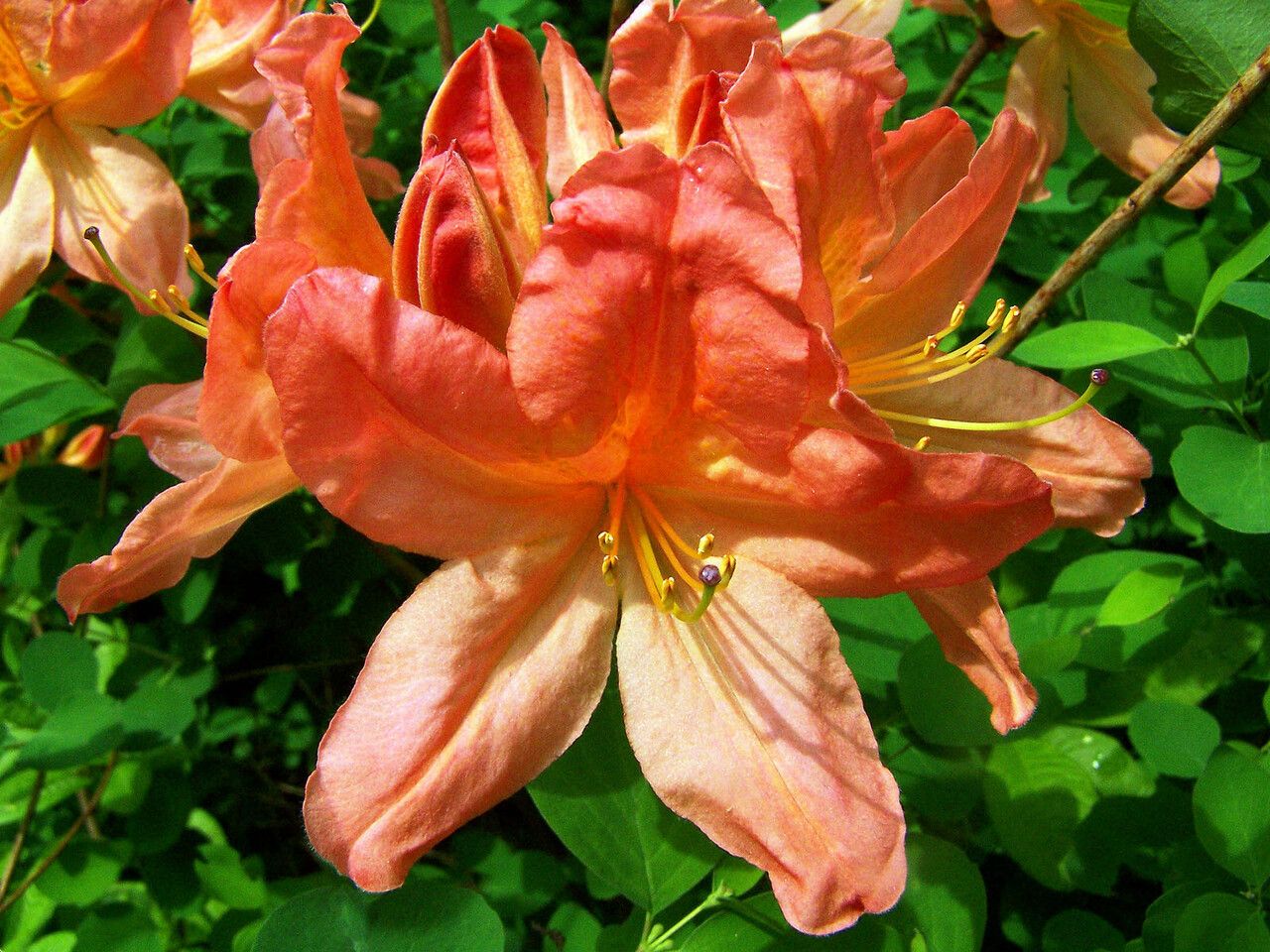
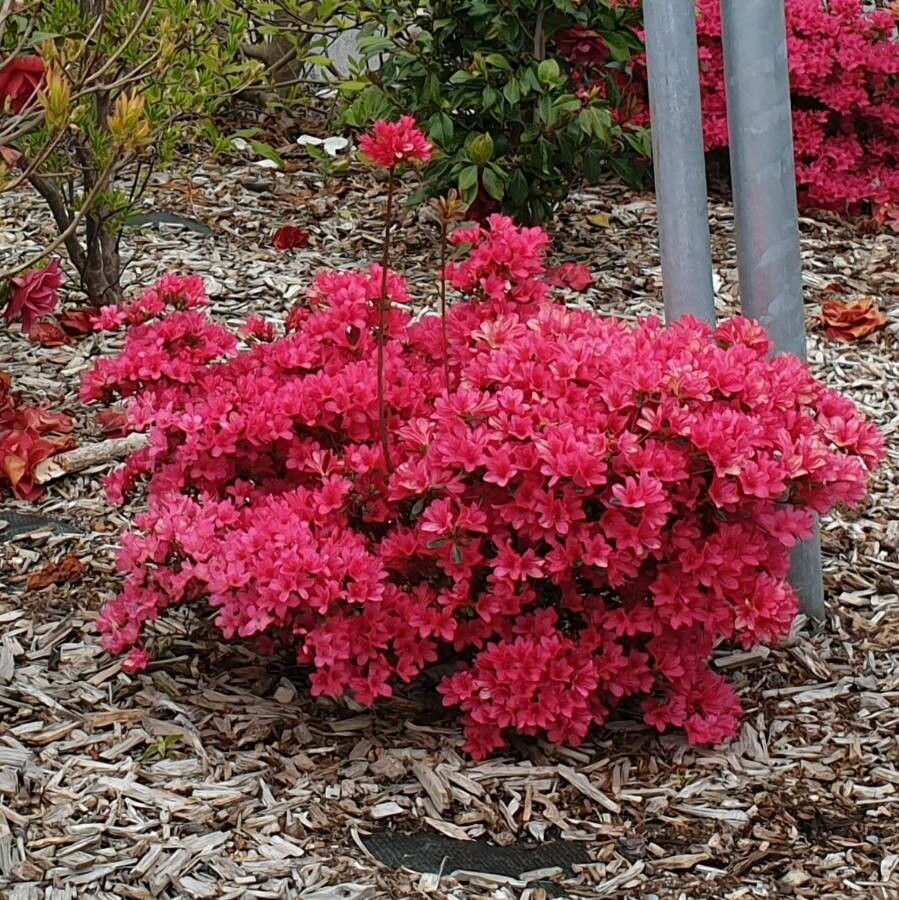
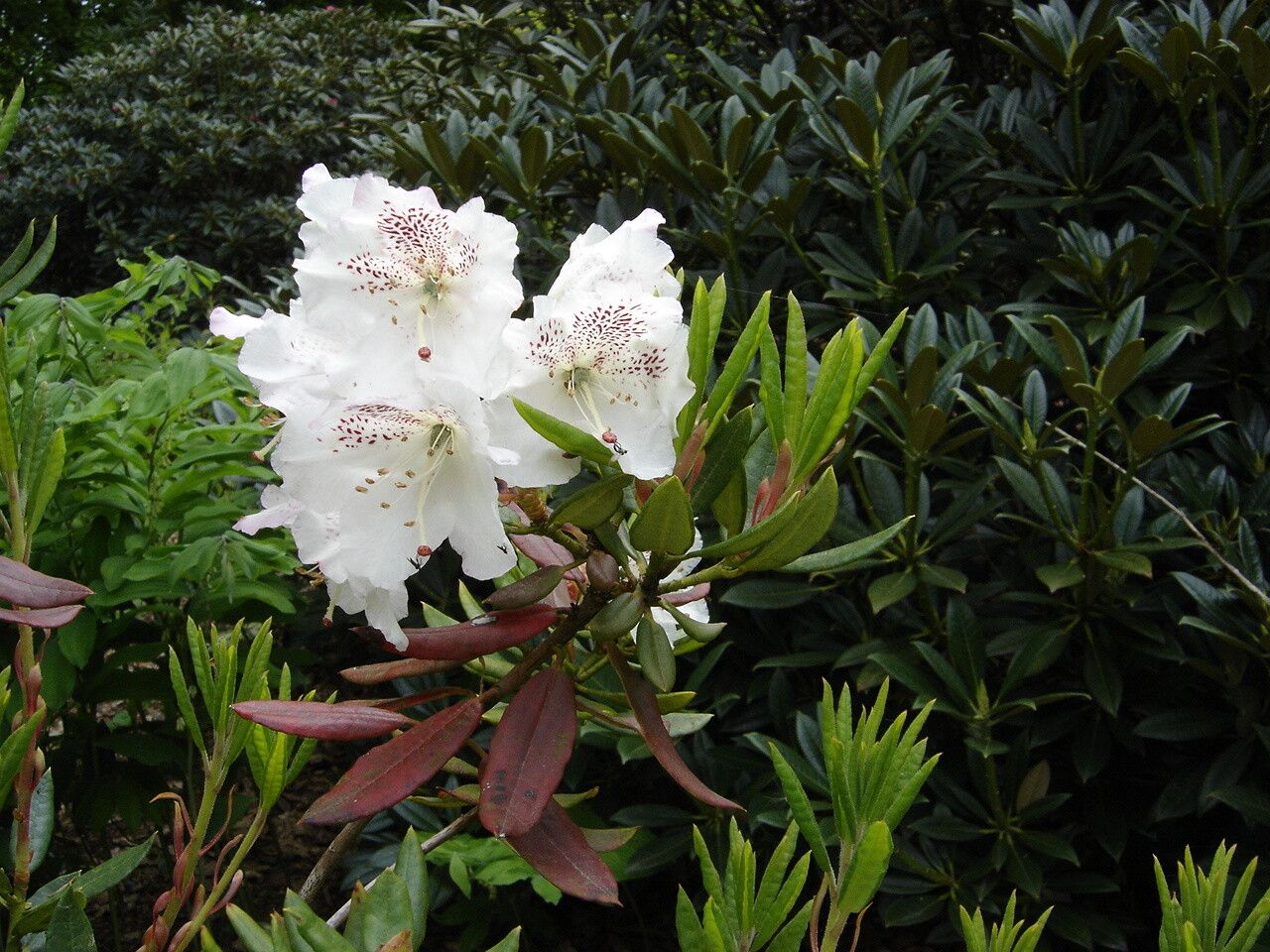
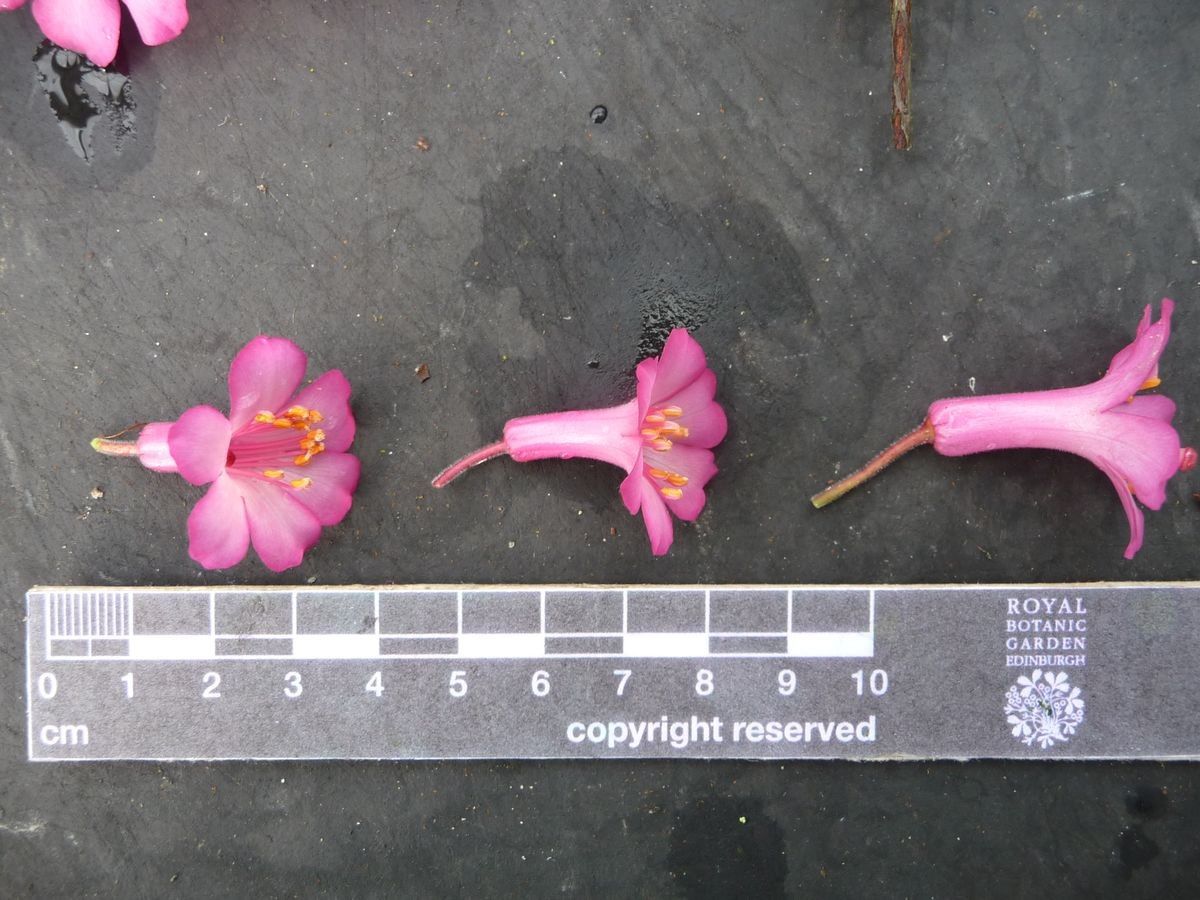
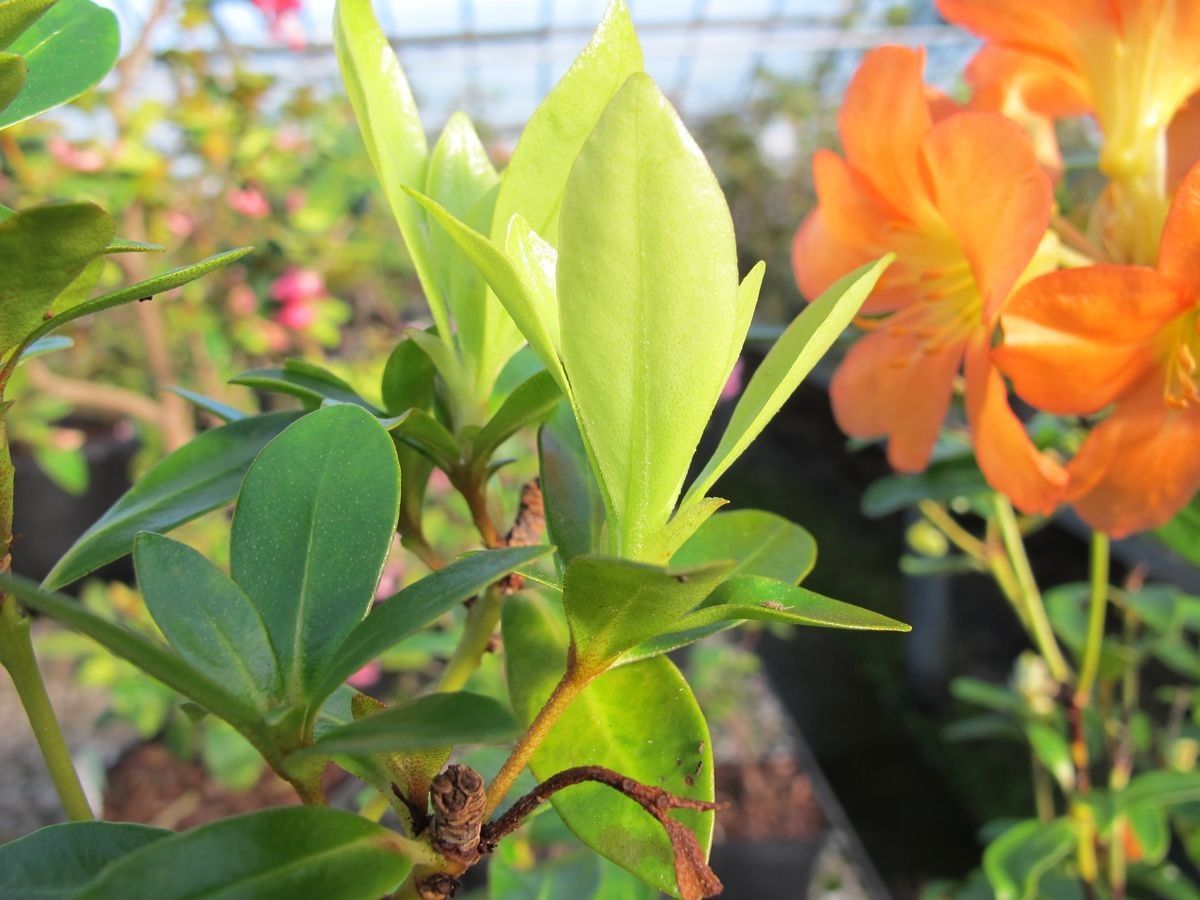
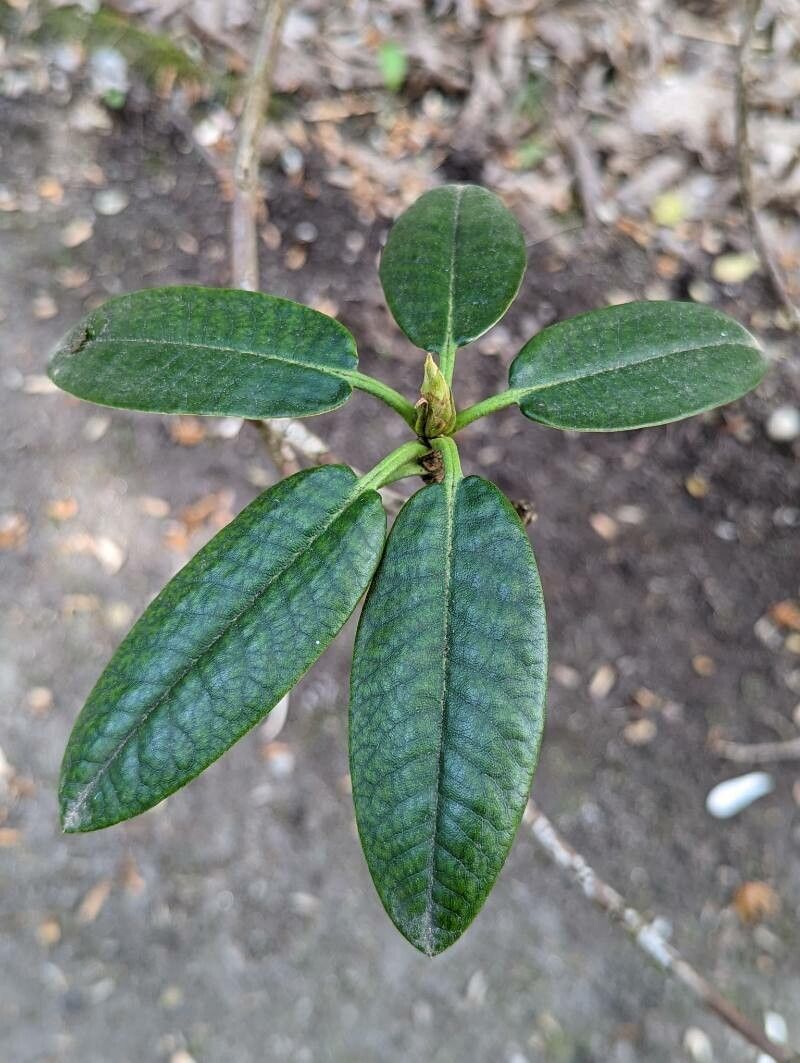
Rhododendron japonicum is a flowering plant species in the heath family, Ericaceae. Native to Japan, it thrives in mountainous regions and forests. This plant typically reaches a height of 1 to 2 meters and features dark green leaves that are glossy on the upper surface and hairy underneath. Its bell-shaped flowers, which are either pink or white, showcase yellow spots or blotches inside.
Rhododendron japonicum is a favored ornamental plant due to its appealing flowers and foliage. It prefers acidic soil with good drainage and partial shade, making it ideal for planting under trees or in woodland gardens. The plant needs regular watering during dry periods but is prone to root rot if overwatered.
In traditional Japanese medicine, Rhododendron japonicum has been valued for its anti-inflammatory properties and its use in treating coughs and colds. However, caution is advised when handling this plant, as all parts contain toxic compounds that can cause skin irritation or gastrointestinal issues if ingested.
In summary, Rhododendron japonicum is a striking ornamental shrub that requires specific growing conditions. When properly cared for, it can enhance the beauty of any garden setting.
The Japanese azalea is disease-resistant and generally not susceptible to illnesses. In terms of care, this plant is fairly low-maintenance. When grown outdoors it needs only minimal watering, and larger plants typically do not require pruning. Smaller plants, however, should be pruned after they have finished blooming. The Japanese azalea is suitable for anyone with outdoor space, such as a garden or deck, and does not demand much prior gardening experience.
How to keep Rhododendron Japonicum.
Light
Japanese azalea originates in open habitats, such as sunny meadows and forest edges, which supply abundant light. It does best in Full Sun but can also tolerate Partial Sun, adapting well to a range of sunlight conditions.
Water
The Japanese azalea thrives in moist environments but can also withstand periods of dryness. For optimal health, it should be watered every 1 to 2 weeks. As an evergreen plant, it retains its leaves throughout the year, which means it needs a consistent level of moisture to support photosynthesis, regardless of the season.
Temperature
The Japanese azalea is highly adaptable to a range of climates, from very hot summers to cold winters. Still, it has a preferred temperature range for growth. When temperatures get too high, the plant can suffer from heat and humidity stress, which may lead to its death. In areas where temperatures approach the lower limit of its cold tolerance, it is important to provide insulation to protect the plant.
Fertilizer
The timing of fertilizing a Japanese azalea is important. Apply fertilizer in early spring and continue on a monthly schedule until early summer. Fertilizer aids in producing attractive blooms and supplies energy during both dormant and active growth phases.
Pruning
For Japanese azaleas to thrive, it's important to prune them in early spring. This involves removing any dead wood and thinning out dense branches. Pruning after the blooming period also helps ensure bud formation for the following year. These techniques improve air circulation, reduce the risk of disease, and promote a healthy and attractive plant appearance.
Botanical profile.
- Plant Type
- Shrub
- Life Cycle
- Perennial
- Genus
- Rhododendron
- Family
- Ericaceae
- Hardiness Zone
- 5-8
- Mature Height
- 2.44 m
- Mature Spread
- 2.13 m
- Leaf Color
- Green, Blue
- Leaf Type
- Deciduous
- Flower Color
- Pink, Red, White
- Flower Size
- 5.08 cm to 6.35 cm
- Bloom Time
- Mid spring, Late spring
- Planting Time
- Spring, Summer, Autumn
- Harvest Time
- Mid summer, Late summer, Early fall
- Native Area
- Japan
Other names.
Reader questions.
How should I water my Japanese azalea?
To promote excellent root development, place a garden hose at the plant base. Avoid spraying the leaves directly as this might increase the need for more watering, especially if the plants are in direct sunlight. Consider using bubblers or soaker hoses to keep the roots moist, and make sure to cover the entire garden or bed when adding or removing plants to ensure deep root growth. After watering, drain any excess water and allow the soil to dry before watering again. To prevent diseases, water at ground level. On a sunny day, you can spray the entire bush with water. Whether in a pot or in the ground, remember that Japanese azaleas prefer deep watering instead of light sprinkling.
Why should I put fertilizer on my Japanese azalea?
Regular fertilization is essential for all types of Japanese azaleas. It not only promotes overall plant health but also encourages vigorous growth and boosts the plant's ability to withstand tough conditions and resist pests and diseases. The foliage of the Japanese azalea is especially captivating, so it is important to maintain it. By following a specific fertilization schedule tailored to your Japanese azalea, you can ensure deep-colored, lush leaves.
What are the sunlight requirements for Japanese azalea?
Japanese azalea thrives best in environments that provide full sun, which means more than 6 hours of sunlight daily, but it can also tolerate partial sun conditions, about 3-6 hours of sunlight. Originating from open environments such as sunny meadows and forest edges, it adapts well to various sunlight conditions. It's important to observe your garden's pattern of sunlight and shade throughout the day to find the best spot for your Japanese azalea, ensuring it receives the right amount of sunlight for optimal growth.
What do I do if I give Japanese azalea too much or too little water?
If a Japanese azalea is overwatered, its leaves will turn yellow, drop off, and wilt. The plant may also appear dull and unhealthy, with mushy stems. When these signs begin to show, it's best to adjust your watering schedule. The wilting can also indicate under-watering, which manifests as crispy and dry leaves, while overwatering results in soft, wilted leaves. Check the soil moisture level and if watering alone is not enough, give the plant a thorough watering. However, even with sufficient water, the Japanese azalea may still exhibit dryness and yellow leaves due to root damage. Once the plant recovers, the yellowing leaves will stop. When keeping a Japanese azalea indoors, check for moisture levels in the pot, avoid overwatering, and be on the lookout for black spots. If these spots are present, let the soil dry by refraining from watering for a few days. Overwatering can cause root rot, so if you observe discolored and slimy roots, consider transferring the plant to a different pot. Preventing root rot is important, so do not let the soil become overly soggy. When planting a Japanese azalea outdoors, ensure the soil is adequately moist. If it feels too dry when you check with your fingers, it may indicate underwatering. Provide adequate watering for the plant's recovery.
When should I fertilize my Japanese azalea?
To keep your Japanese azalea healthy, start by fertilizing it in late winter or early spring. This will provide essential nutrients for the plant to grow well once the weather warms up. If you live in a warm climate, it can be beneficial to give your Japanese azalea an additional feeding of fertilizer in early fall. This not only adds more nutrients to the soil, which the plant will use in the next growing season, but also helps it withstand the cold winter without foliage damage. Fertilizing earlier ensures that the new branches have sufficient time to grow and be resilient to the winter cold.
How can artificial lighting support the growth of indoor Japanese azalea?
When natural sunlight is insufficient for the indoor Japanese azalea, especially during winter or in less sunny spaces, artificial lighting offers an effective solution for promoting healthier, faster plant growth. LED lights are a popular choice because they can be customized to provide specific wavelengths of light needed by plants. Full sun plants require 30-50W/sq ft, partial sun plants need 20-30W/sq ft, and full shade plants need 10-20W/sq ft of artificial light. The lighting setup should mimic natural sunlight conditions, so position the light source 12-36 inches above the plant, and ensure the light is on for about 8-12 hours per day to simulate the natural daylight hours.
How frequently should I water my Japanese azalea?
The Japanese azalea prefers deep and infrequent watering, especially when planted in pots. To ensure proper hydration, soak them with a gallon of water each time. Since the water storage of flower pots is limited, the soil tends to dry out quicker. In cold regions, water every 3 to 5 days, preferably in the morning when the soil is dry. You can check if watering is needed by examining the top 2-3 inches of soil; if it's dry, it's time to water. On hot days, monitor the moisture daily as the heat can rapidly dry out the soil in the pot. For garden plants, irrigation is also necessary. In hot climates, water them once a week when about 2 to 3 inches of soil become too dry outdoors or indoors. Take into account the amount of rainwater on the plant to avoid overwatering and root rot. If there is already sufficient rainfall, additional watering may not be necessary. Japanese azaleas typically thrive during spring and fall. When outdoors, mulch about 3 to 4 inches deep to conserve water. When dealing with different soil types, sandy soil drains faster, requiring more frequent watering. On the other hand, clay soil retains moisture better, so you can water less frequently, allowing the plant to dry for 2-3 days without risking root rot. To keep track of watering, mark the date on the calendar and pay attention to any drooping leaves, which could indicate a need for watering.
When should I not put fertilizer on my Japanese azalea?
You should avoid fertilizing your Japanese azalea at certain times of the year. The first period is the early and mid-winter months when the plant is dormant and does not require any feeding. Another time to avoid fertilizing is in late spring and throughout the summer. During this period, the weather is usually hotter and drier, which can have a detrimental effect on the Japanese azalea if it is fertilized. To prevent these problems, it is best to only fertilize the plant in early spring and early fall.
What symptoms indicate that Japanese azalea is not receiving enough light?
Signs of insufficient light in Japanese azalea include smaller new leaves, leggy or sparse growth, faster leaf drop, slower or halted new growth, lighter-colored new leaves, chlorosis (leaves turning yellow), and symptoms of overexposure like sunscald, leaf curling, wilting, and leaf scorching. These symptoms show that the plant is struggling with either too little or too much light, leading to various growth and health issues.
How much water does my Japanese azalea need?
The Japanese azalea generally requires about one gallon of water on a regular schedule. For potted plants, it is recommended to water them deeply until you see water dripping from the bottom of the pot. After that, wait for the soil to dry before watering again. You can use a water calculator or moisture meter to determine how much water you have given your plant in a week. During the flowering period, provide plenty of water but make sure the moisture evaporates afterwards to prevent root rot. If the Japanese azalea is planted outdoors and there is adequate rainfall, additional watering may not be necessary. However, when the plant is young or newly planted, it should receive 1-2 inches of rain per week. As the Japanese azalea continues to grow, it can survive solely on rainfall. Only in extremely hot weather or during a period of no rainfall for 2-3 weeks should you consider giving the plant a full watering during the cooler part of the day to prevent heat damage. Additional watering will be required during prolonged dry spells.
What kind of plant food does my Japanese azalea need?
Japanese azaleas require nitrogen as the most crucial nutrient, although that doesn't diminish the importance of phosphorus and potassium. A balanced fertilizer with equal ratios of all three nutrients, like a 10-10-10, generally suffices. However, a more precise nutrient ratio tends to promote optimal growth. Fertilizers with slightly higher nitrogen content, such as a ratio of 10-6-4, often yield better results. You have the option to use either granular or liquid-based fertilizers.
What solutions can alleviate light-related issues in indoor and outdoor Japanese azaleas?
To address light-related issues, gradually increase sunlight exposure for both indoor and outdoor Japanese azaleas. Indoors, move plants to a sunnier location weekly until they receive at least 6 hours of sunlight daily, and use artificial lighting if necessary, ensuring at least 8 hours of light daily. Outdoors, relocate your plants progressively to sunnier spots to adapt without sunburn risk. Reducing obstructions such as pruning nearby trees can also improve sunlight access. For some plants, especially smaller ones, transplantation during dormant periods to sunnier locations with good drainage might be beneficial. Remember that while affected parts may not recover, new growth should be healthy with improved light conditions.