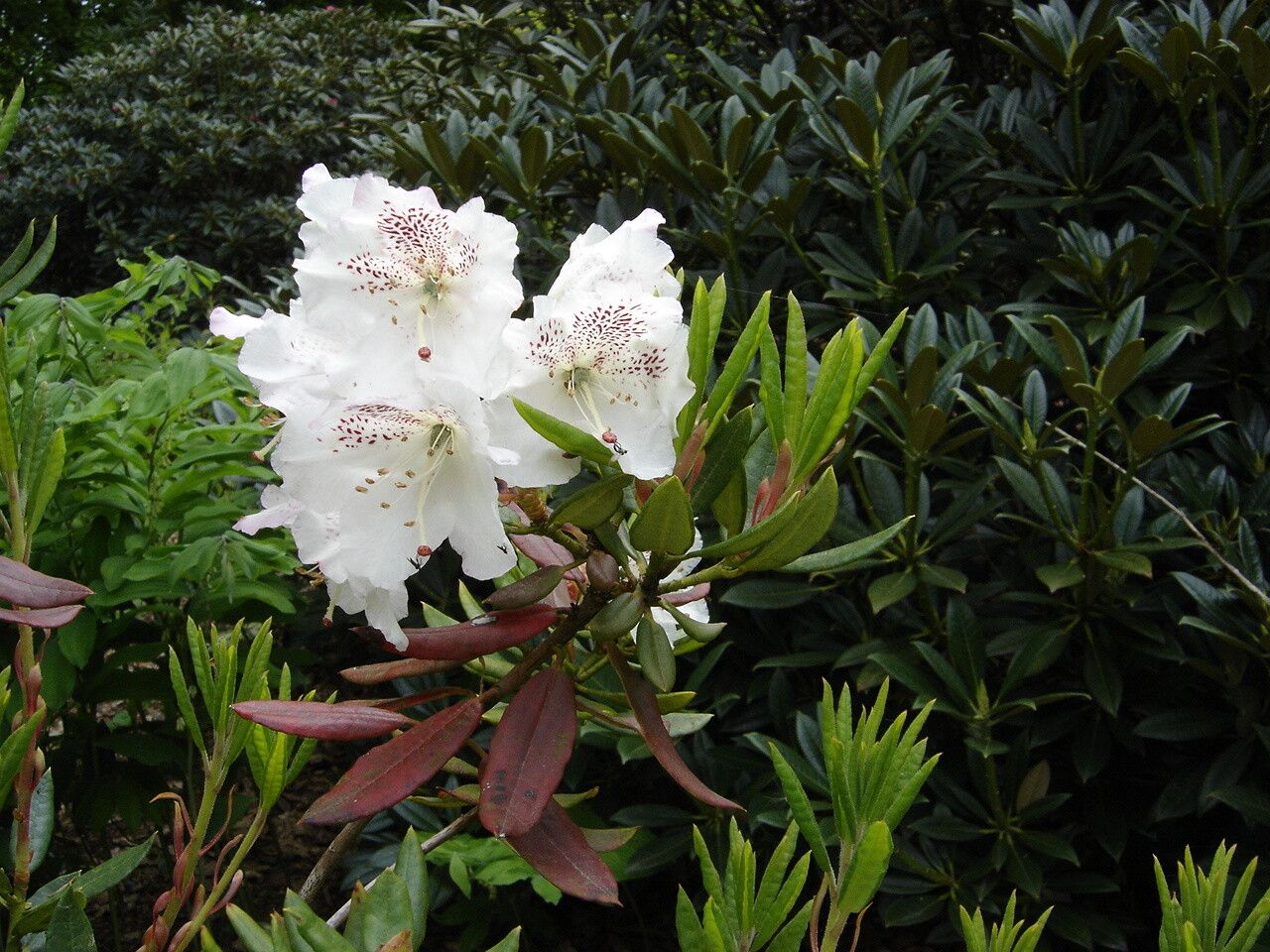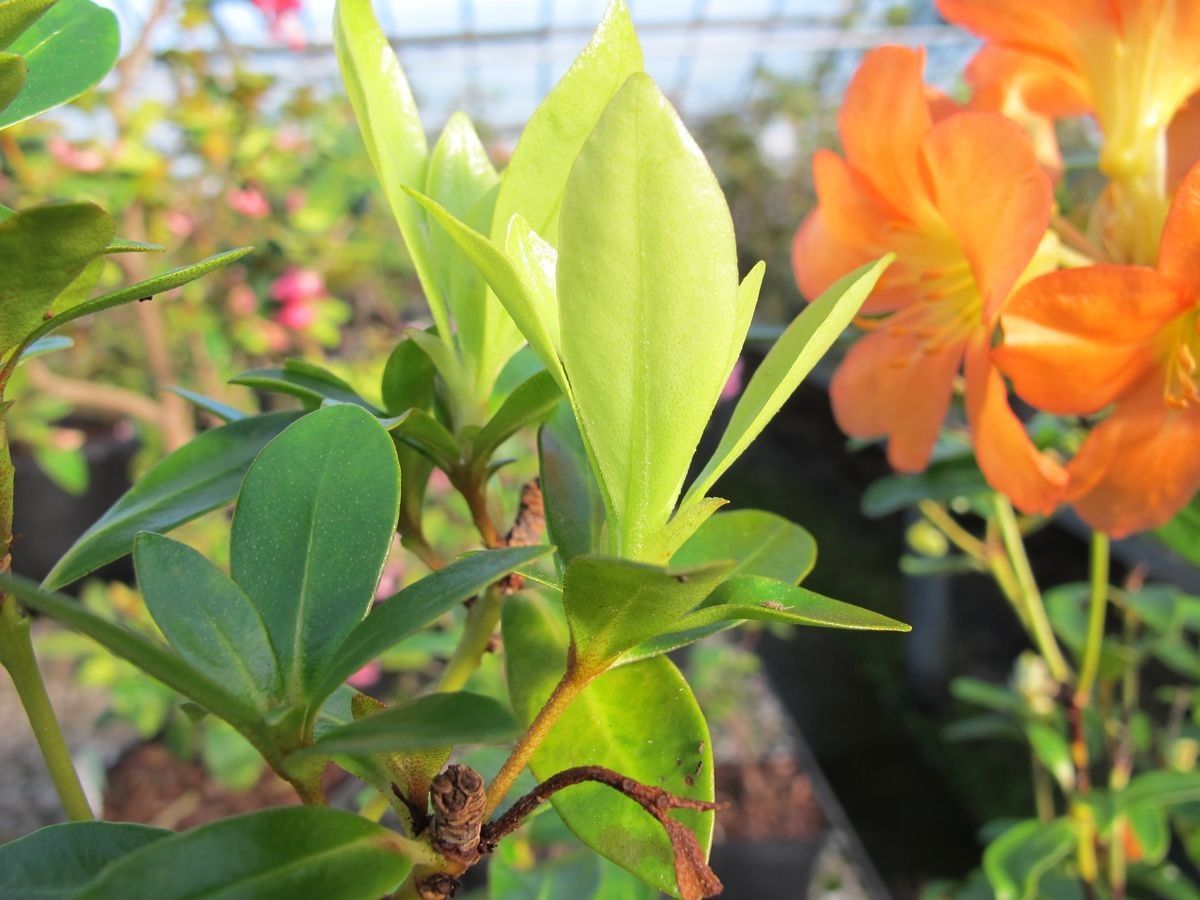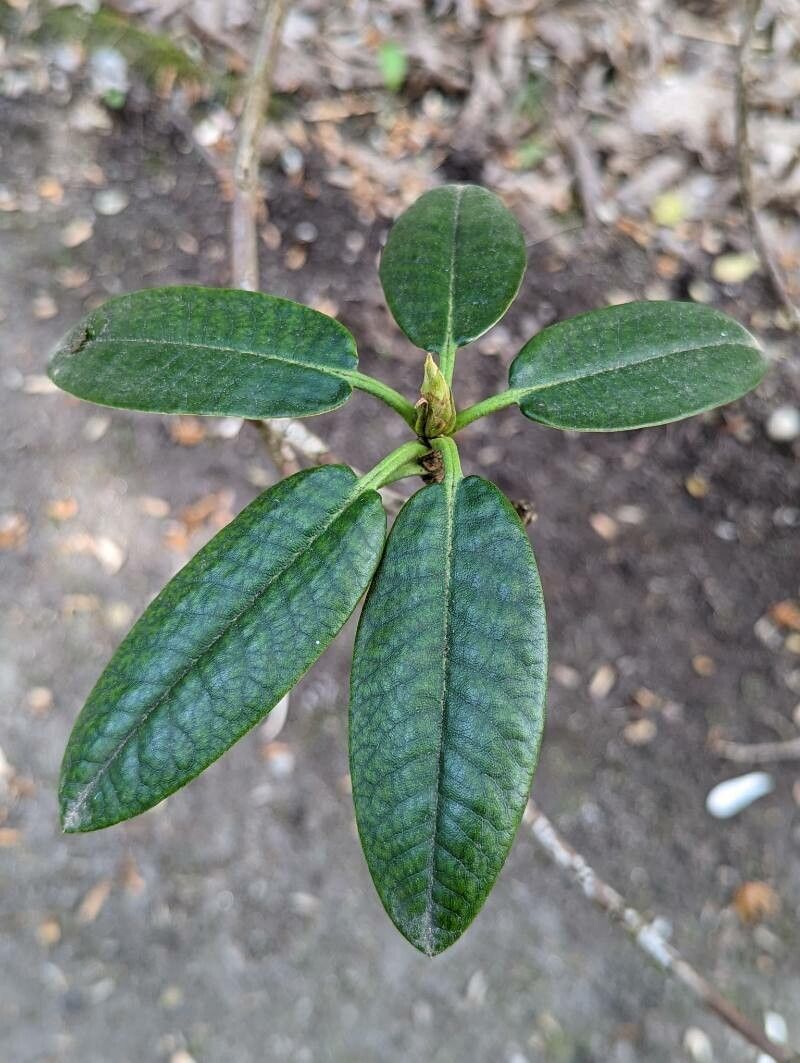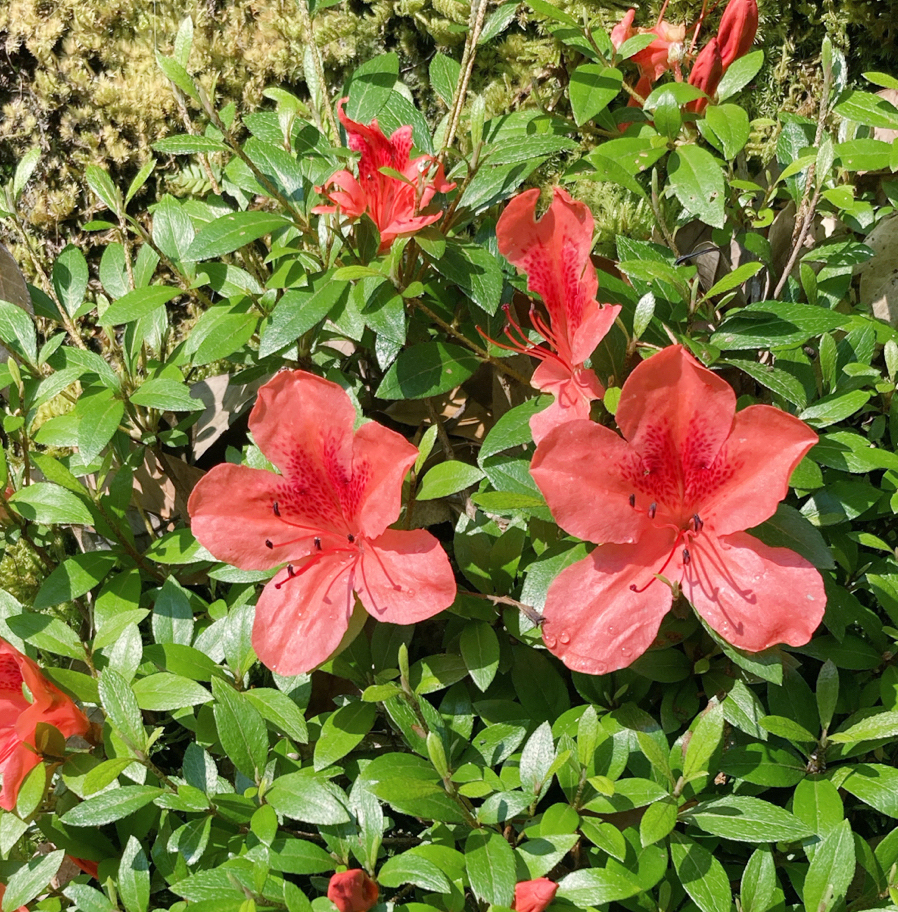
Azalea indica, commonly known as the Indian azalea, is a flowering shrub belonging to the Ericaceae family. Native to East Asia, it can be found in countries such as China, Japan, and Korea. The plant typically grows up to 2 meters in height and features dark green, oval-shaped leaves with pointed tips.
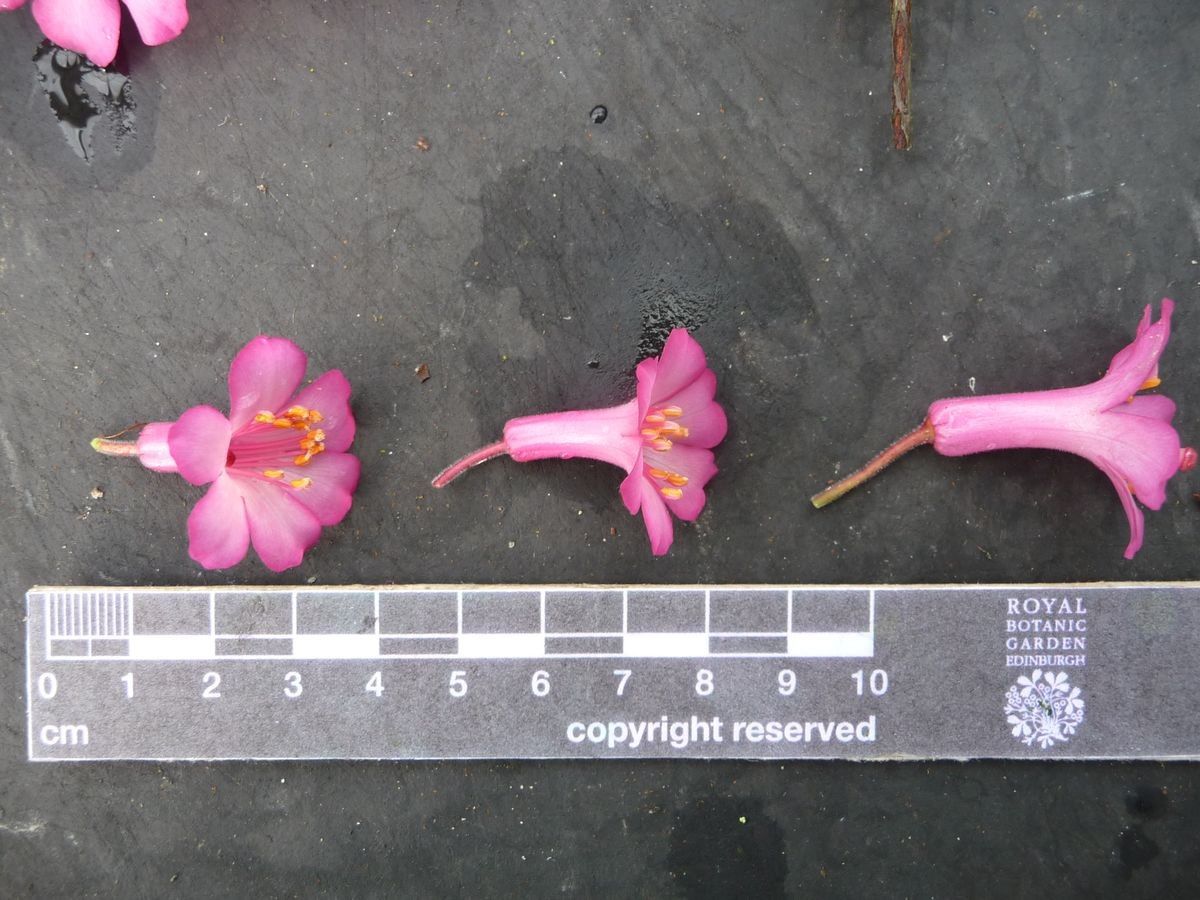
The Indian azalea produces stunning flowers in various shades of pink, red, white, or purple. These funnel-shaped flowers, usually with five petals, bloom in spring or early summer and are noted for their pleasant fragrance, which makes them popular among gardeners.
Azalea indica thrives in acidic soil with good drainage and prefers partial shade or filtered sunlight for optimal growth. It can be propagated through cuttings or layering techniques.
In traditional Chinese medicine, the plant has been used to treat fever and inflammation due to its anti-inflammatory properties.
Overall, Azalea indica is a popular ornamental plant, renowned for its beautiful flowers. It makes an excellent addition to gardens or landscapes, especially during springtime, when it blooms profusely, adding vibrant color to any garden setting.
Evergreen azaleas are unique because, unlike most plants in the Rhododendron genus that start to wither, their leaves remain green and healthy. Interestingly, the name "azalea" comes from the Latin word "azaléos," which means dry. This name reflects the plant's preference for drier soil, which is why they are known as evergreen azaleas.
The Satsuki azalea is fairly disease-resistant and generally does not suffer from illnesses. However, when grown in poor conditions it can become more prone to disease. It also has relatively few insect pests. Carewise, this plant has moderate needs. It should receive plenty of sunlight, since insufficient light can make it more vulnerable to disease and cause weak, thin growth. Because it is often kept indoors, it may need to be moved regularly to a bright spot. It does not need frequent watering. Overall, the Satsuki azalea is suitable for most people, but it performs best for those who can provide good light conditions.
How to keep Rhododendron Indicum.
Light
Satsuki azalea thrives in locations where sunlight is mostly diffused throughout the day, yet it can still manage to survive under stronger brightness. Too much light, however, could cause damage to its leaves, and insufficient light may stunt its development. As an indigenous plant of forest canopies, it is accustomed to these light conditions.
Water
Evergreen azaleas originate from humid subtropical regions and thrive in moist environments. While they are moderately drought-tolerant, it is ideal to water them every 1-2 weeks. When grown outdoors, these azaleas benefit greatly from mulching, which helps retain moisture, especially during their active growing season.
Temperature
The Satsuki azalea originates from warmer regions and needs temperatures ranging from 5 to 35 ℃ (41 to 95 ℉). In the colder months, one is advised to place the plant in a cooler spot, which is approximately 5 to 10 ℃ (41 to 50 ℉), as this encourages the blossoming of flowers when spring arrives.
Fertilizer
It's essential to fertilize Satsuki azalea at the right time. Begin in the early spring, extending on a monthly basis until the start of summer. Fertilizer contributes to the production of beautiful flowers and supplies energy in both the dormant and active stages of growth.
Pruning
Evergreen azaleas benefit from pruning in late spring, right after they finish blooming. Start by removing spent flowers, thinning out crowded branches, and shaping the plant to improve air circulation and promote healthy growth. Be careful not to prune too heavily, as this can reduce the number of blooms. Always use sanitized tools, and make your cuts just above leaf nodes for the best results.
Pot & Repot
When you're transplanting a Satsuki azalea, opt for a container that is 1-2 inches bigger and has sufficient drainage. Utilize a potting mix that drains well. Carry out the repotting in the spring or fall, making sure the root mass is slightly beneath the edge of the planter. Once you've repotted, hydrate the plant comprehensively and put it in a warm location that receives filtered sunlight.
Botanical profile.
- Plant Type
- Shrub
- Life Cycle
- Perennial
- Genus
- Rhododendron
- Family
- Ericaceae
- Hardiness Zone
- 4-10
- Mature Height
- 0.91 m to 2.13 m
- Mature Spread
- 61 cm to 91 cm
- Leaf Color
- Green
- Leaf Type
- Evergreen
- Flower Color
- Pink, Red, White, Purple
- Flower Size
- 3.81 cm to 6.35 cm
- Bloom Time
- Late spring, Early summer
- Planting Time
- Spring, Autumn
- Harvest Time
- Mid summer, Late summer, Fall
- Native Area
- Japan
Other names.
Reader questions.
When Should I Water My Evergreen Azalea?
Watering your evergreen azalea is essential for its vibrant flower production, growth, and disease resistance. The right time to water this plant is when the top 1 to 2 inches of soil at the base feels dry. Keep an eye on the leaves too; if they look wilted, dull, or are losing color, your azalea could be thirsty. It’s crucial during the bud formation stage and in conditions of warm temperatures and high sunlight exposure to water appropriately. Beware of watering too early or too late, as over-watering can lead to root diseases while under-watering can cause wilting and possibly kill the plant due to dehydration.
Why should I put fertilizer on my Evergreen azalea?
To ensure your Evergreen azalea produces beautiful blooms, it's important to fertilize it. Fertilizing in early spring is especially effective for promoting excellent flowers during that season. Additionally, fertilizer provides your Evergreen azalea with energy that can be stored in the ground during dormant growth phases. Giving your azalea extra nutrients during fall planting or late spring will help it retain more energy to use when active growth resumes.
What are the sunlight requirements for an evergreen azalea?
Evergreen azaleas thrive in conditions where sunlight filters through for most of the day, similar to their native canopied forests. They prefer partial sun, requiring about 3-6 hours of sunlight, but can also sustain full sun with above 6 hours of sunlight daily. However, excessive exposure to sunlight may cause leaf burn, while insufficient light can hinder their growth. It's essential to watch how sunlight moves through your garden and choose spots that provide a balance of light and shade, ensuring the plants' happiness.
What are the essential care requirements for Evergreen Azalea?
Evergreen Azalea, known botanically as Rhododendron indicum, thrives in warm climates and prefers temperatures ranging between 5 to 35°C (41 to 95°F). To encourage blooming in spring, it is recommended to keep the plant in a cooler location, around 5 to 10°C (41 to 50°F), during the winter months. Although Evergreen Azalea is notable for its strong cold resistance, special frost protection measures should be taken if temperatures are expected to drop significantly below its growth limit. This involves wrapping the trunk and branches with protective materials such as non-woven fabric or cloth. Additionally, watering the plant abundantly before the first freeze of autumn is crucial to ensure the soil remains moist and enters a frozen state, which helps prevent drought and water scarcity for the plant during winter and early spring.
How Should I Water My Evergreen Azalea?
Evergreen azaleas require thoughtful watering. Use a watering can with a narrow spout to target the water directly at the base, avoiding the foliage as much as possible to prevent diseases. Bottom-watering and using a moisture meter can also help in ensuring the plant receives adequate hydration without overdoing it. The soil should be consistently moist but well-draining. If watering with tap water, ensure it’s at room temperature and free from excessive chlorine or minerals that can harm the plant. Adjust frequency based on whether your azalea is indoors or outdoors, and always ensure good drainage to prevent waterlogged soil.
When should I fertilize my Evergreen azalea for the best results?
To effectively fertilize Evergreen azalea, timing is crucial. Applying fertilizer too early while the plant is still dormant, will not be effective as it will be washed away by rainwater, causing waste and pollution. The first application of fertilizer should be done in early spring, and then continue to fertilize once a month until early summer.
How can artificial lighting benefit evergreen azaleas?
Indoor evergreen azaleas require adequate lighting for optimal growth, especially when natural sunlight is insufficient, such as during winter or in less sunny spaces. Artificial lights, particularly LED lights, offer a vital solution by promoting faster, healthier growth. These can be customized to provide specific wavelengths of light that plants need. For full sun plants, 30-50W/sq ft of artificial light is needed, 20-30W/sq ft for partial sun plants, and 10-20W/sq ft for full shade plants. The light source should be placed 12-36 inches above the plant, mimicking natural sunlight as closely as possible, with most plants needing 8-12 hours of light per day.
How should I address temperature-related symptoms in Evergreen Azalea?
For Evergreen Azalea, managing temperature-related symptoms is crucial for its health. During winter, the plant is cold-tolerant and thrives best when temperatures are maintained above its minimum tolerance limit. If temperatures fall below this limit, there may not be noticeable changes during winter, but come spring, the branches might become brittle and dry, and no new shoots will emerge. The solution for such damage is to prune away the dead branches in spring. During summer, it's important to keep the plant below its maximum temperature tolerance. Exceeding this temperature can result in lighter colored leaves, dry and withered tips, and increased susceptibility to sunburn. To mitigate these issues, trim away sunburned and dried-up parts, move the plant to a shaded location or use a shade cloth to protect it from midday and afternoon sun. Also, ensure the soil is kept moist by watering in the morning and evening.
How Much Water Does Evergreen Azalea Really Need?
The amount of water your evergreen azalea needs varies with pot size, the depth of the root system, and environmental factors. A good guideline is to thoroughly soak the soil until water reaches the bottom of the standard-sized pot. Watch for signs of optimal watering, such as vibrant leaves and robust growth, and signs of over or underwatering like wilting leaves or leaf drop. The goal is to maintain soil moisture without waterlogging it. Both over and underwatering can have severe effects on your azalea's health, leading to wilting or root decay.
When is the best time to not put fertilizer on my Evergreen azalea plant?
To ensure optimal blooming, it is important to avoid using a fertilizer high in nitrogen for Evergreen azaleas. Instead, choose a fertilizer that has a relatively lower level of nitrogen compared to other nutrients. Additionally, it is best to refrain from fertilizing after early autumn, as this can lead to excessive growth before winter. Furthermore, avoid fertilizing Evergreen azaleas during hot and dry periods, as dry soil hampers the effective delivery of fertilizer and can also stimulate growth that requires more water, which may not be readily available. It is advisable to apply fertilizer during cooler temperatures earlier in the season. Lastly, keep in mind that Evergreen azaleas can absorb fertilizer applied to nearby plants or lawns, so be cautious to avoid inadvertently providing them with an excessive amount of fertilizer.
What are the symptoms of light deficiency in evergreen azaleas?
Evergreen azaleas exhibit several symptoms when grown under insufficient light, including smaller new leaves, leggy or sparse growth, faster leaf drop, slower or no new growth, and lighter-colored new leaves. These symptoms indicate that the plant is in survival mode due to poor light conditions. Conversely, excessive sunlight exposure can cause chlorosis, sunscald, leaf curling, wilting, and leaf scorching, damaging the plant's health. Recognizing these symptoms early can help in taking corrective actions to improve the plant's light conditions and overall health.
What Kind of Water is Best for Evergreen Azalea?
The best water for your evergreen azalea is distilled, rain, or filtered water due to its purity and balanced pH level. Tap water is also an option if it's not high in chlorine or other harmful elements, but ensure it's at room temperature. As evergreen azaleas are sensitive to chlorine and fluoride, letting tap water sit for 24 hours before using it can be beneficial. Remember, the plant prefers its water at moderate temperatures, around 68-72°F (20-22°C), to avoid shock.