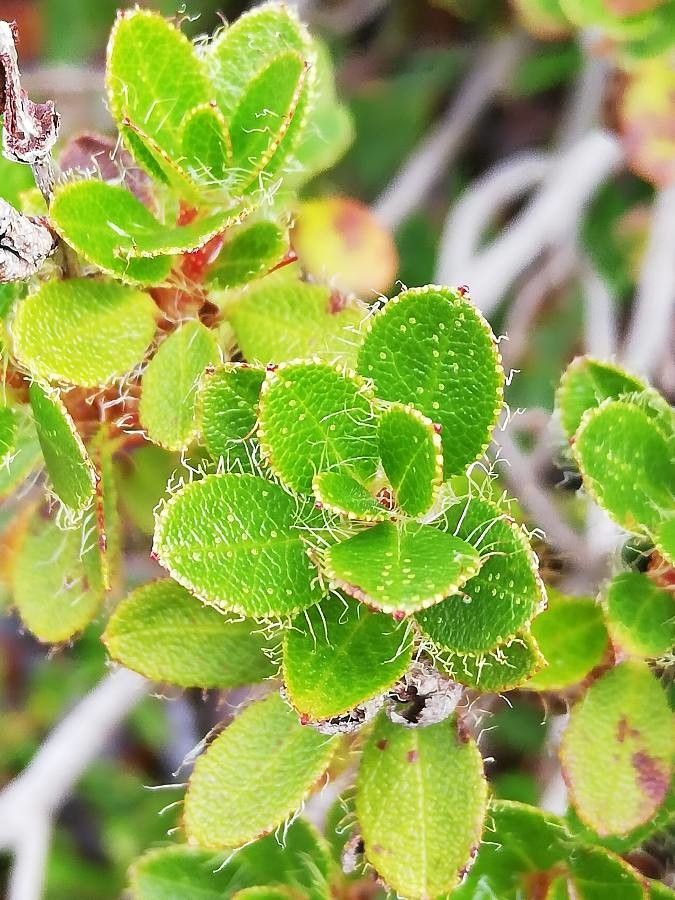
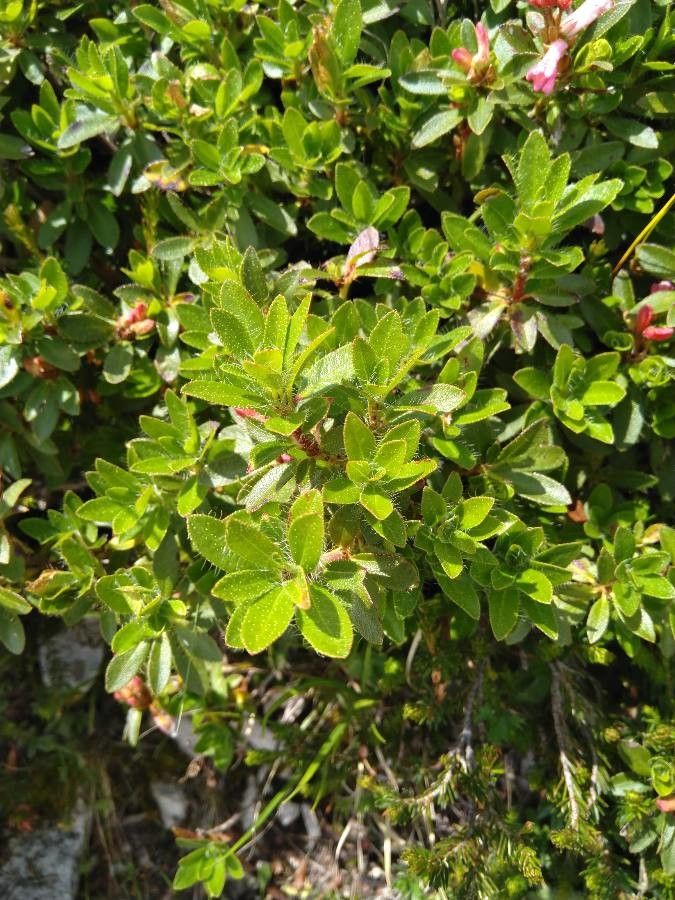
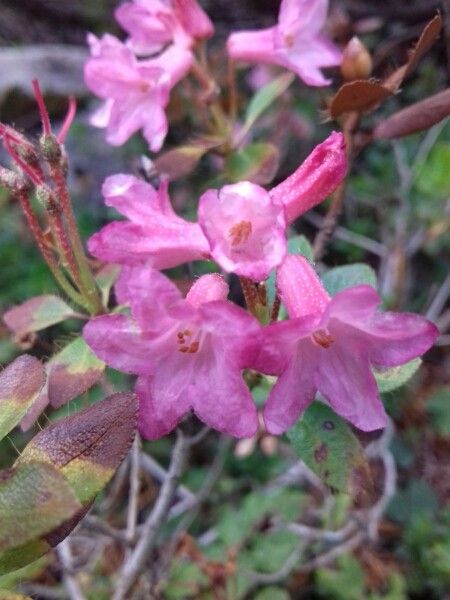
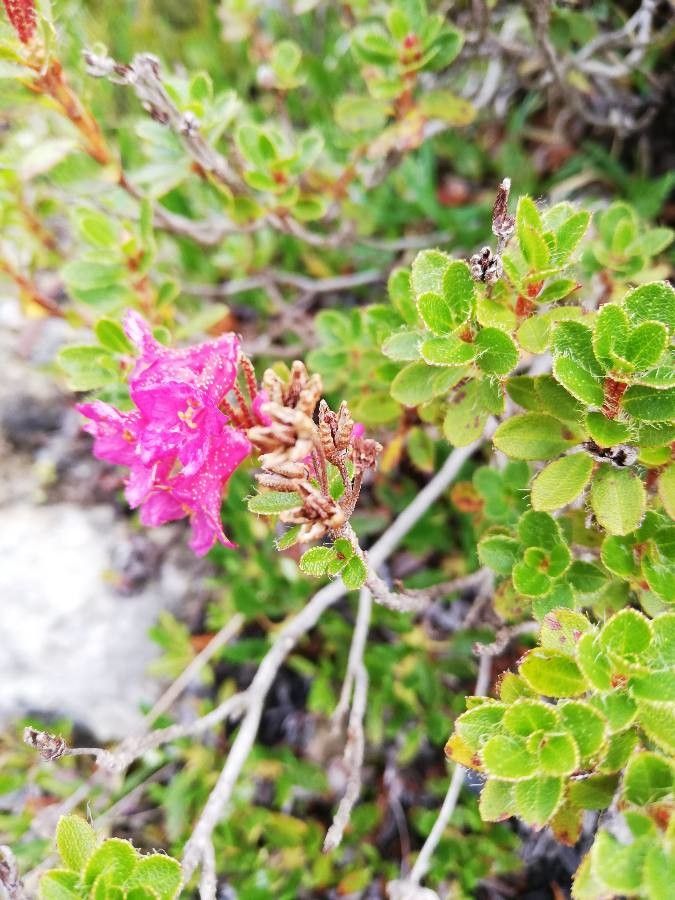
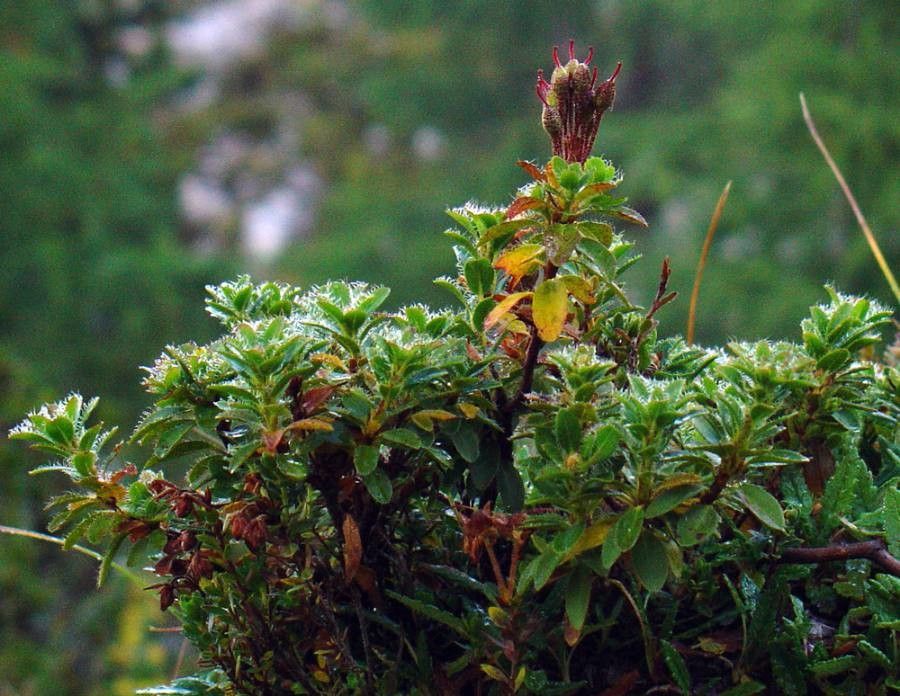
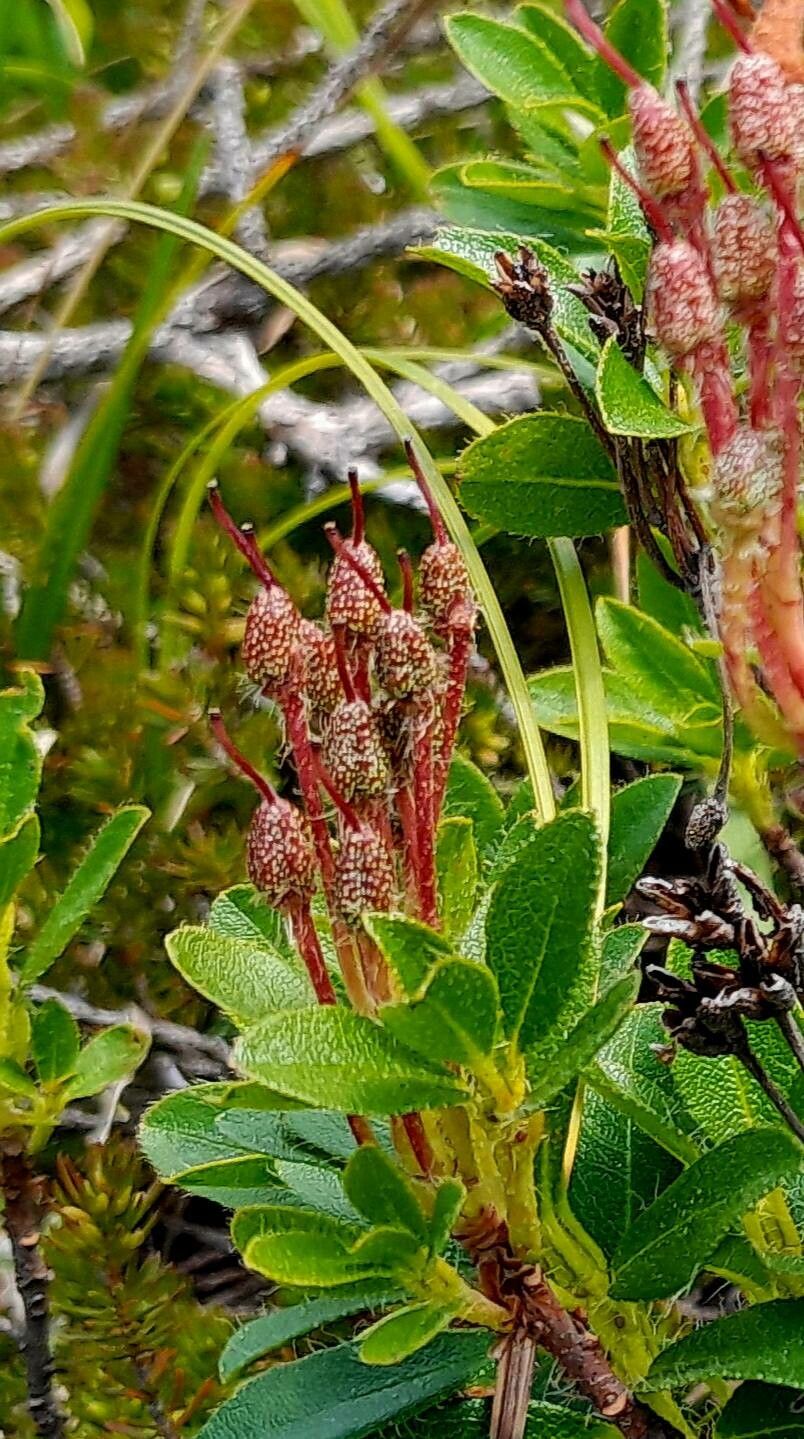
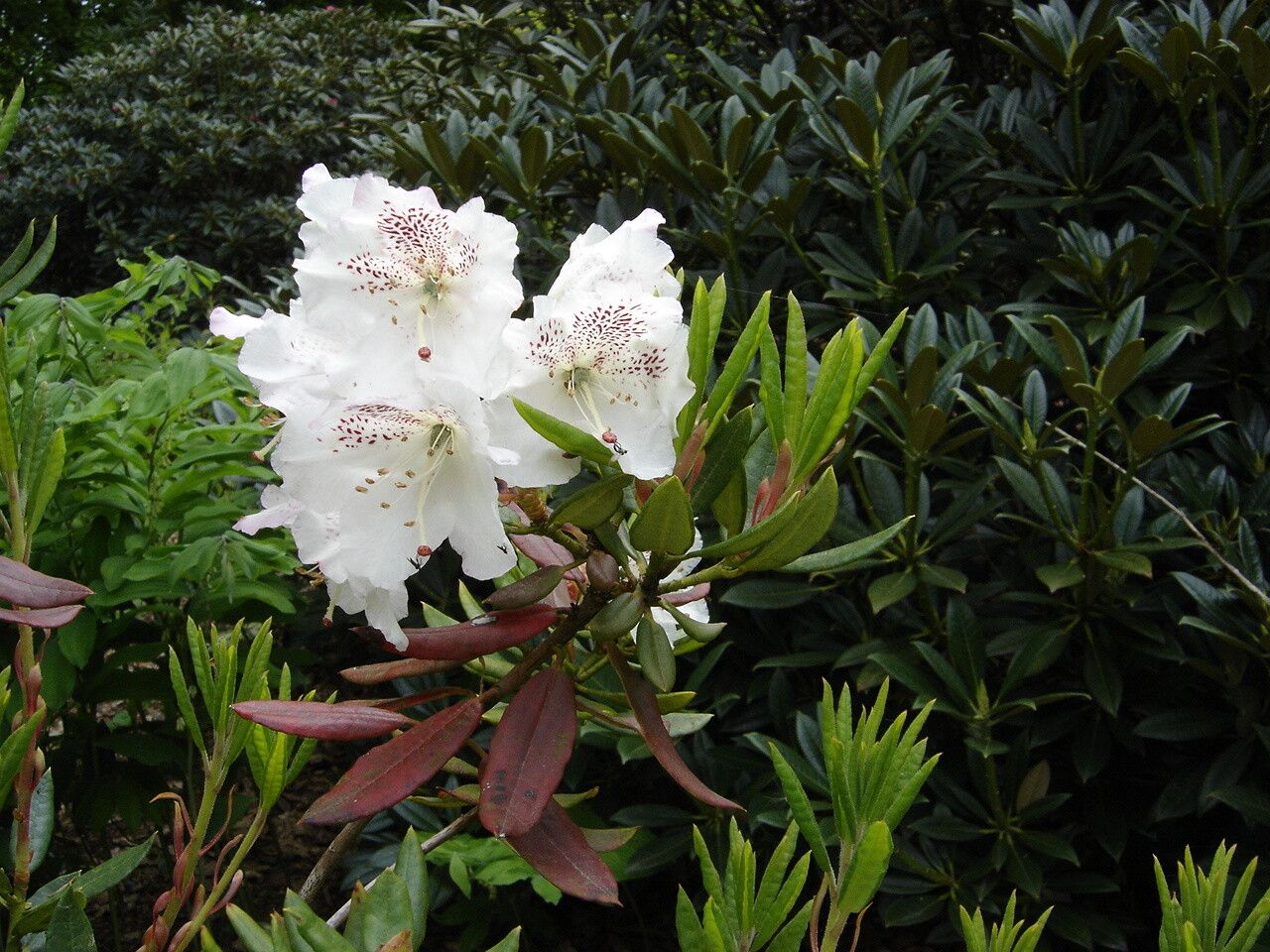
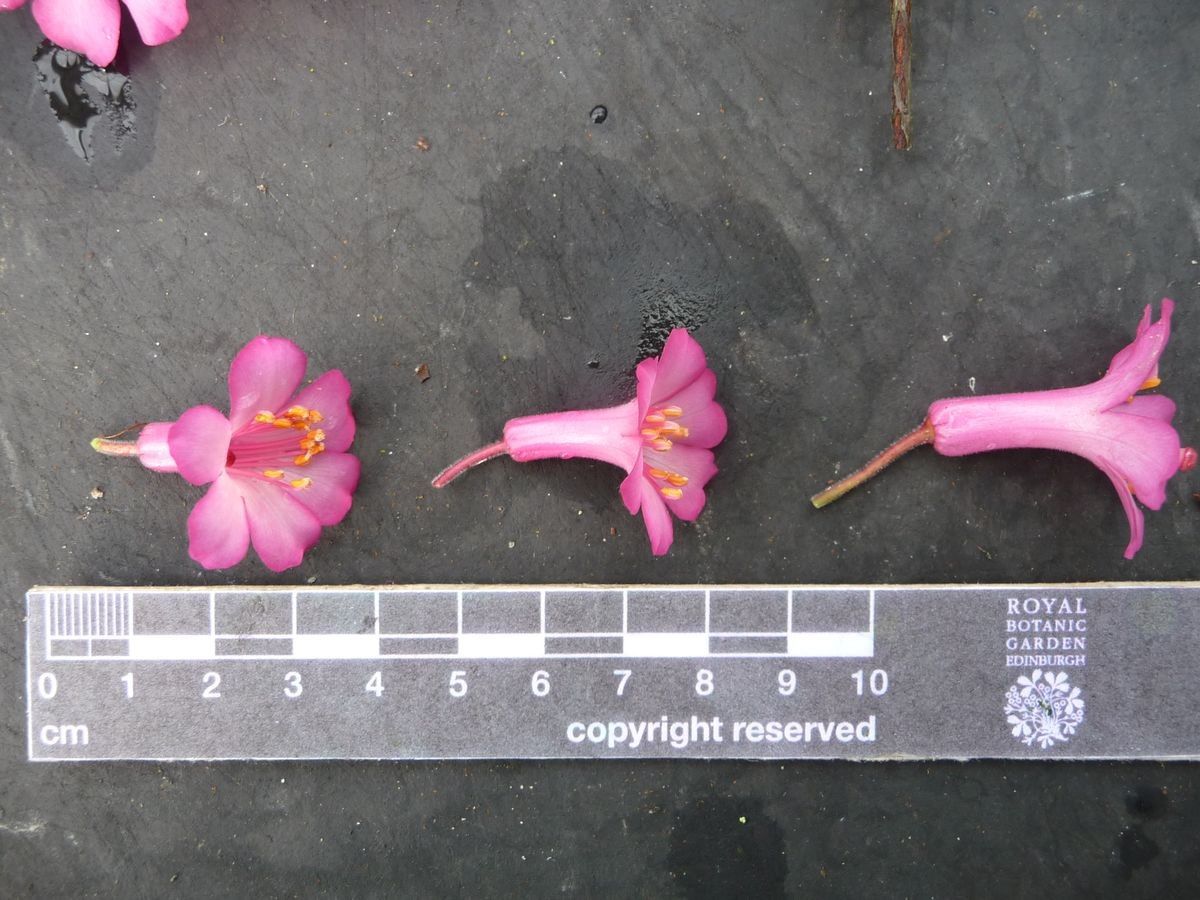
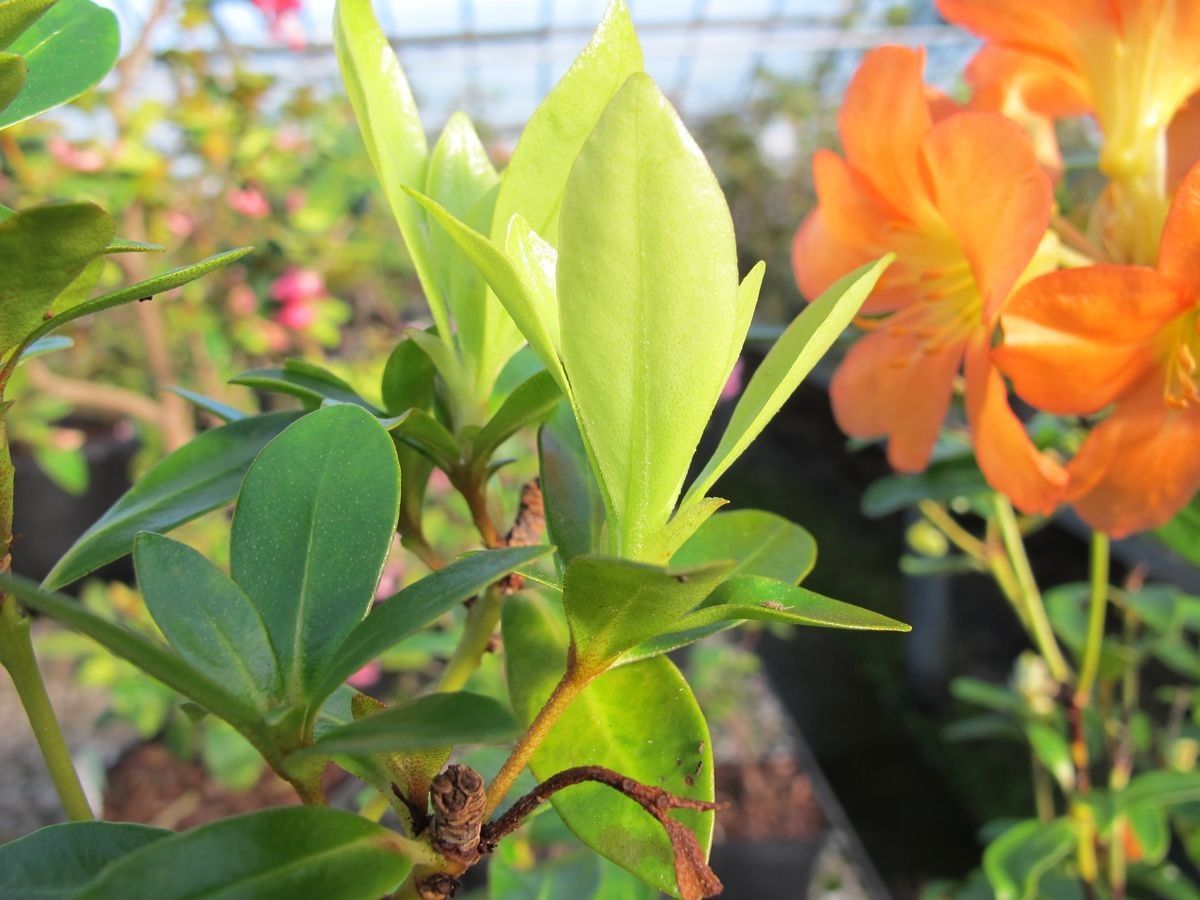
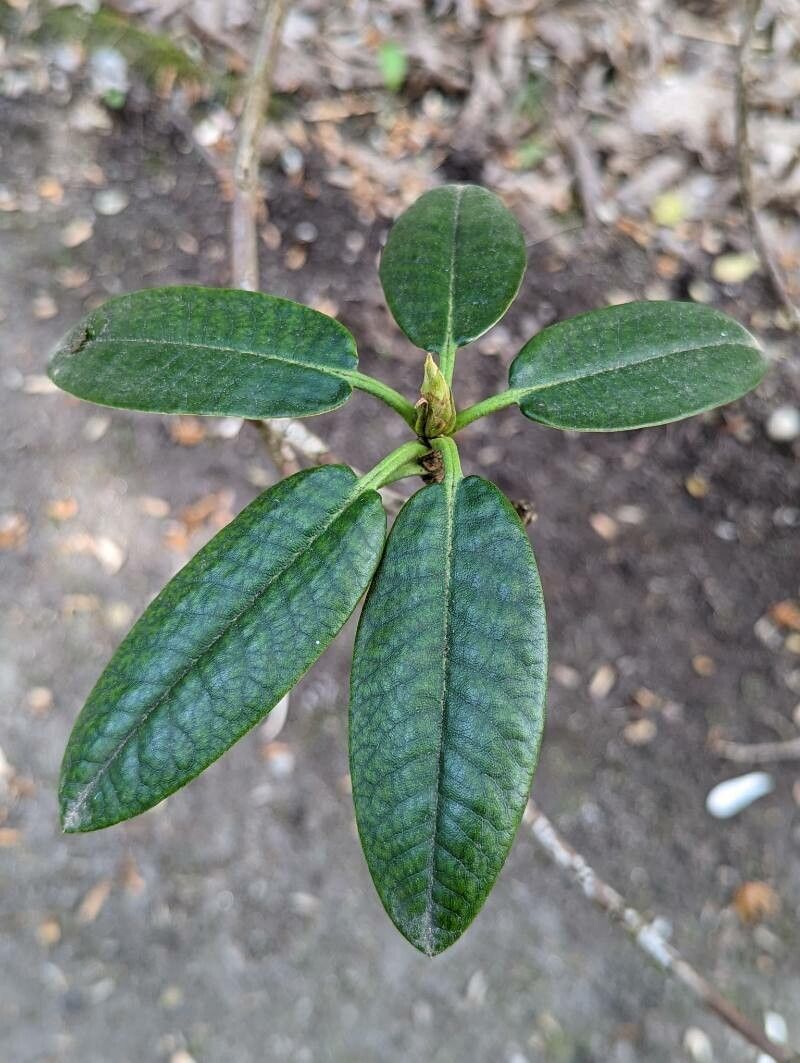
Rhododendron hirsutum, commonly known as Alpine Rose, is a small evergreen shrub belonging to the Ericaceae family. Native to the mountainous regions of Europe and Asia, it thrives at high altitudes, up to 3000 meters. This compact plant features dark green leaves that are hairy on the underside. Its bell-shaped flowers vary in color from pink to purple, often adorned with darker spots inside each petal.
Alpine Rose prefers well-drained, moist, and acidic soil. While it thrives in cool temperatures, it can tolerate some heat if provided with adequate moisture. The plant flourishes in partial shade or filtered sunlight, as direct sun exposure can scorch its leaves.
For centuries, Rhododendron hirsutum has been valued for its medicinal properties, particularly in treating respiratory ailments such as coughs, bronchitis, and asthma, due to its expectorant qualities.
In summary, Rhododendron hirsutum is a beautiful evergreen shrub with bell-shaped flowers. It excels in the cool, mountainous regions of Europe and Asia, preferring acidic soils and partial shade or filtered sunlight. In addition to its ornamental appeal, it possesses medicinal properties that are beneficial for treating respiratory conditions like coughs and bronchitis.
Alpine rose is resistant to disease and generally does not develop illnesses. In terms of care, this plant is fairly low maintenance. When grown outdoors it needs little watering, and larger plants usually do not need pruning. Smaller plants, however, should be pruned after they finish blooming. The Alpine rose is suitable for anyone with outdoor space, such as a garden or deck, and does not require much care experience.
How to keep Rhododendron Hirsutum.
Light
The alpine rose grows best when exposed to as much sunlight as possible during the day. However, it can persist in locations where sunlight is only available sparingly. Either too much sun or too little can negatively impact its health and growth.
Water
The alpine rose, native to mountainous regions, thrives on moderate watering every 2-3 weeks due to its water-storing leaves. It grows best outdoors and benefits from mulching, which helps retain soil moisture and mimics its natural alpine environment. While it can tolerate periods of dryness, maintaining these conditions will support its optimal growth.
Temperature
Alpine rose is native to high elevations and prefers temperatures from 32 to 95°F (0 to 35℃). To imitate its natural habitat, keep conditions cooler, especially at night. A drop in temperature could encourage flowering in the spring.
Fertilizer
Proper timing is essential for fertilizing an Alpine rose. Start feeding in early spring and continue monthly up to early summer. Fertilizer encourages attractive blooms and supplies energy during both dormant and active growth periods.
Pruning
The Alpine rose is a dense, evergreen ornamental shrub known for its vibrant blooms. To maintain its health and improve the quality of its spring flowers, prune the plant from early to late winter. Focus on removing weak branches to promote better air circulation. Be careful not to prune too much, as the Alpine rose grows slowly. With proper care, this shrub will thrive and produce beautiful blooms.
Botanical profile.
- Plant Type
- Shrub
- Life Cycle
- Perennial
- Genus
- Rhododendron
- Family
- Ericaceae
- Hardiness Zone
- 3-9
- Mature Height
- 20 cm to 61 cm
- Mature Spread
- 61 cm
- Leaf Color
- Dark Green
- Leaf Type
- Evergreen
- Flower Color
- Pink
- Flower Size
- 1.27 cm to 2.03 cm
- Bloom Time
- Mid spring, Late spring
- Planting Time
- Spring, Summer, Autumn
- Harvest Time
- Mid summer, Late summer, Early fall
- Native Area
- Germany, Austria, Italy, Switzerland, Slovakia, Croatia, Slovenia, France
Other names.
Reader questions.
How often do I need to water my Alpine rose plant?
If you have outdoor plants and it rains regularly, they can generally grow fine on their own. However, if you live in an area where there isn't much rainfall, you'll need to water them every 2 weeks in the spring and fall, and more frequently in the summer. In the winter, when plants grow slower, you can water them less often, and maybe not at all. If your Alpine rose is young or newly planted, it needs more water to help it establish and become tough against drought. For potted plants, there are two main ways to determine their watering schedule. One option is to stick to a set schedule, like watering once a week or every other week. However, this might not always be the best approach since it doesn't account for the specific conditions of your Alpine rose's environment. Another way is to water based on the moisture level of the soil. It's generally a good idea to wait until the top two to four inches of soil in the pot have completely dried out before watering again.
Why should I put fertilizer on my Alpine rose plant?
No matter what kind of Alpine rose you own, regular fertilization is essential for overall plant health. Providing the right nutrients promotes stronger growth and increases the plant's resilience against difficult conditions, as well as its ability to fight diseases and pests. Since the foliage of your Alpine rose is a major visual attraction, it's important to maintain its integrity. This requires following a regular fertilization schedule tailored to your specific Alpine rose. By doing so, you can expect vibrant leaves with deep color and a lush appearance.
What are the sunlight requirements for Alpine rose?
The Alpine rose requires full sun exposure for optimal growth, thriving in conditions where it can bask in sunlight throughout the day. However, it can also tolerate partial sun, where sunlight is available for a shorter period. Full sun involves more than 6 hours of direct sunlight, whereas partial sun refers to about 3-6 hours of sunlight. It's crucial to observe the movement of sunlight in your garden to ensure your plants receive the right balance of light and shade, contributing to their health and happiness.
What is the native environment of the Alpine rose?
The Alpine rose, also known as Rhododendron hirsutum, is indigenous to high altitudes and prefers temperatures ranging from 32 to 95°F (0 to 35°C). To replicate its natural environment, it is recommended to maintain cooler temperatures, especially during the nighttime, as a drop in temperature can encourage flowering during the spring. Alpine rose exhibits strong cold resistance, meaning special frost protection measures are not usually necessary. However, if temperatures are expected to drop below -35°C, providing cold protection by wrapping the trunk and branches with non-woven fabric or cloth is important. Ample watering before the first freeze in autumn is also recommended to ensure the soil remains moist and enters a frozen state, thereby preventing drought and water scarcity for the plant during winter and early spring.
How should I water my Alpine rose plant to keep it healthy?
Your Alpine rose plant doesn't have specific requirements for watering. You can use any standard watering tool, like watering cans, hoses, or even cups, to water it. It's important to water the plant directly on the soil and make sure all areas of the soil are evenly moisturized to provide water to the entire root system. Filtering the water can be helpful since tap water may contain harmful particles for plants. It's also ideal to use water that is at or slightly above room temperature, as extremely cold or hot water can shock the Alpine rose. Nevertheless, the plant usually responds well to any type of water you use.
When should I fertilize my Alpine rose for the best results?
To keep your Alpine rose healthy and growing well, it is recommended to fertilize it twice a year. The first time should be in late winter or early spring, providing the necessary nutrients for healthy growth once the weather warms up. If you live in a warm climate region, an additional feeding in early fall is beneficial. This will supply extra nutrients for the upcoming growing season and help make the plant hardier to withstand the winter cold without foliage damage. Fertilizing earlier in the fall ensures sufficient branch growth to withstand the cold winter.
How does insufficient sunlight affect the Alpine rose?
Insufficient sunlight leads to several symptoms in Alpine roses, such as smaller leaves, leggy or sparse growth, faster leaf drop, stunted or no new growth, paler or irregularly colored new leaves, chlorosis (yellowing leaves due to a lack of chlorophyll), sunscald, leaf curling, wilting from excess transpiration, and leaf scorching. These symptoms can significantly impact the plant's health, development, and ability to photosynthesize.
How does the Alpine rose respond to low temperatures?
The Alpine rose is highly tolerant of cold temperatures and thrives best when kept above 0°C. During the winter months, it should not be exposed to temperatures below -30°C. In the event that temperatures fall below -35°C, there may not be immediate noticeable changes during the winter; however, the branches may become brittle and dry come springtime, with no new shoots emerging. To address these issues, it's advised to prune away any dead branches in the spring that have failed to produce new leaves, helping the plant to recover and thrive.
What should I do if I give my Alpine rose too much water or too little water?
Outdoor plants, especially newly planted ones or seedlings, can easily suffer from lack of watering. It's important to remember to water them enough for the first few months, particularly when the tree is still small or recently planted. This is because once their roots are established, Alpine roses can usually rely on rainfall. However, when Alpine roses are planted in pots, overwatering becomes more common. If you accidentally overwater your Alpine rose, it's crucial to address the issue promptly. Start by stopping the watering immediately to mitigate the effects. Then, take the plant out of its pot and check the roots for any signs of root rot. If there's no root rot, you can put the plant back in the pot. However, if you do find root rot, trim away the affected roots and consider using a fungicide to prevent further damage. Finally, replant the Alpine rose in well-draining soil. On the other hand, if you underwater your Alpine rose, you can easily fix the problem by watering it more frequently. Underwatering is indicated by drooping, dry leaves that may fall off. Once you provide sufficient water, the leaves should quickly recover their fullness. Always adjust your watering frequency as soon as you notice underwatering.
When is it best to not add fertilizer to my Alpine rose?
There are specific times of the year when you should avoid fertilizing your Alpine rose. One such time is in the early and mid-winter months when the plant is dormant and does not require any nutrients. Similarly, it is not recommended to fertilize the plant in the late spring and throughout the summer when the weather is hotter and drier. During this time, fertilization can cause a negative reaction in the Alpine rose. To prevent any problems, it is best to stick to a fertilization schedule that involves feeding only during the early spring and early fall.
How can artificial lighting benefit indoor Alpine roses?
For indoor Alpine roses lacking in natural sunlight, especially during winter or in less sunny spaces, artificial lighting can be a saving grace. Indoor plants benefit from artificial lighting, which promotes faster, healthier growth. LEDs are a favored option, providing tailored wavelengths needed for plant growth. The intensity required varies: full sun plants need 30-50W/sq ft, partial sun needs 20-30W/sq ft, and shade-loving plants need 10-20W/sq ft. Proper positioning—12-36 inches above the plant—and timing, mimicking natural daylight hours (8-12 hours daily), are crucial for success.
How does the Alpine rose react to high temperatures?
The Alpine rose prefers temperatures to remain below 35°C during the summer months. When exposed to temperatures exceeding 38°C, the leaves may lighten in color and the tips might become dry and withered, making the plant more susceptible to sunburn. To mitigate these effects, it's recommended to trim away the sunburned and dried-up parts of the plant. It's also beneficial to move the plant to a location that provides shade during the midday and afternoon sun, or to use a shade cloth. Ensuring the soil remains moist by watering the plant in the morning and evening can also help in managing high temperature stress.