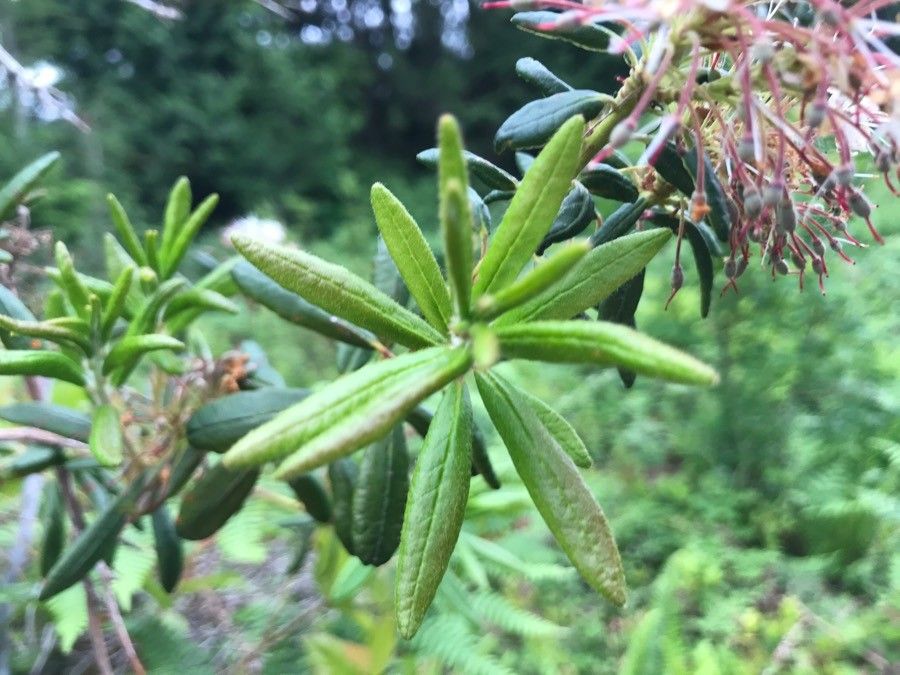
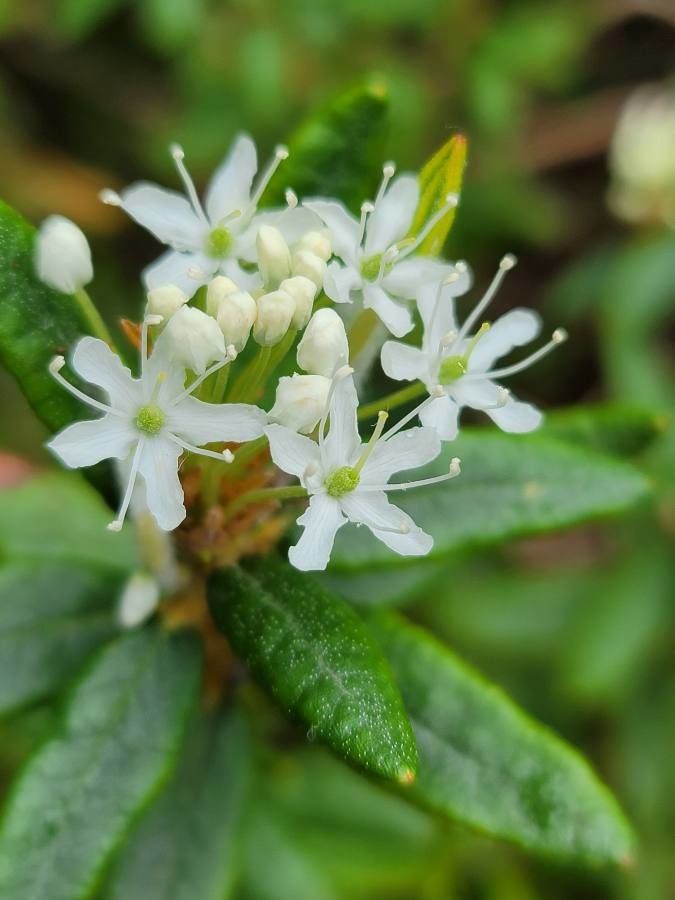
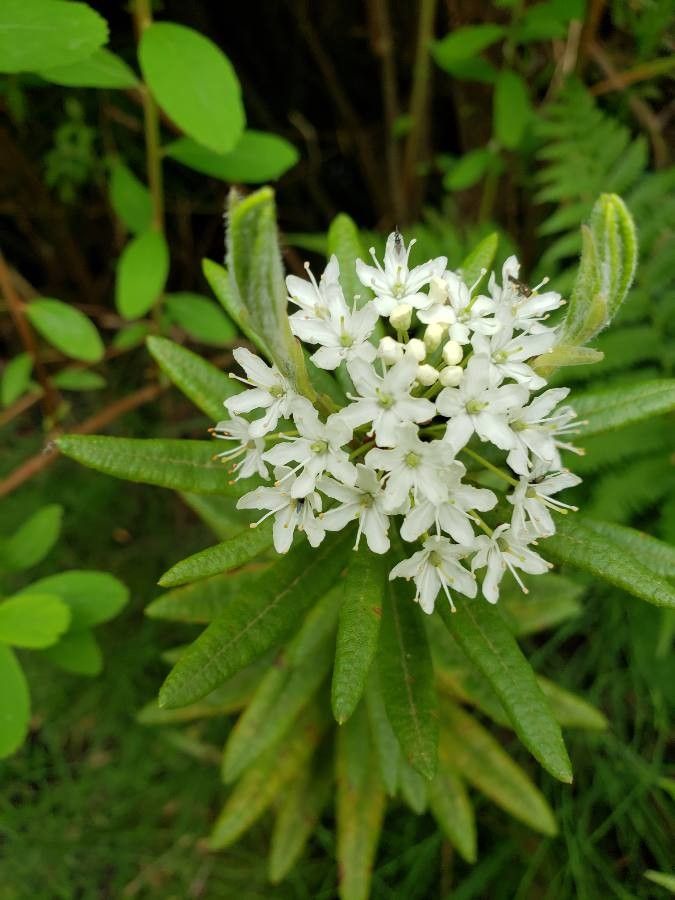
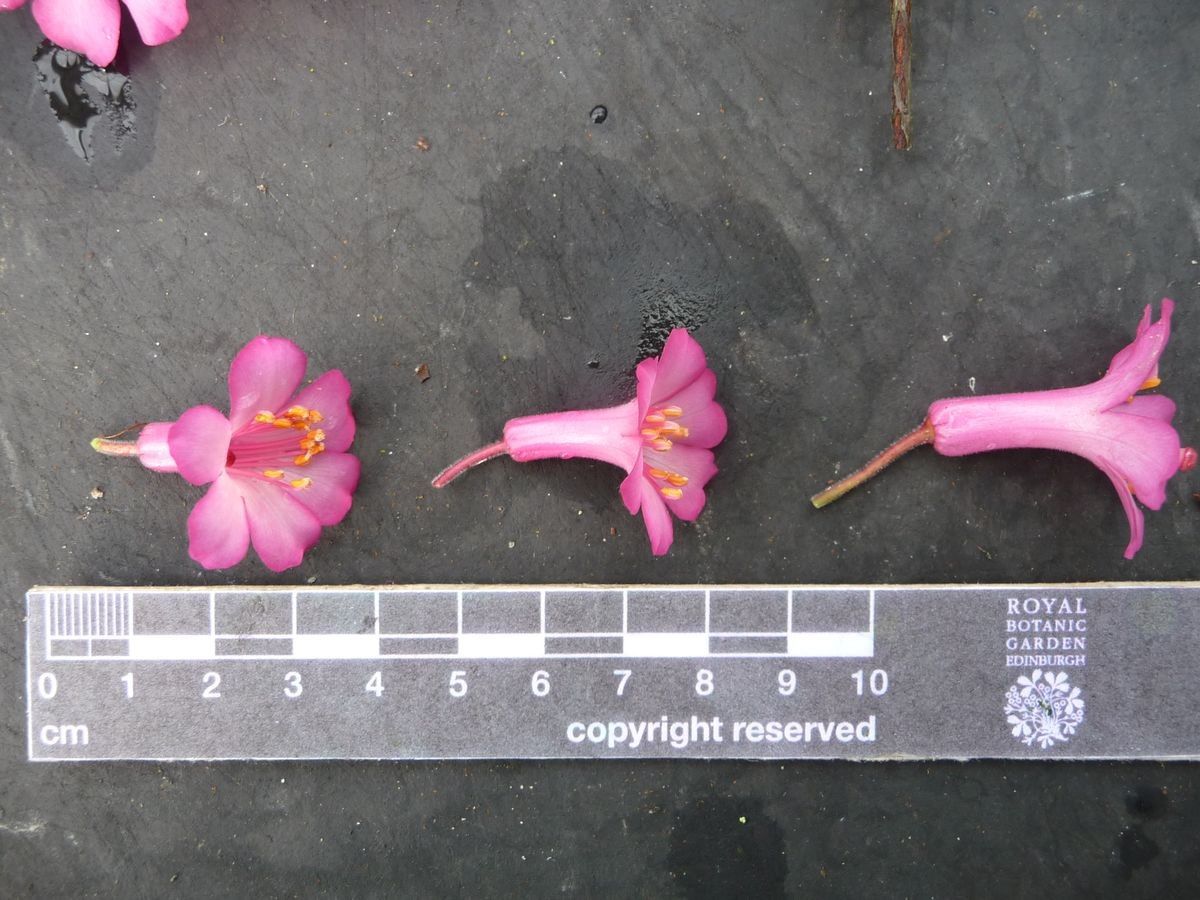
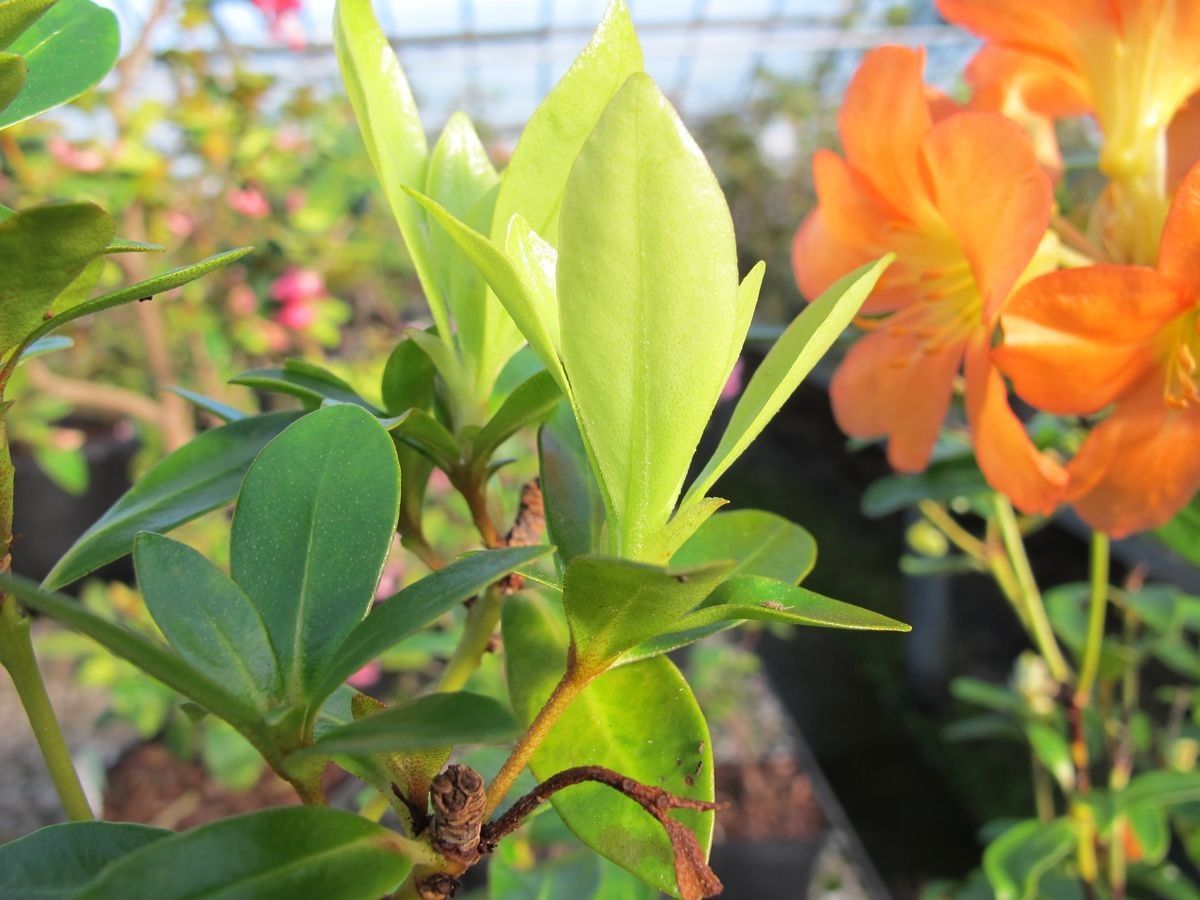
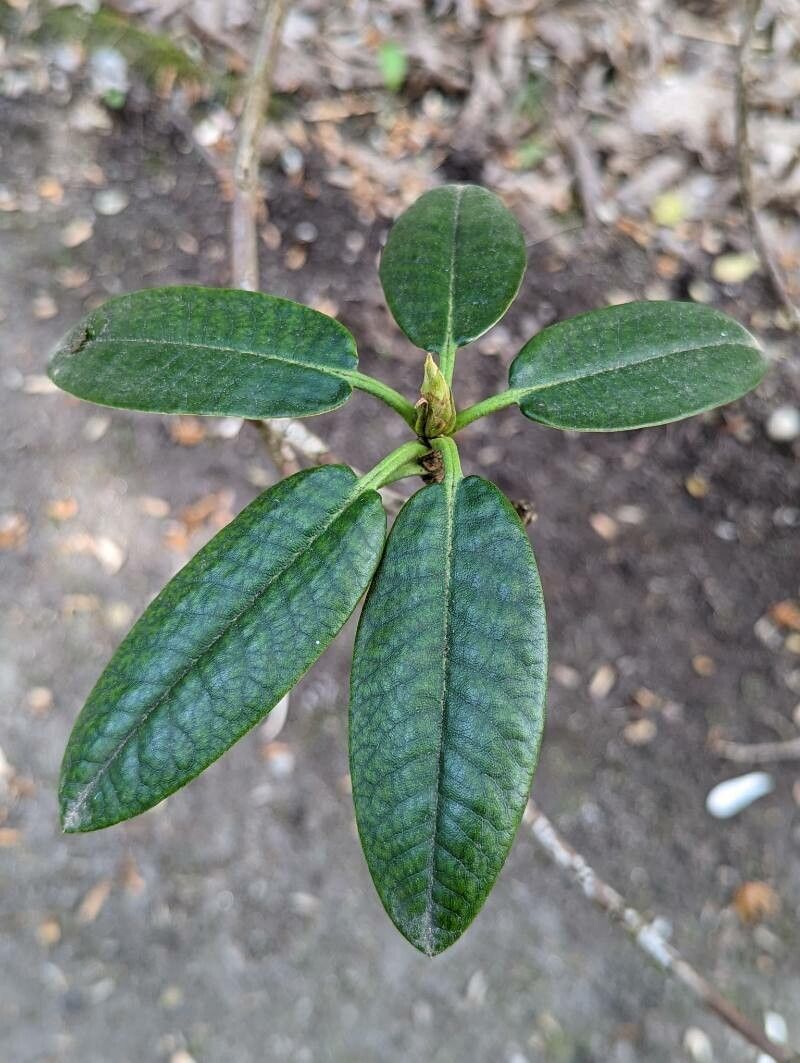
Rhododendron columbianum, commonly known as western Labrador tea, swamp tea, or muskeg tea, is a shrub that is widespread in the western United States and in western Canada, reported from British Columbia, Alberta, Washington, Oregon, Idaho, California, Montana, Wyoming, Utah, Nevada, and Colorado. It grows in wet places from sea level up to 3,500 m (11,000 ft). It was formerly known as Ledum columbianum. Its origins date back to the late Pliocene.
Western labrador tea is highly resistant to disease and generally does not tend to get sick. In terms of care, this plant is fairly low-maintenance. When grown outdoors it needs only light watering, and larger specimens typically do not require pruning. Smaller plants, however, should be pruned after they have finished blooming. Western labrador tea is suitable for anyone with outdoor space, such as a garden or deck, and does not demand much gardening experience.
How to keep Rhododendron Columbianum.
Light
The western labrador tea performs best when it receives plentiful sunlight for most of the day, though it can tolerate reduced light for part of the day. That full light encourages healthy, vigorous growth. Excessive sun can cause scorching, while too little light may weaken the plant. Its native habitat received abundant sunlight.
Water
Western Labrador tea is drought-tolerant due to its adaptations to less humid environments. It thrives with minimal moisture and only needs to be watered every 2-3 weeks, as it efficiently stores water. As an evergreen plant, Western Labrador tea retains its foliage throughout the year, even when rainfall patterns change.
Temperature
Western labrador tea is commonly acclimated to its native range, flourishing at temperatures from 59 to 95 °F (15 to 35 °C). It prefers mild conditions. Seasonal shifts may necessitate slight temperature adjustments.
Fertilizer
The timing of fertilization is important for Western labrador tea. Apply fertilizer in early spring and continue doing so monthly until early summer. Fertilizer encourages attractive blooms and supplies energy during both dormant and active growth phases.
Pruning
Western Labrador tea thrives in damp, acidic soils and is known for its evergreen leaves and fragrant blooms. To maintain its health, regular pruning is essential. It's best to prune during the winter to encourage new growth. Be sure to remove any dead branches and to thin out crowded areas. Use clean tools for the best recovery and flowering results.
Botanical profile.
- Plant Type
- Shrub
- Life Cycle
- Perennial
- Genus
- Rhododendron
- Family
- Ericaceae
- Hardiness Zone
- 7-9
- Mature Height
- 2.13 m
- Mature Spread
- 0.91 m to 1.22 m
- Leaf Color
- Dark Green, Olive Drab
- Leaf Type
- Evergreen
- Flower Color
- White
- Flower Size
- 1.27 cm
- Bloom Time
- Mid spring, Late spring
- Planting Time
- Spring, Summer
- Harvest Time
- Mid summer, Late summer, Early fall
Other names.
Reader questions.
How should I water my Western Labrador Tea plant?
Your Western labrador tea is not particular about how you water it. You can use various watering tools such as watering cans, hoses, or even cups. It's important to water directly onto the soil and ensure that all areas of the soil are equally moistened, so that every part of the root system receives the necessary water. Using filtered water is recommended to avoid harmful particles that tap water may contain. Additionally, using water at or slightly above room temperature is beneficial, as extremes in temperature can be a bit shocking to the Western labrador tea. Nevertheless, this plant usually responds well to any type of water it receives.
What are the sunlight requirements for Western Labrador Tea?
Western Labrador Tea requires full sun, meaning it thrives with above 6 hours of sunlight daily, though it can also manage with partial sun, approximately 3-6 hours of sunlight. It's crucial to observe how sunlight moves through your garden to find spots that provide a perfect balance of light and shade, ensuring the plants' wellbeing. The native habitat of Western Labrador Tea provided it with abundant sunlight, essential for healthy and robust growth. However, overexposure can lead to scorching, while underexposure might weaken the plant.
What are the ideal temperature conditions for Western Labrador tea?
Western Labrador tea, known botanically as Rhododendron columbianum, thrives in its native range with ideal temperatures between 59 to 95 °F (15 to 35 °C). It prefers mild environments and exhibits significant cold resistance, making it well-suited for varying conditions without the need for special frost protection measures in winter. However, it's essential to provide additional cold protection if temperatures are expected to drop below -15°C, such as wrapping the trunk and branches with non-woven fabric or cloth. Additionally, ensuring the soil remains moist before the first freeze in autumn can help the plant through winter and early spring.
What if I give my Western Labrador Tea plant too much or too little water?
When it comes to outdoor plants, especially new ones or seedlings, they can easily suffer from a lack of watering. It's important to remember to water them enough for the first few months, especially when they are small or freshly planted. Once the roots are established, Western Labrador Tea can usually rely on rain for hydration. If you have Western Labrador Tea in pots, there is a higher chance of overwatering. If you accidentally overwater, you should take immediate steps to fix it. Firstly, stop watering your plant to minimize the impact of the overwatering. Next, remove the plant from its pot and check the roots. If there is no sign of root rot, you can put the plant back in its container. However, if you find any affected roots, trim them and consider using a fungicide to prevent further damage. Finally, repot the plant in well-draining soil. In the case of underwatering, the solution is usually simple. If the plant is underwatered, its leaves will droop, dry out, and fall off. When you water it enough, the leaves will regain their fullness quickly. Make sure to adjust your watering frequency as soon as you notice signs of underwatering.
How can artificial lighting benefit indoor Western Labrador Tea plants?
Indoor Western Labrador Tea plants require adequate lighting for optimal growth, especially when natural sunlight is insufficient, such as during winter or in less sunny spaces. Artificial lights, particularly LED lights customized for specific wavelengths, are a vital solution. Full sun plants need 30-50W/sq ft, partial sun plants need 20-30W/sq ft, and full shade plants need 10-20W/sq ft of artificial light. The light source should be placed 12-36 inches above the plant, simulating natural sunlight for 8-12 hours per day to promote faster, healthier growth.
How should I care for Western Labrador tea in low temperatures?
Western Labrador tea is cold-tolerant and generally thrives when temperatures stay above 15°C. However, during winter, temperatures should be kept above -10°C to avoid damage. At temperatures falling below -15°C, you might not observe immediate changes, but by spring, the branches could turn brittle and dry, potentially leading to a lack of new shoots. In this case, it's advisable to prune away any dead branches that fail to produce new leaves come spring, as part of its care regimen.
How frequently should I give water to my Western Labrador tea plant?
If your area doesn't get much rainfall, it's important to water your outdoor plants regularly. In the spring and fall, watering every 2 weeks should be enough. But in the summer, when it's hotter, you'll need to water them more often. During winter, when plants don't grow as much, you can water them less frequently or not at all. However, if your Western labrador tea is young or newly planted, watering more frequently will help it establish itself and become more adaptable and drought tolerant. For potted plants, there are two main ways to determine how often to water your Western labrador tea. One way is to create a set watering schedule, such as once a week or once every other week. However, this may not always be accurate as it doesn't consider the specific conditions of your plant's environment. Another option is to water based on the moisture in the soil. Ideally, you should wait until the top few inches of soil, about ⅓ to ½ depth of the pots, have dried out completely before giving more water. It's especially important to adjust your watering frequency during the summer when the plant needs more water.
What are the symptoms of inappropriate lighting for Western Labrador Tea?
Western Labrador Tea shows various symptoms when the lighting is inadequate. Light deficiency can lead to smaller new leaves, leggy or sparse growth, faster leaf drop, slower or no new growth, and chlorosis—where leaves lose their green color and turn yellow. Excessive sunlight causes Sunscald, characterized by pale or necrotic areas on the plant tissue, and leaf curling, which is a defense mechanism against overexposure. Other symptoms include wilting and leaf scorching due to excessive water loss and heat exposure.
What should I do if Western Labrador tea experiences high temperatures?
During the summer, it's crucial to ensure that Western Labrador tea is kept in conditions below 35°C. Exposing the plant to temperatures over 38°C could lead to discoloration of the leaves and drying at the tips, increasing susceptibility to sunburn. If such symptoms are observed, trim away the sunburned and dried parts of the plant. Relocating it to a shaded area or using a shade cloth can protect it from intense midday and afternoon sun. Additionally, watering the plant during the cooler times of the day, like morning and evening, will help keep the soil adequately moist and the plant healthy.
How much water does my Western Labrador tea plant need?
Watering Western labrador tea may not always require a high volume of water. If only a few inches of soil have dried since the last watering, giving it about five to ten ounces of water can promote healthy growth. You can also determine the water volume based on soil moisture. To ensure the necessary moisture, water enough to moisten all the dry soil layers since the last watering. If over half of the soil has dried out, consider giving more water and continue until excess water drains from the pot's drainage holes. If the plant is in a rainy area outdoors, additional watering may not be necessary. When the plant is young or establishing, provide 1-2 inches of rain per week. As it grows and establishes, it can rely solely on rainwater. Only when there is no rainfall for 2-3 weeks during hot weather should a full watering be considered to prevent stress.
How can lighting conditions be optimized for Western Labrador Tea?
To optimize lighting conditions for Western Labrador Tea, gradually move plants to a sunnier location to ensure they receive at least 6 hours of direct sunlight daily. For indoor plants, use south-facing windows for natural light or consider artificial lights like desk lamps or professional grow lights for at least 8 hours a day. Outdoors, adjust plant locations gradually to avoid shock and sunburn. Removing obstructions such as tree branches can enhance sunlight access. For small plants, consider transplanting during the dormant period to a location with better sunlight and drainage.
How do I know if I am watering my Western labrador tea enough?
The Western labrador tea often faces the problem of overwatering, which can be identified by certain signs. Typically, an overwatered Western labrador tea will have yellowing leaves and may even drop some leaves. In addition, overwatering can lead to the plant's overall structure shrinking and potentially cause root rot. On the other hand, an underwatered Western labrador tea will also begin to wilt and may have brown or brittle leaves. Whether you observe signs of overwatering or underwatering, it's important to take action and restore the health of your Western labrador tea.