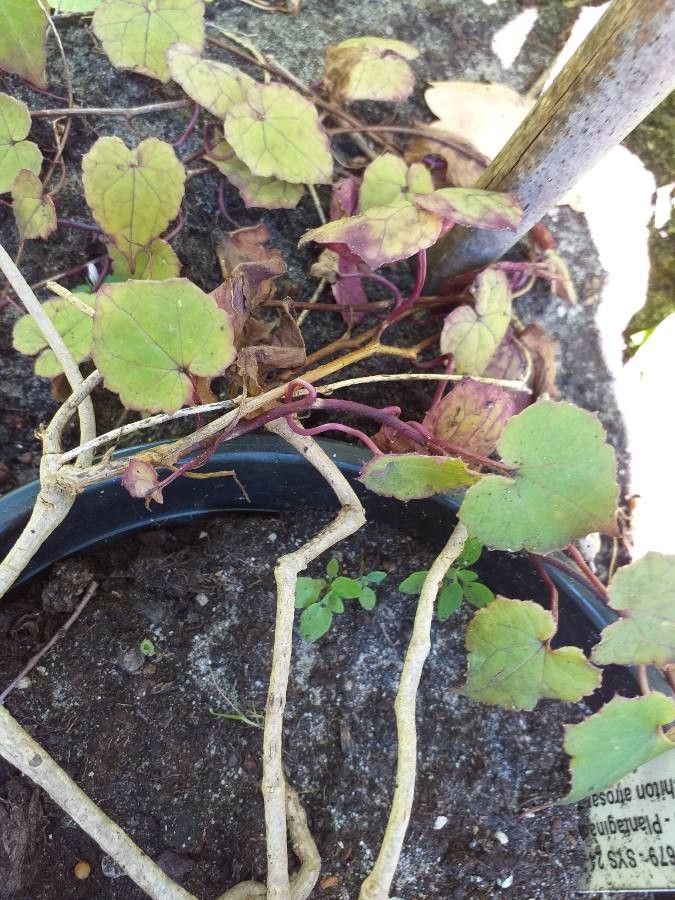
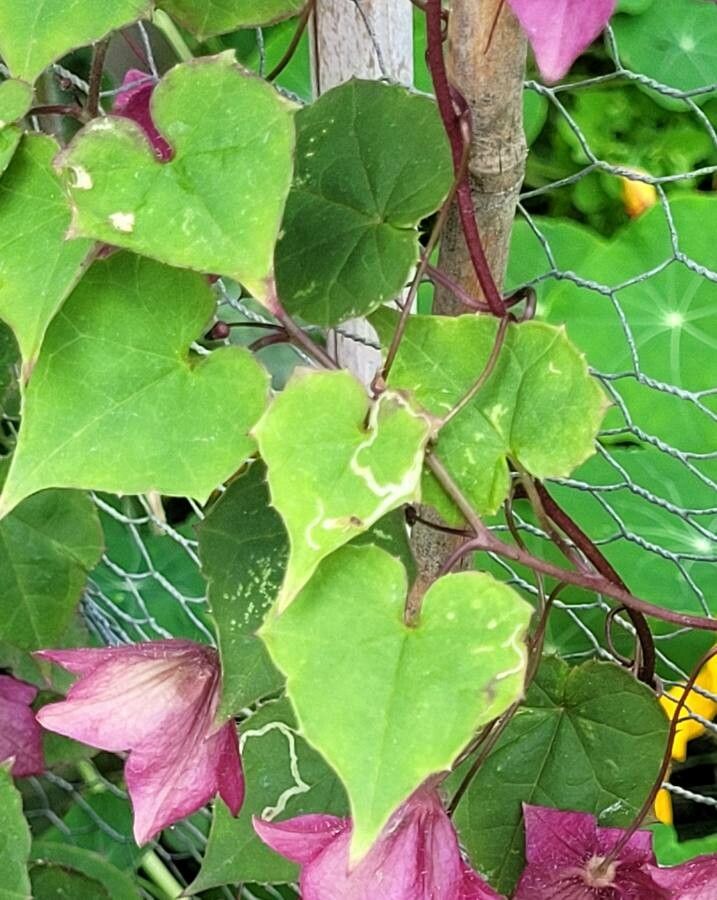
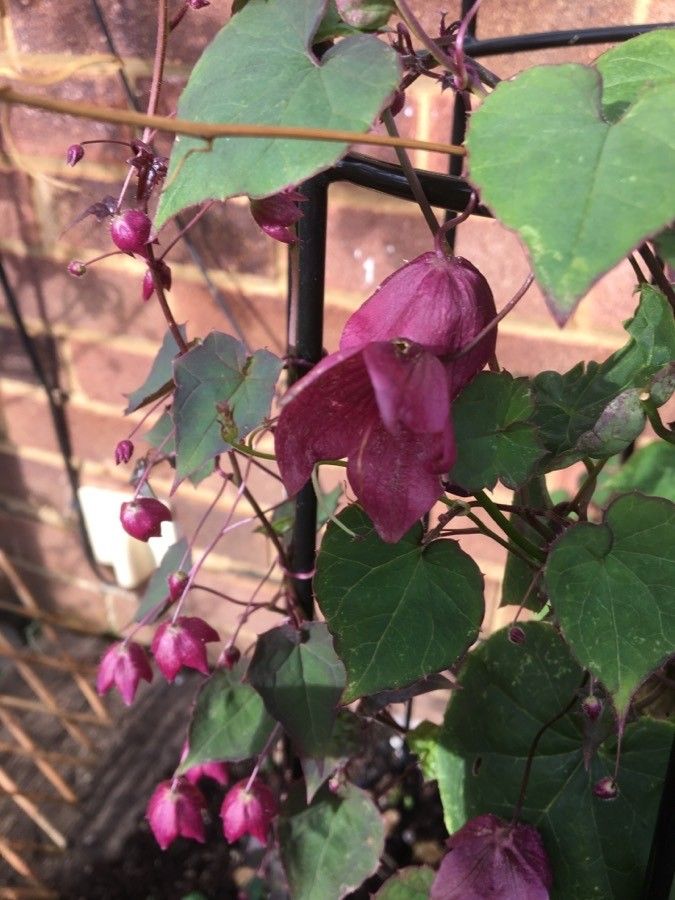
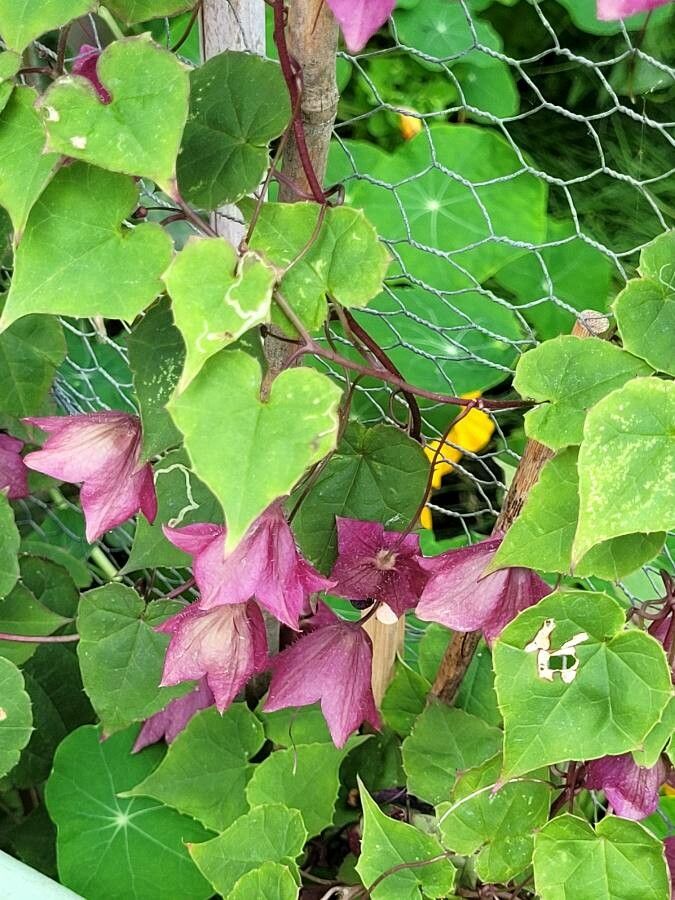
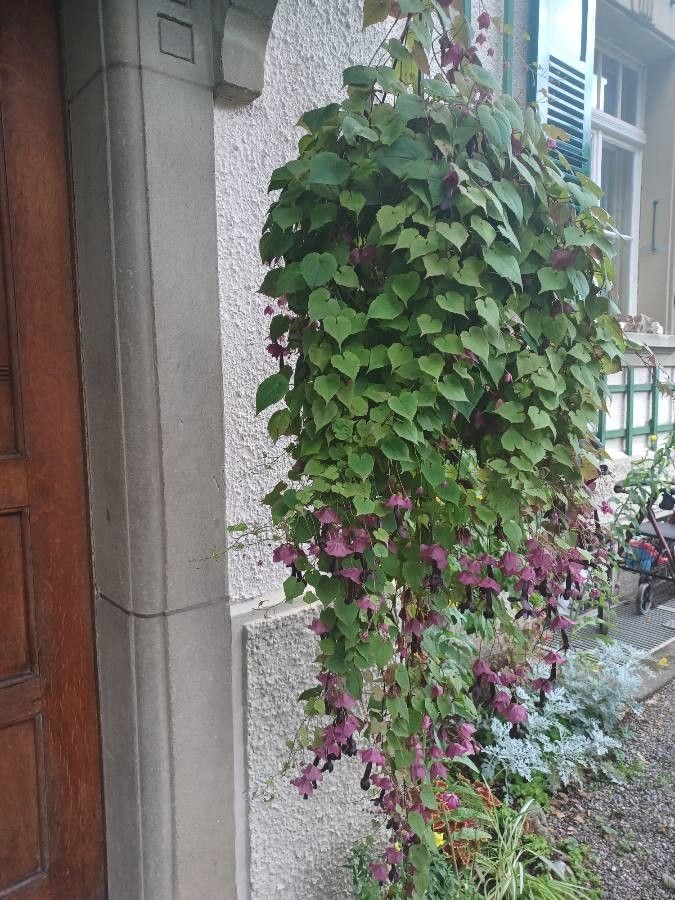
Rhodochiton atrosanguineus is a herbaceous perennial vine native to Mexico. It has been cultivated as an ornamental plant since at least 1836.Although the specific epithet is sometimes spelt atrosanguineum, chiton in Greek is masculine, so the ending is correctly -us.Rhodochiton atrosanguineus has been known colloquially in the UK as the "black man's willy". Another common name is purple bell vine or simply purple bell.All Rhodochiton species are sometimes placed in the genus Lophospermum.
The Mexican shell vine is resistant to disease and generally not susceptible to illnesses. In terms of care, this plant is fairly low-maintenance. Planted outdoors, it needs little watering, and larger specimens typically do not require pruning. Smaller plants, however, should be trimmed after they finish blooming. The Mexican shell vine is suitable for anyone with an outdoor area, such as a garden or deck, and does not call for extensive plant-care experience.
How to keep Rhodochiton Atrosanguineum.
Light
Mexican shell vine flourishes best in settings where it can enjoy a full range of light, capable of managing in areas with diminished brightness. Inadequate light can obstruct its growth while excessive light can stress and dehydrate it. It naturally harmonizes with the generous light conditions of its original habitat.
Water
The Mexican shell vine, native to the mountains of Mexico, thrives in environments with moderate moisture and can tolerate brief dry periods. It should be watered every 1-2 weeks, making sure the soil dries out slightly between waterings. This vine is best suited for outdoor growth, where it flourishes in conditions of balanced humidity and proper drainage. To encourage flowering, it is important to water the vine carefully to prevent excessive leaf growth.
Temperature
The Mexican shell vine comes from areas with a tropical climate, which is typically hot and damp. This means it is well-suited to settings with high humidity and heat. It does not respond well to abrupt changes in temperature, preferring a consistent thermal surrounding. Therefore, it is critical to keep the indoor temperature steady. Generally, it cannot withstand cold conditions and needs warmth for its development. If the surrounding temperature falls excessively, the plant might stop growing or even perish.
Pruning
To ensure optimal growth of the Mexican shell vine, prune it in early spring. Trim back last season's growth and remove any damaged stems. This encourages new shoots, enhances airflow, and increases flowering. To maintain plant health, sterilize your tools to prevent disease. By doing so, you will help keep your Mexican shell vine healthy and vibrant throughout the growing season.
Pot & Repot
Repot your Mexican shell vine every 2 to 3 years during the spring. Use a slightly larger container filled with well-draining potting mix. Make sure to provide support for the vine to climb. After repotting, keep the soil consistently moist and avoid placing the plant in direct sunlight to promote optimal growth and healthy foliage.
Botanical profile.
- Plant Type
- Vine
- Life Cycle
- Perennial, Annual
- Genus
- Rhodochiton
- Family
- Plantaginaceae
- Hardiness Zone
- 9-11
- Mature Height
- 3.05 m
- Mature Spread
- 49 cm
- Leaf Color
- Green, Purple
- Leaf Type
- Deciduous
- Flower Color
- Purple
- Flower Size
- 5.08 cm to 6.35 cm
- Bloom Time
- Late spring, Summer, Fall
- Planting Time
- Spring, Summer
- Harvest Time
- Mid summer, Late summer, Fall, Early winter
- Native Area
- Mexico
Other names.