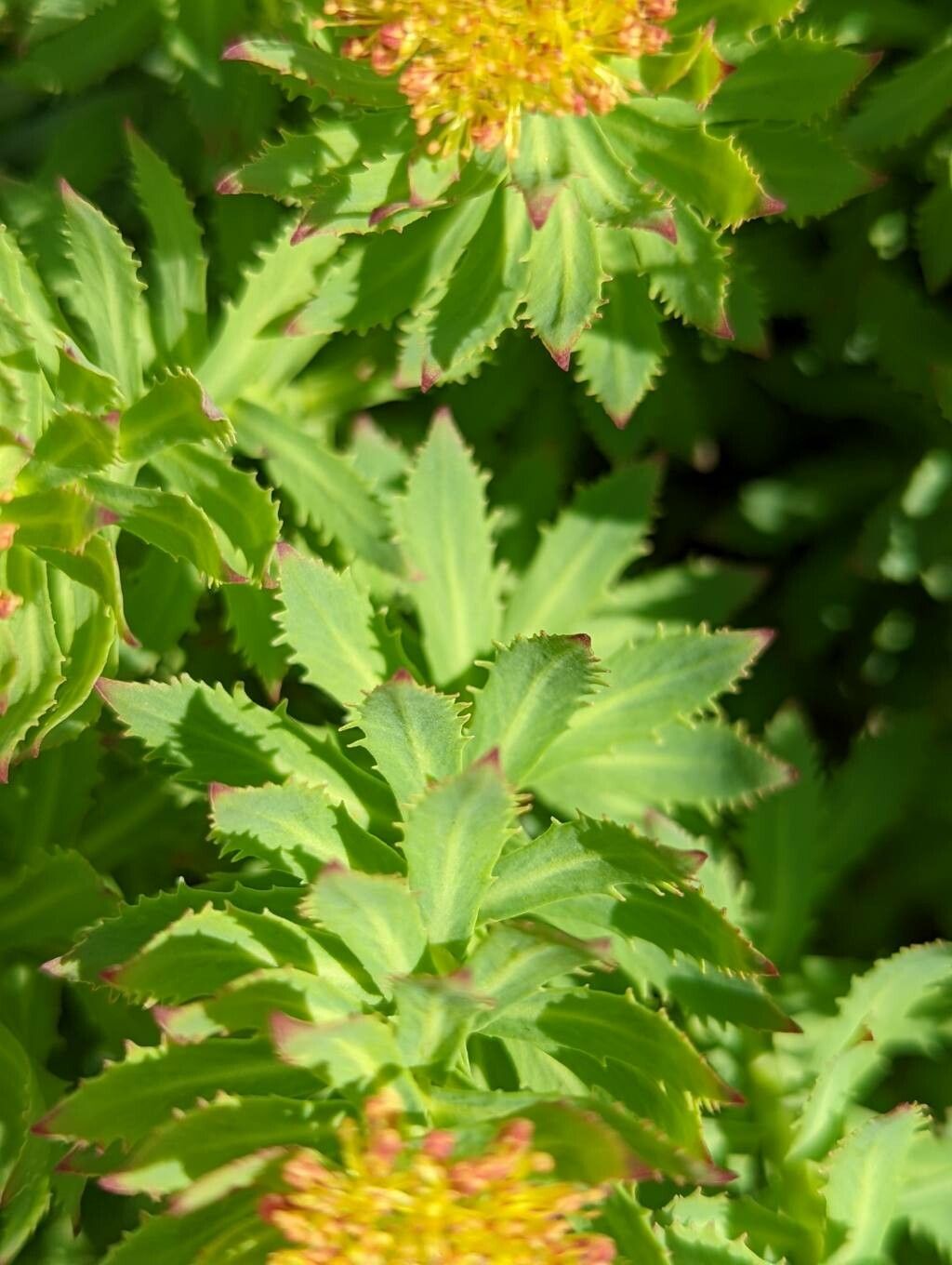
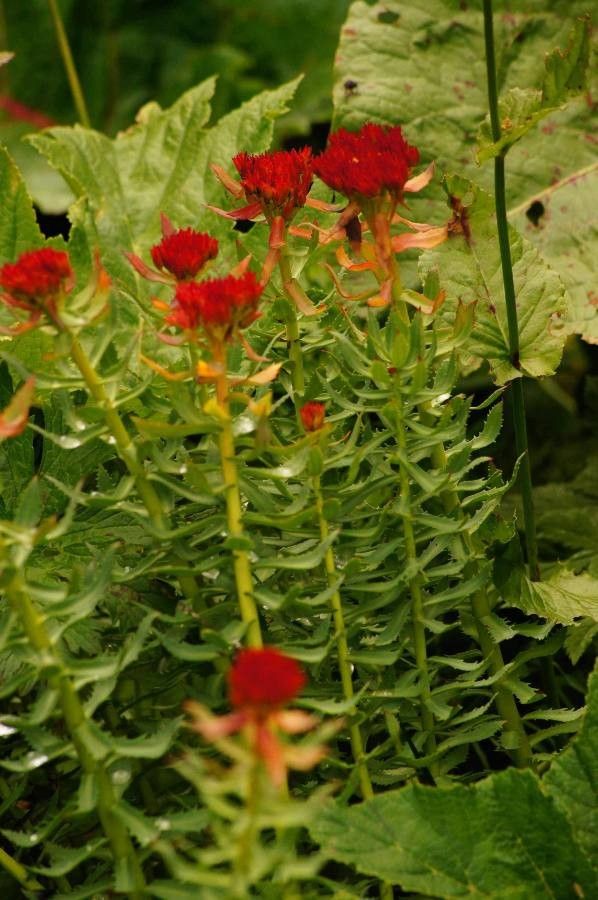
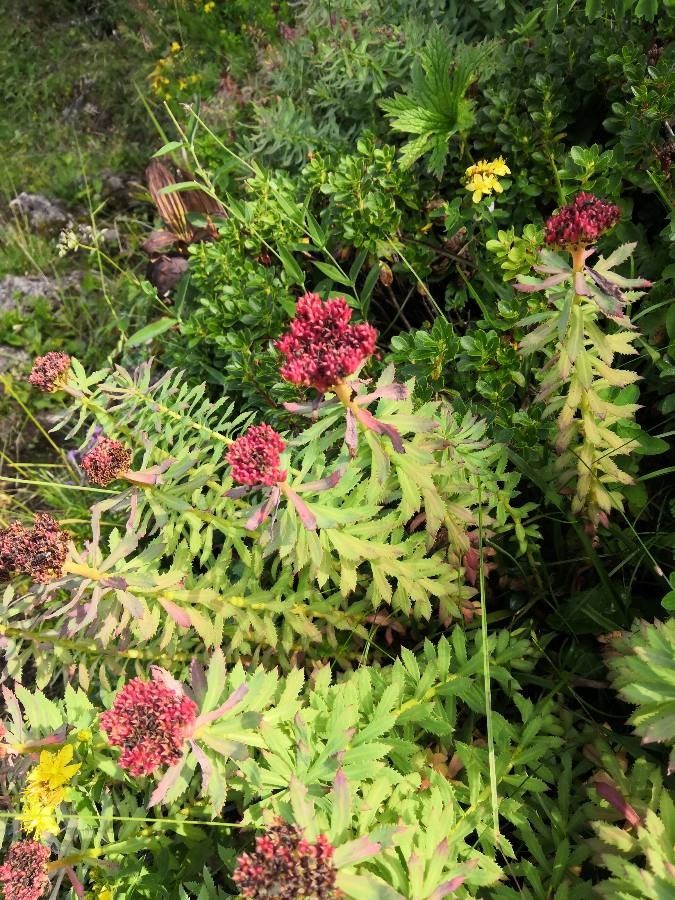
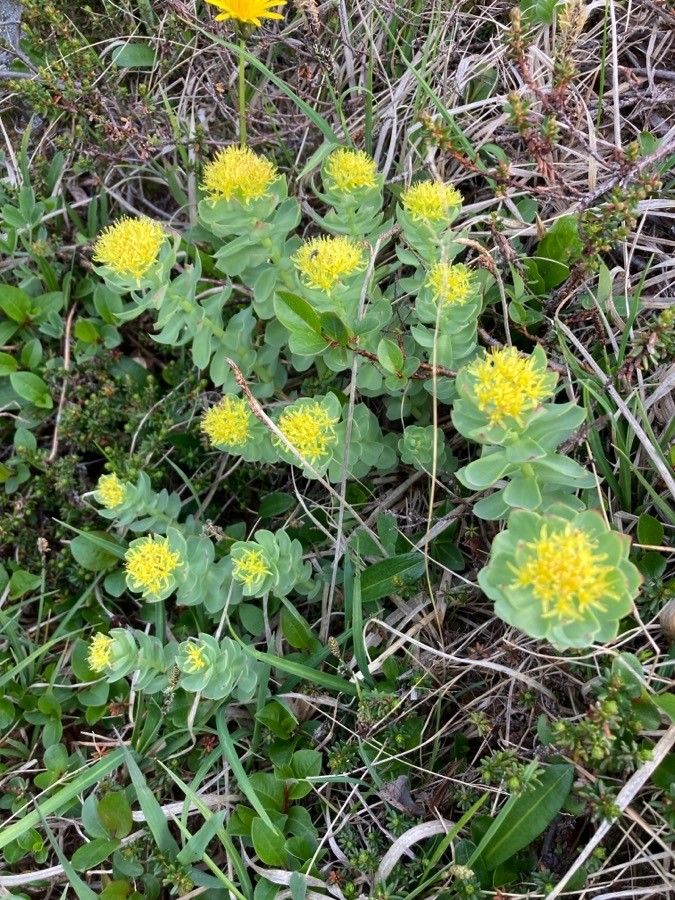
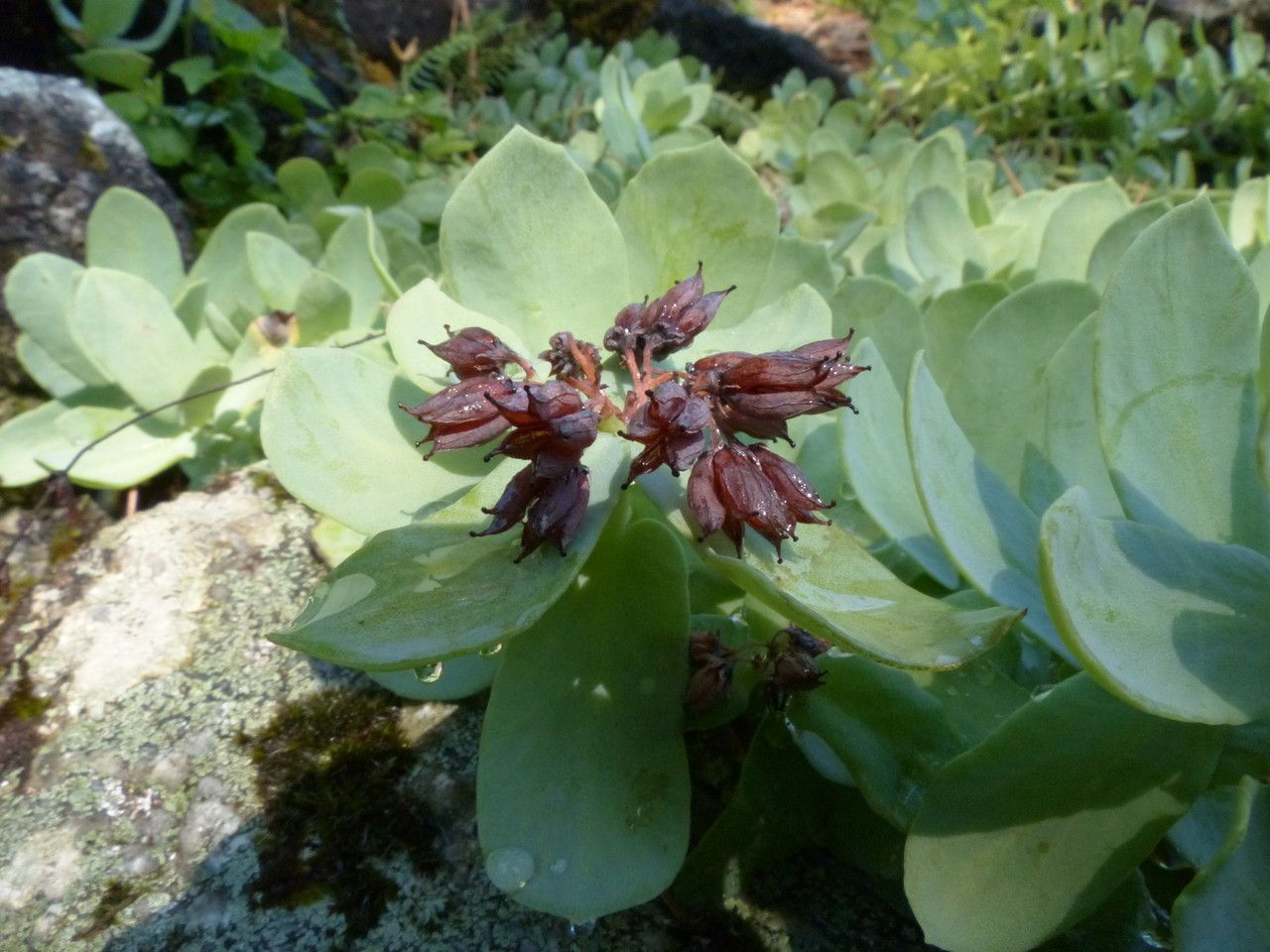
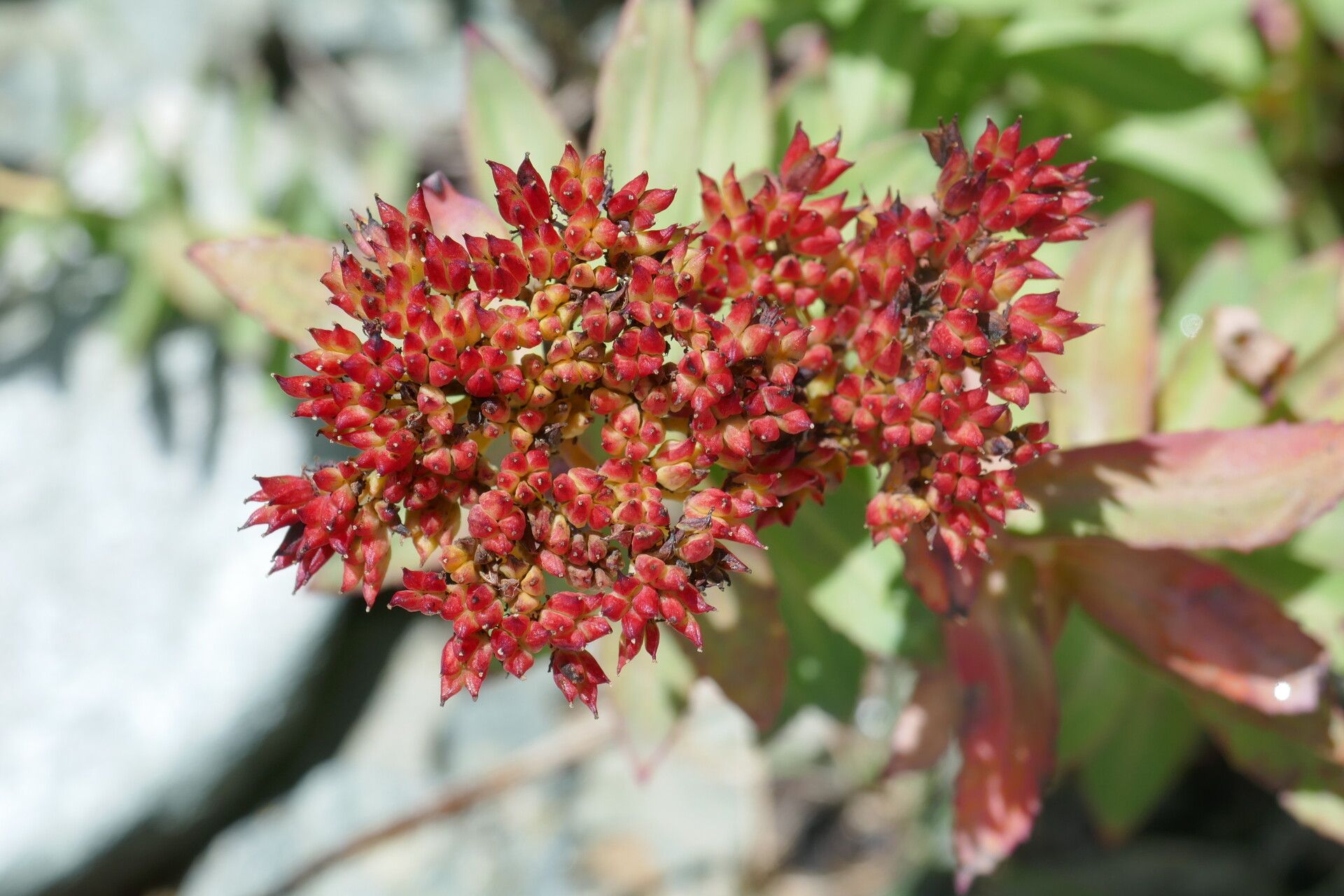
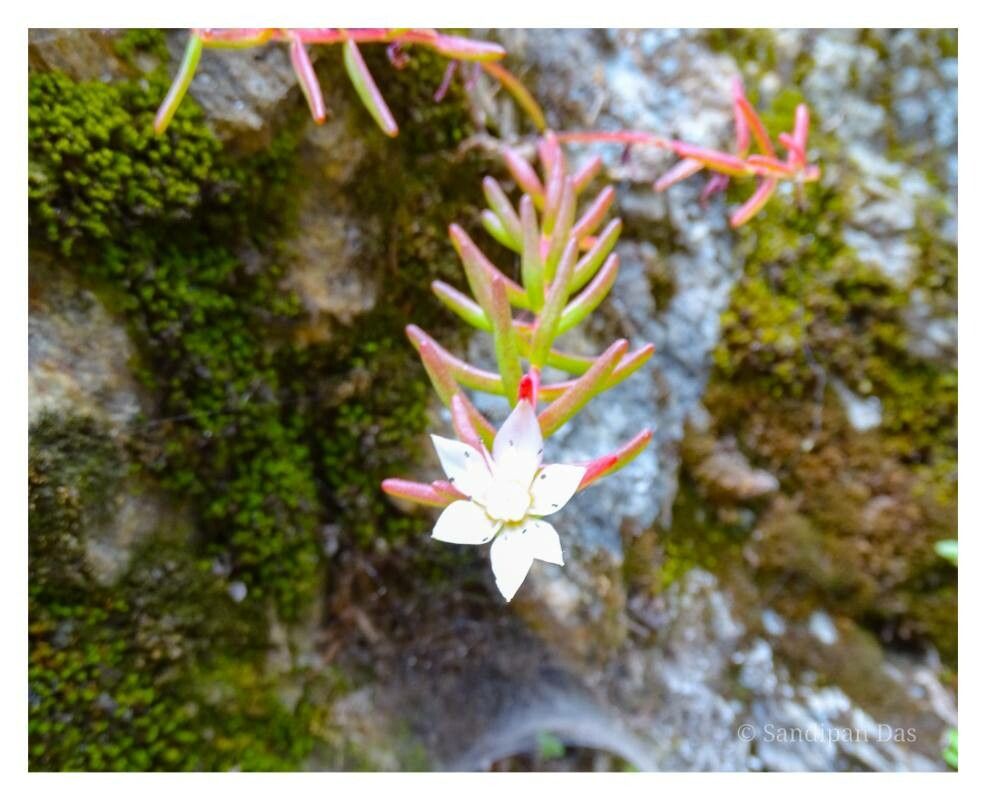
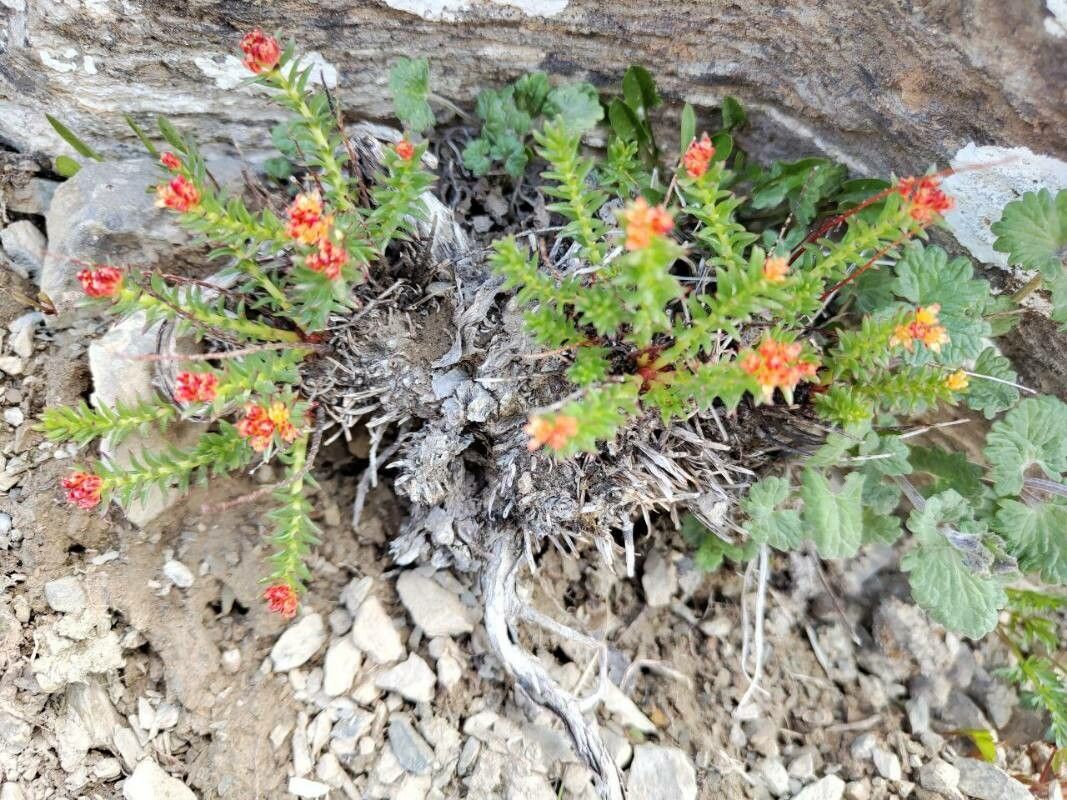
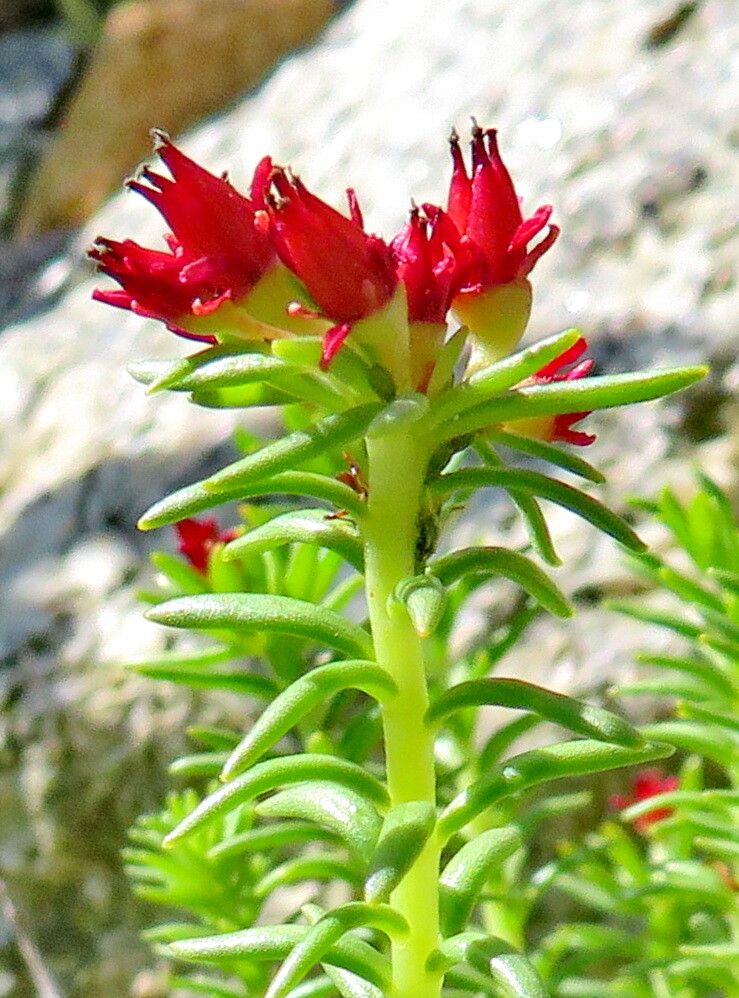
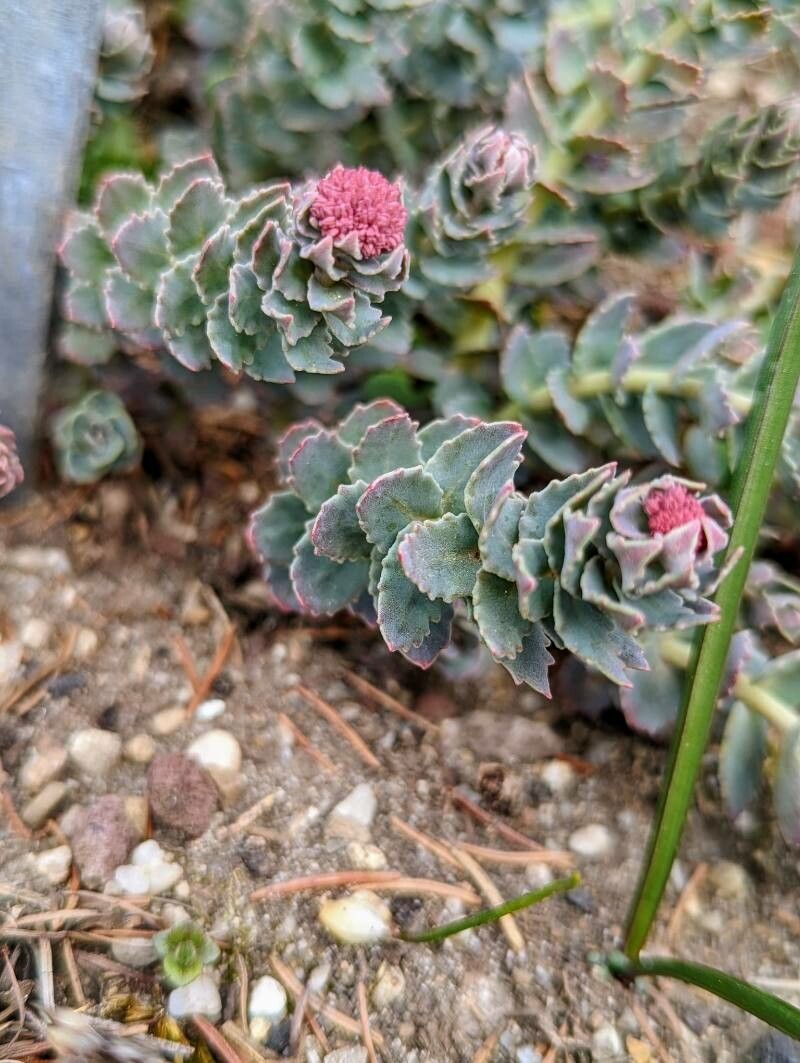
Rhodiola rosea (commonly golden root, rose root, roseroot,: 138 Aaron's rod, Arctic root, king's crown, lignum rhodium, orpin rose) is a perennial flowering plant in the family Crassulaceae. It grows naturally in wild Arctic regions of Europe (including Britain), Asia, and North America ( N.B., Nfld. and Labrador, N.S., QC.; Alaska, Maine, N.Y., N.C., Pa., Vt), and can be propagated as a groundcover.Although Rhodiola rosea has been used in traditional medicine, there is no high-quality clinical evidence of its effectiveness to treat any disease. The United States Food and Drug Administration has issued several warnings to manufacturers of R. rosea dietary supplements for making false health claims about its safety and efficacy.The plant is threatened in many countries due to rapidly growing demand. Supply comes mostly from wild harvesting on an industrial scale, and a combination of growing scarcity and a lack of regulation has led to environmental degradation, substitution or adulteration in the market, and illegal harvesting in protected areas.
Rose root has good disease resistance and is generally not prone to illnesses. However, it can be affected by pests and diseases present in its surroundings. These infections are usually not severe. In terms of care, this plant needs moderate maintenance. It should be pruned regularly to maintain a neat appearance and support healthy growth. Fertilizing can also help encourage flowering. Rose root is suitable for anyone with an outdoor space, such as a garden or patio, and does not require extensive care experience. It may need more attention when grown indoors.
How to keep Rhodiola Rosea.
Light
Rose root prefers a location with as much direct sunlight as possible for healthy growth, though it can tolerate spots with moderate sun. While its natural habit shows a preference for fully sunlit areas, rose root can endure occasional shade. Excessive sun exposure can scorch the leaves, whereas too little light may cause stunted growth or few blooming flowers.
Water
Rhodiola, commonly known as rose root, thrives in alpine environments with infrequent moisture. To maintain the right balance of soil moisture, it should be watered every two weeks. This hardy plant grows best outdoors, particularly in rocky, well-drained soils. Such conditions help prevent root rot and ensure efficient water absorption.
Temperature
Rose root occurs naturally in habitats where temperatures commonly lie between 68 and 105.8°F (20 to 41℃). The plant prefers moderate conditions without extreme cold or heat. If temperatures move outside this range, its care needs to be adjusted.
Fertilizer
Correct fertilization is essential for Rose root's health and appearance. Apply fertilizer to Rose root during summer, repeating the application monthly throughout the season. Nutrients fuel growth and help maintain the plant's components. Fertilizing improves Rose root's flower display, ensuring the best blooms.
Pruning
Rose root, known for its fleshy leaves and yellow flowers, thrives in cool climates. To encourage growth and maintain the plant's shape, prune it from early to late spring. During pruning, remove any dead stems and make clean cuts just above the nodes. This practice improves air circulation, promotes new growth, and enhances the plant's overall health and appearance.
Botanical profile.
- Plant Type
- Herb
- Life Cycle
- Perennial
- Genus
- Rhodiola
- Family
- Crassulaceae
- Hardiness Zone
- 10-13
- Mature Height
- 5 cm to 40 cm
- Mature Spread
- 30 cm
- Leaf Color
- Green
- Leaf Type
- Deciduous
- Flower Color
- Yellow
- Flower Size
- 3.05 cm to 6.35 cm
- Bloom Time
- Early summer, Mid summer
- Planting Time
- Spring, Summer, Autumn
- Harvest Time
- Late summer, Early fall
- Native Area
- Sweden, Austria, Czech Republic, Slovakia, Bulgaria, Poland, Croatia, Slovenia, Ukraine, China, Russia, Norway, Germany, Italy, Kazakhstan, Spain, Switzerland, Denmark, Iceland, Japan, Mongolia, Finland, Koppen, Albania, Ireland, United Kingdom, Romania, France
Other names.
Reader questions.
How should I water my Rose plant?
To properly water the Rose root, use filtered water at room temperature. Tap water may contain harmful particles, so it is best to avoid it. The Rose root comes from a warm environment, so it is important to avoid using cold water as it can be a shock to the plant. Instead of overhead watering, simply apply your filtered room temperature water directly to the soil until it is completely soaked. This method is beneficial as it moistens the roots and promotes their spread through the soil, ensuring they receive the necessary nutrients.
Why should I put fertilizer on my Rose plant's roots?
Fertilizers and soil nutrients are like fuel for your Rose root. They help the plant grow and keep it healthy. Generally, plants use nutrients from the soil to grow new plant material and maintain their existing parts. Specifically for Rose roots, fertilization is important for producing beautiful flowers. Since the flowers are the main attraction, most gardeners want to make sure they look their best. Fertilization is a reliable way to help your Rose root produce vibrant blooms.
What are the sunlight requirements for Rose Root?
Rose Root, or Rhodiola rosea, thrives best when it receives maximum sunlight exposure, ideally above 6 hours of direct sunlight for healthy growth. It can, however, tolerate moderate levels of sunlight, about 3-6 hours (partial sun), and still grow adequately. The plant's natural preference is for locations that are fully sunlit, but it is capable of enduring occasional shade. It's crucial to monitor the plant's exposure carefully, as overexposure can lead to leaf scorching, whereas insufficient sunlight might cause stunted growth or result in fewer blooming flowers. Watch how sunlight gracefully moves through your garden, opting for spots that offer the perfect balance of light and shade for your plant's wellbeing.
What is the optimal temperature range for growing Rose root?
Rose root thrives in environments where the temperature regularly ranges between 68 to 105.8°F (20 to 41°C). It prefers balanced conditions that are neither too cold nor too hot. When the temperature falls outside this range, care adjustments are necessary to maintain the plant's health. During winter, it's recommended to keep Rose root at temperatures above 20°C to promote growth, while ensuring it is protected from temperatures approaching or falling below 5°C.
What should I do if I give my Rose plant too much or too little water?
Overwatering and underwatering can both harm the health of your Rose root, but overwatering is more commonly seen. When this species gets too much water, its stems and leaves may wilt and turn yellow. Overwatering for a long time can also cause diseases like root rot, mold, and mildew, which can be fatal to your plant. Underwatering is less common for the Rose root because it can tolerate drought reasonably well, but it is still possible. If underwatering happens, you'll notice the leaves becoming brittle and brown. It's crucial to recognize the signs of overwatering early when caring for your Rose root. Some diseases caused by overwatering, such as root rot, may be irreversible if not addressed promptly. If you see early signs of overwatering, reduce your watering immediately. Check the soil quality where your Rose root is growing. If drainage is poor, replace it with loose, well-draining potting mix. Conversely, if you see signs of insufficient water, simply water more regularly until the signs disappear.
When should I fertilize my Rose plant?
The Rose root experiences two main phases during the year. The first phase, known as the dormant phase, occurs in winter and involves minimal new growth. The second phase, the active growth phase, occurs in spring and fall, and this is when the Rose root requires fertilization the most. It is recommended to start fertilizing your Rose root in the spring, repeating the process once a month for the rest of spring and most of summer. As fall approaches, you can gradually decrease the rate of fertilization.
How can artificial lighting supplement Rose Root's growth indoors?
Indoor cultivation of Rose Root, especially in less sunny spaces or during winter when natural sunlight is scarce, can greatly benefit from the use of artificial lighting. For optimal growth, indoor plants require adequate lighting. LED lights are particularly recommended because they can be adjusted to provide specific wavelengths of light that plants need. Intensity requirements vary by plant type: full sun plants need 30-50W per square foot, partial sun plants 20-30W per square foot, and full shade plants 10-20W per square foot. The artificial light source should be placed 12-36 inches above the plant, mimicking natural sunlight, and should remain on for 8-12 hours per day to replicate natural daylight hours for most plant species.
How should I care for Rose root during cold temperatures?
Rose root is susceptible to damage from low temperatures and thrives best when the temperature is above 20°C, needing to be kept above 5°C during winter. Exposure to temperatures below 1°C can cause the leaves to lighten in color, and frost damage may turn them brown or black, leading to wilting and drooping. To protect Rose root from the cold, trim off frost-damaged parts and move the plant indoors to a warm location, ideally near a south-facing window for ample sunlight. However, ensure the plant is not placed near heaters or air conditioning vents to avoid excessive dryness.
How frequently should I water my Rose plant's roots?
If your rose plant is in a pot, the easiest way to determine if it needs water is to stick your finger into the soil. If the top few inches are dry, then it's time to water. The same method applies if you're growing your rose plant outdoors in the ground. When the first few inches of soil dry out, it's time to water. Typically, during spring and early fall, watering once a week is sufficient. However, in extremely hot weather, you may need to water twice a week or even more. Nevertheless, mature and well-established rose plants can withstand drought conditions quite well.
When is a bad time to fertilize my Rose root?
To promote healthy rose root growth, it's important to avoid causing root burn. During the spring and summer, when the plant is actively growing, it requires additional nutrients. However, in the fall and winter when the plant becomes dormant, it is best to stop fertilizing.
What are key symptoms of light deficiency in Rose Root?
When Rose Root receives inadequate lighting, it may exhibit several symptoms indicating light deficiency. These include new leaves growing smaller than previous ones, leggy or sparse growth due to longer spaces between leaves or stems, faster leaf drop as the plant conserves resources, delayed or completely halted new growth as the plant enters survival mode, and new leaves that may appear lighter-colored or develop irregular color patterns signifying a lack of chlorophyll and essential nutrients. Chlorosis, sunscald, leaf curling, wilting, and leaf scorching are additional symptoms that can manifest due to excessive sunlight exposure or insufficient light.
What should I do if Rose root experiences high temperatures?
In the event of high temperatures, particularly during summer when it's best to keep Rose root below 41°C, precautions should be taken if temperatures exceed 45°C. High temperatures can cause the leaves to lighten and increase susceptibility to sunburn. To mitigate this, trim away the sunburned and dried-up parts of the plant. Then, relocate the plant to a shaded area, preferably away from the harsh midday and afternoon sun. Additionally, to help the soil retain moisture, water the plant in the morning and evening.