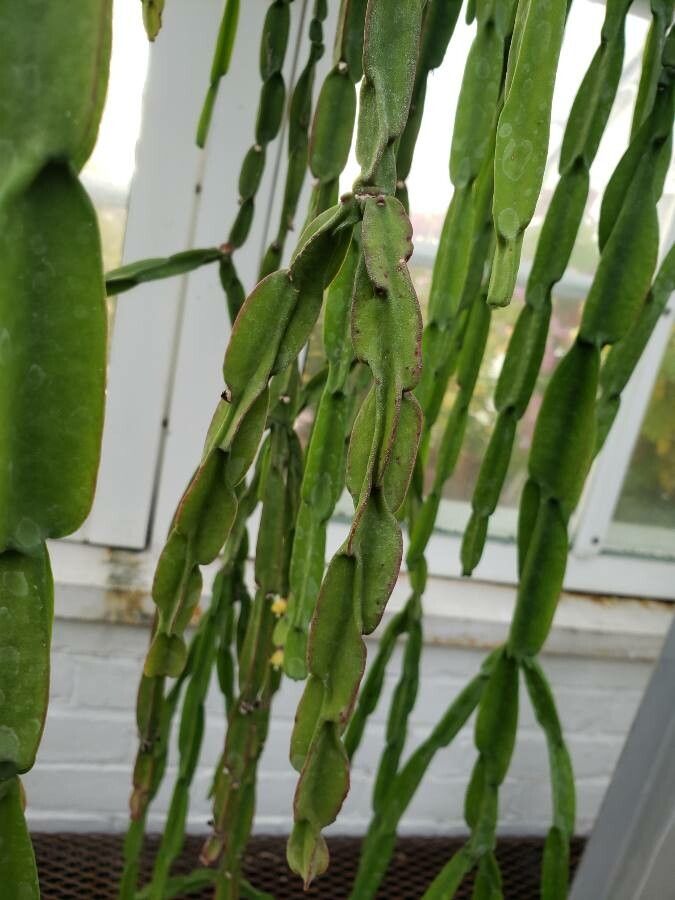
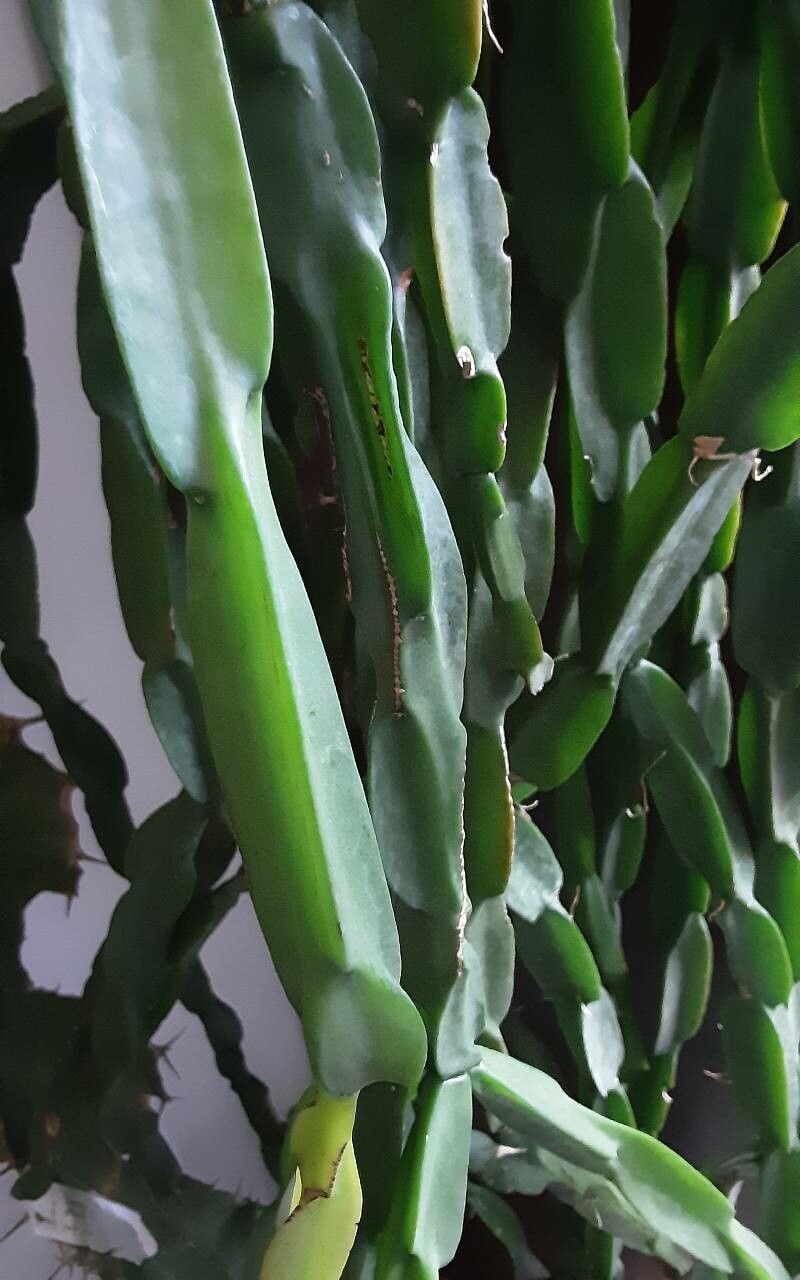
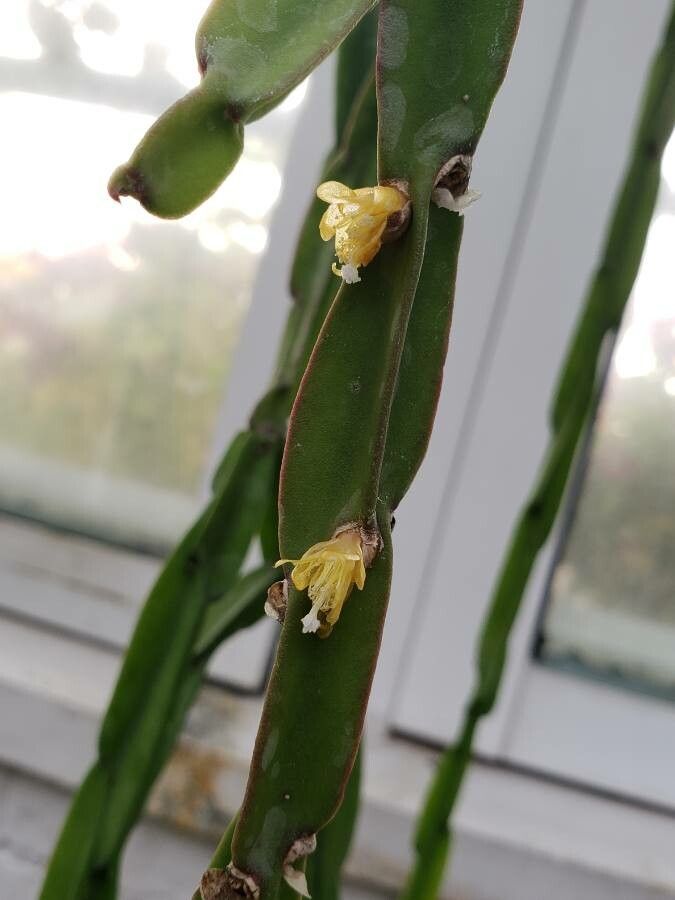
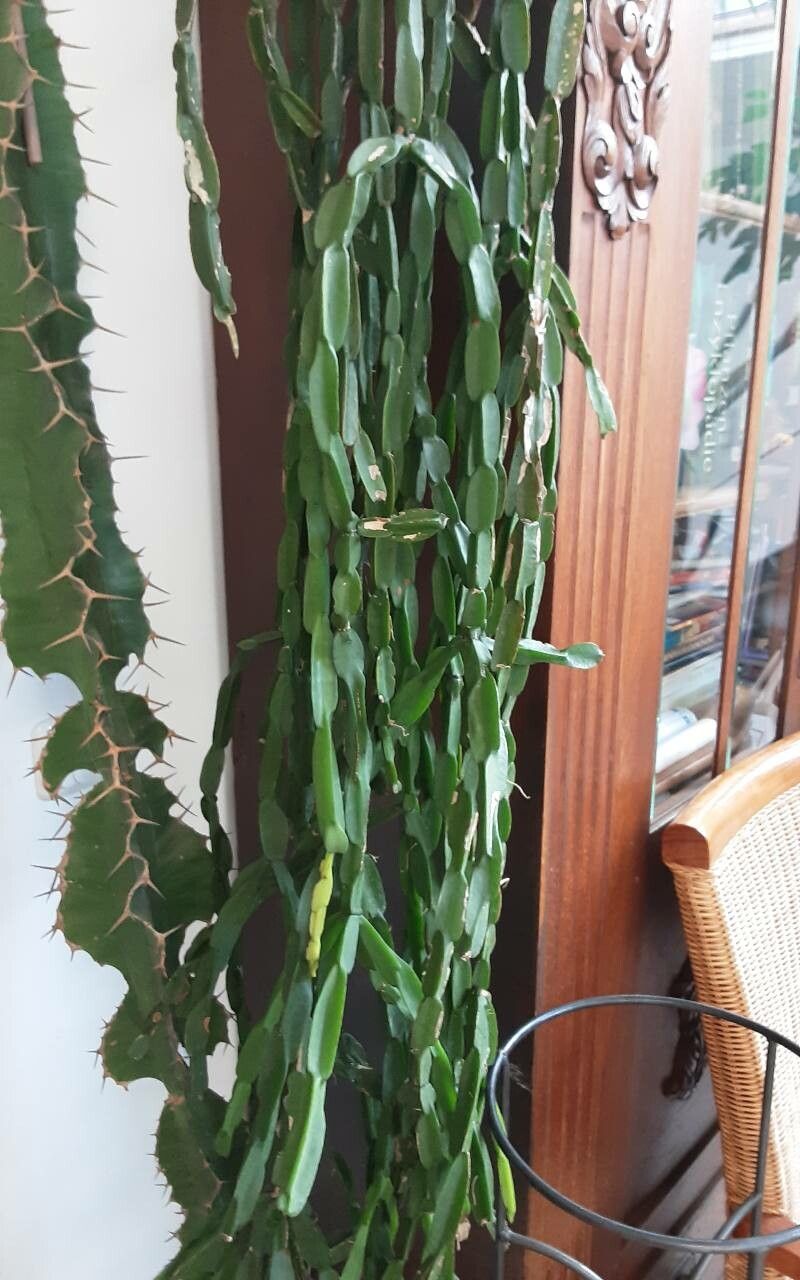
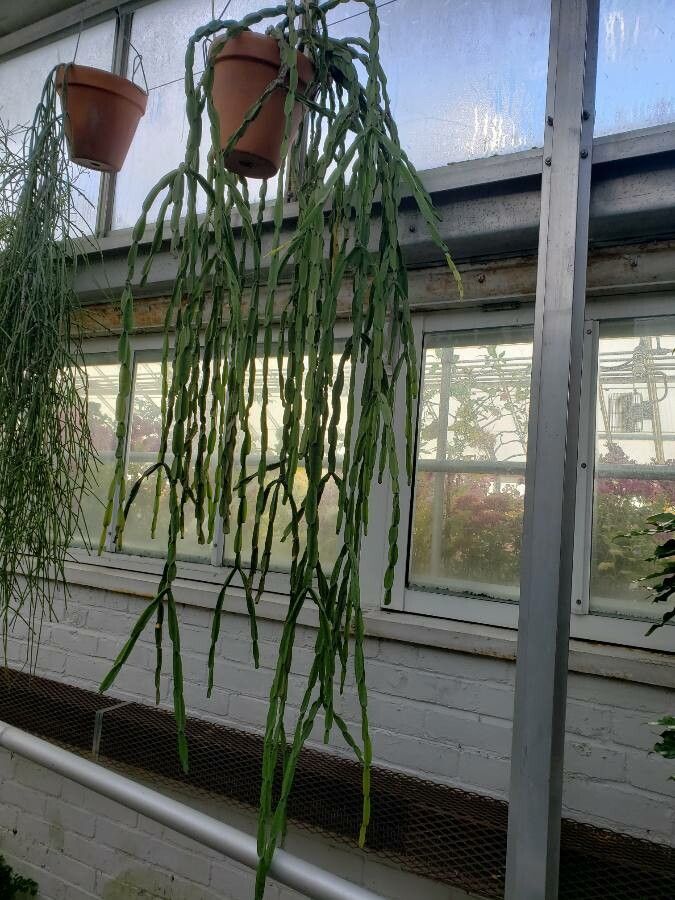
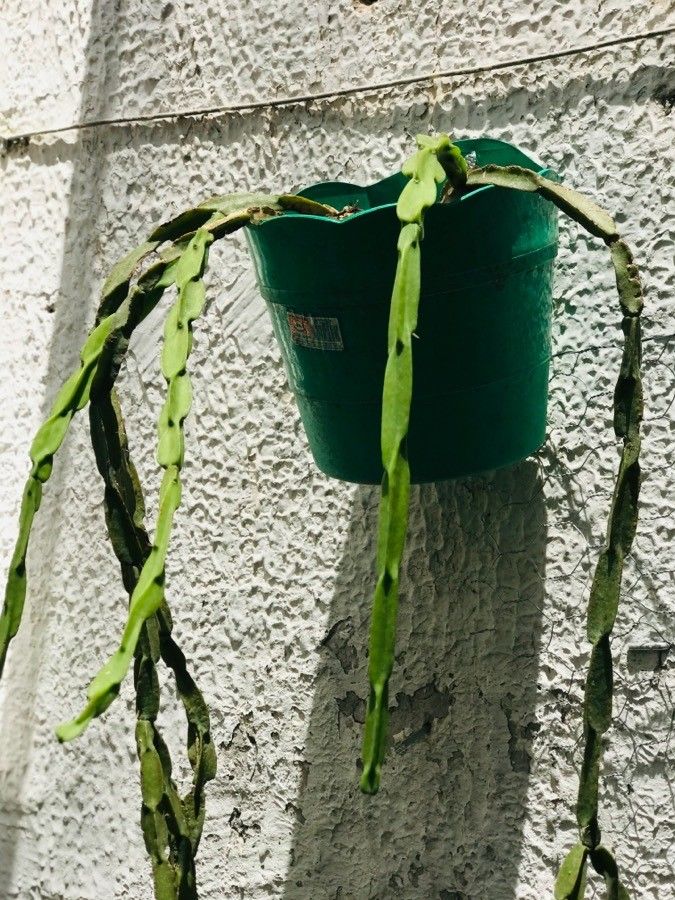
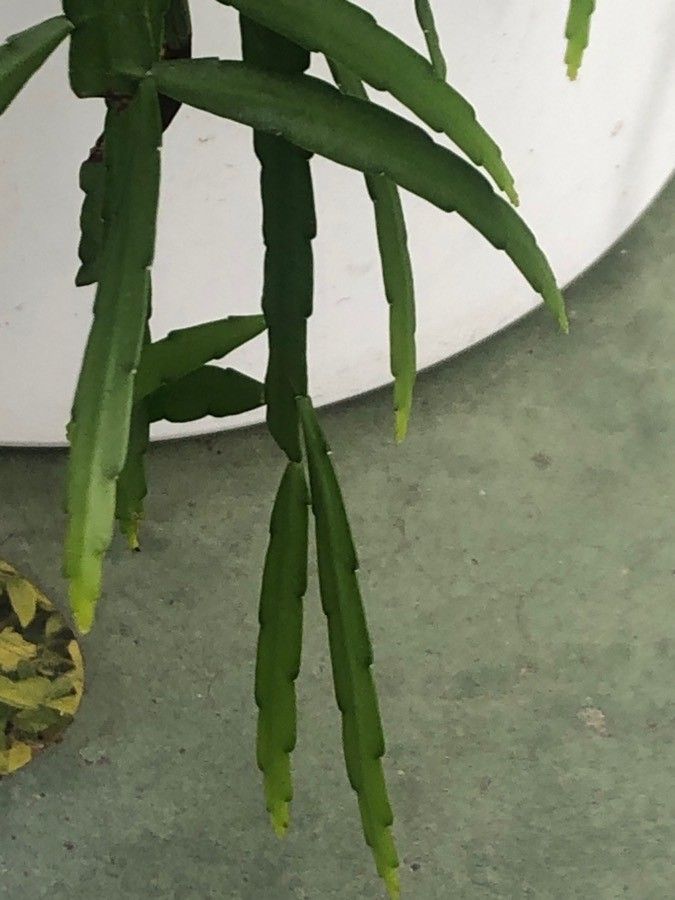
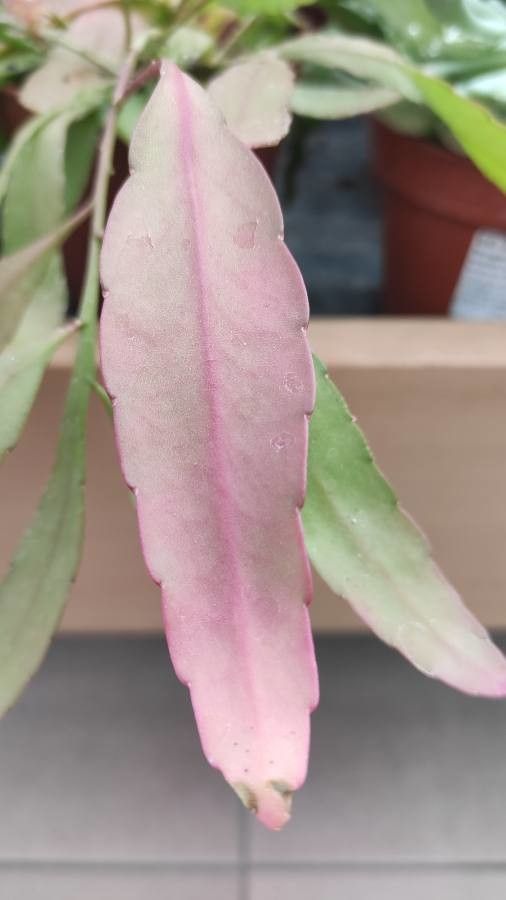
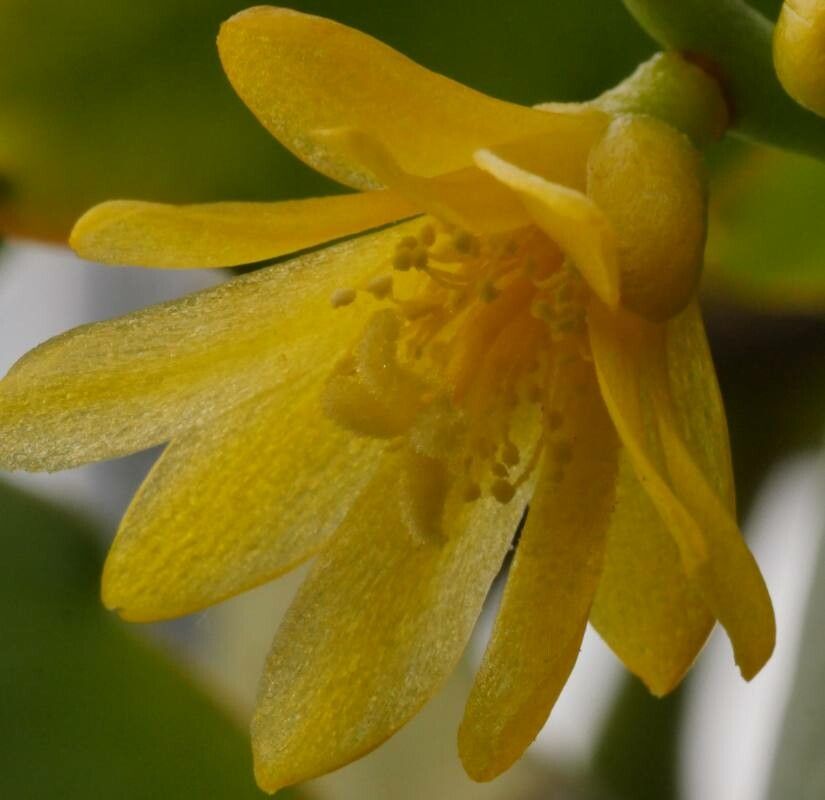
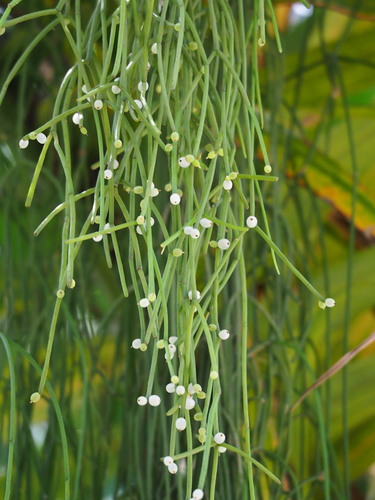
Rhipsalis paradoxa is a species of plant in the family Cactaceae. It is endemic to Brazil. Its natural habitat is subtropical or tropical moist lowland forests. It is threatened by habitat loss.
Chain cactus is generally disease-resistant and can handle normal care without becoming sick easily. However, it can be vulnerable to mealybugs; these pests may cause some damage but are typically not a serious threat. In terms of care, Chain cactus is drought-tolerant and does not need frequent watering. It can withstand long periods without water and requires little fertilizer. That said, it is very susceptible to root rot if kept in poor lighting and overwatered. Overall, Chain cactus is a good option for people who want to spend less time tending their plants, but it remains important to understand and meet its basic needs. It is especially suitable for those who are away for long periods and might forget to water regularly.
How to keep Rhipsalis Paradoxa.
Light
The chain cactus grows most successfully when given plentiful sunlight, though it can tolerate lower-intensity rays. Native to habitats with strong sun exposure, this plant depends on sunlight for its best health. Too little light can hinder growth, while too much can damage its tissues.
Water
Chain cactus, native to tropical rainforests, thrives in high humidity by efficiently absorbing moisture. Although it can tolerate drought, this plant prefers consistent moisture and should be watered twice a week. When grown indoors, it flourishes in bright, indirect light, which encourages healthy growth without the risk of waterlogging.
Humidity
This plant will thrive in moderate humidity, which is probably the level in your home. However, misting it a few times a week can be very beneficial. Make sure the room has good ventilation.
Temperature
Chain cactus originates from habitats where temperatures range from 68 to 100 °F (20 to 38 ℃). Suited to milder climates, it does well in warm conditions and may require adjustments during colder seasons to achieve optimal growth.
Fertilizer
For Chain cactus, light applications of fertilizer once or twice a year during the growing season are sufficient. Avoid fertilizing in winter or in summer when the plant is dormant. Use less fertilizer for repotted plants and wait a couple of months after repotting before applying fertilizer. Fertilizing promotes healthy growth and encourages blooms.
Pruning
Chain cactus features cascading stems with a segmented appearance. To maintain its shape and health, it's important to prune regularly from early to late spring. This involves removing any dead segments. Use clean, sharp scissors to cut at the stem joints. This promotes air circulation, prevents overcrowding, and enhances the plant's overall vitality.
Pot & Repot
Repot Chain cactus in spring or summer, selecting a pot only slightly larger than the current one that has good drainage. Use a sandy or gritty cactus mix that drains well. Handle it carefully to avoid the spines. Let the cactus dry out before repotting to help prevent root rot. After repotting, wait a week before watering so the roots can heal.
Botanical profile.
Other names.