Rhaponticum is a genus of flowering plants in the tribe Cardueae within the family Asteraceae.
Broadleaf globethistle is quite resistant to disease and generally not susceptible to illnesses. However, it can be affected by pests and diseases present in its environment. These issues are typically not severe. For care, the plant requires a moderate level of attention. It needs regular pruning to keep a pleasing appearance and to support healthy growth. Fertilizing can also help encourage flowering. Broadleaf globethistle is appropriate for anyone with outdoor space, like a garden or patio, and does not need extensive plant-care experience. It may require more attention when grown indoors.
How to keep Rhaponticum Uniflorum.
Light
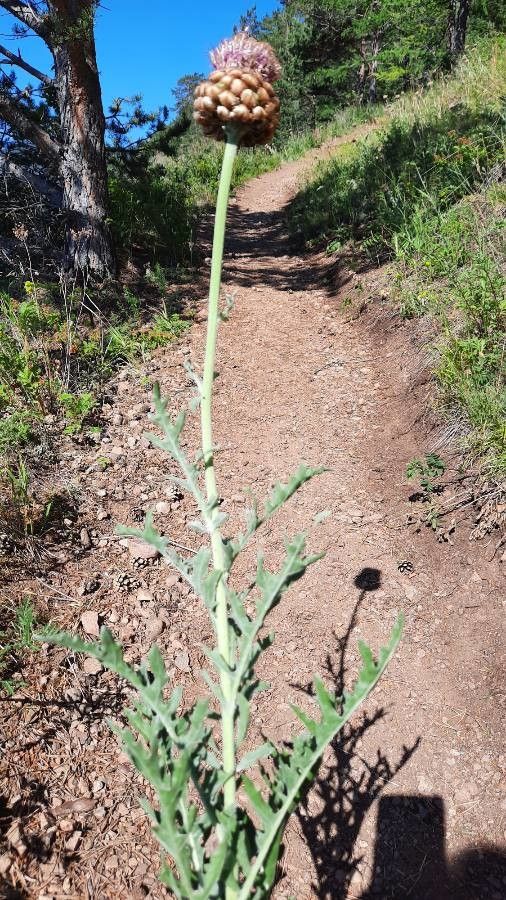
Broadleaf globethistle is a sun-loving perennial herbaceous plant native to open habitats, commonly found in meadows and grasslands. It prefers full sun but can also tolerate partial sun.
Water
The broadleaf globethistle thrives in environments with moderate water availability and requires weekly watering for optimal growth. Although it is native to regions with consistent rainfall, it can adapt to different climates. However, it performs best when it receives plenty of rain during its growing season.
Temperature
Broadleaf globethistle can tolerate a wide range of temperatures, although its range may still be restricted by particular combinations of moisture and heat. It performs best in warm summer conditions with sufficient rainfall or irrigation. Extended stretches of cloudy, rainy weather or prolonged high heat can raise the chances of Broadleaf globethistle dying. During winter, protecting it from cold can increase its survival rate.
Fertilizer
The best time to fertilize a Broadleaf globethistle is in early spring, as it comes out of dormancy and begins active growth. Fertilization supplies essential nutrients needed for healthy growth. Although Broadleaf globethistle has relatively low fertilizer requirements, applying fertilizer annually can improve its survival and encourage better, longer-lasting flowers.
Pruning
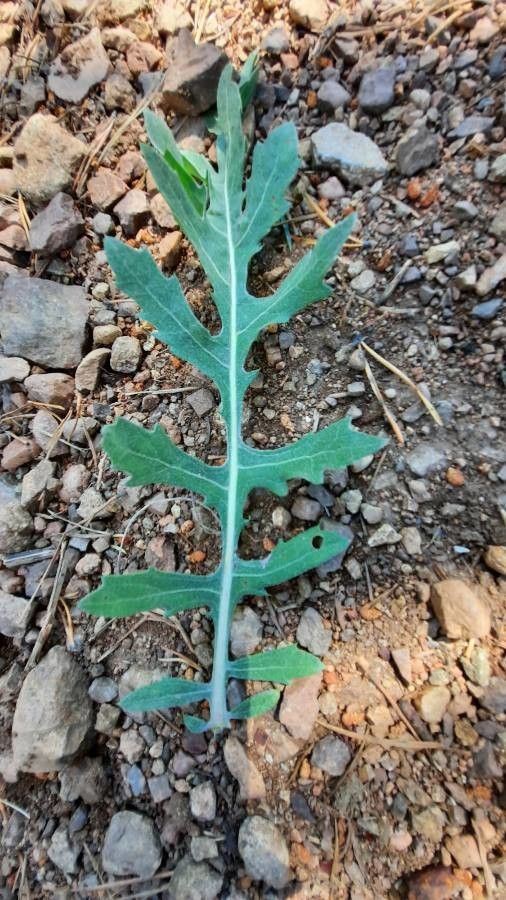
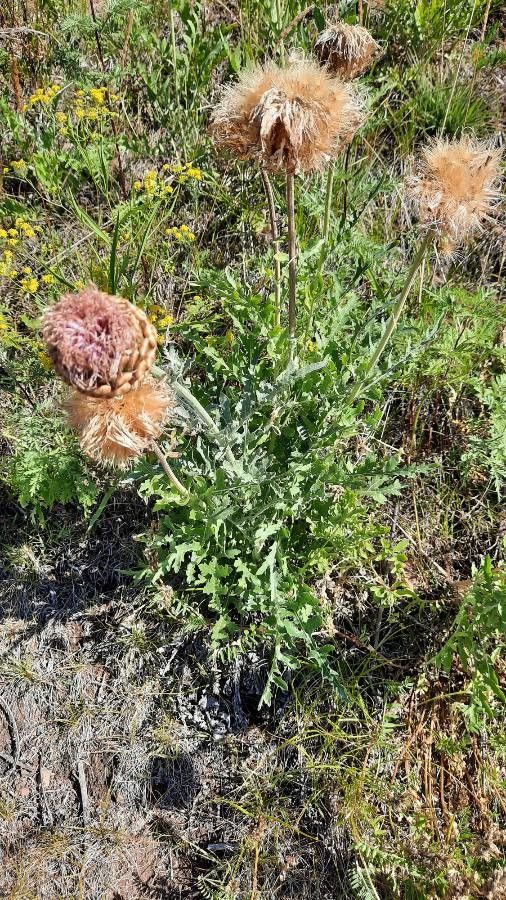
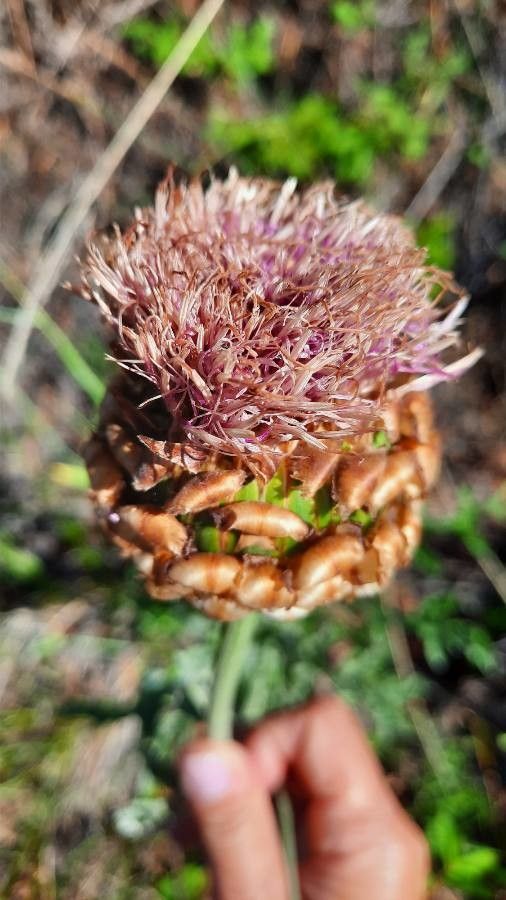
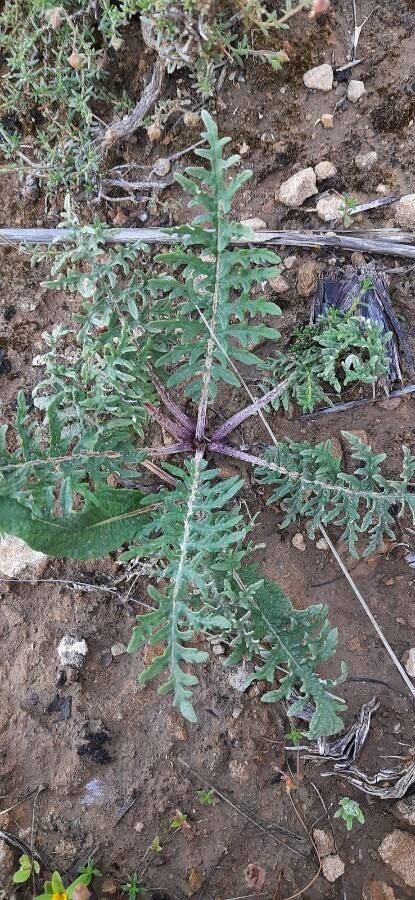
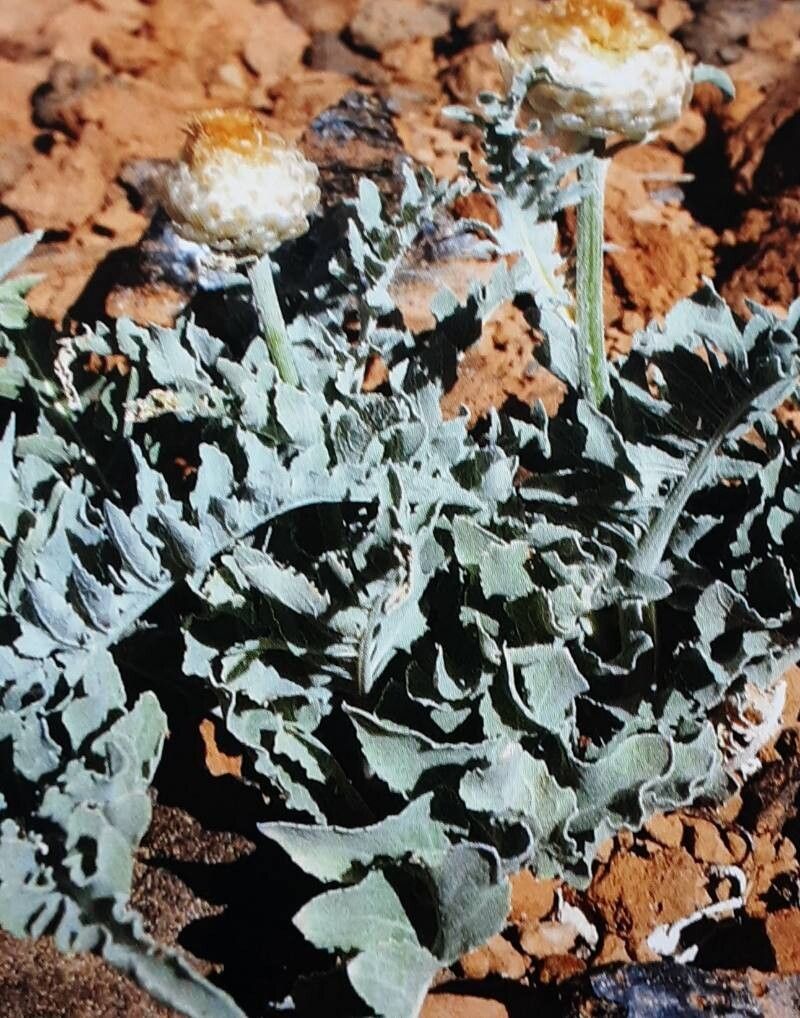
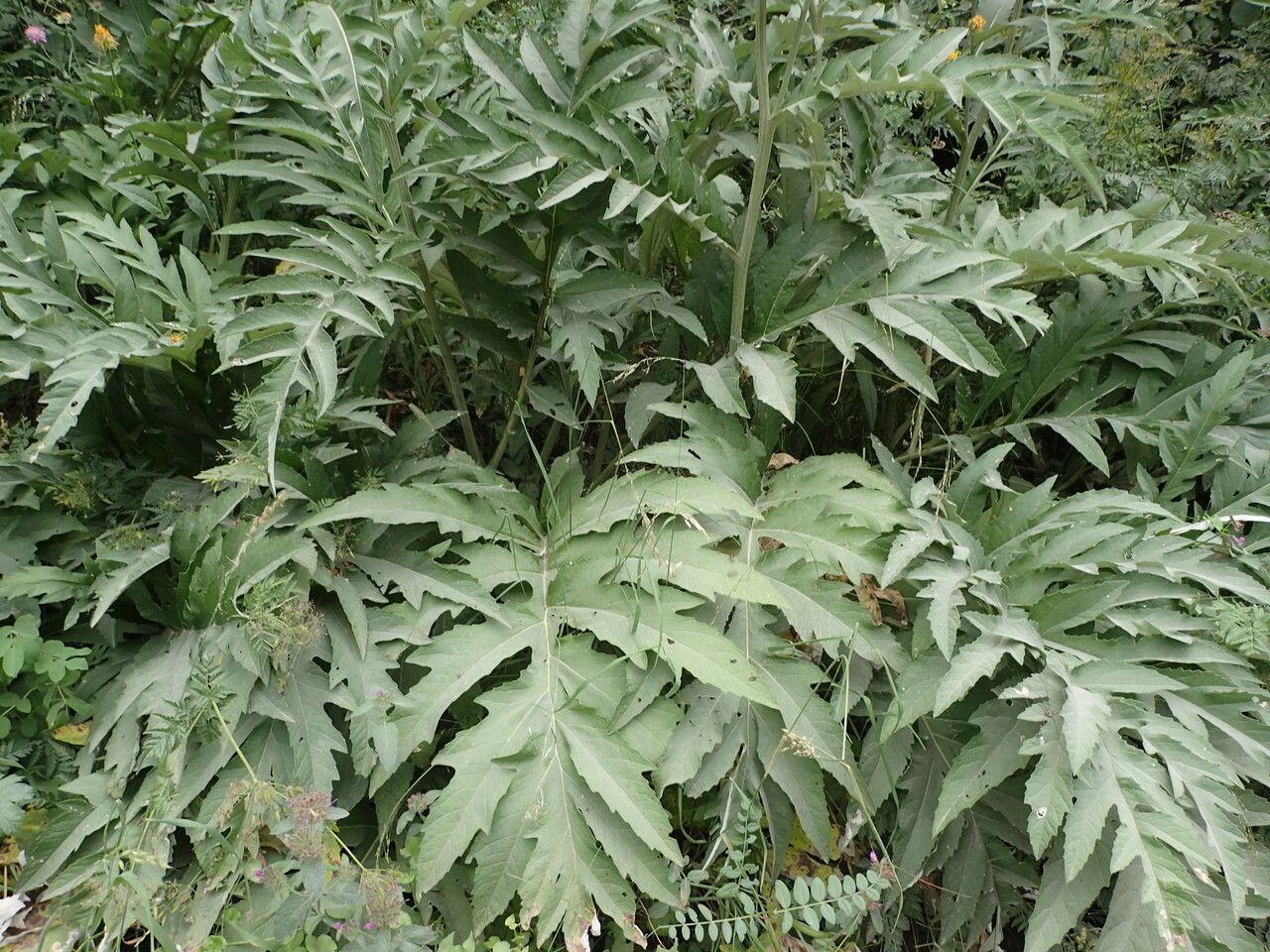
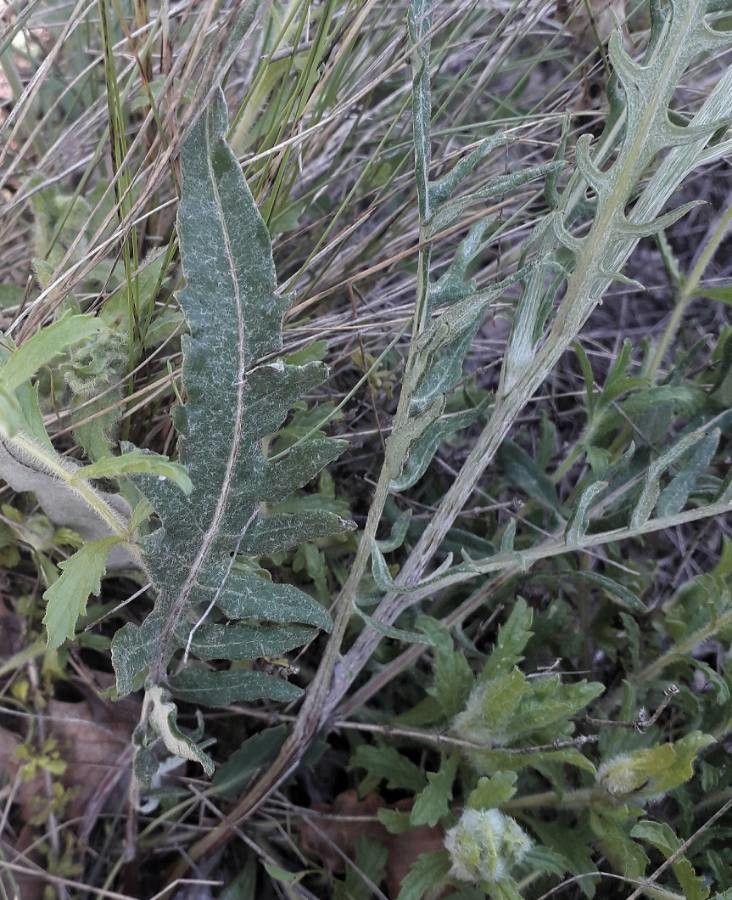
The broadleaf globethistle is known for its wide, spiky leaves and round, purple flowers. To encourage growth, remove damaged stems, and improve air circulation, you should prune the plant in early spring. Be careful not to over-prune, as this can stress the plant. Proper pruning will help ensure vibrant blooms and maintain the overall health of the plant.
Botanical profile.
- Plant Type
- Herb
- Life Cycle
- Perennial
- Genus
- Rhaponticum
- Family
- Compositae
- Hardiness Zone
- 4-8
- Mature Height
- 6 cm to 91 cm
- Mature Spread
- 20 cm to 40 cm
- Leaf Color
- Green, Dark Green
- Leaf Type
- Semi-evergreen
- Flower Color
- Purple, Pink, Brown
- Flower Size
- 4.06 cm to 6.35 cm
- Bloom Time
- Late spring, Early summer
- Planting Time
- Spring, Summer, Autumn
- Harvest Time
- Mid summer, Late summer
Reader questions.
What are the sunlight requirements for Broadleaf globethistle?
Broadleaf globethistle, or Rhaponticum uniflorum, thrives in full sun, requiring more than 6 hours of sunlight daily, but it can also tolerate partial sun conditions, which consist of about 3-6 hours of sunlight. It's important to monitor the movement of sunlight in your garden to ensure your plants receive the optimal balance of light and shade, supporting their growth and health.
What are some essential considerations for growing Broadleaf globethistle?
Essentially, Broadleaf globethistle is a sun-loving perennial herb that flourishes in open habitats like meadows and grasslands. It prefers full sun but can tolerate partial sun. When natural sunlight is insufficient, especially for indoor plants during winter or in less sunny spots, artificial lighting becomes crucial. LED lights are recommended because they can be adjusted to provide the specific wavelengths needed by your plants. The artificial light requirements vary based on the type of plant, with full sun plants needing 30-50W/sq ft, partial sun plants 20-30W/sq ft, and full shade plants 10-20W/sq ft. The artificial light source should be placed 12-36 inches above the plant, mimicking natural sunlight for 8-12 hours per day.
What symptoms indicate light deficiency in Broadleaf globethistle?
Light deficiency in Broadleaf globethistle can lead to several symptoms indicating the plant is not receiving adequate light. These include smaller new leaves, leggy or sparse growth, faster leaf drop, slower or no new growth, lighter-colored new leaves indicating a lack of chlorophyll, chlorosis or yellowing leaves, sunscald involving damage from intense light exposure, leaf curling as a defense against excessive sunlight, wilting due to increased water loss, and leaf scorching characterized by brown, dry edges on leaves. Observing these symptoms can help diagnose light issues, allowing for timely intervention.
How can I address insufficient sunlight exposure for Broadleaf globethistle?
To address insufficient sunlight for Broadleaf globethistle, gradually acclimatize your plant to more sunlight by moving it to a sunnier spot each week until it gets at least 6 hours of direct sunlight daily. For indoor plants, consider using artificial lighting, like a desk or ceiling lamp for at least 8 hours a day or investing in professional plant grow lights. For outdoor plants, ensure a gradual transition to prevent sunburn. Improving light exposure involves reducing obstructions, such as pruning trees that shade your plant. For smaller plants, you might need to transplant them during their dormant period to a location with better sunlight and drainage. Remember, damaged parts may not recover, but new growth will be healthy with increased light.