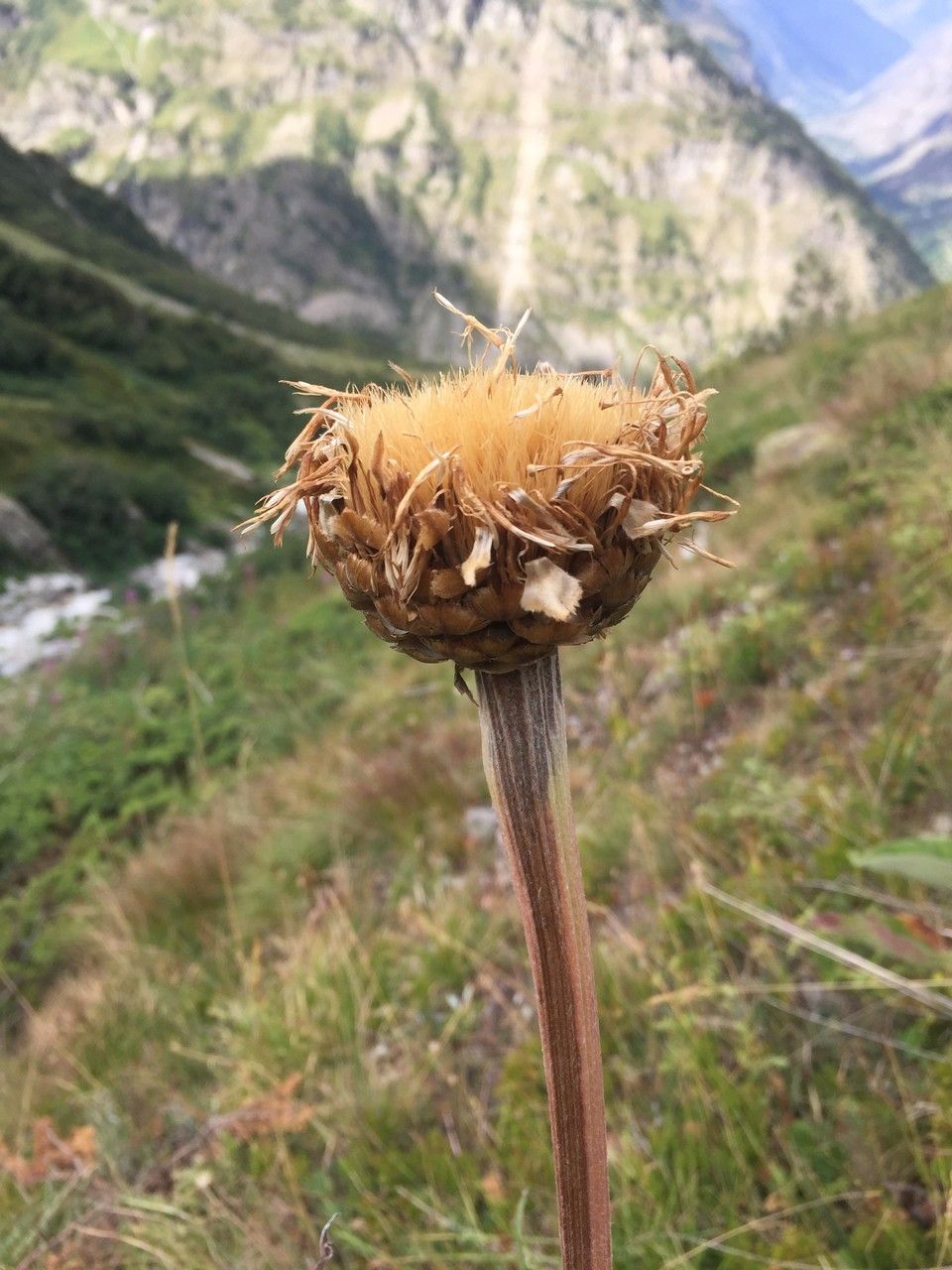
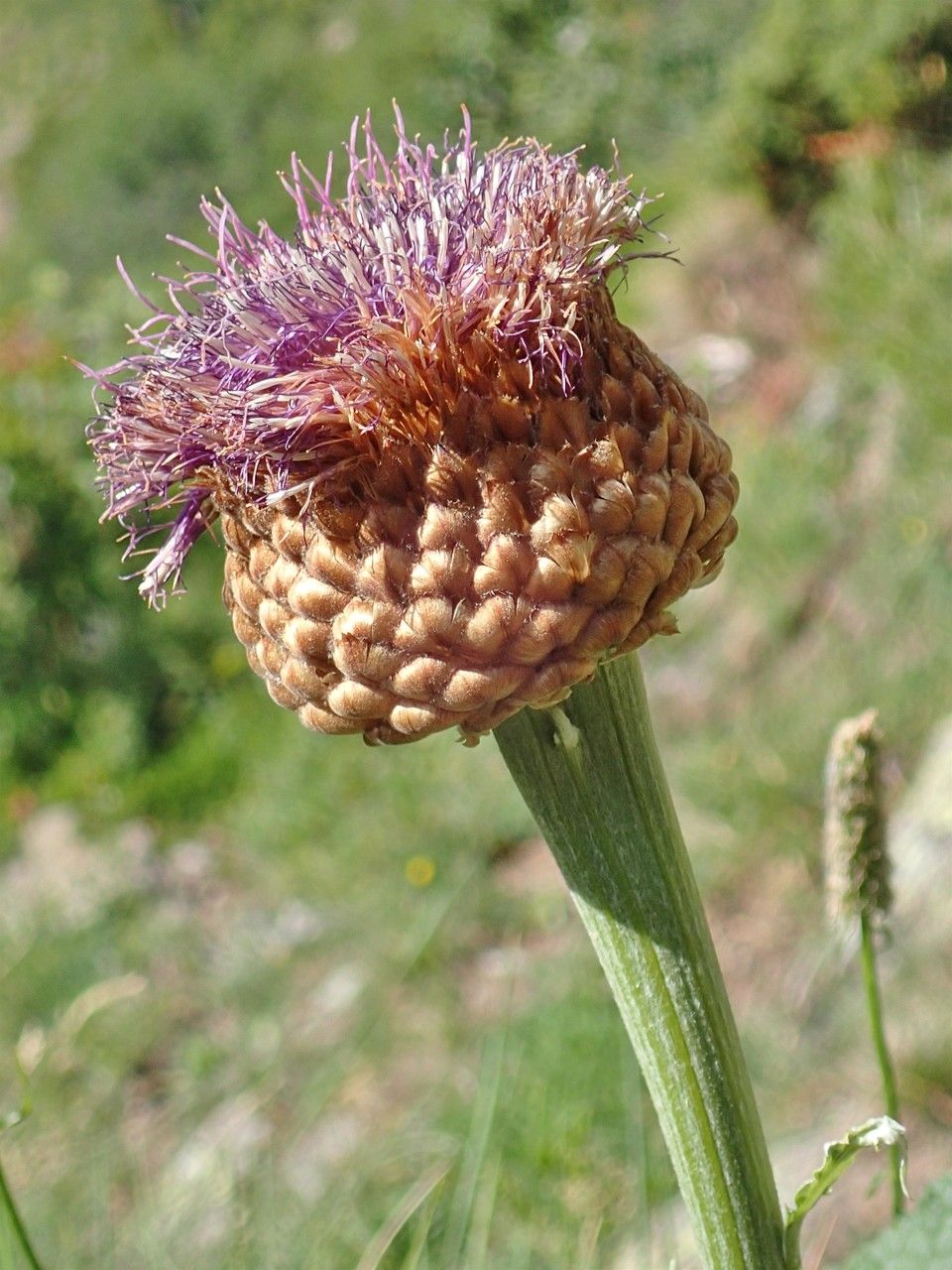
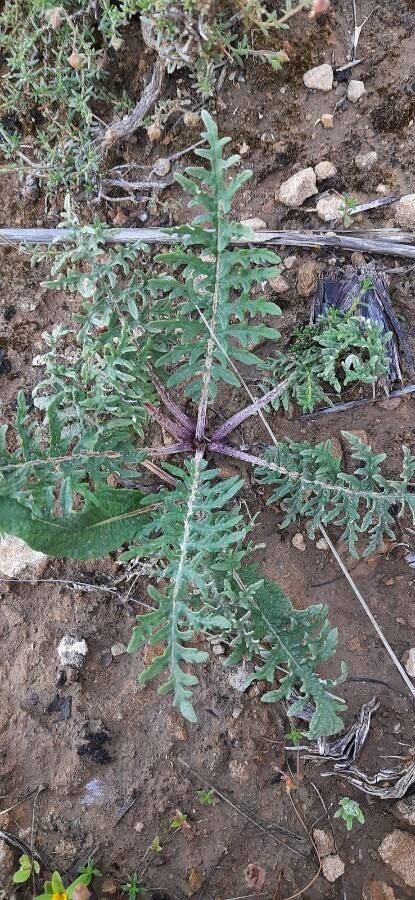
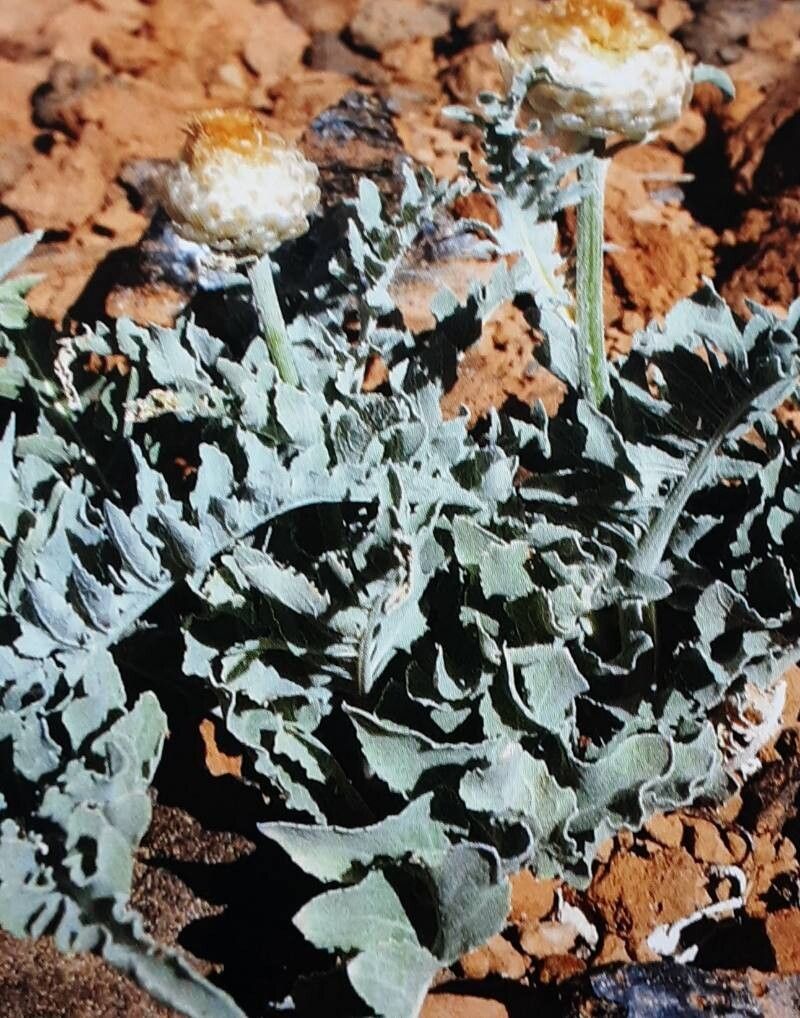
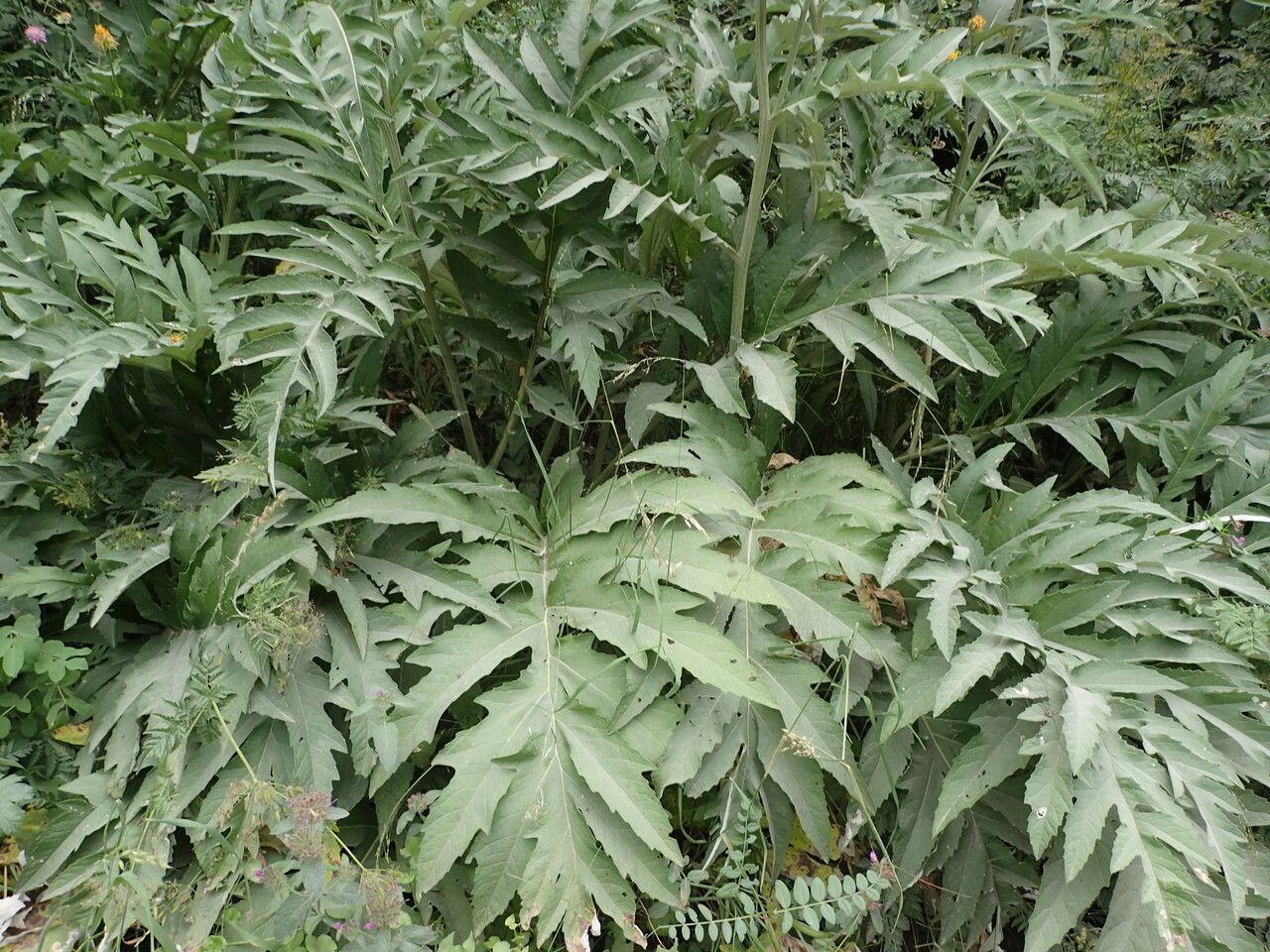
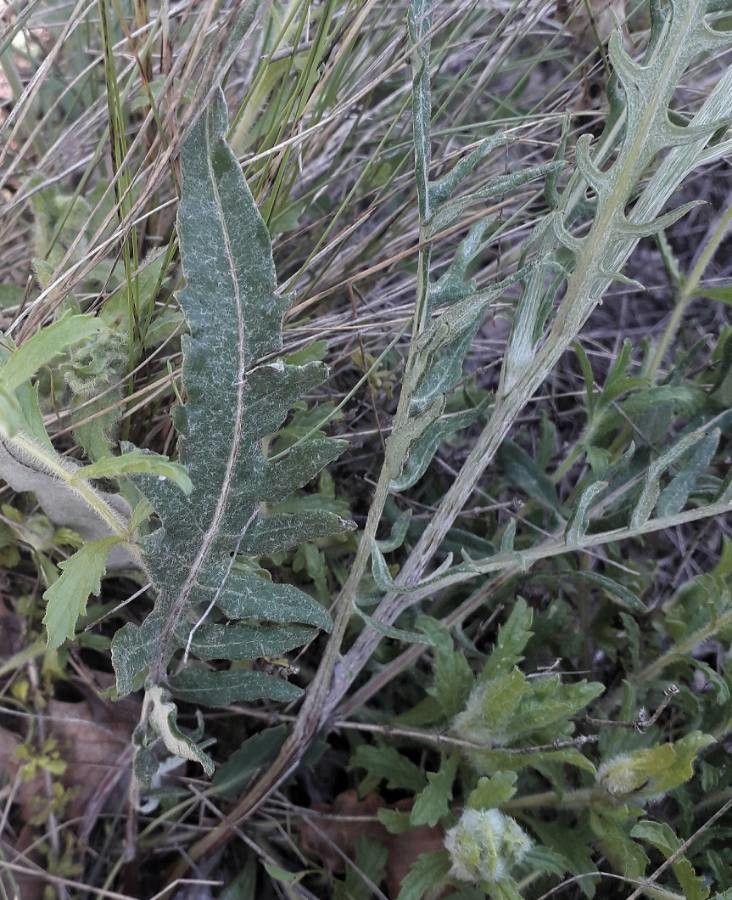
Rhaponticum scariosum, commonly known as Siberian maral root, is a perennial herbaceous plant belonging to the Asteraceae family. Native to Siberia and other parts of Russia, this plant has been used for centuries in traditional medicine due to its numerous health benefits.
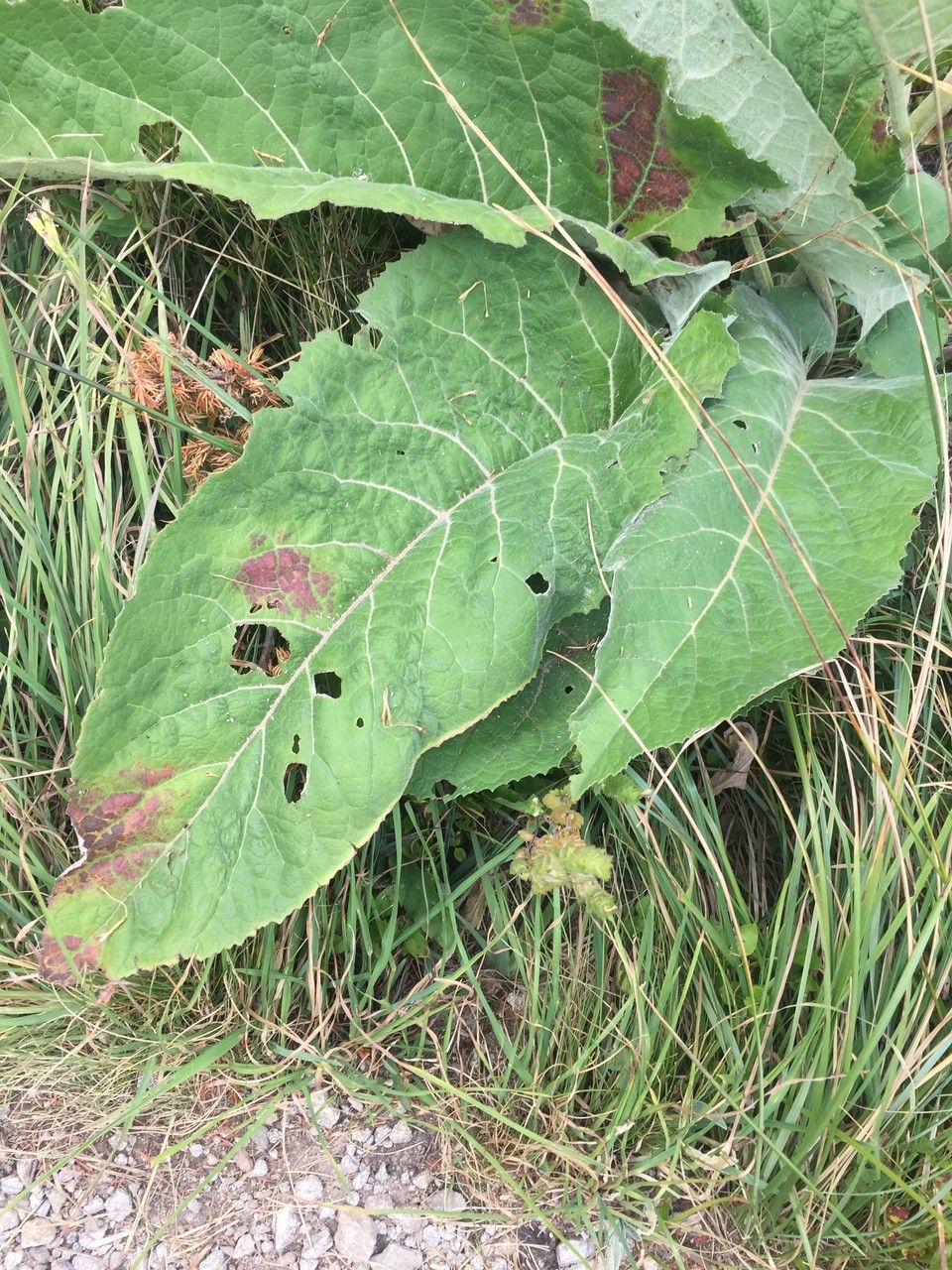
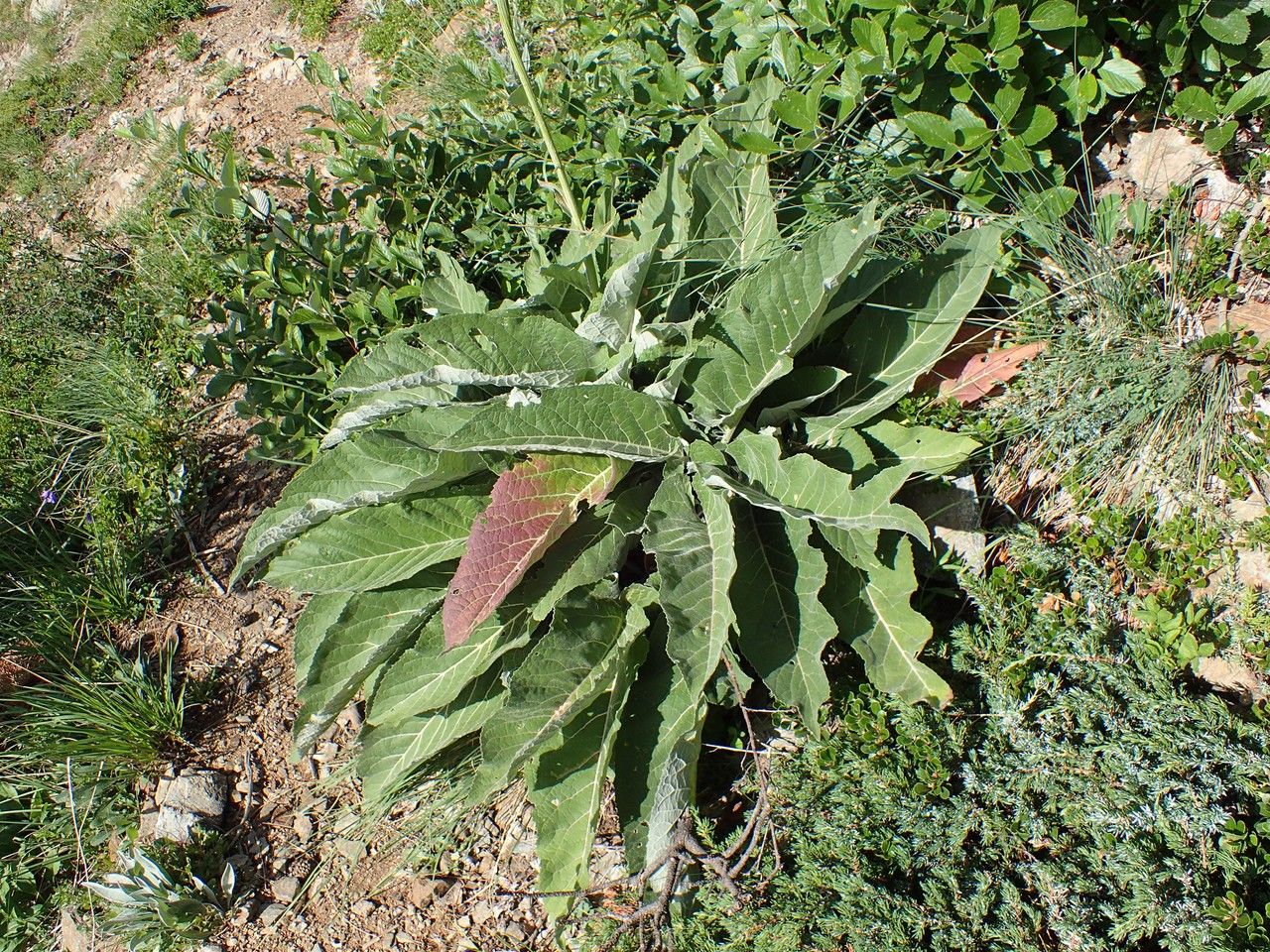
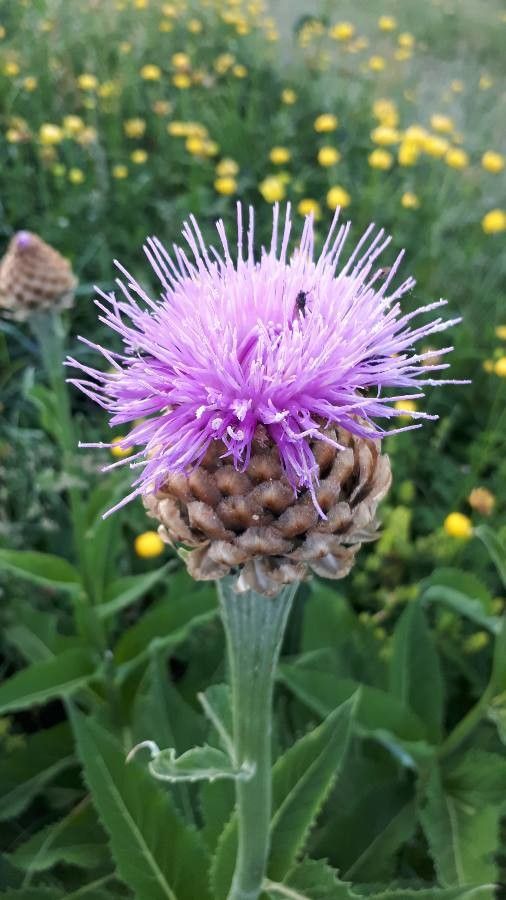
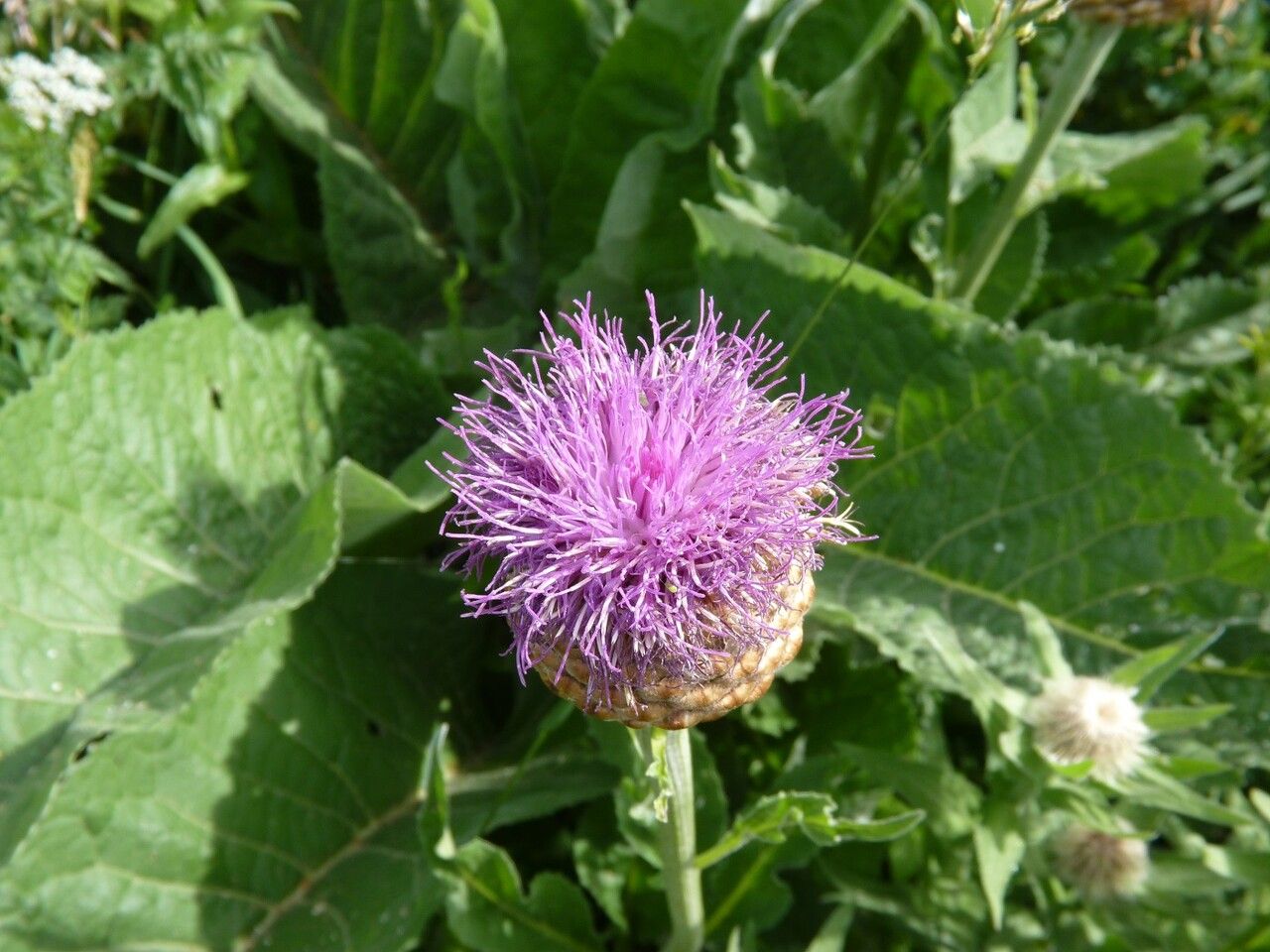
The plant can grow up to 1.5 meters tall and features large, deeply lobed leaves with a silvery-green hue. It blooms with yellow flowers in late summer or early fall, which are then followed by small seeds.
The root of Rhaponticum scariosum is the most valuable part of the plant, containing various bioactive compounds such as ecdysteroids, flavonoids, phenolic acids, and triterpenes. These compounds have been shown to possess anti-inflammatory, antioxidant, and immunomodulatory properties, among others.
Traditionally, Rhaponticum scariosum has been utilized for its adaptogenic properties, which help enhance physical endurance and mental performance under stressful conditions. It also aids in improving immune function by stimulating the production of white blood cells.
In addition to its medicinal uses, Rhaponticum scariosum is also employed in cosmetics for its anti-aging properties, which help reduce wrinkles and fine lines on the skin.
Overall, Rhaponticum scariosum is a valuable herb with numerous health benefits that make it an important part of traditional medicine practices around the world today.
Giant scabiosa is fairly resistant to disease and typically does not suffer from many illnesses. Still, it can be affected by pests and diseases present in its environment. When infections do occur, they are generally mild. Regarding care, this plant has moderate maintenance needs. It should be pruned regularly to preserve its appearance and encourage healthy growth. Applying fertilizer can also aid in boosting flowering. Giant scabiosa is appropriate for anyone with an outdoor area, like a garden or patio, and does not demand extensive gardening experience. It may need more attention if cultivated indoors.
How to keep Rhaponticum Scariosum.
Light
Giant scabiosa is a sun-loving perennial herbaceous plant native to open habitats, commonly thriving in meadows and grasslands. It prefers full sun but can also tolerate partial sun.
Water
The giant scabiosa, native to grasslands, thrives with moderate watering. It requires weekly watering to prevent oversaturation. Its roots are highly efficient at extracting moisture, demonstrating resilience during the growing season by optimizing water uptake even from irregular rainfall.
Fertilizer
For Giant scabiosa, the primary time to apply fertilizer is in early spring as the flowers are forming. The appropriate fertilizer encourages better blooms and helps Giant scabiosa produce attractive flowers. Fertilizing in early spring ensures excellent flowers throughout the season and supplies energy for dormant growth phases.
Pruning
To help the Giant scabiosa thrive, it is important to prune it from early to late spring. During this time, remove dead stems to encourage new growth. After the plant blooms, cutting it back can lead to a second round of flowers. To prevent disease, always use clean tools. Regular pruning improves air circulation and light exposure, which enhances the plant's vigor. After pruning, keep an eye out for any pests or diseases.
Botanical profile.
- Plant Type
- Herb
- Life Cycle
- Perennial
- Genus
- Rhaponticum
- Family
- Compositae
- Hardiness Zone
- 4-8
- Mature Height
- 0.61 m to 1.52 m
- Mature Spread
- 30 cm to 61 cm
- Leaf Color
- Dark Green, Forest Green
- Leaf Type
- Semi-evergreen
- Flower Color
- Purple
- Flower Size
- 3.05 cm to 5.08 cm
- Bloom Time
- Early summer, Mid summer
- Planting Time
- Spring, Summer
- Harvest Time
- Late summer, Early fall
Other names.