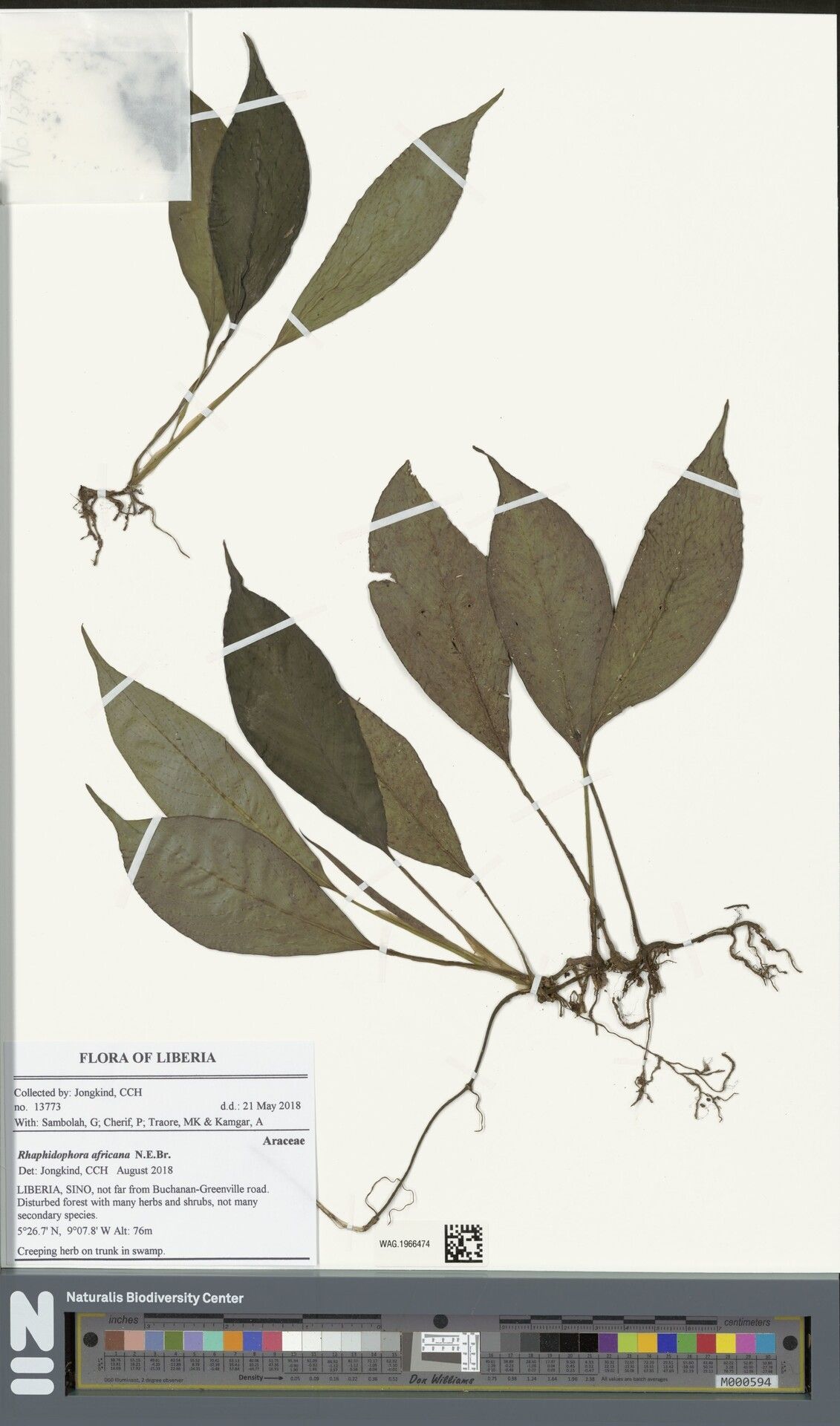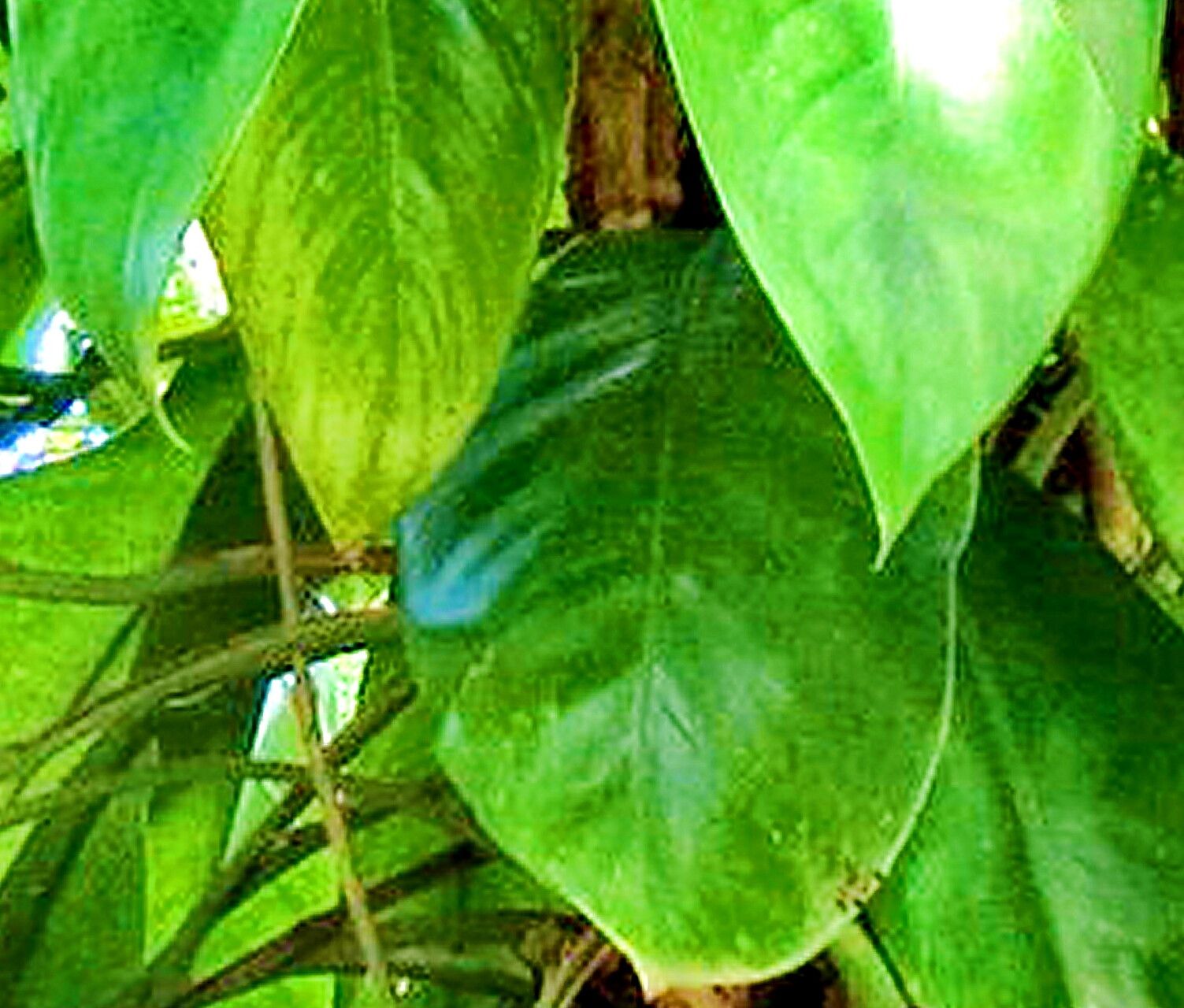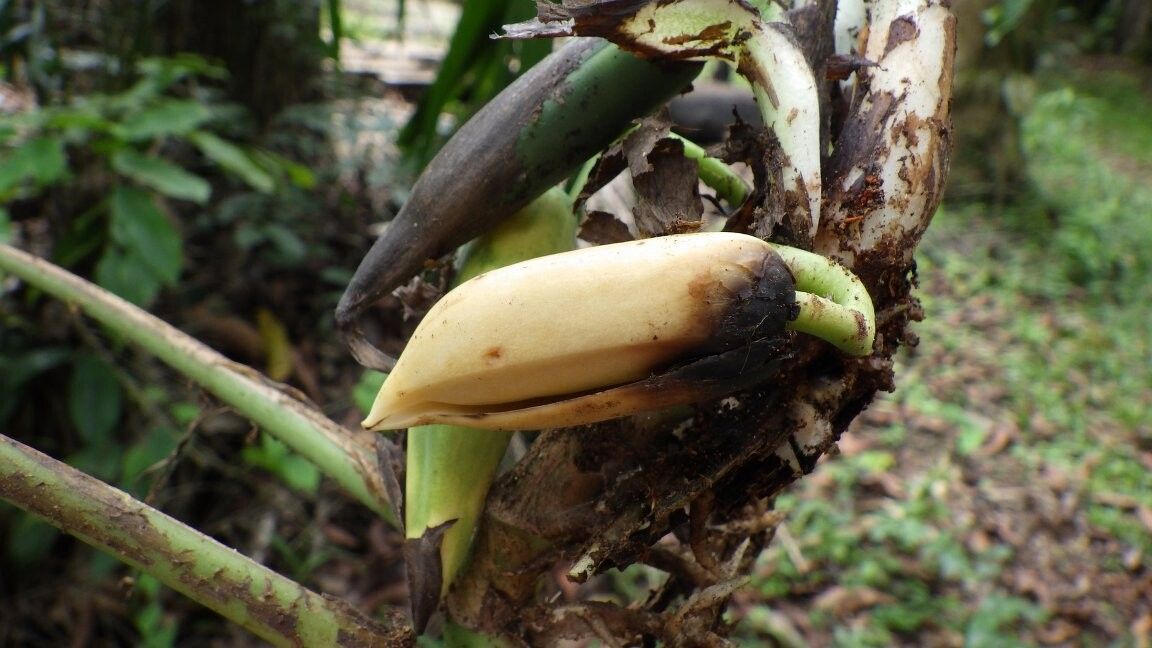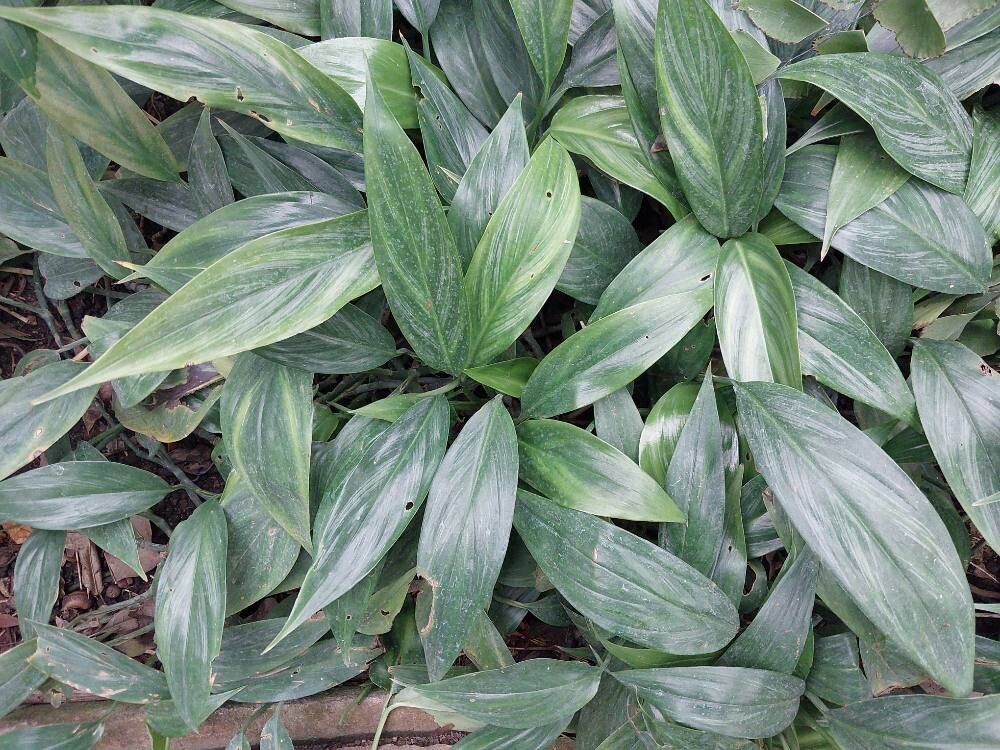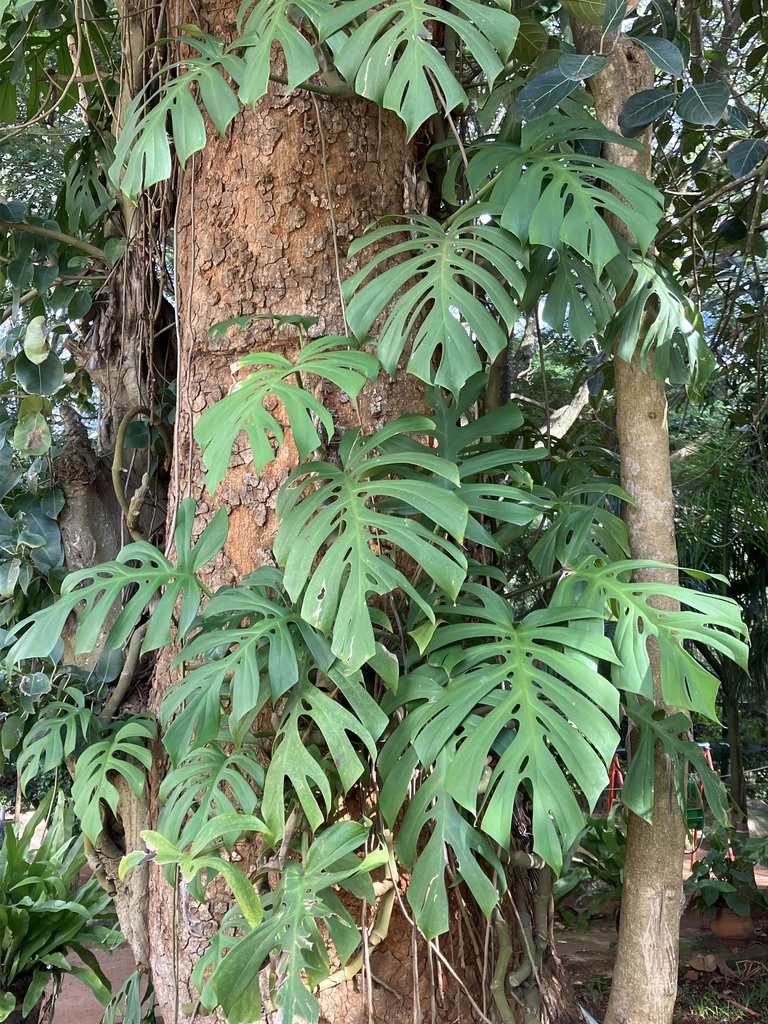
Rhaphidophora tetrasperma, the mini monstera, is a species of flowering plant in the family Araceae, genus Rhaphidophora. It is native to Southern Thailand and to Malaysia.This aroid has often been mistaken for other species and families, as evidenced by some of the above common name used by plant nurseries and retailers. Some of these mistaken identities include: Monstera deliciosa (mistaken for a miniature version), Philodendron sp., and Epipremnum pinnatum, which can all have similar, pinnate foliage, depending on the individual plant's stage of life.
Mini Monstera is fairly resistant to disease and is generally not prone to illnesses. Still, it can develop leaf spots if light and ventilation are poor and watering is excessive. Its care level is considered easy, since it mainly needs regular watering and not much else. Mini Monstera is suitable for people who don't have some time and energy to devote to regular care.
How to keep Rhaphidophora Tetrasperma.
Light
Mini Monstera is native to habitats like forest understories and rocky areas, where it grows under natural shade. It prefers partial sun but can adapt to both full sun and full shade, showing its versatile and hardy nature.
Water
Mini Monstera thrives in environments with high humidity, reflecting its tropical roots. While it can tolerate some drought, it prefers consistently moist conditions. For optimal growth, water it twice a week. As an evergreen plant, the Mini Monstera retains moisture in its leaves, which helps increase indoor humidity levels.
Humidity
This plant will thrive in moderate humidity, which is probably the level in your home. However, misting it a few times a week can be very beneficial. Make sure the room has good ventilation.
Temperature
Mini Monstera prefers warm conditions, flourishing in its native tropics at 68 to 100 °F (20 to 38 ℃). During colder months, keep temperatures above 68 °F (20 ℃) to replicate its natural environment.
Fertilizer
Mini Monstera will need the most fertilizer during its active growth period, which takes place mainly in spring, summer, and early fall. Fertilizing is required to supply essential nutrients that the soil may lack, encouraging healthy root and stem growth and the attractive foliage that is a defining feature of this plant.
Pruning
To keep your Mini Monstera healthy and thriving, regular pruning is essential, especially in the spring. Pruning encourages bushier growth and enhances air circulation, both of which are beneficial for the plant. It's important to use sanitized tools to make clean cuts, as this helps prevent disease. Additionally, pruning allows you to manage the plant's size and shape, making the Mini Monstera an ideal choice for indoor spaces.
Pot & Repot
Repot a Mini Monstera in spring or summer once it’s warm enough, choosing a slightly larger pot with good drainage. After repotting, water thoroughly and place the plant in bright, indirect light. Consider adding a moss pole to support the plant as it grows.
Toxicity
The leaves (and flowers) of the plant are toxic if ingested due to containing calcium oxalate crystals. Vomiting and burning of the mouth may occur. Medical treatment may be needed in some cases so consider when growing near pets or small children.
Further reading →
The toxicity and danger assessments provided are for reference only. We do not assure their accuracy, so it's crucial not to depend on them. Seek professional advice when necessary for accurate guidance.
Botanical profile.
- Plant Type
- Vine, Herb
- Life Cycle
- Perennial
- Genus
- Rhaphidophora
- Family
- Araceae
- Hardiness Zone
- 10-12
- Mature Height
- 3.05 m
- Mature Spread
- 49 cm
- Leaf Color
- Green
- Leaf Type
- Evergreen
- Flower Color
- White, Green
- Bloom Time
- Late spring, Early summer, Mid summer
- Planting Time
- Spring
- Harvest Time
- Summer
- Native Area
- Malaysia, Thailand