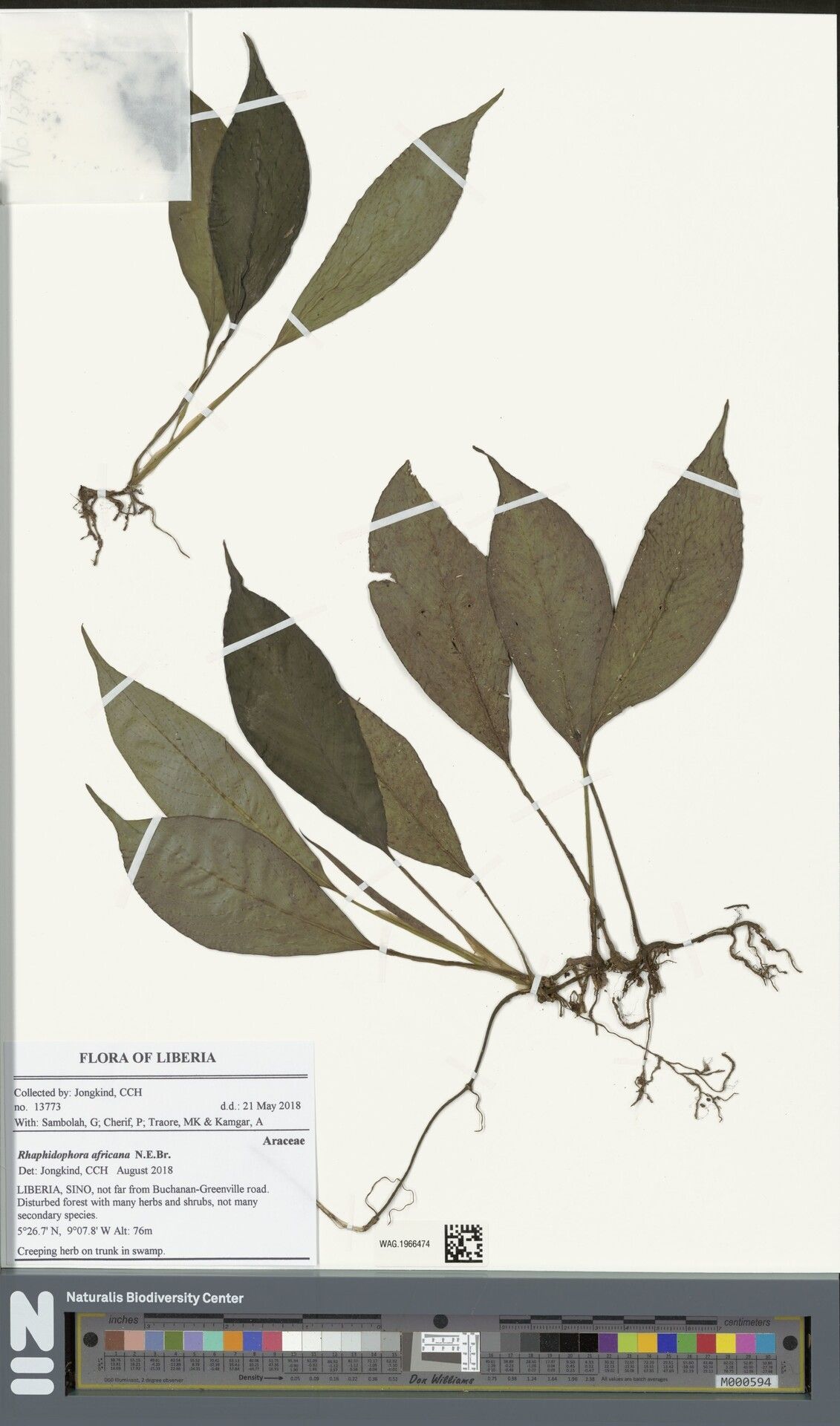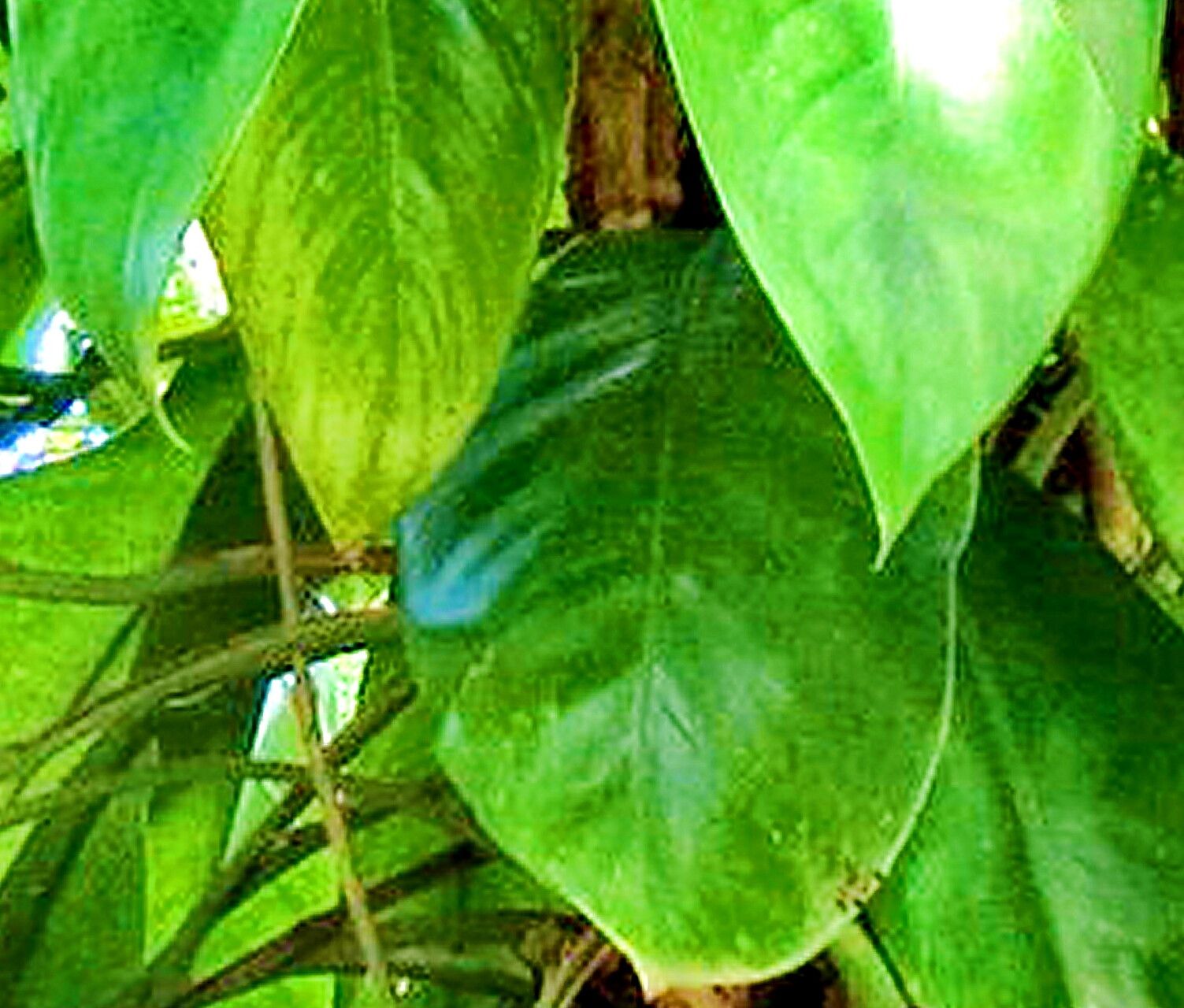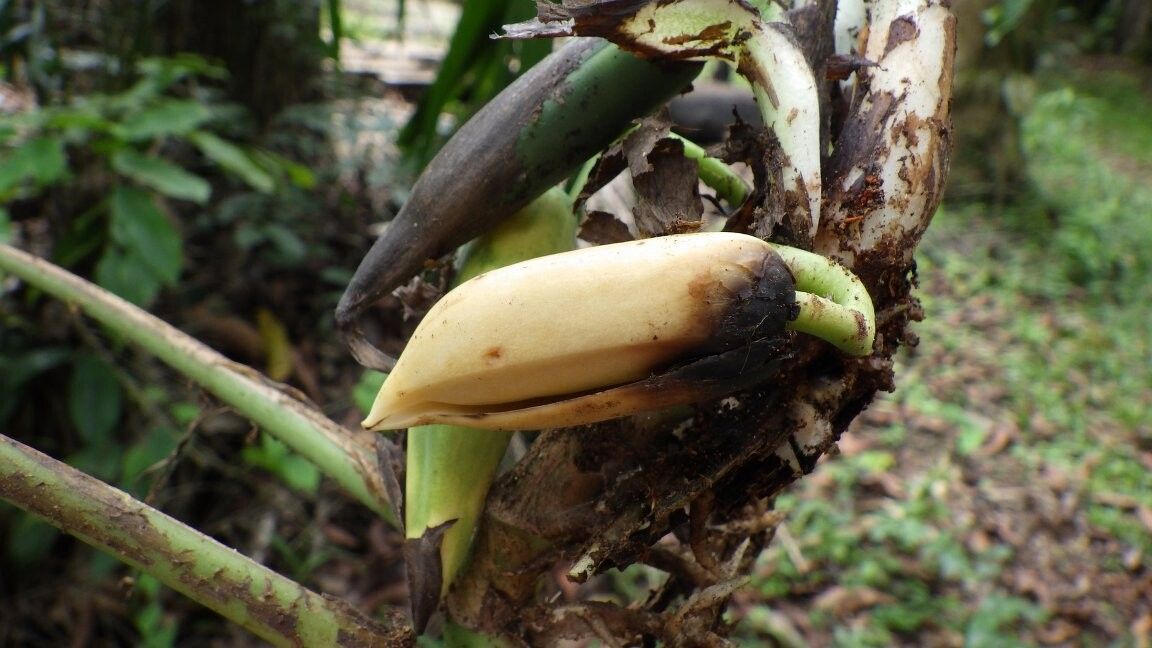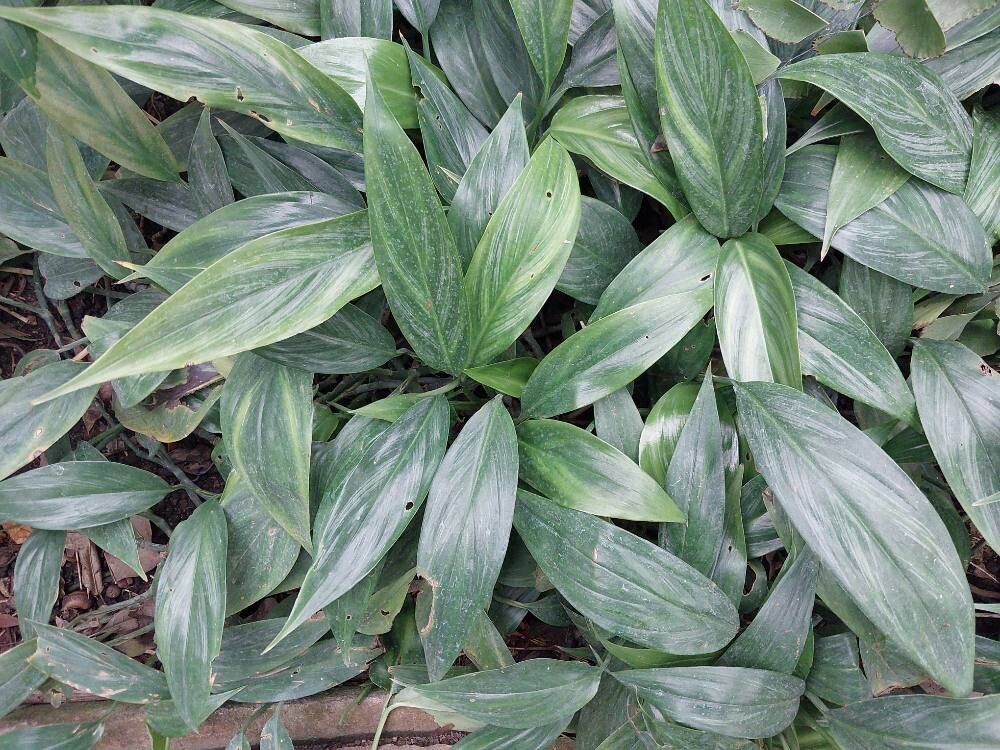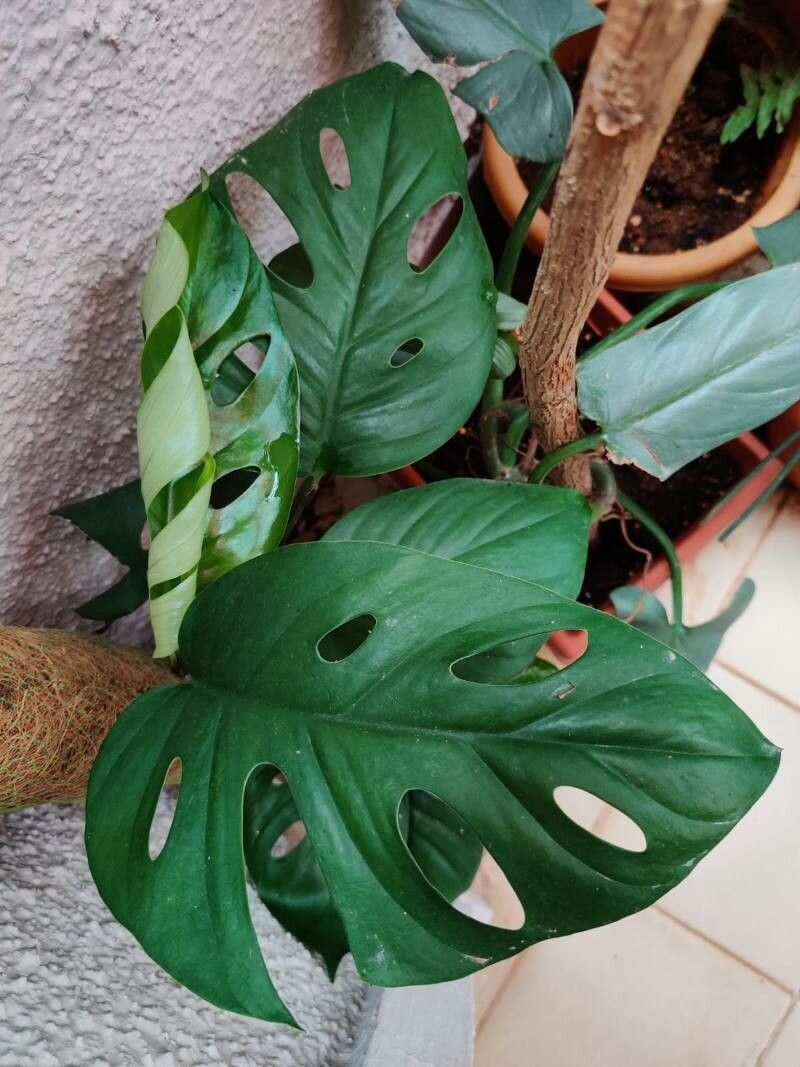
Rhaphidophora pertusa is a climbing species of aroid plant within the genus Rhaphidophora of the Araceae family. The species—which, superficially, is quite similar to R. tetrasperma—is found on the Andaman-Nicobar Islands and the Maldives, as well as in Bangladesh, India, Myanmar, Thailand and Sri Lanka.
Rhaphidophora pertusa has strong disease resistance and is usually not prone to illnesses. However, it can be vulnerable to pests and diseases that occur in its environment. These infections are typically not serious. In terms of care, this plant requires moderate maintenance. It should be pruned regularly to keep a good appearance and support healthy growth. Fertilizing can also help encourage flowering. Rhaphidophora pertusa is suitable for anyone with an outdoor area, such as a garden or patio, and does not demand extensive plant-care experience. It may need more attention when grown indoors.
How to keep Rhaphidophora Pertusa.
Light
Rhaphidophora pertusa is native to habitats like forest understories and rocky areas, where it grows in natural shade. It prefers partial sun but can adjust to full sun or full shade, showing its adaptable and hardy nature.
Temperature
Rhaphidophora pertusa is a plant native to tropical climates, which are characteristically hot and moist. Consequently, it thrives in high heat and humidity. It does not fare well with abrupt shifts in temperature, preferring consistency in its thermal surroundings. Thus, one should guard against significant indoor temperature swings. Ordinarily, lower temperatures are not favorable for this plant, as it necessitates warmer conditions for development. Should the ambient temperature fall excessively, the plant's growth could stall or the plant could perish altogether.
Fertilizer
Rhaphidophora pertusa needs the most fertilizer during its active growth period, primarily in spring, summer, and early fall. Fertilizing supplies essential nutrients the soil may lack, encouraging healthy root and stem growth and producing attractive foliage, which is a key characteristic of this plant.
Botanical profile.
- Plant Type
- Herb, Vine
- Life Cycle
- Perennial
- Hardiness Zone
- 10-12
- Mature Height
- 2.13 m to 4.88 m
- Mature Spread
- 0.91 m to 2.13 m
- Leaf Color
- Dark Green
- Leaf Type
- Evergreen
- Flower Size
- 5.08 cm to 7.62 cm
- Bloom Time
- All year round
- Planting Time
- Spring, Summer, Autumn
- Harvest Time
- All year round
- Native Area
- Sri Lanka, India, Myanmar, Bangladesh, Thailand