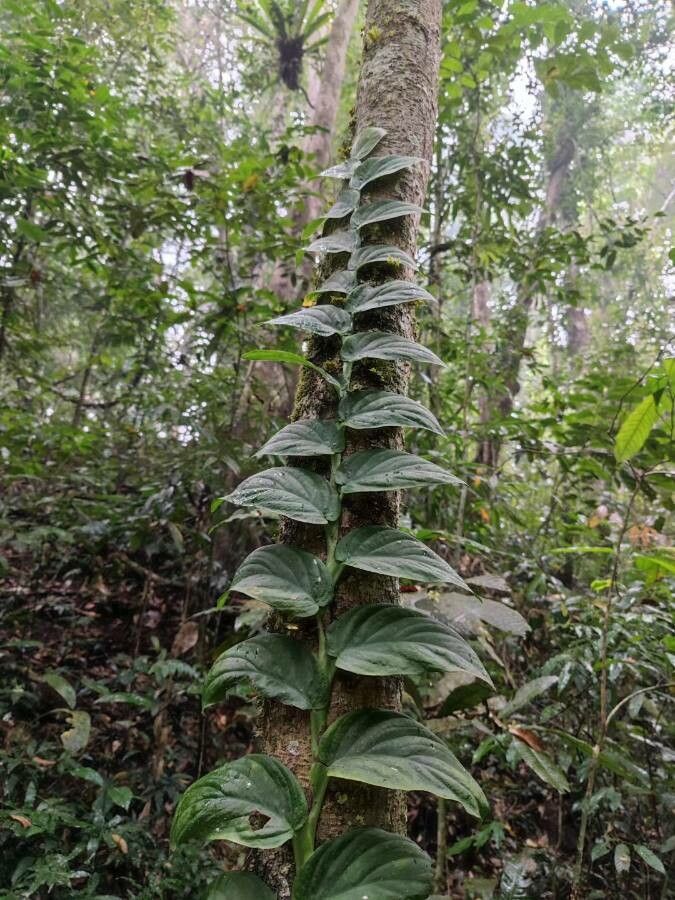
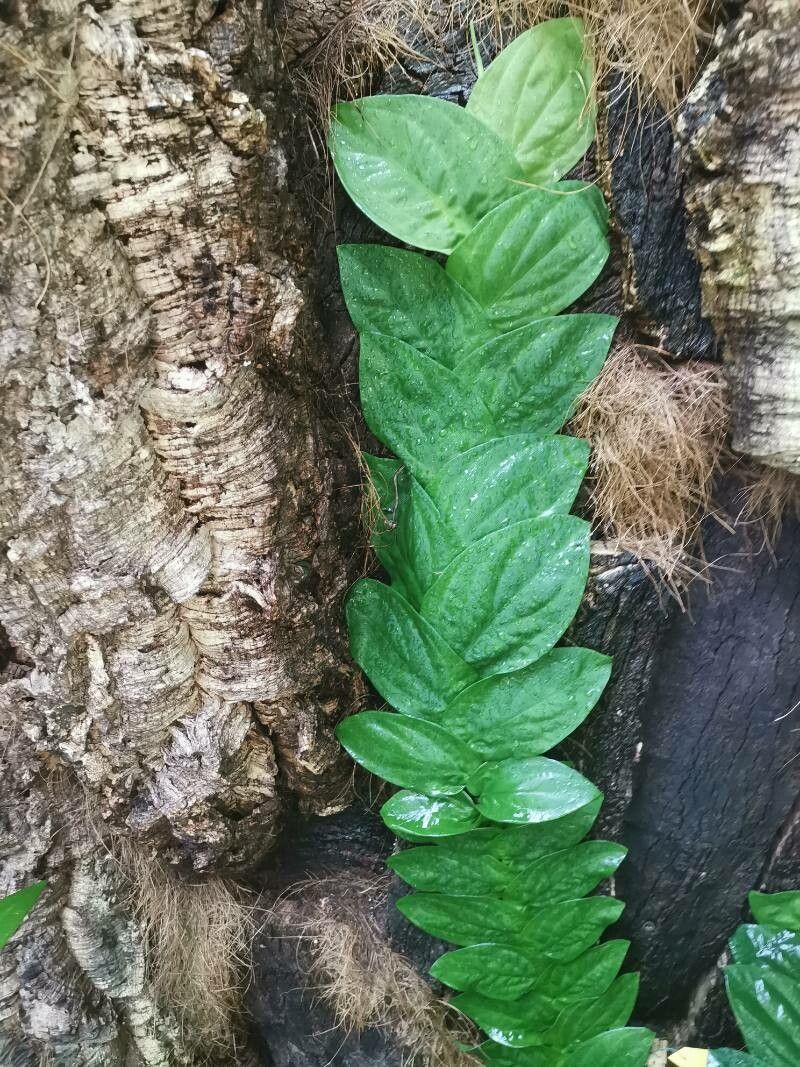
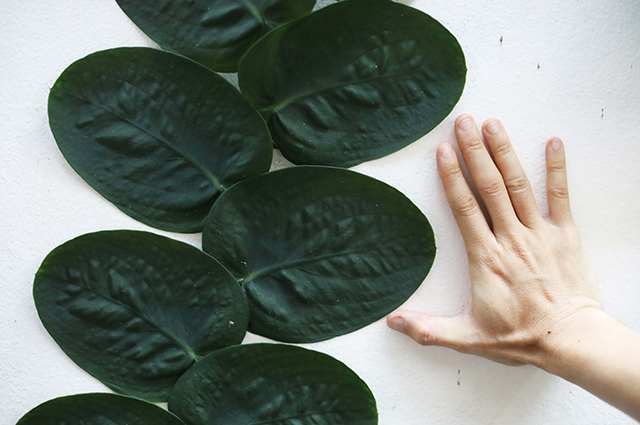
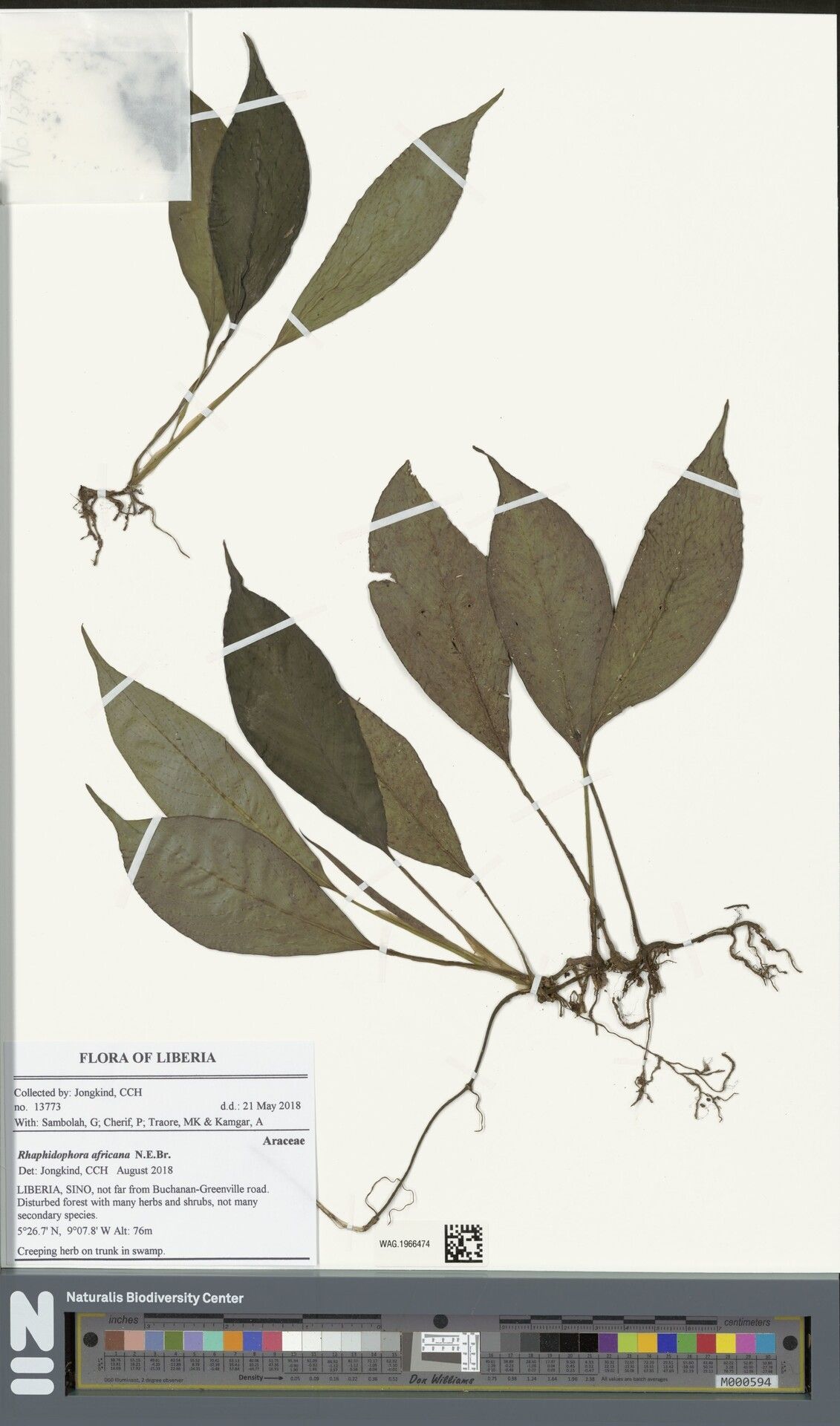
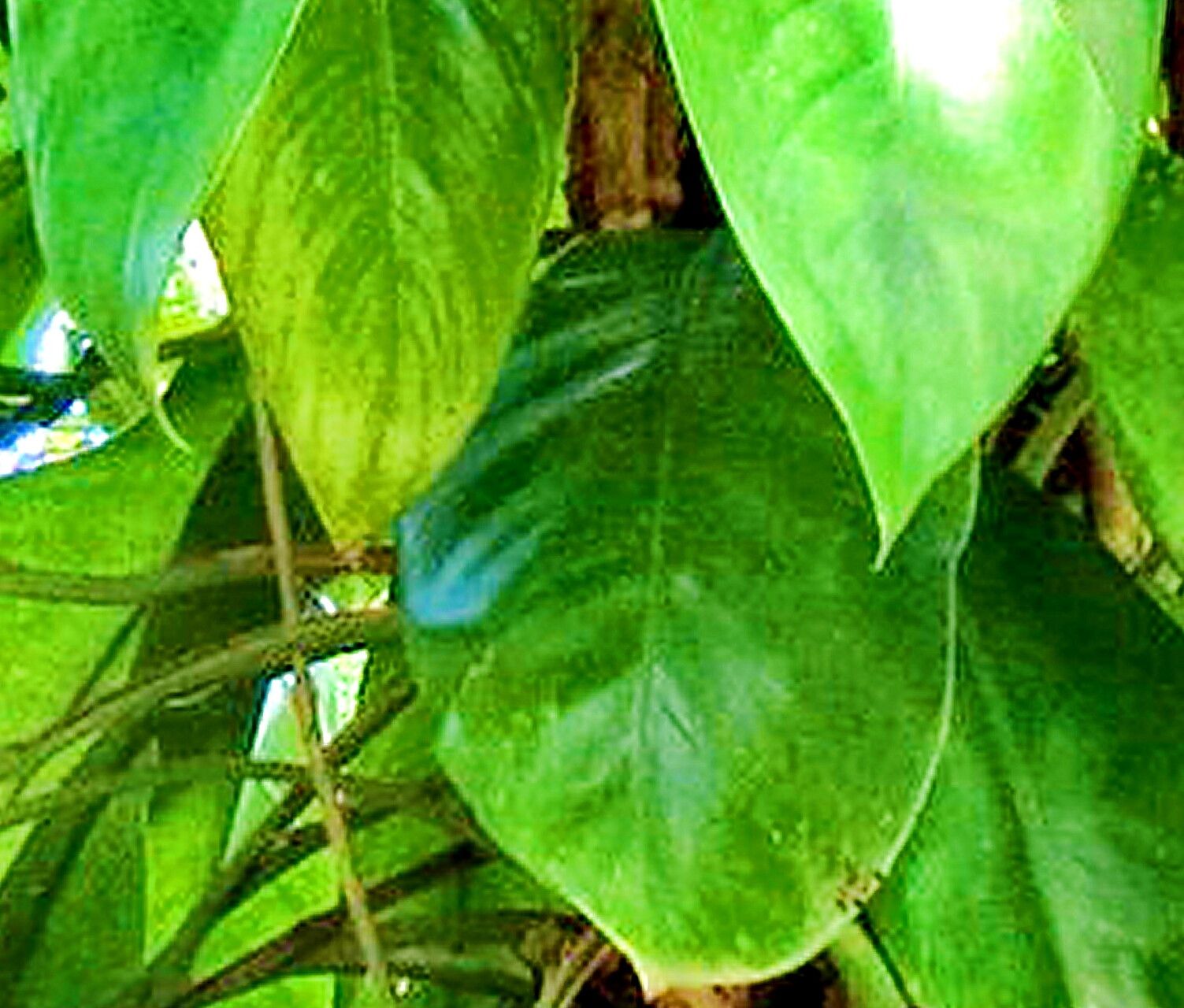
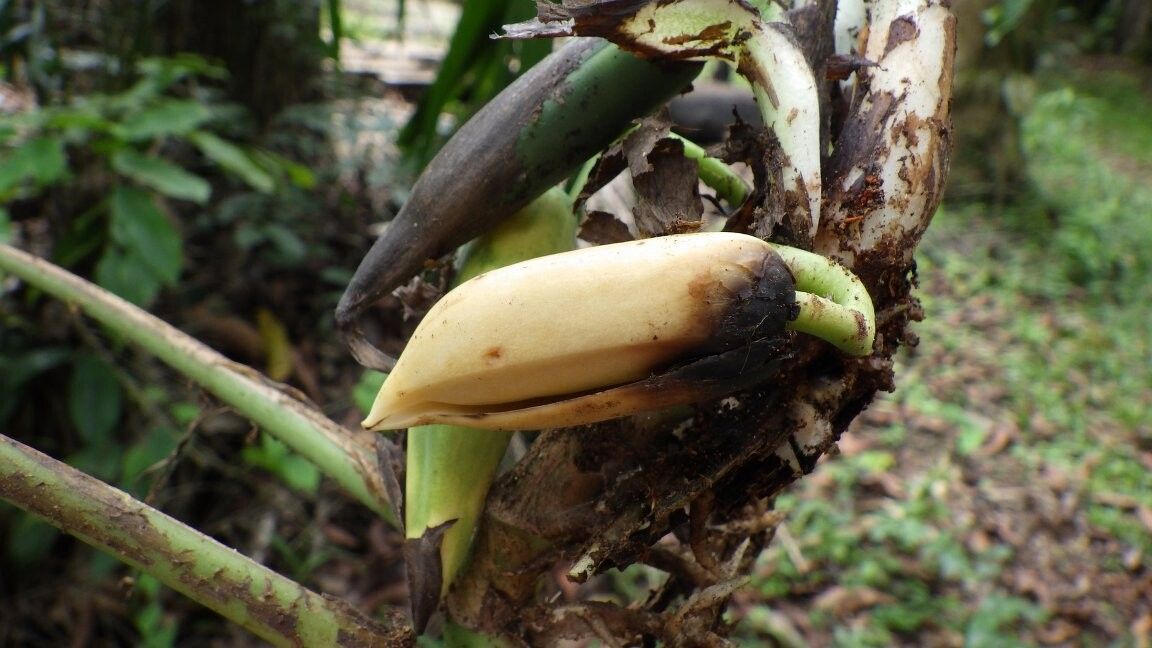
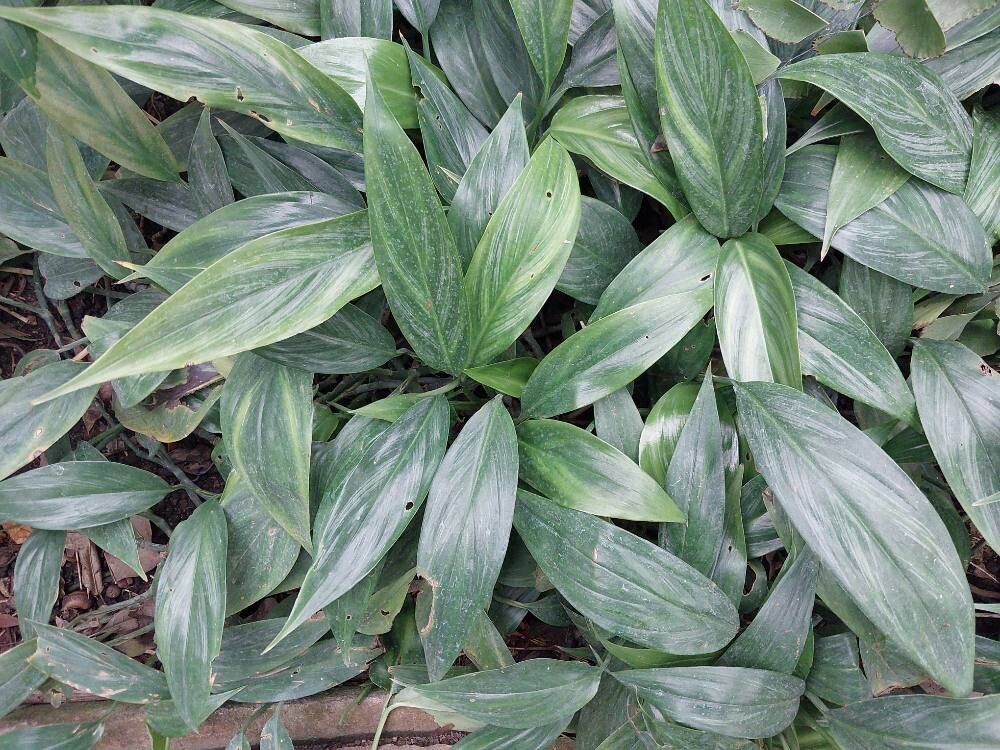
Rhaphidophora korthalsii is a flowering plant of species Rhaphidophora the family Araceae.
The shingle plant has strong disease resistance and is generally not prone to illnesses. However, it can be vulnerable to pests and diseases present in its surroundings. These infections are usually not serious. Regarding care, this plant needs a moderate amount of attention. It should be pruned regularly to maintain a good appearance and healthy growth. Fertilizing can also encourage flowering. The shingle plant is suitable for anyone with outdoor space, such as a garden or patio, and does not require extensive plant-care experience. It may need more care when grown indoors.
How to keep Rhaphidophora Korthalsii.
Light
Shingle plant originates from habitats like forest understories and rocky areas, where it occurs in natural shade. It prefers partial sun but can tolerate both full sun and full shade, showing its versatile, hardy character.
Water
You can expect to water your Rhaphidophora korthalsii up to three times per week. Before watering, always check your Shingle Plant’s soil moisture. If the soil is still slightly moist, wait another day and check the soil again. In the winter, reduce watering to once per week. These plants should be kept moist but not soggy or waterlogged. It is best to allow the top inch of soil to dry out before watering your plant. Too much water will result in yellowed leaves or root rot.
Temperature
The shingle plant is native to tropical areas, where the weather is usually warm and humid. Consequently, it is adapted to high heat and humidity. It does not tolerate sudden shifts in temperature and prefers a consistent thermal environment, so avoiding temperature swings indoors is important. It generally cannot endure cold and needs warmer conditions to grow. If the ambient temperature falls too low, growth may stop or the plant could die.
Fertilizer
Proper fertilization is essential for the health and appearance of the Shingle plant. Fertilize the Shingle plant in summer, repeating the application monthly throughout summer. Nutrients fuel growth and sustain the plant’s components. Fertilization improves the Shingle plant’s flower display, ensuring the best blooms.
Pruning
Although pruning is not generally necessary, Shingle Plants can be trimmed of leggy growth when desired.
Toxicity
The Shingle Plant is considered a toxic plant and should not be ingested. Keep your Rhaphidophora korthalsii out of the reach of pets and children.
Further reading →
The toxicity and danger assessments provided are for reference only. We do not assure their accuracy, so it's crucial not to depend on them. Seek professional advice when necessary for accurate guidance.
Botanical profile.
- Plant Type
- Herb
- Life Cycle
- Perennial
- Genus
- Rhaphidophora
- Family
- Araceae
- Hardiness Zone
- 12
- Mature Height
- 4.57 m
- Mature Spread
- 0.91 m to 2.13 m
- Leaf Color
- Green
- Leaf Type
- Evergreen
- Flower Size
- 5.08 cm to 7.62 cm
- Bloom Time
- All year round
- Planting Time
- Spring, Summer, Autumn
- Harvest Time
- All year round
- Native Area
- India, Malaysia, Indonesia, Vanuatu, Philippines, Bhutan, Singapore, Brunei, Thailand