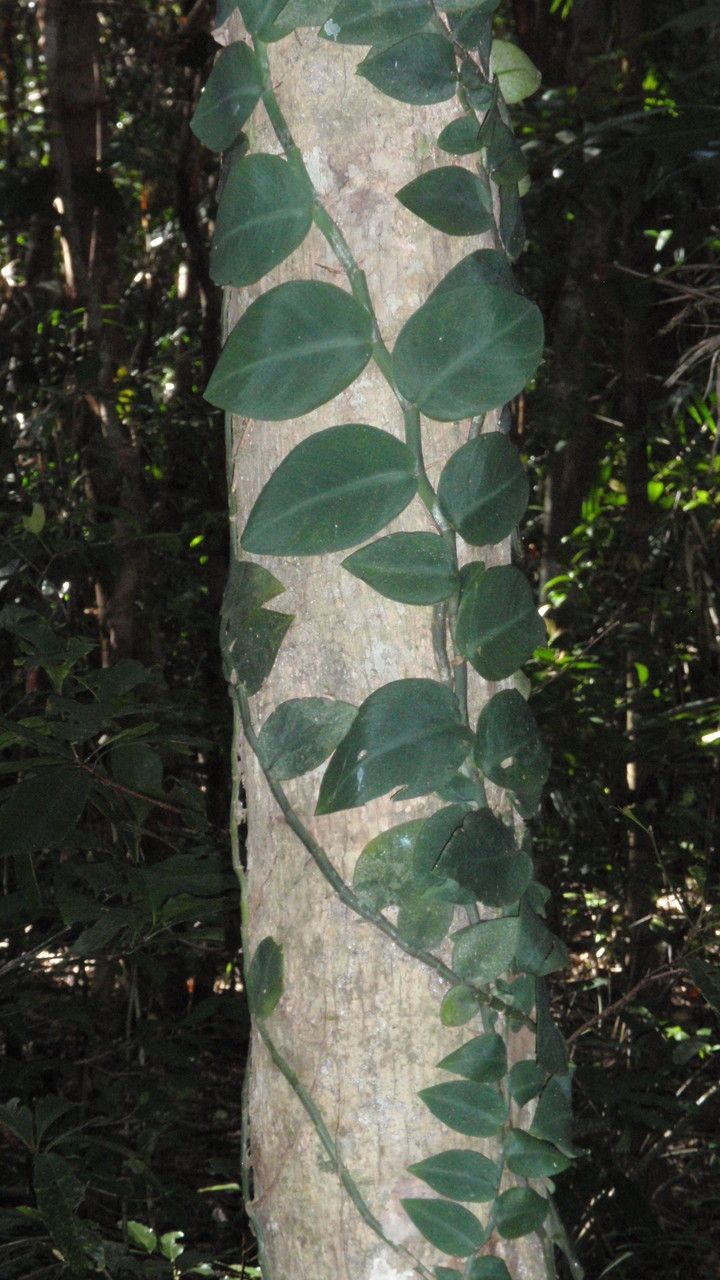
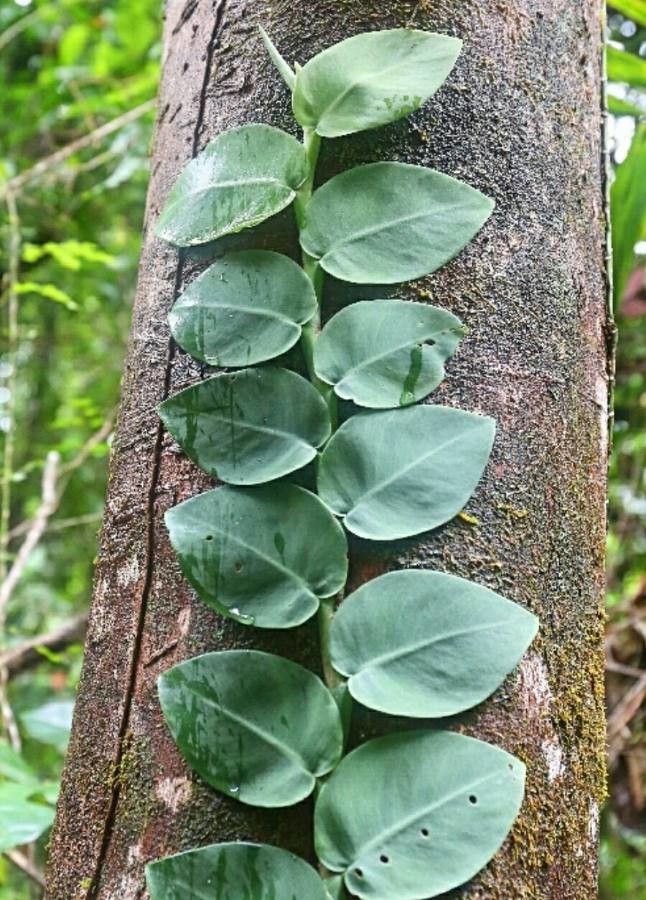
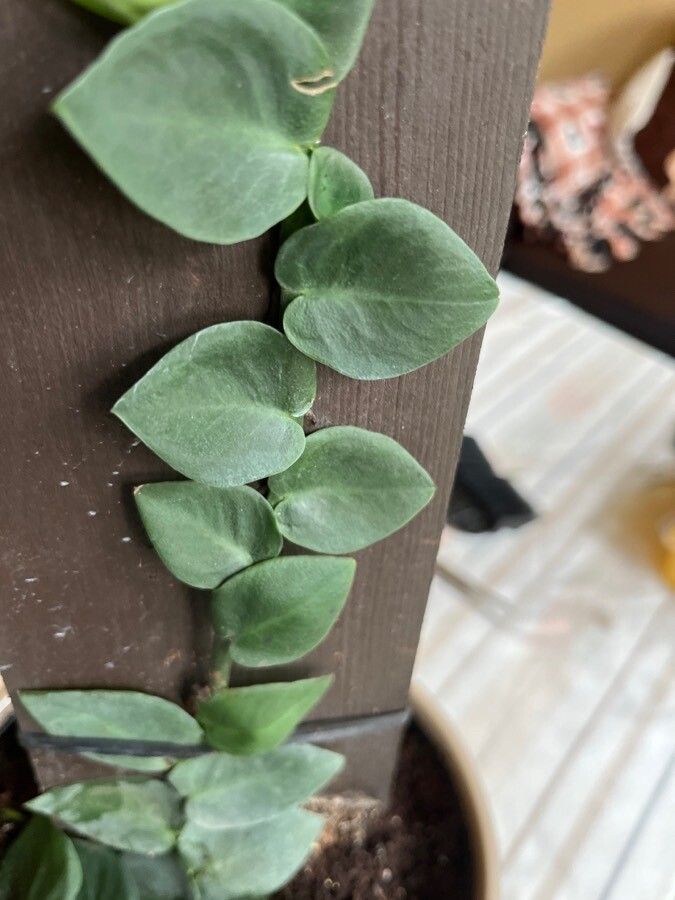
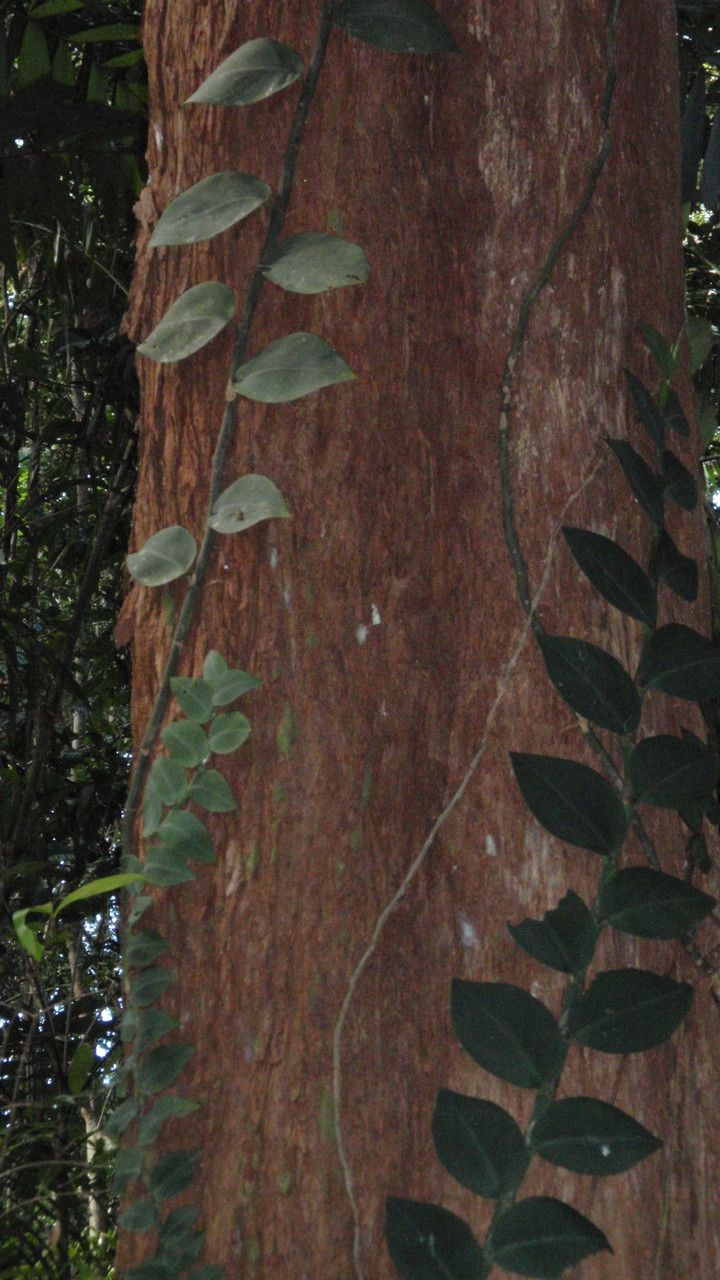
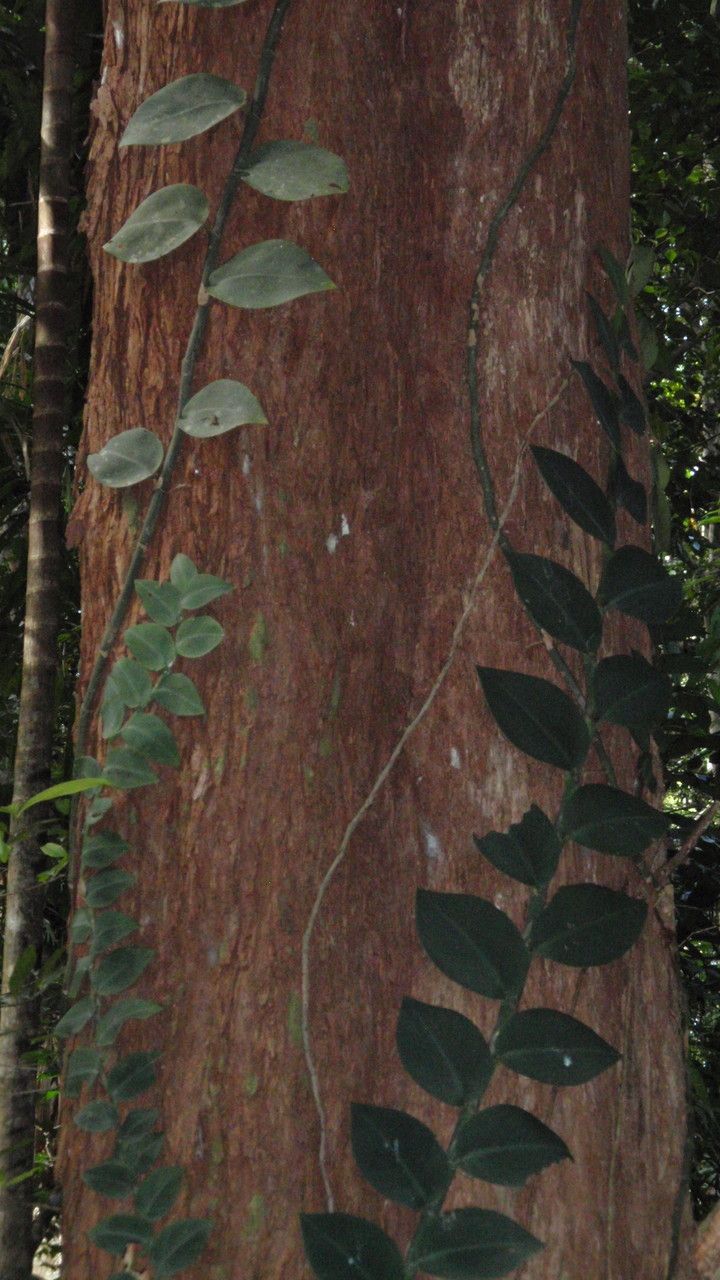
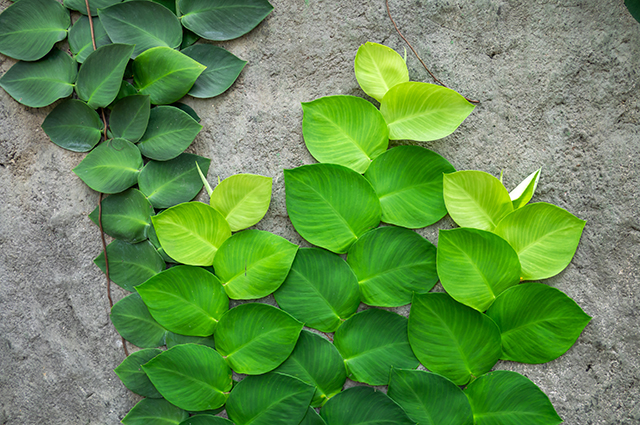
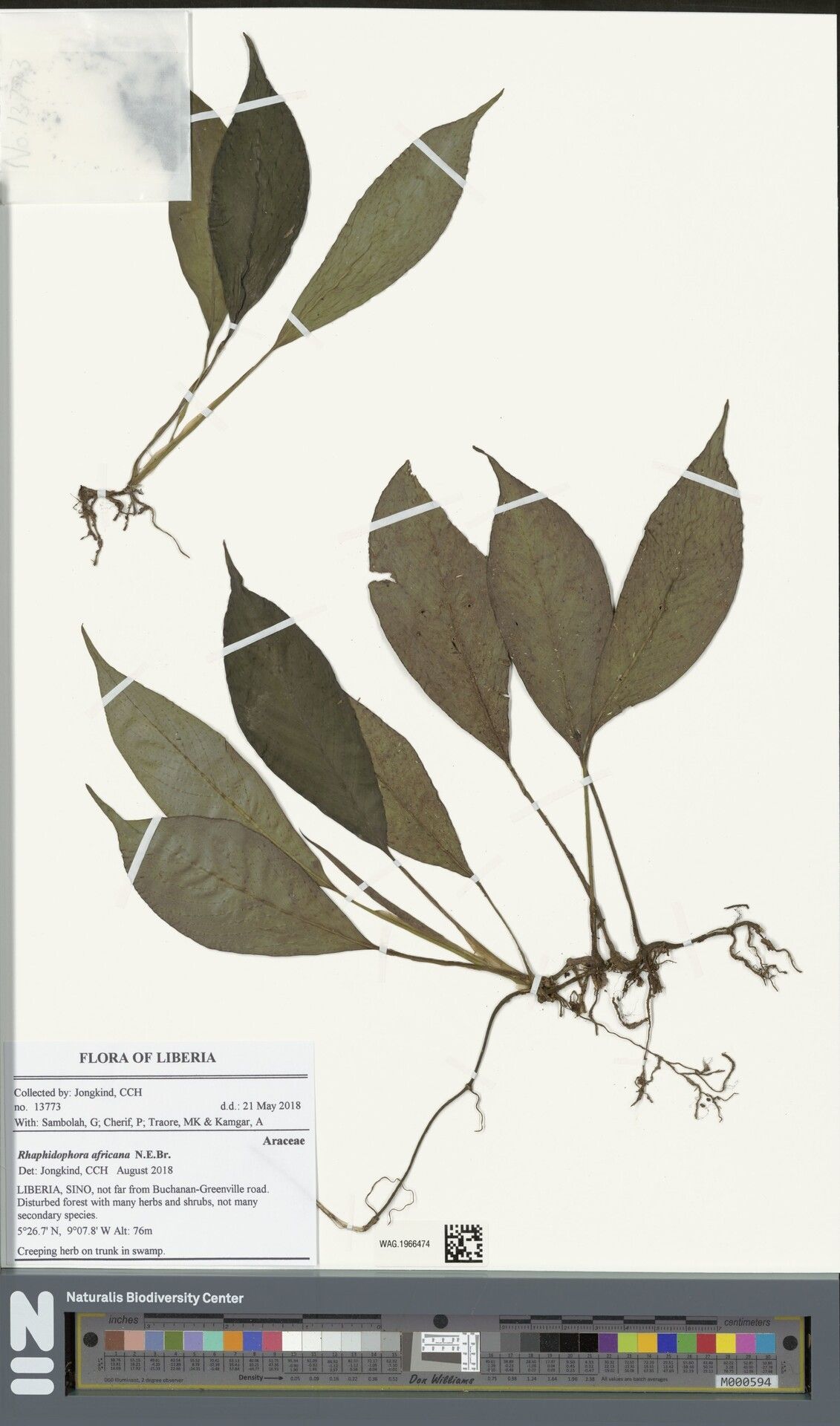
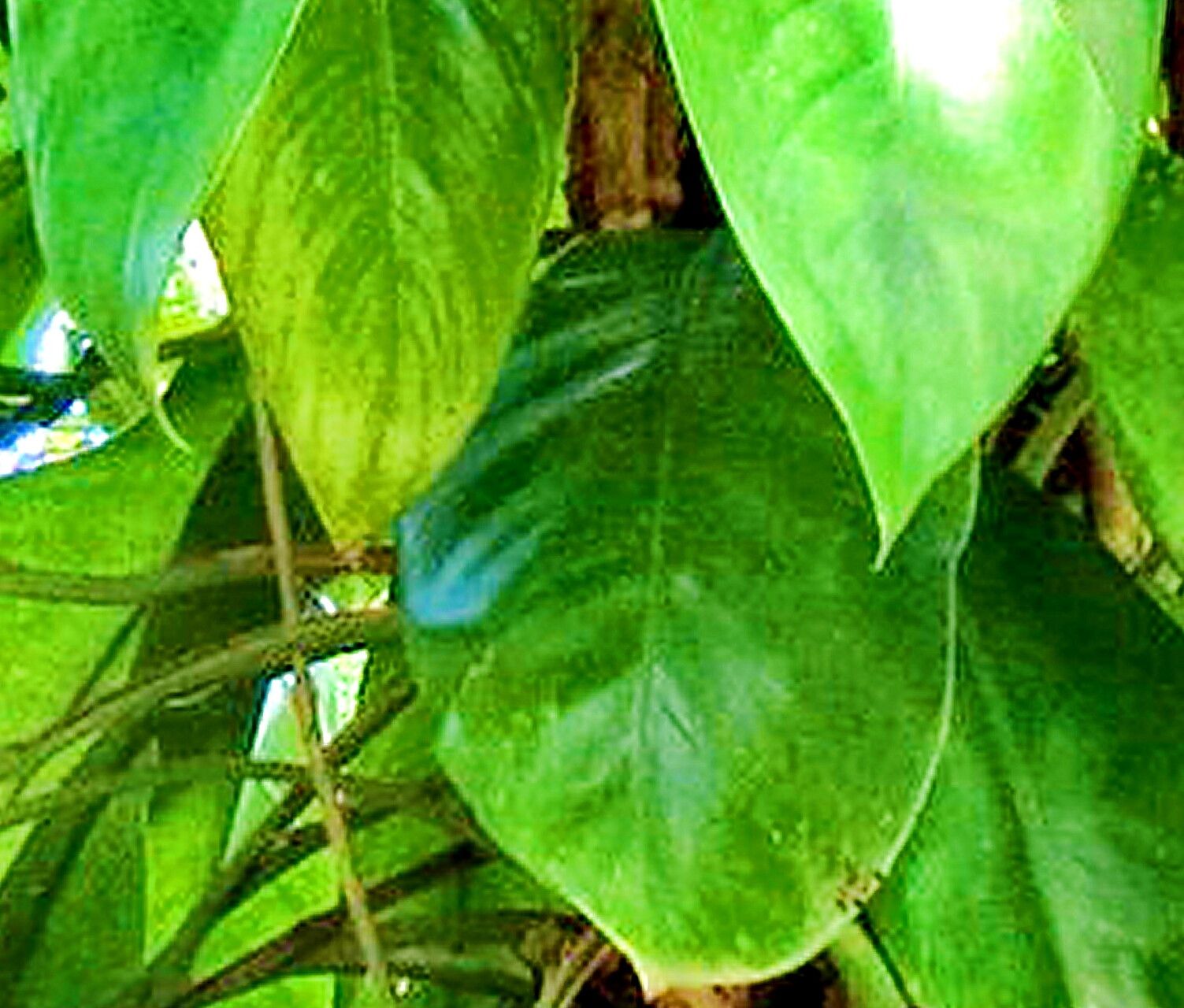
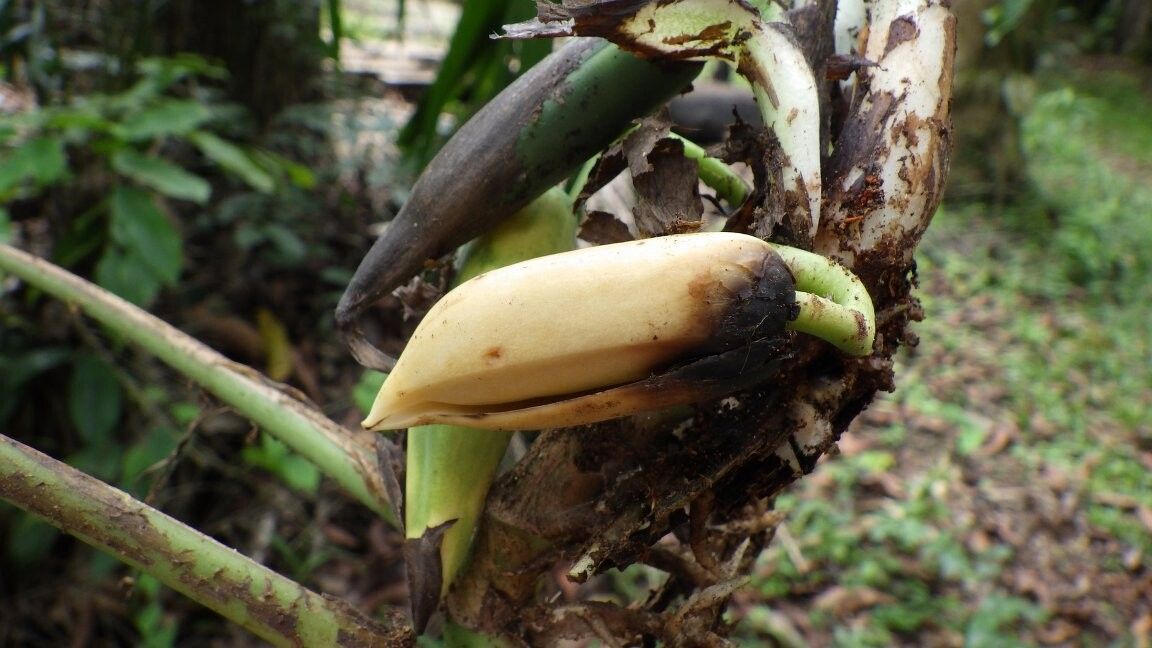
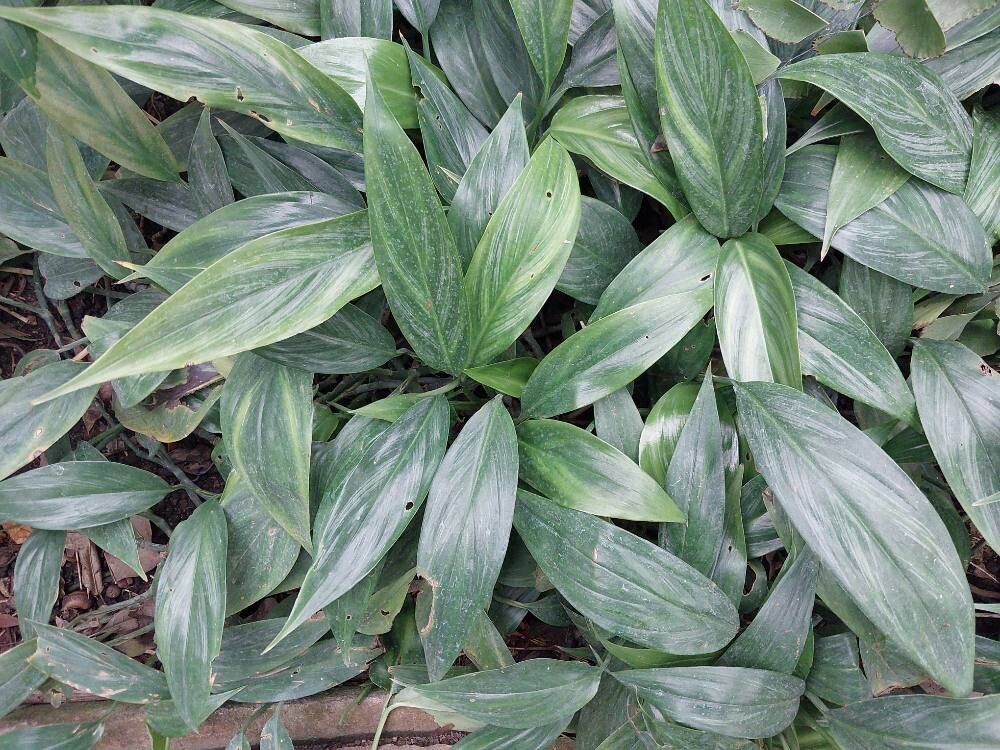
Rhaphidophora hayi is a tropical plant native to Southeast Asia, belonging to the Araceae family. Commonly known as the "Mini Monstera" due to its resemblance to the Monstera deliciosa, this plant features glossy, heart-shaped leaves that can grow up to 10 inches long and 6 inches wide. The distinct splits in the leaves give them a unique appearance.
Relatively easy to care for, the Rhaphidophora hayi is an excellent choice for beginners. It thrives in bright, indirect light and well-draining soil, requiring regular watering during its growing season (spring to summer). In winter months, it needs less water as it enters a dormant phase.
Propagation of Rhaphidophora hayi can be done through stem cuttings or by dividing mature plants. It can be grown both indoors and outdoors in warm climates with temperatures above 60°F (15°C). Additionally, this plant has air-purifying properties, making it a wonderful addition to any home or office space.
Overall, Rhaphidophora hayi is an attractive tropical houseplant with unique foliage that adds character and beauty wherever it's placed.
The shingle plant is largely resistant to disease and generally not prone to illnesses. However, it can develop leaf spots if light and ventilation are poor and if it is overwatered. Its level of care is considered easy, since it mainly needs regular watering and little else. The shingle plant is appropriate for people who do not have the time or energy to commit to regular upkeep.
How to keep Rhaphidophora Hayi.
Light
Shingle plant originates from habitats like forest understories and rocky areas, where it occurs in natural shade. It prefers partial sun but can tolerate both full sun and full shade, showing its versatile, hardy character.
Water
For Rhaphidophora hayi, regular watering is necessary to keep the plant healthy and thriving. Generally, you can expect to water your Shingle Plant up to three times per week. Before watering, check the soil's moisture level by inserting your finger about 1 inch deep into the ground. If the soil still feels slightly moist, it's recommended to wait another day and check again before watering. This helps prevent overwatering and ensures the plant is not in waterlogged soil.
Humidity
This plant will thrive in moderate humidity, which is probably the level in your home. However, misting it a few times a week can be very beneficial. Make sure the room has good ventilation.
Temperature
Shingle plant comes from warm regions and does best in temperatures of 68 to 100°F (20 to 38℃). To replicate its native conditions, keep it within that temperature band and make adjustments during seasons when the surrounding temperature may fall.
Fertilizer
Proper fertilization is essential for the health and appearance of the Shingle plant. Fertilize the Shingle plant in summer, repeating the application monthly throughout summer. Nutrients fuel growth and sustain the plant’s components. Fertilization improves the Shingle plant’s flower display, ensuring the best blooms.
Pruning
The main purposes of pruning are to eliminate diseased or pest-damaged material and to maintain a particular size. Additionally, it can be used to stop the growth of plants that get lanky from having too little light reach one side of them. Cut off any extra growth using sharp scissors, but avoid removing too much of the plant at once. Up to a 25% reduction is acceptable, but after that, your plant could suffer harm.
Pot & Repot
Repot the Shingle plant in spring or summer when temperatures are warm enough, choosing a pot that is slightly larger and offers good drainage. Water it thoroughly after repotting, and place it in a spot with bright, indirect light. Consider installing a moss pole to support the plant as it grows.
Toxicity
Rhaphidophora hayi contains raphides, an insoluble calcium oxalate that is dangerous or harmful to people, dogs, cats, and other animals. These insoluble, pointed, needle-like raphides will embed on the oral and gastrointestinal mucous membrane if you or your pet nibbles on this plant. If this plant comes in contact with a sensitive area of the skin, contact dermatitis could result. So make sure your pets or kids can't get to this gorgeous shingling plant.
Further reading →
The toxicity and danger assessments provided are for reference only. We do not assure their accuracy, so it's crucial not to depend on them. Seek professional advice when necessary for accurate guidance.
Botanical profile.
- Plant Type
- Herb
- Life Cycle
- Perennial
- Genus
- Rhaphidophora
- Family
- Araceae
- Hardiness Zone
- 11
- Mature Height
- 13 cm
- Mature Spread
- 0.91 m to 2.13 m
- Leaf Color
- Green
- Leaf Type
- Evergreen
- Flower Color
- White, Orange
- Bloom Time
- All year round
- Planting Time
- Spring, Summer, Autumn
- Harvest Time
- All year round
- Native Area
- New Guinea, Northeast Queensland Australia
Other names.