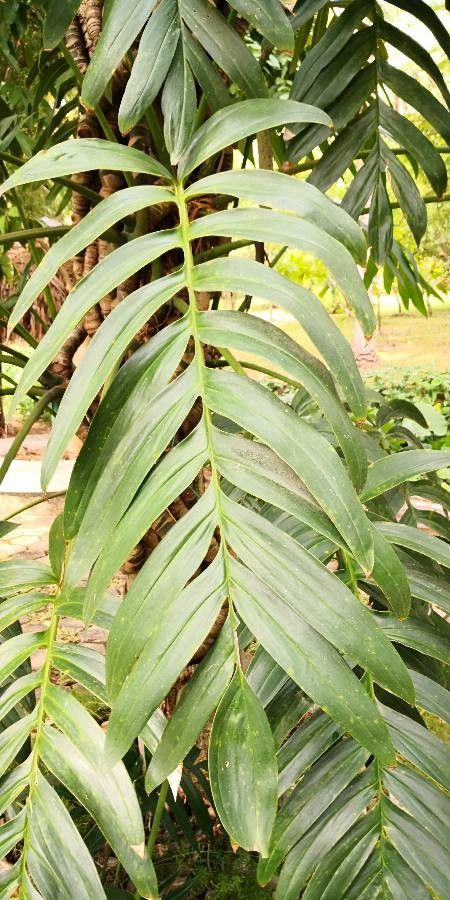
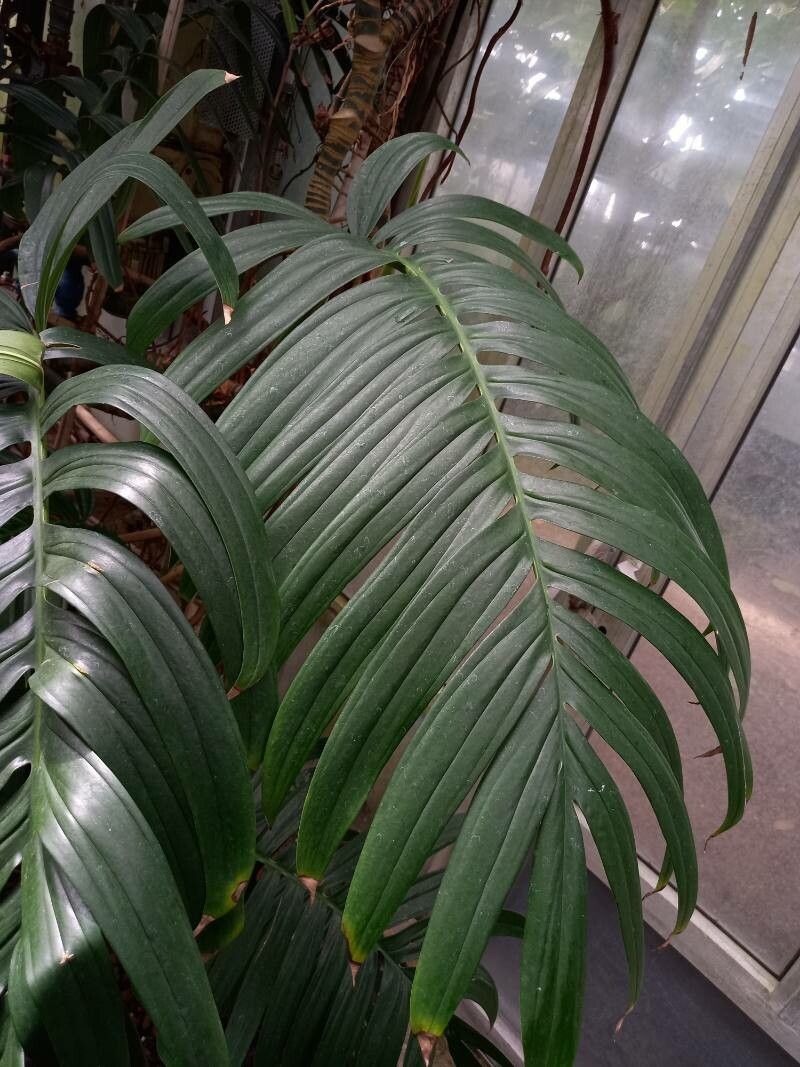
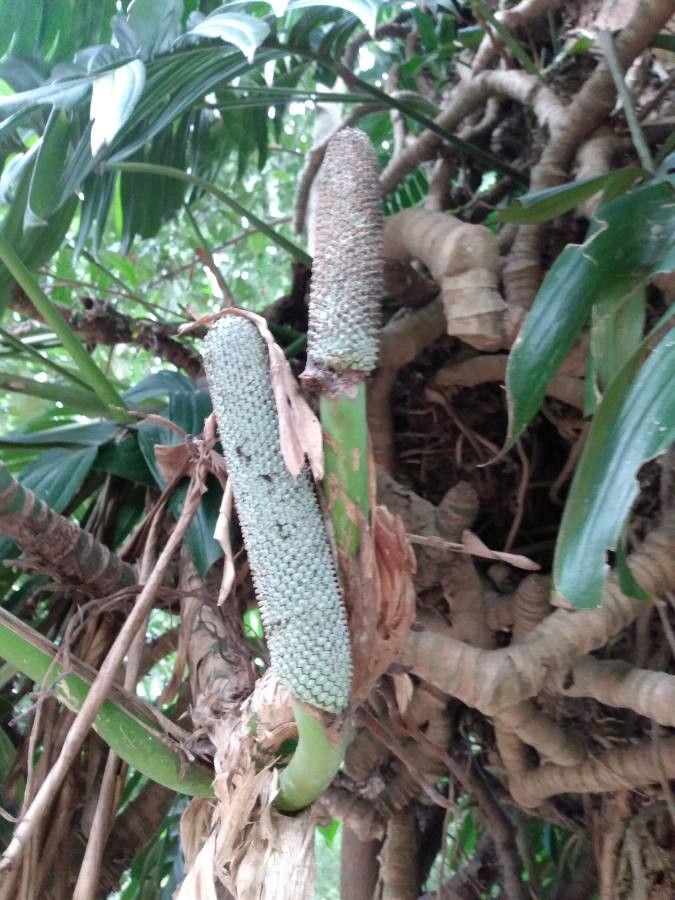
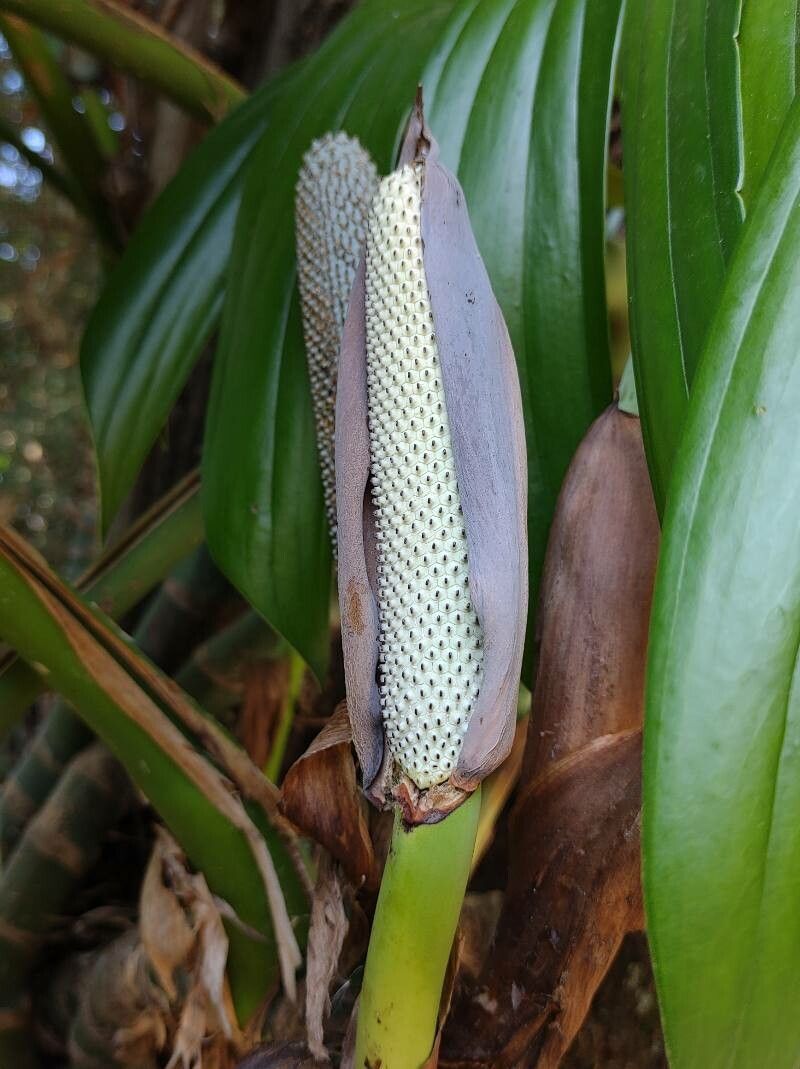
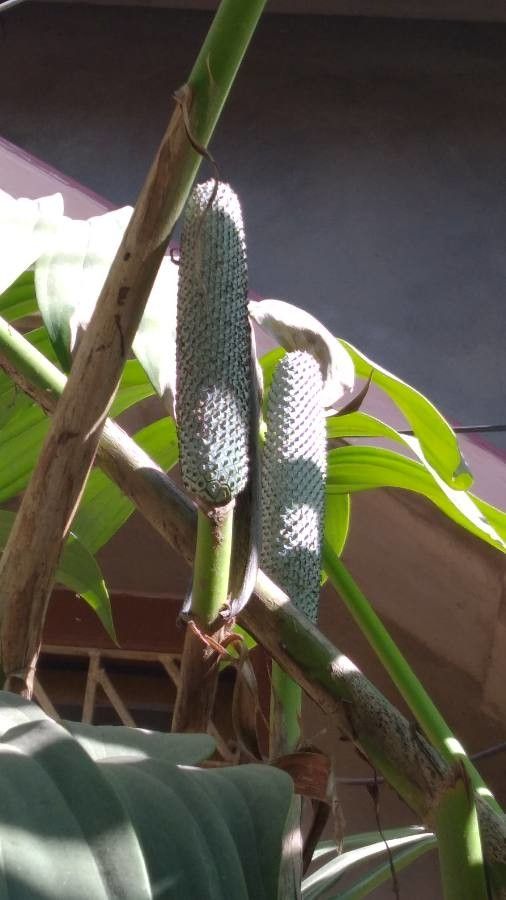
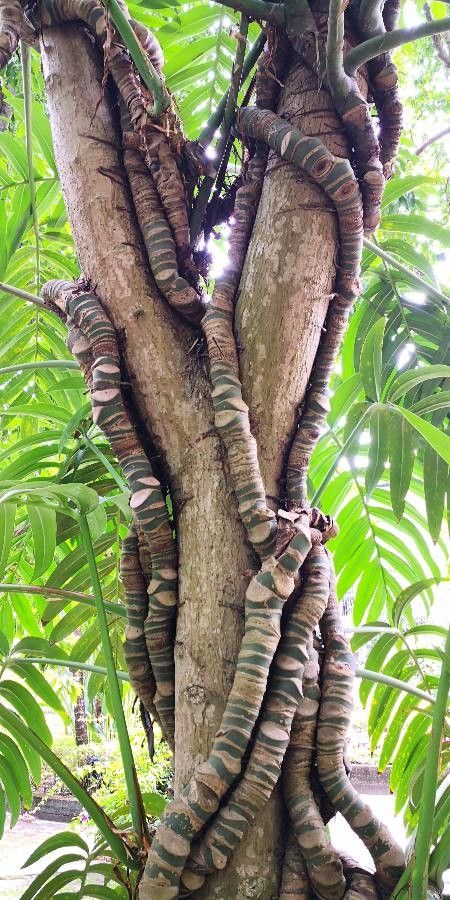
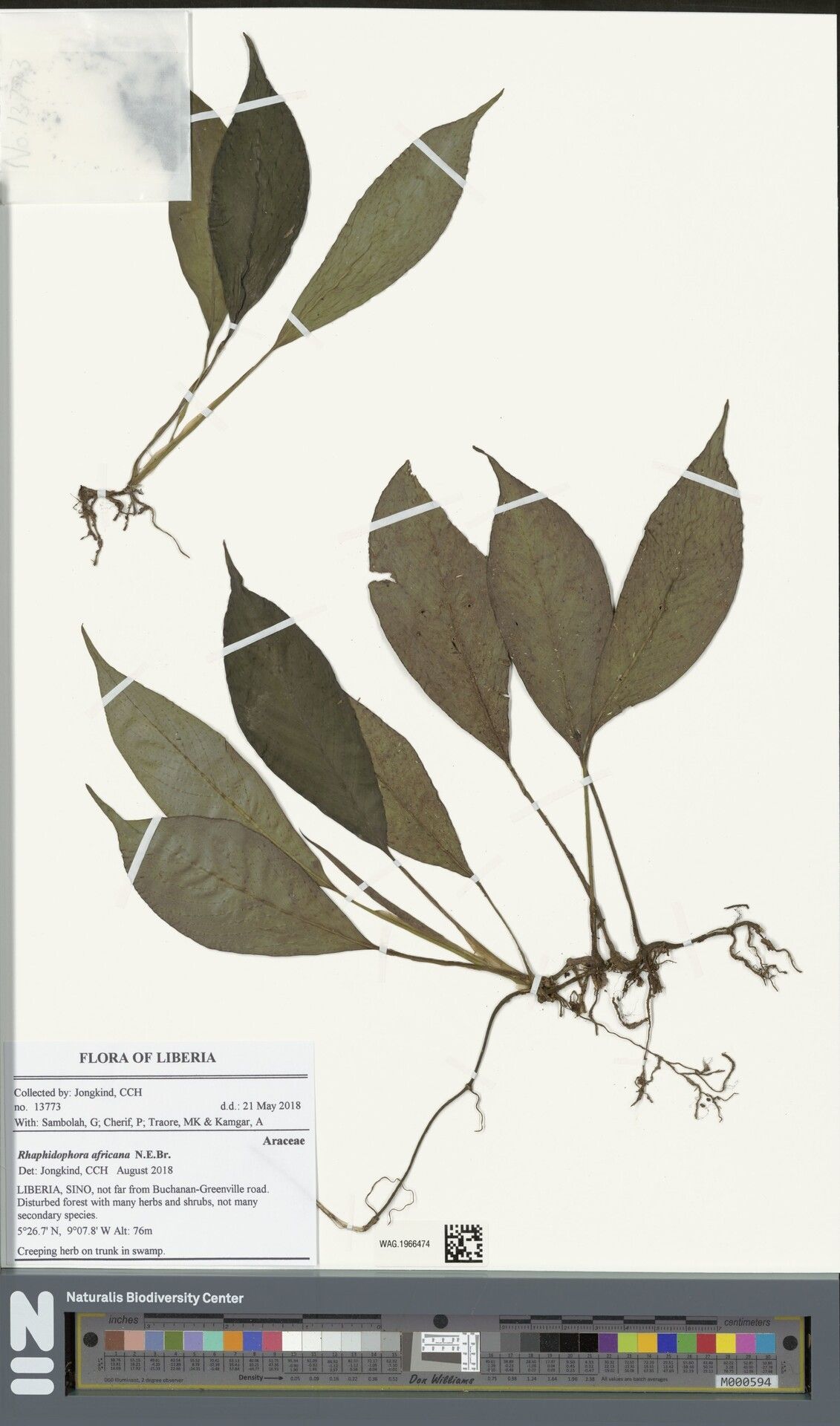
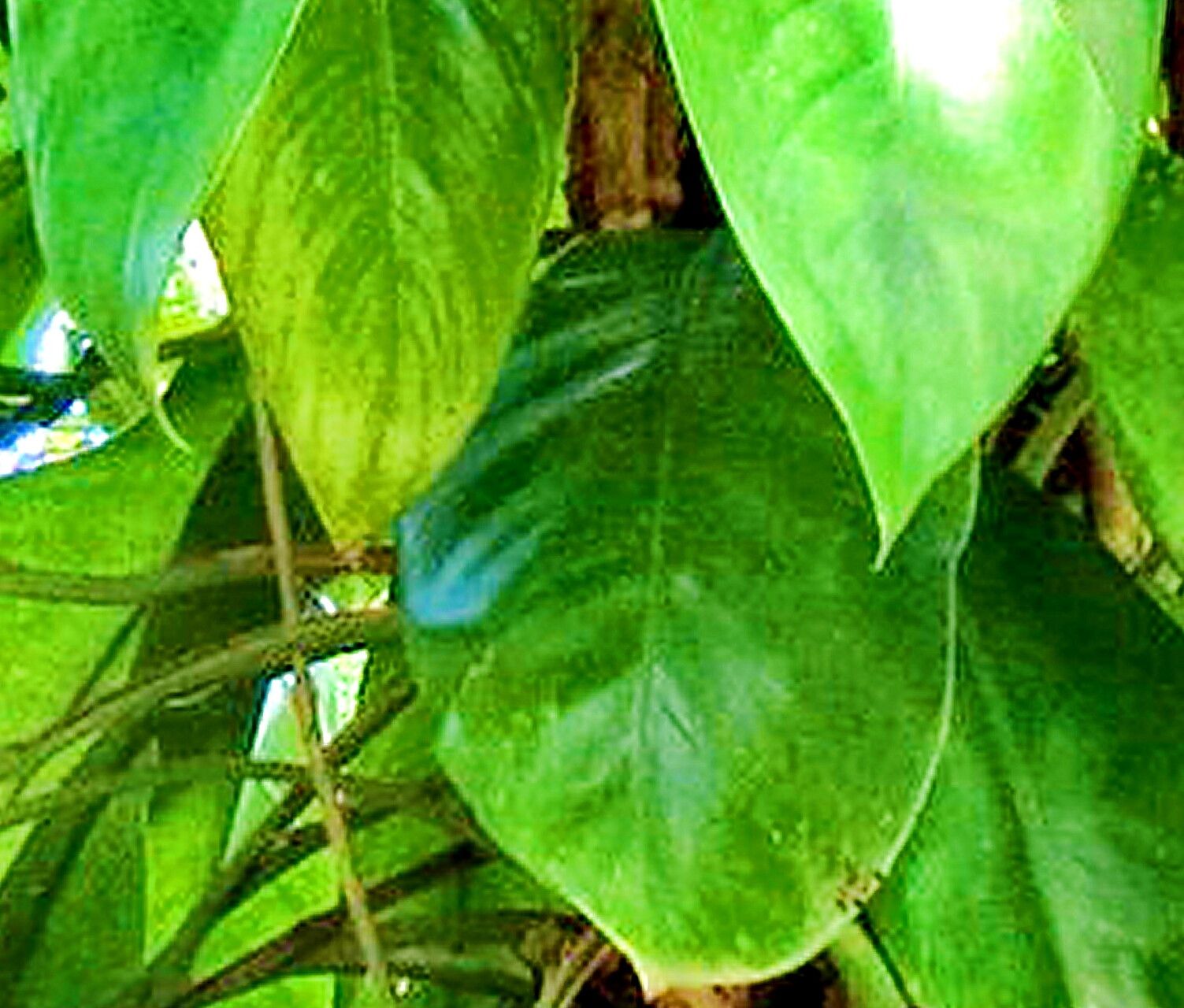
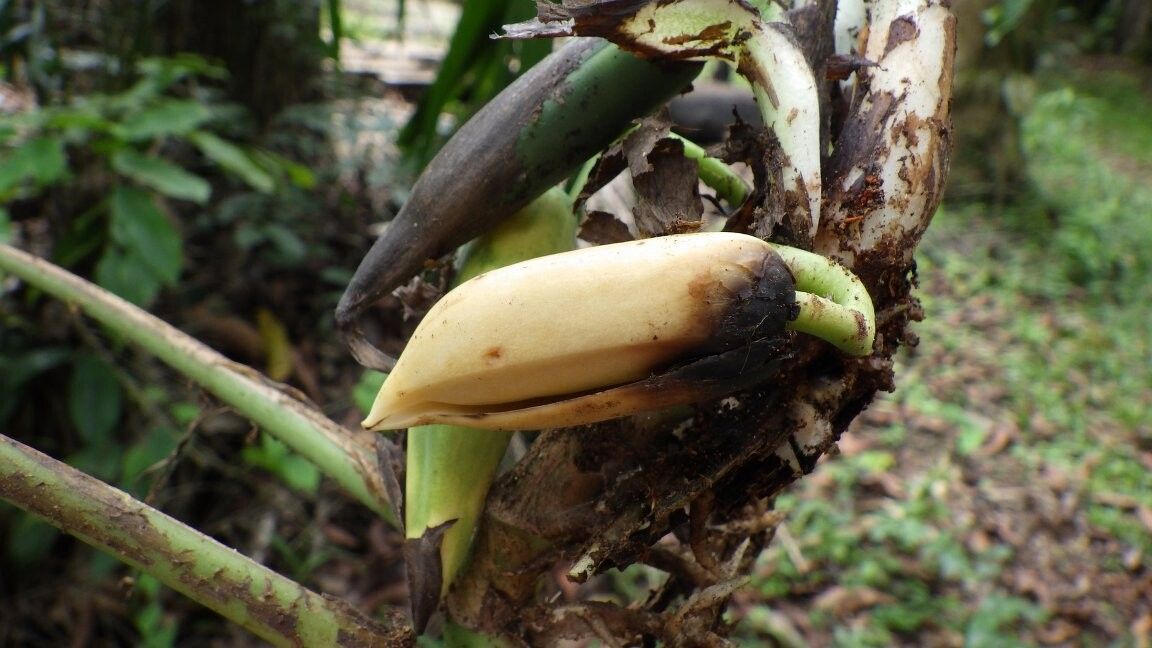
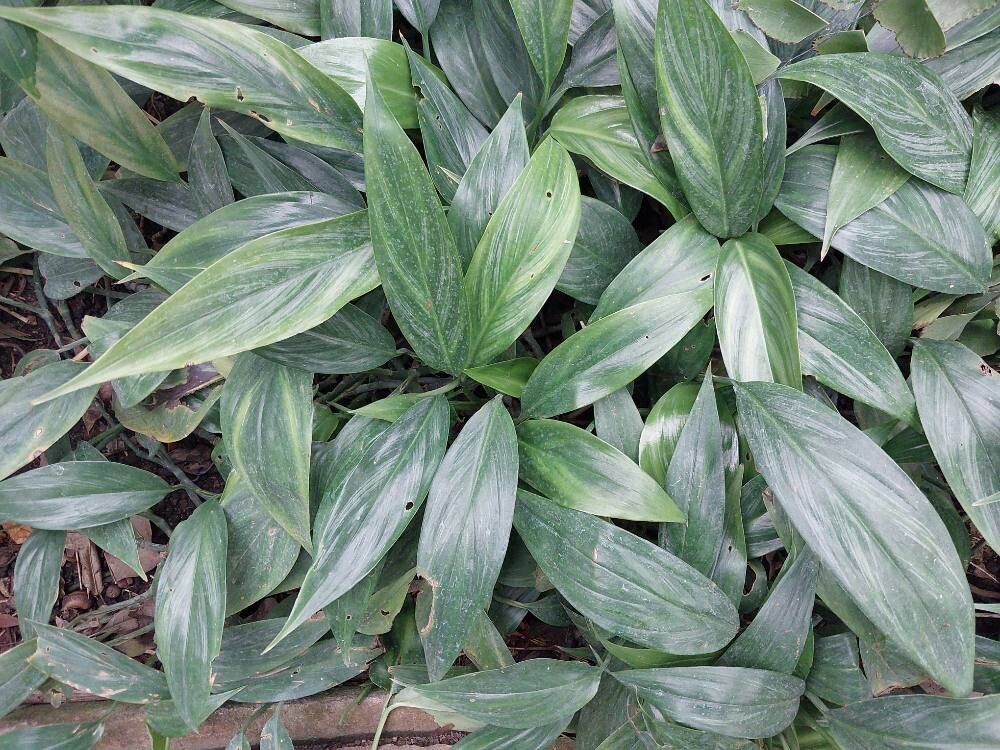
Rhaphidophora decursiva is a species of flowering plant in the family Araceae. It is native to China, the Indian Subcontinent, and Indochina.
Creeping philodendron has strong resistance to disease and is generally not susceptible to illnesses. Still, it can be affected by pests and diseases present in its environment. Such infections are typically not serious. Regarding care, this plant requires moderate maintenance. It should be pruned regularly to preserve a tidy appearance and support healthy growth. Fertilizing can also encourage flowering. Creeping philodendron is appropriate for anyone with outdoor space, like a garden or patio, and does not demand much care experience. It may need more attention when grown indoors.
How to keep Rhaphidophora Decursiva.
Light
In its native environment, the creeping philodendron does best with moderate sunlight. Its sunlight needs stay the same through different stages of growth. Too much sun can harm it, while too little light may impede its healthy growth.
Water
Creeping philodendron, native to tropical forest understoreys, thrives in moist environments. It requires consistent humidity but can withstand moderate drought. Ideally, it should be watered twice a week. As an evergreen climber, it is best grown indoors to maintain its vibrant foliage throughout the year.
Humidity
This plant needs special care because it loves high humidity levels of 60-80% or more. The best way to achieve this is by placing a humidifier near the plant. Daily misting is also essential! Make sure the room has good ventilation.
Temperature
Creeping philodendron is native to tropical regions and needs warm conditions. It typically does well at temperatures between 68 and 100 °F (20 and 38 °C). In colder months, to mimic its natural habitat, indoor temperatures can be maintained within this range.
Fertilizer
Proper fertilization is essential for the health and appearance of the Creeping philodendron. Fertilize the Creeping philodendron in summer, repeating the application monthly throughout the season. Nutrients supply energy for growth and help maintain the plant's parts. Feeding the plant improves the Creeping philodendron's flowering, ensuring the best blooms.
Pruning
To keep your creeping philodendron healthy and thriving, it's important to prune it regularly, ideally from early to late spring. This encourages bushier growth and helps prevent legginess. Use sterilized tools to trim any overgrown stems and remove damaged leaves. Additionally, managing the plant's aerial roots is beneficial, as it enhances air circulation, which in turn boosts the plant's vigor and resistance to diseases.
Pot & Repot
Repot creeping philodendrons every spring, using a pot that is one size larger than the current one. Keep the soil consistently moist, and provide a stake or trellis for support. As a climbing plant, creeping philodendrons benefit from plenty of space and regular care to thrive.
Toxicity
The philodendron is poisonous to both people and animals, like many tropical plants. Unfortunately, something about their trailing branches makes them particularly alluring to animals. Poison control routinely deals with this particular indoor plant. If you can, keep your plant out of harm's way. Even if you set it on a high shelf and keep the vines very short, it will still grow well.
Further reading →
The toxicity and danger assessments provided are for reference only. We do not assure their accuracy, so it's crucial not to depend on them. Seek professional advice when necessary for accurate guidance.
Botanical profile.
- Plant Type
- Herb
- Life Cycle
- Perennial
- Genus
- Rhaphidophora
- Family
- Araceae
- Hardiness Zone
- 10-12
- Mature Height
- 19.81 m
- Mature Spread
- 1.83 m to 3.05 m
- Leaf Color
- Green
- Leaf Type
- Evergreen
- Flower Color
- Yellow
- Flower Size
- 5.08 cm to 10.16 cm
- Bloom Time
- Summer
- Planting Time
- Spring, Summer, Autumn
- Harvest Time
- Late summer, Early fall, Mid fall
- Native Area
- Nepal, India, Cambodia, Vietnam, Myanmar, Bhutan, Bangladesh, Laos, Thailand, China
Other names.
Reader questions.
How should I water my Creeping philodendron plant the right way?
There are many ways to water your Creeping philodendron. If your plant is in a small indoor pot, you can bring it to the kitchen sink and add water from the faucet. Hold the pot in your hands and stop watering when the water starts draining from the holes in the pot. Avoid watering with cold water during winter or in cold climates, as it can harm the roots. If your tap water contains high levels of fluorine, chlorine, or salts, consider using rainwater or lake water. Additionally, the Creeping philodendron responds well to overhead watering or watering directly into the soil, so you can use a watering can, hose, or any other tool you prefer.
Why should I add fertilizer to my Creeping philodendron?
Plants need soil nutrients to grow, including the Creeping philodendron. However, the soil may not always have all the necessary nutrients. Fertilization and soil amendments ensure that plants in your garden have the basic nutrients they need and the specific ones they require. Creeping philodendron needs fertilizer to support its root and stem development. It also helps create beautiful foliage, which is important for its ornamental appeal.
What are the sunlight requirements for a creeping philodendron?
Creeping philodendron requires partial sun, meaning it thrives in about 3-6 hours of sunlight daily. However, it can also tolerate full shade, which is defined as less than 3 hours of sunlight per day. It's essential to observe the movement of sunlight through your garden carefully to identify spots that offer an optimal balance of light and shade, as this ensures the plant's health and happiness.
What is the native habitat and temperature requirement for Creeping Philodendron?
Creeping Philodendron, with its botanic name Rhaphidophora decursiva, is native to tropical regions and loves warm conditions. It thrives best in temperatures ranging from 68 to 100°F (20 to 38°C). To mirror its natural habitat, especially during colder months, it's essential to maintain indoor temperatures within this range. The plant is extremely heat-loving, and exposure to cold can cause harm. Hence, it's recommended to bring any outdoor-grown Creeping Philodendrons indoors during autumn, placing them near a bright window but away from direct heat sources, to ensure temperatures stay above 20°C during winter. Temperatures nearing 5°C can be harmful to the plant.
What should I do if I give my Creeping philodendron too much or too little water?
If your Creeping philodendron is underwatered, the first step is to give it some water. Water deeply until excess water runs out of the drainage hole or until the soil is thoroughly moist if you grow it outside. If the plant is receiving too much water, start by reducing the watering schedule. It's important to consider the soil and container the plant is in as well. If either of them hampers efficient drainage, the plant may become overwatered again. To fix this, transfer the plant to looser soils and/or a container with bigger drainage holes or a more porous material. Also, check the location of the plant. If it's in a corner, it's recommended to move it near a window or door for better ventilation. Ensuring the plants are placed in a well-ventilated spot can help prevent overwatering to some extent.
When should I fertilize my Creeping Philodendron?
A Creeping philodendron requires the most fertilizer when it is actively growing, which usually happens during spring, summer, and early fall. After winter, feed your Creeping philodendron once every two to four weeks until fall. As fall approaches, gradually decrease the amount of fertilizer until you stop feeding entirely in preparation for winter when the plant's growth slows down.
How does sunlight affect the growth of creeping philodendron?
The creeping philodendron thrives under moderate solar exposure, akin to its native habitat conditions. Throughout its growth stages, the plant's sun requirements remain consistent. Excessive exposure to sunlight can be harmful, causing damage, while insufficient light may impede its growth. When natural sunlight is not enough, especially in winters or less sunny spaces, artificial lighting such as LED lights can be used to provide the necessary wavelengths for healthy growth. These artificial lights should ideally provide 10-50W/sq ft depending on the plant's sunlight category, be placed 12-36 inches above the plant, and be kept on for 8-12 hours a day to mimic natural daylight hours.
How does low temperature affect Creeping Philodendron and what are the remedies?
Creeping Philodendron prefers warm temperatures and does not tolerate low temperatures well. It thrives best when the temperature is maintained above 20°C, and during winter, it's crucial to keep it above 5°C to avoid damage. Exposure to temperatures below 1°C may result in the leaves becoming lighter in color, which can progressively turn brown or black after frost damage, accompanied by wilting and drooping symptoms. The solution includes trimming off frost-damaged areas and moving the plant to a warmer indoor environment. Placing it near a south-facing window ensures ample sunlight, but it is important to avoid placing it directly by heaters or air conditioning vents to prevent the air from becoming too dry.
How often should I give water to my Creeping philodendron?
The Creeping philodendron is a plant that doesn't need constant moisture in its soil. It's best to let the soil dry out between waterings. If you have this plant in a container, you can tell when to water it by checking the dryness of the soil. If the top half of the soil is dry, it's time to add water. You can check the soil with your fingers, sticks, or a soil moisture meter. If you have this plant outdoors, you can water it about once every other week, unless it has rained recently.
When is the best time to not fertilize my Creeping philodendron?
For most of the year, which includes spring, summer, and most of the fall, you should regularly feed your Creeping philodendron. However, if you notice that you have given it too much fertilizer or have fertilized it incorrectly, causing fertilizer burn or other issues, you should fix that before resuming the regular feeding schedule. The only exception to feeding your Creeping philodendron is during winter. If you keep this plant indoors in a cold winter area, it will go into a dormant phase. Feeding it during this phase is unnecessary and detrimental to its growth, and it is likely to cause fertilizer burn.
What are the signs of inadequate light exposure in creeping philodendron?
Signs of inadequate light exposure in creeping philodendron include small leaves, which are smaller in size compared to mature ones, and leggy or sparse growth, characterized by longer spaces between leaves or stems. This makes the plant appear stretched-out, weak, and prone to breakage. Additionally, faster leaf drop, slower or no new growth, lighter-colored new leaves, chlorosis, sunscald, leaf curling, wilting, and leaf scorching are other symptoms indicating the plant is either getting too much or too little light. These symptoms reflect the plant's struggle with its environment, impacting its health and development.
How does high temperature affect Creeping Philodendron and what steps should be taken?
During the summer, it's crucial to ensure that the temperature where the Creeping Philodendron is kept does not exceed 38°C, as temperatures above 43°C can lighten the color of the leaves and make the plant more prone to sunburn. To mitigate the effects of high temperatures, damaged or sunburned parts should be trimmed away, and the plant should be relocated to an area that provides shade during the intense midday and afternoon sun. Watering the plant in the morning and evening helps keep the soil adequately moist and offsets the stress caused by high temperatures.