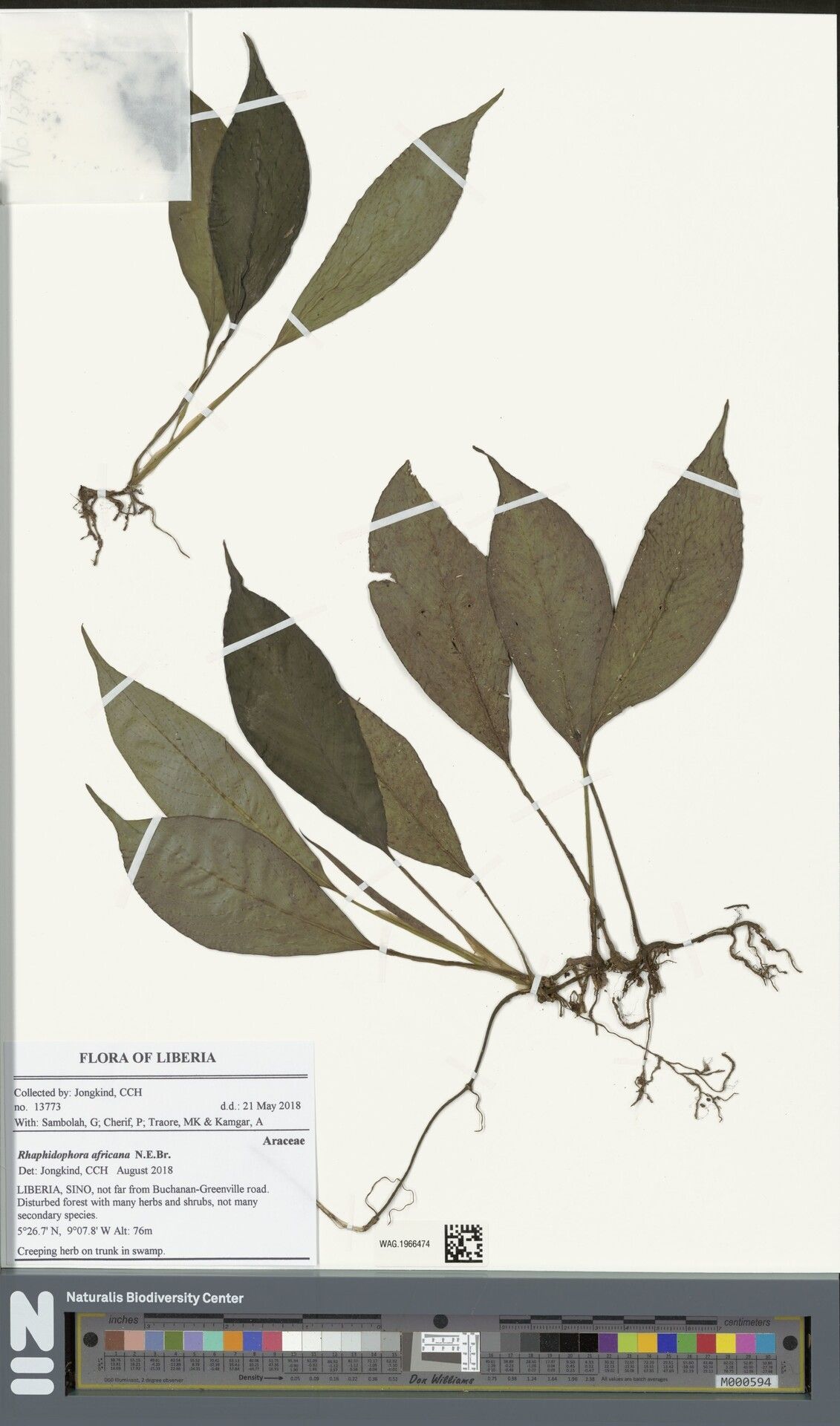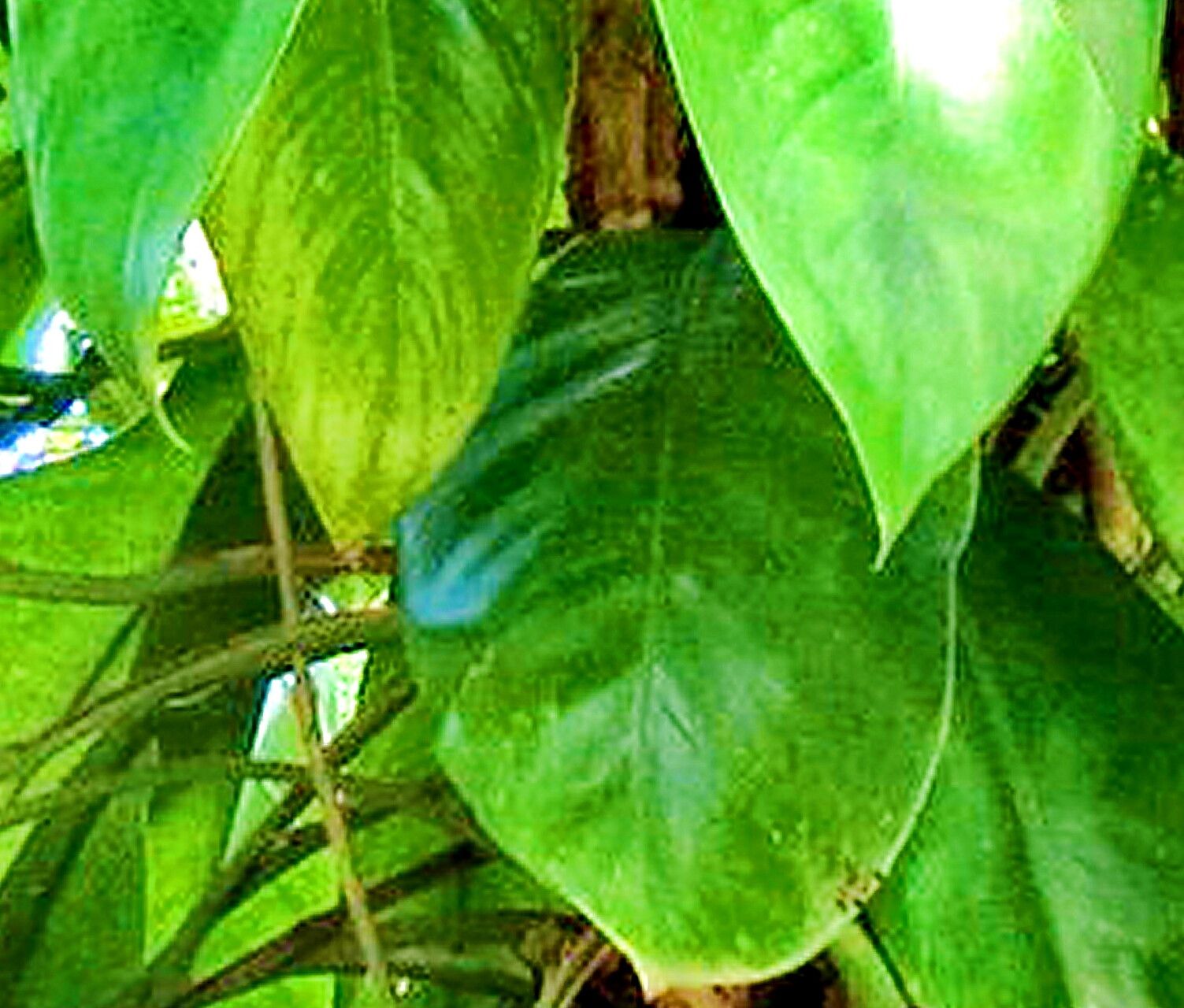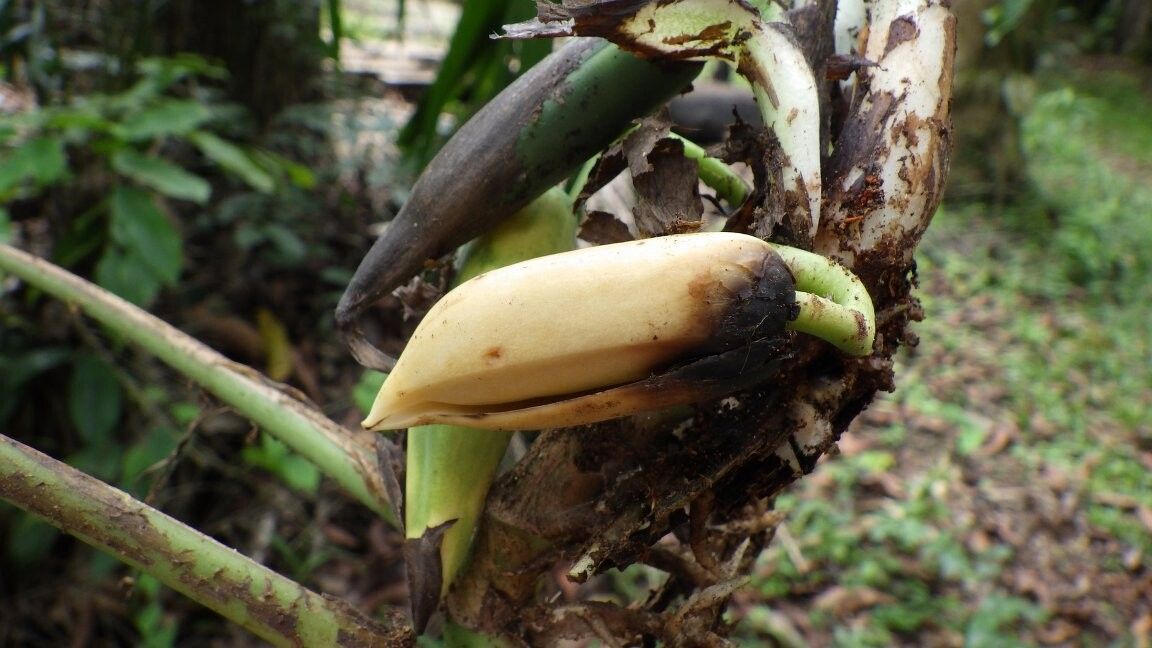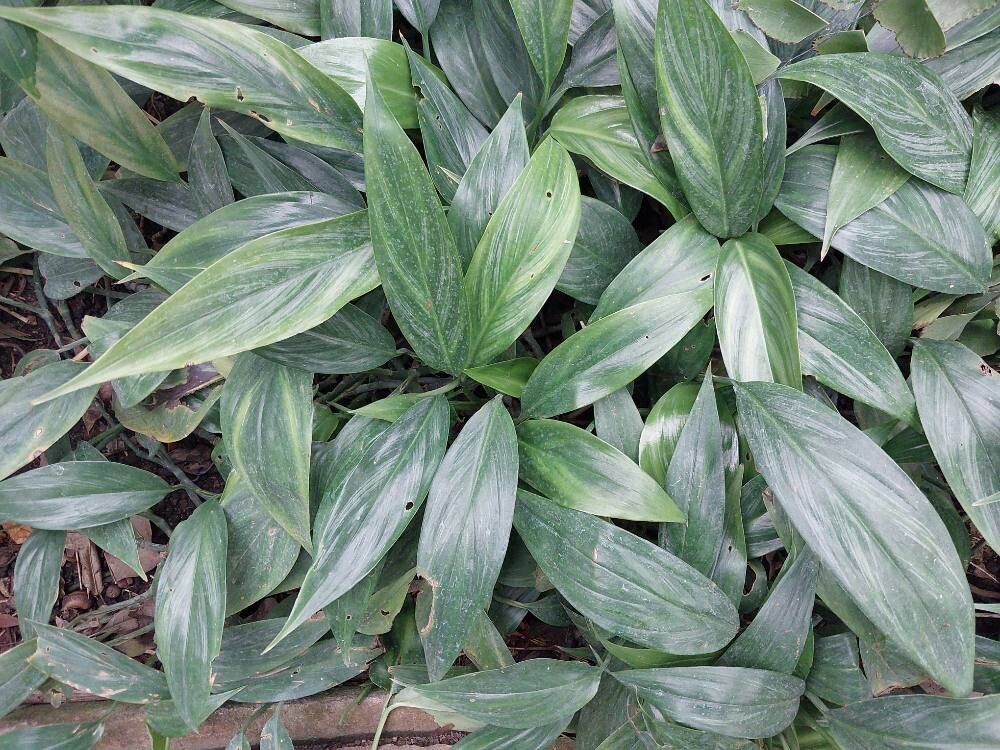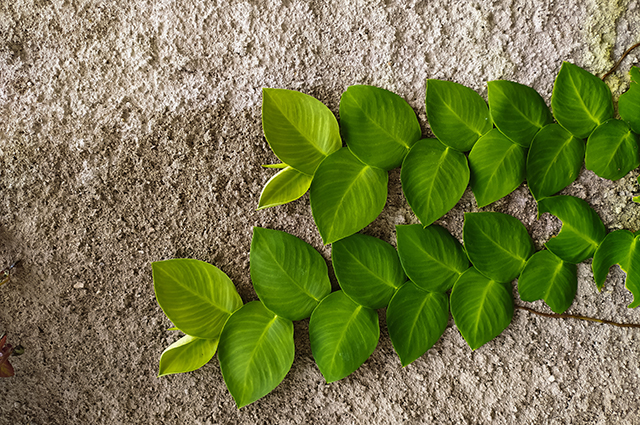
Shingle plant (Rhaphidophora hayi) from the family Araceae is a popular herbaceous climbing houseplant that develops aerial roots from the stem and that way it stabilizes on vertical surfaces. The stem and the leaves tightly attach to the porous support. This aroid plant is native to Queensland and New Guinea and it has solitary inflorescences when it blooms.
Shingle vine has good disease resistance and is generally not prone to disease. However, it can be affected by pests and illnesses present in its environment. Such infections are usually not severe. For care, this plant needs moderate maintenance. It should be pruned regularly to preserve a neat appearance and support healthy growth. Fertilization can also assist in promoting flowering. Shingle vine is suitable for anyone with outdoor space, like a garden or patio, and does not demand much gardening experience. It may need more attention when grown indoors.
How to keep Rhaphidophora Cryptantha.
Light
Shingle vine is native to habitats like forest understories and rocky areas, where it receives natural shade. It prefers partial sun but can tolerate both full sun and full shade, showing its adaptable and hardy nature.
Water
The shingle vine originates from tropical rainforests, where it flourishes in high humidity and consistent moisture. To keep it healthy and lush, water the plant twice a week, taking care not to over-saturate it. The shingle vine thrives indoors when planted in well-draining containers, which help prevent waterlogging and mimic its natural environment.
Temperature
Shingle vine comes from tropical areas, where the weather is usually warm and humid. Because of that, it is well suited to high heat and moisture. It does not tolerate sudden temperature shifts and favors a steady temperature, so avoiding indoor temperature fluctuations is important. It typically cannot endure cold and needs warmer conditions to grow. If the ambient temperature drops too much, the plant may stop growing or even die.
Fertilizer
Shingle vine needs the most fertilizer during its active growth period, which takes place mainly in spring, summer, and early fall. Fertilizing supplies essential nutrients the soil may be missing, supporting healthy root and stem growth and enhancing the attractive foliage, a key characteristic of this plant.
Pruning
If you want to shorten your plant or remove the infected parts, simply cut the plant to remove unwanted parts, but keep in mind to not exceed over ¼ of the plant size.
Toxicity
Keep in mind that shingle plant is toxic to humans, dogs, cats, and other pets. All parts of the plant are toxic. If eaten it can cause a burning, tingling sensation because of its toxic nonsoluble calcium oxalate salts which are formed into stones called raphides.
Further reading →
The toxicity and danger assessments provided are for reference only. We do not assure their accuracy, so it's crucial not to depend on them. Seek professional advice when necessary for accurate guidance.
Botanical profile.
- Plant Type
- Herb
- Life Cycle
- Perennial
- Genus
- Rhaphidophora
- Family
- Araceae
- Hardiness Zone
- 10
- Mature Height
- 3 m
- Mature Spread
- 0.91 m to 2.13 m
- Leaf Color
- Green, Silver
- Leaf Type
- Evergreen
- Flower Color
- Yellow
- Flower Size
- 5.08 cm to 10.16 cm
- Bloom Time
- All year round
- Planting Time
- Spring, Summer, Autumn
- Harvest Time
- All year round
- Native Area
- Southeast Asia