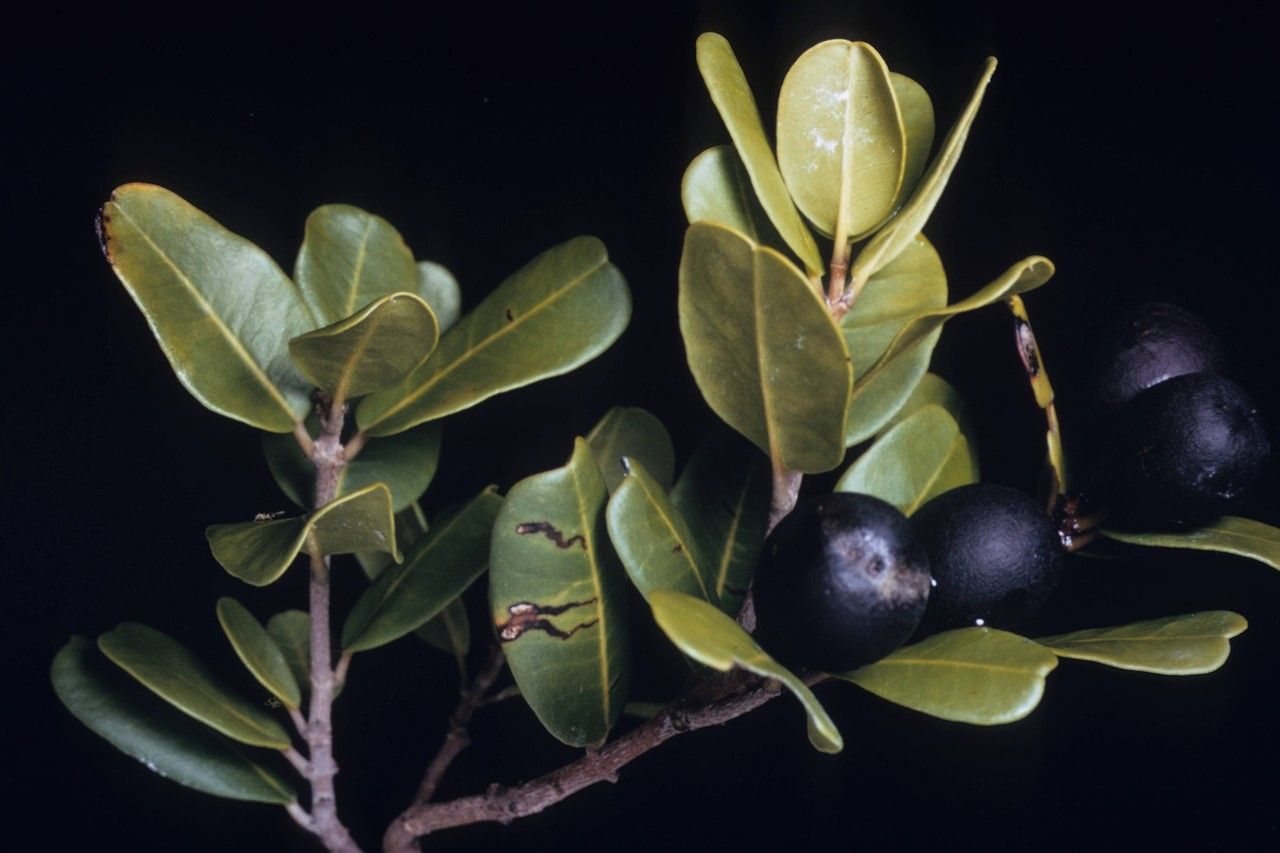
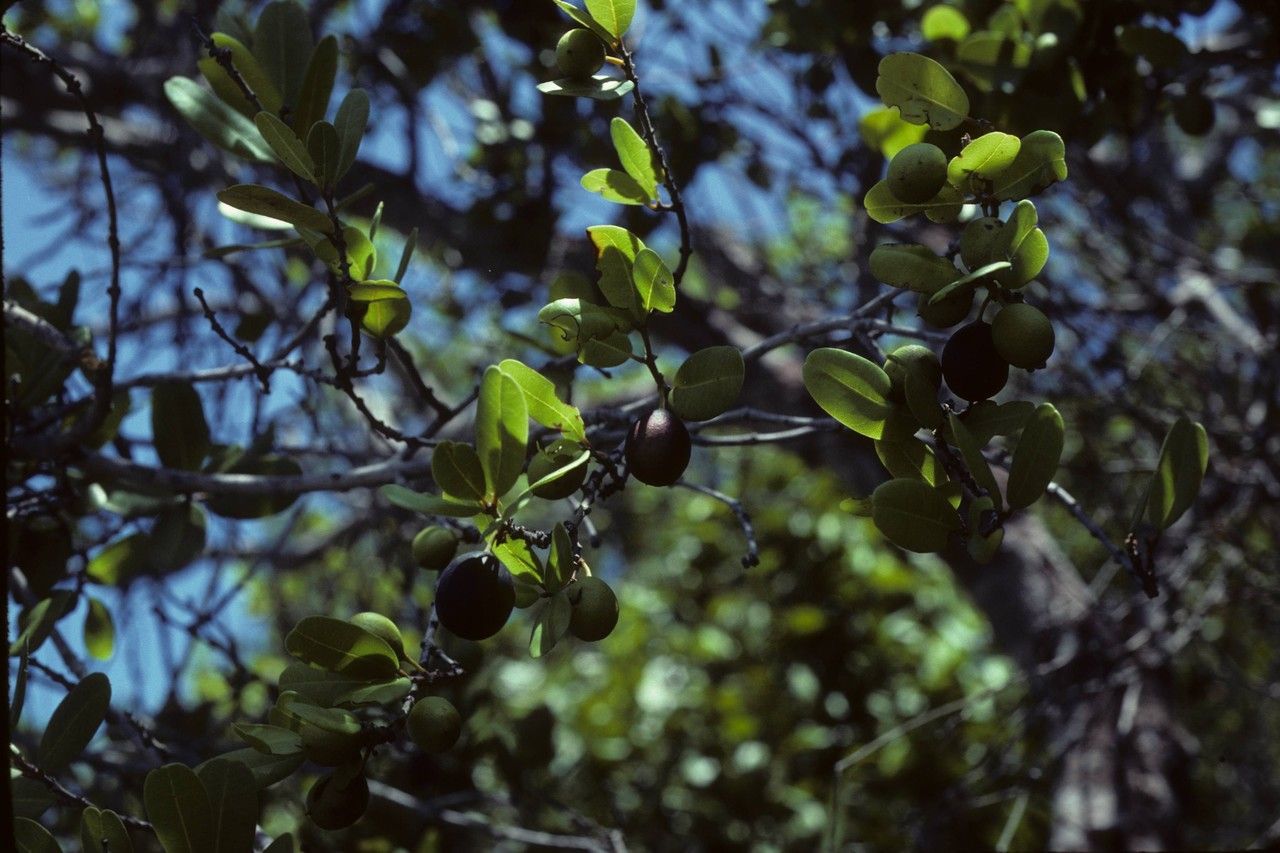
Darlingplum is resistant to disease and generally not susceptible to illnesses. In terms of upkeep, this plant is fairly low-maintenance. When grown outdoors it needs only light watering, and larger plants typically do not require pruning. Smaller plants, however, should be pruned after they finish blooming. Darlingplumt is appropriate for anyone with an outdoor area, such as a garden or deck, and does not need a lot of gardening experience.
How to keep Reynosia Septentrionalis.
Light
The Darlingplum thrives naturally in habitats like forest understories or rocky terrains, where it is exposed to natural shade. While it prefers conditions with partial sun, it is also adaptable and can thrive in both full sun and full shade, exemplifying its resilient and flexible character.
Temperature
Darlingplum is a species native to tropical areas, typically characterized by hot and moist conditions. This makes it acclimatized to higher temperatures and humidity. It is not fond of abrupt shifts in temperature and favors consistent temperature conditions. Thus, it's crucial to keep indoor temperature variations to a minimum. Generally, it does not endure low temperatures well and needs warmer temperatures to thrive. If the surrounding temperature plunges excessively, the plant could potentially stop growing or even perish.
Fertilizer
Opt for organic fertilizers, such as fish emulsion or compost, instead of synthetic fertilizers for Darlingplum. Furnish young plants with an increase of nitrogen and phosphorus during the spring season. Infuse compost or fertilizer either before or post the planting period. If the plants have matured, supplement them with either a balanced or a deficiency-specific fertilizer in spring. The signs of nutrient deficiency include miniature leaves, condensed branches, leaves turning yellow or bronze, fruits with high acidity, early fruit drop, and splitting.
Botanical profile.
- Plant Type
- Tree, Shrub
- Life Cycle
- Perennial
- Genus
- Reynosia
- Family
- Rhamnaceae
- Hardiness Zone
- 9-11
- Mature Height
- 3.05 m to 7.92 m
- Mature Spread
- 2.13 m to 3.96 m
- Leaf Color
- Dark Green
- Leaf Type
- Evergreen
- Flower Size
- 0.25 cm to 0.51 cm
- Bloom Time
- Early spring, Mid spring
- Planting Time
- Spring, Summer, Autumn
- Harvest Time
- Summer
- Native Area
- Bahamas, Cuba
Other names.