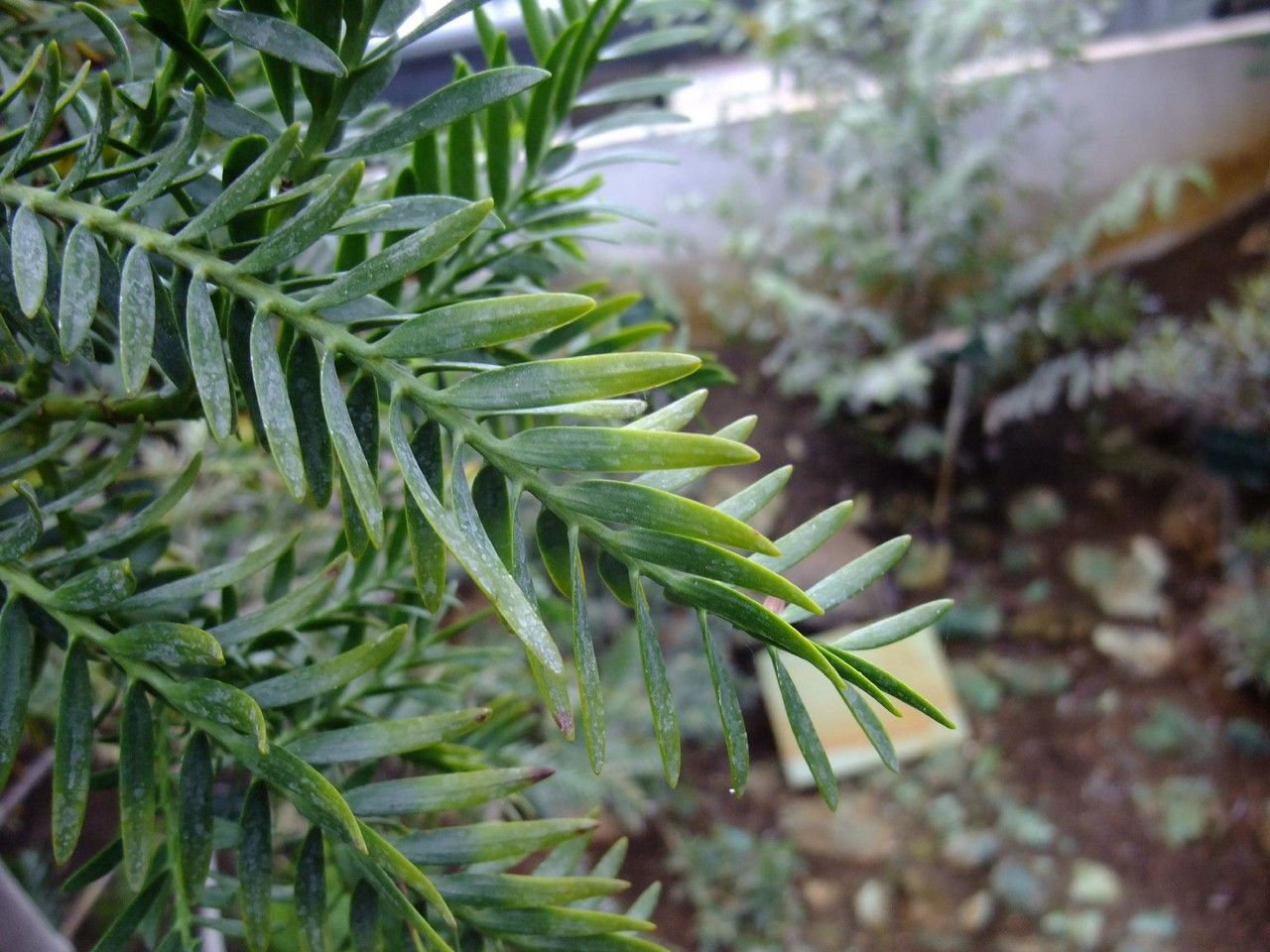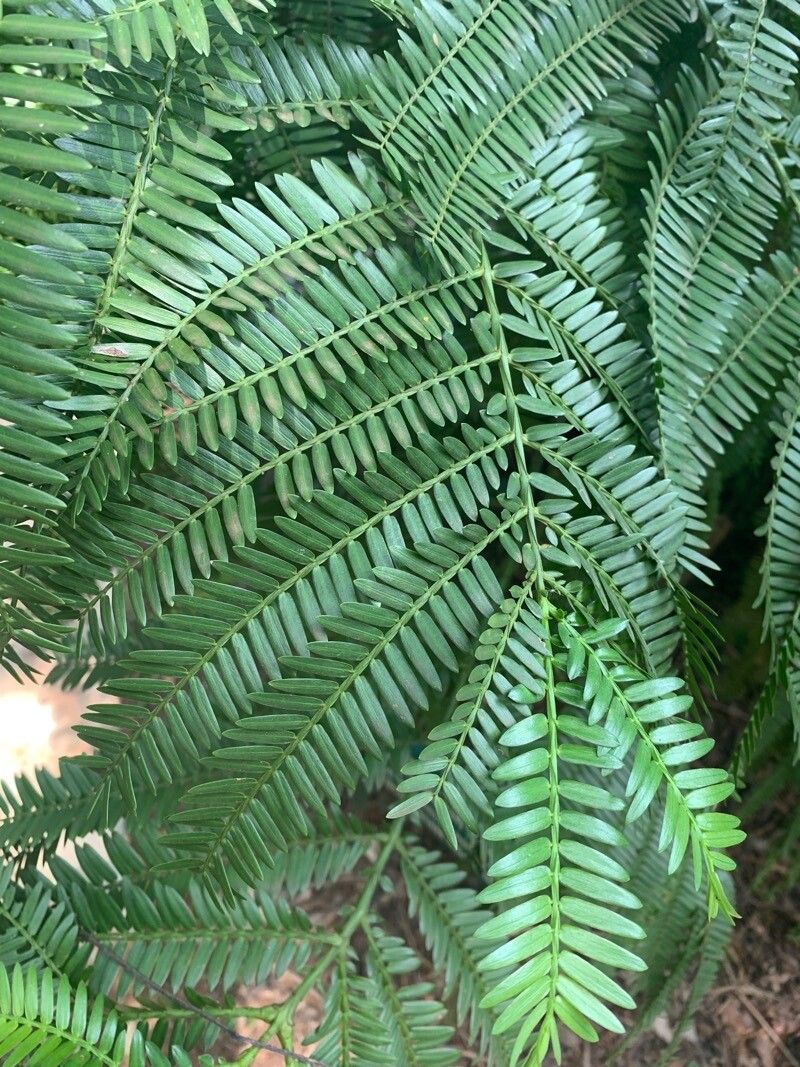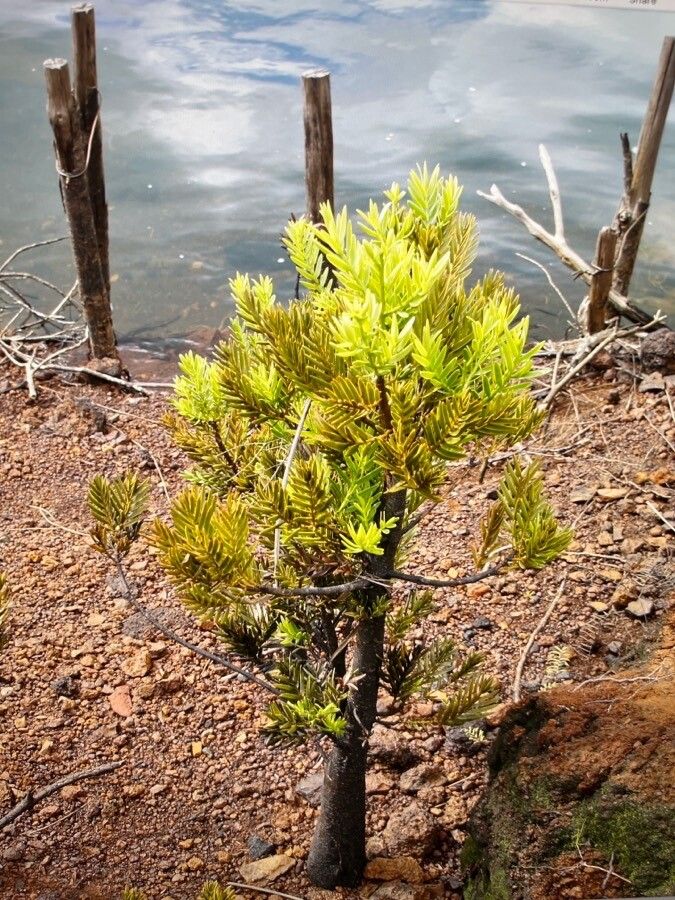
Retrophyllum rospigliosii is a species of conifer in the family Podocarpaceae. It is a large evergreen tree native to the montane rainforests of Venezuela, Colombia, Peru, Ecuador and Bolivia in South America.
Retrophyllum rospigliosii shows strong resistance to disease and is generally unlikely to suffer from illnesses. With regard to care, this species is fairly low maintenance. When grown outdoors it needs only light watering, and larger specimens usually do not require pruning. Smaller plants, however, should be trimmed after they finish blooming. Retrophyllum rospigliosiit is appropriate for anyone who has outdoor space, such as a garden or a deck, and does not demand extensive experience in plant care.
How to keep Retrophyllum Rospigliosii.
Light
Retrophyllum rospigliosii comes from open habitats, such as sunny meadows and forest edges, where light is plentiful. It does best in full sun but can also tolerate partial sun, adapting well to different sunlight conditions.
Water
Retrophyllum rospigliosii is a drought-tolerant evergreen that thrives with minimal water. Watering it every 2 to 3 weeks is enough to maintain its health, but keeping the soil consistently moist is important for its year-round foliage vitality.
Temperature
Retrophyllum rospigliosii comes from tropical areas where the climate is usually warm and humid. Therefore it is adapted to high temperatures and moisture. It is sensitive to abrupt temperature changes and prefers a steady thermal environment, so indoor temperature swings should be avoided. It typically cannot tolerate cold and needs warmer conditions to grow. If the surrounding temperature drops too much, the plant may stop growing or even die.
Fertilizer
Retrophyllum rospigliosii has specific nutrient needs and does not require heavy fertilization. Spring is the best time to apply fertilizer for optimal growth. Providing nutrients enhances its health, increases its resistance to pests and diseases, and helps maintain its long lifespan.
Pruning
Retrophyllum rospigliosii is a coniferous tree with fern-like foliage. To maintain its shape and promote its health, lightly prune the tree during its dormant period from early to late winter. This practice helps prevent disease and increases the tree's resilience, enhancing both its ornamental appeal and overall well-being.
Botanical profile.
- Plant Type
- Tree
- Life Cycle
- Perennial
- Genus
- Retrophyllum
- Family
- Podocarpaceae
- Hardiness Zone
- 9-11
- Mature Height
- 45.11 m
- Mature Spread
- 4.57 m to 11.89 m
- Leaf Color
- Dark Green
- Leaf Type
- Evergreen
- Bloom Time
- Mid spring, Late spring
- Planting Time
- Spring
- Harvest Time
- Late summer, Early fall, Mid fall
- Native Area
- Colombia, Bolivia, Venezuela, Peru, Brazil, Ecuador
Reader questions.
What are the sunlight requirements for Retrophyllum rospigliosii?
Retrophyllum rospigliosii thrives in environments that closely mimic its native habitats of sunny meadows and forest edges, favoring full sun to partial sun conditions. Full sun exposure aligns with more than 6 hours of direct sunlight daily, while partial sun refers to about 3-6 hours of sunlight. It's essential to observe the movement of sunlight through your garden to ensure your plants receive the ideal balance of light and shade, promoting their health and growth.
Can Retrophyllum rospigliosii adapt to artificial lighting and how?
Yes, Retrophyllum rospigliosii can adapt to artificial lighting, making it suitable for indoor environments where natural sunlight may be insufficient, especially during winter or in less sunny spaces. For optimal growth under artificial light, LED lights are recommended due to their ability to be customized to provide specific wavelengths needed by the plants. Full sun plants require 30-50W/sq ft, partial sun plants need 20-30W/sq ft, and full shade plants benefit from 10-20W/sq ft of artificial light. The light source should be placed 12-36 inches above the plant to mimic natural sunlight, with the duration mimicking natural daylight hours, generally between 8-12 hours per day.
What are the symptoms of insufficient light in Retrophyllum rospigliosii, and how does excessive sunlight affect it?
When Retrophyllum rospigliosii does not receive enough light, it may show symptoms such as smaller new leaves, leggy or sparse growth, faster leaf drop, slower or no new growth, and lighter-colored or yellowing leaves indicating chlorophyll deficiency. Excessive sunlight, on the other hand, can lead to chlorosis, sunscald, leaf curling, wilting, and leaf scorching, where the plant exhibits pale, bleached, or necrotic areas, and leaves become brown, dry, and crispy at the edges due to extreme sunlight exposure. These symptoms reflect the plant's struggle to adapt to its light environment, emphasizing the importance of providing optimal lighting conditions.
How can one manage Retrophyllum rospigliosii's light exposure indoors and outdoors for healthier growth?
To manage light exposure for Retrophyllum rospigliosii's healthier growth, gradually acclimate the plant to its ideal light conditions. Indoors, move the plant weekly to a sunnier spot until it gets at least 6 hours of direct sunlight daily, utilizing south-facing windows and considering artificial lighting solutions if needed. Outdoors, gradually relocate your plants to brighter areas, avoiding sudden changes to prevent sunburn. For ground-planted specimens, minimize sunlight obstructions by pruning nearby trees or transplanting the plant during its dormant period to a location with better sunlight and drainage. Note that parts of the plant affected by previous low light may not recover, but new growth should be healthy with improved light conditions.