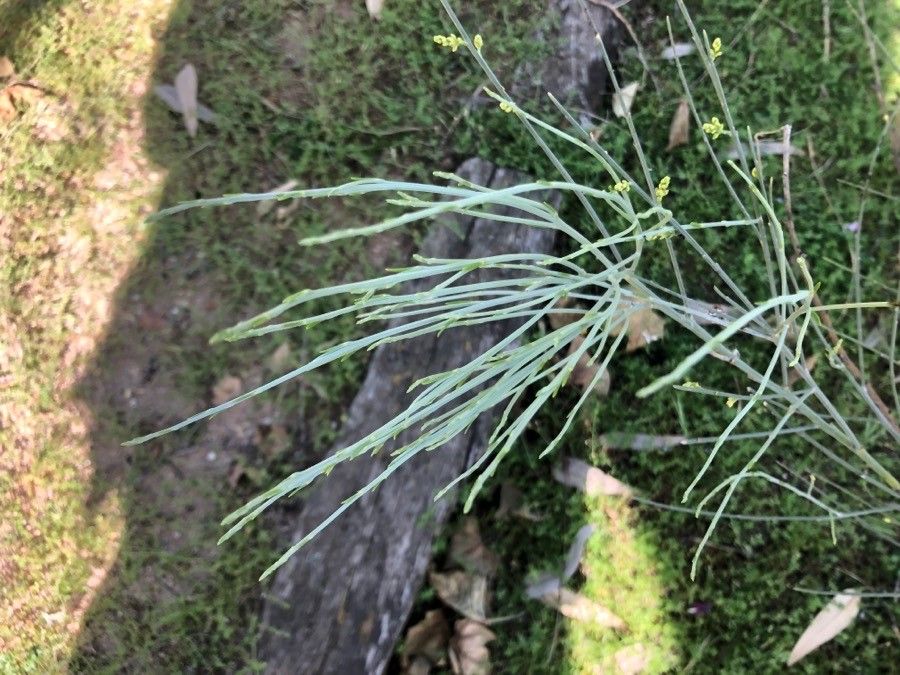
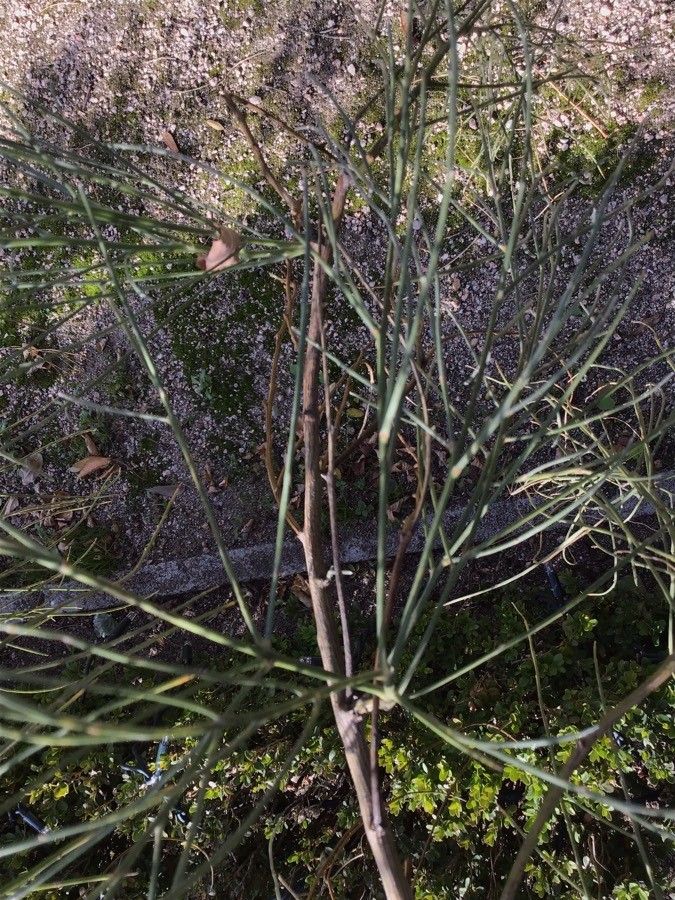
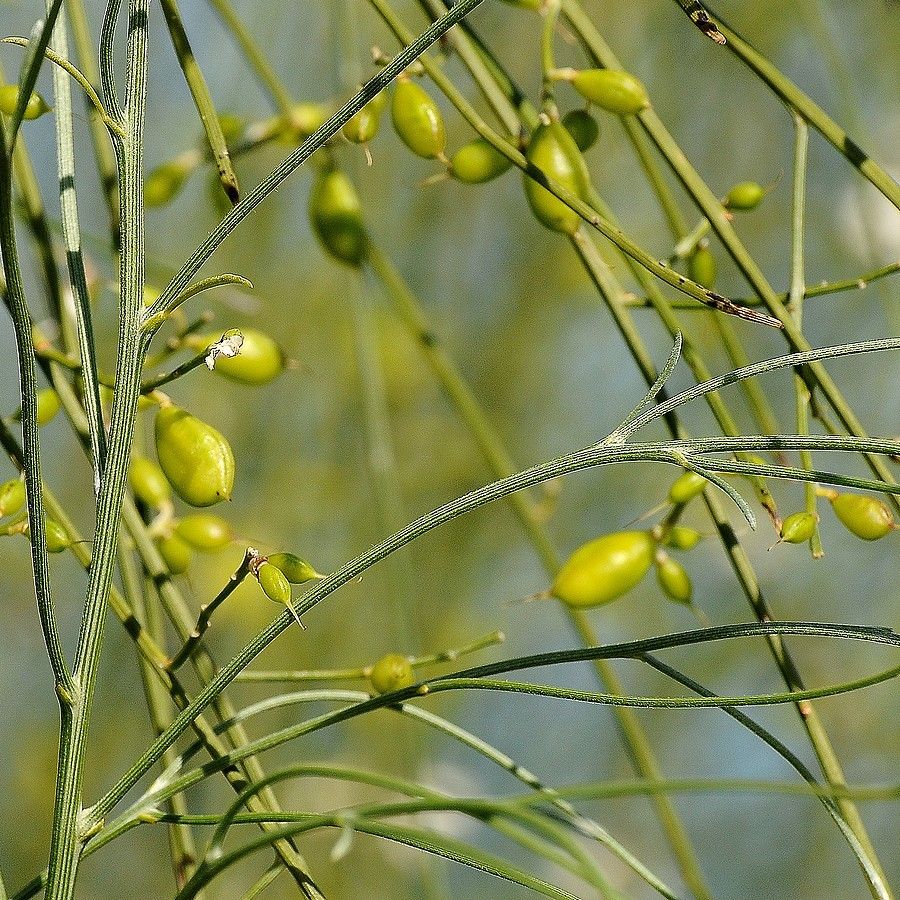
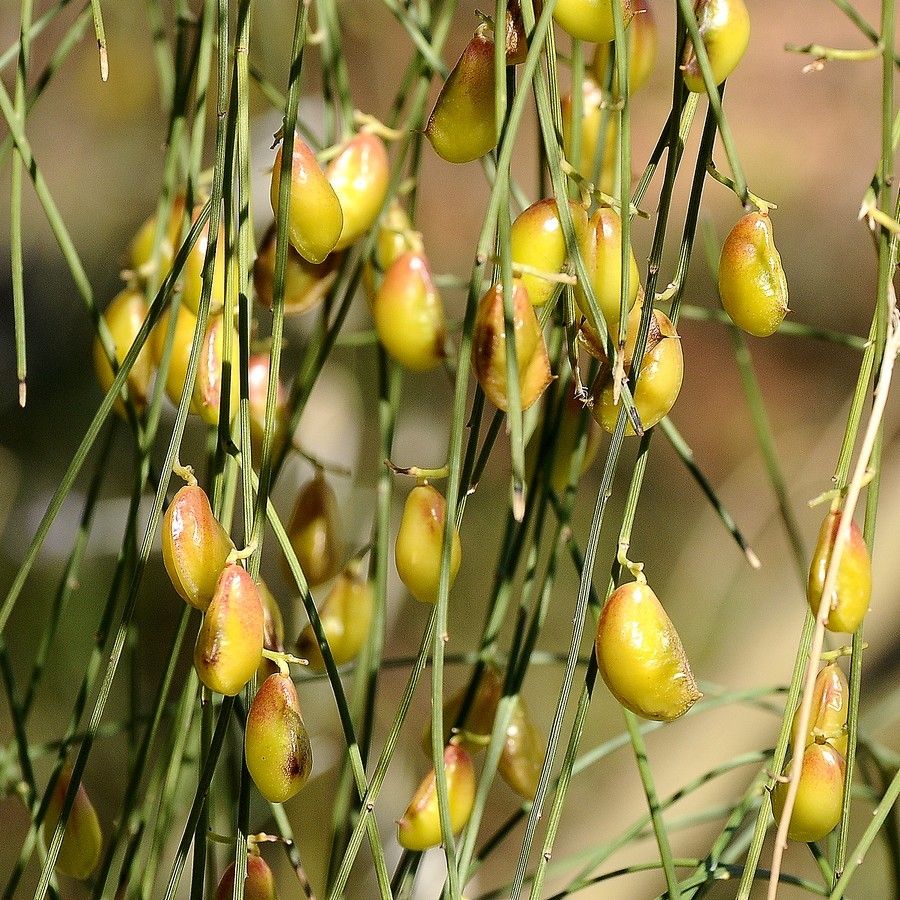
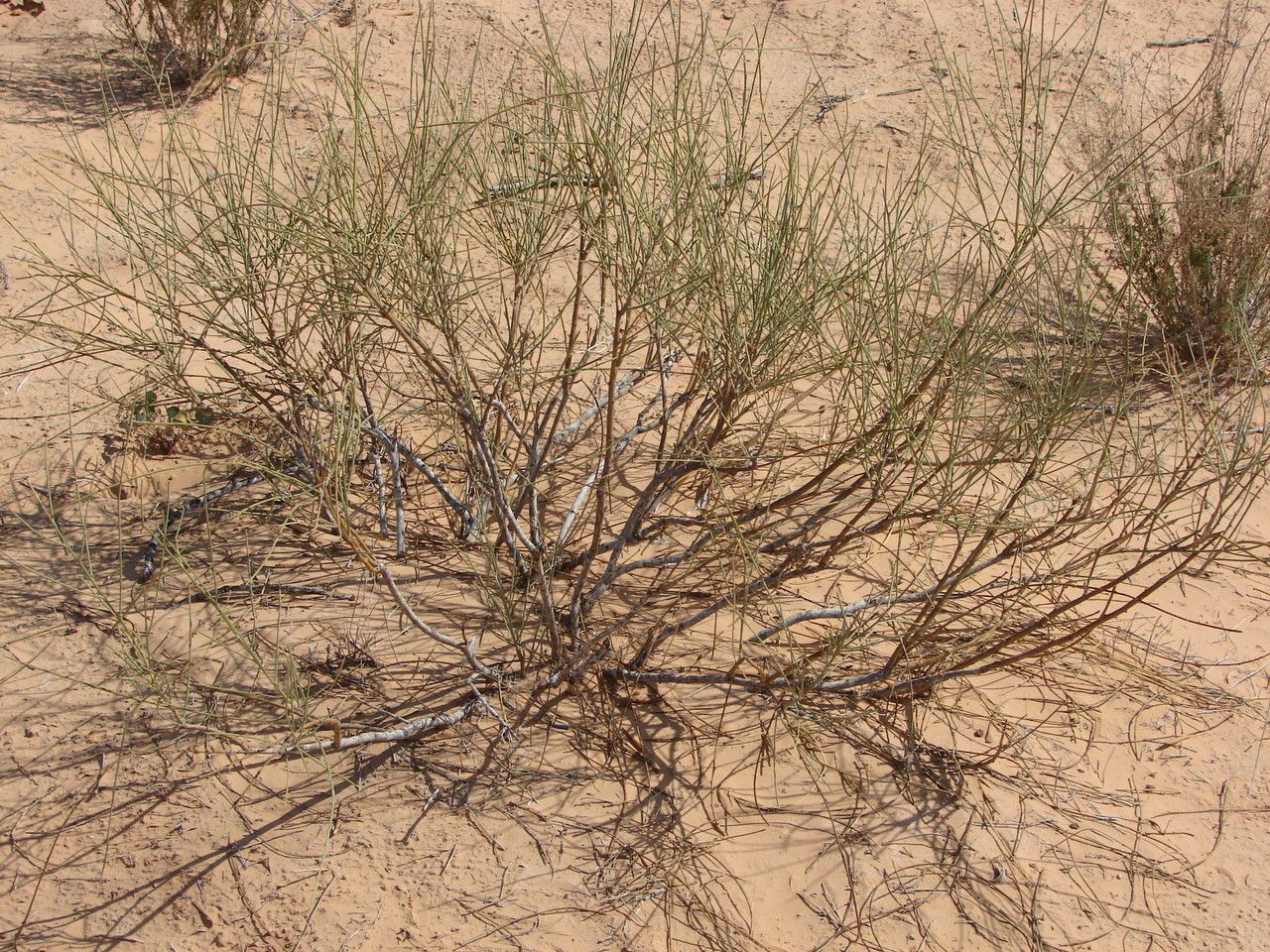
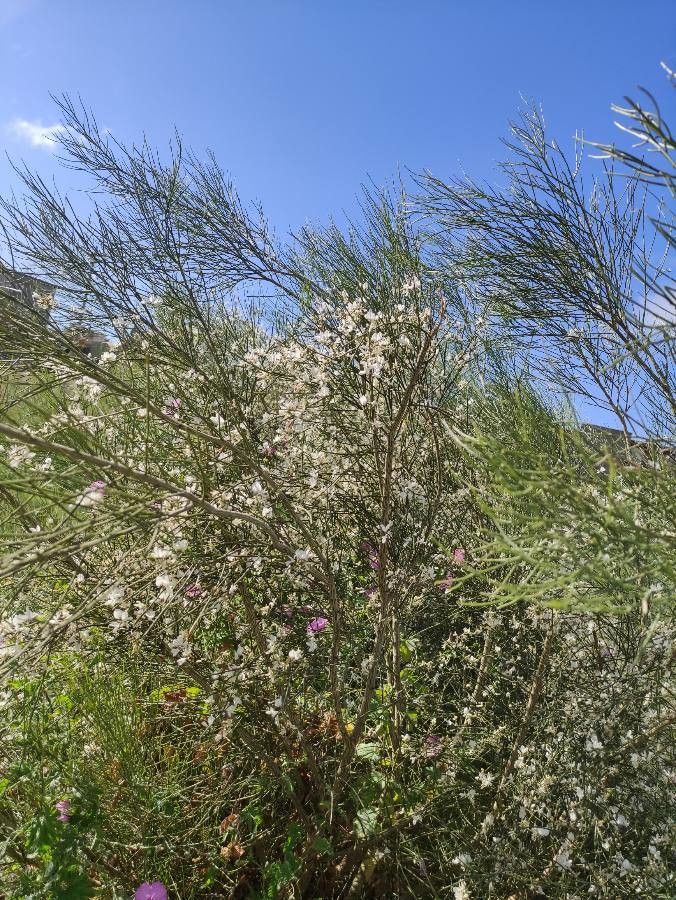
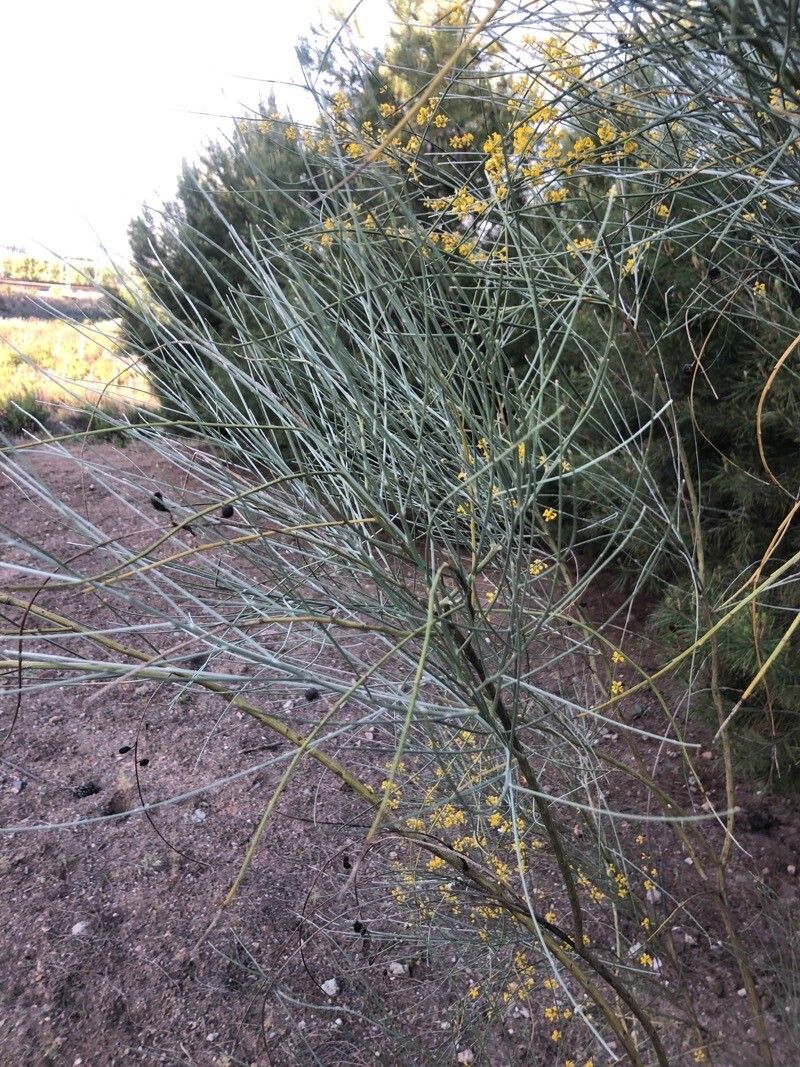
Retama monosperma, commonly known as the one-seed broom or white broom, is a shrub species belonging to the Fabaceae family. Native to North Africa and the Mediterranean region, it thrives in arid and semi-arid areas. This plant can grow up to 3 meters tall and spread up to 2 meters.
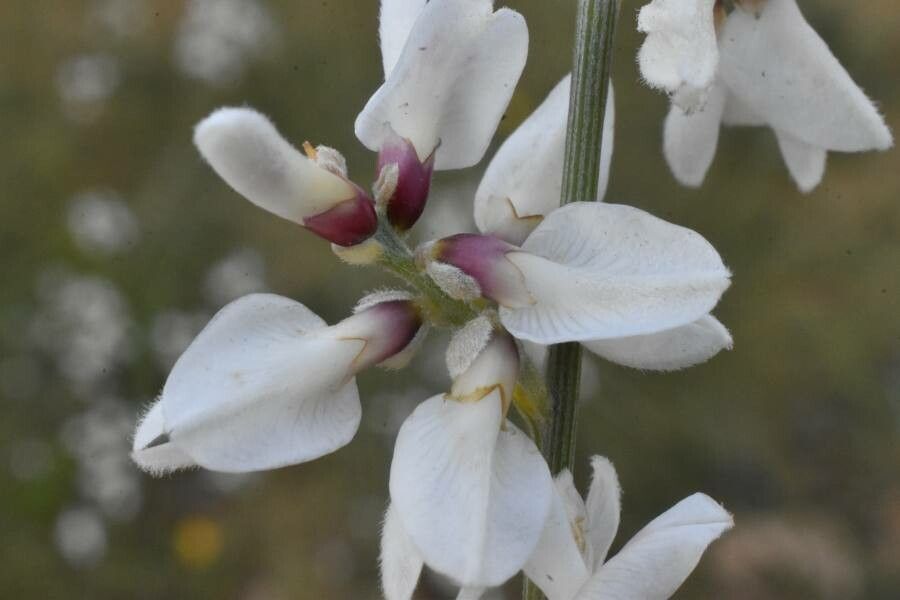
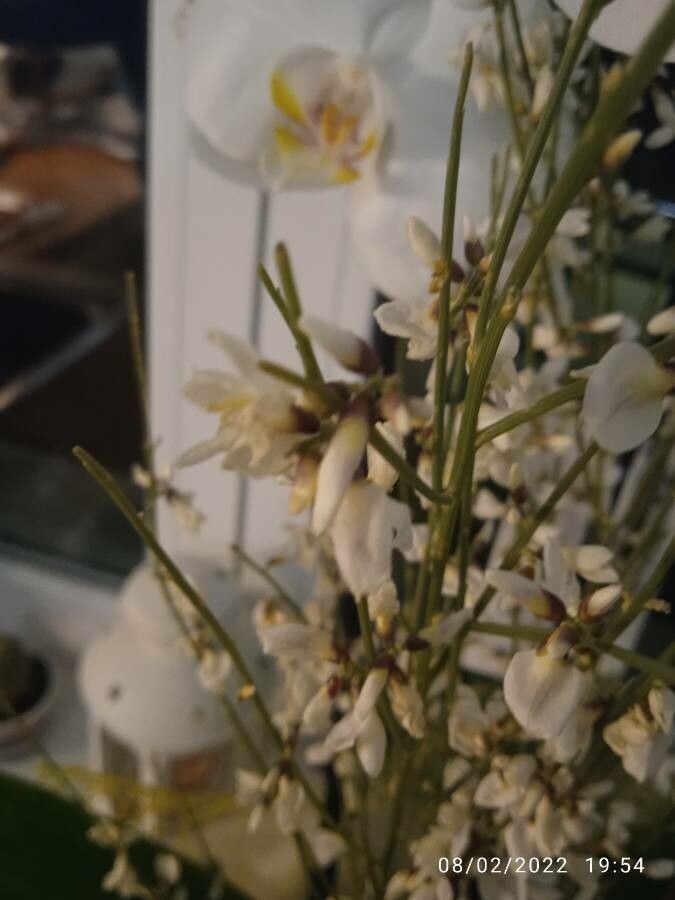
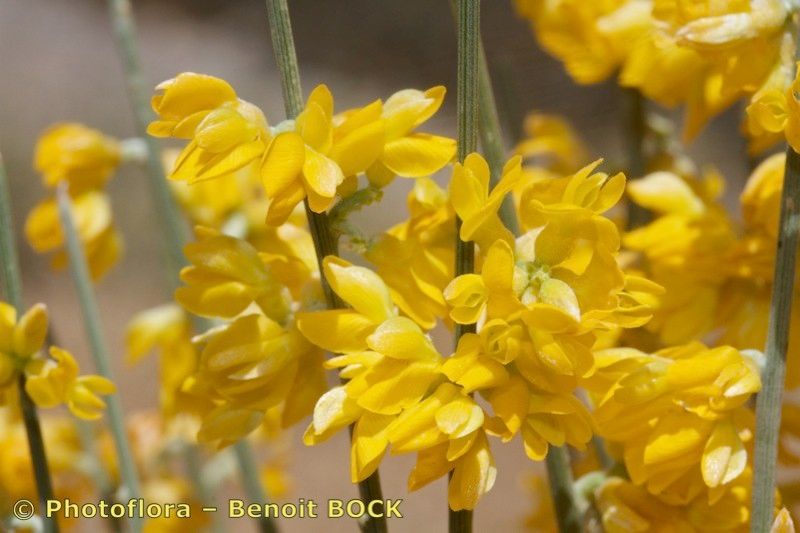
The leaves of Retama monosperma are small, narrow, and evergreen. Its flowers are white or cream-colored with five petals, blooming in late winter or early spring. The fruit is a long pod containing a single seed.
For centuries, Retama monosperma has been used for its medicinal properties, particularly for its anti-inflammatory effects. It is also popular as an ornamental plant due to its attractive flowers.
The plant prefers well-drained soil and full sun exposure but can tolerate some shade. It is drought-tolerant but does not withstand frosty conditions.
While Retama monosperma offers several benefits, it is important to note that all parts of the plant are toxic if ingested by humans or animals. Therefore, caution is advised when planting it in areas accessible to children or pets.
In summary, Retama monosperma is an intriguing shrub species known for its appealing flowers and medicinal properties. However, due to its toxicity, it requires careful handling.
Bridal veil broom has strong disease resistance and is usually not susceptible to diseases. Regarding care, this plant is fairly low-maintenance. When grown outdoors it needs little watering, and larger plants typically do not require pruning. Smaller plants, however, should be pruned after they finish blooming. Bridal veil broomt is suitable for anyone with an outdoor space, such as a garden or deck, and does not demand much care experience.
How to keep Retama Monosperma.
Light
Bridal veil broom prefers abundant sunlight and performs best when exposed to bright sun for most of the day. It tolerates partial shade, though that may slow its growth. The plant originates from sun-drenched habitats, reflecting its preference for ample light. Insufficient sunlight can result in a dull appearance, while too much can scorch the leaves.
Water
The Bridal Veil Broom, native to the Mediterranean coasts, is well-suited for dry conditions. It requires minimal watering, ideally just once every two weeks. This plant is an excellent choice for xeriscaping and low-water gardens as it can tolerate long periods without water. Its resilience makes it perfect for outdoor ornamental landscaping.
Temperature
Bridal veil broom originates from habitats where temperatures commonly range from 68 to 95 °F (20 to 35 ℃). It does best within that temperature band. If temperatures move outside this range, relocating the plant is recommended to recreate its native climate conditions.
Fertilizer
Timing is important when fertilizing Bridal veil broom. Apply fertilizer in early spring and continue monthly until early summer. Fertilizer promotes attractive blooms and supplies energy during both dormant and active growth phases.
Pruning
To keep your bridal veil broom healthy and blooming vigorously, prune it in late spring. This will allow you to remove any dead branches and thin out dense areas, which improves airflow and sunlight exposure. These steps help prevent fungal problems and promote robust blooming. When pruning, make sure to make clean cuts just above the leaf nodes or buds to preserve its natural shape.
Botanical profile.
- Plant Type
- Shrub
- Life Cycle
- Perennial
- Genus
- Retama
- Family
- Fabaceae
- Hardiness Zone
- 9-10
- Mature Height
- 3.96 m
- Mature Spread
- 3.05 m
- Leaf Color
- Green, Blue, Gray, Bronze
- Leaf Type
- Evergreen, Deciduous
- Flower Color
- White
- Flower Size
- 1.02 cm to 1.78 cm
- Bloom Time
- Early spring, Mid spring
- Planting Time
- Autumn, Spring
- Harvest Time
- Early summer, Mid summer
Other names.
Reader questions.
How should I water my Bridal veil broom the most effectively?
Your Bridal veil broom is not too picky about how you water it. You can use any common watering tool such as a watering can, hose, or even a cup. It's important to water the soil directly and make sure all areas are equally moistened to cater to the entire root system. Using filtered water is better than tap water as tap water may contain harmful particles. Additionally, it's preferable to use water at or slightly above room temperature to avoid shocking the Bridal veil broom. However, this plant usually responds well to any type of water you provide.
Why should I add fertilizer to my Bridal veil broom plant?
To ensure your Bridal Veil Broom produces beautiful blooms, it is important to fertilize it. Fertilizing in early spring is especially beneficial for abundant flowers. Additionally, fertilizer provides the plant with energy during its dormant growth phases, which can be stored in the ground. By giving your Bridal Veil Broom extra nutrients during fall planting or late spring, it will have more energy to use when active growth resumes.
What are the sunlight requirements for Bridal Veil Broom?
Bridal Veil Broom (Retama monosperma) thrives when exposed to full sunlight for most of the day but can also tolerate partial shade. Full sun exposure is defined as above 6 hours of direct sunlight a day, while partial sun means about 3-6 hours of sunlight. Despite its ability to grow in both conditions, the plant performs best in robust sunlight, coming from sun-drenched habitats. Insufficient sunlight can result in a lackluster appearance, slower growth rates, and in cases of overexposure, leaf scorch. It's important to watch how sunlight moves through your garden to find the ideal balance for your plant.
What is the optimal temperature range for a Bridal Veil Broom?
The Bridal Veil Broom thrives in environments where the temperature frequently ranges from 68 to 95 °F (20 to 35 °C), which is its optimal temperature range. Adaptive measures should be considered if the temperature deviates significantly from this range to simulate its native climate conditions more closely.
What should I do if I give too much or too little water to my Bridal veil broom?
Outdoor plants, especially newly planted ones or seedlings, can often suffer from lack of watering. It's important to remember to consistently water them enough for the first few months, until their roots are established and they can rely on rainwater. When Bridal veil broom plants are in pots, overwatering is more likely. If you accidentally overwater your Bridal veil broom, act quickly to remedy the situation. Stop watering immediately to minimize the impact of overwatering. Then, remove the plant from its pot and inspect the roots. If there are no signs of root rot, you can return the plant to its container. If root rot is present, trim the affected roots and consider applying a fungicide to prevent further damage. Repot the plant in well-draining soil. Underwatered Bridal veil broom plants can be easily fixed by watering them more frequently. When the plant is underwatered, the leaves may droop, dry out, and fall off. Once properly watered, the leaves will regain their fullness. Adjust your watering frequency as soon as you notice underwatering.
When should I put fertilizer on my Bridal veil broom plant?
Fertilizing Bridal veil broom requires precise timing. If fertilizer is applied too early, while the plant is still dormant, it will not be effective. Instead, it will be washed away by rainwater, causing waste and pollution. The first application of fertilizer should be done in early spring, and then continue fertilizing once a month until early summer.
Can Bridal Veil Broom be grown indoors and how?
Yes, Bridal Veil Broom can be grown indoors, particularly in situations where natural sunlight is scarce, such as during the winter or in less sunny spaces within the home. To support its growth indoors, adequate lighting is crucial. Artificial lighting, like LED lights which can be adjusted to provide specific wavelengths, is beneficial. The right amount of artificial light varies depending on the type of plant: full sun plants require 30-50W/sq ft, partial sun plants need 20-30W/sq ft, and full shade plants should get 10-20W/sq ft. Position the light source 12-36 inches above the plant to mimic natural conditions and provide 8-12 hours of light per day to promote healthy growth.
How does Bridal Veil Broom react to cold temperatures?
Bridal Veil Broom has a moderate tolerance to cold, performing best when the temperature is above 20°C (68°F). It can generally withstand temperatures down to 0°C without additional protective measures. However, once the temperature drops below 0°C, temporary cold protection measures are essential, such as wrapping the plant with materials like plastic film or fabric. These measures should be removed once temperatures rise again. If the temperature falls below -5°C, the plant's leaves may droop, and with prolonged exposure to such cold, leaves may wilt permanently and fall off.
How frequently should I water my Bridal veil broom plant?
If you have outdoor plants, they usually don't need extra watering if there's enough rainfall. But if your area doesn't get much rain, make sure to water them every 2 weeks in the spring and fall, and more often in the summer. In the winter, you can water them less because they grow slower and need less water. However, you may not need to water them at all during the winter. If you have a young or newly planted Bridal veil broom, you should water it more often to help it establish and grow. For potted plants like the Bridal veil broom, there are two ways to decide how often to water them. The first way is to set a schedule and water them once a week or every other week. However, this may not be enough if the plant needs more water based on its environment. The second way is to check the soil moisture and only water when the top two to four inches of soil have completely dried out. This is usually about 1/3 to 1/2 depth of the pots.
When is the best time to not use fertilizer on my Bridal veil broom?
To ensure optimal growth and blooming of Bridal veil broom, it is important to be mindful of the type of fertilizer used. Avoid using fertilizer with excessive nitrogen as this can result in an abundance of leaves but fewer blooms. Instead, look for a fertilizer that has a lower nitrogen content compared to other nutrients. Timing is key when it comes to fertilizing Bridal veil broom. It is advisable to refrain from fertilizing after the early autumn period, as this can lead to excessive growth just before winter, which is not ideal. It is also important to avoid fertilizing during hot and dry seasons, as dry soil does not effectively deliver the nutrients and can contribute to stimulation of growth that requires more water. Therefore, it is best to apply fertilizer earlier in the season when temperatures are cooler. Lastly, it is worth noting that Bridal veil broom has the ability to absorb fertilizer that has been applied to nearby plants or lawns. Therefore, it is crucial to be cautious and avoid inadvertently providing the tree or shrub with an accidental double-dose of fertilizer.
What are the signs of insufficient light for Bridal Veil Broom?
If Bridal Veil Broom doesn't receive enough light, especially when grown indoors, it may exhibit several symptoms indicating light deficiency. These include smaller new leaves, leggy or sparse growth, faster leaf drop, slowed or ceased growth, and lighter-colored or yellow leaves (chlorosis). Overexposure to intense sunlight can also cause issues such as leaves or stems with sunscald, leaf curling as a defense against sunlight exposure, wilting from excessive water loss, and leaf scorching characterized by brown, dry edges on leaves.
What should be done if Bridal Veil Broom is damaged by frost?
If the Bridal Veil Broom suffers frost damage, you should trim off the affected parts. To prevent future damage in cold conditions, it is advisable to wrap the plant with non-woven fabric or cloth, and possibly erect a wind barrier to protect against the cold wind.